
Artificial Intelligence — How AI is preventing Sports Injuries before they even happen. In this post, I will talk about how some of the advanced technologies using data analysis has turned out to be a true blessing when it comes to reducing sports/aerobic injuries beforehand.
AI is changing the way athletes train, recover, and compete by flagging potential hazards early. AI also helps to monitor health aspects including fatigue
Identify movement patterns and potential injury mechanisms, improving safety and helping maintain the performance of athletes throughout their sporting careers.
Key Points & Ways AI Is Reducing Sports Injuries Before They Happen
- Real-time biomechanical analysis tracks athlete movements instantly, identifying risky patterns and correcting technique before injuries develop.
- Wearable load management systems measure physical stress levels, helping teams balance workloads and avoid excessive strain injuries.
- Fatigue monitoring and prediction tools analyze sleep, exertion, and recovery data to prevent exhaustion-related injuries early.
- Personalized training schedules use AI insights to adapt workouts, ensuring optimal intensity and reducing injury risks.
- Predicting overuse injuries through data trends helps athletes modify routines before repetitive stress causes damage.
- Computer vision for gait and posture assessment detects imbalances, improving alignment and preventing long-term musculoskeletal injuries.
- Environmental hazard analysis evaluates weather, field conditions, and surroundings to reduce risks from unsafe playing environments.
- Automatic concussion risk detection identifies dangerous impacts quickly, enabling immediate action and reducing severe brain injuries.
- Predictive modeling of injury risks uses historical and real-time data to forecast and prevent potential athlete injuries.
- Intelligent Equipment customization designs gear tailored to individuals, improving protection and minimizing injury chances during sports activities.
10 Ways AI Is Reducing Sports Injuries Before They Happen In 2026
1. Real-Time Biomechanical Analysis
Real time biomechanical report application of AI systems continuously assesses and monitors the movement patterns of athletes during training or competition.
Using sensors and cameras to measure angles of joints, stride pattern recognition and proportions of forces.
This data is processed by algorithms that identify any inefficient, risky patterns of movement that can increase the risk of injuries.
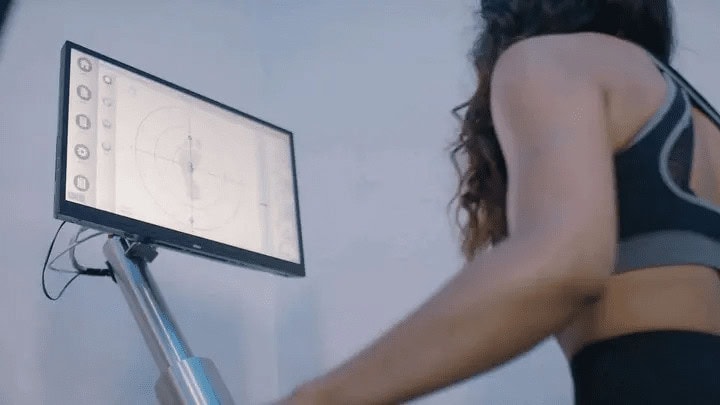
Coaches, trainers even get instant feedback as it allows them to correct posture or technique or any motion before strain sets in.
The system uses this proactive approach to alleviate stress on muscles and ligaments. As this data gets continuously monitored, performance can be improved efficiently, and therefore helps in training safe and effective with reduced risks of injuries in modern sports environment.
| Feature | Description |
|---|---|
| Motion Tracking | Tracks joint angles, posture, and movement patterns in real time during activities |
| Instant Feedback | Provides immediate corrections to athletes and coaches to avoid risky movements |
| Injury Risk Detection | Identifies improper techniques that may lead to strains or ligament damage |
| Performance Optimization | Improves efficiency by refining movement mechanics and reducing wasted energy |
| Continuous Monitoring | Ensures ongoing analysis for safer and more effective training sessions |
2. Wearable Load Management
Such systems use smart devices (for example, GPS trackers and biometric sensors) to measure the physical workload of athletes.
These tools calculate factors such as distance traveled, acceleration, heart rate and impact forces. This data is then analyzed by AI to see if an athlete is overtraining or undertraining.
Coaches can manipulate the levels of intensity leading to possible disruptions and injury by avoiding common cases of soreness.
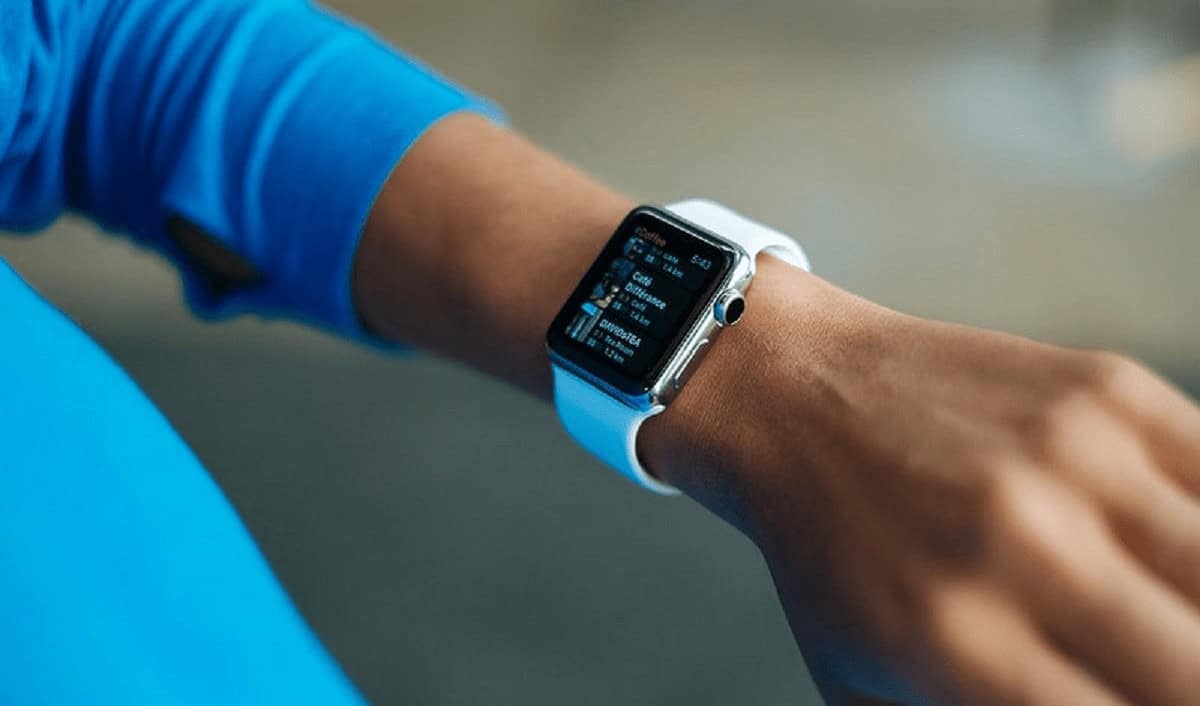
Ensuring an appropriate balance of workload keeps athletes fresh and healthy but stops their bodies from being pushed over the edge.
Not only does this technology support long-term performance, but it also minimizes the risk of training load/competition load injuries from fatigue.
| Feature | Description |
|---|---|
| Activity Tracking | Monitors distance, speed, and intensity during training and matches |
| Biometric Monitoring | Tracks heart rate, impact forces, and physical exertion levels continuously |
| Load Balancing | Helps maintain optimal workload to avoid overtraining or undertraining |
| Real-Time Alerts | Notifies coaches when athletes exceed safe physical limits |
| Performance Insights | Provides data-driven insights for safer and more efficient training plans |
3. Fatigue Monitoring and Prediction
For instance, Fatigue monitoring and prediction systems employ AI to examine details like sleep data, heart rate variability data as well as activity data.
This enables a synergistic effect as AI will consider these inputs together to detect early signs of fatigue that a coach or an athlete might not even see.
As fatigue sets in, reaction times slow down and muscle function becomes less efficient, leading to a considerable increase the risk those injuries.
By leveraging AI for providing alerts and suggestions, teams can adjust intensity of the training or give proper rest.
This proactive means that athletes are able to recover properly, maintain energy levels, and avoid injuries caused by the fatigue and strain of an aggressive sports calendar.
| Feature | Description |
|---|---|
| Sleep Analysis | Tracks sleep quality and recovery patterns for optimal performance |
| Energy Level Tracking | Monitors exertion and fatigue levels during training sessions |
| Early Warning System | Detects signs of fatigue before they impact performance or safety |
| Recovery Recommendations | Suggests rest and recovery strategies based on athlete condition |
| Injury Prevention | Reduces risk of injuries caused by exhaustion and overexertion |
4. Personalized Training Schedules
Personalized training schedules powered by AI are tailored fitness sessions in which workouts tailor according to physical condition, performance data, and recovery requirements of an athlete.
Unlike traditional plans — which take a one-size-fits-all approach — AI adjusts the intensity, duration, and frequency of training based on an individual’s needs.
This maximizes the potential of avoiding overtraining or under-training, both of which are primary drivers behind injuries.
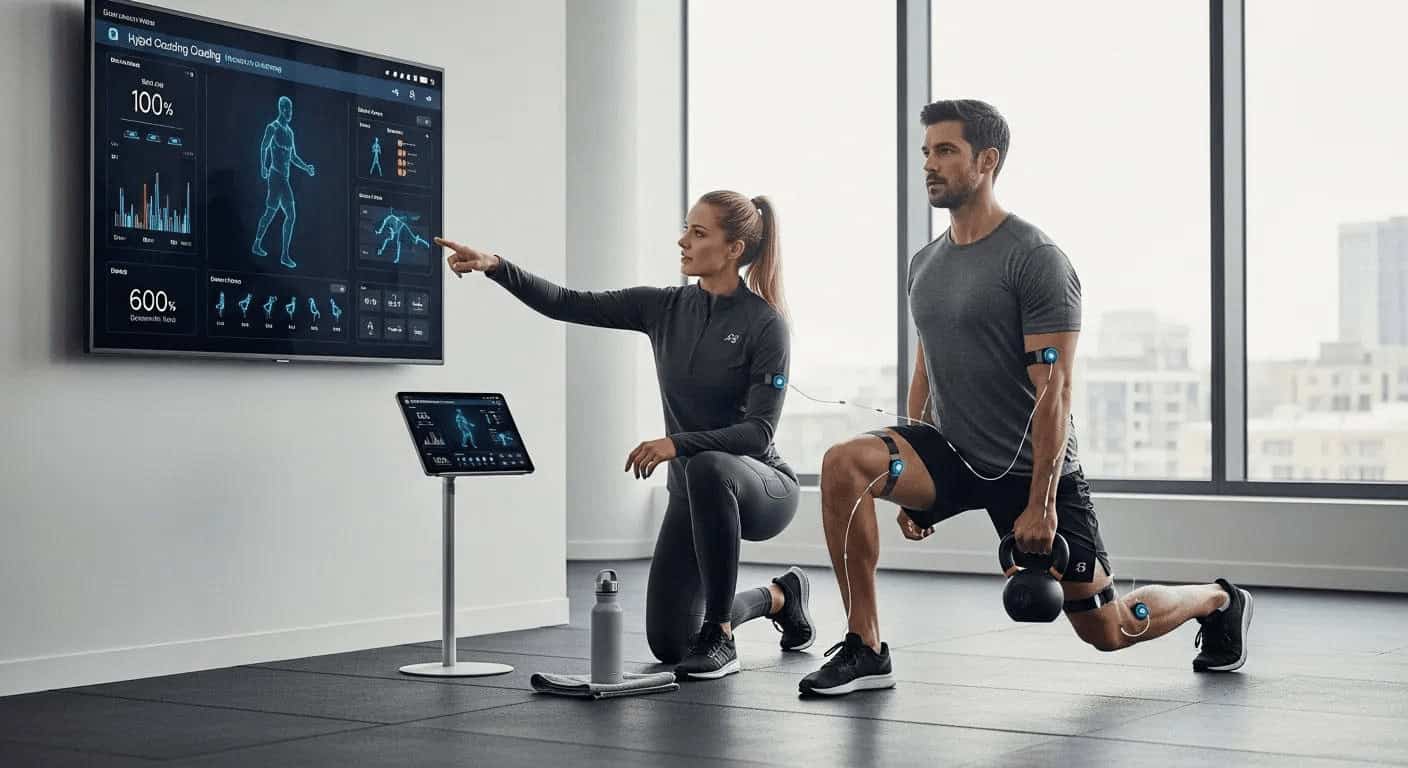
AI continuously analyzes performance metrics to ensure athletes enjoy safe forward progression while maximizing fitness.
Coaches so can make better decisions about how many rest days and workload adjustments to prescribe.
Individualised plans mean players can progressively develop strength which builds resilience and, ultimately, massively reduces the risk of injury over time.
| Feature | Description |
|---|---|
| Customized Workouts | Designs training plans based on individual fitness and performance data |
| Adaptive Intensity | Adjusts workout difficulty according to athlete progress and recovery |
| Balanced Training | Ensures proper mix of exercise, rest, and recovery periods |
| Performance Tracking | Continuously evaluates progress to refine training strategies |
| Injury Risk Reduction | Minimizes chances of overtraining-related injuries through personalization |
5. Predicting Overuse Injuries
Longitudinal training data and repetitive movement patterns are a great fit for AI, which has shown to predict overuse injuries with high accuracy.
Overuse injury happens when certain muscles or joints are stressed over and over again without having sufficient recovery.
AI identifies signals of growing workloads, repetitive strain or a fall in performance metrics. With early warnings, coaches can amend training routines, introduce rest days and concentrate on recovery techniques.

This helps to avoid small issues turning into significant injury. This is beneficial as treating risks before symptoms occur can provide athletes with a consistent level of performance and reduce
The likelihood of having to take extended periods away from sport due to chronic injuries that are often part-and-parcel of high-intensity sports.
| Feature | Description |
|---|---|
| Data Trend Analysis | Examines long-term training data to identify repetitive stress patterns |
| Risk Identification | Detects early warning signs of overuse injuries before symptoms appear |
| Workload Adjustment | Recommends modifications to prevent excessive strain on muscles and joints |
| Recovery Integration | Encourages timely rest and rehabilitation practices |
| Long-Term Health | Helps athletes maintain consistency without chronic injury setbacks |
6. Computer Vision for Gait and Posture Assessment
Computer vision tech uses AI and cameras to assess an athlete&s gait, posture and movement mechanics.
Analyzing the way an athlete runs, walks or executes a given activity allows AI to find imbalances, asymmetries or poor technique.
Left uncorrected, these issues create injuries over time. Detailed reports and visual feedback is provided to coaches, which assists with precise corrections to posture and form.
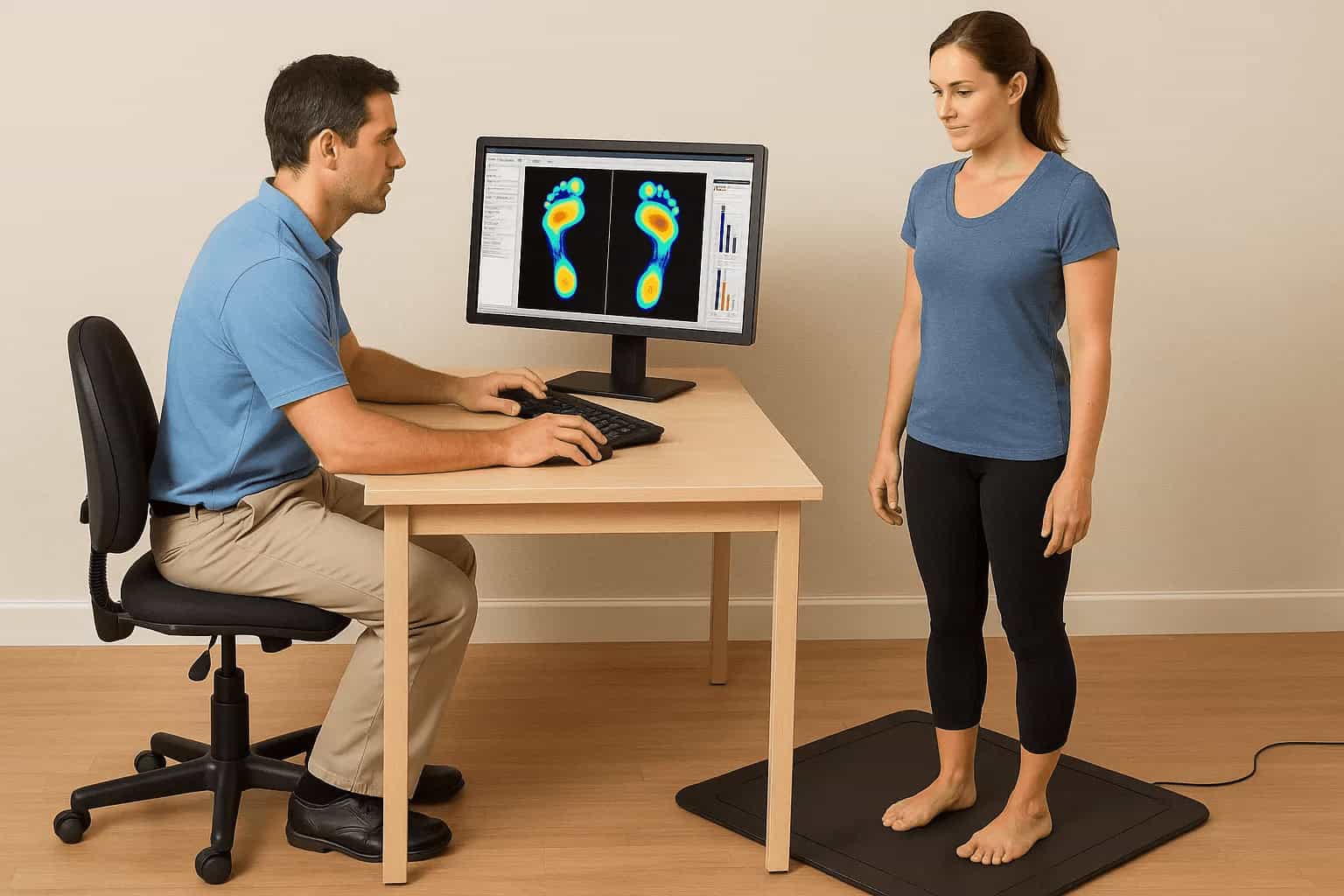
Better alignment helps relieve strain on the joints and muscles, making it a lot more energy efficient.
Not only does this technology assist with injury prevention, but it also enhances performance by ensuring athletes are moving as biomechanically efficient as they can.
| Feature | Description |
|---|---|
| Movement Analysis | Evaluates walking, running, and athletic movements using AI-powered cameras |
| Posture Correction | Identifies poor posture and suggests improvements for better alignment |
| Imbalance Detection | Spots asymmetries that may lead to injuries over time |
| Visual Feedback | Provides clear visual insights for coaches and athletes |
| Efficiency Improvement | Enhances biomechanics for safer and more effective performance |
7. Environmental Hazard Analysis
The external analysis performed through AI-based environmental hazard assessment includes the weather, temperature and humidity levels, and playing surface quality.
Such factors can heavily affect injury risk in sports. As an example, dehydration can be caused by excessive heat, and the chances of slips and falls on wet or uneven surfaces are much higher.

For example, AI systems process live environmental data and give recommendations on changing training schedules or alternating the approach of playKenzie.
Teams can be proactive (like, hydration planning or gear adjustments). Exemplary by reducing exposure to dangerous conditions, sportsperson can conduct free by lessening environmental hazards related diseases.
| Feature | Description |
|---|---|
| Weather Monitoring | Analyzes temperature, humidity, and weather conditions in real time |
| Surface Assessment | Evaluates playing field conditions for safety risks |
| Risk Alerts | Warns about hazardous environments like extreme heat or slippery surfaces |
| Training Adjustments | Suggests schedule or strategy changes based on conditions |
| Safety Enhancement | Reduces environment-related injuries through proactive planning |
8. Automatic Concussion Risk Detection
One of the features in automatic concussion risk detection is that it utilizes an AI algorithm to monitor impact exposure and head movements during sporting activities.
Wearable sensors or video analysis tools detect sudden impact or unusual neck kinematics suggestive of concussion risk As a result
Whenever such incidents occur, AI identifies them in real time and enables staff to evaluate the athlete without delay.
Timely intervention to detect and identify such cases can help in preventing permanent brain damage and long-term consequences.
This technology guarantees that players are taken off the field when required and assessed correctly. AI focuses on safety, preventing potentially catastrophic and undiagnosed head injuries in contact sports.
| Feature | Description |
|---|---|
| Impact Monitoring | Detects sudden collisions and head impacts during gameplay |
| Motion Analysis | Tracks abnormal head movements indicating potential concussions |
| Instant Alerts | Notifies medical staff immediately after risky incidents |
| Player Safety | Ensures timely removal from play for medical evaluation |
| Long-Term Protection | Prevents severe brain injuries through early detection |
9. Predictive Modeling of Injury Risks
With predictive modeling, Artificial intelligence (AI) and machine learning analyze large amounts of historical and real-time data to predict potential injuries.
There are many factors to be considered such as the intensity of training, injury history, biomechanics and recovery patterns.
AI minimizes human error, assigning accurate risk assessments by identifying patterns and correlations that a human wouldn’t see.

These insights can then help coaches and medical teams to devise preventive approaches that are specific for an athlete.
Using a data driven model means fewer uncertainties, and faster, more intelligent decision making that leads to safer environments.
Predictive modeling helps prevent risks from escalating to a real injury and ensures an athlete is not just in form but sehat (healthy), too.
| Feature | Description |
|---|---|
| Data Integration | Combines historical and real-time data for accurate predictions |
| Risk Forecasting | Identifies potential injuries before they occur |
| Pattern Recognition | Detects hidden trends influencing injury risks |
| Decision Support | Helps coaches create safer training strategies |
| Preventive Planning | Enables proactive measures to keep athletes healthy |
10. Intelligent Equipment Customization
In other words, Intelligent equipment customization refers to using artificial intelligence (AI) technology to generate custom-made sports gear based on an athlete’s individual structure and playing style.
AI looks at your biomechanics and performance data to suggest custom shoes, protective equipment or supports that give you the most suitable comfort and safety.
Appropriately fitted equipment reduces stress, enhances stability, and decreases the chance of injury. And things like orthotic footwear can help with shock absorption and joint stress.

Such a level of customization guarantees that professionals are well protected in trainings and competitions.
The design of equipment using AI is a significant advancement in preventing injuries and improving athletic performance.
| Feature | Description |
|---|---|
| Personalized Gear Design | Creates equipment tailored to individual body structure |
| Biomechanical Matching | Aligns gear with athlete movement and performance data |
| Comfort Optimization | Enhances fit and reduces discomfort during activities |
| Impact Reduction | Improves shock absorption to minimize injury risks |
| Performance Enhancement | Boosts safety and efficiency with customized equipment |
Conclsuion
To summarize, AI is changing sports safety and securing our future by spotting the hazards first hand before any injury can happen which in turn helps develop a proactive prevention technique.
Athletes train smarter and healthier through data analytics, real-time monitoring, and personalized insights.
As technology continues to advanceit is likely that artificial intelligence will only continue to become more involved
When it comes to protecting players, improving performance and reducing the probability of injury at all levels of sport.
FAQ
What role does AI play in preventing sports injuries?
AI analyzes performance data to detect risks early and suggest preventive actions before injuries occur.
How does real-time biomechanical analysis help athletes?
It tracks movements instantly, correcting poor technique to reduce stress on muscles and joints.
What are wearable devices used for in sports safety?
They monitor workload, heart rate, and fatigue levels to prevent overtraining and physical strain.
Can AI predict injuries before they happen?
Yes, AI uses historical and real-time data to identify patterns and forecast potential injury risks.