So here is Ways AI Wearables Are Tracking Your Body Better Than Ever In 2026, capturing real time physiological data directly from our bodies through AI powered sensors, predictive health
Insights and advanced smart devices that can monitor heart rate, sleep, oxygen levels, stress and more to provide insights for better fitness strategies, prevention advice and targeted approaches in everyday life that optimise their wellbeing and performance.
Key Points & Ways AI Wearables Are Tracking Your Body Better Than Ever In 2026
| Ways AI Wearables (2026) | 15-Word Explanation |
|---|---|
| Heart monitoring | continuous heart monitoring using advanced sensors detecting irregular rhythms and providing real time health insights |
| Sleep analysis | AI wearables analyze sleep cycles detecting REM patterns and improving recovery recommendations for users instantly |
| Blood oxygen tracking | real time blood oxygen monitoring detects respiratory issues early and alerts users for preventive action |
| Posture correction | smart sensors detect posture misalignment and provide instant corrective feedback during daily movements accurately effectively |
| Stress detection | AI measures stress using heart variability skin temperature and sweat response for accurate insights tracking |
| Glucose estimation | non invasive AI wearables estimate glucose levels continuously helping diabetics manage health better effortlessly accurately |
| Hydration monitoring | sweat analysis sensors track hydration levels preventing fatigue and maintaining body balance effectively efficiently automatically |
| Workout tracking | AI wearables measure workout intensity muscle load calories burned optimizing fitness performance results tracking analysis |
| Heart risk prediction | advanced algorithms detect heart irregularities and predict risks early using biometric trend analysis systems insights |
| Recovery monitoring | AI monitors fatigue inflammation and sleep quality improving recovery and athletic performance outcomes tracking optimization |
10 Ways AI Wearables Are Tracking Your Body Better Than Ever In 2026
1. Heart monitoring
In addition, AI wearables now offer state-of-the-art heart monitoring by continuous sensors constantly assessing (and recording) heart rate, rhythm and variability.
These devices can pick up on abnormal heartbeats, early indications of arrhythmia and aberrant cardiovascular features before they manifest as serious health disorders.
While older models rely on a 24/7 recording of your heart, contemporary AI learns from long-lasting aspects around cardiac health to offer customized suggestions.
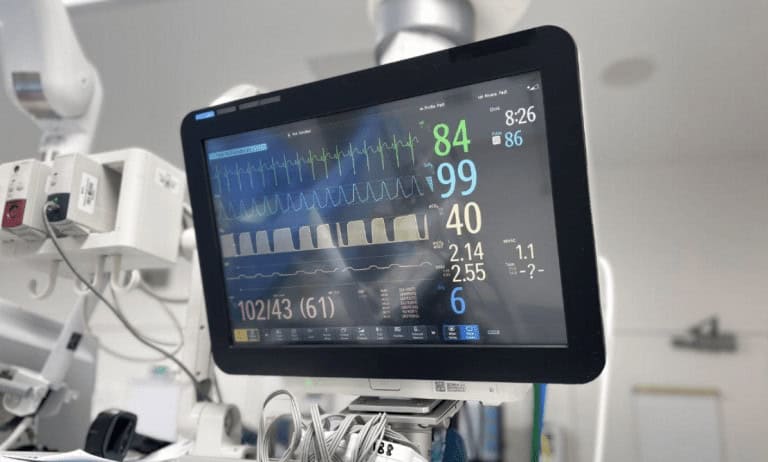
Also, they immediately notify the user during an anomalous reading for timely medical intervention.
That in 2026 is preventive health care based on machine learning and biometric data that makes it more accurate, proactive, and saves lives when monitoring heart — all for everyone from the average user to athletes.
| Feature | Description |
|---|---|
| Continuous tracking | Monitors heart activity 24 hours without interruption |
| Rhythm detection | Identifies irregular heartbeats and unusual patterns early |
| AI analysis | Uses machine learning to study long-term heart trends |
| Instant alerts | Sends warnings during abnormal heart behavior instantly |
| Preventive care | Helps reduce risk by detecting issues before they worsen |
2. Sleep analysis
The world of sleep analysis has become much more advanced when AI is involved in wearables, tracking multiple levels of sleep with accuracy from light to deep and even REM phases.
Using sensors to monitor movements, heart rate, breathing patterns and even temperature fluctuations from night.
The analysed data retrieves any sleep quality issues and provides personalisation to improve it. Provides insight into how to approach your ideal bedtime routine and recovery needs.

Research from. Smart sleep tracking is no longer just a great way to track your hours or which sleep cycles you’re hitting in 2026–the AI now can detect insomnia patterns, risk factors for sleep apnea, and when stress-related disturbances are wrecking your entire day before bed even occurs
So that you wake up every day feeling healthy, energetic, and ready to tackle what life throws at you with science-backed guidance on how to optimize the quality of your night’s rest.
| Feature | Description |
|---|---|
| Sleep stage tracking | Identifies light deep and REM sleep cycles accurately |
| Movement detection | Tracks body motion during sleep for quality analysis |
| Breathing monitoring | Observes breathing patterns for sleep disorder detection |
| Temperature sensing | Records body temperature changes during sleep |
| Personalized insights | Suggests improvements for better sleep habits and recovery |
3. Blood oxygen tracking
Modern AI wearables use advanced optical sensors placed on the skin to constantly monitor blood oxygen levels.
This allows them to sense how well oxygen is being delivered within the body, especially during sleep, with exercise, or at high altitudes.
Low oxygen saturation can be a signal of respiratory issues, infection, or fatigue, which can allow detection to happen earlier if an alert is sent early.
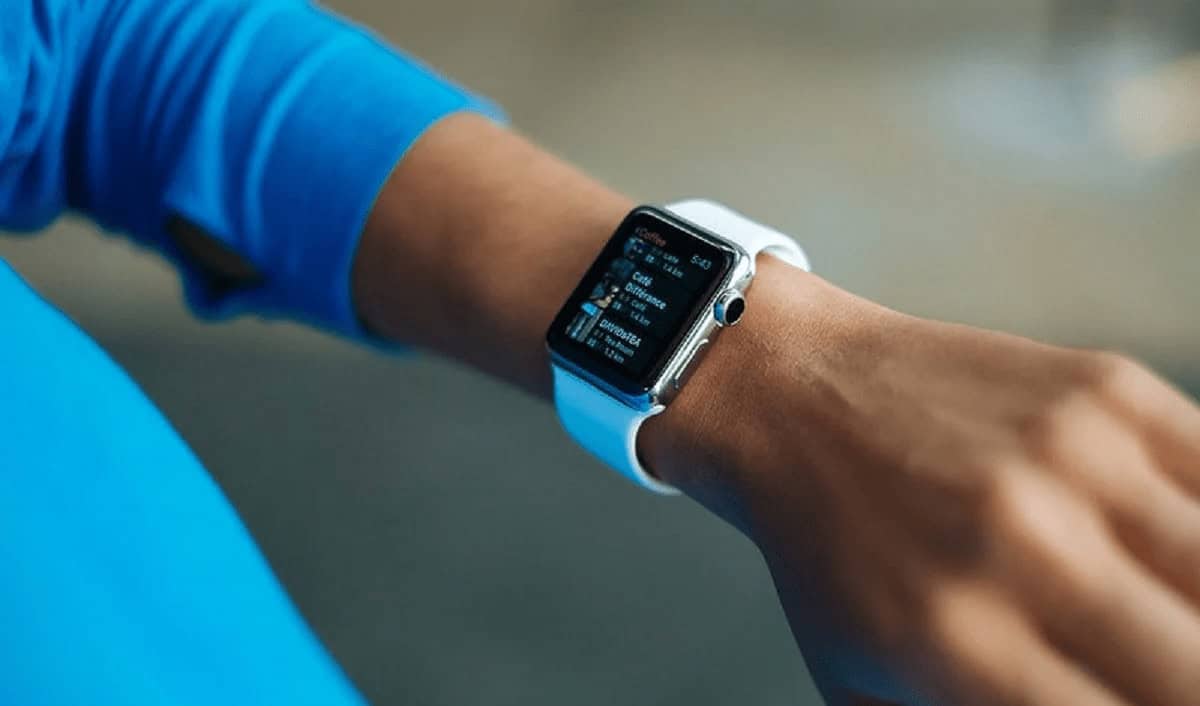
These devices offer real-time alerts and long-term analysis of oxygen trend data in 2026 so that patients can take preventive steps at any time.
This is especially beneficial for athletes, older people and those living with chronic diseases in terms of breathing health management by continuous monitoring and lowering the risk of life-threatening respiratory complications.
| Feature | Description |
|---|---|
| Oxygen measurement | Continuously checks oxygen saturation levels in blood |
| Real time alerts | Notifies users of low oxygen levels immediately |
| Activity monitoring | Tracks oxygen changes during exercise and rest |
| Respiratory insights | Helps detect breathing related health issues early |
| Trend analysis | Studies long term oxygen patterns for health evaluation |
4. Posture correction
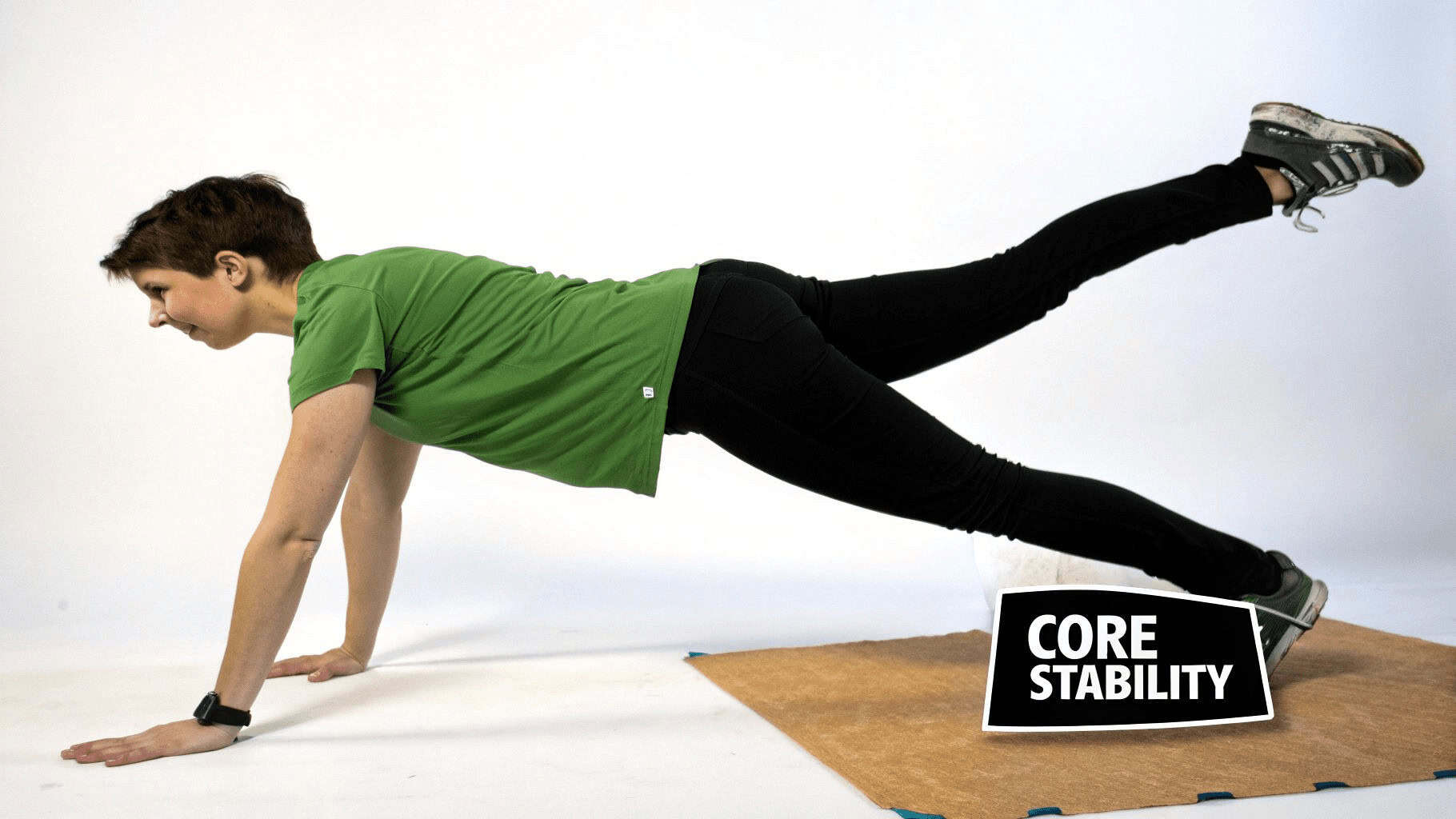
The advent of AI wearables has shifted the paradigm in practicing good posture, this is because motion sensors and body alignment tracking technology have increased its popularity in correcting posture.
These devices recognize slumping, tilting shoulders and a crooked back when you go about your daily life like sitting down, walking or working.
Your users get instant feedback in the form of vibrations or alerts on the app to help you change your posture.
The AI learns into your individual habits over time and creates tailored programs for improving your posture. Back pain, neck strain and long-term skeletal issues all become a thing of the past thanks to this technology by 2026.
It is particularly beneficial for office workers and students, strongly leading to improved body alignment and prevention of posture associated health complications effectively.
| Feature | Description |
|---|---|
| Posture detection | Identifies slouching and incorrect body alignment |
| Motion sensors | Tracks body movement during daily activities |
| Instant feedback | Sends vibration alerts for posture correction |
| Habit learning | Learns user posture patterns over time |
| Health improvement | Reduces risk of back and neck pain issues |
5. Stress detection
In fact, AI wearables are so good at monitoring stress levels nowadays! By using heart rate variability (i.e. quantifying our heartbeat)
Skin temperature measures, response to sweat and muscles of breathing! Such biometric signals allow the device to read emotional and physical stress on a real-time basis.
Users get alerts if stress levels start to rise, as well as recommendations for relaxation techniques options like breathing exercises or changing their activity levels.

As far in the future as 2026, AI systems can predict stress accumulation before it deteriorates. Taking this proactive stance promotes mental well-being, productivity, and emotional equilibrium.
This is ideal for environments with high pressure at work where it will help better manage stress, and also adopt a more healthy lifestyle since it tracks everything.
| Feature | Description |
|---|---|
| Heart variability tracking | Measures stress through heart rhythm changes |
| Skin response monitoring | Detects stress through temperature and sweat changes |
| Real time alerts | Notifies users when stress levels increase |
| Emotion analysis | Understands physical and emotional stress signals |
| Relaxation guidance | Suggests breathing and calming techniques automatically |
6. Glucose estimation
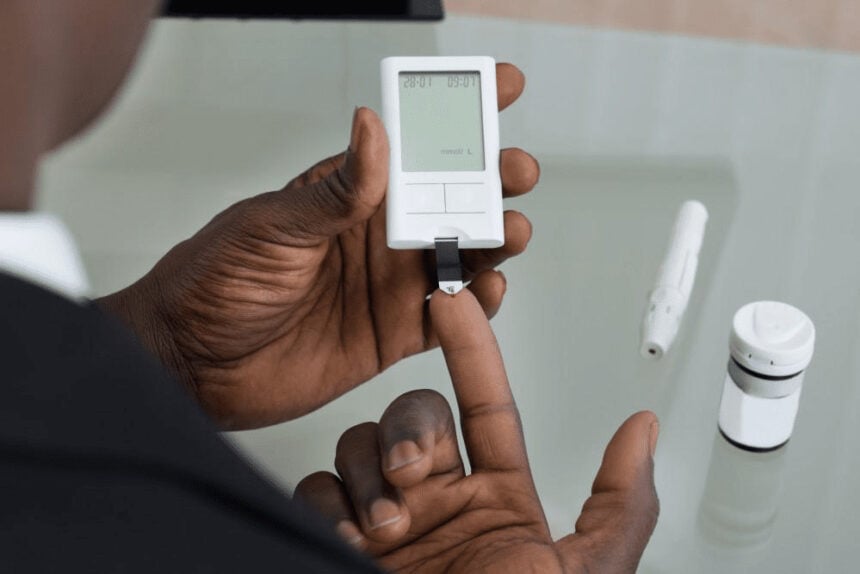
By taking advantage of highly sensitive biosensors and machine learning models, AI wearables can now noninvasively estimate glucose levels.
They analyze sweat, interstitial fluids, and other metabolic signals to show real-time glucose trends.
They do not replace medical-grade equipment entirely, but rather provide continuous insights that are advantageous for early prediction of glucose fluctuations.
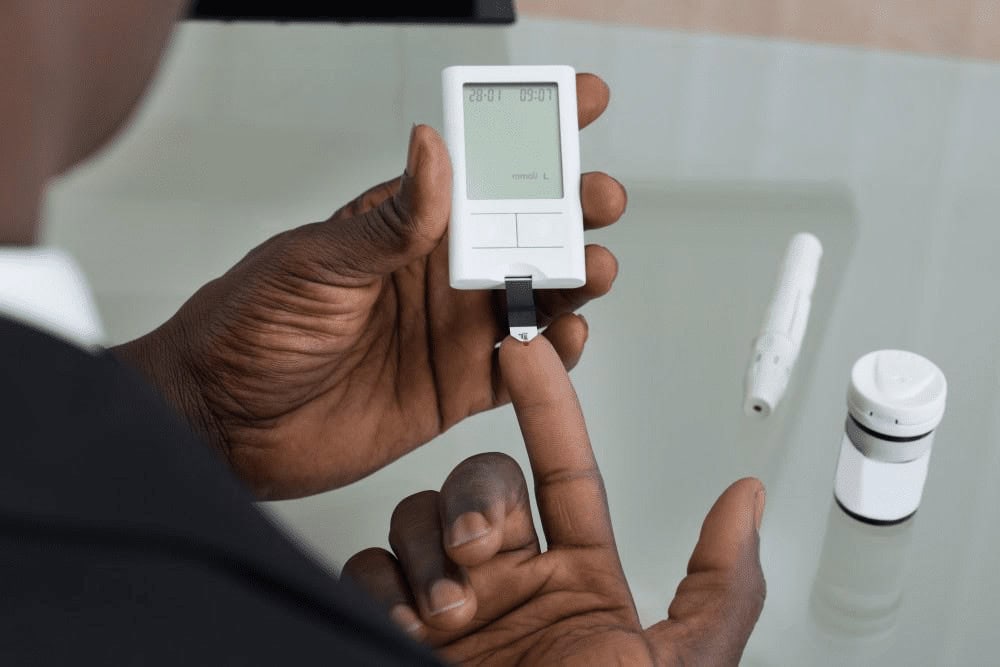
As of 2026, this technology is particularly beneficial to those dealing with diabetes or at risk for prediabetic conditions.
It enables users to track the effects of diet and lifestyle changes more accurately. It also alerts the user whenever such readings indicate abnormal glucose patterns, so that they can manage their long-term health and spot complications that could occur suddenly.
| Feature | Description |
|---|---|
| Non invasive tracking | Estimates glucose without needles or blood samples |
| Sweat analysis | Uses sweat data to estimate sugar levels |
| Continuous monitoring | Tracks glucose levels throughout the day |
| Early warning system | Detects abnormal sugar fluctuations quickly |
| Health insights | Helps manage diet and lifestyle choices better |
7. Hydration monitoring
Tracking hydration via sweat composition, electrolyte balance and variations of skin temperature – AI wearables These sensors sense early signs of dehydration which can affect energy levels, cognition and physical performance.
It provides timely reminders to drink water when the body needs H2O in real-time instead of fixed schedules for users.

Hydration tracking is ultra-personalized, so that specific recommendations are made based on a person activity levels, the weather and their health status come 2026.
Its super useful for people like athletes, outdoor workers and travellers. Maintaining dryness balance in detail, getting moisture supply and preventing fatigue have a well-being trance, which is done by keeping proper quotation of liquids in the human body.
| Feature | Description |
|---|---|
| Sweat analysis | Studies sweat composition for hydration levels |
| Electrolyte tracking | Measures body salt and fluid balance |
| Real time alerts | Reminds users to drink water when needed |
| Activity based updates | Adjusts hydration needs based on movement |
| Environmental response | Changes recommendations based on weather conditions |
8. Workout tracking
Artificial Intelligence use wearables now accurately track heart stage acclimate, calorie burn ratio, muscle fatigue and efficiency of movement.
They employ motion sensors and AI algorithms to evaluate exercise technique and intensity. Real-time feedback on performance to help prevent injuries.
Connected Fitness — By 2026, workout tracking is hyper-personalized to account for our progress and recovery levels.
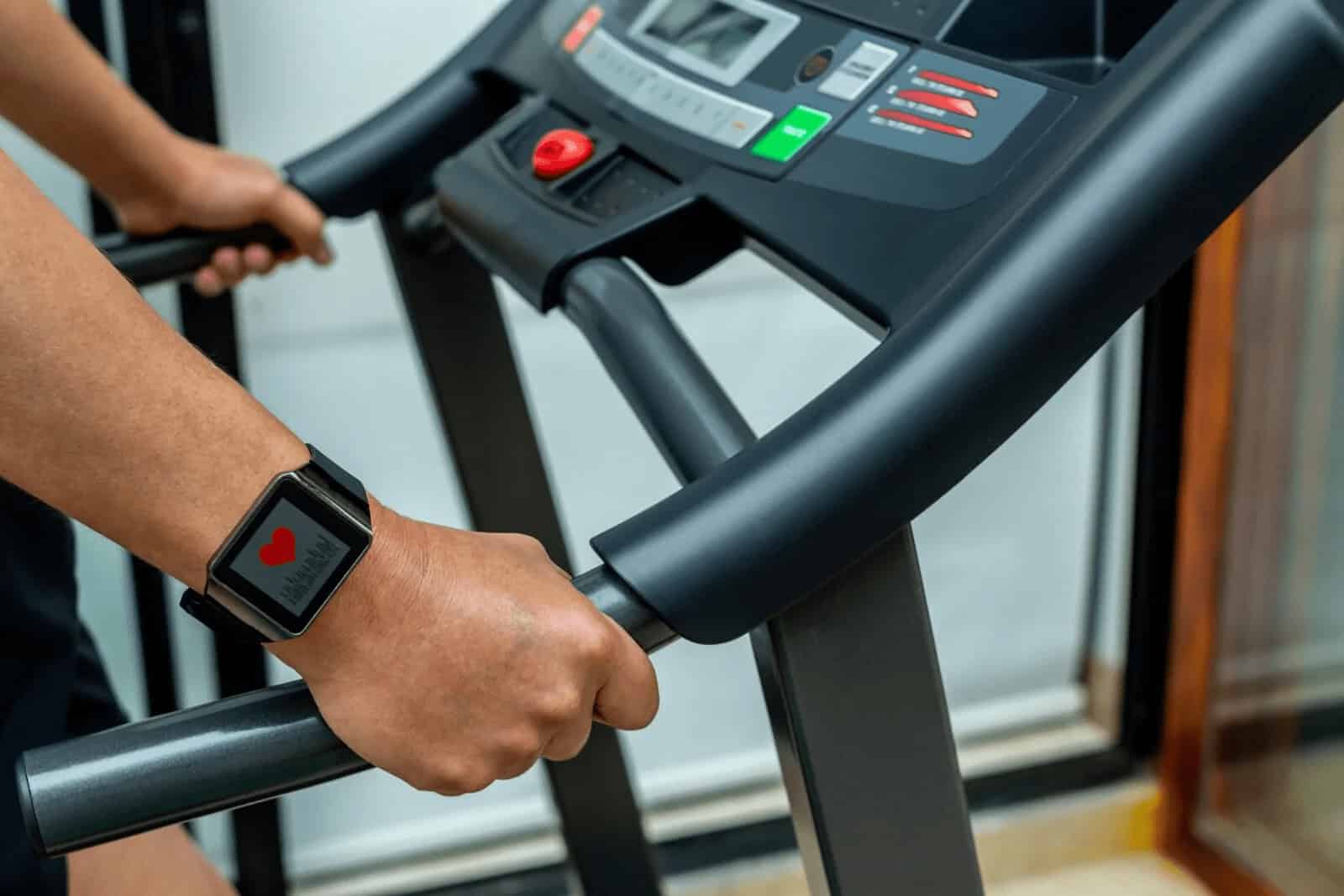
The system will also recommend the best training options to focus on strength, endurance or weight loss.
Such smart tracking aids the user to get improved fitness results in less time and a safe and effective experience for every session of physical activities.
| Feature | Description |
|---|---|
| Activity monitoring | Tracks all physical movements during exercise |
| Calorie calculation | Measures energy burned during workouts accurately |
| Muscle load analysis | Evaluates strain on different muscle groups |
| Form correction | Detects incorrect exercise posture and technique |
| Performance insights | Suggests improvements for better fitness results |
9. Heart risk prediction
Now, AI wearables have moved beyond just monitoring to prediction by analyzing biometric data over the long term to highlight any potentials heart risks.
They monitor abnormal heart rhythms, changes in blood pressure, and oxygen levels to serve as early warning indicators.
For example, using global patterns in health data, machine learning models are used to compare a given user against such risk factors for cardiovascular disease.

These forecasts become accurate and timely in 2026 and allow for preventive measures to take place before complications begin to develop.
Personalized health alerts and recommendations for lifestyle changes sent to users It enables this far advanced predictive analytics which not only enhances early diagnosis, minimizes emergency risks but also contributes to prescriptive heart health management by facilitating continuous intelligent monitoring systems.
| Feature | Description |
|---|---|
| Pattern analysis | Studies heart rhythm and biometric trends deeply |
| Risk forecasting | Predicts possible heart issues in advance |
| Data comparison | Compares user data with global health patterns |
| Early alerts | Warns users before serious heart conditions develop |
| AI prediction model | Uses machine learning for accurate risk assessment |
10. Recovery monitoring
As everybody is in the course of moderate wearables they neednovel AI for check bodily and mental recovery with fatigue, sleep excellent, coronary heart variable muchachiancyand inflammatory markers.
Such devices fulfil a need to know the difference between fully recovered and still stressed. In 2026, recovery tracking is customized around the user; recommendations for how and when to recover differ according to individual activity levels and medical history.

Olympic level athletes see the advantage of optimized training plans, and everyday users stay injury free by getting out before overuse or burnout occur.
The AI can also recommend rest periods, nutritional modifications, and light exercise plans. It guarantees faster recovery, improved performance and a better balance between health aspects through intelligent body monitoring systems that work continuously.
| Feature | Description |
|---|---|
| Fatigue tracking | Measures body tiredness after physical activity |
| Sleep recovery analysis | Studies sleep quality for recovery status |
| Heart variability check | Evaluates recovery through heart rhythm data |
| Inflammation signals | Detects signs of physical strain and stress |
| Rest recommendations | Suggests rest and recovery plans automatically |
How We Choose AI Wearables Tracking Methods (Key Points)
- Focus on accuracy of biometric sensors like heart rate and oxygen monitoring
- Evaluate real time data tracking and speed of health alerts
- Check AI capability for long term pattern analysis and predictions
- Consider comfort and ease of wearing during daily activities
- Assess integration with mobile apps and health platforms
- Review ability to detect multiple health factors in one device
- Prioritize preventive health features like early risk warnings
- Analyze battery life and continuous monitoring efficiency
- Compare personalization level of health insights and recommendations
- Ensure reliability through clinical testing and user feedback data
Conclsuion
AI wearables in 2026 are transforming personal health tracking with advanced sensors and intelligent data analysis. They continuously monitor heart rate, sleep, oxygen levels, stress, and more with high accuracy.
These devices provide real time insights and early warnings, helping users prevent health issues and improve lifestyle. Overall, AI wearables make health tracking smarter, faster, and more personalized than ever before.
FAQ
What is AI wearable body tracking?
AI wearable body tracking uses smart sensors and artificial intelligence to monitor health data in real time.
How do AI wearables track heart health?
They continuously measure heart rate, rhythm, and variability to detect irregular patterns early.
Can AI wearables improve sleep quality?
Yes, they analyze sleep stages and provide personalized suggestions for better rest and recovery.
Do wearables track blood oxygen levels?
Modern devices monitor oxygen saturation to detect breathing issues and fatigue risks.