This article talks about the industries that are being transformed entirely because of AI and how this powerful tool is evolving businesses in their day-to-day operational tactics.
Whether healthcare, finance, retail, education or other myriad industries, innovating AI is improving efficiency and accelerating faster and more informed decisions to run smarter systems all over the globe the mark dead in seconds.
Key Poinst & Industries Being Completely Transformed by AI in 2026
Healthcare AI enables faster diagnoses, personalized treatments, predictive analytics, and robotic surgeries improving patient outcomes.
Finance AI strengthens fraud detection, automates trading, enhances risk management, and personalizes banking services globally.
Agriculture AI-driven sensors, drones, and predictive models optimize crop yields, reduce waste, and improve sustainability.
Retail AI personalizes shopping experiences, automates inventory management, and powers virtual assistants for customer engagement.
Manufacturing AI-powered robotics, predictive maintenance, and smart factories boost efficiency, reduce downtime, and cut costs.
Entertainment Generative AI creates personalized content, automates production, enhances gaming, and revolutionizes audience engagement worldwide.
Transportation AI enables autonomous vehicles, optimizes logistics, reduces accidents, and improves urban traffic management systems.
Education AI tutors personalize learning, automate grading, and provide adaptive curricula tailored to student needs.
Governance AI enhances public service delivery, strengthens cybersecurity, improves decision-making, and streamlines bureaucratic processes.
Energy AI optimizes grid management, predicts demand, improves renewable integration, and reduces environmental impact globally.
10 Industries Being Completely Transformed by AI in 2026
1. Healthcare
AI in healthcare faster diagnosis, personalized treatment and predictive analytics. From cancer detection to medical image analysis AI-powered tool for diagnosing imagesEarly detection of diseases such as cancerAI helps with decision making support.
Virtual health assistants or chatbots enhance patient engagement and accessibility ML models can forecast outbreaks, optimize workflow at hospitals and cut down on costs.
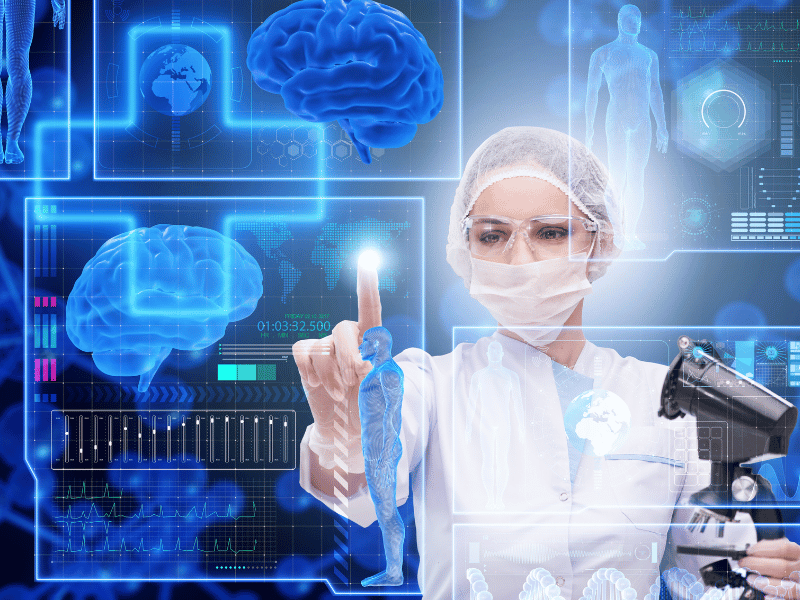
AI is speeding up drug discovery as well, helping identify potential compounds in a fraction of the time.
Although existing challenges such as data privacy and bias still prevail, artificial intelligence is driving rapid and fundamental reforms
Within healthcare toward a smoother, more accurate, and patient-centric ecosystem with superior outcomes and a reduction in the prevalence of human error.
| Feature | Description |
|---|---|
| Early Disease Detection | AI analyzes medical images and data to detect diseases like cancer at an early stage, improving survival rates. |
| Personalized Treatment | Machine learning helps create customized treatment plans based on patient history and genetics. |
| Virtual Assistants | AI chatbots provide 24/7 patient support, appointment scheduling, and health guidance. |
| Predictive Analytics | AI predicts disease outbreaks and patient risks, enabling preventive healthcare measures. |
| Drug Discovery | AI accelerates the identification of new medicines, reducing research time and cost. |
2. Finance
AI is changing the money world by giving us advanced risk assessment, fraud detection, and automation trading.
This helps in making data driven decisions faster and better since machine learning algorithms will analyze these large datasets to identify suspicious transactions in real time while reducing financial crime.

Robo-advisors can offer tailor-made investment strategies based on user behavior and both macro- and microeconomic trends.
Algorithmic trading is another field driven by AI, allowing for quick and accurate decisions to be made. Alternative data analysis has improved credit scoring, thus more financial inclusion.
AI chat bots at banks significantly increase the efficiency of customer service. AI is making the finance smarter, faster, and more secure for institutions and consumers alike despite all those regulatory concerns or ethical issues.
| Feature | Description |
|---|---|
| Fraud Detection | AI detects unusual transaction patterns in real time, preventing financial fraud. |
| Algorithmic Trading | Automated systems execute trades quickly based on market data and trends. |
| Robo-Advisors | AI-driven tools offer personalized investment advice with minimal human intervention. |
| Credit Scoring | Uses alternative data to assess creditworthiness, improving loan accessibility. |
| Chatbots | AI-powered assistants enhance customer service and banking efficiency. |
3. Agriculture
AI is revolutionizing agricultural processes, leading the precision farming sector to make data-driven decisions with ease. Crop health, soil conditions and weather patterns are monitored using AI-powered sensors, drones and satellite imagery.
This facilitates optimal irrigation, fertilization and pest control which enhances yield while minimizing waste. How predictive analytics is just pure gold in forecasting climate risks and market demand for farmers.

It is then their ability to operate autonomously, incurring lower labor costs and improving overall efficiency. Livestock monitoring is also aided by AI, which helps in the preservation of livestock quality and production.
As global food demands increase; artificial intelligence is actively pushing agriculture to be more sustainable, productive and resilient towards environmental problems.
| Feature | Description |
|---|---|
| Precision Farming | AI uses sensors and data to optimize crop production and reduce waste. |
| Crop Monitoring | Drones and satellites track crop health and soil conditions in real time. |
| Weather Prediction | AI forecasts weather patterns to help farmers plan effectively. |
| Autonomous Machinery | Self-driving tractors and equipment improve efficiency and reduce labor. |
| Livestock Management | AI monitors animal health and productivity for better farm management. |
4. Retail
AI is also transforming retail in terms of improving customer experience and streamlining operations. Sales and customer satisfaction are boosted by personalized recommendations based on browsing history, purchase history, or both.
AI-powered inventory management forecasts demand and minimizes overstocking or shortages. Instant customer support as in chatbots and virtual assistants Examples include visual search and cashier-less stores making the experience more convenient.

AI analytics helps retailers to study consumer behavior and trends in real-time. In an environment where the competition is intense, Technologies
like AI help in transforming retail, making it more efficient, data-oriented and consumer-centric through applications ranging from supply chain optimization to personalized marketing, all of them driven by big data.
| Feature | Description |
|---|---|
| Personalized Recommendations | AI suggests products based on customer behavior and preferences. |
| Inventory Management | Predicts demand to reduce overstock and shortages. |
| Chatbots | Provides instant customer support and improves shopping experience. |
| Visual Search | Allows customers to search products using images. |
| Cashier-less Stores | AI enables automated checkout systems for faster shopping. |
5. Manufacturing
Smart factories will transform manufacturing through AI-driven automation. Predictive Maintenance AI systems monitor machinery and predict maintenance from downtime. AI-driven robotics advance production lines with precision, speed and safety.
Computer vision systems are used to automatically detect defects on the fly – boosting quality control. Also, in the ai world, optimization of supply chains and production schedules based on demand forecasting.
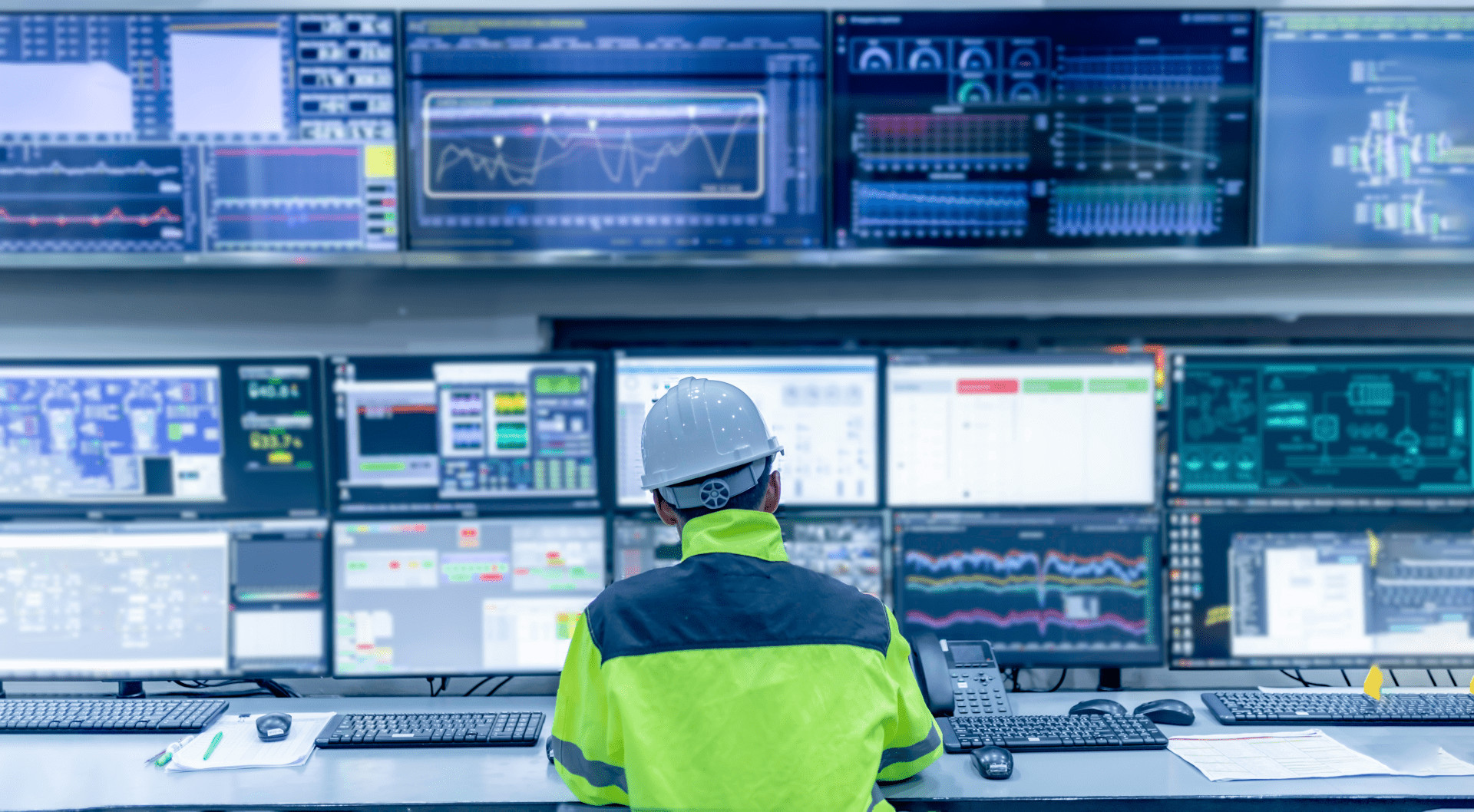
This results in cost reduction, increased productivity and enhanced quality. With the World facing a constantly yet rapidly changing environment due to the impact of Industry 4.0
AI is helping manufactures be more agile and effective along with better flexibility in response to changes in the market.
| Feature | Description |
|---|---|
| Predictive Maintenance | AI predicts machine failures before they occur, reducing downtime. |
| Smart Robotics | AI-powered robots improve speed, precision, and safety in production. |
| Quality Control | Computer vision detects product defects instantly. |
| Supply Chain Optimization | AI enhances logistics and inventory planning. |
| Production Forecasting | Helps manufacturers adjust output based on demand trends. |
6. Entertainment
AI is changing the way we provide content, creating tailored entertainment experiences as well as improving creativity.
Whether it is streaming platforms recommending you movies, shows and music AI algorithms are trained over the user preferences.
Content generation through scripts to hyper realistic visual effects are also a type of AI powered function.
AI is a major reason for the ever-smarter non-player characters in video games and more immersive experiences.

On one hand, we have the potential revolution of deepfake technology and voice synthesis which raises ethical issues.
AI insights provide a more accurate understanding of the audience as well as allow for precise marketing. Ultimately, AI is making entertainment more interactive, personalized and creative for the audiences across globe.
| Feature | Description |
|---|---|
| Content Recommendations | AI suggests movies, music, and shows based on user preferences. |
| AI Content Creation | Generates scripts, visuals, and even music automatically. |
| Gaming AI | Enhances non-player character behavior and gameplay experience. |
| Deepfake & Voice Tech | Enables realistic video and audio creation. |
| Audience Analytics | Tracks viewer behavior for targeted marketing and content planning. |
7. Transportation
Transportation: AI is changing the way we drive and get around, with autonomous vehicles and “smart” traffic management, as well as in logistics.
AI in the Self-Driving CarThe self-driving car processes sensor information through AI and can also interpret data to be able to navigate safely.
By analyzing real-time data and optimizing signal timings, smart traffic systems reduce congestion.
For instance, logistics companies are using AI to better plan routes, resulting in lower fuel consumption and shorter delivery timings.

Important factors: Predictive Maintenance of vehicle creating safety and reliability. Artificial Intelligence harnessed at
Online taxi booking softwareThe main feature of online platform such as Uber, Bolt even many others are using AI to bring both driver and passenger together.
Although regulatory and safety concerns remain, AI is opening a pathway to safer, smarter and efficient transportation systems worldwide.
| Feature | Description |
|---|---|
| Autonomous Vehicles | Self-driving cars use AI for navigation and safety. |
| Traffic Management | AI optimizes traffic flow and reduces congestion. |
| Route Optimization | Improves delivery efficiency and reduces fuel consumption. |
| Predictive Maintenance | Ensures vehicle reliability and reduces breakdowns. |
| Ride-Sharing Matching | AI efficiently connects drivers and passengers. |
8. Education
AI, Personalised Learning, intelligent tutoring systems represent the future of education. AI reviews student behavior and modifies material to their unique style of learning as well as how quickly they can absorb information.
Immediate Feedback & Support: All these virtual tutors provide immediate support and feedback on their own.
Administrative functions such as grading and scheduling are automated, freeing staff to spend more time teaching.

Conversely, AI makes it easy to interpret institutional performance and student progress based on data. Online learning platforms use AI to improve the engagement and accessibility.
Even if there are still some fears about data privacy and addictive reliance on technology, AI is helping education come closer to being inclusive, efficient, and personalised.
| Feature | Description |
|---|---|
| Personalized Learning | AI adapts lessons based on student performance and pace. |
| Virtual Tutors | Provides instant assistance and feedback to students. |
| Automated Grading | Reduces teacher workload by grading assignments automatically. |
| Data Analytics | Tracks student progress and identifies learning gaps. |
| Smart Content Delivery | Enhances engagement through interactive AI-driven platforms. |
9. Governance
AI is reshaping governance: by enhancing the delivery of public services, accelerating policy-making action, and streamlining government administrative processes.
Governments implement AI to query massive datasets for decision-making and prediction. Chatbots and digital assistants gives a boost to communication with citizens-directly by allowing them to get some services/information quickly.

AI is used for fraud detection, compliance monitoring and security enhancement. AI is used in smart city initiatives to optimise the use of resources like water, energy and traffic management.
Nonetheless, issues of surveillance, bias and transparency need to be tackled. If used responsibly, AI has the potential to make governance more transparent, responsive and efficient.
| Feature | Description |
|---|---|
| Data-Driven Decisions | AI analyzes large datasets for better policy-making. |
| Citizen Engagement | Chatbots provide quick access to government services. |
| Fraud Detection | Identifies corruption and irregularities in public systems. |
| Smart Cities | AI manages traffic, water, and energy efficiently. |
| Security & Surveillance | Enhances public safety through intelligent monitoring systems. |
10. Energy
AI is reshaping the energy sector by managing resources more intelligently and efficiently. AI improves energy production by analyzing demand and enhancing grid functionality.
AI forecasting predicts weather conditions and output from renewable energy sources such as solar or wind.
AI in Smart GridsFor smart grids, balancing supply and demand is done getting data regarding energy usage at real time.
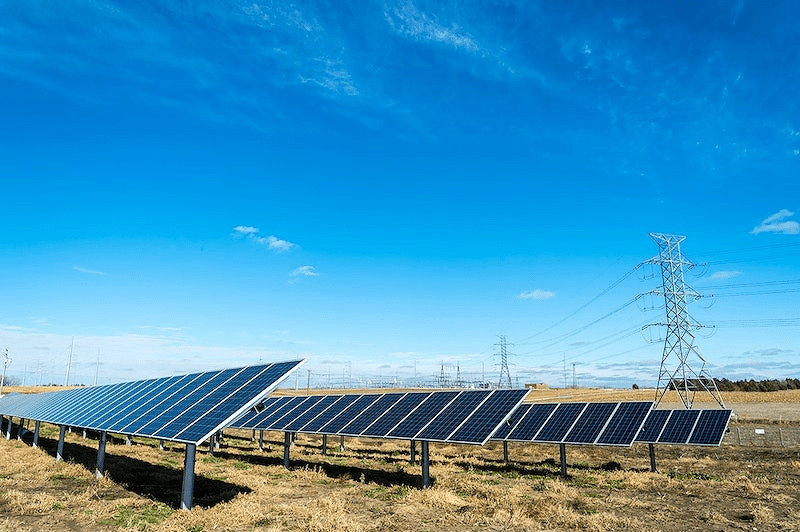
Powerplant and infrastructure downtime is less through predictive maintenance. For instance, AI aids users in regulating power consumption through smart home systems.
With an increasing global emphasis on sustainability, the importance of AI in building a cleaner and more efficient energy ecosystem is at its peak.
| Feature | Description |
|---|---|
| Smart Grids | AI balances energy supply and demand in real time. |
| Renewable Forecasting | Predicts solar and wind energy production. |
| Energy Optimization | Improves efficiency in energy consumption and distribution. |
| Predictive Maintenance | Reduces downtime in power infrastructure. |
| Smart Home Systems | Helps consumers monitor and control energy usage effectively. |
Cocnlsuion
In conclusion, industries being completely transformed by AI are experiencing major shifts in efficiency, innovation, and decision-making.
From healthcare and finance to agriculture, education, and energy, AI is improving productivity and accuracy while reducing costs.
It is reshaping traditional systems into smarter, data-driven models. Although challenges like privacy and job displacement exist
AI continues to create powerful opportunities, making industries more advanced, competitive, and future-ready across the global economy.
FAQ
How does AI benefit agriculture?
AI helps farmers monitor crops, predict weather, optimize resources, and increase productivity using precision farming techniques.
Is AI replacing jobs in manufacturing?
AI automates repetitive tasks but also creates new roles focused on technology management, maintenance, and innovation.
How is AI improving customer experience in retail?
AI offers personalized recommendations, faster customer support, and efficient inventory management, enhancing overall shopping experiences.
What impact does AI have on transportation?
AI enables self-driving vehicles, optimizes traffic systems, improves logistics, and enhances safety through predictive maintenance.