This Article Will Show You the Best Ways To Avoid Foreign Transaction Fees While Traveling Abroad. By travelling abroad, if you can manage your cash wisely then you can save upto a considerable amount due to hidden charges.
These strategies help guarantee optimal foreign exchange rates, reduced fees, and a seamless financial experience during your travels abroad from selecting the right cards to smarter payment options.
Key Poinst & Best Ways To Avoid Foreign Transaction Fees While Traveling Abroad
Use a No-Fee Credit Card Choose travel-friendly credit cards that waive foreign transaction fees for international purchases and payments.
Withdraw Cash from Partner ATMs Use your bank’s global ATM partners to avoid high withdrawal fees and surcharges abroad.
Pay in Local Currency Always Decline dynamic currency conversion; paying in local currency prevents hidden fees and unfavorable exchange rates.
Open a Multi-Currency Account Digital banks offer accounts with multiple currencies, reducing conversion costs during international spending or transfers.
Leverage Prepaid Travel Cards Load prepaid travel cards with foreign currency before departure to lock rates and avoid fees.
Avoid Airport Currency Exchanges Airport kiosks charge steep fees and poor rates; exchange money at banks or local providers.
Use Online Money Transfer Services Platforms like Wise or Revolut provide cheaper international transfers compared to traditional banks’ hidden charges.
Check Your Bank’s Global Alliances Many banks partner internationally, allowing fee-free withdrawals and transactions at affiliated institutions abroad.
Plan Larger Withdrawals Infrequently Minimize ATM usage by withdrawing larger amounts less often, reducing repeated transaction fees significantly.
Monitor Hidden Fees Carefully Review statements regularly to catch unnoticed charges, ensuring your bank honors fee-free promises abroad.
10 Best Ways To Avoid Foreign Transaction Fees While Traveling Abroad
1. Use a No-Fee Credit Card
A straightforward method to sidestep foreign transaction charges is through a bank card without any.
Most banks provide cards that do not charge international transaction fees (those often hit you up for 2-3% of every dollar spent).
Credit cards typically give you a better rate for foreign currency conversions than cash, plus they may offer travel rewards or insurance benefits.
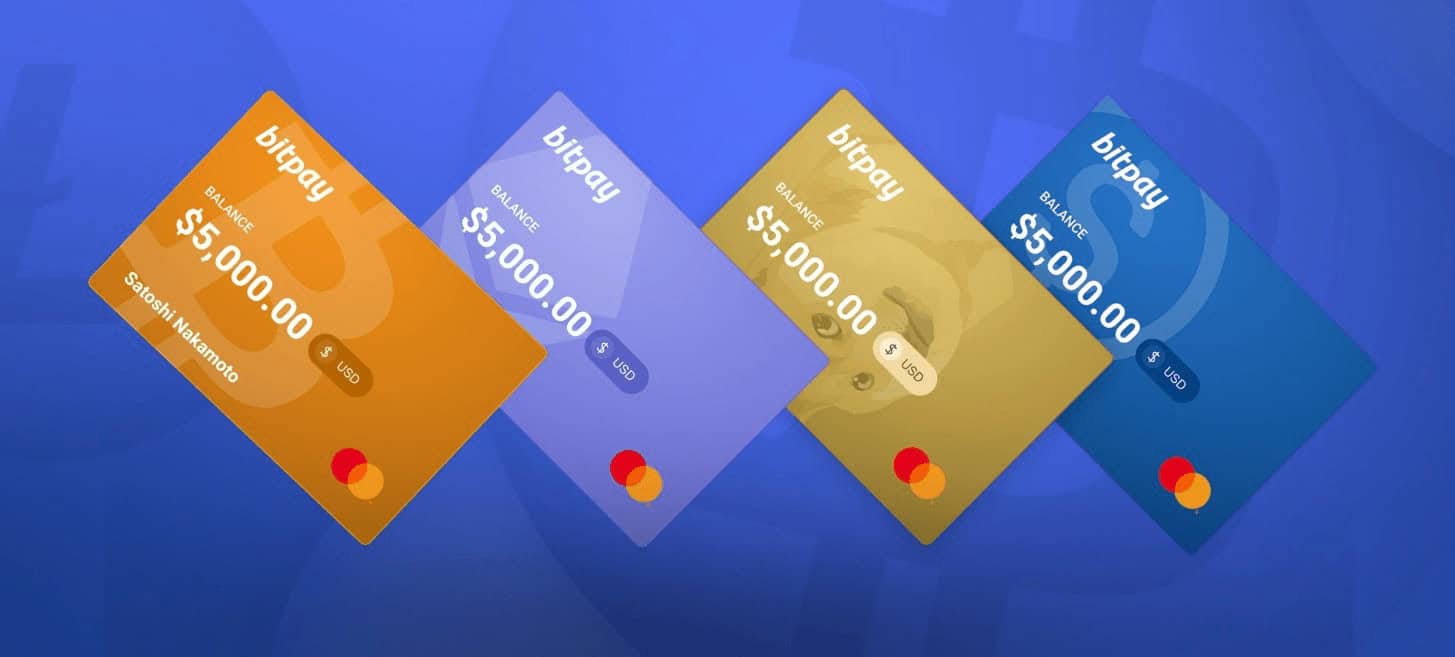
Verify your card fee structure and inform the bank on travel days – cards get blocked a lot. This way you get to enjoy smooth payments, without having your total cost of the trip run away from you.
| Feature | Details |
|---|---|
| Zero Foreign Fees | Eliminates 2–3% extra charges on international transactions |
| Better Exchange Rates | Offers competitive bank/network conversion rates |
| Travel Rewards | Earn cashback, points, or airline miles |
| Added Security | Fraud protection and dispute resolution |
| Global Acceptance | Widely accepted for seamless payments abroad |
2. Withdraw Cash from Partner ATMs
You can save a lot on the fees for withdrawing cash abroad by using your bank’s partner ATMs. Global pacts permit access to cash with little or no ancillary fees between numerous banks.
Find out before hitting the road what ATM network your bank has strong international ties with so you can avoid high fees from random ATMs.
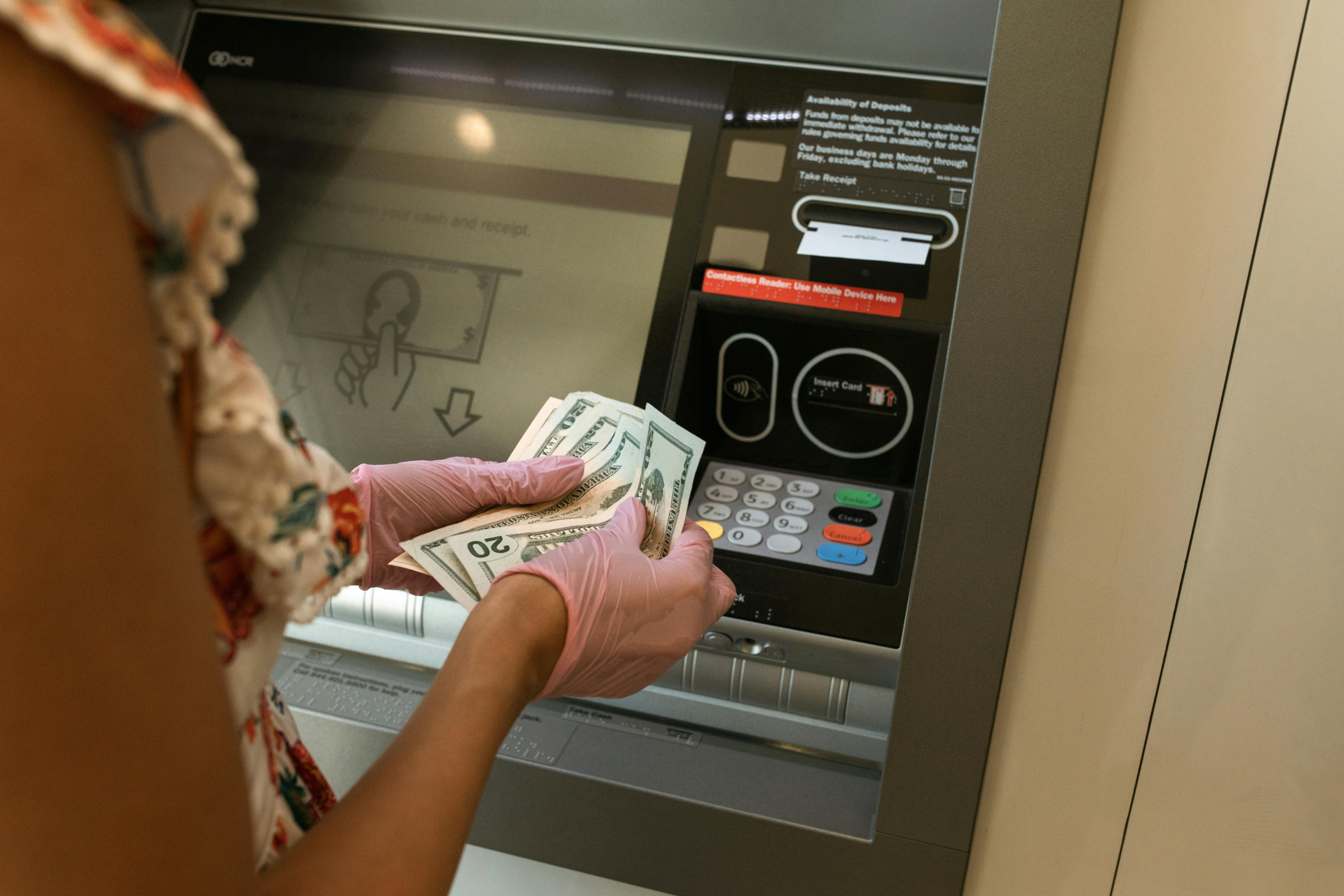
This saves money and the transactions are safer. Withdraw in local currency only, and never dynamic conversion.
You will also find that being ahead of the game allows you to use cash easily, whilst escaping unnecessary surcharges (which really add up over longtrip).
| Feature | Details |
|---|---|
| Lower ATM Fees | Reduced or zero withdrawal charges via alliances |
| Safe Transactions | Trusted banking network reduces risk |
| Wide Availability | Access ATMs globally through partnerships |
| Local Currency Access | Avoid unnecessary conversion fees |
| Convenience | Easy access to cash during travel |
3. Pay in Local Currency Always
Always opt to pay in the local currency when shopping abroad instead of your home currency. Dynamic Currency Conversion is frequently provided by merchants as a convenience to their customers, but is often accompanied with steep transaction fees and unfavorable exchange rates.
When you pay in the local currency, your bank or card network will take care of the conversion at a better price.

This small decision can lead to saving quite an amount over a long period during frequent transactions. Being a consumer on checkout keeps you from paying a 15% markup and saves your travel budget.
| Feature | Details |
|---|---|
| Avoid Hidden Markups | Skips dynamic currency conversion fees |
| Better Rates | Bank handles conversion at fair rates |
| Transparent Billing | Clear and accurate transaction values |
| Cost Savings | Saves money over multiple purchases |
| Simple Decision | Easy choice at checkout terminals |
4. Open a Multi-Currency Account
You are only able to hold, send and spend money in a foreign currency without making constant conversions through the bank when you have a multi-currency account.
Such accounts are ideal for a traveler who is used to paying hefty foreign exchange fees time and again. This will allow you to exchange currency at rates that are advantageous and directly use the funds while traveling abroad.
A number of digital banks and fintechs have accounts with low fees and easy to use apps. It gives versatility, transparency and enables you to monitor your expenditures effectively for international laying.
| Feature | Details |
|---|---|
| Multiple Currency Storage | Hold funds in different currencies |
| Reduced Conversion Fees | Avoid repeated exchange charges |
| Rate Optimization | Convert money when rates are favorable |
| Easy Transfers | Send and receive global payments |
| Budget Control | Better tracking of international spending |
5. Leverage Prepaid Travel Cards
Prepaid travel cards can be a convenient substitute for cash and typical credit cards without adopting much of an additional processes.
They allow you to load them up with foreign currency ahead of time in locked-in rates and avoid volatility. These cards have broad acceptance and generally charge lower fees than standard debit or credit cards.
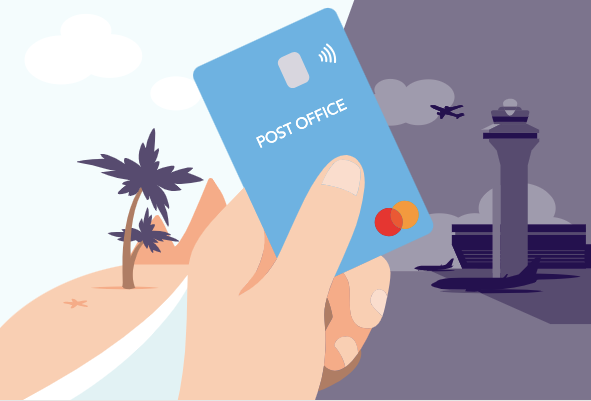
They also improve safety, since they’re not tied to your core checking account. So, if you lose your card or it is stolen, your risk is limited.
The usage of prepaid cards will allow you to manage your travel budget more effectively while keeping hidden charges at bay.
| Feature | Details |
|---|---|
| Locked Exchange Rates | Protect against currency fluctuations |
| Budget Management | Preload funds and control spending |
| Safer Alternative | Not linked to main bank account |
| Wide Acceptance | Usable at ATMs and POS terminals |
| Lower Fees | Cheaper than many debit/credit cards |
6. Avoid Airport Currency Exchanges
Airport currency exchange counters are convenient but usually have some of the worst rates and fees around Because they work in high-demand regions, their services carry a higher price tag.
Instead, change a small amount before leaving or get cash from a trusted ATM once you land. Being prepared saves you from these additional expenses.
A small difference in exchange rates can have a noticeable effect, especially with larger amounts; hence, skip airport exchanges whenever feasible while noting the best timing.
| Feature | Details |
|---|---|
| Better Rates Elsewhere | Avoid poor airport exchange rates |
| Lower Fees | Skip high service charges |
| Smart Planning | Exchange currency before travel |
| ATM Alternative | Withdraw cash at destination |
| Cost Efficiency | Save more on large currency exchanges |
7. Use Online Money Transfer Services
If you compare the cash departments of banks and transfer in online, we can see this very clearly. Those are perfect for international money transfer, and even transferring funds to yourself when traveling.
Most services come with easy to understand pricing, tracking in real time, and faster processing times. These platforms allow you to bypass high bank fees and get a much more competitive rate on currency conversion.
It is especially effective for long-term travelers or digital nomads who move money internationally.
| Feature | Details |
|---|---|
| Competitive Rates | Better than traditional bank rates |
| Low Transfer Fees | Cost-effective international transfers |
| Fast Processing | Quick fund transfers globally |
| Transparency | Clear fee structure and rates |
| Real-Time Tracking | Monitor transfers easily |
8. Check Your Bank’s Global Alliances
Prior to traveling, which of course be sure your bank participates in any form of global ATM or banking partners.
These collaborations enable you to use services overseas with lower or no charge. Learning which ATMs or branches to use will save you from extra charges and make your transactions smoother.

However, this information is easily available online as well and a lot of banks release this in advance.
Taking advantage of these partnerships can help you reduce your bank fees when traveling — especially if you need to withdraw cash frequently.
| Feature | Details |
|---|---|
| Fee-Free Access | Use partner ATMs with minimal charges |
| Global Coverage | Access banking services worldwide |
| Reliable Network | Trusted international partnerships |
| Easy Planning | Know where to withdraw beforehand |
| Cost Savings | Reduces frequent banking fees |
9. Plan Larger Withdrawals Infrequently
It’s a lot more cost-effective to make fewer, larger withdrawals instead of several smaller ones. Since most ATMs charge a per transaction fee, keeping the number of withdrawals low minimizes these charges.

But, pair that with security—don’t carry too much money. You can prepare your cash need in advance so as to minimize the fees while keeping security.
This method works particularly well where card payments are minimal and people still rely on cash.
| Feature | Details |
|---|---|
| Fewer Transaction Fees | Reduce repeated ATM charges |
| Cost Efficiency | Save on fixed withdrawal fees |
| Better Planning | Estimate cash needs in advance |
| Time Saving | Fewer trips to ATMs |
| Balanced Approach | Combine savings with safety awareness |
10. Monitor Hidden Fees Carefully
Foreign transaction fees are not always apparent, so it is important to be vigilant when scrutinizing your statements.
These fees might include some hidden costs for currency conversion markup, ATM usage or service charges by the banks.
By looking at your transactions you can see what these costs are and eliminate them in the future.

Mobile banking apps allow you to monitor your spending in the moment as well as flag unusual use with instant alerts.
By being informed and aware you will keep your finances in check and minimize your expenses while abroad.
| Feature | Details |
|---|---|
| Expense Tracking | Review transactions regularly |
| Identify Hidden Charges | Spot conversion and service fees |
| Real-Time Alerts | Use banking apps for notifications |
| Financial Awareness | Stay informed about spending |
| Better Control | Avoid unnecessary future charges |
Conclusion
To sum up, if you want to save on foreign transaction fees when traveling abroad it simply takes some basic planning and knowing how best manage your finances.
These include: use no-fee cards, pay in local currency, make the most of multi-currency accounts and limit your ATM withdrawals.
Armed with knowledge, strategic decisions on invitations and the right tools; travelers can gain a far less cumbersome and infinitely more cost-effective sojourn international without it costing an arm or leg.
FAQ
What are foreign transaction fees?
Foreign transaction fees are extra charges (usually 1–3%) applied by banks or card issuers when you make purchases in a foreign currency or process payments through international networks.
How can I avoid foreign transaction fees completely?
You can avoid them by using no-fee credit cards, multi-currency accounts, or prepaid travel cards designed for international use.
Is it better to pay in local currency or home currency?
Always pay in local currency to avoid dynamic currency conversion fees and get better exchange rates.
Do all credit cards charge foreign transaction fees?
No, many travel-friendly credit cards offer zero foreign transaction fees, so choosing the right card is important.