

In this article, I will discuss the Top Common Credit Card Mistakes That Ruin Your Financial Health and how these financial habits silently damage credit scores, increase debt, and create long-term money problems.
Many people unknowingly make costly mistakes while using credit cards daily. Understanding these errors can help you build smarter spending habits, improve financial stability, and protect your future financial growth successfully.
Top 10 Common Credit Card Mistakes That Ruin Your Financial Health
1. Only Paying The Minimum Payment
Technically, paying only the minimum amount is a safe strategy, but it actually leads to long-term financial insecurity for the majority of the population.
Credit card companies will charge an exorbitant amount of money every month for purchases made, and the remaining balance.
This is the trap credit card companies set, and new startups and professionals tend to fall into this trap. This recent trend has spawned new approaches to personal finance.
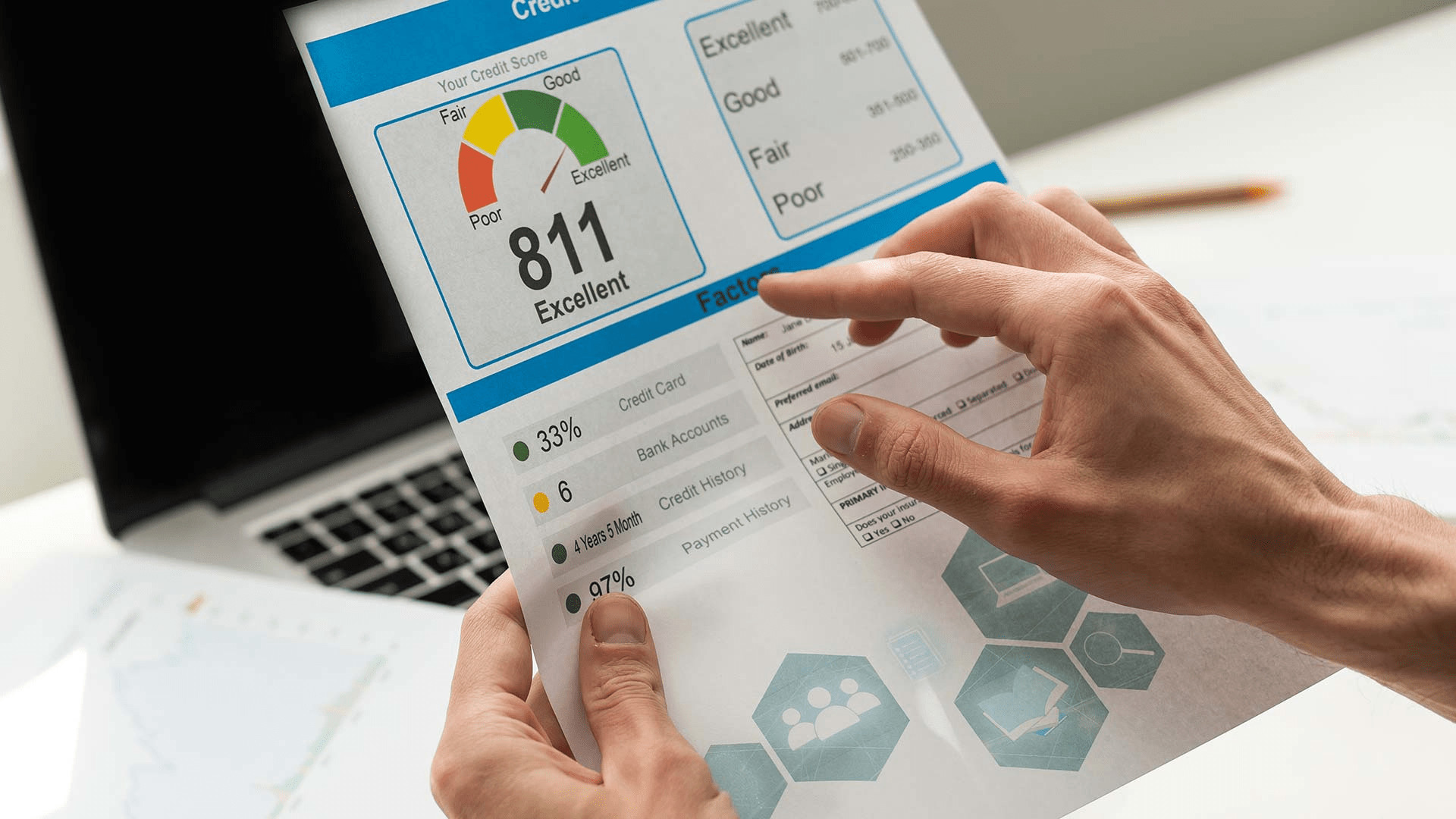
Fully automatic payments are now recommended to easily budget personal finances to avoid unwanted debt in the future.
A major positive of self-automation is that it leads to a more confident credit score in the future, as people will have less debt and financial variables to worry about. Long-term investments can then be more easily planned for.
2. Missing Payment Deadlines
Late payments are the best way to quickly ruin a good credit score. It can lead to higher payments for remaining balances and financial fees for each missed payment.
New personal finance restrictions by banks and other lenders will incorporate automated payment monitoring and enforcement.

This is where an employee’s unsteady cash flow will be detrimental. Having a payment calendar helps pay debts in a timely manner.
The result will be long-term financial security, allowing loans to be approved and positive changes to credit acceptability.
3. Maxing Out Your Credit Card Limit
Using up your whole credit limit looks very bad for lenders. It also hurts your credit score. When consumers reach their credit limits while shopping or in emergency situations, they hurt their financial reputation without realising it.

Financial advisors recommend that credit utilisation should not exceed 30 per cent. Spending within their credit gives consumers more flexibility to respond to financial emergencies and gives them more options to pursue advantageous opportunities.
4. Applying for Too Many Credit Cards Together
Opening multiple credit accounts in a short time frame can ruin your financial reputation. It causes confusion about repayment and leads to hard inquiries, which temporarily lowers your credit score.
Many people pursue accounts for rewards, cashback offers, and travel benefits without understanding how it can negatively impact their finances.

It is more beneficial for consumers to maintain fewer, well-managed cards to promote long-term financial growth and borrowing capacity.
5. Overlooking Hidden Costs and Annual Charges
Users fixate on rewards, disregarding the hidden costs. Annual fees, foreign transaction costs, late fees, and interest on cash withdrawals negatively impact finances.

Premium cards that feature travel rewards may not suit spending habits. Experts recommend that users should now examine their statements and compare the most current updates and reviews. Being aware of the charge fees enables users to choose cards with less expense.
Monitoring helps to avoid miscellaneous expenses and allows users to plan their finances both personally and professionally.
6. Indulging Lifestyle Spending with Credit Cards
Style and lifestyle spending causes a strain on finances and is easily done through a credit card. Breaking finances down to purchases that are out of budget is easy to do with shopping.

Many aspiring professionals bury themselves in debt due to spending to meet the lifestyle expectations of their peers. Modern financial wellness endorses the avoidance of spending that is out of budget.
Emotional spending can be controlled through established monthly limits and oversight of each transaction. Credit cards, when controlled, become savings and confidence in finances.
7. Withdrawing Cash Using Credit Cards Frequently
In a pinch, cash advances can seem to be a great option, but they come with added fees and exceptionally high interest.
In comparison to typical purchases, interest accrued from cash advances starts instantaneously, and there is no grace period. Costs add up far faster than many users realise.
Cash advances have now been classified as high risk by many financial institutions, and withdrawing/cashing advances more than once in a few months is flagged as high risk.

Financial experts discourage users from cash advances and credit cards. Instead, they encourage users to build an emergency savings fund and when possible
Consider financial products with lower interest rates when needing cash. Long-term financial burden and issues with credit can be mitigated by avoiding cash advances.
8. Not Monitoring Monthly Credit Card Statements
The risk of fraud, billing issues, and unnoticed recurring subscriptions increases dramatically with the neglect of monthly statements.
Many payment systems that are now used to allow transactions to be carried out digitally have also made it easy to charge someone’s account without their consent.

Many users, as a general rule, seem to neglect reviewing statements thoroughly, and only when it’s too late, do they realise how poor their financial state is.
Many financial security experts suggest that statements be monitored regularly, through weekly updates on their respective financial institutions’ mobile apps.
Keeping track of your expenditures regularly allows users to detect and focus on their spending and improve their financial management as a whole.
9. Closing Old Credit Cards Too Quickly
It is common to hear that closing old credit cards can help with financial discipline. The truth is that it can hinder your credit score.
When there are older accounts, it helps establish credit history. It is one of the first things evaluators look for when assessing credit.
When a long-term account is closed, the total credit available decreases, which increases credit utilisation. For accounts with a fee, it is better to close them, but for accounts with no fee, even if you don’t close the account, you can still use a small transaction for maintaining old credit accounts.
Closing long-term credit accounts shows a lack of financial obligation, which can make it harder to obtain credit in the future.
10. Depending Completely on Credit Cards During Emergencies
Using solely credit cards for financial emergencies can create a vicious cycle of debt that is difficult to break.
For most financial emergencies, the use of a credit card seems the only option, but borrowing money to cover an expense is a barrier for many.
Increased reliance on credit to survive is a symptom of deep financial insecurity. It is widely recommended that people create an emergency fund alongside using credit responsibly.

There are many tools in modern finance, such as automated savings, to establish your emergency fund faster.
Having sufficient savings means you don’t have to resort to borrowing money at high interest and have more control over your situation.
Cocnlsuion
In summary, for a healthy financial system, avoid credit card blunders. Overspending, missing credit card payments, and acquiring more credit than needed burden your finances and lead to loss of creditworthiness. Thankfully, the financial future need not be bleak.
Smart credit management, responsible spending, and good financial behaviour are the steps. Good credit card management presents each of the cardholders control over their finances and confidence to engage with and control other elements of their credit, savings and investments.
FAQ
Why is paying only the minimum amount considered a major credit card mistake?
Paying only the minimum amount increases long-term interest costs and keeps debt active for years.
How do late credit card payments affect financial health?
Late payments reduce credit scores, increase penalties, and negatively impact future loan approval opportunities.
What happens when someone uses their full credit card limit regularly?
Maxing out credit cards increases credit utilisation ratios and signals financial instability to lenders.
Is applying for multiple credit cards at once financially risky?
Yes, too many applications create hard inquiries and reduce overall creditworthiness within short periods.