
In this post, we review the SaaS platforms that are allowing EdTech startups to scale student enrollments.
Amidst increasing competition in the online education space and higher customer acquisition costs, Startups require intelligent automation, personalized engagement, and analytical decision-making.
The SaaS tools of the modern world offer exactly that: helping EdTech companies expedite admissions, improve conversion rates, and scale enrollment funnels without heavy lifting or having large teams.
Key Points & SaaS Platforms Helping EdTech Startups Scale Student Enrollments
ExtraaEdge AI-powered CRM optimizes student acquisition, automates marketing campaigns, and increases enrollment conversions.
HubSpot Comprehensive CRM platform streamlines marketing, sales funnels, improving lead nurturing and enrollments.
LeadSquared Education-focused CRM captures leads, automates follow-ups, and enhances student conversion rates efficiently.
Unibuddy, a peer-to-peer engagement platform, connects prospects with students, boosting trust and enrollment.
Customer.io’s behavior-based messaging platform automates personalized communication, increasing student engagement and conversions.
Kajabi All-in-one platform builds courses, manages memberships, and drives enrollments with marketing automation.
Kit (formerly ConvertKit) is a creator-focused email marketing tool that nurtures leads, automates campaigns, and improves student conversions.
Loops ‘ modern email platform enables targeted campaigns, personalized messaging, improving enrollment conversion rates.
Classplus’s mobile-first platform helps educators launch apps, manage students, and scale enrollments rapidly.
TalentLMS Cloud LMS simplifies course delivery, training management, and attracting and retaining more students.
Quizizz Gamified quizzes enhance engagement, improve learning outcomes, attracting more student enrollments.
LearnWorlds ‘ interactive course platform enhances learning experiences, boosting engagement and student acquisition rates.
TrainerCentral Training platform enables live classes, course sales, increasing enrollments and learner engagement.
Go1: An aggregated learning content library helps institutions scale offerings and attract diverse students.
Teachable’s course creation platform supports monetization, marketing tools, and driving higher student enrollment growth.
15 SaaS Platforms Helping EdTech Startups Scale Student Enrollments
1. ExtraaEdge
ExtraaEdge is a highly featured education CRM that powers more than 500 institutes and 8,000+ users across the globe.
It provides end-to-end admission automation for lead capture, WhatsApp integration, IVR tracking, and predictive analytics.
ExtraaEdge and the best of EdTech startups using ExtraaEdge have seen up to 4x higher conversions & almost a 30% growth in enrollments.
It tracks the entire student lifecycle, from enquiry to admission, and helps maximise marketing ROI while enabling startups to scale without compromising lead quality.
| Pros | Cons |
|---|---|
| Built specifically for education industry workflows and admissions processes | Limited customization compared to global CRM platforms |
| Strong automation with WhatsApp, IVR, and lead tracking features | The interface may feel complex for new users |
| Improves conversion rates with AI-driven insights and analytics | Primarily focused on Indian and Asian markets |
| End-to-end student lifecycle tracking from inquiry to enrollment | Requires onboarding time for full feature utilization |
2. HubSpot
As of 2025, HubSpot is a world-class CRM software used by over 288000 customers across 135+ countries. This covers marketing automation, sales pipelines, and customer engagement tools in one platform.
HubSpot fosters behavior-based nurture and AI-driven insights to enable improved conversion rates for EdTech startups.
The Ever-Ameet is a scalable and innovative choice for many startups aiming to build optimal enrollment funnels and reach a global audience.
| Pros | Cons |
|---|---|
| All-in-one CRM with marketing, sales, and automation tools | Pricing becomes expensive as you scale |
| User-friendly interface with a strong ecosystem of integrations | Advanced features require higher-tier plans |
| Powerful AI-driven insights and analytics capabilities | Can be overwhelming for small teams initially |
| Scales globally with strong brand credibility and support | User-friendly interface with a strong ecosystem of integrations |
3. LeadSquared
However, you will find that LeadSquared is a well-tested product for use in marketing of the education sector and has many users in India, with a dominant share in the CRM space for educational forums.
This will allow us to capture leads from various channels, set follow-up automations, and behavior-based prospect scoring. This means quicker response time and better conversions.
Its capability to sync sales and marketing makes it a great fit for EdTech startups that require seamless lead management and scale enrollments hassle-free.
| Pros | Cons |
|---|---|
| UI is not as modern as some competitors | A fast response system improves conversion rates significantly |
| Excellent automation for follow-ups and lead nurturing | Limited third-party integrations compared to global tools |
| Fast response system improves conversion rates significantly | Reporting features can feel basic for advanced users |
| Strong presence in India with localized features | Scaling globally may require additional tools |
4. Unibuddy
One of the things that we really offer in Unibuddy is this new engagement request and our unique peer-to-peer option between prospects, current students, and alumni.

And in an age where Gen Z is critical of brands, this fosters trust and transparency. Startups that incorporate Unibuddy even find far higher engagement rates, as students depend less on sterile ad placement and more on raw conversation. This vastly enhances enrollments and adds strong credibility to the brand.
| Pros | Cons |
|---|---|
| Peer-to-peer engagement builds trust among prospective students | Not a full CRM or marketing automation platform |
| Enhances conversion through authentic student interactions | Requires active student participation to be effective |
| Strong appeal for Gen Z audience decision-making process | Limited analytics compared to traditional platforms |
| Improves brand transparency and community building | Can be costly for smaller startups |
5. Customer.io
Customer. io is a behaviour-driven messaging that facilitates tailored emails, SMS, and push notifications by EdTech start-ups.
Personalized communication is no longer just a feature because messaging platforms are used by over 90% of users at least once a month.

Customer. io is great for automating onboarding, nurturing leads, and minimizing drop-offs throughout the enrollment funnel.
| Pros | Cons |
|---|---|
| Advanced behavior-based messaging and automation workflows | Requires technical setup for full functionality |
| Multi-channel communication including email, SMS, push notifications | Not beginner-friendly for non-technical users |
| Highly personalized campaigns improve engagement rates | Pricing scales with usage volume |
| Strong API and integration capabilities for customization | Limited built-in CRM features |
6. Kajabi
Kajabi is an all-in-one course creation, website, and marketing automation platform. It enables EdTech startups to create, promote, and sell courses without the need to sign up for multiple software.

Kajabi includes everything you need to convert leads to paying students, including funnels, email marketing, and membership features, all built in. Its unified ecosystem simplifies operations and drives growth.
| Pros | Cons |
|---|---|
| All-in-one solution for courses, marketing, and memberships | Higher pricing compared to standalone tools |
| Built-in sales funnels and email automation features | Limited customization for advanced developers |
| No need for multiple third-party integrations | Transaction fees on lower plans |
| Easy-to-use interface for creators and educators | Not ideal for large enterprise-level operations |
7. Kit (formerly ConvertKit)
Kit is an email marketing software for creators, created to help educators grow and monetize their audiences. It provides sophisticated segmentation, automation, and custom campaigns that drive engagement.
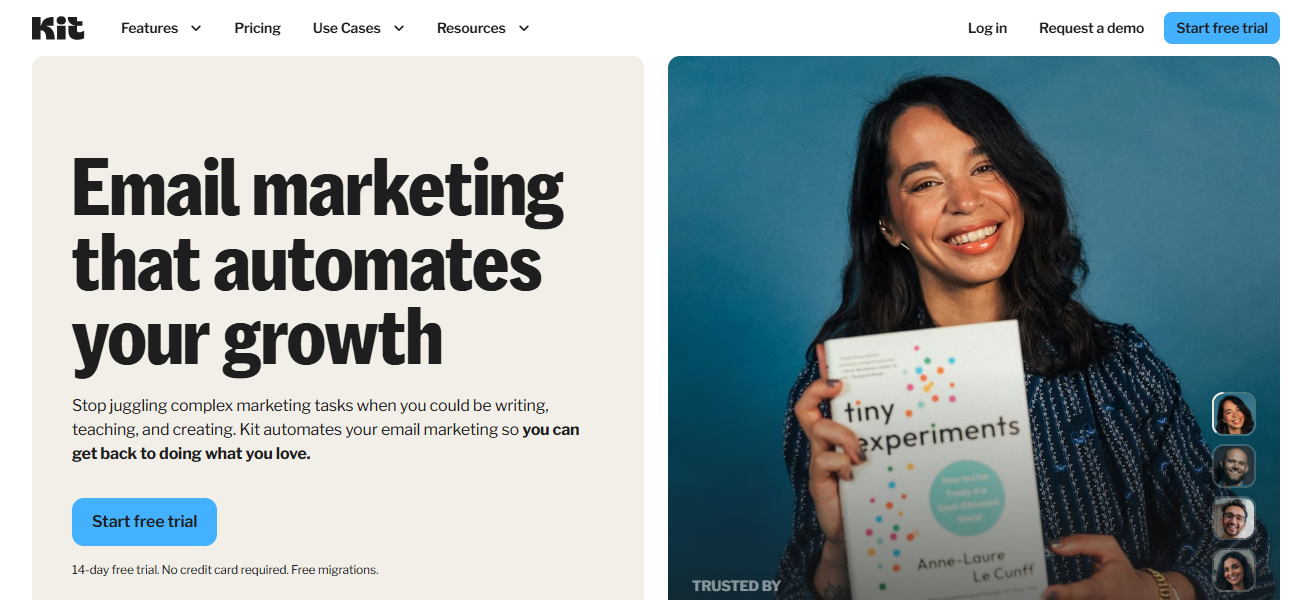
Kit is a communication platform that allows EdTech startups to communicate with prospects continuously, which translates into better open rates and improved enrollment conversions. With its ease of use, it is perfect for expanding an education brand.
| Pros | Cons |
|---|---|
| Creator-focused email marketing with strong automation | Limited features beyond email marketing |
| Easy-to-use interface for beginners | Lacks advanced CRM functionalities |
| High deliverability and engagement rates | Pricing increases with subscriber growth |
| Strong segmentation and personalization capabilities | Limited design flexibility for emails |
8. Loops
Loops is an export email marketing platform designed for fast, sustainable startups. This provides real-time customization, a straightforward user interface, and high-quality sending.
Loops enables EdTech startups to build targeted campaigns according to user behavior that have been effective in increasing both engagement and conversion rates.

This is largely because it has been designed to integrate easily with existing systems, keeping the needs of developers in mind.
| Pros | Cons |
|---|---|
| Modern UI with fast setup and easy usage | Still evolving with fewer advanced features |
| Real-time personalization and targeted campaigns | Limited brand recognition compared to competitors |
| Developer-friendly integrations and APIs | Smaller ecosystem of integrations |
| Good deliverability and performance optimization | May lack advanced automation depth |
9. Classplus
The Indian Edtech startup Classplus provides educators with a platform to launch their own branded mobile app so that they can engage students directly!
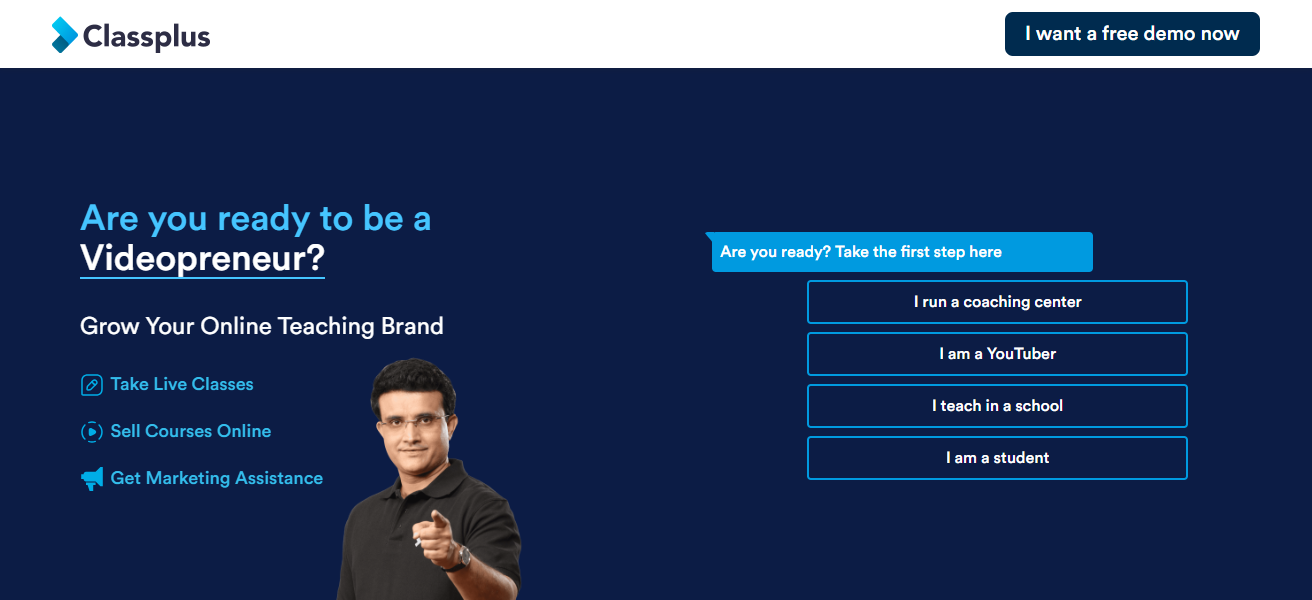
It is used by a multitude across India’s rapidly growing online education sector. Classplus enables startups to scale in no time with features such as live classes, payments, and analytics, allowing them to reach out to mobile-first learners. This significantly increases enrollment potential.
| Pros | Cons |
|---|---|
| Enables creation of branded mobile apps for educators | Dependency on the platform ecosystem |
| Strong presence in India’s EdTech ecosystem | Less suitable for global expansion |
| Integrated payments, live classes, and analytics | Customization options can be limited |
| Helps scale quickly with mobile-first audience reach | Dependency on platform ecosystem |
10. TalentLMS
TalentLMS is a user-friendly, cloud-based LMS that will scale with your needs. This empowers the EdTech startups to effectively run courses, manage learners, and improve performance tracking.
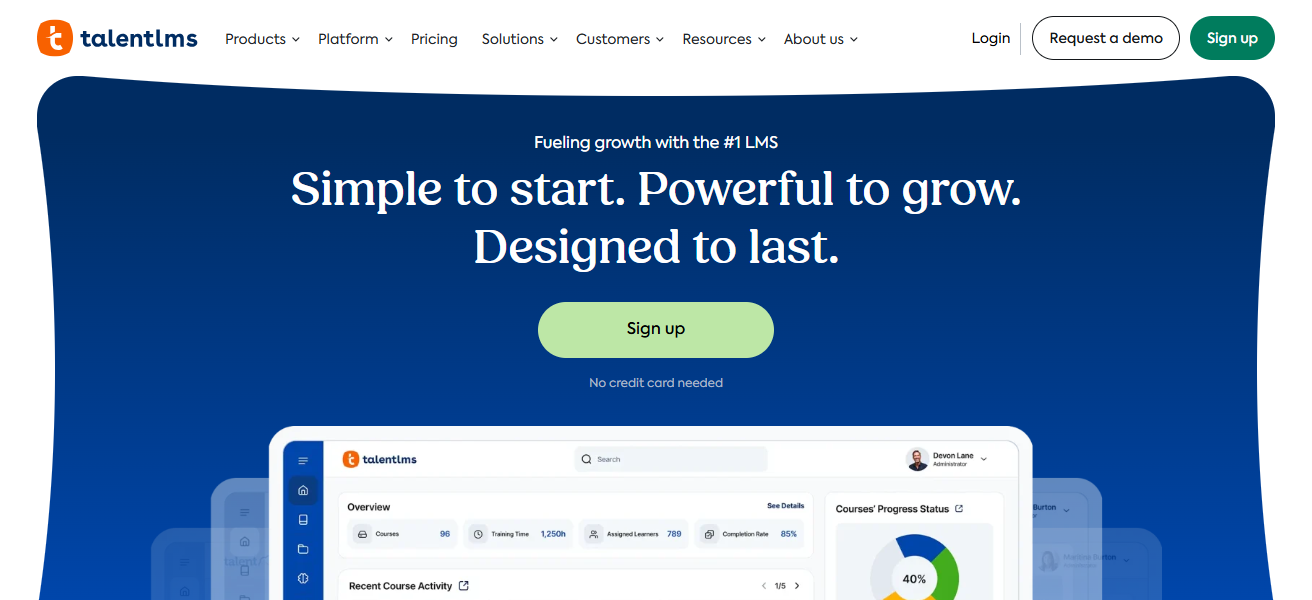
The gamification and reporting module in its learning management software enhances engagement and retention, which have a direct impact on enrollment growth today. Without making too big an investment in infrastructure, startups can go global.
| Pros | Cons |
|---|---|
| Easy-to-use LMS with quick deployment | Limited advanced customization options |
| Gamification improves student engagement and retention | UI design feels basic compared to modern platforms |
| Scalable cloud infrastructure for global reach | Advanced reporting may require upgrades |
| Wide range of integrations and features | Branding customization is limited |
11. Quizizz
Through fun quizzes and interactive assessments, Quizizz introduces gamification in education. Educators often use it in order to spark interest and keep engagement and retention high.

Quizizz: A powerful EdTech acquisition tool that makes learning fun. It continuously enhances the quality of courses, leading to higher student satisfaction and better enrollment scalability due to its analytics.
| Pros | Cons |
|---|---|
| Gamified learning boosts engagement and retention | Not a complete LMS solution |
| Easy to create interactive quizzes and assessments | Limited monetization features |
| Real-time analytics improve teaching strategies | Requires integration with other platforms |
| Popular among students for fun learning experience | Limited customization for advanced users |
12. LearnWorlds
The best thing about LearnWorlds is that it provides interactive video features and customizable learning experiences. It allows start-ups to deliver fun and engaging courses that increase retention.
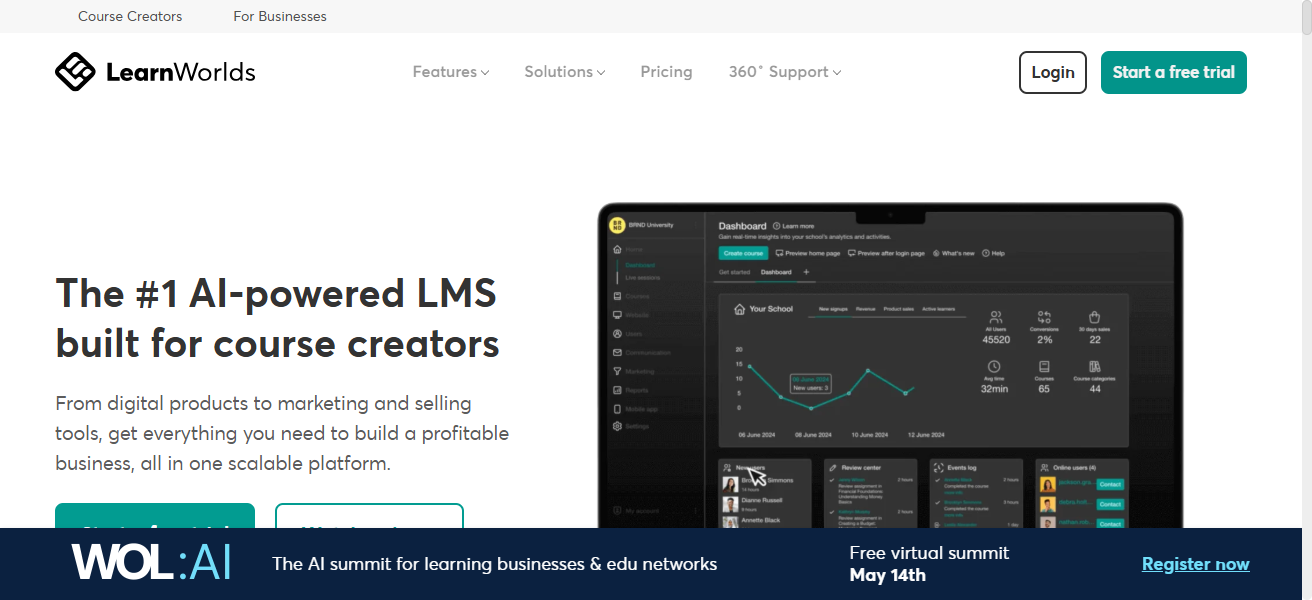
LearnWorlds includes marketing tools and analytics to convert visitors into enrolled students. Startups have an advantage over others because of their focus on user experience.
| Pros | Cons |
|---|---|
| Advanced interactive video and learning features | Learning curve for beginners |
| Strong customization and branding capabilities | Pricing higher than basic platforms |
| Built-in marketing and analytics tools | Some features require higher-tier plans |
| Enhances user experience and course engagement | Limited third-party integrations in lower plans |
13. TrainerCentral
TrainerCentral provides live classes, course creation & monetization features. It offers virtual classrooms, certifications, and assessments, which are the perfect option for EdTech Startups.

The built-in payment and marketing tools help teachers sell their courses around the world, giving them more ways to reach new students.
| Pros | Cons |
|---|---|
| Supports live classes, assessments, and certifications | Less popular compared to major competitors |
| Integrated monetization and payment features | Limited advanced customization |
| Combines live and self-paced learning options | Smaller integration ecosystem |
| Easy setup for trainers and educators | UI could be more modern |
14. Go1
Go1 provides access to an extensive library of pre-curated content from content providers all over the world. This enables EdTech startups to grow their offerings without having to build content themselves.
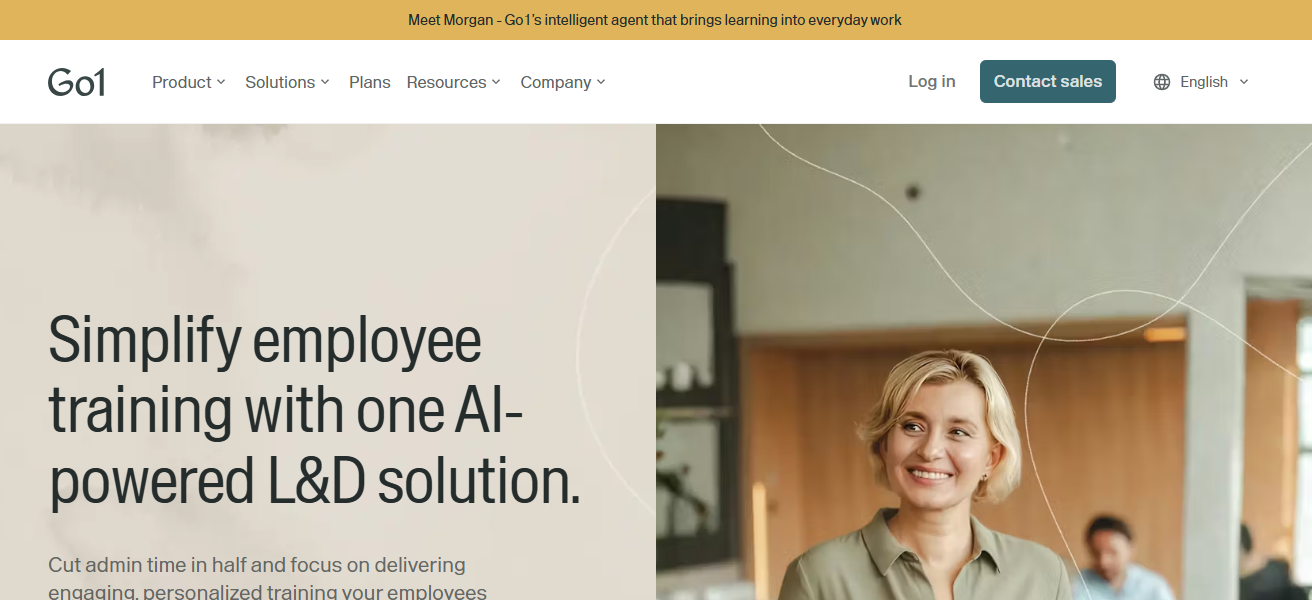
Providing various learning options allows startups to reach more students and quickly scale enrolment while delivering quality.
| Pros | Cons |
|---|---|
| Access to a massive, curated content library globally | Dependency on third-party content providers |
| Helps scale course offerings quickly | Limited control over content quality |
| Reduces need for content creation resources | Subscription costs can be high |
| Covers diverse topics across industries | Access to a massive curated content library globally |
15. Teachable
Teachable is a very popular one among online course creation and sales platforms. It provides resources for hosting, payments, and marketing automation.

Its simplicity and monetization features thus allow EdTech startups to launch courses in no time and easily scale them. This enables businesses to plan better for growth while allowing students to enroll.
| Pros | Cons |
|---|---|
| Simple platform for creating and selling courses | Transaction fees on lower plans |
| Built-in payment and marketing tools | Limited advanced customization |
| Quick course launch with minimal technical skills | Requires external tools for advanced automation |
| Strong monetization features for creators | Basic analytics compared to competitors |
Conclusion
Final Thoughts: SaaS products represent core building blocks for EdTech start-ups looking to try and increase students’ ratings & enrolments in 2026.
These platforms simplify everything from CRM and marketing automation to course delivery and engagement tools, all of which help you improve your conversion rate.
With additional resources and services such as ExtraaEdge, HubSpot, and Teachable, startups can create successful enrollment funnels while providing a seamless student experience in order to ensure sustainable growth in a competitive marketplace.
FAQ
What are SaaS platforms in EdTech?
SaaS platforms in EdTech are cloud-based tools that help startups manage admissions, marketing, learning delivery, and student engagement without building their own infrastructure.
Which SaaS tool is best for student enrollment growth?
Tools like ExtraaEdge, HubSpot, and LeadSquared are highly effective for automating and scaling enrollment funnels.
How do SaaS tools increase student enrollments?
They automate lead nurturing, personalize communication, track user behavior, and optimize marketing campaigns, leading to higher conversions.
Are SaaS platforms cost-effective for startups?
Yes, most SaaS tools operate on subscription models, reducing upfront costs and allowing startups to scale as they grow.
Can small EdTech startups use these platforms?
Absolutely. Many tools offer flexible pricing and features tailored for small teams, making them accessible and scalable.