
This article will explain how to cryptocurrency users can earn passive income through strategies involving staking and crypto currencies.
Strategies included will be staking, delegated staking, liquid staking, lending, liquidity pools, yield farming, stablecoin lending, validator nodes, restaking, mining, automated DeFi strategies, affiliate programs and tokenized real-world assets.
The articles elaborates on how each strategy works, the potential rewards each strategy provides, the risks associated with each strategy, and practical considerations for developing a passive income stream in the world of crypto.
Key Points & Proven Strategies to Earn Passive Income with Cryptocurrency and Staking
| Strategy | Explanation |
|---|---|
| Crypto Staking | Lock cryptocurrencies to validate networks and earn regular staking rewards automatically. |
| Delegated Staking | Delegate tokens to trusted validators while receiving rewards without managing infrastructure. |
| Liquid Staking | Stake assets while receiving liquid tokens that can generate additional returns elsewhere. |
| Lending Platforms | Lend cryptocurrencies through platforms and earn interest from borrowers using collateral. |
| Liquidity Pools | Provide crypto liquidity to decentralized exchanges and earn transaction fees regularly. |
| Yield Farming | Move digital assets across DeFi protocols seeking higher rewards and yields. |
| Stablecoin Lending | Lend stablecoins to borrowers and earn relatively predictable interest payments overtime. |
| Crypto Savings | Deposit supported cryptocurrencies into interest-bearing accounts to generate recurring passive income. |
| Validator Nodes | Operate blockchain validator nodes and earn rewards for securing network transactions. |
| Restaking | Restake existing staking assets to secure additional protocols and earn extra rewards. |
| Crypto Mining | Mine supported cryptocurrencies and earn rewards by contributing computing power to networks. |
| Dividend Tokens | Hold qualifying tokens that distribute protocol revenues or rewards to participants. |
| Automated DeFi Strategies | Use automated protocols to optimize yields across multiple decentralized finance opportunities. |
| Crypto Affiliate Programs | Refer users to cryptocurrency services and earn commissions from qualifying activities. |
| Tokenized Real-World Assets | Invest in tokenized assets that may distribute income through blockchain |
Proven Strategies to Earn Passive Income with Cryptocurrency and Staking
1. Crypto Staking
Crypto staking is the process of earning cryptocurrency rewards for securing a blockchain by locking or delegating supported cryptocurrencies to a Proof-of-Stake (PoS) blockchain. In a PoS blockchain, participants are called validators. Users have the option to stake directly (by running a validator), or stake indirectly (through a staking pool).

Validators are usually rewarded with newly issued tokens, although rewards can come from transactions. Investors should take into consideration the staking yield, token inflation, validator fees, withdrawal lock time, and the volatility of the staked asset. A high yield does not equate to a good investment since the token can become worth less.
Latest & Unique Insight: Ethereum continues to finesse its staking infrastructure in 2026. With recent upgrades, users and validators now enjoy more features and the roadmap to continued enhancements of the infrastructure and system remain focused.
Crypto Staking Features
| Features | Explanation |
|---|---|
| Network participation | Lock crypto to help validate transactions and secure proof-of-stake networks. |
| Recurring rewards | Earn staking rewards according to the network’s reward mechanism. |
| Long-term approach | Suitable for holders who plan to keep assets invested. |
| Main consideration | Token prices can fall even when staking rewards are earned. |
2. Delegated Staking
Though you receive staking rewards, delegated staking is also attractive for investors who prefer not to run validator infrastructure on their own. In this case, a delegator arranges for the validator to do the work on their behalf and receives a part of the validator’s rewards, less costs and commissions.

It’s essential to pick a validator, given the potential impact of a validator’s uptime and the concern for centralization, as well as the fees and penalties, and the potential loss of rewards.
Factors to consider before choosing a validator are the validator’s commission and the history of the validator’s voting record or governance, as well as the validator’s uptime, how decentralized it is, and the rules of the chain for unbonding.
Delegated Staking Features
| Features | Explanation |
|---|---|
| Validator delegation | Delegate tokens to validators instead of operating your own infrastructure. |
| Lower technical burden | Validators handle much of the operational and technical work. |
| Reward sharing | Delegators generally receive rewards after validator fees. |
| Validator selection | Choosing reliable validators is important for security and performance. |
3. Liquid Staking
Liquid Staking combines Staking and greater capital flexibility. Users stake an asset and receive IOU tokens. Users get the benefits of staking rewards yield and are able to hold, transfer, trade and utilize their staked asset in other DeFi environments.

The asset is still staked. Liquid Staking strings together the benefits of Staking while allowing users to have the capital flexibility. However, users can potentially experience loss due to price deviation of liquid staking tokens. In addition, users bear the risks of smart contracts, liquidity, protocols, and validators.
Liquid Staking Features
| Features | Explanation |
|---|---|
| Staking rewards | Users stake assets while continuing to receive staking-related returns. |
| Liquid tokens | Users receive representative tokens that may remain usable elsewhere. |
| DeFi opportunities | Liquid staking tokens can potentially be used in other DeFi applications. |
| Additional risks | Smart-contract, depeg, market, and protocol risks can affect returns. |
4. Lending Platforms
There are lending platforms which let investors lend their crypto and take interest in return. Some platforms expect borrowers to post collateral, while others manage deposits and loans through smart contracts and lending protocols.

Investors need to determine how much control the lending platform has over the lending process, how collateral is managed, what happens in extreme market conditions, whether there are no withdrawal limits, and how volatile the platform is.
Interest rates are not guaranteed and quickly change based on market dynamics. For this reason, the announced annual percentage yield should not be considered a stable return over the long term.
Lending Platforms Features
| Features | Explanation |
|---|---|
| Crypto lending | Supply cryptocurrencies to borrowers through lending protocols or platforms. |
| Interest income | Lenders can earn interest according to market demand and platform terms. |
| Collateralization | Many decentralized lending protocols require borrowers to provide collateral. |
| Risk management | Platform security, liquidation mechanisms, and borrower activity affect risk. |
5. Liquidity Pools
Liquidity pools let users add assets to a decentralized exchange or another DeFi dApp so that users can trade or execute transactions. In return, a liquidity provider receives a transaction fee.
Sometimes, there are additional protocol incentives. An example would be if a liquidity provider added two assets to a trading pool, and fees are earned when traders made a swap using the two trading assets.

However, there are a few issues, including impermanent loss: if the relative prices of the two trading assets change, then a liquidity provider would end up earning less than if the provider decided to hold the assets.
These issues could result in a loss of value to the liquidity provider. Additionally, vulnerabilities in smart contracts, and a declining trading volume, can lead to a loss of value.
Liquidity Pools Features
| Features | Explanation |
|---|---|
| Liquidity provision | Deposit supported assets into decentralized exchange liquidity pools. |
| Trading fees | Liquidity providers can receive a share of eligible transaction fees. |
| DeFi participation | Pools help facilitate decentralized token swaps and market activity. |
| Impermanent loss | Price changes between paired assets can reduce returns relative to simply holding. |
6. Yield Farming
Yield farming involves strategically allocating crypto assets across DeFi protocols to pursue income from lending, liquidity provision, staking, or other incentives. Rather than placing funds into one fixed product, farmers may move capital when yields, incentives, or market conditions change.

This strategy can generate multiple sources of rewards, but it also introduces additional complexity. Investors need to account for transaction fees, token emissions, smart-contract risk, liquidity conditions, impermanent loss, and the possibility that a high introductory yield decreases rapidly. Sustainable yield should ideally come from genuine economic activity rather than temporary token incentives.
Yield Farming Features
| Features | Explanation |
|---|---|
| Yield optimization | Move assets between DeFi opportunities seeking potentially higher returns. |
| Multiple protocols | Strategies may combine lending, liquidity provision, and reward programs. |
| Compounding potential | Some strategies reinvest rewards to increase future earning potential. |
| Higher risk | Smart-contract failures, token volatility, and rapidly changing yields increase risk. |
7. Stablecoin Lending
Protocols allow users to earn interest on crypto assets. Investors have less direct exposure to volatility compared to lending with volatile assets. However, just because stablecoins have stable values against reference currencies, it does not mean there is no risk.
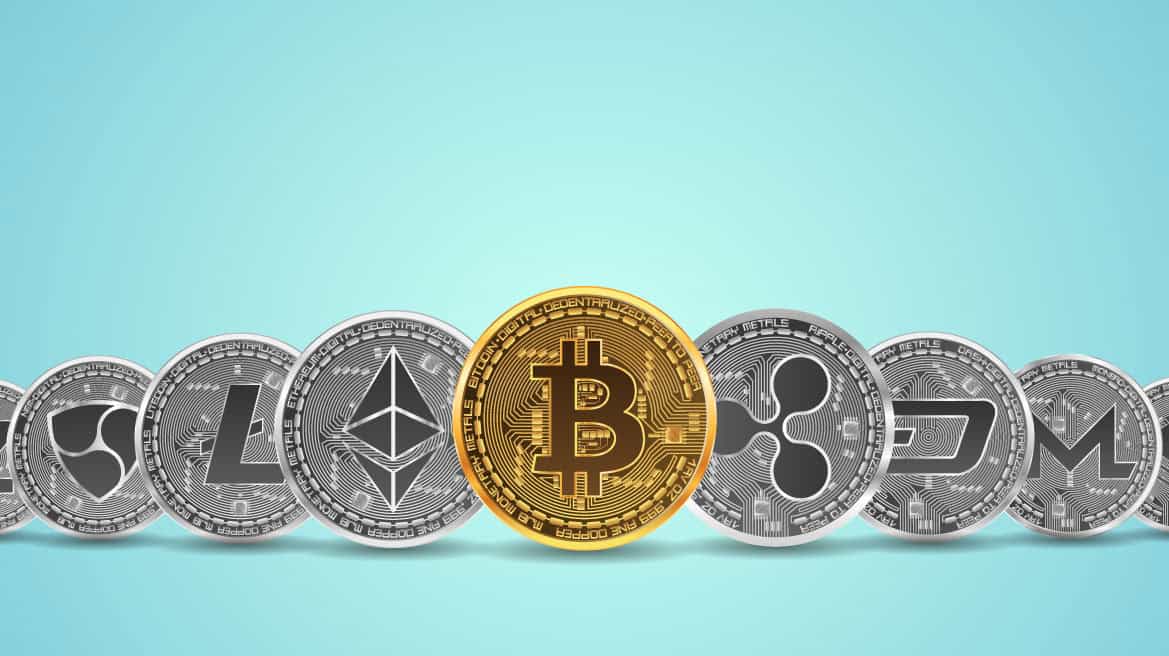
Stablecoins are not without risk. They can become depegging, become subject to risks of their issuers, their reserves, regulation, liquidity risks, and smart contract risks. Yields available are dynamic and dependant on the level of demand in the market.
Investors should do their own research (DYOR) on the stablecoin, the specific lending protocol, the collateralization requirements, utilization rate, the flexibility to make withdrawals, and the source of any purported yield.
Stablecoin Lending Features
| Features | Explanation |
|---|---|
| Stable-value assets | Users lend stablecoins designed to maintain relatively stable values. |
| Interest earnings | Borrower demand can generate interest for lenders. |
| Lower price volatility | Stablecoins generally have less price volatility than many cryptocurrencies. |
| Depeg risk | Stablecoins can lose their intended value during extreme market conditions. |
8. Crypto Savings
Interest-bearing accounts for digital currencies are called crypto savings accounts. These accounts attract investors who want to avoid the complexities of liquidity pools or yield farming.
Like custodial crypto accounts, crypto savings accounts present the risk of counterparty and withdrawal risk since a service provider holds the assets.

Decentralized accounts move the risk from a company to the performance of a smart contract. Crypto savings accounts do not provide any sort of bank deposit guarantee.
Crypto Saving
| Features | Explanation |
|---|---|
| Network participation | Lock crypto to help validate transactions and secure proof-of-stake networks. |
| Recurring rewards | Earn staking rewards according to the network’s reward mechanism. |
| Long-term approach | Suitable for holders who plan to keep assets invested. |
| Main consideration | Token prices can fall even when staking rewards are earned. |
9. Validator Nodes
Validator nodes involve more technical skill and lead to greater control in return for a higher level of responsibility. A validator performs transaction validation and network consensus.
In return, a validator receives reward. This level of control and reward comes with the responsibility of requisite hardware, reliable and consistent internet connectivity, authentication and updating of software, as well as security.
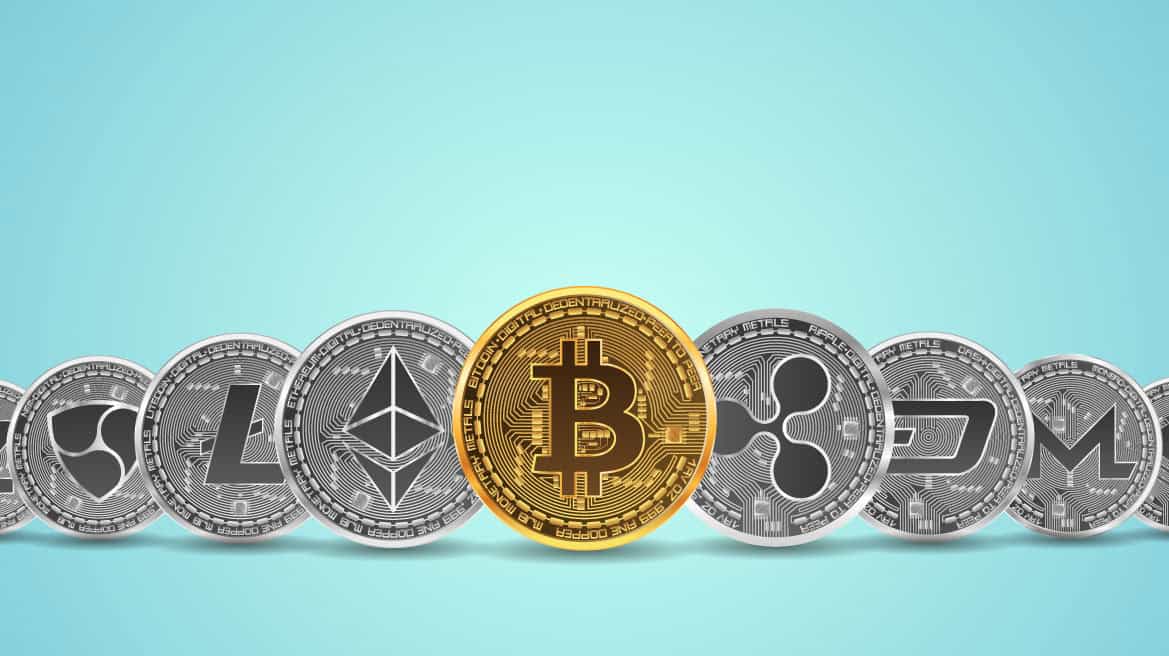
A validator is at risk of penalty for performing poorly or behaving maliciously. Running a validator requires a considerable amount of background skill as well as a large capital investment. Potential validators must also consider the cost of maintaining backups and monitoring.
Validator Nodes Features
| Features | Explanation |
|---|---|
| Network security | Validators help verify transactions and maintain supported proof-of-stake networks. |
| Block rewards | Eligible validators can receive protocol rewards for their participation. |
| Greater control | Operators maintain their own validator infrastructure rather than delegating. |
| Technical requirements | Hardware, uptime, monitoring, security, and sufficient capital may be required. |
10. Restaking
Restaking lets users stake assets to provide subsets of other services while users may earn additional rewards. In the Ethereum ecosystem, restaking would allow a user to secure additional services with staked Ether.
This would create a new stream of passive income, as users would receive staking rewards associated with the service and restaking rewards.

However, the additional rewards carry the additional risks. Restakers may have to worry about many new conditions which may lead to financial losses called “slashing”, smart contract risks, operational risks, liquidity risks, and risks which may become interconnected if many services rely on the same capital.
Restaking Features
| Features | Explanation |
|---|---|
| Additional utility | Existing staked assets can potentially secure additional blockchain services. |
| Extra rewards | Participants may receive additional rewards for providing security elsewhere. |
| Capital efficiency | Restaking attempts to increase the utility of already-staked capital. |
| Additional risk | Slashing, smart-contract, protocol, and correlated risks can increase exposure. |
11. Crypto Mining
Crypto mining is using hardware to process computational work for access to a Proof-of-Work consensus network. Competition is on who can process transactions first and secure the blockchain. This is done by contributing blocks that adhere to the network’s rules.
Profitability of mining is determined by a number of factors; electricity, hardware efficiency and cost, how difficult the network is, price of cryptocurrencies, cooling and maintenance costs, and fees charged by mining pools.
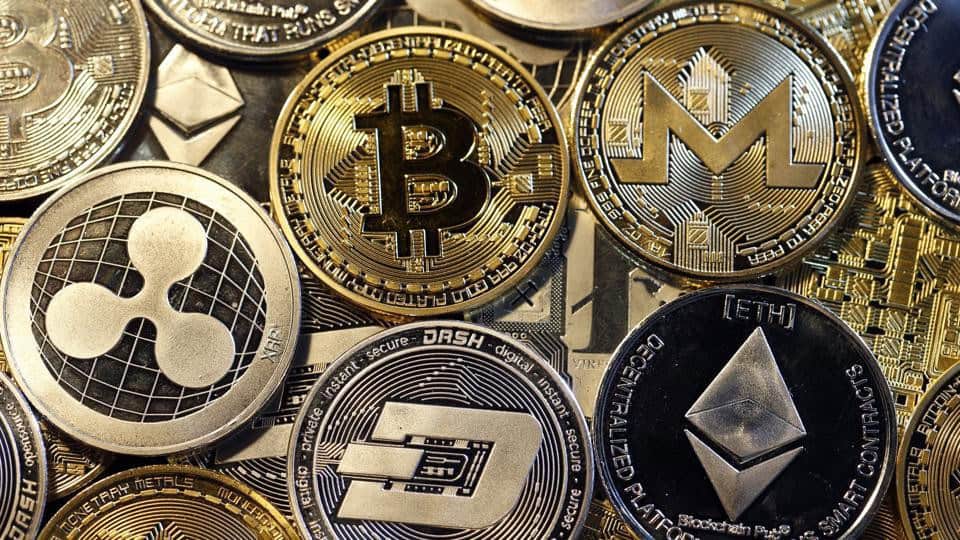
Mining is less hands off than some forms of staking, because of how much equipment is needed and how often it needs to be checked on. Investors should look at the total cost with the expectation of earning that profit, rather than just looking at how much a block reward is worth.
Crypto Mining Features
| Features | Explanation |
|---|---|
| Computing contribution | Miners contribute computational resources to supported proof-of-work networks. |
| Mining rewards | Successful miners can receive cryptocurrency rewards and transaction fees. |
| Hardware investment | Mining generally requires specialized equipment and suitable infrastructure. |
| Operating expenses | Electricity, hardware depreciation, maintenance, and network difficulty affect profitability. |
12. Dividend Tokens
The purpose of each dividend token is different. Some distribute protocol revenues, others distribute rewards, fee-earnings, or other economic benefits.
The process for generating and distributing rewards depends on the protocol. Some examples include fee-sharing, revenue-sharing, buybacks, reward tokens, and staking.

What is most important is understanding what generates the income. Simply offering a reward does not create a sustainable cash-flow. Understanding the protocol’s revenue, token economics, good governance, the design of the contracts and regulatory obligations are all important factors to consider prior to investment.
Dividend Tokens Features
| Features | Explanation |
|---|---|
| Revenue distribution | Certain tokens may distribute qualifying protocol or business revenues. |
| Token ownership | Eligible holders can receive distributions according to specific rules. |
| Potential recurring income | Revenue-based distributions can provide periodic returns when applicable. |
| Project dependency | Returns depend heavily on the underlying protocol’s revenue and legal structure. |
13. Automated DeFi Strategies
Automated DeFi protocols aim to simplify investment management through smart contracts and other automated systems. Automated systems allow investors to manage and allocate funds to different market opportunities, rather than direct derivatives trading, lending services, and provision of liquidity to various pools.
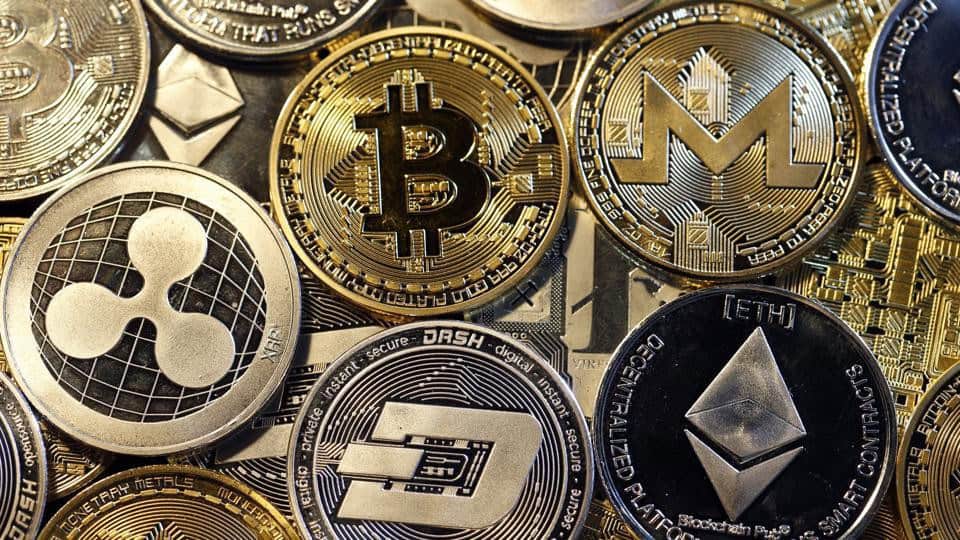
However, to manage automated systems requires a certain level of investment management skills and experience. Automated systems do not eliminate risk. In fact, the auctomation of unproven strategies can be detrimental to investors’ capital.
Smart contract vulnerabilities, price oracle failures, loss of liquidity, and black swan events expose investors to market risk. It is essential for investors to know the permissible limits and delegation of the automated investment systems to avoid the surprise deployment of capital.
Automated DeFi Strategies Features
| Features | Explanation |
|---|---|
| Automation | Smart contracts or automated systems can execute predefined investment strategies. |
| Yield optimization | Strategies can seek opportunities across supported DeFi protocols. |
| Reduced manual management | Automation can reduce the need for frequent portfolio adjustments. |
| Smart-contract risk | Bugs, exploits, oracle failures, and strategy errors can cause losses. |
14. Crypto Affiliate Programs
Crypto affiliate programs are less capital intensive than investing in digital assets. Users earn money by endorsing crypto exchanges, wallets, and other allied services by sharing their referral links. Affiliates earn commissions when users make qualifying actions.

To earn money through affiliate programs, users should create valuable content instead of posting about the potential for passive income. Users should research whether or not a service is available in their target demographics
As well as the laws surrounding the service, any applicable geographic restrictions, advertising or promotion standards, and the legalities of the service. Users should also research the commissions and payment terms of the program.
Crypto Affiliate Programs Features
| Features | Explanation |
|---|---|
| Referral income | Participants can earn commissions for qualifying referrals. |
| Performance-based earnings | Income generally depends on referred users completing eligible activities. |
| Low capital requirement | Affiliate strategies usually do not require purchasing or staking cryptocurrency. |
| Audience dependent | Earnings depend on traffic, audience trust, conversions, and program terms. |
15. Tokenized Real-World Assets
Tokens that can be exchangeable, interoperable, fractionalized, tokenized, and transparently recorded on blockchains are often referred to as “tokenized real-world assets” or even just “RWAs.” They represent ownership or economic rights to a variety of assets such as real estate, commodities and even credit assets.
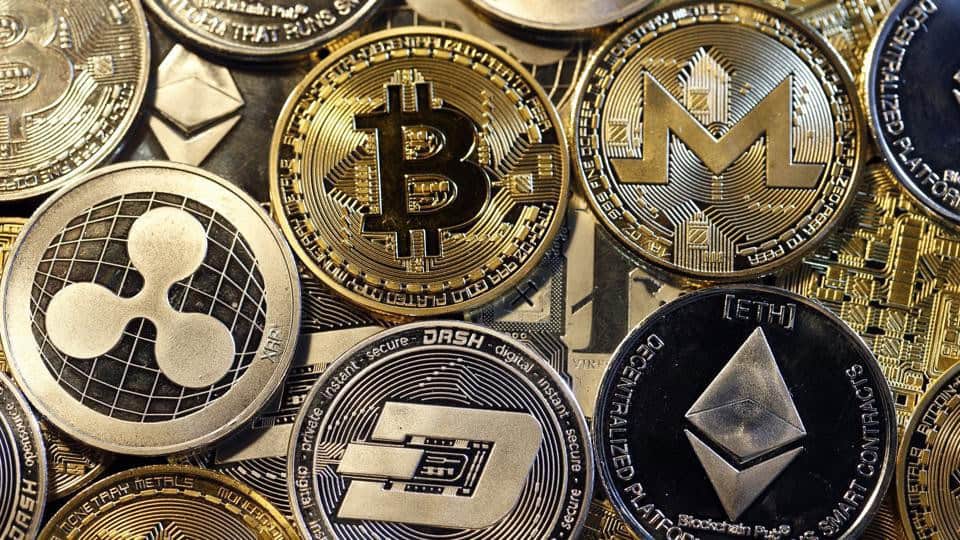
Investors like RWAs because, as with the majority of blockchain technologies, frictionless, tracked, operational and financial asset transfers become less complex on the blockchain.
However, potential investors must be aware of the legal rights of the token and who owns the actual asset, how the asset can be redeemed, and the governing jurisdiction. As with all other asset class investments, tokenization does not remove traditional investment risk.
Tokenized Real-World Assets Features
| Features | Explanation |
|---|---|
| Blockchain representation | Real-world assets can be represented through blockchain-based tokens. |
| Potential income | Certain tokenized assets may distribute income generated by underlying assets. |
| Asset diversification | Investors can potentially access exposure to different asset categories. |
| Legal considerations | Ownership rights, regulations, liquidity, and issuer structure vary significantly. |
Conclusion
Conclusion Other cryptocurrency and staking strategies to earn passive income have been proven. There are many strategies to earn rewards, compound interest, and trading fees.
Each of these methods has drawbacks and benefits. Investing in such strategies means you must thoroughly research, compare net returns, platform safety, and manage your risk. Never invest money you cannot afford to lose.
FAQ
Is cryptocurrency staking a good way to earn passive income?
Staking can provide recurring rewards for supporting Proof-of-Stake networks, but returns are not guaranteed and cryptocurrency prices can fluctuate significantly.
How much can I earn from crypto staking?
Staking returns vary by blockchain, validator, network conditions, token supply, and fees. Always consider the actual net return rather than advertised APY.
What is the safest cryptocurrency passive-income strategy?
There is no completely risk-free crypto income strategy. Different methods involve different risks, including market volatility, smart-contract failures, liquidity problems, and counterparty exposure.
Can I earn passive income by lending cryptocurrency?
Yes. Crypto lending platforms allow users to supply certain digital assets and potentially earn interest from borrowers, although rates and risks vary.