In this article, I want to discuss Rune, Bitcoin L2 Decentralized Exchanges and how they facilitate fast transactions, scalable DeFi, and permissionless trading in the Bitcoin ecosystem.
These platforms are ushering in a new era of innovation, liquidity, and utility for Bitcoin-based tokens.
| Platform | explanation |
|---|---|
| RuneChain | Bitcoin L2 enabling fast, low-cost decentralized trading and DeFi for Runes. |
| RuneX | Bitcoin ecosystem platform supporting Runes trading, liquidity, and decentralized exchange infrastructure. |
| Unisat | Bitcoin-native marketplace enabling users to trade Runes, Ordinals, and related assets. |
| OKX | Major Bitcoin marketplace offering Runes trading alongside self-custodial decentralized wallet functionality. |
| Liquidium | Bitcoin DeFi protocol enabling peer-to-peer lending using Runes and Ordinals collateral. |
| Taker | Bitcoin liquidity protocol bringing token liquidity pools and decentralized trading to L2s. |
| Runes.Fun | Runes-focused launchpad and trading platform bringing meme-token experimentation to Bitcoin users. |
| Runes Terminal | Analytics and trading infrastructure helping users discover, monitor, and manage Runes markets. |
| Magic Eden | Formerly leading Runes marketplace, though Bitcoin trading operations reportedly ended during 2026. |
| Stacks DeFi | Bitcoin L2 ecosystem supporting decentralized exchanges, lending, swaps, and programmable BTC applications. S |
| Rootstock | Bitcoin-secured smart-contract network supporting Ethereum-compatible decentralized exchanges and Bitcoin-native DeFi. |
| Citrea | Bitcoin ZK-rollup enabling smart contracts, decentralized applications, and emerging decentralized exchange ecosystems. |
| Bitlayer | Bitcoin L2 ecosystem providing scalable smart contracts and infrastructure for decentralized financial applications. |
| Merlin Chain | Bitcoin L2 using ZK technology, supporting decentralized applications, trading, and Bitcoin DeFi. |
14 Top Runes and Bitcoin L2 Decentralized Exchanges
1. RuneChain
Built exclusively for Runes, RuneChain is a fast and low-cost layer two solution for decentralized trading and DeFi. With the growing user base, Top Runes and Bitcoin L2 decentralized exchanges are a major focus for RuneChain.
They aim to offer seamless swaps, liquidity providing, and digital marketmaking on-chain. Scalability is one of the key aspects of RuneChain, along with a focus on developer-centric tools and an emphasis on trustlessness for settlement on Bitcoin.
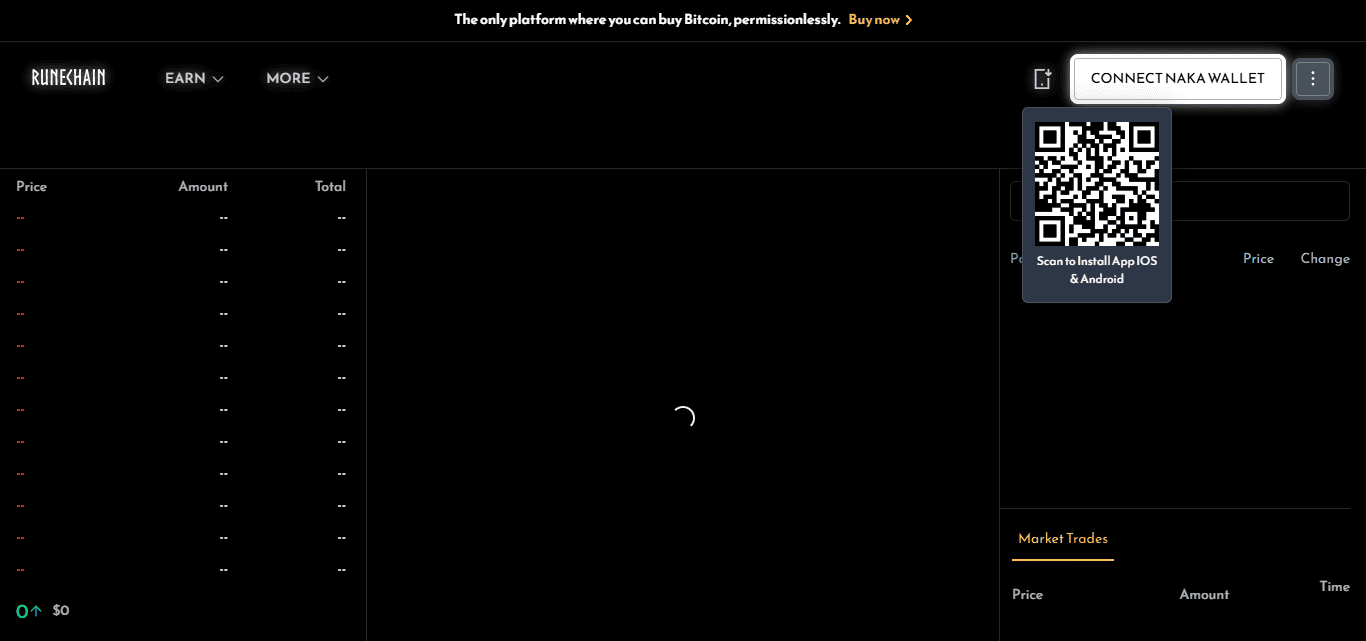
RuneChain aims to provide a secure trustless ecosystem where users have the flexibility to innovate new token models, build DeFi applications, and participate in a high-speed ecosystem.
RuneChain Feature
- Platform for Infrastructure enabling Decentralized Trading for Runes with low costs.
- Scalable infrastructure for high Throughput Swaps and DeFi.
- Secure Settlement directly to the base layer of Bitcoin.
- Tools for Developers forBuilding Applications with Runes.
| Pros | Cons |
|---|---|
| Fast Bitcoin L2 enabling cheaper decentralized trading for Runes users. | Limited ecosystem maturity compared to established Bitcoin smart‑contract networks. |
| Strong DeFi support improving liquidity access for emerging Runes markets. | Requires bridging assets, adding complexity for new Bitcoin DeFi participants. |
2. RuneX
RuneX is a full trading, liquidity and decentralized exchange infrastructure for Runes. It is currently in an advanced stage of development and is one of the first to enable Top Runes and Bitcoin L2 decentralized exchanges.
RuneX products help users interact with and trade new and emerging Bitcoin-native assets. It aims to bring Bitcoin-native Tokens to market in a secure, decentralized, trustless and flexible manner.
RuneX Feature
- Trading and Liquidity Provisioning for Runes.
- Infrastructure for Decentralized Exchanges on Bitcoin.
- Automated Swaps for Efficient Routing.
- Analytics and Discovery of Evolving Runes Assets.
| Pros | Cons |
|---|---|
| Purpose‑built chain offering optimized Runes trading and liquidity operations. | Early‑stage ecosystem with fewer integrations than broader Bitcoin L2s. |
| Low‑cost transactions enabling scalable meme‑token and DeFi experimentation. | Liquidity fragmentation possible across multiple Runes‑focused platforms. |
3. Unisat
Unisat allows for trading of Runes and Ordinals as well as digital art. Top Runes and Bitcoin L2 decentralized exchanges provide swaps for instant digital marketmaking liquidity across all platforms.
Unisat is a fully integrated ecosystem for digital art and Bitcoin collectibles. Its tools help creators and traders interact with Bitcoin-secured digital assets in a fully decentralized and transparent ecosystem.
Unisat Feature
- Marketplace for Runes, Ordinals, and Assets based on Inscriptions.
- Wallet for Minting, Sending and Managing Bitcoin Assets.
- Supports Trading across Bitcoin Ecosystems.
- Tracking Assets on‑Chain with an Indexing Engine.
| Pros | Cons |
|---|---|
| Dedicated Runes trading infrastructure supporting deep ecosystem liquidity pools. | Dependent on Bitcoin L2 throughput for peak trading performance. |
| Strong marketplace tools improving discovery and management of Runes assets. | Competition from other Runes‑native platforms may dilute user activity. |
4. OKX
OKX’s Bitcoin marketplace and self-custodial wallet offer support for trading Runes. OKX’s ecosystem supports Top Runes and Bitcoin L2 decentralized exchanges, focused on liquidity and low-cost swaps, including cross-chain swaps.
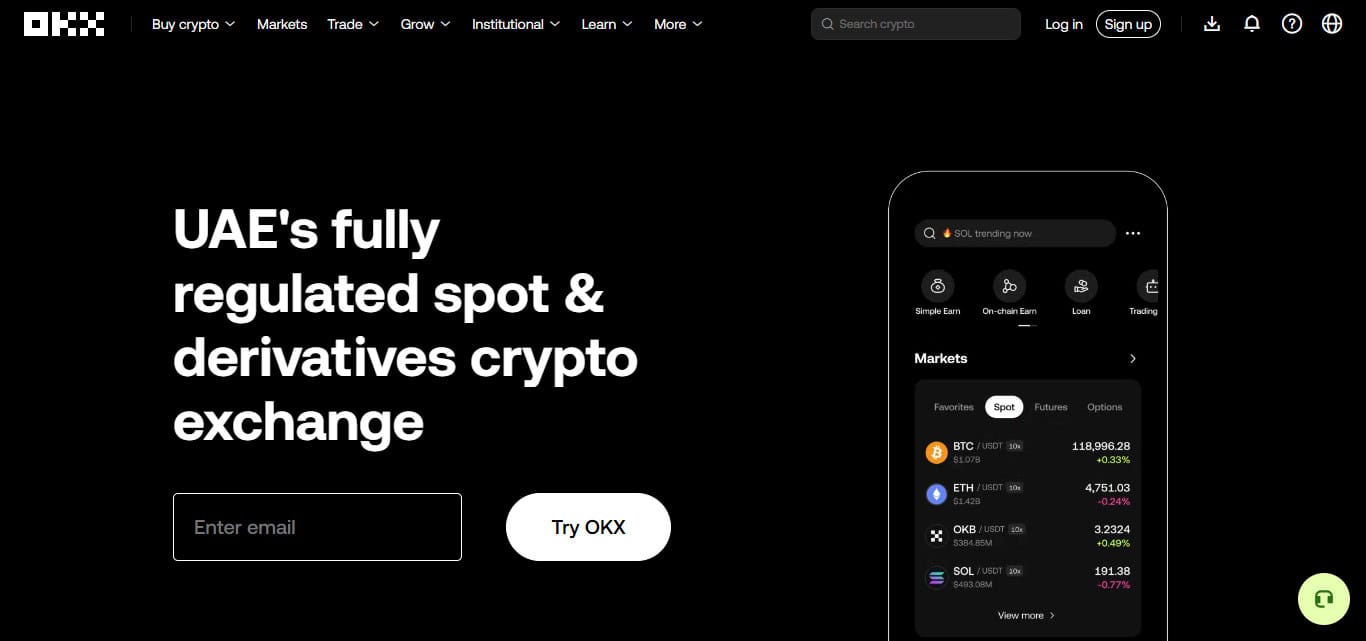
OKX integrates top trading tools and storage services for multiple cryptocurrencies, giving users access to a range of Bitcoin and DeFi products.
OKX’s model aims to provide users with decentralized control and Bitcoin’s L2 infrastructure, through the combination of centralized and decentralized services.
OKX Feature
- Runes with High Liquidity Trading.
- Secure Asset Management Bitcoin Self-Custodial Wallet.
- Cross-Chain Trading of Multiple Assets.
- Sophisticated Trading for Bitcoin Native Tokens.
| Pros | Cons |
|---|---|
| Popular marketplace enabling seamless trading of Runes and Ordinals assets. | High demand sometimes causes congestion and slower marketplace interactions. |
| Strong wallet integration improving user experience for Bitcoin asset trading. | Limited advanced DeFi features compared to emerging Bitcoin L2 platforms. |
5. Liquidium
Liquidium provides Bitcoin DeFi and peer-to-peer lending in exchange for collateral for Runes and Ordinals. In the center of the lending market, Top Runes and Bitcoin L2 decentralized exchanges provide pricing data and liquidity for evaluating collateral.
Liquidium enables smart contract services for lending/borrowing Bitcoin and other assets, without an intermediary. Through this service, Bitcoin can become a circulating asset and support credit markets, yield farming, and DeFi services based on Bitcoin collateral.
Liquidium Feature
- Peer-to-peer lending that uses Runes and Ordinals as collateral.
- Bitcoin-secured loans for trust-free borrowing.
- Real-time valuation of collateral and risk metrics.
- Enables decentralized credit markets on Bitcoin.
| Pros | Cons |
|---|---|
| Large exchange offering Runes trading with strong liquidity depth. | Centralized components reduce full decentralization for Bitcoin‑native users. |
| Self‑custodial wallet enabling secure Bitcoin and Runes asset management. | Regulatory constraints may limit access for certain global jurisdictions. |
6. Taker
Taker provides Bitcoin liquidity and builds L2 networks for token liquidity pools and decentralized trading. Building on Top Runes and Bitcoin L2 decentralized exchanges, Taker provides automated market making and swap services and improves Bitcoin’s liquidity.
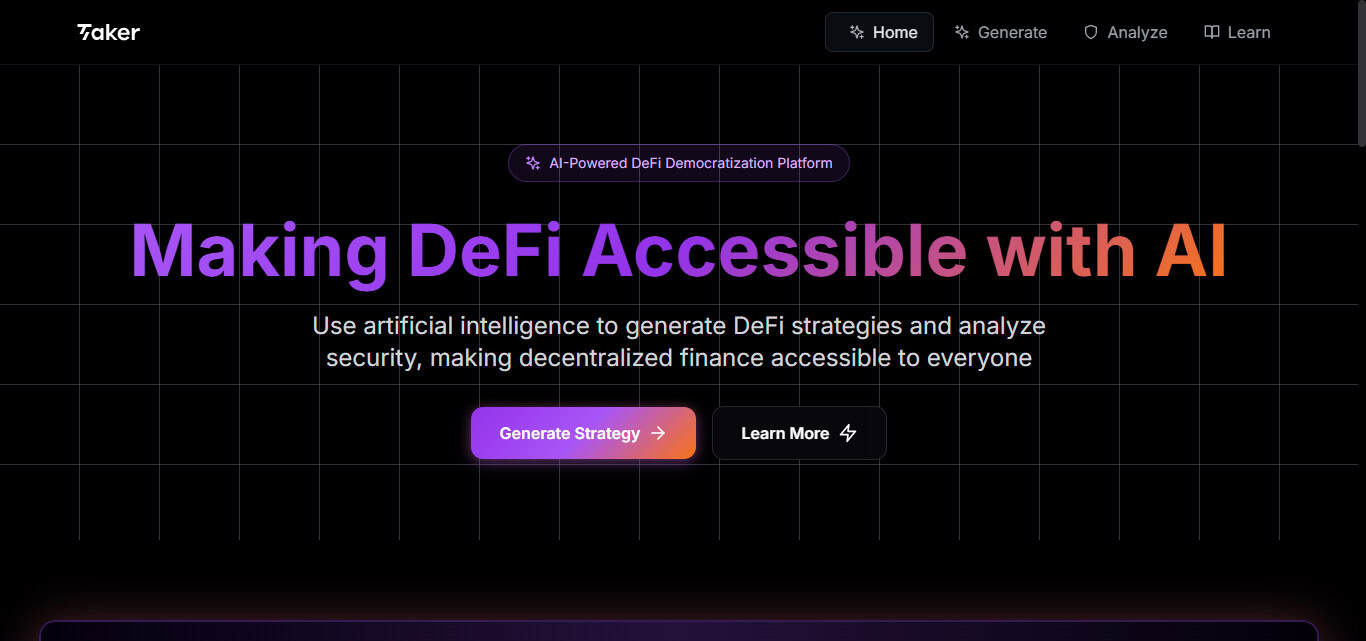
Taker supports different L2 networks and provides cross-chain L2 services for maximizing the potential of Bitcoin’s decentralized finance.
Taker Feature
- Liquidity pools built on Bitcoin-native tokens.
- Automated market-making spans multiple L2s.
- Infrastructure for decentralized trading.
- Multi-chain liquidity swapping.
| Pros | Cons |
|---|---|
| Peer‑to‑peer lending unlocking new utility for Runes and Ordinals. | Collateral volatility increases risk for lenders and borrowers significantly. |
| Expands Bitcoin DeFi by enabling non‑fungible asset‑backed loans. | Limited liquidity compared to fungible‑token lending markets on L2s. |
7. Runes.Fun
Runes.Fun is a Bitcoin-centric launchpad that offers meme token analytics and trading for the Runes community. Runes.Fun uses community-driven launches, fast trading, and liquidity building to serve its users.

The platform further simplifies market participation for users, allowing for quick user adoption. Runes.Fun aims to build new flexible tools that enable users to build experimental projects. These tools canpropel Bitcoin’s economy and culture.
Runes.Fun Feature
- A platform for launching meme-tokens built on Bitcoin Runes.
- Simple tools for creators and community minting.
- Fast trading with L2 integration.
- An experimental sandbox for Bitcoin token innovation.
| Pros | Cons |
|---|---|
| Provides token liquidity pools enabling decentralized trading across Bitcoin L2s. | Liquidity fragmentation possible across multiple supported L2 environments. |
| Helps unify Bitcoin ecosystem liquidity for scalable trading experiences. | Requires active LP participation to maintain deep and stable liquidity. |
8. Runes Terminal
Runes Terminal offers data and trading tools for analyzing, tracking, and managing Runes market activity across multiple exchanges. Runes Terminal’s dashboards integrate Top Runes and Bitcoin L2 exchanges, thereby providing users with market data, trading activity, liquidity stats, and price info in real time.
Runes Terminal’s tools help traders better understand and manage market activity and be more effective in their trading strategies. Runes Terminal’s tools help build Bitcoin Runes market infrastructure.
Runes Terminal Feature
- Insights into the Runes market.
- Liquidity, pricing, and trading data.
- Tools for Runes portfolio management.
- Market insights for new tokens.
| Pros | Cons |
|---|---|
| Fun launchpad enabling rapid experimentation with Runes‑based meme tokens. | High meme‑token volatility increases risk for inexperienced participants. |
| Simple interface attracting new users into Bitcoin’s Runes ecosystem. | Limited advanced DeFi tools compared to broader Bitcoin L2 platforms. |
9. Magic Eden
At one point Magic Eden was an important Runes marketplace. However, by 2026, they stopped their Bitcoin trading operations. Prior to this, Top Runes and Bitcoin L2 exchanges facilitated marketplace liquidity and fast trading for cross-asset discovery.
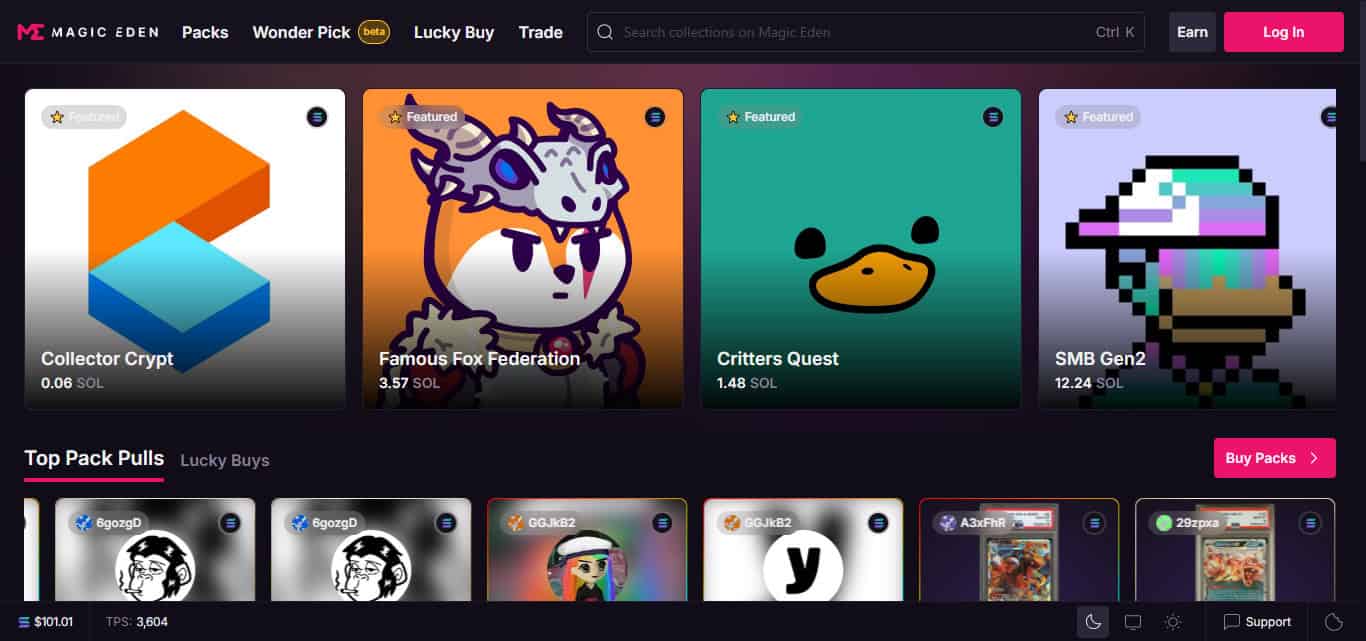
Magic Eden gave creators and collectors access to digital assets in Bitcoin for the first time. Their first marketplace and listing offerings helped build a community. Magic Eden’s impact is still felt when considering the first user projects for Runes.
Magic Eden Feature
- Leading marketplace for Runes and Ordinals.
- Digital asset support for minting and listing.
- Curated collections and creator tools.
- Bitcoin trading operations ceased in 2026.
| Pros | Cons |
|---|---|
| Strong analytics helping users track Runes markets and liquidity trends. | Data accuracy depends on external sources and indexing reliability. |
| Useful trading tools improving decision‑making for active Runes traders. | Limited direct trading features compa |
10. Stacks DeFi
Stacks DeFi is a layer-2 of Bitcoin to host decentralized applications, defenseless lending, and swaps as well as a host for programmable BTC applications. As a portion of its functionality Top Runes and Bitcoin L2 decentralized exchanges provide secure trading with liquidity and scalable token interactions.
Stacks adds programmability to Bitcoin, giving developers the ability to construct DeFi protocols that rely on BTC’s security. DeFi includes decentralized exchanges, lending markets, yield farming, stable coins, among other financial systems, all built on Bitcoin.
Stacks DeFi Feature
- Layer 2 Bitcoin for smart contracts and programmable BTC.
- ?DEXs, lending and swaps, and other DeFi applications are supported.
- Bitcoin’s security is committed via Settlement.
- An advanced ecosystem for decentralized finance applications.
| Pros | Cons |
|---|---|
| Mature Bitcoin L2 enabling DEXs, lending, swaps, and smart contracts. | Higher latency than ZK‑rollups due to Bitcoin‑anchored consensus design. |
| Strong developer ecosystem supporting scalable Bitcoin‑native DeFi growth. | Requires bridging BTC, adding complexity for new decentralized finance users. |
11. Rootstock (RSK)
Rootstock is a smart contract network that is secured by Bitcoin and offers adjacent decentralized exchanges and Bitcoin-native DeFi. Top Runes and Bitcoin L2 decentralized exchanges provide liquidity pools, swaps, and cross-chain interactions.
Rootstock provides developers the opportunity to deploy EVM based applications and settle those transactions on Bitcoin. This creates a secure ecosystem for decentralized finance with the added flexibility of smart contracts.
Rootstock Feature
- Bitcoin-backed smart contract network with EVM compatibility.
- Supports decentralized exchanges and Bitcoin-native DeFi.
- Tools for cross-chain interaction with Ethereum are provided.
- Bitcoin’s security is committed via Settlement.
| Pros | Cons |
|---|---|
| EVM compatibility enabling Ethereum‑style DEXs secured by Bitcoin network. | Bridge dependency introduces additional security considerations for users. |
| Long‑standing ecosystem supporting diverse Bitcoin‑native DeFi applications. | Lower throughput than newer ZK‑rollup‑based Bitcoin L2 solutions. |
12. Citrea
Citrea is a ZK-rollup for Bitcoin that allows deployment of smart contracts and DApps as well as anchors a fledgling DEX. Top Runes and Bitcoin L2 decentralized exchanges provide secure and efficient settlement at a low cost and scalable liquidity.
Citrea uses ZK technology to provide efficient and privacy preserving anchors for the construction of complex smart contract systems.
Citrea Feature
- Using ZK-rollups Bitcoin supports scalable smart contracts.
- Supports decentralized applications and the emerging DEX ecosystem.
- Zero-knowledge proofs allow greater privacy and efficiency.
- Settlement is secured via Bitcoin.
| Pros | Cons |
|---|---|
| ZK‑rollup enabling scalable smart contracts and emerging decentralized exchanges. | Early ecosystem still building liquidity and developer adoption momentum. |
| Strong security anchored to Bitcoin while offering high‑performance execution. | Limited tooling compared to mature EVM‑compatible Bitcoin L2 networks. |
13. BitLayer
BitLayer builds scalable instruments for DeFi on Bitcoin. BitLayer’s ongoing development includes Top Runes and Bitcoin L2 DEXs for fast swaps, betting markets, and token interoperability.
BitLayer balances supports for high-speed transactions, developer tooling, and safe settlement and is a good fit for high-throughput DeFi, trading, and digital asset issuance. BitLayer works to enhance Bitcoin’s position at the base layer of finance.
Bitlayer Feature
- Bitcoin L2 provides smart-contract execution.
- Infrastructure for advanced DeFi protocols and trading apps.
- Designed for high throughput financial applications.
- Settled via Bitcoin’s base-layer.
| Pros | Cons |
|---|---|
| High‑throughput L2 enabling scalable decentralized financial applications on Bitcoin. | Ecosystem still developing, with fewer DEX integrations than competitors. |
| Strong infrastructure supporting advanced smart‑contract‑based DeFi protocols. | Requires bridging BTC, adding onboarding friction for new users. |
14. Merlin Chain
Merlin Chain is the first Layer 2 Bitcoin ZK rollup solution for decentralized applications, trading, and Bitcoin DeFi.
Thanks to integrations with Top Runes and Bitcoin L2 DEXs, Merlin Chain’s markets offer fast swaps, liquidity pools, and secured settlement.
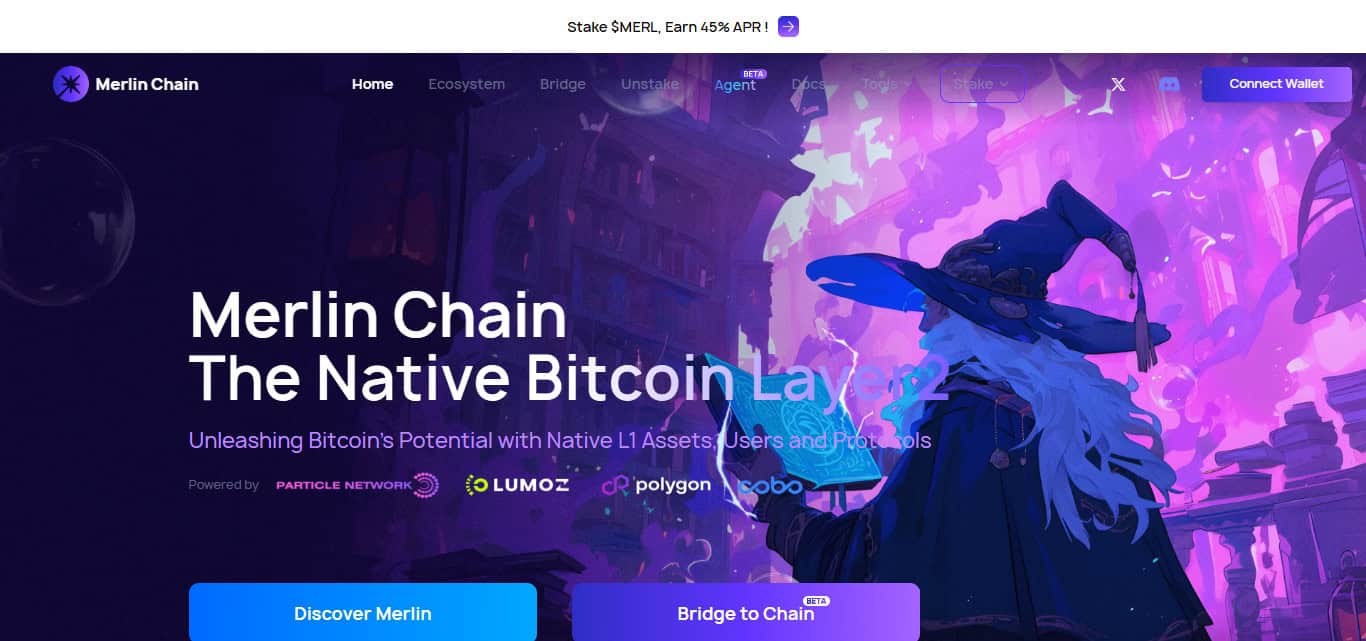
Merlin Chain’s trade-offs focus on scalability, privacy, and security. Its ecosystem includes DEXs, lending, and Bitcon-native DeFi launches.
Merlin Chain Feature
- Bitcoin L2 offers scalable smart contract execution.
- Allows for fast trading and Bitcoin-native DeFi.
- A smart contracts environment with privacy.
| Pros | Cons |
|---|---|
| ZK technology enabling fast decentralized trading and scalable Bitcoin DeFi. | Rapid growth may cause temporary congestion during peak trading periods. |
| Strong ecosystem supporting diverse decentralized applications and liquidity tools. | Competition from other ZK‑rollups may fragment liquidity across platforms. |
Conclusion
In Conclusion The introduction of Top Runes and Bitcoin L2 decentralized exchanges redefines how Bitcoin can support a scalable trading and DeFi ecosystem. transactions, and DeFi innovation.
These systems utilize innovative technology to allow for permission less access to an ecosystem of assets, thereby allowing users to build and trade across the ecosystem at a lower cost, and with higher speeds.
These technologies strengthen Bitcoin’s foundation of DeFi and enable broader participant growth, deepening and sophisticating global financial markets, and innovation.
FAQ
What are Runes?
Runes are Bitcoin‑native tokens enabling fast, decentralized trading across L2 networks.
Why are Bitcoin L2s important?
Bitcoin L2s provide scalable, low‑fee environments for decentralized trading and DeFi growth.
How do Runes improve Bitcoin?
Runes expand Bitcoin utility through tokenization, liquidity, and decentralized exchange access.
What makes decentralized exchanges essential?
They enable permissionless trading, user control, and secure Bitcoin‑anchored settlement layers.