This article focuses on VPN usage statistics shaping 2026 and evolving global digital privacy trends that affect internet security across the globe.
Whether it’s mobile VPN adoption, protecting remote work, enhanced access to streaming or AI cyber threats, VPN usage continues to grow.
These statistics highlight why businesses, gamers, travelers and day-to-day users rely on VPN technologies in order to have a safer and unrestricted online experience globally.
Key Poinst & VPN Usage Stats Shaping 2026
| VPN Usage Stats Shaping 2026 | Word Explanation |
|---|---|
| Global VPN Adoption Growth | Worldwide VPN adoption increases rapidly as privacy concerns dominate digital activities globally. |
| Remote Work VPN Demand | Businesses expand VPN infrastructure supporting remote employees accessing secure corporate networks daily. |
| Mobile VPN Usage Surge | Smartphone users increasingly prefer VPN applications protecting mobile browsing and personal communications. |
| Streaming Access Through VPNs | Consumers utilize VPNs bypassing geo-blocks for unrestricted streaming entertainment content worldwide regularly. |
| AI Cyberattack Protection | Advanced VPN security protects organizations against evolving AI-driven cyberattack threats and breaches. |
| WireGuard Protocol Expansion | Modern WireGuard protocols improve connection speeds while maintaining stronger encrypted online privacy. |
| Gaming Privacy Protection Trends | Travelers use VPNs to secure sensitive information across dangerous public wireless internet networks. |
| Public Wi-Fi Security Importance | Consumers utilize VPNs to bypass geo-blocks for unrestricted streaming entertainment content worldwide regularly. |
| VPN Demand In Restricted Countries | Internet censorship restrictions significantly increase VPN downloads among privacy-conscious online citizens worldwide. |
| Affordable VPN Subscription Plans | Competitive pricing strategies make premium VPN services affordable for mainstream internet audiences. |
| Multi-Device VPN Connections | Families prefer VPNs supporting unlimited simultaneous device connections across households and offices. |
| Independent VPN Security Audits | Security audits increase consumer trust toward transparent VPN providers and privacy commitments. |
| VPN Integration With Zero-Trust | Enterprises combine VPN technologies alongside zero-trust cybersecurity access management frameworks for protection. |
| VPN Usage Among Younger Users | Gamers adopt VPNs to prevent tracking, DDoS attacks, and unwanted location-based restrictions globally. |
| VPN Expansion Beyond Privacy | Younger audiences prioritize VPN adoption, understanding digital privacy and online identity protection better. |
15 VPN Usage Stats Shaping 2026 (23% Global Adoption)
1. Global VPN Adoption Growth
Acceleration in the adoption of Global VPNs has changed online behavior trends across multiple industries.
2026 saw an estimate of more than 1.6 billion VPN users with reports suggesting that using an encrypted pathway to browse the web has become the standard.
VPNs are used to protect data, to access unrestricted web content, and to make online transactions.
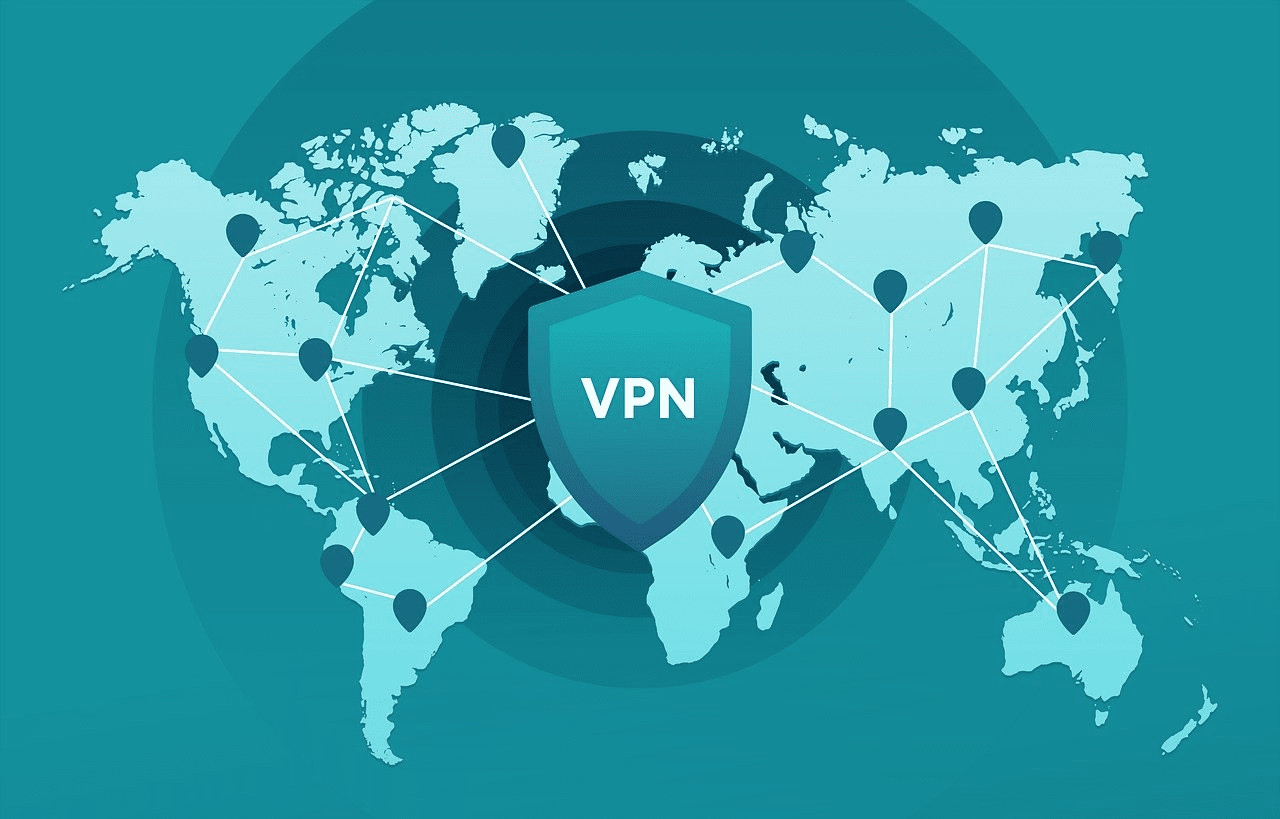
Asia-Pacific is where most of the VPN growth is happening with most enterprise VPN use adoption reported in Europe and North America.
The explosive growth has caused many to see that VPNs are now internet access tools that protect against threats to online activities.
2. Remote Work VPN Demand
Remote and hybrid work models continue to be the largest drivers of VPN usage in 2026. Most organizations have secured the gateways to their private files, cloud services, and corporate messaging systems through VPNs.
Protecting employees in remote locations has become one of the top priorities for enterprise cyber security professionals.
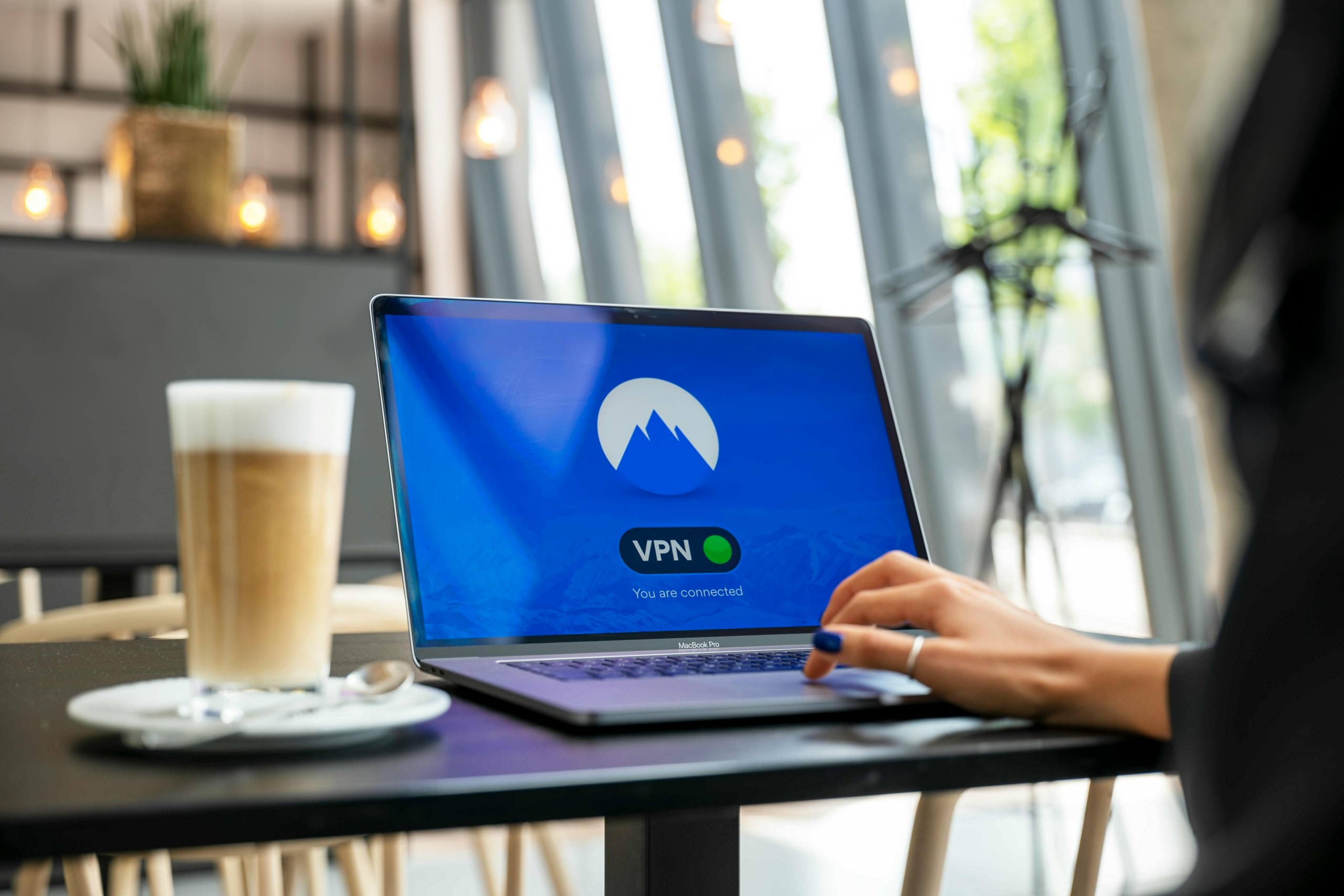
For further protection, organizations have begun embedding VPNs into identity verification and multi-factor authentication systems.
The growth of remote work and the freelance economies have caused enterprises, especially startups and those in technology, to invest more on VPN infrastructure.
3. Mobile VPN Usage Surge
Mobile VPN use is on the rise as more smartphone users spend time on public and unsecured networks.
Android and IPhone users are increasingly installing VPN software to protect their banking, personal messaging, and social media from being surveilled and tracked.

VPN developers are making apps for mobile, battery, and wireless network switching at their highest.
4. Streaming Access Through VPNs
By 2026, streaming will be the biggest factor in the growth of VPNs. Countless users rely on VPNs to access programs with restricted content (i.e. different catalogs on Netflix, Disney+, BBC iPlayer, and Amazon Prime Video).
VPNs that offer streaming will be in high demand for high-speed 4K video with few to no interruptions. New VPN streaming protocols, such as NordLynx and Lightway, offer the best speeds while streaming.
With the rise in the number of streaming companies, VPNs will be more and more essential to have if users wish to have unrestricted access to any and all content.
5. AI Cyberattack Protection
Due to the speed that cybercriminals using AI will be face to face with a major breach of data, companies will be forced to dramatically increase investment in VPN security.

The largest risk will be VPNs that offer maximum security, but their core remains extremely outdated with no device integrity or identity and access monitoring protocols.
The best way to protect sensitive data will be to combine the VPNs with a zero trust framework and AI monitoring for added security.
6. WireGuard Protocol Expansion
WireGuard continues dominating the VPN industry as the preferred protocol for modern encrypted internet connections.
Old protocols required complicated setups. With WireGuard, speed, latency, and efficiency improved. Essentially, WireGuard is faster with less latency when compared to protocols like OpenVPN.

Major VPN providers such as NordVPN and ExpressVPN have moved to using WireGuard-based technologies.
With less code, the attack surface is smaller and can be audited easier. WireGuard has also been identified as the standard VPN protocol. VPN based on WireGuard is faster and easier when it comes to user experience.
7. Gaming Privacy Protection Trends
Online games attract a growing audience for VPNs. VPNs help to safeguard gamers’ identities, protect against DDoS attacks, improve global gameplay, and more.
There are now VPNs in use to protect IP addresses from streamers and tournament players. With improved VPN throttling, lag is reduced. The improvements are noticeable during eSports events.

The expansion of the gaming industry makes participation or engagement as an eSports athlete a good choice in a VPN, especially for players and teams that prioritise privacy.
8. Public Wi-Fi Security Importance
Increased awareness of public Wi-Fi security have led travelers, students, and remote workers to use VPNs.
Cybersecurity researchers have identified that unsecured public networks are the most dangerous for identity theft, credential interception, and surveillance.

VPNs protect digital banking and online shopping, as they encrypt information and block online activities. The most user-friendly VPNs will automatically turn on when users connect to new wireless access points.
9. VPN Demand In Restricted Countries
The demand for VPNs is strong in different parts of the world because of Internet control and legislative digital restrictions.
VPN services are being used by citizens to avoid blocked websites, social networks, and their restricted communication applications, while providing anonymity.
Providers of privacy-focused services create technologies to avoid detection by monitoring networks.
VPNs are downloaded to provide access to communication when the government announces new regulations to have even more control over citizens and restrict their access to information.
In 2026, in countries with high surveillance and digital restrictions, VPNs stand for access to information, communication freedom, and the right to privacy.
10. Affordable VPN Subscription Plans
Subscription prices have dropped due to growing competition in the cybersecurity market in 2026, making VPNs cheaper.

Providers of high-quality, premium services, such as Surfshark, NordVPN, and ProtonVPN, offer long-term subscriptions that include advanced encryption, streaming services, password managers, and other identity protection services
Thereby lowering prices for consumers. People who were unable to afford a VPN in the past are now becoming subscribers. All of these factors combined make VPNs top-of-the-line privacy services.
11. Multi-Device VPN Connections
Over the last few years, the demand for VPNs to support multiple devices has increased. VPNs have recently been used by families to protect more devices across homes and workplaces.
Providers respond to the adoption of smart homes and remote work with simplified router installations and unlimited device support for network-wide protection.
By 2026, multi-device support will become a significant differentiating factor in a market where users, households, and businesses will use a variety of interconnected devices.
12. Independent VPN Security Audits
In 2026, independent security audits are one of the few established trust benchmarks for VPN services. Due to the rise of verified no-logs policies and independent transparency reports, consumers are purchasing fewer subscriptions.
With the promise of more accountability, the largest players regularly invite cybersecurity firms to assess their server infrastructure and audit their encryption and data handling. Transparency and proof of privacy are now key to users’ purchasing decisions.

The most recently published industry reports show that audited VPN companies have the greatest consumer trust and the strongest retention levels.
Independent audits of VPN services strengthen the credibility of the VPN market and address the concerns about increased levels of digital surveillance and a lack of online privacy.
13. VPN Integration With Zero-Trust
In 2026, the integration of VPN technologies with Zero-trust cybersecurity has strengthened and evolved digital infrastructure.
A VPN technology integrated with Zero-trust is a combination of encrypted VPN access and advanced authentication, real-time monitoring, and device verification systems.

Unlike the VPNs of the past, Cybersecurity leaders in the enterprise space see the integration of Zero-trust and VPN Technologies as a solution for the protection of cloud and hybrid work environments.
14. VPN Usage Among Younger Users
The global rise in privacy and digital identity protection literacy has created a new generation of young VPN users.
VPNs are necessary for students, gamers, and social media creators just trying to protect browsing data, avoid surveillance, and access region-restricted websites.
Gen Z is impacted by new conversations about the risks of using the Internet in regards to cybersecurity and data ownership.

The fast-growth use of VPNs by young people can be attributed to inexpensive, mobile-friendly VPNs and the rapid growth of privacy-dedicated influencers.
VPN use among young people by 2026 will be the first significant societal change showing a preference for personal security systems, online liberties, and a decentralized Internet.
15. VPN Expansion Beyond Privacy
As technology develops, VPNs are redefining privacy as tools that can support a digital lifestyle. Integration of gaming, secure file sharing and cloud, protection from online attacks combined with international streaming and AI, are possible with new VPNs.

While online security has been a concern for many, VPN companies are introducing full packs of security with malware blockers, password management, and identity protection.
It can also support a company’s infrastructure and allow for the management of global communication systems. In 2026, a VPN is much more than a tool for secure online browsing.
Cocnlsuion
In conclusion, VPN usage shaping 2026 data shows VPN adoption will increase globally as more people take their work and leisure online, and the demand for remote work and streaming increases.
Existing and potential future AI cyber threats will accelerate the demand for encryption technology more than ever, as VPNs are adopted for both private and business use.
VPNs are and will be the most effective and advanced solutions for unrestricted online technology. VPNs will be needed to safeguard the connected technology of the future.
FAQ
Why is global VPN adoption increasing rapidly in 2026?
Growing privacy concerns and cybersecurity threats encourage millions using VPN services worldwide daily.
What percentage of internet users currently use VPNs globally?
Recent reports estimate nearly 23% internet users regularly browse online using VPN protection.
Why are remote workers depending more on VPN services?
VPNs secure company networks, sensitive files, and communication for distributed remote teams globally.
How do VPNs improve streaming experiences for users?
VPNs unlock geo-restricted streaming libraries while protecting viewing activity from tracking and surveillance.