
Today I want to continue a series of articles looking at the Legal Research Brands Competing With Traditional Firms and why modern day legal tech platforms are changing the game.
On the other hand, AI-powered legal research brands are providing faster case analysis, smarter writing in documents, sophisticated compliance tools and have made automated workflows available to every Lawfirm globally.
These forward-looking platforms facilitate legal professionals to become more productive, enable them to conduct their own legal research in a far less expensive manner and take care of complex legal tasks with higher efficiency than ever before supporting the old guard.
Key Poinst & Legal Research Brands Competing With Traditional Firms
| Legal Research Brand | Words Explanation |
|---|---|
| LexisNexis | Advanced AI-powered legal databases helping lawyers research cases faster than traditional methods. |
| Westlaw | Comprehensive legal analytics platform delivering accurate precedents, statutes, and litigation insights globally. |
| Bloomberg Law | Combines legal news, analytics, and business intelligence for modern legal professionals efficiently. |
| Fastcase | Affordable cloud-based legal research platform offering rapid case law searching capabilities nationwide. |
| HeinOnline | Specialized historical legal archives supporting academic researchers and professional legal scholars worldwide. |
| Law Insider | Contract-focused research platform helping businesses analyze clauses and agreements quickly and efficiently online. |
| ROSS Intelligence | AI-powered natural language legal research platform improving efficiency for modern law practices. |
| Practical Law | Provides practical legal guidance, templates, and expert resources for legal professionals globally. |
| vLex | Global legal intelligence platform providing multilingual research tools and extensive law databases. |
| Justia | Free legal information platform offering case law, statutes, and lawyer directories nationwide. |
10 Legal Research Brands Competing With Traditional Firms
1. LexisNexis
LexisNexis is continuing to innovate in legal research with its Lexis+ AI and Protégé assistant platforms.
Contemporary firms use conversational legal queries (instead of traditional keyword searching), and as a result, save tremendous time in research.

Lawyers can use its most recent citation validation tools and document analysis features to confirm cases more rapidly while reducing the manual workload.
LexisNexis has become a favorite for corporate firms and litigation practices competing against old-school research-heavy law firms around the world now that it builds multi-jurisdictional databases and has AI-powered drafting support.
| Pros | Cons |
|---|---|
| Advanced AI-powered legal research tools improve productivity for large legal teams efficiently. | Premium pricing may become expensive for smaller firms and independent legal professionals. |
| Multi-jurisdiction databases support international litigation and global compliance research smoothly. | Learning advanced features requires additional training for new legal researchers initially. |
| Citation verification tools reduce legal research mistakes and improve document accuracy significantly. | Some AI-generated suggestions may occasionally require additional manual legal verification processes. |
| AI drafting assistance accelerates contract preparation and litigation documentation workflows efficiently. | Subscription customization options remain limited for highly specialized niche legal practices currently. |
2. Westlaw
Westlaw Precision AI + Westlaw x CoCounsel The integration of Westlaw Precision AI and the hundreds of thousands of documents supported by CoCounsel enables Westlaw to continue as one of strongest competitors against other traditional legal research firms.
They also announced something called ‘natural language prompts’ to serve customers deep research reports that will allow attorneys to analyze difficult cases in record time.

Its KeyCite verification system further supports reliability of research, for law professionals everywhere.
Westlaw is still favored by many AmLaw firms for its authoritative databases, predictive analytics and AI enabled legal insights that power agile 21st-century legal ops.
| Pros | Cons |
|---|---|
| KeyCite verification system provides highly trusted legal citation validation across jurisdictions globally. | Higher subscription costs create barriers for startups and solo legal practitioners financially. |
| CoCounsel AI integration improves case analysis and research speed for litigation teams. | Interface complexity may overwhelm beginners unfamiliar with enterprise-level legal research platforms initially. |
| Extensive authoritative databases support reliable legal research for corporate and courtroom professionals. | Certain advanced analytics tools require premium plans increasing overall operational legal expenses. |
| Predictive legal analytics help attorneys evaluate risks and potential litigation outcomes effectively. | AI-generated summaries occasionally need human review for complete contextual legal interpretation accuracy. |
3. Bloomberg Law
Bloomberg Law has key differentiators over traditional providers of legal research. Bloomberg Law Answers helps corporate attorneys untangle complex regulatory research, using the platform’s AI Assistant.
Recent tools — such as litigation analytics, docket tracking, and judge behavior analysis — aid efficiency in predicting the outcome of cases within firms.

Part of what drives its appeal is that the pricing structure is “flat-fee,” a model attractive to growing law firms looking for enterprise-level research without the costs associated with traditional consulting arrangements or hosting multiple, fragmented legal databases.
| Pros | Cons |
|---|---|
| Combines legal intelligence with financial analytics for comprehensive corporate legal research capabilities. | Best features mainly target enterprise firms rather than smaller independent legal practices globally. |
| Judge analytics and docket tracking improve litigation preparation and strategic decision-making processes. | Limited international legal database coverage compared with broader multinational legal research competitors. |
| Flat-fee pricing structure simplifies budgeting for expanding law firms and legal departments efficiently. | Some users report slower search performance during highly detailed legal database investigations occasionally. |
| AI-powered research assistance accelerates regulatory compliance and complex business law analysis tasks. | Advanced corporate tools may appear unnecessary for general legal research requirements frequently. |
4. Fastcase
Fastcase started finding favors with smaller firms and solo practitioners who were looking for cost-effective options of higher traditional research prices.
The number of millions of legal documents are delivered through its cloud-based platform and database is updated daily enabling streamlined search functions.
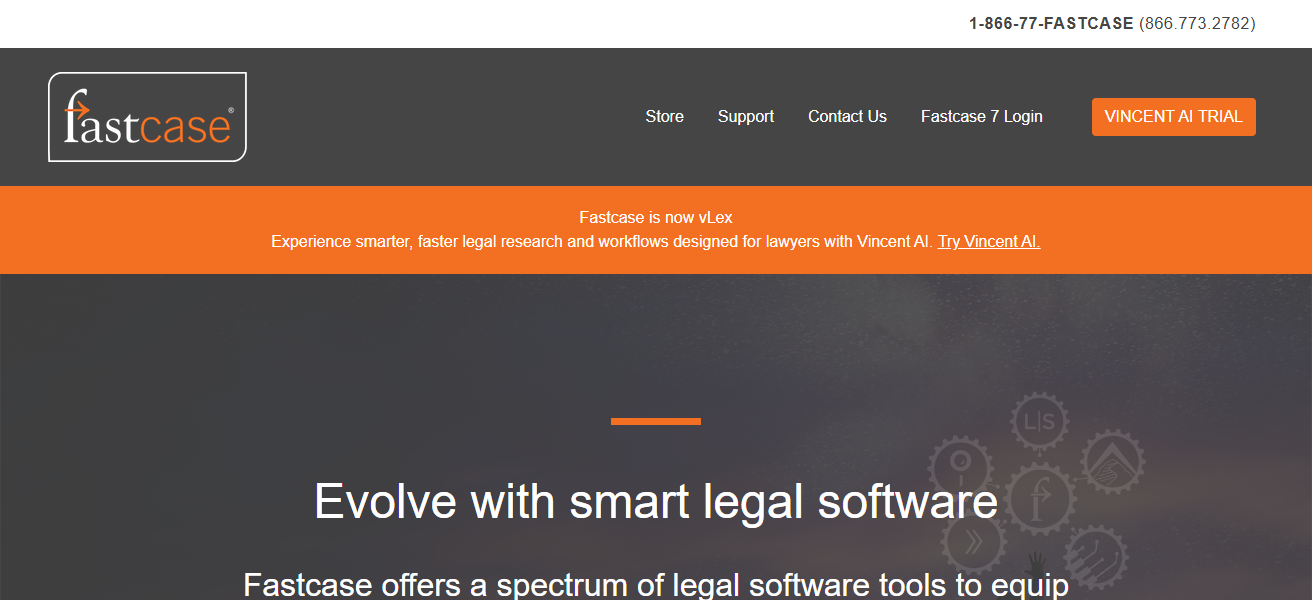
Exponential growth of AI-enabled research capabilities after becoming a part of vLex It is that accessibility, mobile experience, and low-cost subscription models
That have attracted so many legal professionals to ADR, particularly firms transitioning from relatively old manual research systems toward modern legal technology environments.
| Pros | Cons |
|---|---|
| Affordable subscription pricing attracts solo attorneys and small legal firms seeking value significantly. | Database depth may not match premium competitors handling specialized complex legal research tasks. |
| Mobile-friendly cloud platform supports flexible legal research from multiple remote working environments. | Advanced AI features remain less powerful compared with premium enterprise-focused legal research systems. |
| Daily database updates ensure lawyers access recently published legal decisions and precedents quickly. | Limited customization options may affect firms requiring highly tailored research workflows internally. |
| Integration with vLex expanded global legal intelligence and AI-powered search capabilities significantly. | Some researchers prefer more detailed citation tools offered by larger competing legal platforms. |
5. HeinOnline
While its use has declined on the buyer hunt, HeinOnline is still viewed very favorably when it comes to historical legal research, non-news scholarly journals/academic journal libraries and government documents not offered by many competitors
It boasts a powerful array of subject specific legal databases, which historians, scholars and constitutional researchers frequently rely on for access to historical case law studies and legislative analysis.
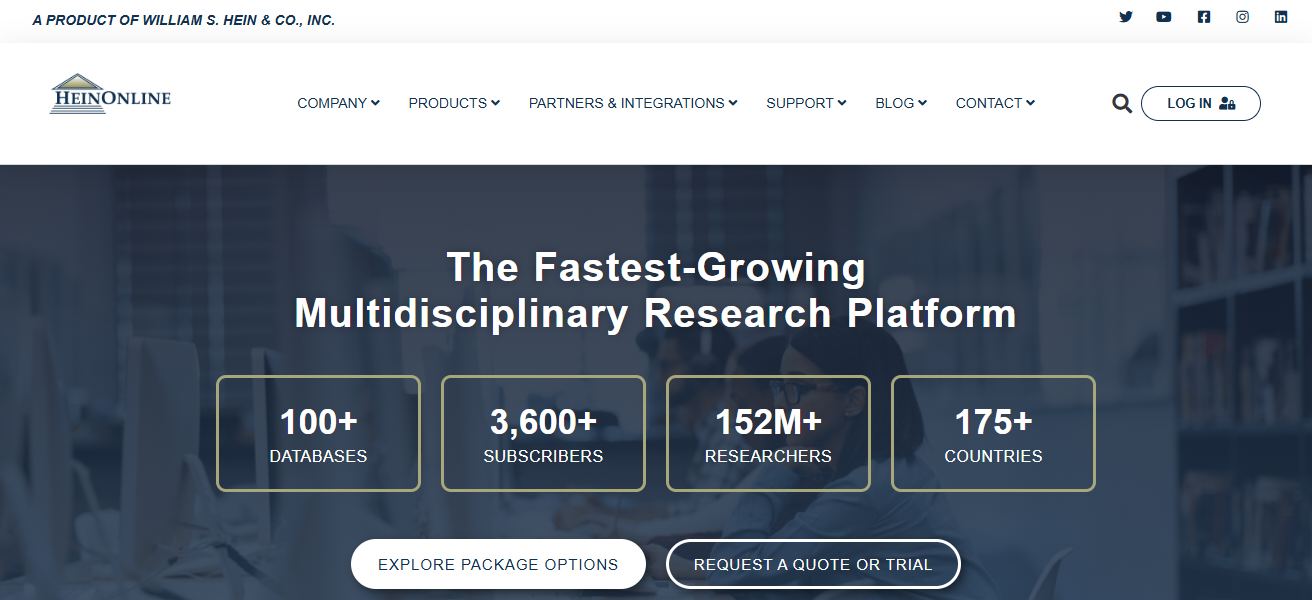
While other research firms have traditionally dealt with litigation support, HeinOnline is building new tools to improve digital preservation and next-level archival accessibility.
And, its growing international law collections and digitized historical legal resources continue to draw researchers who are looking for deeper contextual legal insights from around the world.
| Pros | Cons |
|---|---|
| Massive historical legal archives support academic and constitutional legal research projects extensively. | Interface feels outdated compared with newer AI-powered legal research platforms available today. |
| Rare law journals and government documents provide unmatched historical legal reference materials globally. | Limited AI-driven search functionality reduces automation benefits for modern legal professionals significantly. |
| International law collections attract universities, scholars, and advanced legal researchers worldwide consistently. | Primarily designed for academic research instead of fast-paced corporate legal operations environments. |
| Strong digital preservation efforts protect valuable historical legal information for future generations permanently. | Search navigation may require additional research experience for efficient database usage effectively. |
6. Law Insider
Law Insider is an innovator in tradional contract research markets, taking the form of gigantic searchable databases of agreements operated through clause analysis via artificial intelligence
The platform has utility for both businesses and legal practitioners to compare commercial contracts, review negotiation language, and quickly draft documents.
Law Insider is becoming a go-to resource for startups and in-house legal teams looking to benchmark what is market standard for contracts without paying high fees to external consultants.
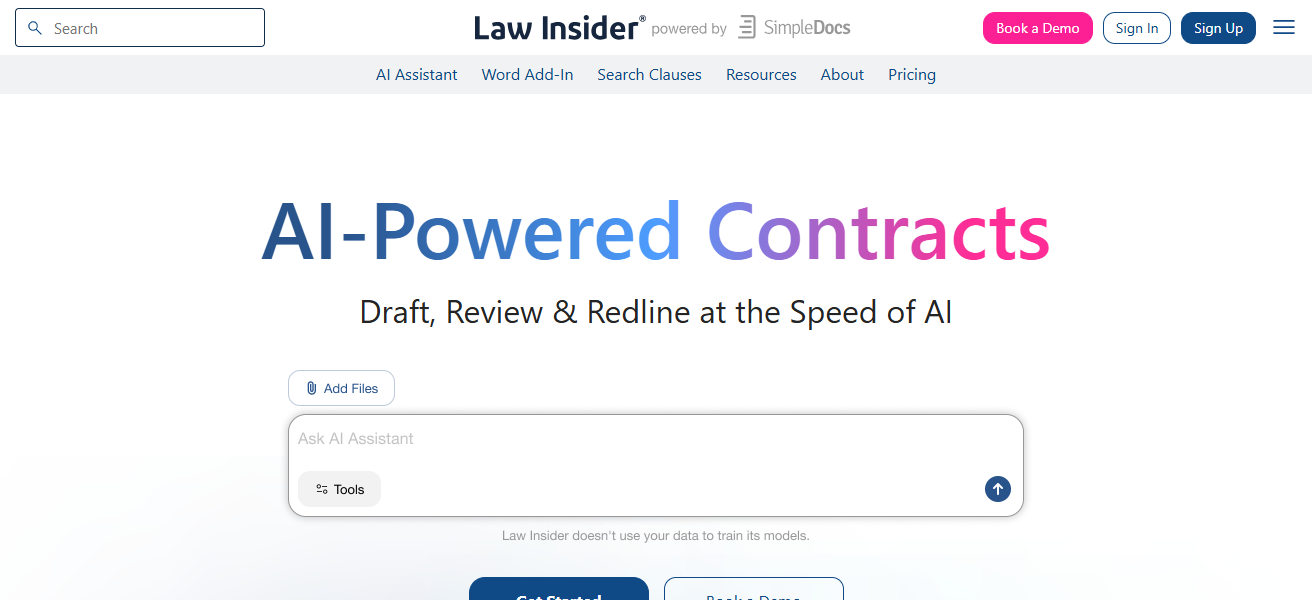
Similarly and an even complete contrast to traditional models of legal service, its automated clause recommendations and legal templates make contract research faster, cheaper and more accessible.
| Pros | Cons |
|---|---|
| Massive contract database simplifies agreement comparisons and legal clause benchmarking processes efficiently. | Primarily focuses on contracts rather than broader litigation or statutory legal research needs. |
| AI-powered clause analysis accelerates drafting and negotiation workflows for businesses significantly today. | Some advanced contract features require higher-tier subscription plans for complete platform access. |
| Startups benefit from affordable legal templates reducing dependency on expensive consultants substantially. | Database quality may vary depending on uploaded contract document sources occasionally online. |
| User-friendly platform improves accessibility for non-lawyers handling business agreement management tasks regularly. | Limited courtroom research functionality compared with comprehensive enterprise legal research competitors globally. |
7. ROSS Intelligence
Before seeming to be a conversational legal tech, ROSS Intelligence was recognized for its pioneering natural-language AI legal research.
If so, the platform was designed to ML simple and complex legal searches unlike legacy legal search systems built with Boolean.
ROSS had a massive impact on the modern legal AI landscape even though market headwinds impacted operations.
Inspired by the innovations at ROSS many newer legal research tools now employ similar conversational interfaces to make legal research faster and more intuitive for a generation of younger, tech-savvy law professionals around the world.
| Pros | Cons |
|---|---|
| Natural-language AI searches simplified legal research for modern technology-focused legal professionals globally. | Platform operational challenges reduced long-term commercial availability and market expansion opportunities significantly. |
| Machine learning technology improved search efficiency beyond traditional Boolean legal research methods. | Smaller legal database coverage compared with established legal research industry leaders worldwide currently. |
| Influenced development of conversational AI features across modern legal technology platforms significantly today. | Legal professionals may require supplemental research tools for comprehensive legal investigations frequently. |
| User-friendly interface reduced research complexity for younger digitally focused attorneys effectively worldwide. | Ongoing platform uncertainty affected adoption confidence among large enterprise law firms internationally. |
8. Practical Law
Practical Law, legal teams quickly access user-ready legal templates and practical guidance, compliance checklists, expert-written resources without having to spend months on research or thousands of man-hours.
Whereas most research firms depend on substantial billable-hour research, Practical Law focuses right in the middle of actionable legal workflows and running a more efficient operation.

Legal tech platform recently enhanced AI-driven legal drafting and workflow automation functions for in-house legal departments.
Practical Law is favored by many of today’s law firms because it helps reduce the amount of repetitive tasks they need to do while increasing consistency with cross-transaction work, compliance management, and internal legal documentation processes
| Pros | Cons |
|---|---|
| Ready-made templates reduce repetitive drafting work for busy corporate legal departments significantly today. | Less focused on deep case law research compared with traditional legal database providers. |
| Expert-written guidance improves consistency across contracts, compliance, and legal operational workflows efficiently. | Premium subscriptions may become expensive for smaller firms requiring limited legal resources occasionally. |
| Workflow automation tools accelerate internal legal documentation and compliance management procedures effectively. | Some niche practice areas may lack highly specialized practical legal guidance resources currently. |
| AI-assisted drafting features improve productivity for modern transactional legal professionals globally today. | Heavy reliance on templates may reduce customized legal drafting flexibility occasionally for firms. |
9. vLex
vLex has emerged as a dynamic global leader in legal intelligence, with more than one billion legal documents from multiple jurisdictions.
Vincent AI, already employs conceptual understanding over cold keyword matching to assist lawyers in finding the most relevant legal precedents efficiently.
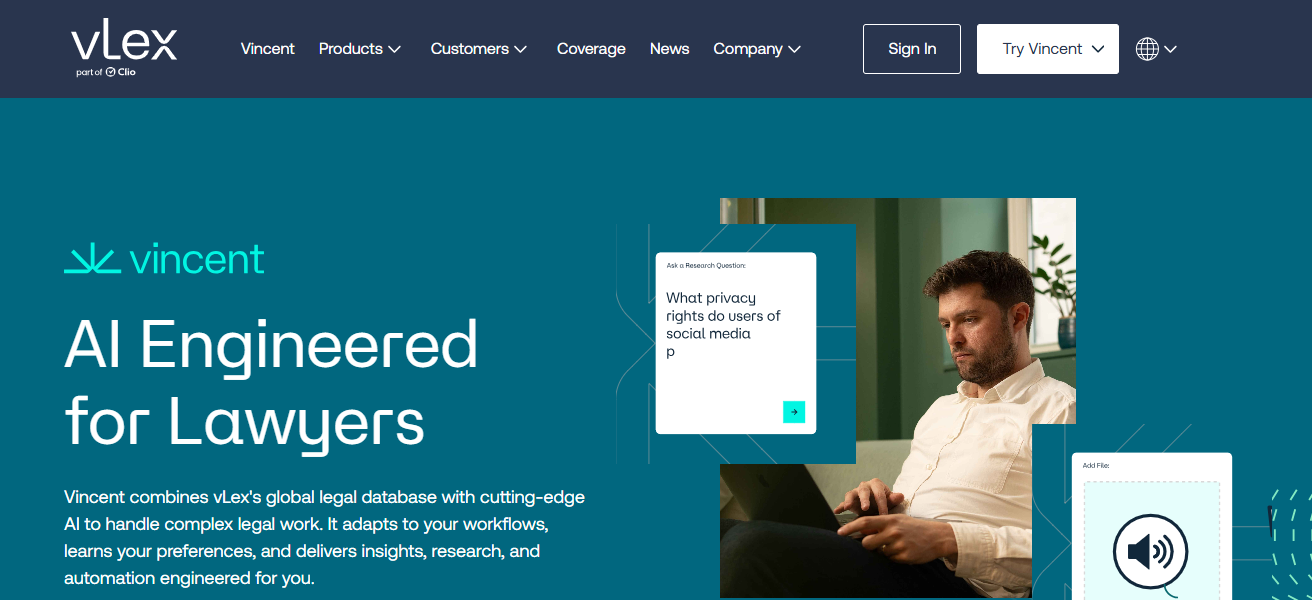
After being acquired by Clio, newly integrated vLex merged legal research with practice management systems.
Due to modern AI-assisted legal workflows that are much faster than traditional research models, international firms are relying more and more on vLex law, for practical multilingual legal analysis and cross-border compliance research.
| Pros | Cons |
|---|---|
| Vincent AI delivers conceptual legal analysis beyond traditional keyword-based search systems effectively globally. | Premium international research capabilities may increase costs for smaller law firms substantially. |
| Massive global database supports multilingual and cross-border legal research requirements efficiently worldwide. | Some regional legal materials may vary in completeness across certain jurisdictions occasionally online. |
| Clio integration improves workflow management and legal practice automation for professionals significantly today. | Advanced features may require training for maximizing full research platform capabilities effectively. |
| AI-assisted research accelerates discovery of relevant precedents and compliance information rapidly worldwide. | Platform complexity may initially challenge users transitioning from simpler legal research tools frequently. |
10. Justia
Justia still stands out as one of the most accessible platforms for free case law, statutes, legal blogs and attorney listings available online.
Many startups, students, solo attorneys and independen researchers use Justia to do some preliminary legal research without having the need for expensive subscriptions.

The incorporation of AI-enabled legal retrieval platforms and public databases only increases its strategic role in contemporary legal technology ecosystems.
Where most traditional firms would subscribe to higher level legal research resources, Justia remains on a public mission for better access to legal information for the global civic and professional communities.
| Pros | Cons |
|---|---|
| Free access model democratizes legal information for students and independent researchers globally today. | Limited premium-level analytics compared with enterprise-focused legal research platforms available commercially worldwide. |
| Extensive public legal databases support preliminary legal research without subscription expenses effectively. | Research depth may not satisfy large corporate firms handling highly complex litigation matters. |
| User-friendly platform simplifies legal information access for non-lawyers and startups efficiently online. | Fewer advanced AI-powered drafting and predictive analytics features than premium competitors currently. |
| Attorney directories and legal blogs increase platform usefulness for broader legal audiences significantly. | Some legal resources may require cross-checking with authoritative premium legal databases frequently. |
Conclusion
Conclusion Legal Research Brands Competing With Traditional Firms Artificial intelligence-based research, automation, and analysis tools are playing a central role in changing the legal space around us.
There are faster, smarter, and cheaper legal solutions available today by platforms such as LexisNexis, Westlaw and vLex.
As technology advances, fast modern platforms are simply going to take over age-old slower methods across law firms and global corporate legal departments.
FAQ
What are legal research brands?
Legal research brands provide digital platforms for case law, contracts, compliance, and legal analytics.
Why are AI legal research platforms becoming popular?
They reduce research time, improve accuracy, and automate repetitive legal research tasks efficiently.
Is LexisNexis better than traditional legal research methods?
Yes, LexisNexisoffers AI-powered search, drafting, and citation verification tools.
Which platform is affordable for small law firms?
Fastcaseis considered budget-friendly for smaller legal practices and solo attorneys.