This article talks about the top phishing scams draining crypto wallets and phishing scams that target cryptocurrency investors in 2026.
As phishing attacks become more sophisticated to target crypto users through fake websites, deep fake videos, browser extensions, phishing NFT platforms, and more, users have to stay accurate and updated about the threats.
This guide captures a range of scams frequently used today, the techniques behind the scams and describes how one can defend investments to secure the wallet and the most sensitive information related to crypto assets online.
Key Points & Top Phishing Scams Draining Crypto Wallets In 2026 (And How To Stop Them)
| Phishing Scam | Explanation |
|---|---|
| Fake Wallet Update Scams | Fake wallet updates install malware, stealing cryptocurrency and sensitive private keys instantly. |
| Celebrity Giveaway Scams | AI celebrity giveaways trick investors into transferring cryptocurrency toward fraudulent scam wallets. |
| Malicious Browser Extensions | Harmful browser extensions secretly capture passwords, recovery phrases, and wallet authentication credentials. |
| Fake Decentralized Exchange Websites | Counterfeit exchange websites drain connected wallets after victims approve suspicious transaction requests. |
| QR Code Payment Scams | Fraudulent QR codes redirect cryptocurrency payments directly toward cybercriminal wallet addresses instead. |
| Deepfake Support Representative Scams | Deepfake support agents manipulate victims into revealing wallet recovery phrases during consultations. |
| Fraudulent Staking Platform Scams | Fake staking platforms promise massive returns before disappearing alongside deposited cryptocurrency investments completely. |
| NFT Minting Permission Scams | Malicious NFT minting requests grant attackers unrestricted wallet access without immediate victim suspicion. |
| Fake Airdrop Link Scams | Fraudulent airdrop links steal digital assets from unsuspecting cryptocurrency investors through phishing campaigns. |
| SIM Swapping Authentication Attacks | SIM swapping bypasses security protections, allowing hackers complete exchange account access remotely. |
Top 10 Phishing Scams Draining Crypto Wallets In 2026 (And How To Stop Them)
1. Fake Wallet Update Scams
Phishers in 2026 are sending fake wallet updates to those with popular crypto wallets (e.g., Ledger, MetaMask).
Phishers create malicious software using fake websites, phishing emails, and unofficial app stores. Recently, several wallet phishing scams were reported.
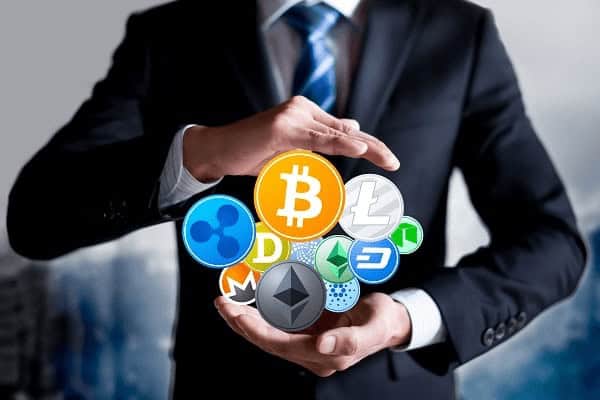
Victims entered their recovery phrases in fake wallet scams, leading to the loss of millions. Phishers can be halted by users reporting phishing emails and only updating apps from official sources.
Users can improve their security by updating Ledger from the official sites, not following random update links, and not giving out their seed phrases. Users should never enter their recovery phrases on unopened ledgers.
Phishing via Fake Wallet Updates Features
- Fake wallet update alerts are designed to look like legitimate updates from verified cryptocurrency apps, including matching logos and branding.
- Malicious apps quickly capture recovery phrases, passwords, and other sensitive information stored in cryptocurrency wallets.
- Phishing websites look identical to update websites for official Ledger and MetaMask wallets.
- Phishing links are dispersed via email, Telegram, and fake ads.
- Users know they are tricked only after they update their wallets by downloading updates from unverified sources.
2. Celebrity Giveaway Scams
In 2026, AI has made celebrity fake giveaways even worse. This new technology gives scammers the ability to create fake deep fakes (a fake celebrity giving a speech) to live-stream crypto giveaways to the world as big personalities in the cryptocurrency ecosystem.
Scammers provide a “double your Bitcoin” reward for participants. Recently, there have been reports of social media ads and YouTube posts that provide an AI voice and a fake video livestream.

As a general rule, companies will not ask you to send them cryptocurrency as the first step in a process. Always check with the official social media of the person/entity making announcements to calm yourself and prevent potential losses from phishing scams.
Phishing via Celebrity Giveaways Features
- Examples include AI-generated fake live streams and celebrity impersonation fake cryptocurrency giveaways.
- The promise is that victims will receive double the amount of Bitcoin if they transfer cryptocurrency to the fake wallet.
- Giveaways are propagated by deepfake celebrity impersonations, which are presented in the form of videos, interviews, and the like.
- The fake giveaways are promoted by ads on YouTube, Twitter, and Telegram.
- Victims trust the fake celebrity endorsements and neglect to verify with the celebrity’s official social media channels.
3. Malicious Browser Extensions
Browser extensions exploit clipboard functions, frameworks, wallet permissions, and other attack vectors to drain Ethereum wallets.
In 2026, we expect these attacks to take the form of browser extensions and other productivity tools, trading tools, and Web tools.
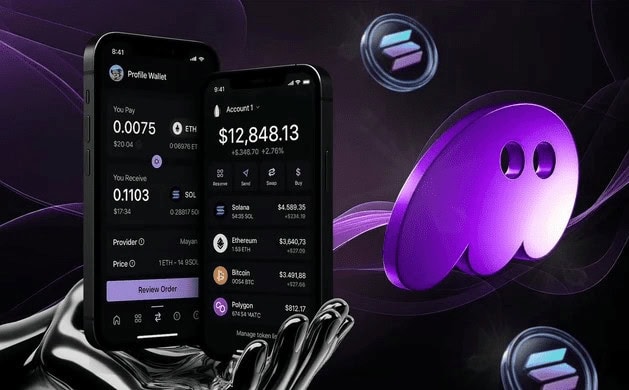
As reported by security researchers have detected automated wallet-draining campaigns using the permissions and vulnerabilities of browser extensions in the Ethereum ecosystem.
To protect themselves from stealthy malware, cryptocurrency users should regularly check the extensions they have installed, avoid extensions they do not know, and use a separate browser to make cryptocurrency transactions.
Malicious Browser Extensions Features
- Rogue browser extensions capture passwords, cryptocurrency wallet transactions, and monitor wallet activity.
- Fake productivity browser extensions disguise Mnemonics as Web3 trading and security browser extensions.
- The browser permissions used for cryptocurrency transactions may be exploited by attackers.
- The malware will replace the wallet address copied to the clipboard prior to the transaction.
- The extensions will drain the wallets to which they were connected without any security alerts provided to the users.
4. Fake Decentralized Exchange Websites
The newest great scam running in the arena are fake decentralized exchanges. These scam projects copy real exchanges so perfectly that it is difficult to tell which is the real exchange.
Scams create fake liquidity pools that prompt users to connect their wallets to approve these malicious liquidity pools and lose their tokens.

Scams have created fake decentralized exchanges that drain the liquidity of Real Decentralized Exchanges.
The best way to avoid these scams is to always check the URL, bookmark the Real Decentralized Exchanges, and, after doing some spontaneous activity in your wallet, revoke the approved liquidity pools.
Fake Decentralized Exchange Websites Features
- Fake Decentralized Exchanges (DeCeX) use identical user interfaces to legitimate trading platforms.
- The fraudulent websites are built on a near copy of the legitimate DeFi exchanges.
- Malicious smart contracts request dangerous permissions from a wallet, which allows the withdrawal of cryptocurrency assets without permission.
- Fake liquidity pools are used by malicious actors to connect investors’ wallets by using a decentralized trading application.
- The malicious actors can gain full control of the investors’ wallets by issuing a transaction request that the investors are tricked into approving.
5. QR Code Payment Scams
In 2026, QR code payment scams advanced as phishers inserted malicious QR codes in phishing emails, fake invoices, and bogus advertisements, whereas legitimate wallet addresses became obsolete.
There are even reports of phishers physically distributing fake security notices via mail, thereby directing victims to wallet-draining websites. Victims who scan a QR code unwittingly transfer money into the phisher’s wallet.
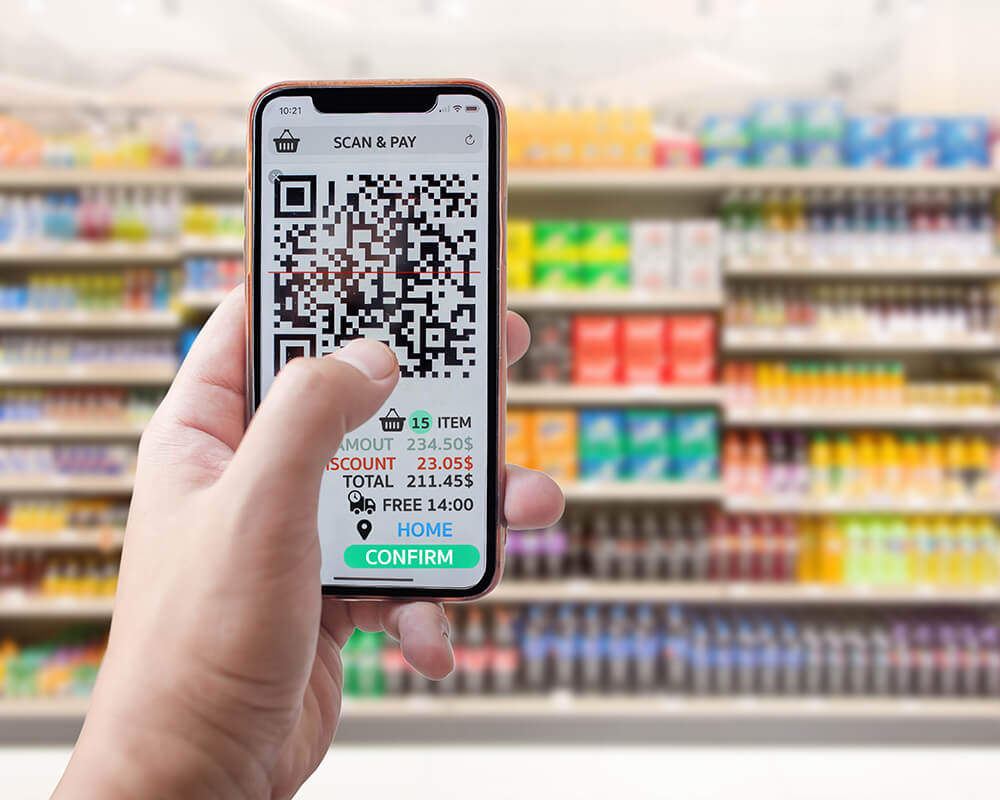
Manual verification of wallet addresses before fund transfers, avoidance of scanning random QR codes, and use of trusted wallet applications with transaction confirmations for each payment are ways to stay safe.
QR Code Payment Scams Features
- Malicious QR codes target investors to make cryptocurrency payments that are instantly and permanently controlled by malicious actors.
- Malicious actors use phishing QR codes on fake invoices, which are advertised emphatically.
- Phishing letters and malicious QR codes are sent to the owners of hardware cryptocurrency wallets.
- The unsuspecting investors make transfers to permanent cryptocurrency payments without verifying the destination of the transaction.
6. Deepfake Support Representative Scams
One of the more advanced crypto threats that has emerged in 2026 is the deepfake support customer scams.
Scammers use deepfake technology to create voice and video appearances of support staff of legitimate crypto companies, and in doing so, hijack genuine support staff roles.
The support staff deepfake is then used to facilitate scammers in obtaining the victim’s recovery phrases or to approve fraudulent transactions.

Legitimate crypto companies do not ask for recovery seed phrases. Victims should exercise caution and verification of support staff requests via the natural support line of the crypto company.
Victims should also be wary if support staff suddenly ask to take over the victim’s cryptocurrency wallet, private keys, or sensitive information.
Deepfake Support Representative Scams Features
- Malicious actors use phonies that provide fake customer support to make phone calls and perform face-to-face interactions.
- Malicious actors impersonate a trusted cryptocurrency company to harvest a victim’s wallet recovery phrase.
- Fraudulent customer support interactions are made by fake representatives, who use fake customer support interactions.
- Malicious actors make a deepfake video call to verify a transaction.
- Malicious actors make a transaction request, which they believe can be completely legitimate.
- An unverified staking service with incomplete company information posted online causes investors to lose everything.
7. Fraudulent Staking Platform Scams
Fraudulent Staking Platforms have seen an explosion of online traffic, with individuals being offered the chance to turn a quick profit with virtually no risk after staking their assets.
With scams like these becoming more sophisticated, investors need to be cautious, as over the last year, scams have seen more professional-looking websites, testimonials, and dashboards that display fabricated data and stats.
Once the scammers believe that they have taken enough assets, they will go offline, with some scam platforms demanding a “withdrawal fee” before permanent removal.
Potential investors need to do as much research into staking platforms as possible and check the company registry to ensure they aren’t taking investing advice from platforms that do not have documented risk warnings, whilst also not offering guaranteed returns.
To have a “safe” investment in the long-term, staking protocols need to be audited, and association with cryptocurrency exchange platforms with a strong reputation is encouraged.
Fraudulent Staking Platform Scams Features
- Fake staking platforms advertise unrealistic cryptocurrency returns, attracting inexperienced digital asset investors.
- Professional-looking dashboards display manipulated profits, convincing users to increase deposited cryptocurrency investments regularly.
- Fraudsters disappear after receiving larger investments from trusting cryptocurrency staking platform users.
- Scam platforms request additional withdrawal fees before permanently blocking investor account access completely.
- Investors lose funds trusting unaudited staking services lacking transparent company ownership information online.
8. NFT Minting Permission Scams
There has been an increase in NFT Minting Permission Scams, with the level of sophistication that these scams have reached requiring the attacker’s use of fake NFT collections, designed to only be available for minting for a limited time, along with the creation of a counterfeit marketplace.

Depending on the scam, NFT victims may be coerced into issuing permissions for harmful smart contracts. Phishing and scam NFT activities are carried out in a more organized manner, and that the recipients of these scams are often high-wealth wallets or the highest-tier NFT collectors.
There has been a significant amount of interest surrounding wallet approval management, and users are urged to # Assume distrust by not approving wallets that they do not already know, and to revoke smart contract permissions of those wallets
NFT Minting Permission Scams Features
- An aggressive promotion using fake marketplaces attracted investors to minting permission for fake NFTs.
- Scammers gain access to crypto wallets using smart contracts built with dangerous permissions.
- Scammers use scarcity and urgency to market to high-value collectors’ NFTs.
- A fake market placed NFTs on popular trading platforms and replicated cloned designs.
- Malicious approvals on the blockchain mislead victims into believing they are securely minting NFTs.
9. Fake Airdrop Link Scams
By 2026, fake airdrop link scams ruled social media, Telegram, Discord, and dev forums. Cybercriminals set up phishing sites to steal wallet approval and authentication information, all reporting free token incentives for spam projects.
New phishing campaigns were found to offer free tokens to GitHub devs and posts on cloned crypto sites.

Users should be skeptical of giveaways, verify announcements on the final project site, and avoid wallet connections to shifty promo sites, especially ones peddling presents with contest end dates and registration urging.
Fake Airdrop Link Scams Features
- Phishing campaigns are executed using fake airdrop sites that promise free cryptocurrency.
- Scammers target a blockchain project that has recently become popular and is searched for by investors.
- Fake airdrop sites are promoted in Discord, Telegram, and other social networks.
- Authentic Discord, Telegram, and social networks are exploited to leak codes to crypto assets.
- Not only developers but investors, too, face phishing campaigns disguised as legitimate token offerings.
10. SIM Swapping Authentication Attacks
Jacking someone’s phone number to undermine their 2FA and access their crypto is a phishing technique that’s been on the rise.
After controlling a victim’s phone, a hacker is free to reset passwords on almost all the victim’s accounts, including crypto exchanges, to execute withdrawals.
Many of the 2026 crypto heist investigations were the result of social engineering supply phishing against rich investing victims, targeting mobile phone provider employees.
Users should choose to authenticate using crypto apps, create their passkeys, and request protection on the carrier level to stop SIM attacks and threats to their phones.
SIM Swapping Authentication Attacks Features
- Hackers remotely control cybercriminal devices using social engineering to persuade service providers to transfer control of a victim’s number.
- Attackers gain control over the victim’s phone accounts in order to reset the victim’s Exchange password using SIM swapping.
- A compromised mobile number is the only requirement for accessing an exchange’s security, offering sufficient protection to crypto investors.
- Attackers use SIM swapping phishing on wealthy cryptocurrency investors.
- App-based authentication offers protection against advanced phishing attacks where a user’s phone number is hijacked.
- Phishing attacks target wealthy investors.
How We Choose Top Phishing Scams Draining Crypto Wallets In 2026
- Analyzed recent phishing trends in cryptocurrency scams reported by blockchain and cybersecurity analysts.
- Identified the scams that are having the biggest financial impact across all cryptocurrency exchanges and decentralized platforms.
- Phishing attacks targeting MetaMask, Ledger and Binance users and other DeFi wallets are also included.
- Consider the use of advanced technologies for phishing attacks, such as artificial intelligence, deepfakes, and malicious smart contracts.
- Researched phishing attacks that are targeting users on Telegram, Discord, and YouTube, and other social media sites.
- Focused on phishing attacks targeting novice users and advanced users of cryptocurrency across multiple platforms.
- Analyzed the real-world attacks on cryptocurrency wallets that fraudulently drain the wallet funds, capture the seed phrases, and give unauthorized approvals.
- Phishing scams that incorporate browser extensions, QR codes, and scams within NFT marketplaces and staking layers are also included.
- Phishing scams are ranked on how sophisticated and popular they are, the financial impact, and how easy they are to target victims.
- Outlined strategies to prevent cryptocurrency holders from losing access to their wallets, their control over their transactions, and their authentication credentials.
Conclusion
To sum up the situation, the rise of technologically and financially more sophisticated phishing scams will leave more ordinary investors vulnerable in 2026.
Fake wallet updates, phishing scams with fake wallet support, and deep fake attack simulations will be at the forefront of these phishing attacks in the future.
Cybercrime will only become more sophisticated and will continue to use SIMs in counterfeit NFT malicious attacks.
Education is the best line of defense and will include new wallet security habits. Being aware of where to find reputable crypto websites, not clicking on scams, and updating wallet management on a regular basis will keep wallets safe from modern-day phishing scam attacks.
FAQ
What are crypto phishing scams in 2026?
Crypto phishing scams are fraudulent attacks stealing cryptocurrency through fake websites, emails, and applications.
Which phishing scam is most dangerous for crypto investors?
Fake wallet update scams remain extremely dangerous because they directly steal wallet recovery phrases.
How do celebrity giveaway scams trick cryptocurrency users?
Scammers use AI-generated livestreams promising free Bitcoin after victims send cryptocurrency payments first.
Can malicious browser extensions drain cryptocurrency wallets automatically?
Yes, harmful browser extensions secretly capture passwords and approve unauthorized wallet-draining transactions silently.