In this article, the Top Essential Money Lessons They Don’t Teach You In School will greatly assist in the journey of learning how to master money management and long-term financial planning.
While in the education system many students struggle to learn and/or develop the skills for Budgeting, Saving, Investing, Debt Management, and Taxes.
Such lessons are of the greatest value in that they equip individuals to approach financial problems with skills that significantly improve their financial position, create confidence, and reduce financial worries, while also fostering the development and growth of financial wealth.
Key Points & Top Essential Money Lessons They Don’t Teach You In School
| Money Lesson | Explanation |
|---|---|
| Budgeting Matters | Creating monthly budgets prevents overspending and improves long-term financial stability successfully. |
| Save Before Spending | Saving first builds emergency protection and supports future financial independence goals effectively. |
| Credit Scores Matter | Good credit scores reduce loan interest rates and improve approval chances significantly. |
| Avoid Unnecessary Debt | Excessive debt creates financial stress and limits future investment opportunities badly overall. |
| Start Investing Early | Early investing grows wealth faster through compound interest over many valuable years. |
| Emergency Funds Are Essential | Emergency savings protect against unexpected expenses, job losses, and financial hardships immediately. |
| Learn Tax Basics | Understanding taxes helps maximize savings and prevents costly filing mistakes annually consistently. |
| Needs Versus Wants | Distinguishing needs from wants reduces impulse spending and improves money management habits. |
| Multiple Income Streams Help | Additional income sources increase financial security and create better wealth-building opportunities long-term. |
| Financial Education Never Ends | Continuous financial learning improves decision-making and helps achieve personal wealth goals successfully. |
10 Top Essential Money Lessons They Don’t Teach You In School
1. Budgeting Matters
Budgeting doesn’t mean spending hours on spreadsheets pertaining to expenses anymore. With the use of artificial intelligence, automated financial apps instantly track expenses, predict monthly bills, and recognize spending habits that need to be curbed.
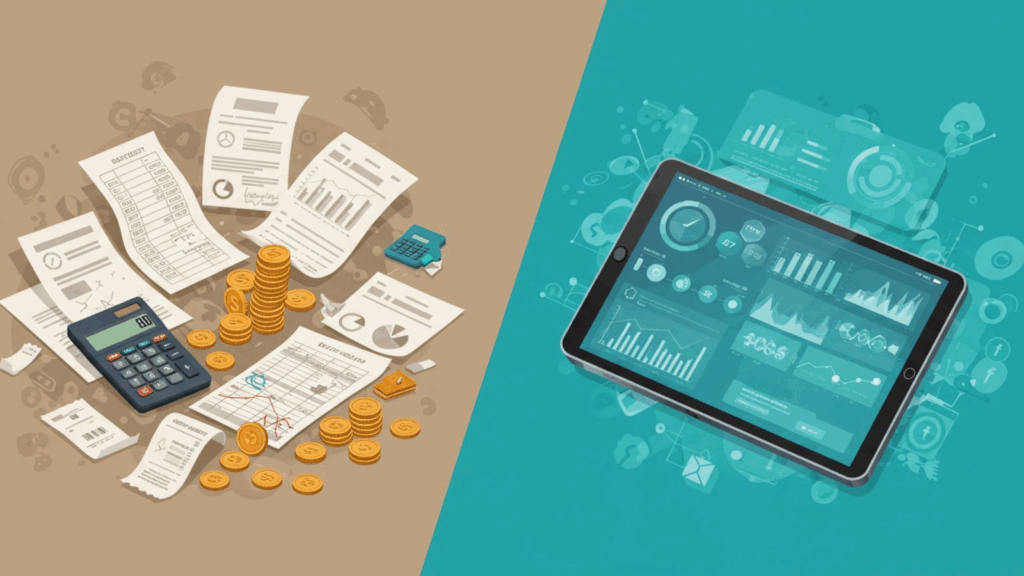
Many successful entrepreneurs and startup founders use the zero-based budgeting technique to manage cash flow and ensure financial discipline when the market turns volatile.
Budgeting turns the dread of financial overspending into long-term financial confidence. By 2026, automated systems will provide digital banking insights that will change how the younger generation uses money.
Budgeting Matters
| Features | Explanation |
|---|---|
| Expense Tracking | Monitors daily spending habits and identifies unnecessary financial leaks quickly and accurately. |
| AI Budget Insights | Uses smart analytics predicting bills, subscriptions, and monthly financial behavior automatically efficiently. |
| Spending Control | Prevents overspending through category-based limits and real-time financial notifications consistently daily. |
| Financial Goal Planning | Helps users achieve savings targets and long-term financial objectives strategically faster successfully. |
| Cash Flow Management | Improves income distribution and maintains balanced personal financial stability during uncertainties effectively. |
2. Save Before Spending
In order to achieve financial independence, you first have to practice self-control when buying things and prioritize savings over spending.
One of the reasons younger generations are saving money to buy things and not spending money on luxury items is because the global markets and the economy are currently in a state of turmoil with high inflation.

We’re beginning to see an adverse savings trend that younger populations have adopted with the implementation of high-yield savings accounts.
These will provide them with long-term savings over short periods of time and provide financial peace of mind.
Save Before Spending
| Features | Explanation |
|---|---|
| Automatic Savings Transfers | Automatically moves money into savings accounts before unnecessary spending occurs regularly and consistently. |
| Emergency Preparedness | Builds financial protection against sudden emergencies, layoffs, or unexpected economic situations efficiently. |
| High-Yield Savings Growth | Maximizes savings returns using modern high-interest digital banking account solutions available globally. |
| Financial Discipline Development | Encourages responsible money habits and reduces impulsive purchasing decisions significantly over time. |
| Long-Term Security | Creates stronger financial confidence and supports future wealth-building opportunities successfully for individuals. |
3. Credit Scores Matter
Everything having to do with your financing is ultimately impacted by your credit score in one way or another.
You would not be able to qualify for a loan, to buy a house, or to rent an apartment, let alone secure financing, without having a good credit score.
The schools you went to failed you on a lesson that taught you how things like not paying your bills on time, a high balance on credit cards, or borrowing without constraint ultimately will affect your credit.

In 2026, financial technology and digital banking will almost exclusively use artificial intelligence credit score analysis
When assessing how you spend and how responsible you are regarding your affairs in comparison to the old system that relies on legacy banking.
Credit Scores Matter
| Features | Explanation |
|---|---|
| Loan Approval Advantages | Modern fintech platforms analyze spending patterns, improving financial credibility management automatically efficiently. |
| Lower Interest Rates | Good credit ratings reduce borrowing costs on mortgages and personal loans effectively. |
| Better Financial Reputation | Strong credit history demonstrates financial responsibility to banks and lenders professionally worldwide. |
| Rental Application Benefits | Property owners prefer tenants maintaining excellent credit records and repayment reliability consistently. |
| AI Credit Monitoring | Modern fintech platforms analyze spending patterns, improving financial credibility management automatically and efficiently. |
4. Avoid Unnecessary Debt
Debt is extremely dangerous to one’s financial independence, especially if they rely heavily on credit cards, impulse financing, or Buy Now Pay Later services, and an appropriate repayment plan is not created.
In modern times, financial experts warn that overspending is exceptionally more dangerous because of digital lending platforms and instant credit approvals, when compared to how it was in the past.

Many successful investors advocate for controlling one’s level of debt to reduce financial stress and improve flexibility so that better opportunities for wealth generation can be created, especially when the economy is uncertain and global inflation is high.
Avoid Unnecessary Debt
| Features | Explanation |
|---|---|
| Reduced Financial Stress | Avoiding excessive debt improves mental peace and long-term financial confidence significantly overall. |
| Better Cash Management | Limits unnecessary expenses while increasing savings and investment opportunities consistently for individuals. |
| Improved Financial Freedom | Lower debt obligations provide greater flexibility during uncertain economic situations globally today. |
| Controlled Lifestyle Spending | Prevents impulsive financing habits encouraged through digital lending platforms increasingly worldwide today. |
| Wealth Building Focus | Encourages purchasing valuable assets instead of liabilities damaging financial growth long-term consistently. |
5. Start Investing Early
Both investing and wealth building are made significantly easier through the power of compounding. Investing as early as possible is one of the best ways to build wealth.
Under the right conditions, younger generations stand to gain more investing opportunities than any generation before them through programs such as AI-powered investing and retirement planning, and modern stock markets.

Financial experts say that participation in investing is likely going to continue to rise as more individuals are going to be moving their money from traditional, low-yield savings forms to more dynamic, higher-yield investments in 2026 and beyond.
Early investing is foundational to achieving long-term financial security and confidence in retirement, and to the development of generational wealth.
Start Investing Early
| Features | Explanation |
|---|---|
| Compound Growth Benefits | Early investments generate larger returns through long-term compounding effects consistently over decades. |
| AI Investment Platforms | Modern apps simplify investing using automated strategies and beginner-friendly financial tools efficiently. |
| Retirement Planning Support | Builds stronger retirement security and financial independence earlier in life successfully today. |
| Diversified Wealth Creation | Encourages balanced investments reducing risks while increasing portfolio growth opportunities strategically effectively. |
| Financial Confidence Growth | Investing knowledge improves decision-making and creates sustainable wealth-building habits gradually over time. |
6. Emergency Funds Are Essential
Financial surprises such as economic downturns, sudden morbidity, job loss, business failure, etc., are capable of destroying financial security. Emergency funds protect against these surprises.
Saving six to twelve months of living expenses best prepares one for the modern world, according to financial experts.

The importance of emergency savings was conveyed to the world in the recent inflation, layoffs, and market instability.
Emergency savings reserves are the best way to peace of mind, to curb financial instability throughout the family, without resorting to expensive loans, all the while maintaining the financial goals for the family
Emergency Funds Are Essential
| Features | Explanation |
|---|---|
| Job Loss Protection | Emergency savings provide temporary stability during unemployment or reduced income periods effectively. |
| Medical Expense Coverage | Helps families manage unexpected healthcare costs without relying heavily on expensive loans. |
| Economic Crisis Preparedness | Financial reserves protect against inflation, recessions, and unstable market conditions globally today. |
| Reduced Debt Dependency | Prevents unnecessary borrowing during emergencies, maintaining stronger financial independence consistently for families. |
| Peace Of Mind | Savings reserves reduce stress and improve overall financial confidence during crises significantly. |
7. Learn Tax Basics
Taxes are an important recurrent expense for most, if not all, individuals and businesses. Unfortunately, this knowledge is not prevalent, and there is a lack of understanding in the general populace in relation to deductions, tax brackets, and other fundamentals of taxation.
In the coming years, automation will be the new normal in terms of tax calculations and in the area of financial accounting.

The fundamentals of taxation will allow a person to optimize their financial position, gain clarity in organizing their finances, and create more opportunities
from a financial standpoint in the future through their professional, entrepreneurial, and investment activities.
Learn Tax Basics
| Features | Explanation |
|---|---|
| Tax Deduction Awareness | Understanding deductions helps maximize savings and reduce taxable income legally every year. |
| Better Financial Organization | Tax knowledge improves recordkeeping and financial planning efficiency significantly for individuals today. |
| Avoid Filing Mistakes | Reduces costly penalties caused by incorrect tax calculations or delayed submissions consistently. |
| AI Tax Automation | Modern finance platforms simplify tax reporting using advanced automation technologies effectively worldwide. |
| Business Profit Optimization | Tax planning strategies improve profitability for entrepreneurs and startup owners significantly today. |
8. Needs Versus Wants
Financial discipline is key to a successful financial future. This financial discipline is based on differentiating one’s needs from one’s emotional wants.
The differentiation is necessary to promote spending habits that emphasize long-term outcomes as opposed to instant gratification.
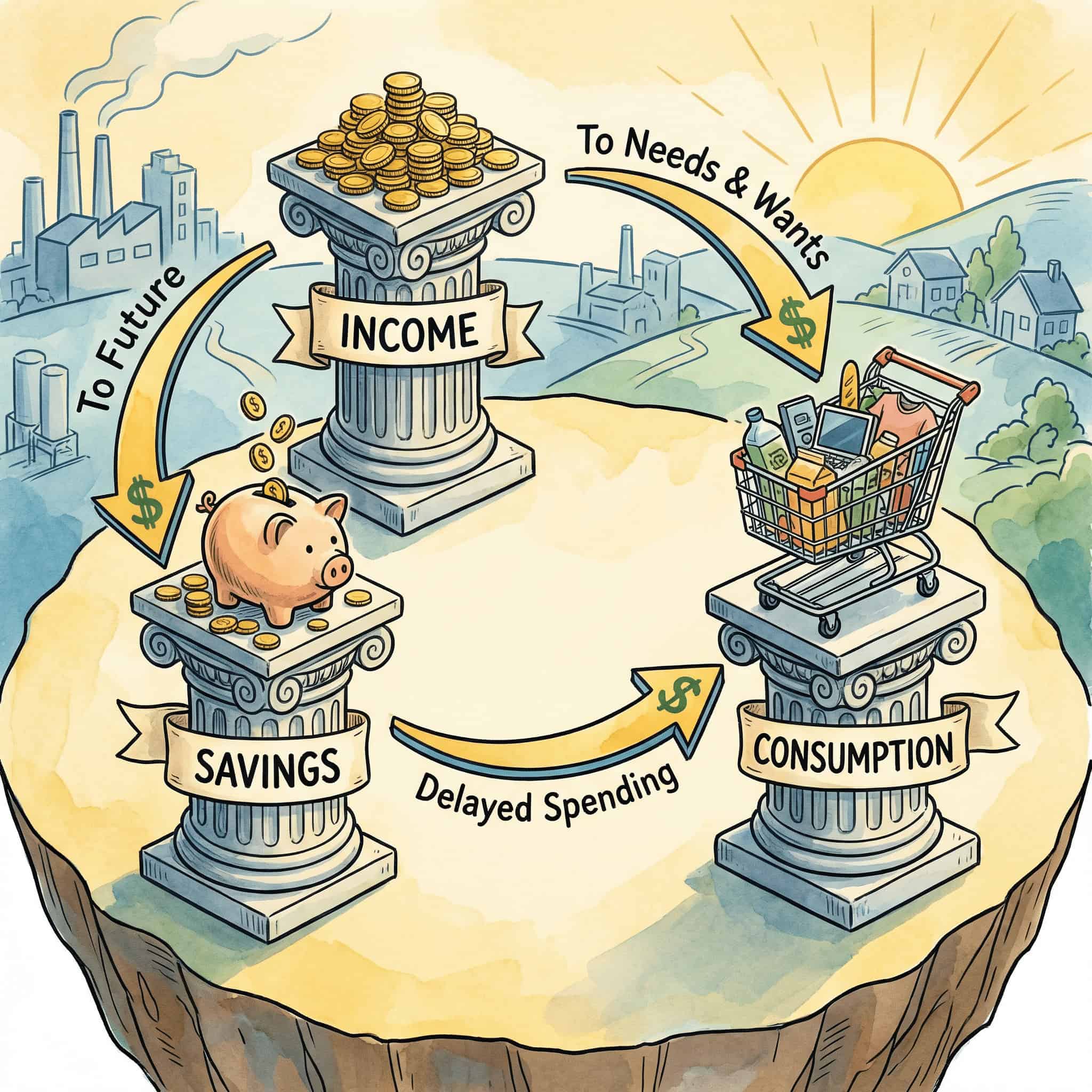
The separation of needs and wants promotes long-term financial independence through diligent saving and the curbing of spending.
Financial independence will be more prevalent in the future, and the digital environment that promotes buying and spending will be at the forefront.
Needs Versus Wants
| Features | Explanation |
|---|---|
| Smarter Spending Decisions | Differentiating essentials prevents unnecessary purchases and protects financial stability effectively over time. |
| Reduced Impulse Buying | Helps individuals resist emotional shopping triggered through social media marketing increasingly globally. |
| Better Savings Growth | Prioritizing needs allows higher savings accumulation and long-term wealth creation successfully today. |
| Improved Financial Discipline | Encourages mindful spending habits supporting stronger money management strategies consistently for individuals. |
| Long-Term Financial Independence | Controlling unnecessary wants accelerates progress toward financial freedom and stability significantly worldwide. |
9. Multiple Income Streams Help
Having only one source of income means putting yourself at financial risk during layoffs, recessions, and changes in the economy.
Nowadays, a huge number of entrepreneurs, business owners, and creators have lucrative income streams from freelancing, investments, online businesses, consulting, and so much more in addition to a “real” job.

2026 is being described as a year of even greater opportunity for the generation of secondary income due to the use of Artificial Intelligence and remote work.
Multiple income streams mean financial stability, quicker paths to wealth and the opportunity to reach both personal and professional financial goals on time.
Multiple Income Streams Help
| Features | Explanation |
|---|---|
| Increased Financial Security | Multiple income sources reduce dependency on single employment opportunity significantly during uncertainties. |
| Faster Wealth Creation | Additional earnings accelerate savings, investments, and overall financial growth successfully for individuals. |
| Remote Work Opportunities | Digital platforms enable freelancing and online business expansion globally faster than before. |
| Side Hustle Flexibility | Extra income streams provide financial backup during economic downturns and layoffs effectively. |
| AI-Powered Productivity | Modern AI tools help individuals scale businesses and automate income generation processes efficiently. |
10. Financial Education Never Ends
The world is always changing, and so is the world of finance. The advancement of tech, investing trends, banking, the way we think of money and the global economy has a huge effect on the way we think about finance.
Most schools focus on theory and barely offer any practical financial literacy, and as a result there is poor financial literacy for students globally.

The development of financial skills is especially important for financial success as more governments and financial institutions support personal finance education.
People can control their own financial future with the help of technology, better investing, budgeting, and saving, and gain confidence to take control of their finances.
Financial Education Never Ends
| Features | Explanation |
|---|---|
| Updated Financial Knowledge | Continuous learning improves understanding of evolving banking and investment technologies globally today. |
| Better Decision-Making Skills | Financial education strengthens budgeting, saving, investing, and money management strategies effectively daily. |
| Adapting To Economic Changes | Learning financial trends helps individuals respond smartly during market fluctuations successfully worldwide. |
| Technology Awareness | Knowledge of fintech tools improves financial planning and digital banking efficiency significantly today. |
| Long-Term Wealth Building | Ongoing education supports stronger financial independence and sustainable wealth creation consistently throughout life. |
Conclusion
In Conclusion Foundations of money management are vital to attain long-term financial success and security in our rapidly changing world.
These skills shape individual decisions throughout their lives. Investing, saving, and spending, along with prudent early adoption of debt management and ongoing financial education, position individuals successfully.
The education system’s blind spot of practical financial literacy called for the adoption of these informal habits of money management to attain financial security, reduce anxiety, and cultivate wealth.
FAQ
Why is budgeting important for financial success?
Budgeting helps control spending, improve savings, and maintain long-term financial stability effectively.
Why should people save money before spending?
Saving first creates emergency protection and reduces dependency on loans during difficult situations.
How do credit scores affect financial opportunities?
Good credit scores improve loan approvals, rental opportunities, and lower interest borrowing rates.
Why is avoiding unnecessary debt extremely important today?
Excessive debt increases financial stress and limits future wealth-building opportunities significantly for individuals.