
Today, i am going to explain the Ways To Handle Tax on International Payments (Beginner Friendly) in a basic, easy-to-understand language.
Plus, discover in the course actionable ways to control international income tax exposure, avoid double taxation documentation tips and keeping FIRPTA compliant.
This guide allows beginners to view tax obligations and properly handle global payments without confusion or errors.
Key Points & Ways To Handle Tax on International Payments (Beginner Friendly)
Understand Double Taxation Treaties Learn how treaties prevent paying taxes twice on the same international income source.
Keep Proper Documentation Maintain invoices, contracts, and receipts to prove legitimacy of international transactions for tax authorities.
Know Withholding Tax Rules Check if payments abroad require withholding tax deductions before transferring money to foreign recipients.
Use Professional Tax Advisors Consult experts specializing in international taxation to avoid costly mistakes and ensure compliance.
Track Currency Exchange Impacts Currency fluctuations affect taxable amounts; monitor exchange rates when calculating international payment obligations.
Register for GST/VAT Compliance Ensure you meet local indirect tax requirements when dealing with cross-border goods or services transactions.
Declare Foreign Income Properly Report all overseas earnings accurately in tax returns to avoid penalties or legal complications.
Leverage Tax Credits Available Claim foreign tax credits to offset taxes already paid abroad, reducing double taxation burdens.
Stay Updated on Regulations International tax laws change frequently; regularly review updates to remain compliant and avoid surprises.
Use Authorized Payment Channels Transfer funds through regulated banks or platforms to ensure transparency and proper tax reporting.
10 Ways To Handle Tax on International Payments (Beginner Friendly)
1. Understand Double Taxation Treaties
A Double Taxation Treaty (DTT) is an agreement between two countries to not make you pay tax twice on the same income.
If, for example, you make your Money in one Country but live in another one both of them want a piece of the pie.
DTTs also determine what country gets the first right to tax you and how much credit or deduction can be claimed.

If you are just learning, you can look to see if your country has a tax treaty with the payer’s country. That aids use in a legitimate means to lessen overall tax obligation.
Knowing how treaty benefits work also avoids overpayment, helps you get it right as far as working out your taxable income, and can help promote a greater awareness of exemptions or reduced tax rates on foreign income that are available.
| Feature | Explanation |
|---|---|
| Avoid Double Tax | Ensures the same income is not taxed in two countries, reducing financial burden legally. |
| Tax Relief Benefits | Allows exemption or reduced tax rates based on treaty agreements between countries. |
| Clear Tax Rights | Defines which country has the primary right to tax your international income. |
| Legal Compliance | Helps you stay compliant with international tax laws and avoid penalties. |
2. Keep Proper Documentation
This is where maintaining adequate documentation comes into the international payment operations.
Under documentation you should keep invoices, contracts, payment receipts as well as bank statements and email communication related to foreign income streams.
These are records that substantiate the source of income and serve as documentation for tax filings, in case any questions arise from tax authorities.

Adequate documentation also helps in computing income as well as errors become less. As a beginner, store them digitally in folders per client or country.
This helps minimize confusion during audits or when preparing annual tax returns. Good records help when you need to claim deductions, refunds and treaty benefits.
| Feature | Explanation |
|---|---|
| Income Proof | Helps validate your foreign earnings with invoices, receipts, and contracts. |
| Audit Safety | Provides strong support during tax audits or government verification. |
| Accurate Filing | Ensures correct calculation and reporting of income without errors. |
| Organized Records | Makes tax filing easier by keeping all documents structured and accessible. |
3. Know Withholding Tax Rule
Withholding tax is the amount that is deducted at source before you receive international payments.
Withholding tax rates vary by country according to the type of income earned, which may be freelance services, royalties, consultation fees, etc.

Even as a beginner, you must have the clarity on whether your client is taxing before payment. The same deduction may cause you to receive less money than what was invoiced in sometimes.
By understanding these rules, you will not get unnecessary surprises and be able to accurately calculate your net income.
Tax treaties and exemption certificate issued by your tax authority might also help you to reduce withholding tax.
| Feature | Explanation |
|---|---|
| Source Deduction | Tax is deducted before payment is received from foreign clients. |
| Varying Rates | Different countries apply different withholding tax percentages. |
| Net Income Clarity | Helps you understand actual earnings after tax deduction. |
| Treaty Reduction | Tax treaties may reduce or eliminate withholding tax liability. |
4. Use Professional Tax Advisors
If we are talking of international taxation hiring a professional tax advisor is the trusted platform which can make your life easier.
Tax laws concerning the income generated across borders can be complicated and differ from country to country.
A qualified advisor will help you understand your obligations, ensure proper filing and a legal reduction of tax liability from the outset.
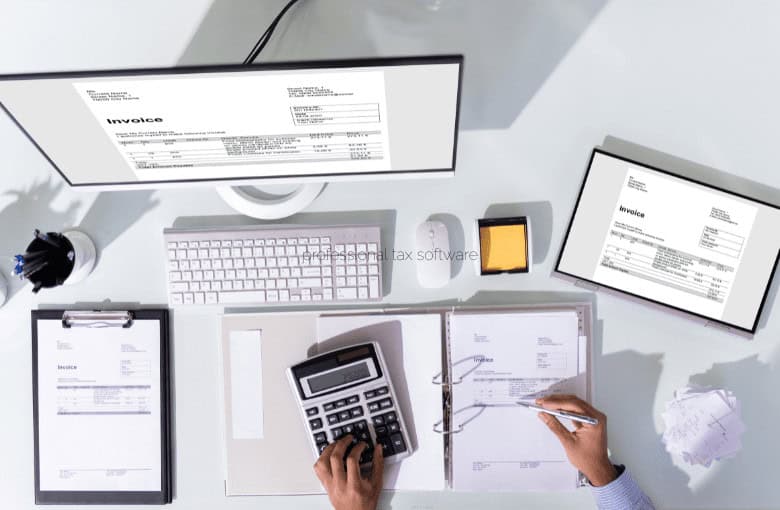
They can also inform you in terms of deductions, treaties and other compliance requirements. By minimizing the chance of penalties or errors, this is not only safe for beginners.
As for freelancers, they can benefit from advisors directly since they are often part of the very up-to-date on all regulations.
They help freelancers and remote workers alike while receiving payments in different countries. It comes at a price but in the long term, its efficiency and tax planning saves money.
| Feature | Explanation |
|---|---|
| Expert Guidance | Provides accurate advice on complex international tax rules. |
| Error Reduction | Minimizes mistakes in tax filing and financial reporting. |
| Tax Optimization | Helps legally reduce tax liability through proper planning. |
| Updated Knowledge | Keeps you informed about changing tax regulations and laws. |
5. Track Currency Exchange Impacts
When receiving international payments, taxable income can be impacted by currency exchange rates. When converting foreign income to your domestic currency, the value increases or decreases in terms of when you exchange it.
Small increases or decreases can affect total taxable earnings. If you are a beginner, note down in addition to the transaction itself the exchange rate which was used on date it took place.

Others dictate reporting income at official exchange rates based on the reviews of international agreements tax authorities use.
This way you will track this correctly and you can file your taxes. It also aids to realize in actual terms income sooner or later after conversion losses or gains
It minimizes confusion and makes sure that financial reporting rules are being followed by utilizing the same methods for currency conversion.
| Feature | Explanation |
|---|---|
| Income Variation | Exchange rate changes affect your final taxable income value. |
| Accurate Reporting | Ensures correct conversion rates are used in tax filing. |
| Profit/Loss Tracking | Helps identify gains or losses from currency fluctuations. |
| Financial Clarity | Gives a clear understanding of real earnings in local currency. |
6. Register for GST/VAT Compliance
Depending on your country, you may have to comply with either GST or VAT rules if you serve across borders.
Others need that you apply when your income an asset exceeds a certain threshold. GST/VAT changes what and how you invoice international clients, including how you report earnings.
For beginners, determine if whether your services are export services — they have zero-tax benefits. Registering ensures that you are legally compliant and do not incur fines.
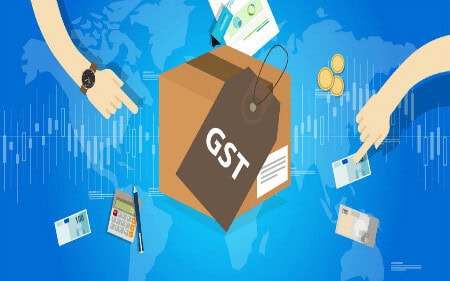
In some instances this also enables you to claim input tax credits. If you are a freelancer, a digital service provider or simply if your business
(which could be outside India) receives regular payments from another part of the Indian jurisdiction then knowing about how GST/VAT works is essential.
| Feature | Explanation |
|---|---|
| Legal Requirement | Ensures your business complies with indirect tax laws. |
| Export Benefits | Some international services may qualify for zero-rated tax. |
| Input Credits | Allows claiming tax credits on eligible business expenses. |
| Professional Credibility | Improves trust and compliance with global clients. |
7. Declare Foreign Income Properly
Most of the countries impose a legal obligation to declare foreign income in an accurate manner. You have to declare all income received from abroad, even if it were necessarily taxed in a foreign country.
If you fail to declare, there could be fines or legal complications As a beginner, income is usually the easiest to categorize based upon source and type.

Separately include income from freelancing, business payments, or passive income. Full disclosure promotes honest information to your tax authorities and prevents you from audit risk.
It also enables you to deduct certain entitlements or credits Always report foreign currency in your annual tax returns with proper conversion at reporting time.
| Feature | Explanation |
|---|---|
| Legal Obligation | Mandatory reporting of all foreign earnings to tax authorities. |
| Transparency | Builds trust and avoids legal complications or penalties. |
| Accurate Classification | Separates different income types for correct taxation. |
| Tax Benefits Access | Enables eligibility for deductions and tax credits. |
8. Leverage Tax Credits Available
Tax credits are used to reduce your overall liability by allowing you to offset tax already paid in another state. You can claim a credit in your home country for tax that it withheld abroad, for example.
That avoids double taxation and relieves the overall burden. If you are just intialing, still verify the eligibility rules for some applicable trait foreign tax credits where you live.

Documentation in the form of proof of tax payment and supporting documents may be required. Tax credits are not a deduction; TurboTax explains how they cut tax payable.
They help you avoid overpayment of tax on any international income and allow you to manage your finances more efficiently.
| Feature | Explanation |
|---|---|
| Double Tax Relief | Prevents paying tax twice on the same income. |
| Direct Reduction | Reduces total tax payable instead of just taxable income. |
| Documentation Based | Requires proof of taxes already paid abroad. |
| Efficient Taxation | Helps optimize overall tax savings legally. |
9. Stay Updated on Regulations
International payment tax regulations are ever-changing, largely due to financial policies in different countries that will affect your business and updates from the US government.
Keeping up to date with this information allows you to stay in compliance and prevent any penalties.
For newbies, this means following official tax authority websites or subscribing to financial news content.

These include new withholding rates, changes to reporting rules or treaty changes. Tax departments will not accept ignorance of new laws as an excuse.
Staying informed makes sure you adjust and file efficiently. This is also useful for you to take advantage of new benefits or exemptions announced for freelancers, remote workers, or businesses with foreign income.
| Feature | Explanation |
|---|---|
| Rule Awareness | Keeps you informed about changing tax laws. |
| Avoid Penalties | Helps prevent fines due to outdated compliance. |
| Better Planning | Enables smarter financial and tax decisions. |
| Benefit Access | Helps utilize new exemptions and government updates. |
10. Use Authorized Payment Channels Transfer
To ensure transparency and compliance for International transactions, it can be done only through the provided payment channels like banks or regulated payment gateways or licensed financial platforms.
They automatically generate logs of transactions, which are helpful for tax reporting. Do not use unofficial or unregulated methods of transfer, as this may create legal and tax issues.

As a newbie, always ensure that your payouts are traceable and properly documented It also eliminates risks of fraud and ensures accurate currency conversion records through sanctioned channels.
Tax authorities generally request legitimate proof of transfer routes leaving better justification for income sources during the audit or financial verification.
| Feature | Explanation |
|---|---|
| Secure Transactions | Ensures safe and traceable international payments. |
| Legal Proof | Provides official records for tax reporting. |
| Fraud Protection | Reduces risk of illegal or unverified transactions. |
| Audit Support | Helps justify income sources during tax inspections. |
Conclusion
To wrap it all up, tax on international payments is not that difficult to process if you follow the simple rules and keep the receipts organized.
By doing so properly, using treaties, documenting correctly and through tax credits and proper counsel to identify your potential shortfalls helps limits mistakes while preventing double taxation. Always record income, track currency fluctuations, and regulatory needs.
Using the proper system in place, it is possible for those who are new to managing global earnings to do so smoothly, legally & confidently without eternal paperwork-induced stress.
FAQ
What is tax on international payments?
It is the tax applied on income you earn from foreign clients or overseas sources.
Do I need to pay tax on foreign income?
Yes, most countries require you to report and pay tax on worldwide income.
What is double taxation?
It means paying tax on the same income in two different countries.
How can I avoid double taxation?
By using Double Taxation Treaties or claiming tax credits.