
Though software wallets make cryptocurrency storage easy, they can carelessly give users exposure to many online threats due to their bad cyber security.
This article will look at the signs your software wallet is vulnerable to hackers. I will show how easily guessable a password is
Phishing, malware, neglecting software updates, and bad web habits can lead to stolen money and damaged online assets in a rapidly changing cryptocurrency world.
15 Signs Your Software Wallet Is Vulnerable To Hackers
1. You Use the Same Passwords for Multiple Accounts
Utilizing the same password for your wallet and other sites drastically raises the likelihood that hackers will breach your wallet.
If a hacker is able to obtain your wallet password through a data leak on a site, they can use this same password to crack your wallet.
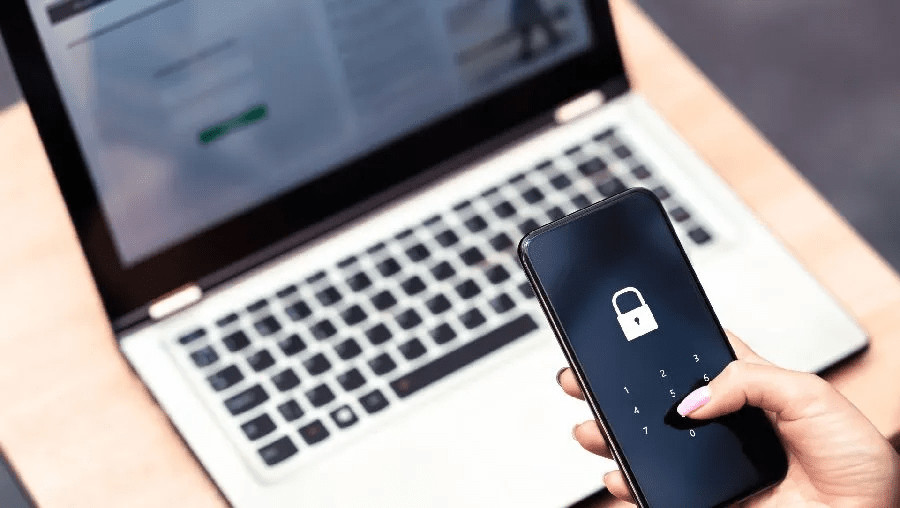
Strong security protocols for wallets suggest that every wallet use a completely separate and sophisticated password.
Such passwords can be generated and stored through password managers. This will help safeguard your wallet from unauthorized access and credential-stuffing attacks.
2. You Don’t Enable Two-Factor Authentication
Utilizing a wallet app that does not have two-factor authentication means you are more susceptible to cyber attacks.
Cyber criminals can use a variety of methods, such as phishing or malware, to gain access to your password and breach your wallet.

Implementing two-factor authentication calls for an authentication app or biometrics, adding extra steps to gain access to your app and potentially reducing the likelihood of unauthorized access and account takeovers.
3. You Haven’t Updated Your Wallet App
Keeping your wallet app up to date is critical to ensuring the software is not vulnerable to cyber attacks.

Unpatched app vulnerabilities are exploited by attackers. The best measure to ensure your wallet app remains secure is to enable automatic updates for your wallet app.
4. You Get Your Wallets From Non-Official Sources
Downloading wallet applications from unofficial stores and websites puts your system at risk of downloading fake wallet applications containing malware or spyware.
Criminal wallet application developers create fake wallet applications with the intent of gaining access to your private keys and recovery phrases.

You can download wallets from developer websites or from officially assigned marketplaces to fully trust the market.
The developer information and review digital signatures help you steer clear of counterfeit wallet applications and phishing wallets with the intent of affecting users by using different strategies.
5. Your Recovery Phrase Goes Online
Cloud storage services, email drafts, images, and messages can create plenty of security risks if you choose to send your recovery phrase through them.
Your recovery phrase will be easily accessed, and your wallet is at risk. To reduce this risk, store your recovery phrase offline and your storage mechanism.

On your storage backup, recovery phrases fit nicely, and you lose the ability to access your wallet for restoration online. Thin metal sheets and notes are great examples of physical storage.
6. You Click Unfamiliar Crypto Links
You can be a recipient of phishing scams if you click links to wallets and other crypto-related offers. Click the wrong link, and you could be staring at a fake page, wait for it, a fake page pretending to be a real page to steal your wallet credentials.

There is a high chance of your wallet credentials being stolen through fake phishing links, so people who do not have wallets verify their credentials by checking the domains of the websites they visit.
Phishing scams are a targeted way to deter digital assets and software wallets, and to combat this, users need to use a combination of the remaining offerings that the crypto industry provides and a few other available security extensions.
7. Your Device Is Infected By Malware Or Has Risky Applications.
There is increasing concern over the malware affecting devices that can observe keystrokes, take screenshots, and even steal a user’s crypto wallet files.
Using pirated software, dodgy browser extensions, and questionable mobile apps exponentially increases the likelihood of infecting your device.

Conducting regular anti-virus scans, removing dangerous apps, and increasing the overall peace of mind for your wallet can help.
Stronger isolation from malware that specifically targets crypto holders and online financial information is provided by dedicated crypto devices or additional computers used solely for wallet management.
8. Using Public Wi-Fi In The Transaction Of Your Wallet
Public Wi-Fi can be found in many places. In locations that are highly suspected to have very low to no security encryption, wired connections may easily be used to carry out advanced persistent threats to wallet services.
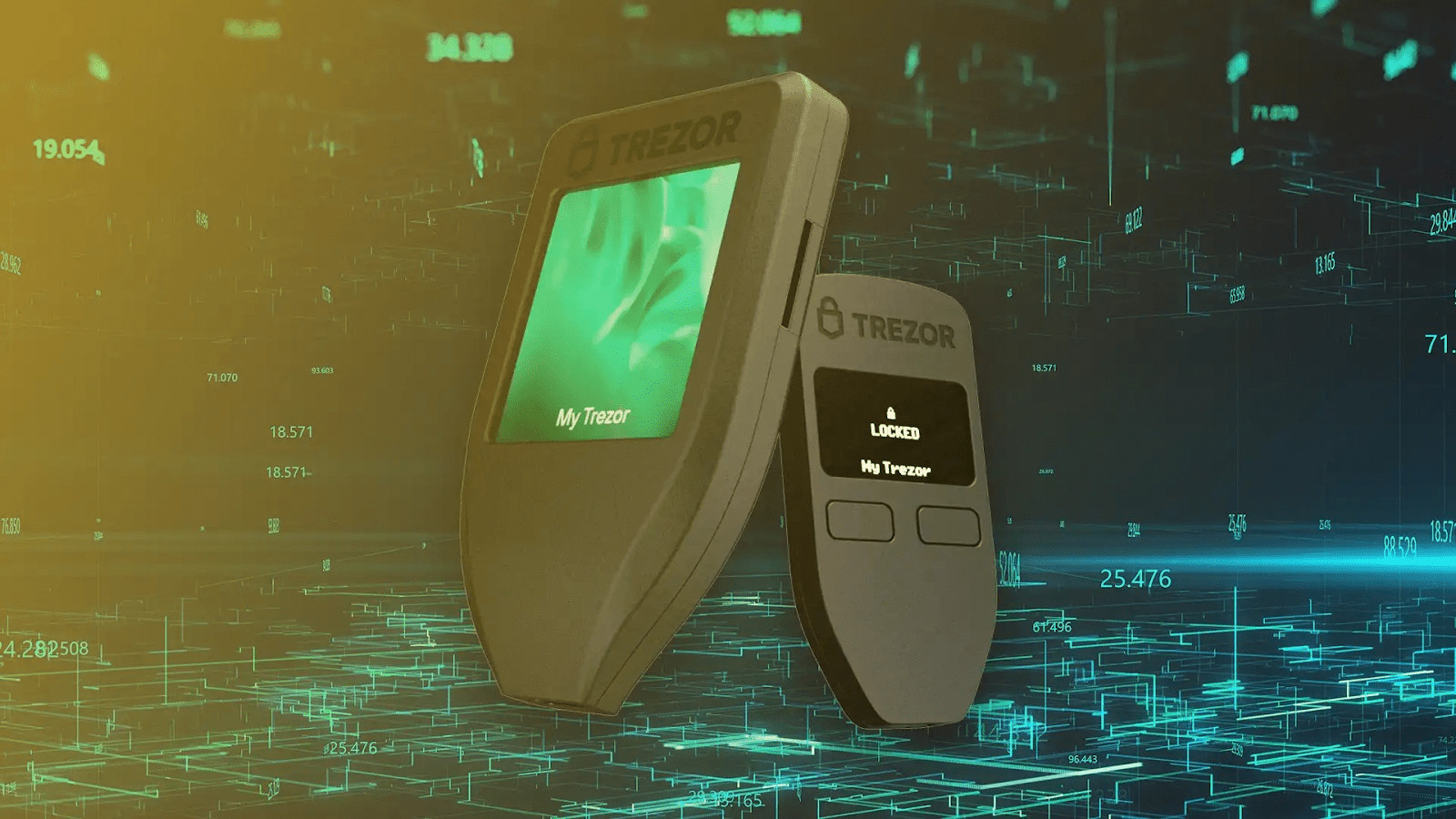
There are many things that can be done, such as setting up an authorized VPN or not attempting to access your wallet at all on Public Wi-Fi, to drastically improve the probability of a safe and private transaction. If your connection to the internet is secured, likely, your crypto assets are as well.
9. Your Wallet Has Too Much Access To Your Browser.
Security measures should mean that browser-integrated wallets should not be able to access more of your system than is necessary.
The browser-based extensions and wallets can, among a multitude of things, even just access everything you have in order to take away your privacy.
The ability to influence the overall storage area should be as simple as installing a select number of browser-based extensions and then a trusted wallet with all of its security measures.
This is very likely to make your experience a lot more secure while at the same time making your storage systems a lot more user-friendly.
10: You Fail to Acknowledge Security Alerts
Many wallet services send alerts for potentially unsafe activities, including suspicious login attempts and unauthorized device access requests.

Ignoring security notifications will allow an intruder to continue operating undetected. Security notifications allow you to take preventive measures to avoid further unauthorized access.
11: Your Keys are Available to the Public
Change your password and lock your account immediately if you notice any suspicious activity. Early warning signs of attempts to gain unauthorized access to your software wallet can occur rapidly and without provocation.
When you share your private key, wallet security is fully compromised. Your private key controls access to all funds in a wallet.

Scammers employ fake account recovery services or scams to mislead users into disclosing keys. Legitimate wallet services do not ask for your private keys; for a hacker
Your private key is your wallet. Keys should be kept offline and not entered on websites to keep your digital assets secure.
12: You Do Not Practice Good Device Security
Without adequate protection, your device can be easily accessed by those who do not have your consent.
Weak security controls, such as weak passwords or no biometrics and security system storage, make your wallet security even more vulnerable.
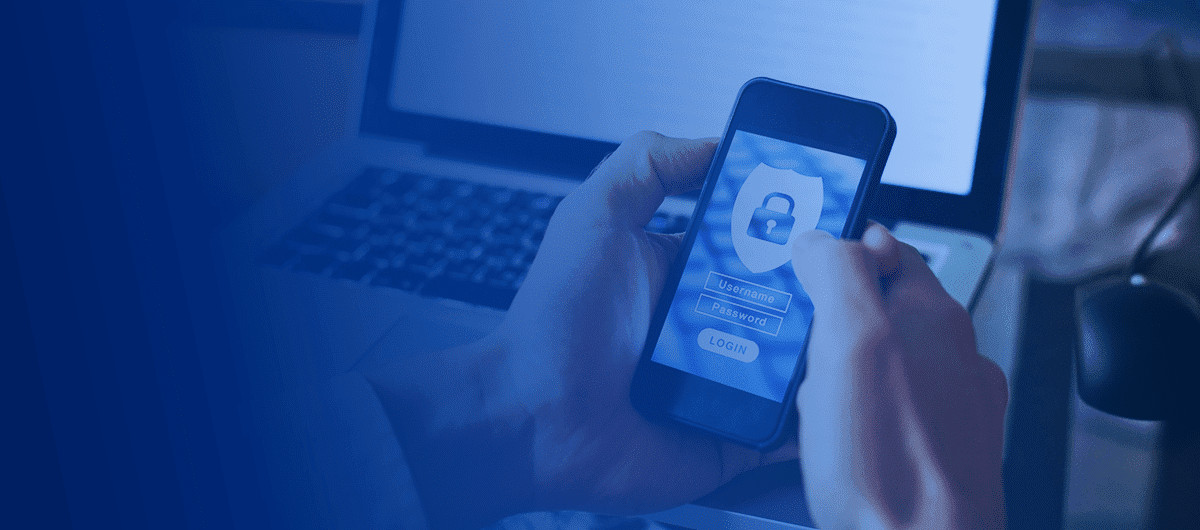
Protection of a device is just as important as the security of the wallet, as intruders can gain access to your files and unsecured storage even if the wallet is safeguarded.
13. Your Wallet Connects To Unknown dApps
Once your software wallet is connected to a decentralized application, it can be dangerous since there is no known limit to the permissions the dApp can request.
Scam dApps can trick users into granting them allowances to take tokens from the wallet, or to approve bogus transactions.

Your wallet’s permissions can help prevent unapproved withdrawals more smartly and thoroughly.
Trusted blockchain explorers and wallet permission management tools can help wallet users to identify and revoke dangerous contract approvals online, quickly and safely.
14. You Never Back Up Wallet Data Securely
If a wallet data backup is not made, a user can lose their wallet forever if the storage device is damaged or stolen, or the data is deleted.
Digital backups may also provide a hacker with an easy way to access the backups and take the wallet.

The best way to protect the data is to create multiple backups, store them in a secure place, and encrypt them.
This makes the data less accessible to a possible attacker and secures the credentials. It also protects further access to the wallet before it is backed up.
15. You Trust Every Crypto Giveaway Or Message
Pretending to be a wallet, influencer, or exchange support is a common way for hackers to send messages or divert user attention to fake giveaways.

These messages will prompt the user to grant them seed phrases. Legitimate crypto companies do not send users prompts to provide funds for giveaways, nor do they ask users to approve transactions.
Verifying messages via legitimate avenues and warning against giveaway offers will prevent social engineering theft and financial theft.
How We Choose Signs Your Software Wallet Is Vulnerable To Hackers
- Investigated common security vulnerabilities in software wallets, most exploited by today’s cybercriminals.
- Analyzing actual phishing attacks on software wallet users and cryptocurrency investors.
- Reviewed strategies used by cybercriminals to steal private keys and recovery phrases from wallets.
- Included security vulnerabilities that result from inadequate passwords and the absence of two-factor authentication.
- Analyzed the risks that result from outdated wallet software and unpatched vulnerabilities.
- Analyzed insufficient browsing practices resulting in exposure to phishing crypto websites.
- Investigated the risks associated with using public Wi-Fi for cryptocurrency and other wallet transaction logins.
- Selected signs of vulnerable software wallets based on recommendations of cybersecurity experts.
Conclusion
Conclusion: The security of a software wallet ultimately depends on a user’s device security practices and how user funds are stored.
If a user continues to ignore small warning signs, it can lead to loss of funds, loss of access to accounts, and permanent loss of cryptocurrency.
If users are aware of these 15 warning signs and alter their security practices, they will minimize the risk of hacking and losing control of their digital assets, especially in today’s world of cryptocurrency, where the threat keeps on increasing.
FAQ
Is two-factor authentication important for crypto wallets?
Yes, two-factor authentication adds extra security and prevents unauthorized access using stolen passwords.
Can hackers steal crypto through fake wallet apps?
Yes, fake wallet applications can secretly steal private keys, passwords, and recovery phrases instantly.
Why should recovery phrases stay offline?
Offline storage prevents hackers from accessing seed phrases through cloud breaches or malware infections.
Are public Wi-Fi networks dangerous for crypto transactions?
Yes, public networks can expose sensitive wallet information to hackers monitoring insecure internet connections.