In this article I will talk about the Ways AI Is Changing Video and Image Creation With Examples and how the artificial intelligence is transforming the industry of creativity in such a powerful way. From text to images and video to generating specific types of art from simple keywords
To taking far-fetched old photos with a new background or producing 3D elements using a single model, AI is always on its way toward making visual content production the easiest and fastest it has ever been.
This has empowered designers, marketers and creators to create high quality images without advanced coding skills or expensive tools.
Key Points & Ways AI Is Changing Video and Image Creation With Examples
| Ways | Explanation (15 words each) |
|---|---|
| Text-to-image generation | AI converts text prompts into detailed images like landscapes portraits and fantasy scenes instantly accurately |
| Text-to-video generation | AI creates videos from text descriptions enabling storytelling marketing and animation production automatically at scale |
| Style transfer | AI applies artistic styles like Van Gogh or anime to existing images seamlessly in seconds |
| Background removal | AI automatically removes backgrounds from images for e-commerce design and social media use instantly quickly |
| Image upscaling | AI enhances low-resolution images into high-quality versions without losing detail or clarity improves professional quality |
| Face swapping | AI swaps faces in photos or videos for entertainment film editing and creative content creation |
| Motion tracking | AI tracks moving objects in video for effects gaming and augmented reality applications professional use |
| Color grading automation | AI automatically adjusts color tones in videos for cinematic quality and visual consistency enhanced output |
| Generative fill | AI fills missing parts of images intelligently for restoration and creative editing tasks with precision |
| AI avatars | AI generates realistic avatars for games virtual meetings and digital influencers online with personalization features |
| Script-to-video | AI converts written scripts into complete videos with visuals narration and transitions automatically in minutes |
| Image inpainting | AI reconstructs missing or damaged image areas for restoration and photo enhancement high quality output |
| Auto thumbnail creation | AI designs engaging video thumbnails optimized for clicks and viewer engagement social media growth boost |
| Lip sync AI | AI synchronizes lip movements with audio for dubbing and multilingual video creation real time accuracy |
| 3D model generation | AI creates 3D models from images or text for gaming and animation workflows advanced design |
| Video summarization | AI summarizes long videos into short clips highlighting key moments efficiently and faster content learning |
| Object removal | AI removes unwanted objects from images seamlessly for clean professional results in modern editing workflow |
| Real-time rendering enhancement | AI improves rendering speed and quality in real-time for video production pipelines advanced graphics boost |
18 Ways AI Is Changing Video and Image Creation With Examples
1. Text-to-image generation
AI models that convert text into realistic or artistic images based on written descriptions are known as Text-to-image generation.
So a user enters “a futuristic city at sunset” and, immediately AI generates the picture which fits that concept.

Famous examples include DALL·E and Midjourney. It is a common medium in advertising, concept art and game design.
Time-saving for designers, no more manual drawing is required and it allows ordinary people to develop high-quality visual content without professional art skills or expensive software.
2. Text-to-video generation
Text-to-video generation is when AI is able to generate complete animated or photorealistic video from a written prompt For example if one types in, “a spaceship flying over Mars,” it’ll create an extremely short cinematic clip on its own.
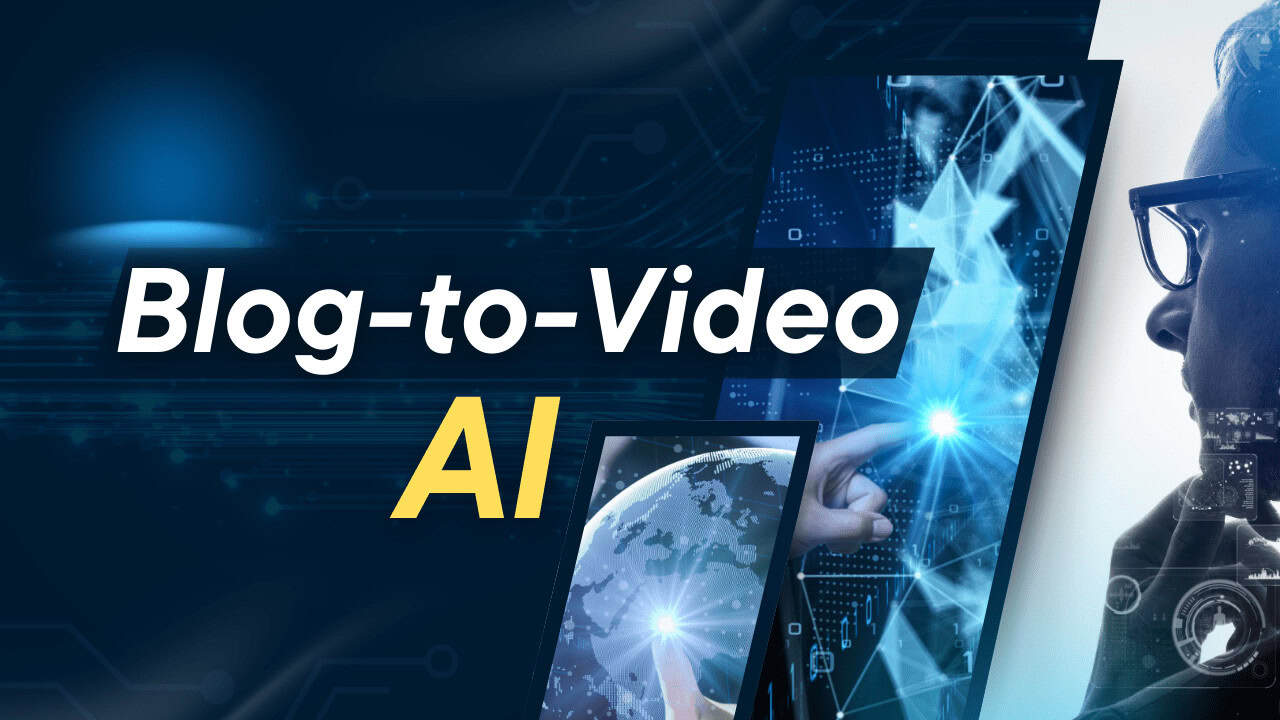
This is evidenced by platforms such as Runway and Pika Labs. It has been making a huge difference in filmmaking, marketing and education by reducing the production cost and time.
Users can create scenes virtually instead of shooting with cameras and crews. This technology democratizes video production for novices while amping up speed to content creation for the seasoned pro — by a factor of days in many cases today.
3. Style transfer
This involves using artificial intelligence that applies the stylistic elements of one (the source) image onto another (the target).
E.g. an ordinary image can be changed into a Van Gogh or Picasso style painting This feature was then made all the more popular by Apps like Prisma.

Now stil used a lot in digital art, social media content and advertisements. There are multiple styles that designers can play with in a short time.
This technology has opened up the doors for creativity without requiring any manual editing skills to make an ordinary image look fantastic, artistic and even designed in a professional way within seconds
4. Background removal
Background Remover: Automatic separation of object from background using AI For instance, as soon an e-commerce seller needs to isolate a product it can be done instantly without any manual work.

Tools like Remove. bg enable this task in a fast and correct manner. The same occurs in online stores, photography, and marketing materials. Users get clean cutouts in seconds without complicated software like Photoshop.
This makes production more efficient and lowers editing expenses while making the visual content to be advertisement, thumbnail & social media post-ready right off the bat.
5. Image upscaling
AI based image upscaling will take low resolution images and create high definition versions. Take old blurry pictures and convert them into sharp, crisp images. Enter Topaz AI and other tools that enhance quality while retaining all details.
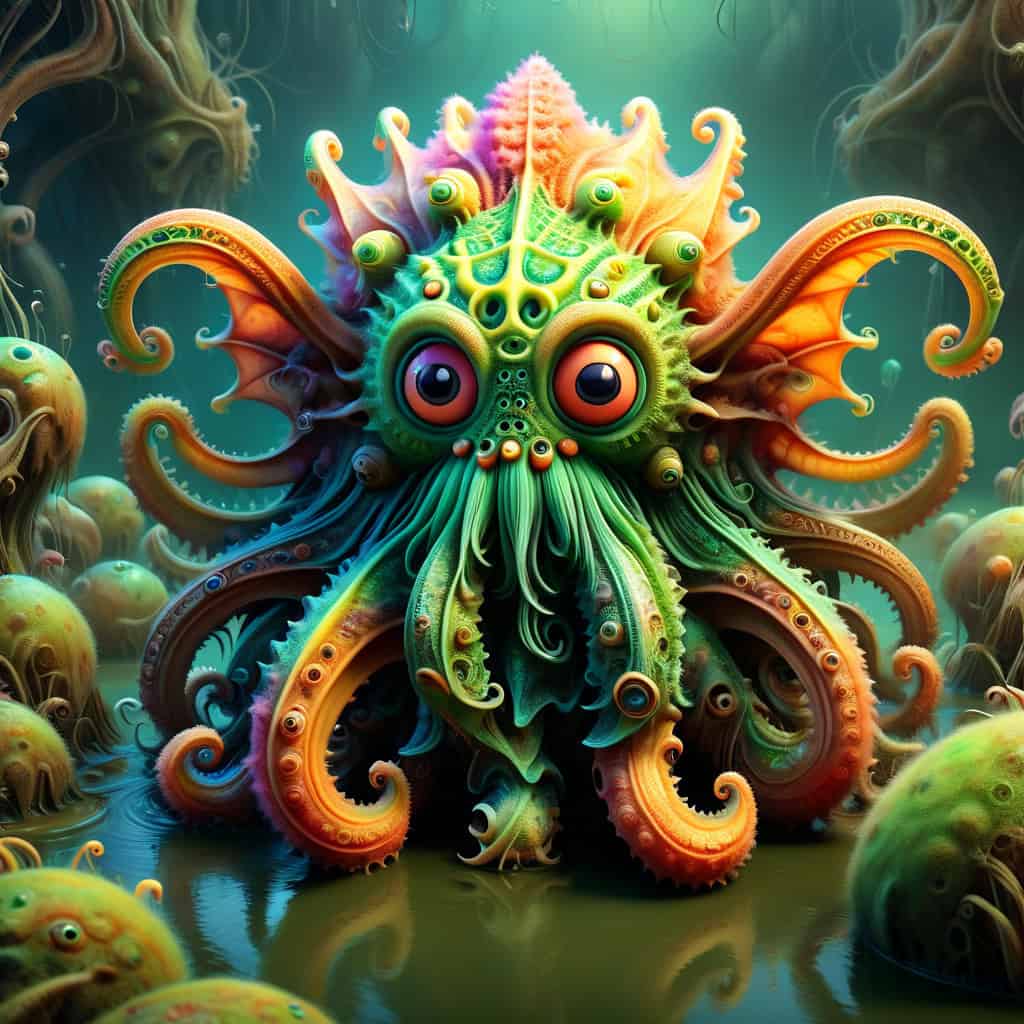
This is particularly useful in photography restoration, media production, and printing industries. AI intelligently fills in the gaps instead of pixelating images.
Whether for slightly producing meaningful presentations, marketing or personal relinquishment materials, it allows professionals and individuals to renew creaky memories with modern clarity and precision effectively.
6. Face swapping
Image or video face swapping AI realistically swaps faces from one person in an image or video to another. It can even put someone face onto a movie character.
This is evidenced by apps such as Reface. Used in your entertainment, memes, making movies & creative content. The tech studies the face, facial features and even lighting to produce realistic visual viagras.

It is also used in film production for stunt doubles and visual effects you could say its the kinda fun for social! reducing production costs, While raising creativity to monstrous levels.
7. Motion tracking
Motion tracking AI identifies moving objects or people in videos to place effects or make edits. In a video for example, text or graphical content can be attached to any moving object like a car.
Technologies that are used in software like Adobe After Effects. Significant in filmmaking, gaming and augmented reality.
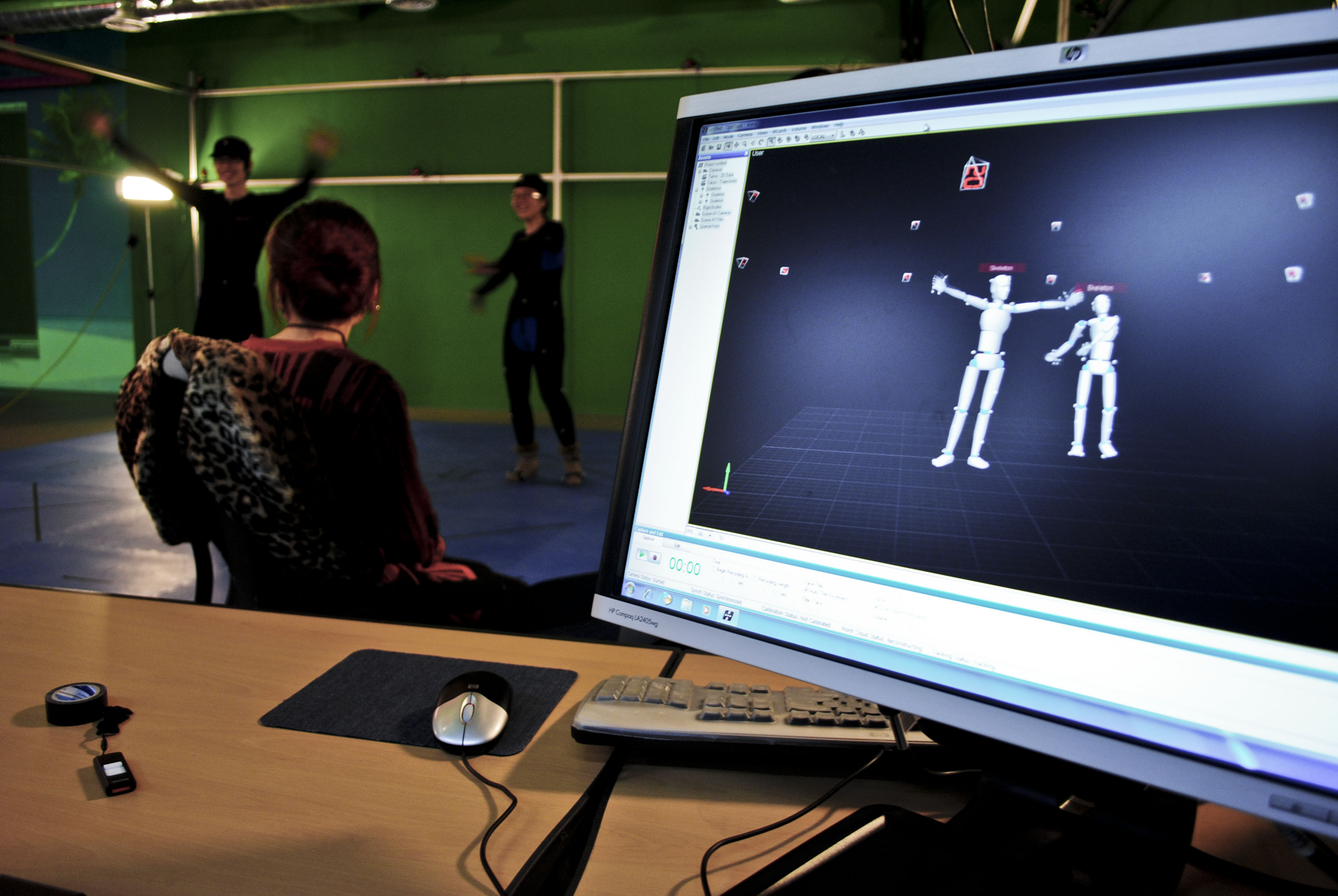
Motion tracking: this keeps effects lined up with movement It opens avenues in visual storytelling, special effects and immersive experiences with accurate designs, and realism in advertising visuals, sports broadcast, and virtual worlds.
8. Color grading automation
AI-driven color grading automatically adjusts the brightness, contrast and tones in clips to deliver a cinematic appearance.
A gloomy video can actually adjusted right into a cozy, Cinematic professional film style. AI-assisted grading exists in tools such as Adobe Premiere Pro.
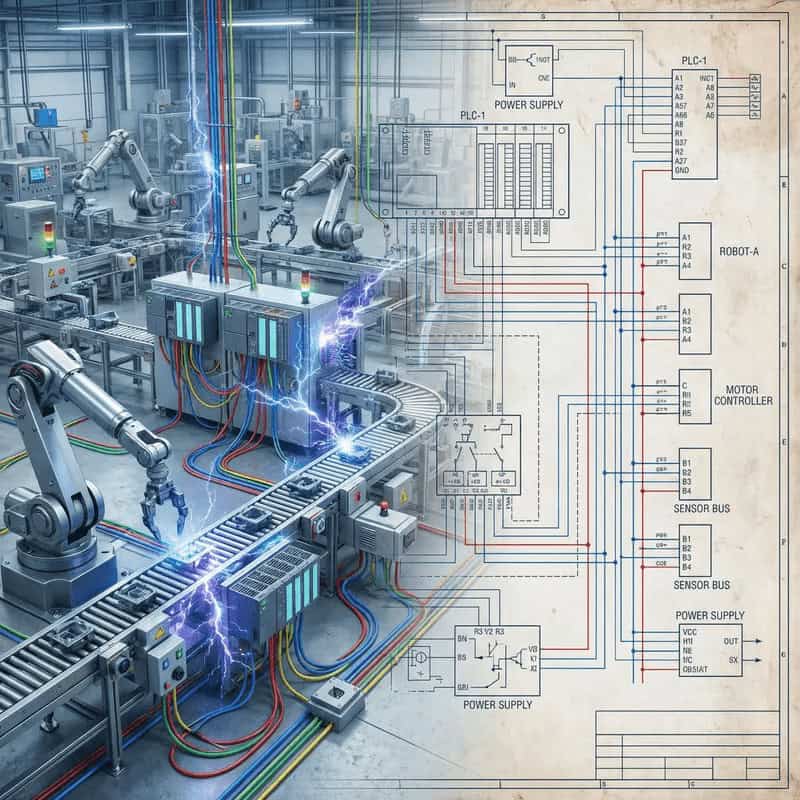
It is extensively used in movie making, YouTube content and advertisement. It saves editors time who used to change colors manually.
AI keeps visual continuity between scenes, establishes mood and helps the storytelling process to create more visually appealing and entertaining videos almost automatically.
9. Generative fill
AI guided generative fill guessing what is missing or undesired in an image So if you take out a person in the photo there is left with AI to impersonate the background correctly.
This is illustrated, for instance, by AI features in Adobe Photoshop. The software is used in photography editing, design, and restoration.
Which, instead of manual cloning as you do now, AI predicts textures, shadows and wallpaper plist backgrounds.
This saves time, and increases accuracy. It allows designers to creatively edit images expand backgrounds fix imperfections without sacrificing realism and accurate high-quality visual output.
10. AI avatars
AI avatars are virtual characters created using AI that mimic real people. For example, users can create virtual presenters for videos or meetings and edit them.
Synthesia offers realistic avatars who talk. These are used in education, corporate training, gaming, social media. Your AI avatar can speak and imitate expressions.

Thus, no need for real actors in the videos. This not only helps businesses produce content at scale quicker, but also serves as a source of transforming personalized and engaging digital communication experiences worldwide today.
11. Script-to-video
Script to Video AI, which with no manual effort can convert a text script into complete videos. A marketing script can become a full-fledged promotional video complete with visuals, narration, and animations.
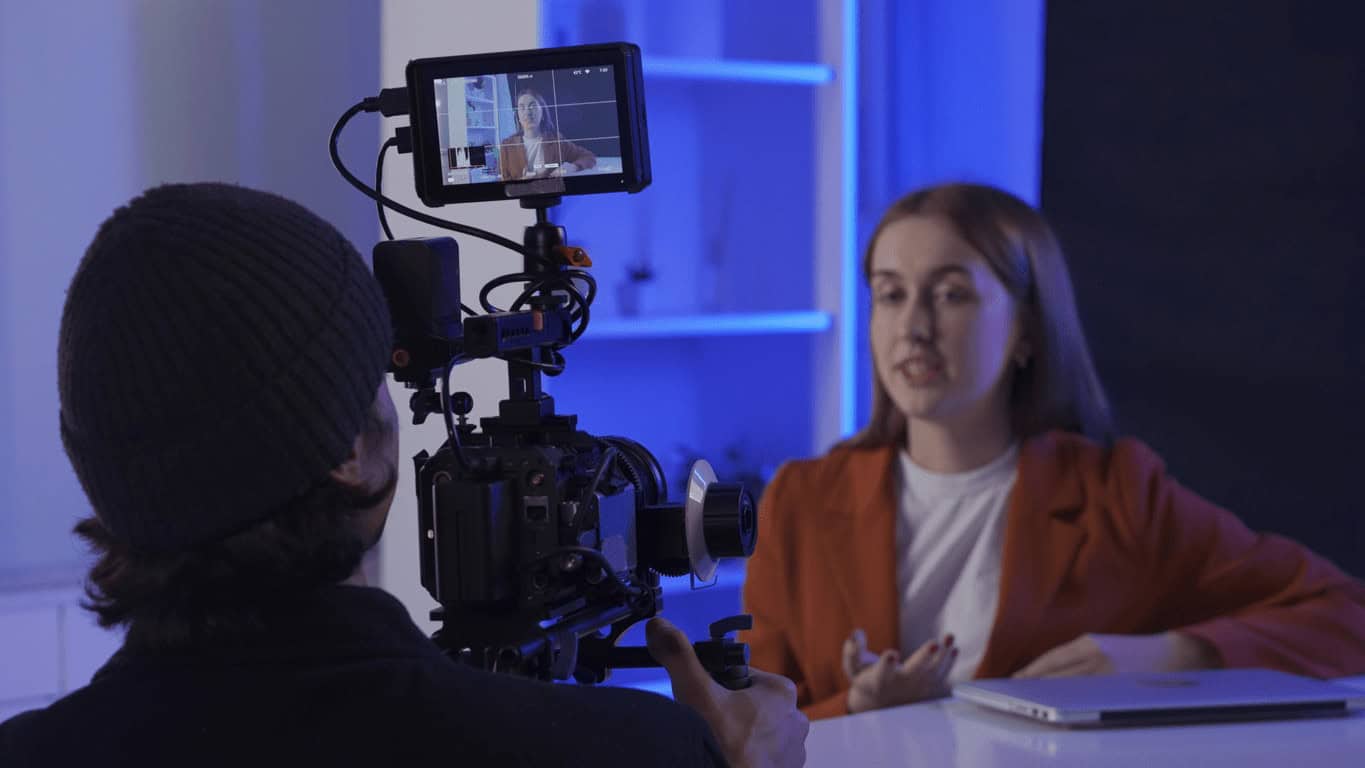
This feature is supported in tools like Pictory and InVideo. This is widely used in content creation, education, and business promotions. No editors were hired for this; users just put in text.
AI picks original visuals, voice oversight and scene cutting. This enables to get the video done at a higher speed, lower cost and automate it for non-experts to produce professional quality videos in simple streamlined steps.
12. Image inpainting
AI is used in image inpainting for completing the missing or damaged part of a photo. Old damaged photographs can be restored smoothly.
It examines neighboring pixels to produce realistic substitutes. An example of such technology can be found in content-aware fill, a tool from Photoshop.
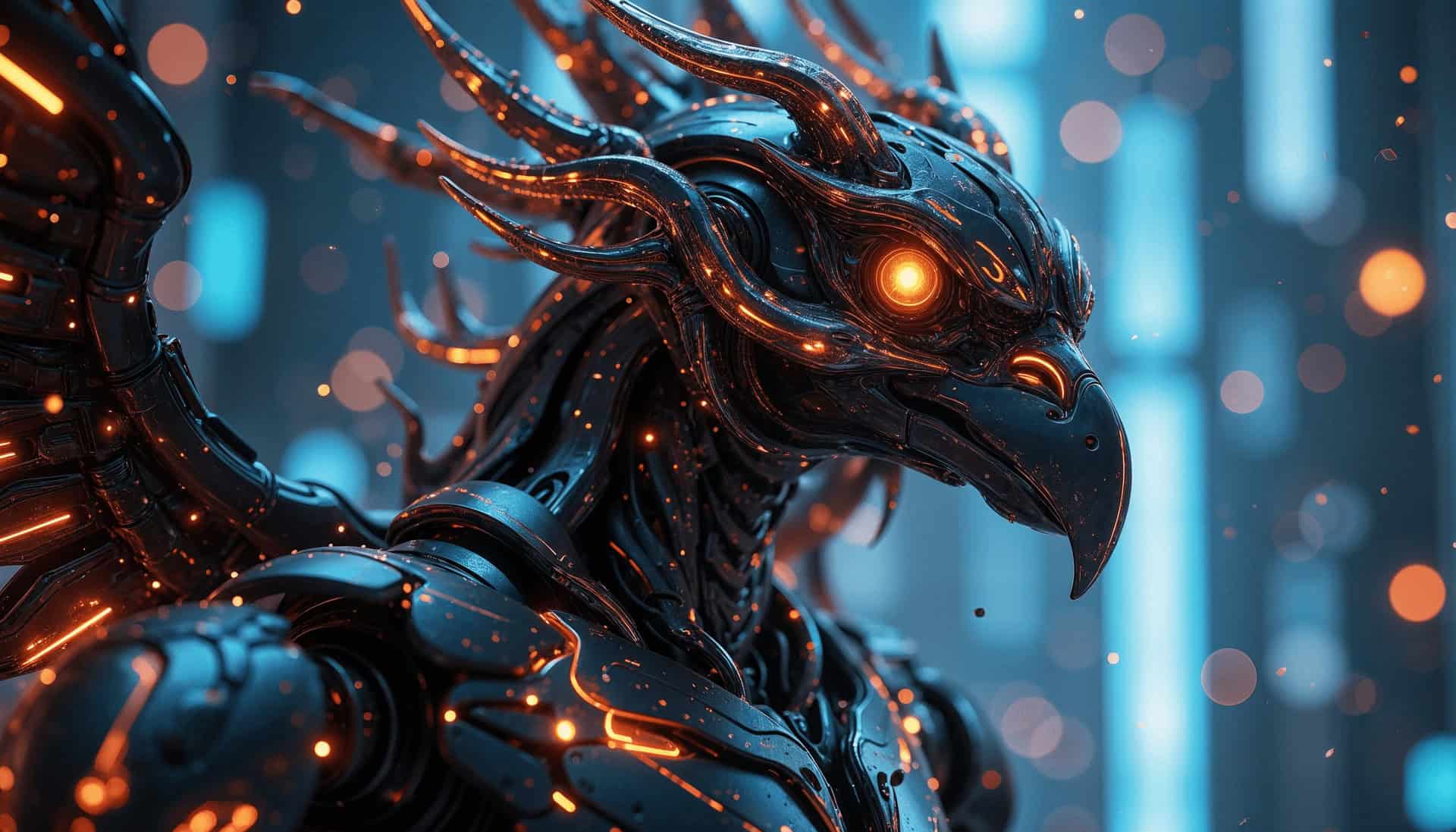
Its very popular in restoring photo, correcting art work etc. Rather than painstaking deletion, AI fills all gaps automatically with trustworthy textures and details.
This way, your memories are preserved, the visual quality is maintained and for professionals it saves time to fix complex image problems accurately!
13. Auto thumbnail creation
Your ThumbnailSome AI automatically picks the certain key-frames of your video and adds some text or design elements to make it look catchy.
Pro Tips: YouTube creators use AI tools to create eye-catching thumbnails. It is important to boost video views and engagement.
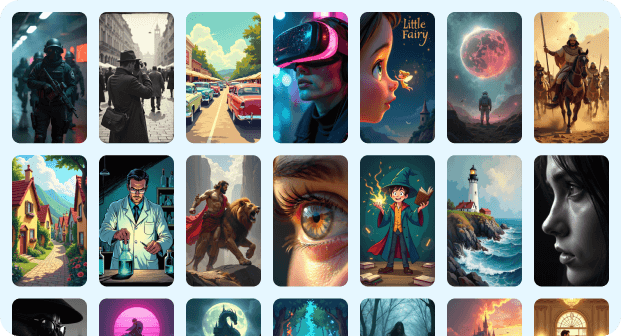
This procedure is aided by platforms such as Canva AI. Rather than going through design work manually, AI looks at what makes videos interesting and beautiful.
It helps creators reach a larger audience quickly and with less time spent on marketing because content is consistently branded, which leads to better performance in terms of marketing.
14. Lip sync AI
Lip sync AI syncs a speaker’s lip movements to the audio or translated speech. A video can be translated to another language with lips synced naturally.
The Deepfake, Synthesia and other similar tools are based on this technology. Its usage is prevalent for film dubbing, education and global marketing.
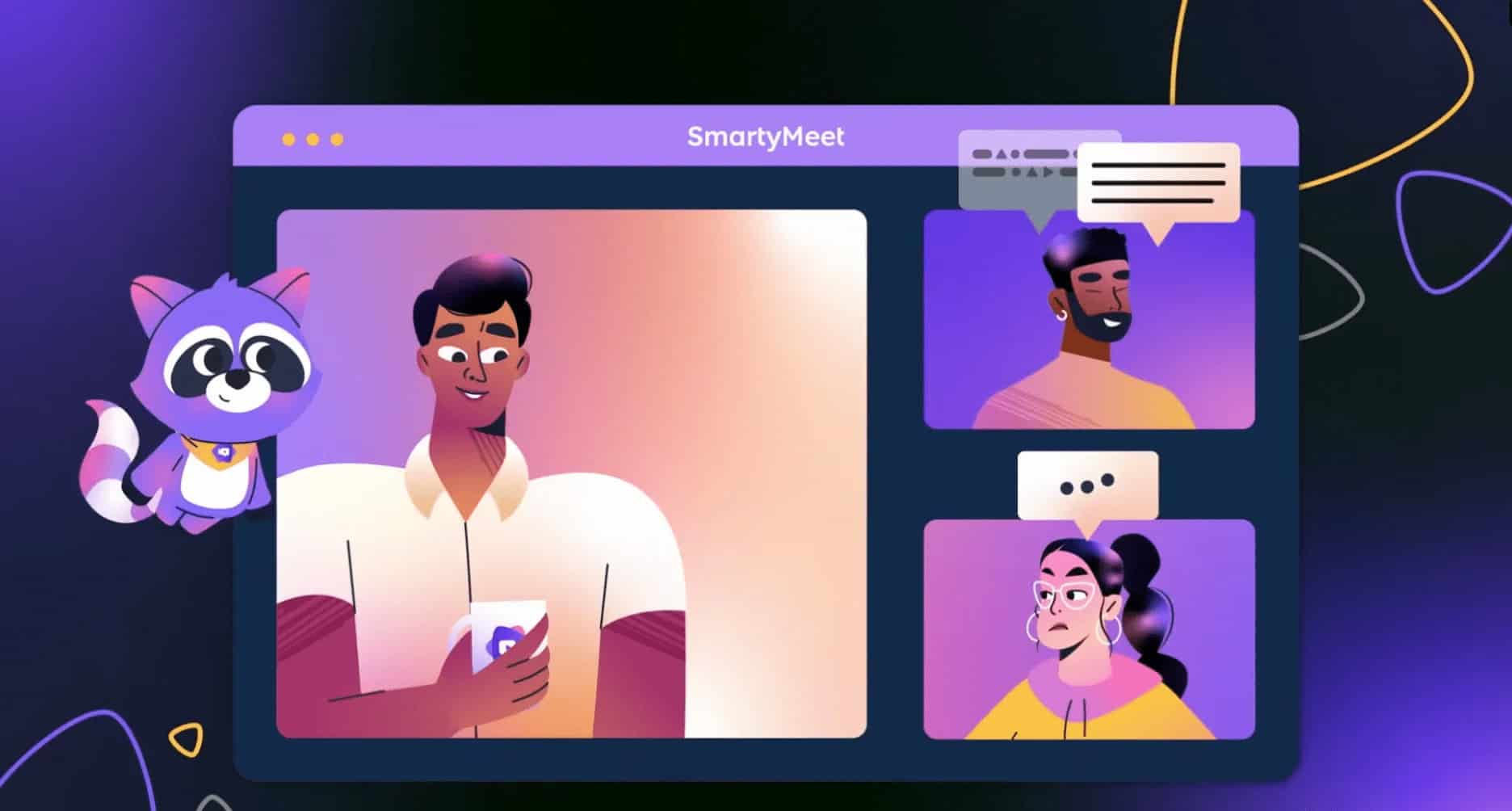
So there is no need to reshoot the videos. This facilitates localization, enhances the experience of viewers and makes multilingual content appear more natural thus helping creators find global audiences with effective expression aligned to their voices.
15. 3D model generation
AI converts images or text descriptions in to 3D models. A medieval castle typed can create an entire 3D structure, for instance. It is this, among other tools such as NVIDIA and Kaedim which make that possible.
Used often, for gaming, animation architecture & product design. AI accelerates creation process instead of growing products with manual modeling.

Designers are able to quickly prototype ideas, see what environments look like and build photorealistic assets.
That minimises the time for development, increases creativity, and provides immediacy to create engaging digital experience and virtual worlds, today.
16. Video summarization
Video Summarisation AI extracts spotlight all important moments from long videos and creates short highlights. A one hour lecture can be summarised to a 5 min.
This is where you can use tools such as Wisecut and YouTube AI features. Education, sports, and business meetings are some of the areas where it is utilized.
Allowing users to quickly access vital information rather than having them watch whole videos. This eliminates time wasted, reduces productivity losses and ensures content is stronger by making it fast, more efficient and easier to handle in everyday media consumption or learning.
17. Object removal
AI Object Removal removes the unwanted objects from images or videos seamlessly. Like, if you remove tourists from a photo of the beach, then you get a smiling background.
This is performed well by tools such as Adobe Photoshop AI. Commonly used for photography, filmmaking, and advertising.
AI, which fills gaps realistically rather than through complex manual editing Improves visuals, improves composition and allows builders to refine their creations in no time at all.
Not only does it save time but the results will look professional without having any extensive editing knowledge or experience.
18. Real-time rendering enhancement
AI-based Real-Time Rendering Enhancement, which improves the quality of graphics instantly while rendering video or games. Games, e.g., look more realistic and smoother without high-demand hardware.
NVIDIA DLSS is a key example. Used in so many industries, IoT specifically gaming, VR and animatronics departments.
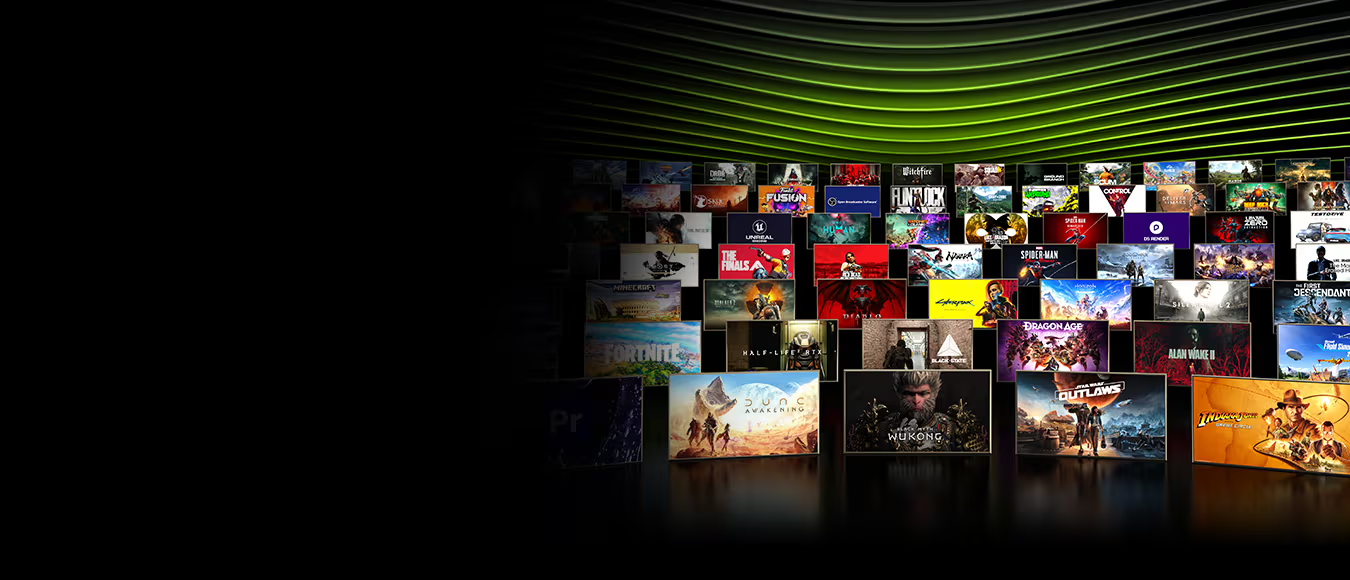
Steps of enhancing the frames AI Seeking out missing pixels. Which means reduce lag, improved performance and cinematic quality visuals in real-time.
It enables developers to deliver extremely authentic experiences while not compromising on speed or power of any system.
Conclusion
As said before, AI is changing the way video and image is created by making it faster, smarter, and more accessible to produce content.
Examples of these technologies range from text-to-image, and text-to-video, to background removal, style transfer, and 3D modelling; all designed to improve productivity and unleash creativity.
As AI keeps maturing, it will make it easier for creators to make great images with lower effort and improved efficiency across industries.
FAQ
How is AI used in image creation today?
AI generates images from text prompts. For example, tools like Midjourney can create artwork from simple descriptions instantly.
What is text-to-video generation?
It converts written ideas into videos. For example, a script about space travel becomes a short animated clip automatically.
What is style transfer in AI?
It applies artistic styles to images. For example, a photo can look like a Van Gogh painting using AI filters.
How does script-to-video work?
It turns text into full videos. For example, a blog post becomes a narrated video with visuals and animations.