
This article presents AI search optimization practices for eCommerce and business websites with the aim of enhancing brand engagement, visibility, and conversions.
AI search practices are now an integral part of determining rankings and impacting user experience and growth.
Knowledge and understanding of optimization techniques, search-through-conversation, structured content, and performance advancements can help eCommerce businesses draw in customers while growing business operations.
10 Best AI Search Optimization Practices for Ecommerce and Business Websites
- Develop content that genuinely meets your customers’ needs and aligns with their online search behavior.
- Incorporate keywords that enhance AI and voice search, and utilize conversational phrasing to improve AI search relevance.
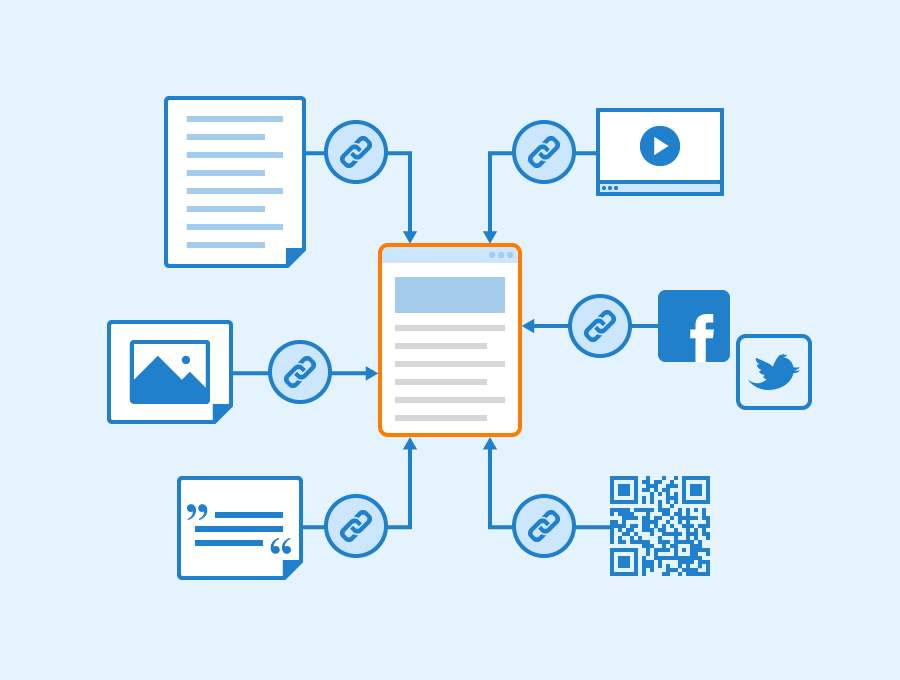
- Establish topical authority by strategically using interlinking content on your page, including blogs, guides, and tutorials.
- Apply structured data markup to assist AI search engines in analyzing your webpage content.
- Enhance your website speed to improve user experience and compete with AI search rankings.
- Craft original product descriptions to improve customer trust and enhance organic search results.
- Focus on improving internal links to enhance your website structure and assist AI crawlers effectively.
- Compete in your search environment by implementing signals of Experience, Expertise, Authoritativeness, and Trustworthiness.
- Engage your customers by assuring your webpage is built for mobile and voice search.
- To sustain long-term AI performance, effectively refresh your content to enhance relevance and sustain purpose.
10 Best AI Search Optimization Practices for Ecommerce and Business Websites
1. Create Intent-Focused Content
AI-enhanced search engines have shifted their focus to user intent instead of keyword density. Therefore, e-commerce and business websites utilize helpful content to address client inquiries in product pages, blogs, FAQs, guides, etc.
AI search engines highly reward efforts made to understand and solve informational, transactional, and navigational user intent.
Publishing content that informs, motivates, and prompts customers to act and ultimately buy helps improve search ability.

This intent-focused optimization strategy increases user engagement and improves dwell time, in addition to significantly reducing bounce rates.
Moreover, this optimization strategy improves search engines’ AI rank for the webpage. The long-term growth of the e-commerce business is achieved through increased customer conversion rates and the establishment of brand trust.
| Feature | Explanation |
|---|---|
| Customer Question Targeting | Answers real customer problems using informative blogs, guides, and FAQs naturally online. |
| Better Search Relevance | Matches informational, transactional, and navigational search intent accurately for stronger visibility online. |
| Improved User Engagement | Keeps visitors engaged longer through valuable and customer-focused website content consistently online. |
| Reduced Bounce Rates | Relevant content encourages users to explore additional pages instead leaving immediately online. |
| Higher Conversion Potential | Intent-driven content improves trust, leading customers toward purchasing decisions successfully online. |
2. Optimize for Conversational Keywords
AI search tools have gotten much better at situational and conversational searches. Therefore, e-commerce sites need to optimize pages using long tail keywords, phrase-based questions, and everyday customer language.
As voice searches become increasingly popular (i.e., best budget gaming laptop online, affordable accounting software for startups), e-commerce sites need to employ conversational headings, detailed answers, and helpful FAQs.

This not only improves AI-generated relative searches, but it also improves site-targeted traffic and engagement, as well as the business’s rank across AI-driven search tools and intelligent digital assistants.
| Feature | Explanation |
|---|---|
| Natural Language Optimization | Uses everyday customer language matching AI-powered search behavior effectively across digital platforms. |
| Voice Search Improvement | Supports voice assistant searches using conversational and long-tail keyword phrases naturally online. |
| Question-Based Content | Includes FAQs and question headings improving relevance within AI-generated search summaries efficiently. |
| Better Audience Targeting | Attracts highly relevant visitors searching detailed and specific product-related information online consistently. |
| Enhanced User Experience | Conversational content feels readable, engaging, and easier for customers to understand information quickly. |
3. Develop Comprehensive Topic Authority
Search engines value domain knowledge and authority in specific areas. Vendors can demonstrate authority by creating linked, comprehensive content covering tutorials, comparisons, guides, trends, and case studies.
Topic clusters, supplemented by internal linking, help search engines and users navigate site content.
Publishing organized, focused material builds credibility for the site, improves visibility, and maintains ranking for searches.

The authority for buyer guides, sells products, and supports ecommerce website goals by gaining consumer trust and increasing site visits from repeat consumers.
Long-term business goals can be achieved with improved ranking for AI search context and opportunities.
| Feature | Explanation |
|---|---|
| Industry Expertise Building | Demonstrates deep knowledge through guides, tutorials, comparisons, and informative niche-focused articles consistently. |
| Topic Cluster Strategy | Connects related content improving website structure and AI search understanding effectively online today. |
| Increased Organic Visibility | Authoritative websites rank higher within AI-generated search recommendations and summaries consistently online. |
| Higher Customer Trust | Valuable educational content builds credibility and encourages repeat website visitors naturally online. |
| Long-Term SEO Growth | Consistent publishing strengthens authority and supports sustainable business visibility online successfully over time. |
4. Adopt Structured Data Markup
Using structured data improves ecommerce content and assists AI search engines. Applicable schema markup includes structured data for products, FAQs, reviews, breadcrumbs, organizations, and pricing.

Better search results include rich snippets, ratings, and availability. AI search engines depend on structured data.
The correct use of schema markup means better clicks, visibility, consumer trust, and supporting ecommerce sites with improved structural AI search engine results.
| Feature | Explanation |
|---|---|
| Better Content Understanding | Helps AI search engines interpret website information accurately using schema markup implementation effectively. |
| Rich Snippet Enhancement | Displays ratings, prices, reviews, and availability details directly within search results visually. |
| Improved Click-Through Rates | Enhanced search appearances attract more users clicking ecommerce website listings consistently online. |
| Stronger Search Visibility | Structured information improves opportunities appearing within AI-generated search recommendations efficiently online. |
| Enhanced Customer Trust | Rich search results provide a professional appearance, increasing customer confidence significantly online today. |
5. Improve Your Website’s Loading Speed
Speed is one of the most significant factors influencing AI-based search rankings as well as the user experience on a website.
Slow loading times for eCommerce sites will cause high bounce rates, low engagement, and low conversions. Images should be optimized, scripting should be minimized, and browser caching should be done.

Reliable hosting should be used. Sites should be designed for quick rendering and mobile. Faster sites improve Customer Satisfaction (CSAT) and increase usability; they also improve indexing efficiency for search bots.
Visitors will stay on sites longer, reducing bounce rates by improving organic search visibility. Higher performance sites improve the likelihood of product purchases and business growth.
| Feature | Explanation |
|---|---|
| Faster User Experience | Quick-loading websites improve customer satisfaction and browsing experiences significantly across devices online. |
| Reduced Bounce Rates | Visitors remain longer on websites loading efficiently without frustrating delays consistently online today. |
| Better Mobile Performance | Optimized speed supports smoother browsing experiences on smartphones and tablets effectively online. |
| Improved Search Rankings | AI-powered search engines prioritize fast-performing and user-friendly websites consistently within rankings online. |
| Higher Conversion Opportunities | Faster websites encourage visitors completing purchases and exploring products successfully online consistently. |
6. Optimize Your Product Descriptions
The best way for eCommerce to differentiate itself in the AI-based search world is to have unique product descriptions.
Duplicate manufacturer content should be avoided because most AI-based search prioritizes original content.
When explaining products, features, benefits, specifications, suggested use cases, and the value to the customer should be described.
Content should be in a conversational tone and should include answers to post-purchase concerns. All of these will improve engagement.
Well-optimized descriptions will strengthen search engine trust, increase conversion rates, improve organic visibility, and customer confidence. All of these factors combined will enhance long-term eCommerce growth.
| Feature | Explanation |
|---|---|
| Improved Website Structure | Internal links help AI search systems understand website hierarchy and relationships effectively online. |
| Better Crawlability | Search engine crawlers discover and index important pages more efficiently through internal linking. |
| Increased Page Authority | Strategic linking distributes SEO value evenly across website pages consistently online today. |
| Enhanced User Navigation | Visitors easily explore related blogs, products, and categories using helpful internal links. |
| Reduced Bounce Rates | Users continue browsing additional pages instead of leaving websites quickly after arrival online. |
7. Improve the Internal Linking Strategy
AI systems use internal links to figure out website structures and verticals, and which sections are the most important.
It’s important for both Ecommerce websites and business websites to link blogs to product pages, product pages to categories, and product pages to informational resources.

This should be done using the most appropriate anchor text. Internal linking is beneficial because it makes websites easier to navigate, improves crawlability, and leads visitors to the most relevant material.
AI systems recognize linking structures to evaluate website mastery and content relevance. Internal linking is advantageous because it leads to more page visits,
lowers bounce rate, and increases the usability of the website. This strategy benefits SEO and improves search visibility and customer satisfaction.
| Feature | Explanation |
|---|---|
| Stronger Website Credibility | Displays expertise and trustworthiness improving AI-powered search ranking opportunities consistently online today. |
| Better Customer Confidence | Reviews, certifications, and transparent policies encourage visitors trusting ecommerce businesses naturally online. |
| Improved Brand Reputation | Demonstrating expertise strengthens brand authority within competitive digital markets successfully online consistently. |
| Higher Search Visibility | AI systems prioritize trustworthy websites with authentic and reliable information online effectively today. |
| Increased Conversion Potential | Trusted businesses attract more customers and improve purchasing decisions consistently across online platforms. |
8. Prioritize EEAT Signals
Experience, Expertise, Authoritativeness, and Trustworthiness are the cornerstones of ranking Ecommerce websites on many AI systems.
Websites should display their author profiles, company information, certifications, customer reviews, and clearly stated business policies and contact information on the website. Internal links to these pages lead to trust indicators for AI systems.

Strong EEAT signals lead to customer confidence and conversion, and better ranking in search results.
Businesses earn better rankings for informative posts and authentic customer reviews on AI systems, which leads to better Ecommerce growth and brand reputation.
| Feature | Explanation |
|---|---|
| Stronger Website Credibility | Displays expertise and trustworthiness improving AI-powered search ranking opportunities consistently online today. |
| Better Customer Confidence | Reviews, certifications, and transparent policies encourage visitors trusting ecommerce businesses naturally online. |
| Improved Brand Reputation | Demonstrating expertise strengthens brand authority within competitive digital markets successfully online consistently. |
| Higher Search Visibility | AI systems prioritize trustworthy websites with authentic and reliable information online effectively today. |
| Increased Conversion Potential | Trusted businesses attract more customers and improve purchasing decisions consistently across online platforms. |
9. Optimize for Voice and Mobile Search
More users are looking for voice and mobile search functionalities in AI-enhanced digital search technologies.
Therefore, eCommerce and business websites must maintain mobile-friendly structures, responsive designs, and conversational content for consistent high visibility.
Voice search and AI content summary systems respond well to short answers, clearly defined content, and an FAQ section.

Mobile optimization helps the user experience, minimizes abandonment, and increases browsing speed across the system.
Mobile and voice search optimizations increase organic traffic and help strengthen and sustain competitive positions in AI-based search environments.
| Feature | Explanation |
|---|---|
| Mobile-Friendly Experiences | Responsive website designs improve browsing experiences across smartphones and tablets consistently online today. |
| Voice Search Compatibility | Conversational content supports voice assistant searches more effectively across digital platforms online. |
| Faster Mobile Performance | Optimized websites load quickly improving customer satisfaction and reducing abandonment rates online consistently. |
| Better AI Search Visibility | Mobile and voice optimization strengthens rankings within AI-powered search ecosystems effectively online. |
| Wider Audience Reach | Businesses attract mobile users and voice search audiences successfully through optimization strategies. |
10. Continuously Update and Refresh Content
Search engines that use AI look for precise and frequently updated content on eCommerce and business websites.
Therefore, businesses need to frequently update product content and related blogs, statistics, pricing, and all related industry content.
Updating content helps search visibility and customer loyalty and demonstrates content management to AI algorithms.

Content updates show businesses are keeping pace with changing trends, customer preferences, and changing search behaviors.
Keeping content fresh drives traffic, increases user engagement, and builds a competitive advantage with an emphasis on AI-based search and the long-term SEO growth effects it fosters.
Continuously Update and Refresh Content
| Feature | Explanation |
|---|---|
| Improved Content Accuracy | Updated information keeps websites relevant and valuable for customers consistently online today globally. |
| Better Search Rankings | AI-powered search systems favor fresh and regularly maintained website content consistently online today. |
| Increased Customer Trust | Updated blogs and product information improve reliability and customer confidence effectively online today. |
| Adaptation to Trends | Businesses remain competitive by reflecting changing market trends and customer behaviors consistently online. |
| Long-Term SEO Performance | Regular updates strengthen visibility, engagement, and sustainable ecommerce growth successfully over time. |
How We Choose the Best AI Search Optimization Practices for Ecommerce and Business Websites
Search Intent Accuracy – Practices increasing relevance for customer-based AI-centric search experiences.
Voice Search Compatibility – Techniques for search optimization through writing for and listening to voice search.
Content Quality Improvement – Practices that help originality and readability, and increase engagement with web content.
AI Search Visibility – Techniques that increase rankings in AI Search and recommendation-based systems.
Website Performance Impact – Practices that enhance speed and responsiveness, thereby improving online browsing experiences.
User Experience Enhancement – Strategies helping website visitors find and consume content more easily.
SEO Growth Potential – Techniques that increase the likelihood of the business’s visibility online growing organically for years.
Conclsuion
To conclude, the incorporation of optimal AI Search Engine Practices for eCommerce and business websites offers brands the opportunity to improve online visibility and customer engagement with a growing online presence.
Examples such as the use of conversational keywords, structured data, the contribution of EEAT signals, and regular content updates assist business sites in improving rank placement in AI-dominated online search engines.
Businesses that adapt to the search AI practices and trends will attract their target audiences, drive more competitive edge in online conversions, and consolidate their authority in online business ecosystems.
FAQ
What is AI search optimization?
AI search optimization improves website visibility within AI-powered search engines and digital assistants.
How do conversational keywords help AI SEO?
Conversational keywords match natural language searches and improve voice search visibility significantly.
Why is website speed important for AI search?
Fast websites improve user experience, reduce bounce rates, and strengthen AI search rankings.
What is structured data markup?
Structured data helps search engines understand website information using schema markup implementation properly.
How often should website content be updated?
Businesses should update content regularly to maintain freshness, relevance, and search visibility consistently.