This article will cover the leading AI DeFi Platforms. The fusion of AI and DeFi is producing innovative financial solutions that are fast and efficient.
Automation of trading and the enhancement of analytics is accomplished with AI agents, machine learning and blockchain. In this article, the best AI DeFi Platforms that are pioneering in the DeFi space will be discussed.
What Are AI DeFi Platforms?
AI DeFi Platforms integrate AI with DeFi to offer automated financial services on the blockchain. These platforms consider AI algorithms, machine learning, and autonomous agents to optimize trading and investment strategies and manage risks and data.
AI DeFi platforms eliminate many manual processes and facilitate better decision-making to model more sophisticated, quicker, and efficient financial ecosystems within the Web3.
Why Choose AI DeFi Platforms?
- AI-Powered Financial Automation: Solutions that use AI significantly speed up DeFi processes by automating manual transaction tasks.
- Reduced Workload: By using self-driving AI agents, smarter financial decisions are executed automatically.
- Precise Predictions: AI can comb through data with great speed to figure out patterns and/or pinpoint financially lucrative moves.
- Security and Risk Management: With the use of AI systems, the monitoring of transactions and risk detection is performed.
- Worldwide Availability: Every AI DeFi Platform is designed to provide decentralized financial services to users around the globe.
Key Points & Best AI DeFi Platforms
| AI DeFi Platform | Explanation |
|---|---|
| Fetch.ai | Uses autonomous AI agents to optimize decentralized finance tasks and transactions efficiently. |
| SingularityNET | Provides decentralized AI services supporting blockchain-based financial applications and intelligent solutions. |
| Ocean Protocol | Enables secure data sharing for AI models and decentralized finance innovation. |
| Numerai | Uses AI-powered predictions and blockchain incentives for decentralized investment strategies. |
| Bittensor | Creates decentralized machine learning networks rewarding AI model contributors globally. |
| Cortex | Integrates artificial intelligence models into smart contracts and blockchain ecosystems. |
| Autonolas | Builds autonomous AI agents for decentralized applications and financial automation. |
| Alethea AI | Combines AI characters with blockchain technology for decentralized digital economies. |
| iExec | Offers decentralized cloud computing resources for AI and blockchain applications. |
| The Graph | Provides blockchain data indexing powering AI-driven DeFi analytics platforms. |
10 Best AI DeFi Platforms
1. Fetch.ai
Fetch.ai is one of the first AI-powered blockchain protocols that specializes in autonomous agents in decentralized finance. These AI agents can take over human-free digital asset trading, optimal transactional analysis, market evaluation, and even digital asset management.
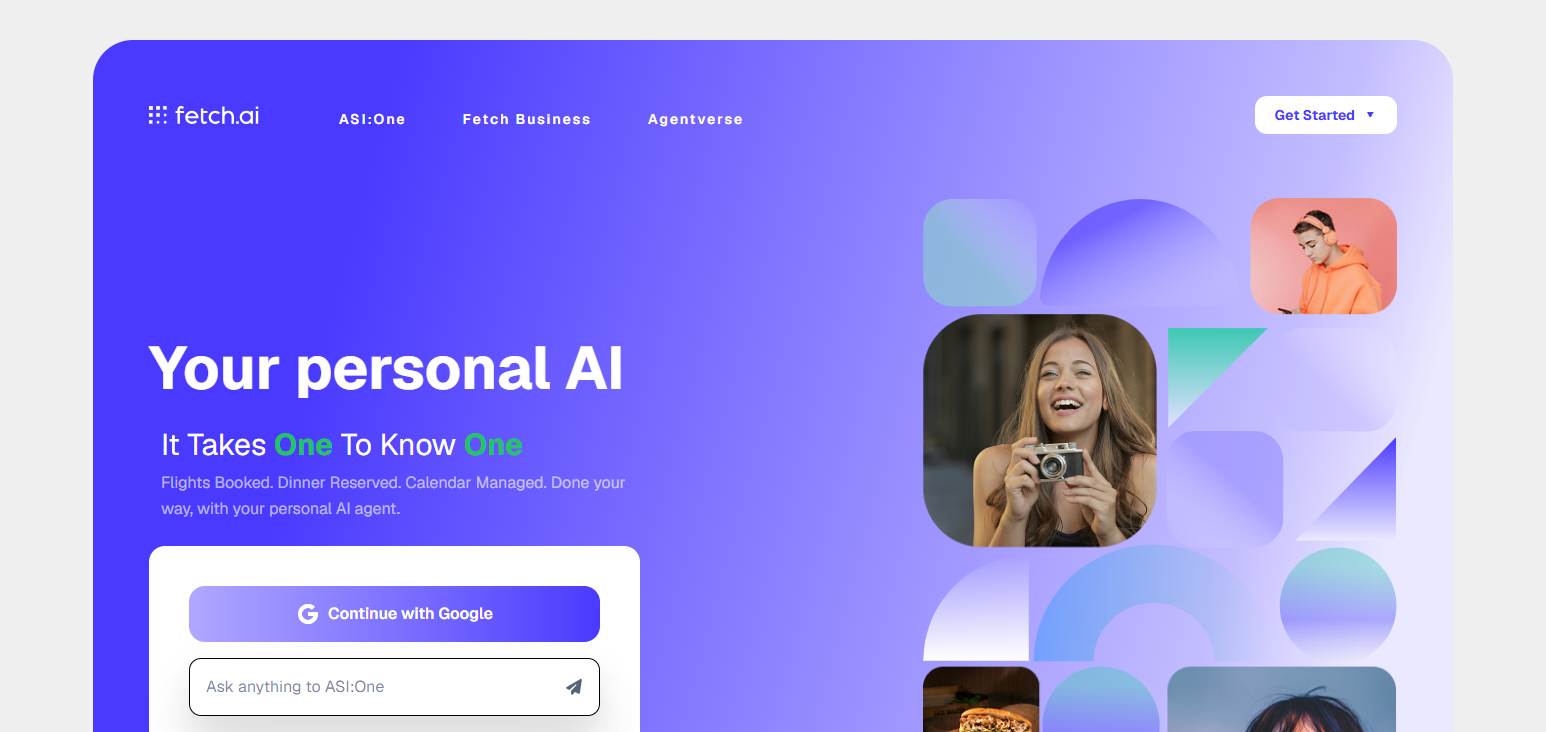
By merging machine learning with blockchain, Fetch.ai creates smart financial systems. By 2026, Fetch.ai is expected to be one of the biggest players in agent-based economies, and will provide
DeFi services that maximize on efficiency and minimize costs while providing intelligent automation of financial services to users and businesses around the world.
Fetch.ai Features
- Autonomous AI Agents: Facilitates the use of self-operating agents for the automation of DeFi transactions and operations.
- Smart Trading Automation: Implements AI systems to enhance the automation of trading and the formulation of market-related decisions.
- Machine Learning Integration: Merges blockchain with AI and other models to offer intelligent financial solutions.
- Decentralized Digital Economy: Establishes a secure digital economy for peer-to-peer transactions without any central authority.
- Scalable Blockchain Infrastructure: Ensures necessary infrastructure for more advanced AI-enabled DeFi services and applications.
| Pros | Cons |
|---|---|
| Advanced AI agents automate complex DeFi operations efficiently. | Technology adoption is still developing in mainstream finance. |
| Improves trading decisions using machine learning algorithms. | Requires technical knowledge for advanced usage. |
| Supports decentralized automation without intermediaries. | AI-driven decisions may face accuracy limitations. |
| Provides scalable infrastructure for future Web3 applications. | Blockchain competition may impact long-term growth. |
| Enables efficient resource management and transaction optimization. | Network complexity can increase learning challenges. |
2. SingularityNET
SingularityNET is a DeFi-focused decentralized AI marketplace that allows software developers to sell their AI services to businesses. It provides the AI models needed to construct smart financial services that perform analysis, automation, and even intelligent decision making.
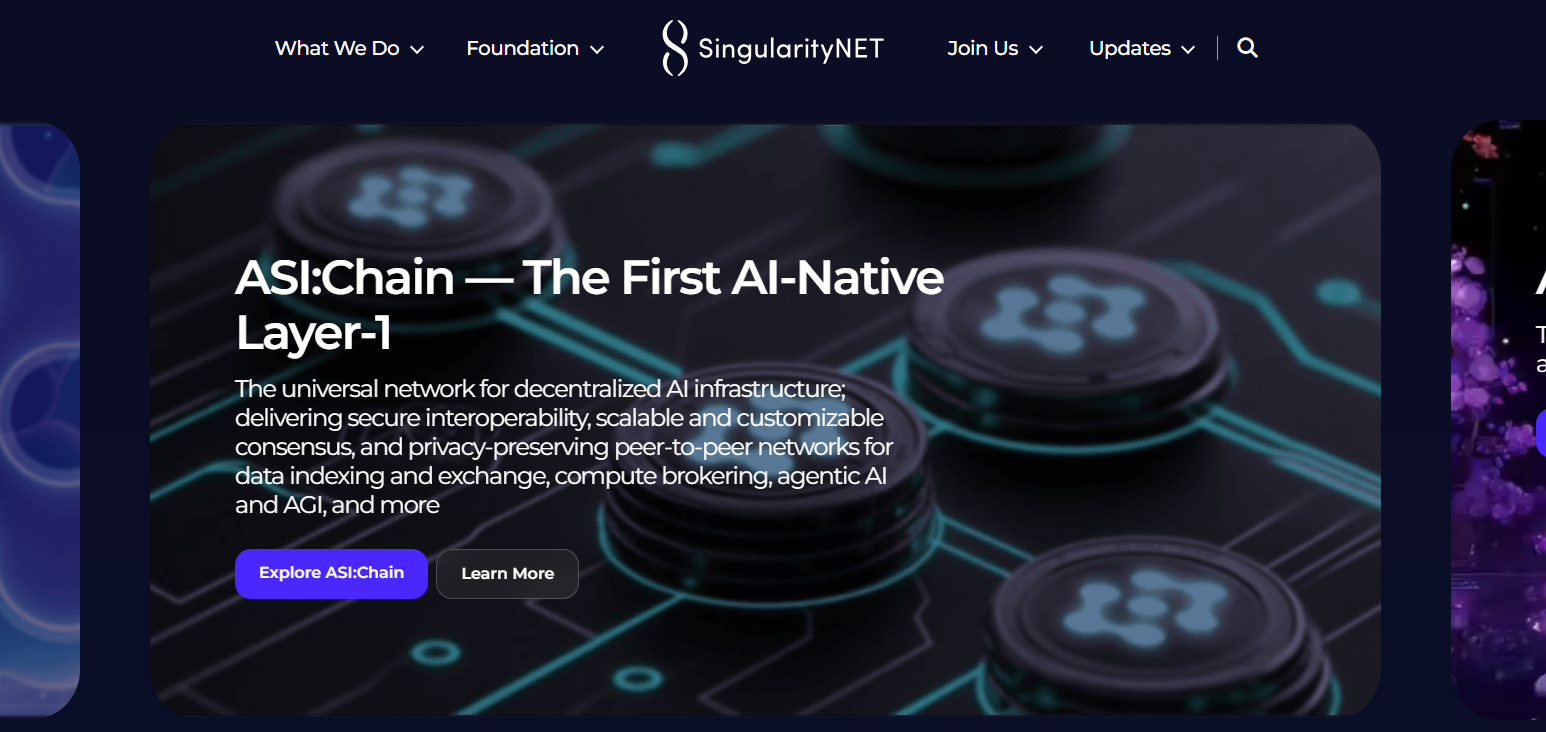
SingularityNET hopes to be an open AI marketplace that utilizes blockchain to guarantee transparency and ownership. Because many decentralized applications are using AI, SingularityNET provides a necessary service to integrate advanced AI and automation with financial services.
SingularityNET Features
- Decentralized AI Marketplace: Users can globally access and trade AI services.
- AI Model Sharing: Developers can list their AI Models for a fee.
- Blockchain Transparency: Transactions of AI services become secure and transparent.
- Financial AI Solutions: Provides analysis and automation tools, as well as AI to aid decision-making.
- Open AI Ecosystem: Developers and businesses can freely use the blockchain.
| Pros | Cons |
|---|---|
| Provides decentralized access to various AI services. | AI service quality depends on individual developers. |
| Encourages AI innovation through open marketplace systems. | Platform adoption remains limited compared to centralized AI providers. |
| Supports blockchain transparency and secure transactions. | Integration with DeFi platforms can be complex. |
| Allows developers to monetize AI models globally. | Token price volatility can affect ecosystem stability. |
| Builds collaboration between AI and blockchain communities. | Requires technical expertise for development and deployment. |
3. Ocean Protocol
Ocean Protocol provides a means to decentralize data through blockchain and AI. It provides a safe means for individuals and organizations to maintain data privacy and data control while sharing their data.
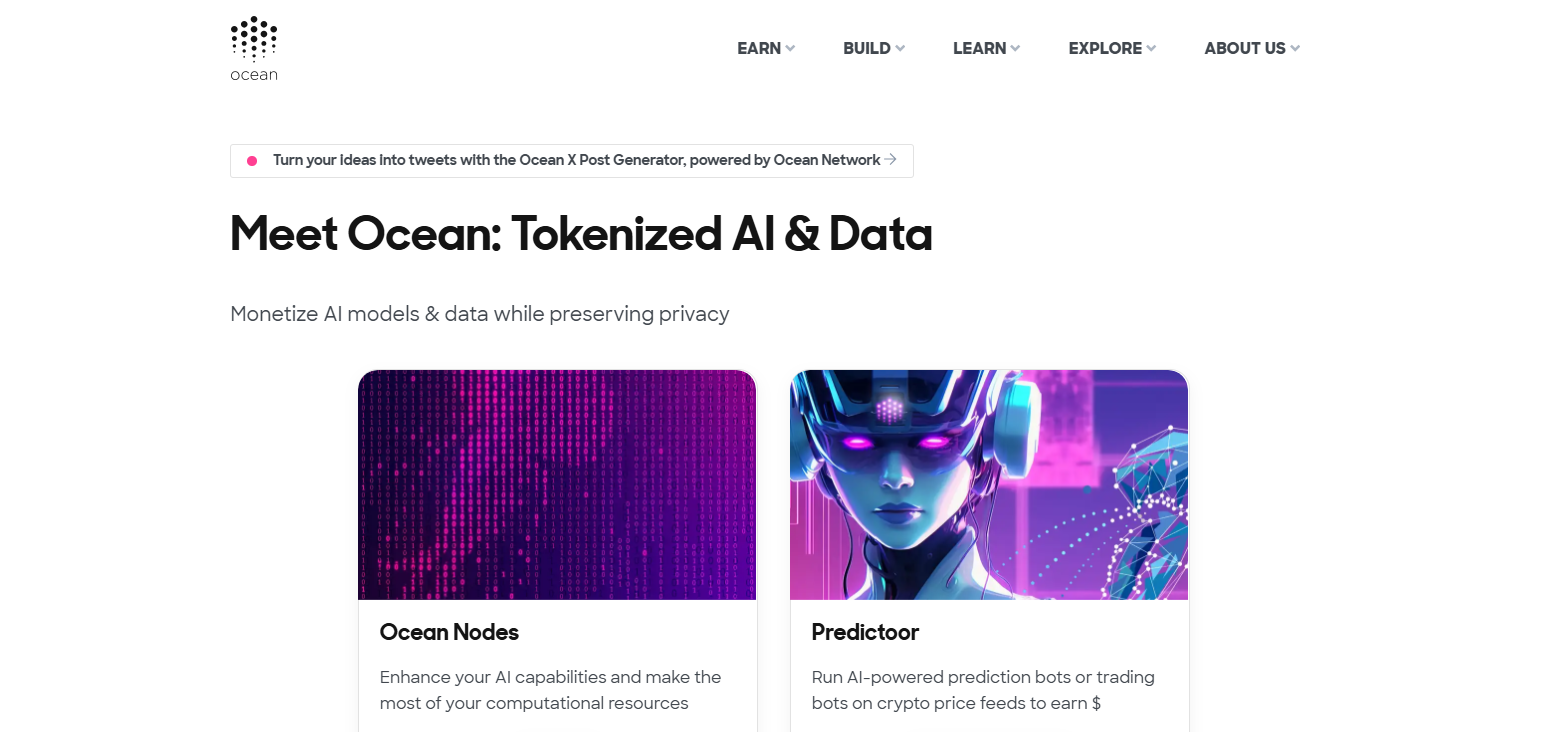
Ocean’s data infrastructure can assist AI-based DeFi applications in market analysis, financial models, and risk assessments.
Ocean Protocol is expected to remain relevant in 2026, as the financial industry demands high quality data to train and enhance AI in decentralized finance and DeFi applications.
Ocean Protocol Features
- Secure Data Marketplace: Provides a decentralized system for the safe of sharing sensitive data.
- AI Data Access: Makes available large and high-quality data for the training of AI.
- Data Ownership Control: Users can control their personal data.
- Privacy Preserving Technology: Sensitive data is safeguarded during AI processing.
- DeFi Analytics Support: Assists financial services in enhancing prediction and risk assessment.
| Pros | Cons |
|---|---|
| Enables secure and decentralized data sharing. | Data marketplace adoption is still growing. |
| Gives users control over their valuable datasets. | Data privacy regulations may create challenges. |
| Supports AI model training with quality data. | Complex data management requires technical skills. |
| Improves DeFi analytics through reliable information. | Limited availability of high-quality datasets. |
| Protects data ownership through blockchain technology. | Network performance depends on ecosystem participation. |
4. Numerai
Hedge Fund Numerai uses crowdsourced financial data predictions that are awarded through cryptocurrency incentives. Data scientists and other financial analysts are able to build prediction models and submit them to the platform.
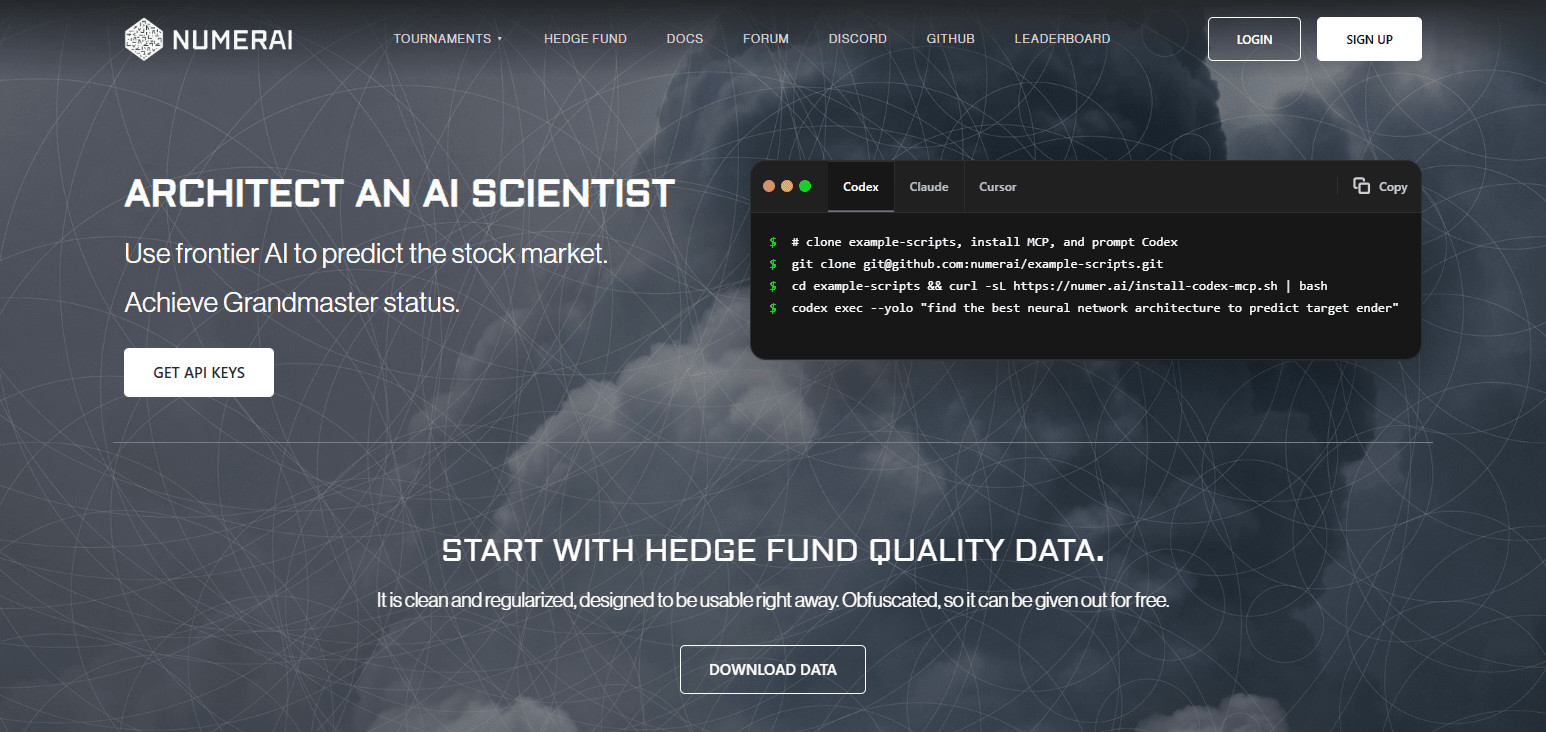
Numerai attracts a lot of attention for its capability of combining crowdsourced intelligence, artificial intelligence, and decentralized finance.
By 2026, Numerai continues to demonstrate how the combination of artificial intelligence and machine learning can enhance the instruments of quantitative trading and advanced, automated financial predictions.
Numerai Features
- AI Based Financial Predictions – Investments and forecasts enhanced through machine learning.
- Crowdsourced Intelligence – Data scientists from around the world submit prediction models.
- Blockchain Rewards System – Contributors earn cryptocurrency as a reward.
- Quantitative Trading Support: Develops data-related investment techniques.
- Decentralized Hedge Fund Model: Blends AI with research and automated finance via blockchain.
| Pros | Cons |
|---|---|
| Uses AI models for advanced financial predictions. | Investment predictions cannot guarantee profits. |
| Combines blockchain incentives with data science. | Mainly focused on quantitative finance use cases. |
| Rewards contributors for successful machine learning models. | Requires advanced data science knowledge. |
| Provides innovative decentralized hedge fund solutions. | Competition from traditional AI investment firms exists. |
| Uses global intelligence for market forecasting. | Model performance depends on available market data. |
5. Bittensor
Bittensor is a platform that uses decentralized machine learning to create a network for access to marketplaces of artificial intelligence models. In place of centralized artificial intelligence, Bittensor provides blockchain rewards to contributors of machine learning skills.

Bittensor can integrate intelligent financial instruments, automated analytical tools, and decentralized AI within the DeFi ecosystem.
With its high degree of innovation, Bittensor provides the infrastructure that fosters worldwide cooperation of AI developers. It also provides a transparent network that allows machine intelligence to be shared as a digital resource.
Bittensor Features
- Open Decentralized AI Network: Develops a public market for machine learning.
- AI Model Incentives: Provides incentives for people to recommend intelligent solutions.
- Blockchain Collaboration: Supports decentralized global collaboration in AI.
- Machine Intelligence Marketplace: Facilitates connection of AI developers to users.
- Fair Contribution Assessment: Implements blockchain for evaluation of contributions.
| Pros | Cons |
|---|---|
| Creates an open decentralized AI marketplace. | Network technology is complex for beginners. |
| Rewards contributors for valuable AI development. | AI model quality can vary significantly. |
| Encourages global collaboration among AI developers. | Ecosystem adoption is still expanding. |
| Reduces dependence on centralized AI companies. | Requires significant computing resources. |
| Supports transparent blockchain-based AI innovation. | Token economics may experience volatility. |
6. Cortex
Cortex is a blockchain network that permits the integration of artificial intelligence into smart contracts. This means that decision making at the core of any application for decentralized finance can be automated.
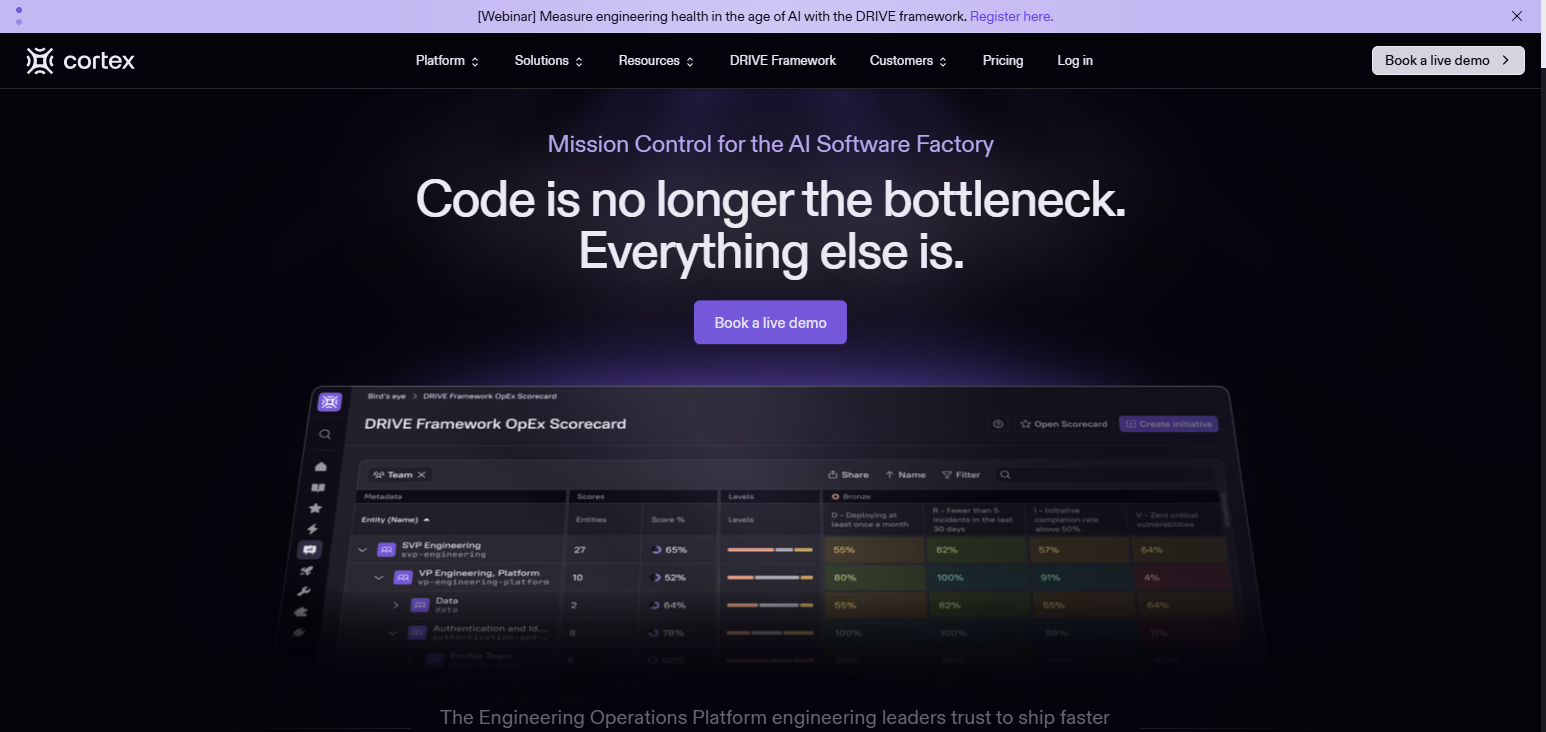
Cortex has the potential to make highly sophisticated trading systems and other financial services for DeFi available and easy to build.
As the demand for intelligent, AI based products on the blockchain increases, Cortex provides the necessary infrastructure within finance and the products of Web3 that are decentralized and more complex.
Cortex Features
- AI Smart Contracts: Makes deployment of AI models via blockchain viable.
- On-Chain AI Execution: Supports execution of ML models on blockchain.
- Creative Facilitation: Promotes developer creation of AI-based decentralized applications.
- Improved Automated Operations: Enhances operations of DeFi systems.
- Interoperability AI and Blockchain: Provides link of AI to Web3.
| Pros | Cons |
|---|---|
| Enables AI model integration with smart contracts. | AI blockchain development requires technical expertise. |
| Supports creation of intelligent decentralized applications. | Smaller ecosystem compared with major blockchains. |
| Provides on-chain AI execution capabilities. | Limited awareness among mainstream users. |
| Helps automate DeFi decision-making processes. | Performance depends on network scalability. |
| Connects AI technology with Web3 infrastructure. | Development resources may be limited. |
7. Autonolas
Autonolas is a platform with AI agent infrastructure that builds autonomous services for decentralized applications. Developers can use Autonolas to build AI agents for financial services, transactions, and blockchain.
In DeFi, Autonolas builds systems that automate functions to increase efficiency and eliminate manual tasks. As demand for AI agents grows in 2026, Autonolas will help build the essential tools and intelligent frameworks for scalable decentralized finance solutions.
Autonolas Features
- Autonomous Agents: Engineers intelligent agents for automated blockchain tasks.
- AI Workflow Automation: AI-embedded automation diminishes the manual workload in DeFi.
- Cooperative Agents: AI agents operate in a highly collaborative manner.
- DApp Facilitation: Promotes the development of advanced Web3 applications.
- Future-Proof AI Systems: Provides required infrastructure for autonomy.
| Pros | Cons |
|---|---|
| Enables autonomous AI agents for blockchain tasks. | Relatively new platform with evolving features. |
| Automates repetitive DeFi operations effectively. | Requires developer knowledge for implementation. |
| Supports multi-agent collaboration systems. | Limited public adoption compared with established platforms. |
| Helps build scalable decentralized applications. | AI agent risks require proper monitoring. |
| Provides infrastructure for future autonomous services. | Complex architecture may challenge beginners. |
8. Alethea AI
Alethea AI aims to fuse AI and blockchain to create smart assets and decentralized AI characters. Their ecosystem allows users to create, possess, and interact with AI entities through on-chain ownership.
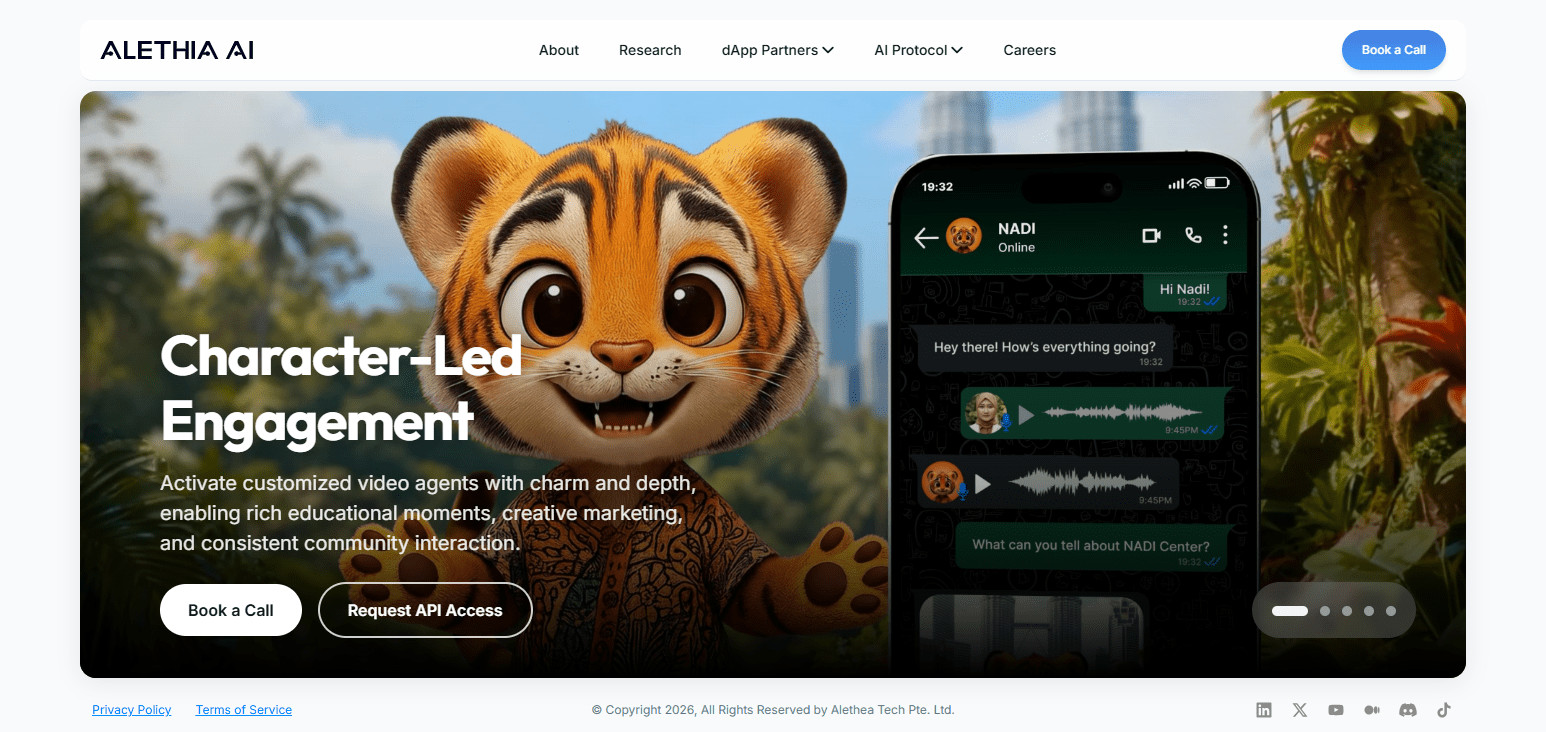
In the context of DeFi, Alethea AI showcases the potential of smart digital agents to offer automated services, financial transactions, and tailored interactions. The platform actively seeks out new frontiers to integrate AI, NFTs, and decentralized frameworks in the Web3 space.
Alethea AI Features
- AI Digital Assets: fuses intelligent digital beings with blockchains.
- AI and NFTs: Combines AI and NFTs for ownership.
- Smart Digital Beings: Facilitates users in forming and controlling intelligent digital entities.
- Blockchain AI Assets: Establishes ownership of AI on blockchain.
- Web3 Economy Support: Bridges AI and decentralized digital ecosystems.
| Pros | Cons |
|---|---|
| Combines AI technology with blockchain ownership. | AI character applications have limited DeFi usage. |
| Enables creation of intelligent digital assets. | NFT market demand can fluctuate. |
| Provides innovative AI-powered Web3 experiences. | Requires user understanding of blockchain assets. |
| Supports decentralized digital identity concepts. | Adoption depends on Web3 growth. |
| Connects AI, NFTs, and digital economies. | Market competition in AI NFTs is increasing. |
9. iExec
iExec delivers a decentralized cloud infrastructure to facilitate AI, blockchain, and data service applications. Their solution provides developers the ability to use distributed computing while preserving privacy.
For AI DeFi, iExec provides the compute for advanced analytics, and automation of complex financial services.

By 2026, decentralized computing will become critically important as the infrastructure for scalable, on-demand computation services for AI, will avoid reliance on traditional cloud computing.
iExec Features
- Decentralized Cloud Computing: Offers scattered computing for AI.
- Privacy-Preserving Processing: Allows computing on data without revealing it.
- AI Resource Marketplace: Links users to available computing resources.
- Blockchain Infrastructure: Enables decentralized apps to use resources that can grow.
- High-Performance Computing: Supports AI DeFi in processing intensive computations.
| Pros | Cons |
|---|---|
| Provides decentralized computing resources for AI workloads. | Computing availability depends on network participants. |
| Supports privacy-focused data processing solutions. | Requires technical expertise for implementation. |
| Reduces dependence on centralized cloud providers. | Performance may vary compared to traditional clouds. |
| Enables scalable AI and blockchain applications. | Smaller ecosystem than major cloud platforms. |
| Offers secure infrastructure for decentralized computing. | Limited awareness among general users. |
10. The Graph
The Graph is a decentralized protocol that indexes blockchain data. It offers fast and efficient access to on-chain data, making it easier for applications to work with blockchain data.
Reliable data infrastructure is a requirement for AI-powered DeFi platforms to gain market insights and automate strategies and financial decisions.
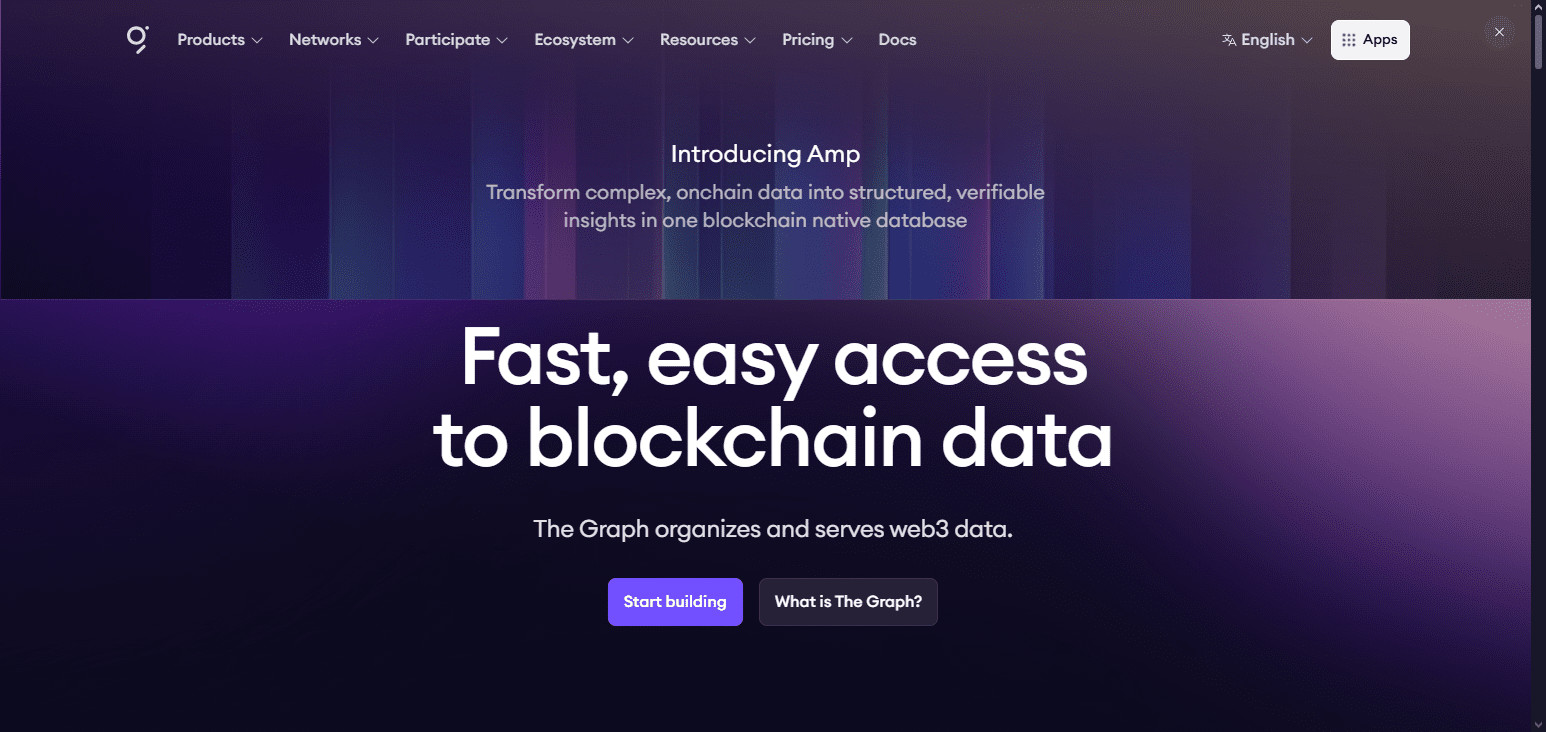
The Graph enables the organization of blockchain data over decentralized networks. Fast and efficient access to on-chain data is critical for developers of AI-driven finance and DeFi automation.
The Graph Features
- Blockchain Data Indexing: Puts data from blockchain in a way that apps can access it more quickly.
- AI Analytics Support: Data infrastructure for intelligent DeFi analysis.
- Decentralized Data Queries: Makes cross-blockchain data work easier to query.
- Developer Tools: Allows the development of sophisticated Web3 and DeFi applications.
- Reliable Data Infrastructure: Automates an on-chain financial system with accurate data.
| Pros | Cons |
|---|---|
| Provides efficient blockchain data indexing services. | Mainly depends on blockchain ecosystem growth. |
| Helps DeFi applications access structured data quickly. | Query complexity may increase for developers. |
| Supports multiple decentralized applications and networks. | Data accuracy depends on available sources. |
| Improves AI-driven blockchain analytics capabilities. | Requires technical knowledge for advanced usage. |
| Offers reliable infrastructure for Web3 developers. | Competition from other indexing solutions is increasing. |
Future of AI DeFi Platforms
- AI Financial Agents Proliferation: A growing number of AI agents will execute trades and complete tasks without human involvement.
- Web3 Ecosystem Connectivity: More AI DeFi platforms will network with different blockchains and decentralized apps.
- AI DeFi and Smart dApps: Newer AI models will create sophisticated and adaptive DeFi solutions.
- AI and Automation of Finance: Transaction and analysis speeds will increase due to the automation of finance processes and decisions.
- More Robust Investment Options: AI will create better methods of decentralized investing with individualized risk levels and strategies.
Conclusion
In Conclusion Best AI DeFi Platforms The Best AI DeFi Platforms integrate AI, blockchain, and automation to alter decentralized finance. These platforms optimize the management of trading efficiency, risk, data, and financial decisions.
With the ongoing development of AI technologies, AI-driven DeFi will enhance secure and intelligent accessibility of financial ecosystems. The future of Web3 finance will rely more on the complex integration of automation and intelligence, within decentralized structures.
FAQ
How do AI DeFi Platforms work?
They use AI algorithms, machine learning models, and smart contracts to analyze data and perform automated financial tasks.
What are the benefits of AI DeFi Platforms?
They provide faster transactions, improved market analysis, better security, automated trading, and smarter financial decision-making.
Which are the Best AI DeFi Platforms?
Popular AI DeFi platforms include Fetch.ai, SingularityNET, Ocean Protocol, Numerai, Bittensor, Cortex, and The Graph.
Can AI DeFi Platforms automate trading?
Yes, many platforms use AI agents to analyze markets and automate trading strategies.