This article outlines the leading Travel Rule Compliance Platforms available to assist crypto firms, exchanges, and VASPs in complying with international regulations.
These solutions facilitate the safe transfer of transaction data, enhance AML efforts, and align with the FATF Travel Rule. I will analyze their benefits and use cases and describe the important aspects to keep in mind in order to select the ideal compliance solution.
What Is a Travel Rule Compliance Platform?
Travel Rule Compliance Platforms are meant for FATF Travel Rule compliance for cryptocurrency organizations. These platforms share information about transaction senders and receivers among Virtual Asset Service Providers (VASPs) and do so securely.
The platforms automate compliance tasks, conduct KYC and AML checks, and verify the transaction parties to mitigate the risk of financial crime. They also support exchanges, wallets, and custodians to easily navigate the worldwide crypto regulations.
How To Choose a Travel Rule Compliance Software
- Support for Multiple Blockchains: Look for platforms that provide support for various blockchains and different transaction types.
- Regulatory Compliance: Validate their support of global FATF, AML, and other regional crypto laws.
- System Integration: Check for flexible APIs and ease of system integration.
- Value for Growing Demand: Choose a solution that is cost effective for the increase of transaction volume.
- Safety and Privacy: Look for encrypted transactions and secure data exchange.
- User Support: Check for responsive customer service and operating performance.
Key Points & Best Travel Rule Compliance Platforms
| Platform | Explanation |
|---|---|
| Notabene | Crypto Travel Rule platform with secure messaging and automated VASP discovery capabilities. |
| Sumsub | Unified crypto compliance platform offering KYC, KYB, monitoring, and Travel Rule workflows. |
| Sygna (by VerifyVASP) | APAC-focused enterprise solution enabling secure standardized data exchange between VASPs. |
| TRM Labs | Provides blockchain analytics, Travel Rule screening, and extensive emerging chain coverage. |
| Chainalysis (KYT & Travel Rule) | Leading transaction monitoring platform with regulator-approved counterparty screening solutions globally. |
| Elliptic | Offers cross-chain analytics and multi-asset tracking for compliance investigations. |
| 21 Analytics | Customizable developer-friendly solution designed for European MiCA-compliant crypto businesses. |
| Shyft Network | Uses decentralized identity and Veriscope protocol for secure wallet transfers. |
| Blockpass | Web3-focused KYC provider embedding FATF Travel Rule compliance solutions. |
| Crystal Blockchain | European blockchain analytics platform tracking risks and compliance activities effectively. |
10 Best Travel Rule Compliance Platforms
1. Notabene
Created specifically for cryptocurrency businesses, Notabene is a Travel Rule compliance platform for VASPs and digital asset service providers. Through encrypted messaging, Notabene helps businesses exchange specific transaction details securely.

It also helps organizations identify counter parties and simplifies compliance for the Travel Rule. Notabene’s automated workflows, risk assessments and checks, and un-hosted wallet verification help guide organizations through the compliance process for the Travel Rule.
Notabene helps exchanges, custodians, and FinTechs ensure compliance without sacrificing the user experience, and is used highly across the world.
| Pros | Cons |
|---|---|
| Dedicated Travel Rule solution built for crypto businesses. | May require technical integration for smaller companies. |
| Automated VASP discovery improves compliance efficiency. | Pricing can be higher for startups. |
| Supports secure data exchange between global VASPs. | Limited features outside crypto compliance use cases. |
| Handles hosted and unhosted wallet requirements. | Requires ongoing regulatory updates and maintenance. |
2. Sumsub
Sumsub is a compliance platform that incorporates Travel Rule compliance, KYC, KYB, AML, and verification compliance.
Automation of Travel Rule compliance is easily managed within the platform’s unified dashboard, and allows cryptocurrency companies to manage the secure exchange of beneficiary and originator information.
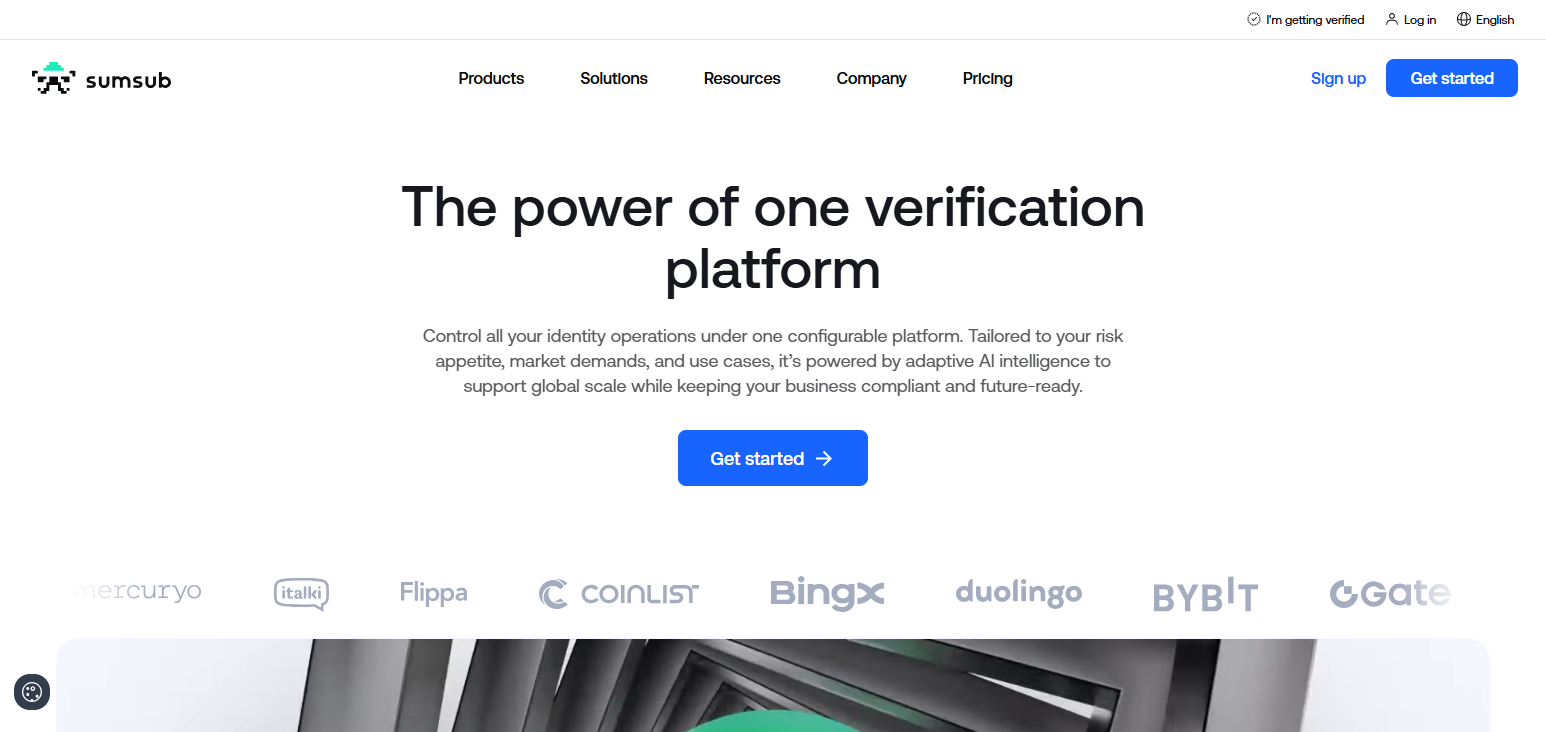
Additionally, the verification compliance services and artificial intelligence embedded within the platform helps organizations manage compliance risk efficiently while grow and maintaining their user base.
| Pros | Cons |
|---|---|
| Combines KYC, KYB, AML, and Travel Rule tools. | Full features may become expensive at scale. |
| AI verification improves onboarding speed and accuracy. | Some advanced tools require higher plans. |
| User-friendly compliance dashboard simplifies management. | Custom integrations may need developer support. |
| Supports businesses across multiple regions. | Primarily focused on identity compliance solutions. |
3. Sygna (by VerifyVASP)
Sygna, by VerifyVASP, is a popular enterprise, Travel Rule solution across the Asia-Pacific crypto markets. Sygna creates secure and compliant channels for Virtual Asset Service Providers to share transactional data.
Their product enables service providers to comply with the FATF Travel Rule, and preserves the privacy of users by providing advanced control encryption with specified permission levels. Sygna is highly adaptable, and particularly useful for institutions that manage cross-border operations.
| Pros | Cons |
|---|---|
| Strong Travel Rule infrastructure for enterprise users. | Adoption outside APAC is comparatively limited. |
| Provides secure VASP-to-VASP communication channels. | Setup may require compliance expertise. |
| Protects sensitive transaction information effectively. | Smaller businesses may find it complex. |
| Supports international compliance standards. | Less suitable for non-crypto industries. |
4. TRM Labs
TRM Labs is a premium blockchain, analytics, and Travel Rule compliance solution. Their product allows crypto firms to assess the risk of a transaction, screen wallet addresses, and analyze the activity of a vast number of blockchain networks.
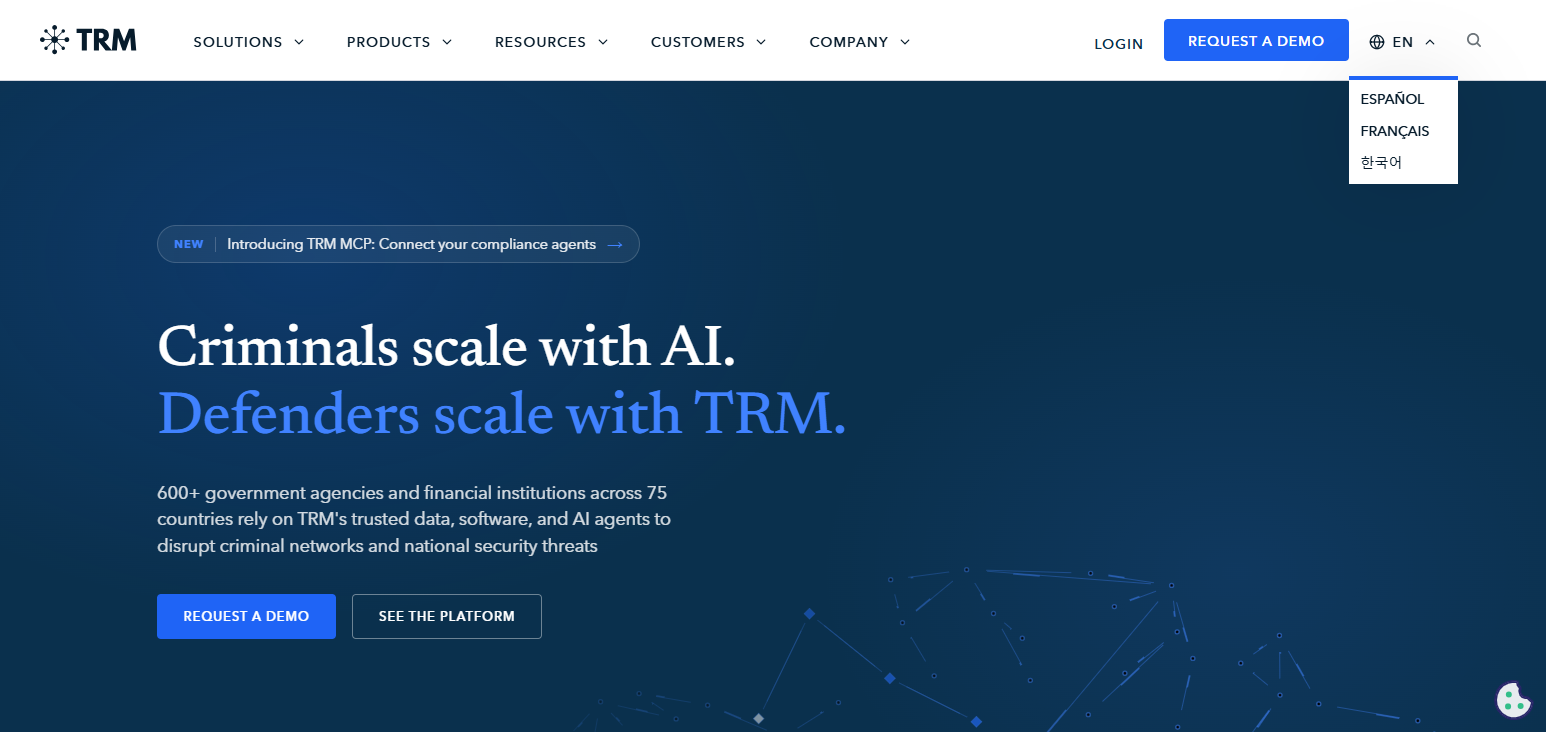
TRM Labs is well-suited for Virtual Asset Service Providers that need extensive monitoring and investigation service capabilities. The design and integration of TRM Labs services is useful for the fast-growing crypto environments, exchanges, banks, and Web3.
| Pros | Cons |
|---|---|
| Powerful blockchain analytics and risk monitoring capabilities. | Enterprise pricing may be costly. |
| Covers multiple blockchain networks efficiently. | Advanced features require trained compliance teams. |
| Provides investigation-grade blockchain intelligence. | More focused on analytics than identity verification. |
| Helps detect suspicious crypto activities quickly. | Platform learning curve can be challenging. |
5. Chainalysis (KYT & Travel Rule)
Chainalysis is one of the most popular blockchain analytics platforms. They have very effective transaction monitoring tools as well as Travel Rule compliance solutions.
Chainalysis KYT technology helps organizations to review the activity within a blockchain and see which transactions are suspicious, as well as perform a risk assessment on a counterparty.
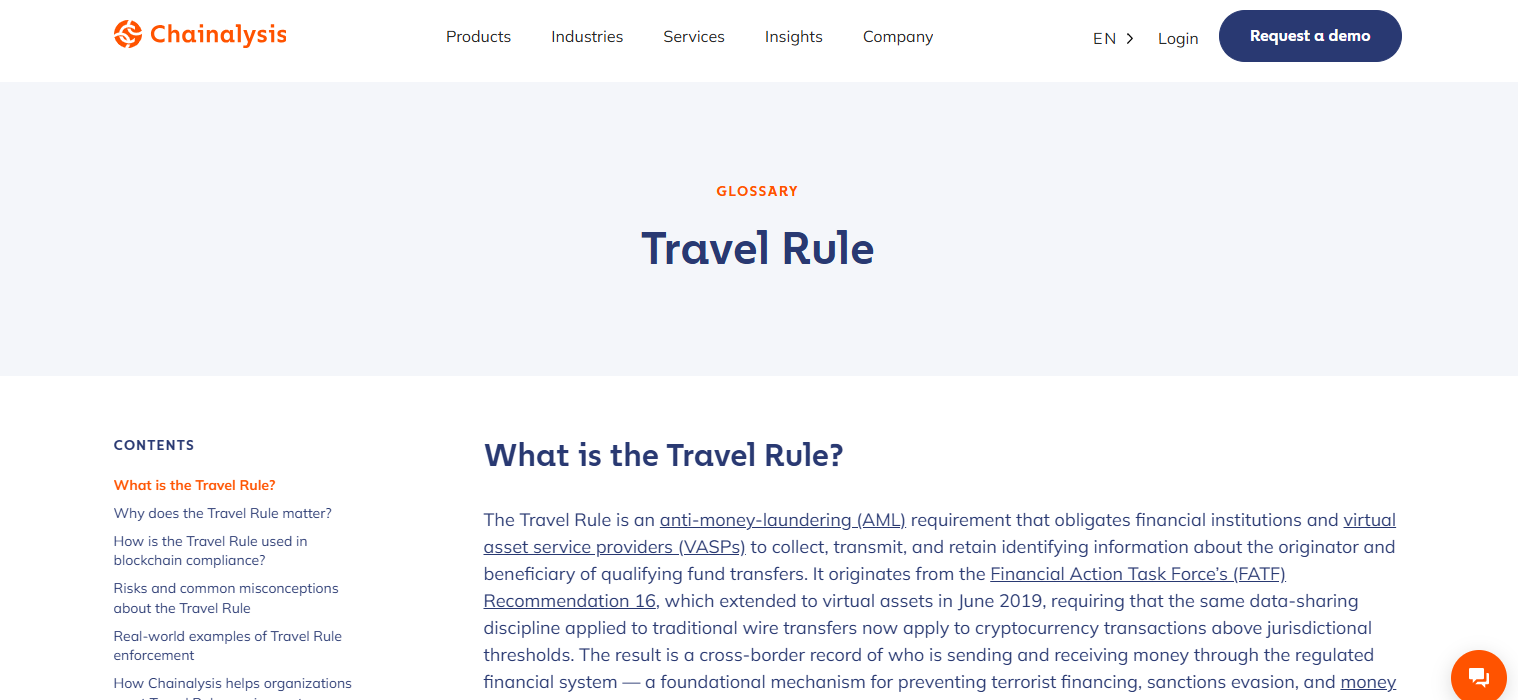
Chainalysis is a widely used by regulators, banks, and crypto firms because of chainalysis’ extensive blockchain intelligence.
Chainalysis allows VASPs to fulfill a regulatory requirement to review transactions before and after they are processed, and helps to increase the transparency of the system and helps to decrease the risk of a financial crime.
| Pros | Cons |
|---|---|
| Highly trusted by regulators and institutions globally. | Premium pricing may limit small businesses. |
| Extensive blockchain intelligence database. | Requires professional compliance knowledge. |
| Advanced transaction monitoring capabilities. | Some tools may feel complex for beginners. |
| Strong financial crime prevention features. | Customization options can be limited. |
6. Elliptic
Elliptic provides sophisticated analytics on blockchain technology and compliance solutions focused on organizations that deal with the digital assets risk and offers Travel Rule technology compliance solutions that allow firms to secure the tracking of transaction participants and analyze the originator and beneficiary information across the multiple networks of blockchains.
Their technology and compliance solutions also allow organizations to monitor and investigate cross-chain transactions and assess risk.
Because Elliptic incorporates intelligence in their workflow, they allow banks and exchanges to bolster their compliance and anti-money laundering (AML) programs while adhering to the fast-changing standards and regulations for cryptocurrencies.
| Pros | Cons |
|---|---|
| Excellent multi-chain and multi-asset analytics. | Advanced features may require training. |
| Strong AML and risk detection capabilities. | Higher cost for enterprise solutions. |
| Supports detailed blockchain investigations. | Less focused on customer onboarding processes. |
| Provides reliable compliance intelligence. | Integration may require technical resources. |
7. 21 Analytics (Travel Rule)
21 Analytics builds highly adaptable Travel Rule compliance solutions for European crypto companies (especially those gearing up for the MiCA). They provide flexible APIs for Virtual Asset Service Providers (VASPs) to securely exchange data and compliance-enabling workflows.
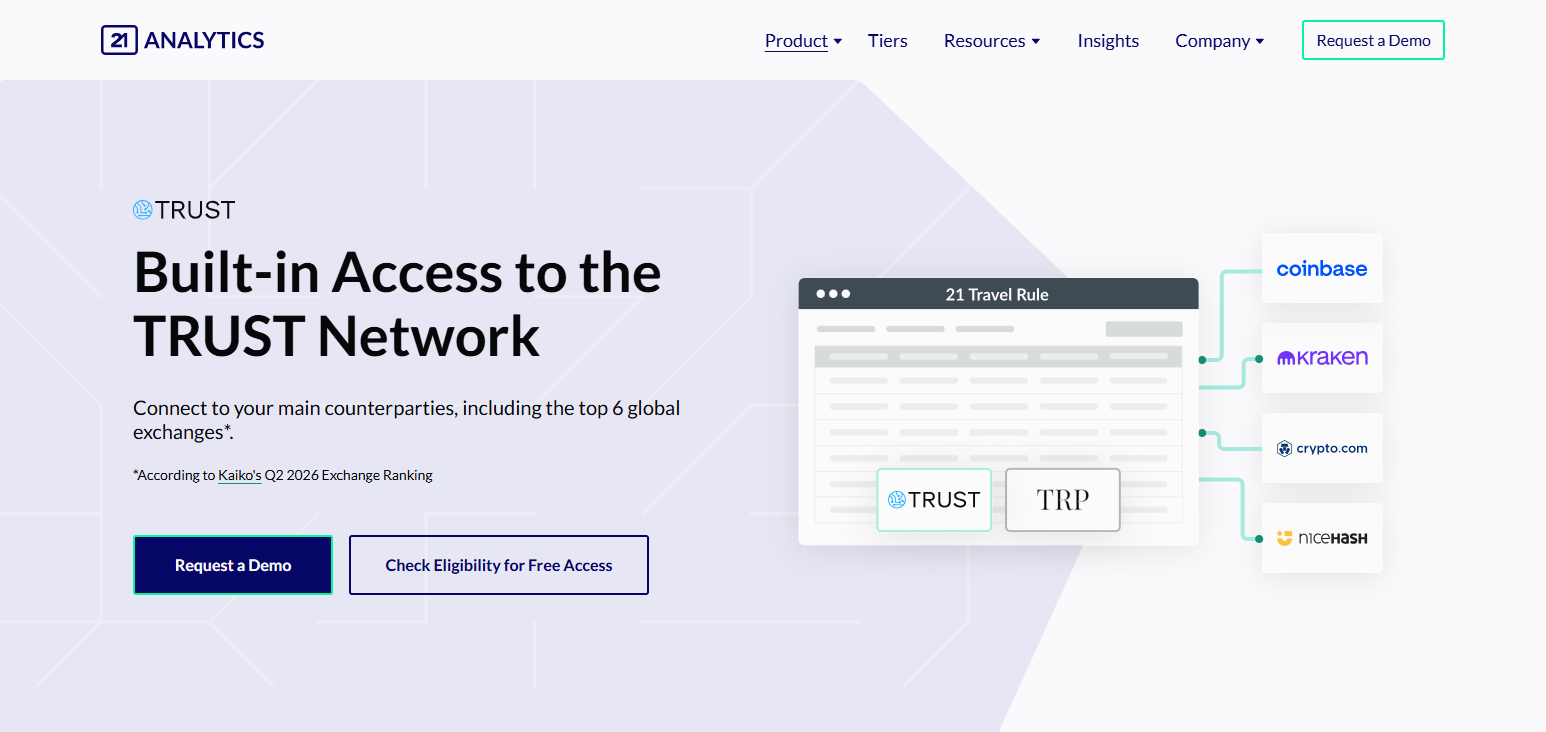
21 Analytics specializes in privacy, protection, automation, and compliance, and offers crypto companies an easy-to-use way to fulfill the regulatory demands for the processing of travel-related information.
With a developer-first design and a strong compliance focus, 21 Analytics constructs Travel Rule compliance frameworks that are easy to integrate and highly flexible for crypto exchanges, custodians, and digital asset companies.
| Pros | Cons |
|---|---|
| Designed for European MiCA compliance requirements. | Smaller global presence compared with competitors. |
| Flexible APIs support custom integrations. | Mainly targeted toward technical users. |
| Privacy-focused Travel Rule architecture. | Limited public information about pricing. |
| Suitable for regulated European VASPs. | Not ideal for non-European compliance needs. |
8. Shyft Network
Shyft Network specializes in decentralized identity and privacy-preserving compliance in blockchain. With its Veriscope protocol, Shyft Network reduces the exposure of sensitive user data to fulfill the Travel Rule, and enables VASPs
To comply with the privacy of both hosted and unhosted wallet transaction data by means of a blockchain transfer that incorporates verified user identity data.
Shyft Network provides privacy, decentralized compliance, and blockchain in a Web3 environment. This makes it a helpful addition to the growing list of crypto companies.
| Pros | Cons |
|---|---|
| Strong privacy-focused decentralized identity approach. | Adoption among VASPs is still developing. |
| Veriscope protocol improves secure data sharing. | Requires understanding of Web3 identity systems. |
| Supports unhosted wallet compliance. | Smaller ecosystem than major providers. |
| Designed for decentralized applications. | Limited traditional financial institution support. |
9. Blockpass
Blockpass is a digital identity verification and compliance solution for Web3 that is crypto-native and integrates KYC, AML, and Travel Rule solutions. Blockpass provides reusable digital identities to customers and remains compliant with FATF.
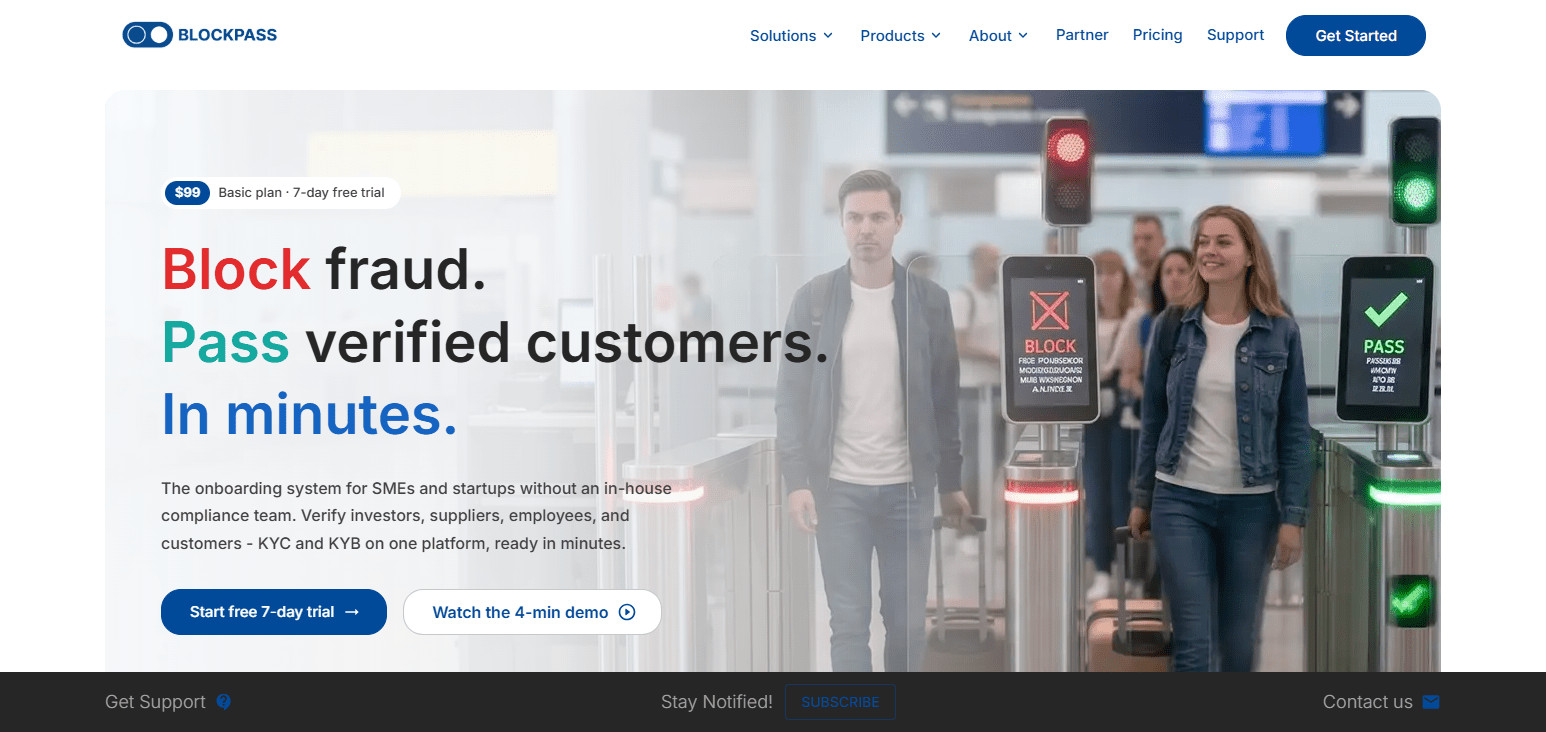
It is a solution for automated compliance for exchanges, DeFi, NFT, and other blockchain applications. Blockpass enables companies to onboard faster, be more ready to comply with regulations, and secure user verification while accommodating the needs of a decentralized economy.
| Pros | Cons |
|---|---|
| Web3-focused KYC and compliance infrastructure. | Less suitable for traditional financial institutions. |
| Supports reusable digital identity verification. | Advanced compliance features may need configuration. |
| Good fit for DeFi and crypto projects. | Brand recognition is lower than major providers. |
| Reduces user onboarding friction. | Limited blockchain analytics capabilities. |
10. Crystal Blockchain
Crystal Blockchain is a widely adopted analytics program for blockchain technology. The analytics program is used by cryptocurrency companies and compliance teams across Europe. The analytics platform employs transaction monitoring and wallet risk assessment and investigative tools.
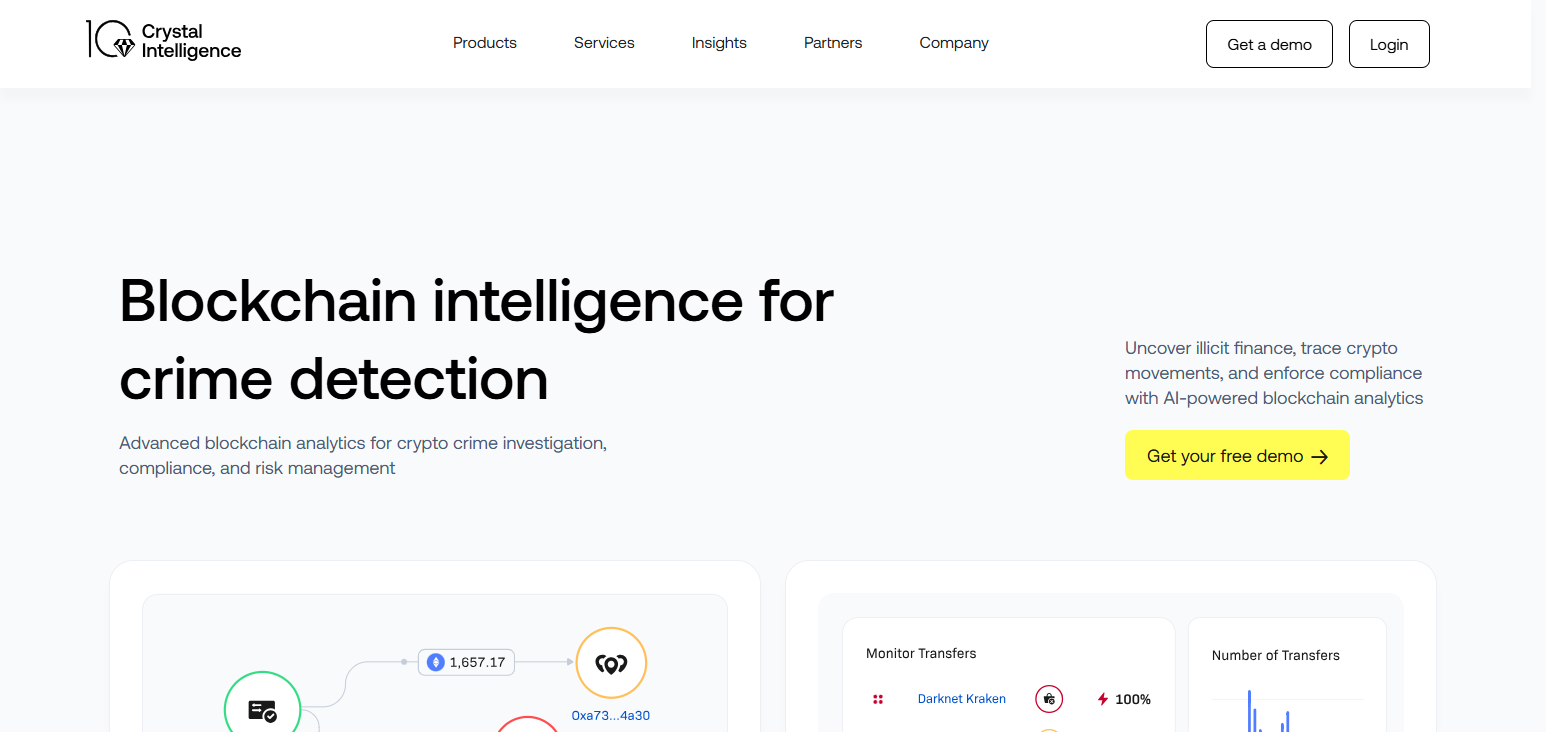
These tools identify irregularities and suspicious behavior across blockchain activity. To promote Travel Rule compliance, Crystal Blockchain enables companies to view transaction relation structures to maintain compliance with regulations.
The program’s visual investigative tools paired with its comprehensive blockchain intelligence are useful for programs that wish to manage risk and enhance compliance across digital asset frameworks.
| Pros | Cons |
|---|---|
| Strong blockchain investigation and analytics features. | Primarily designed for professional users. |
| Excellent transaction visualization tools. | Enterprise plans can be expensive. |
| Supports compliance monitoring across networks. | Requires blockchain knowledge for best results. |
| Popular among European compliance teams. | Limited identity verification functionality. |
Future Trends In Travel Rule Compliance
- More Automated Compliance Programs: Automation will likely be used more by businesses for their Travel Rule Report generation to lessen the manual aspects of compliance.
- AI Transaction Monitoring: Artificial intelligence will further enhance the ability to manage risk, analyze suspicious activity, and monitor crypto transactions in real-time.
- Increasing Crypto Regulations: The adoption of Travel Rule solutions will be aided especially by the worldwide adoption and recognition of more regulations.
- Wider Decentralized Identities: Privacy-preserving digital identities assist in verifiably secure user data.
- Improved VASP Interoperability: Higher data exchange standards will assist global crypto service providers in communication.
Conclsuion
In Closing The Best Travel Rule Compliance Platforms assist cryptocurrency organizations in addressing regulatory concerns, safeguarding exchange transaction data, and minimizing compliance risks.
Notabene, Sumsub, TRM Labs, and Chainalysis are some of the advanced Travel Rule compliance solutions available to VASPs, exchanges, and financial institutions.
Available blockchain support, the level of security, ease of integration, and compliance frameworks are just a few factors to consider when selecting a solution.
Given the continuing development of global compliance frameworks for the cryptocurrency industry, these solutions are here to stay.
FAQ
Why do crypto businesses need Travel Rule compliance platforms?
These platforms help exchanges and wallets follow regulations, reduce financial crime risks, and improve transaction transparency.
Which are the Best Travel Rule Compliance Platforms?
Popular platforms include Notabene, Sumsub, Sygna, TRM Labs, Chainalysis, Elliptic, 21 Analytics, Shyft Network, Blockpass, and Crystal Blockchain.
How does Travel Rule compliance software work?
It collects sender and receiver details, verifies transaction parties, and securely shares required information between VASPs.
Are Travel Rule platforms required for crypto exchanges?
Yes, many regulated crypto exchanges use these platforms to meet global AML and Travel Rule obligations.