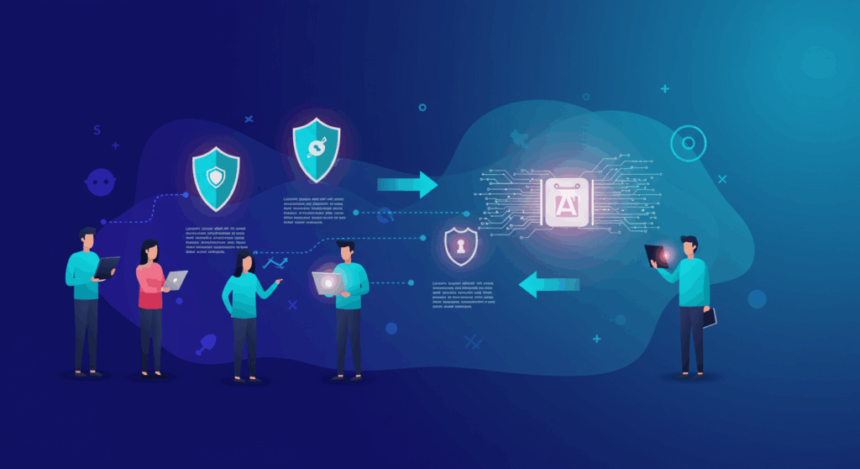
This article discusses Private Large Language Models (LLMs) Deployed On-Premise for Enterprise. I will explore the benefits and features, look at the deployment process and challenges, and discuss the leading models.
Enterprises are adopting private LLMs due to improved data security, compliance, and customizable AI. I look at how on-preise LLMs can be deployed by enterprises to create safe, secure, and flexible AI operations.
What Are Private Large Language Models (LLMs)?
Private Large Language Models (LLMs) are AI systems housed in an organization’s private infrastructure. This allows for ownership and control of data, security, and customization. Because they process sensitive information internally, private LLMs reduce privacy risks and aid in regulatory compliance where public AI services cannot.
Businesses use these models to automate tasks, conduct research, provide customer support, analyze documents, and build industry-specific AI systems. Private LLMs allow businesses significantly more flexibility.
Why Enterprises Choose Private LLMs On-Premise
- Better Data Security: By keeping sensitive business information in internal systems, the risk of data exposure is minimized.
- Easier Compliance: Companies are able to meet standards and regulations of their industry by having control over data governance and processing.
- Control Over AI: On-Premise LLMs let companies control the behavior, output, updates and security of their AI model.
- Less Reliance on AI Vendors: Companies are able to lessen their reliance on AI vendors to fulfill their needs.
- Alter AI for Business Processes: LLMs give companies the flexibility to alter AI models to achieve specific processes that their business requires.
Key Points & Private Large Language Models (LLMs) Deployed On-Premise for Enterprise
| Private Large Language Models (LLMs) Deployed On-Premise for Enterprise | Explanation |
|---|---|
| Llama (Meta) | Open-source LLM enabling enterprises to deploy secure private AI infrastructure internally. |
| Mistral Large (Mistral AI) | High-performance language model supporting private enterprise deployments with flexible customization options. |
| Falcon (Technology Innovation Institute) | Open-source model designed for secure, scalable on-premise enterprise AI applications. |
| GPT-NeoX (EleutherAI) | Open-source transformer model allowing organizations complete control over private deployments. |
| BLOOM (BigScience) | Multilingual LLM providing transparent architecture for enterprise-controlled AI environments. |
| Gemma (Google) | Lightweight open model supporting customized private enterprise AI solutions securely. |
| Qwen (Alibaba Cloud) | Advanced language model enabling organizations to run private AI workloads locally. |
| OPT (Meta) | Open transformer model offering transparent research-focused enterprise deployment capabilities. |
| T5 (Google Research) | Text-to-text model adaptable for private enterprise natural language processing tasks. |
| BERT (Google) | Bidirectional language model supporting secure custom enterprise NLP applications internally. |
10 Private Large Language Models (LLMs) Deployed On-Premise for Enterprise
1. Llama (Meta)
Meta’s Llama is a widely popular private LLM for enterprise secure AI deployments. Its open-weight architecture allows enterprises to host the model on their servers, speed up operations, and have full control of sensitive business data.
The latest Llama versions come with enhanced reasoning and coding capabilities as well as multilingual support. This flexibility combines with customizable hosting to make Llama suitable for the finance and healthcare industries and even for government exports where privacy and data ownership are critical.
Llama (Meta) — Key Features
- Open-Weight Architecture: Businesses can host, tailor, and govern AI models on private tech.
- Advanced Reasoning Ability: Assists with sophisticated problem solving and coding, and incorporates business intelligence.
- Data Privacy Control: Keeps sensitive corporate data within internal channels without external transfer.
- Multilingual Support: Facilitates communications and automations in various languages for international operations.
- Fine-Tuning Flexibility: Empowers firms to mold the models to align with industry-specific workflows.
2. Mistral Large (Mistral AI)
Mistral AI has designed flexible enterprise private large language models, like Mistral Large, that have excellent reasoning capabilities, multilingual support, and are even more efficient than many larger language models.
Mistral Large can be seamlessly integrated into an enterprise’s internal systems and can be housed on-premise, protecting proprietary information. Mistral’s architecture even allows enterprises to build their own private AI assistants, automated workflows, document analysis, and knowledge management systems.
Mistral Large (Mistral AI) — Key Features
- High Performance Processing: Exhibits strong reasoning and language comprehension while utilizing fewer resources.
- Enterprise Customization: Private enterprise usage and fine-tuning for particular business use cases is supported.
- Multilingual Capabilities: Global enterprises can successfully utilize a diverse range of languages.
- Secure AI Deployment: On-premise hosting aids in the protection of highly sensitive corporate data.
- Workflow Automation: Enables productivity solutions and support for document-based engagements and AI assistants.
3. Falcon (Technology Innovation Institute)
Falcon is an open-source LLM by the Technology Innovation Institute and provides enterprises needing customizable AI solutions the ability to do so with private AI model deployments. Because enterprises can deploy models on private Falcon infrastructure, data security and compliance with regulations is improved.
Falcon’s capabilities also lend themselves to enterprise search, content generation, automation of customer support, and research assistance. Falcon’s open architecture also allows businesses to retain control of their operational data.
Falcon (Technology Innovation Institute) — Key Features
- Open-Source Model Design: Customization and proprietary development for enterprises is highly accessible.
- Scalable Deployment: Private AI infrastructure can be implemented at various organizational sizes.
- Strong Language Understanding: Search, content creation, and customer support automation are enhanced.
- Custom Fine-Tuning: Fine-tuning of models for specific goals is enabled for enterprises.
- Compliance-Friendly Architecture: Eases the burden of securing data for enterprises.
4. GPT-NeoX (EleutherAI)
EleutherAI’s GPT-NeoX is a transformer-based language model that is open-source. It gives businesses the opportunity to begin using AI to build private environments without relying on proprietary systems.
With GPT-NeoX, businesses get access to the blueprints and structure of the model so that deep customizations can be made and the model can be tweaked to fit specific needs.
Businesses can even host GPT-NeoX on their own private servers to carry out private operations like document processing, coding, and knowledge tasks. Because of the nature of GPT-NeoX, businesses can maintain control and operational transparency.
GPT-NeoX (EleutherAI) — Key Features
- Transparent Transformer Architecture: Complete visibility is provided into the model’s structure and how the model functions.
- Private Infrastructure Support: Shut down deploying options with reliant closed AI support.
- Developer Customization: Provides a degree of freedom for the modification and optimization of the models.
- Specialized Task Adaptation: Supports provision of coded solutions, documents, processing, and KM solutions.
- Research-Friendly Scalable Framework: Provides support for companies to conduct research on advanced AIs in a confidential manner.
5. BLOOM (BigScience)
BLOOM is a multilingual open-source LLM designed by BigScience. It strives to increase AI accessibility and deployment to enterprises around the globe. With the development of BLOOM, organizations can privately run language models while still having extensive language options and development transparency.
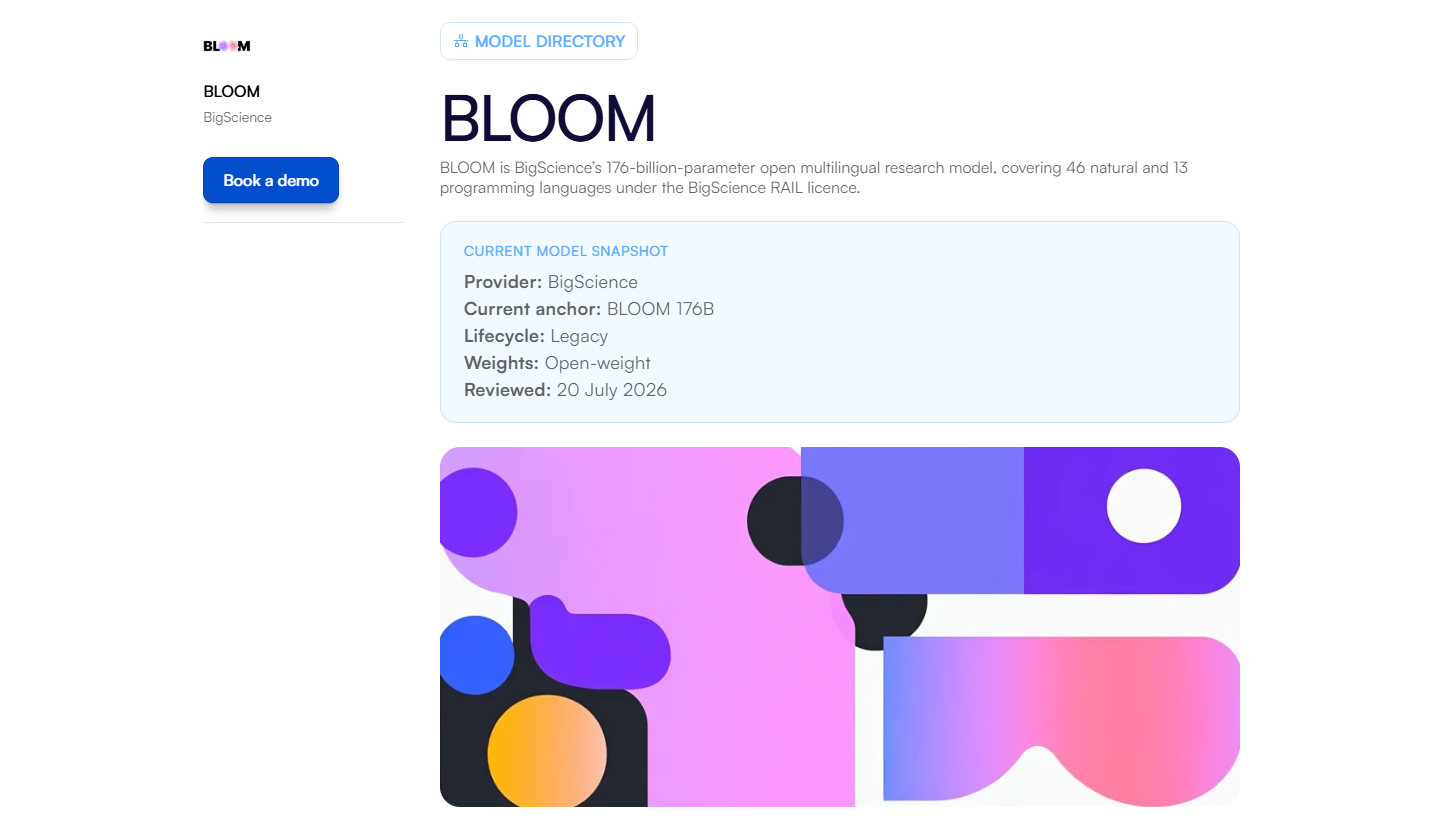
Modification of BLOOM can be used for translation, automation of business communication, research, and the development of business knowledge systems. Because of the open-source nature of BLOOM, businesses will avoid the lock-in effect, consequently increasing privacy, control, and governance of sensitive knowledge of the business.
BLOOM (BigScience) — Key Features
- Multilingual AI: Ability to work with multiple languages for a global reach of a company.
- Open Development: Transparency, less reliance on closed systems.
- Data Privacy: Enables companies to work with data in a safe environment.
- Content Automation: Supports research and routine document workflow automation.
- Adaptable Flexible Customization: Models can be adapted to specific needs of a particular industry.
6. Gemma (Google)
Google’s Gemma Models offer powerful and lightweight AI for enterprises that want private LLMs. Gemma’s new AI research gives business advanced technology that can run efficiently on servers with limited capability.
Internal business applications such as automation and internal chat technology that can be customized using the models also have the advanced protections that privacy requires. Smaller models also mean a lower required computing capacity.
Gemma (Google) — Key Features
- Lightweight Model: Efficient and less resource hungry AI.
- Private Enterprise Support: AI solutions can be safely run on the enterprise hosting.
- Deep Language Understanding: Versatile in using language for automation and analysis, supports chat based solutions.
- Resource Friendly: Helpful for enterprises with not much hardware support.
- Customization: Freely allows developers to customize the model.
7. Qwen (Alibaba Cloud)
Alibaba Cloud’s Qwen family features advanced multimodal language models which enterprises can deploy in private environments. With Qwen, enterprises can carry out sophisticated tasks such as coding, reasoning, and document comprehension as well as business process automation.
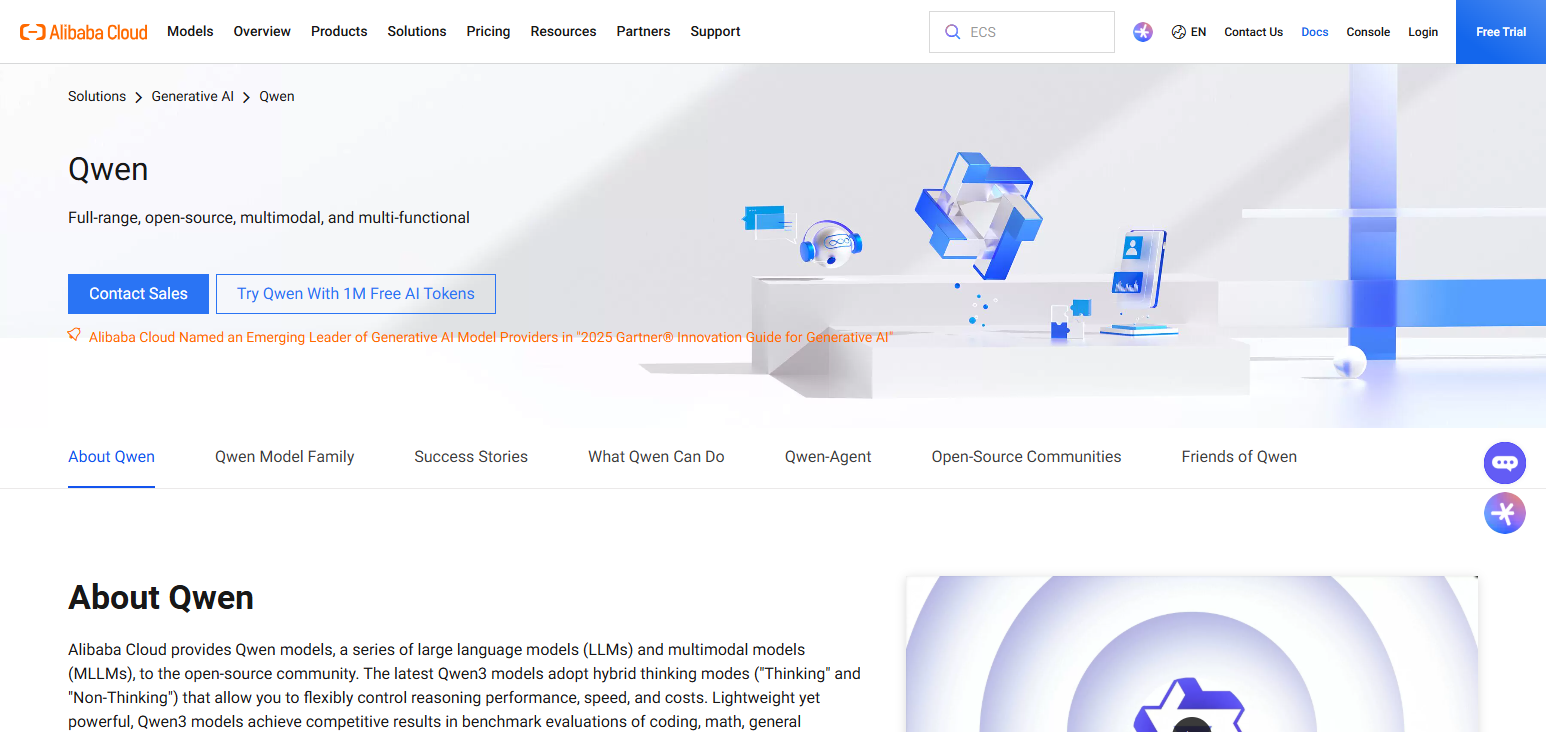
Organizations can run tailored instances on-site to safeguard proprietary data and to address relevant compliance mandates. Owing to its extensive language capabilities and elasticity, organizations can design private Qwen-based AI assistants and enterprise productivity solutions.
Qwen (Alibaba Cloud) — Key Features
- State of the Art Multilingual Processing: Supports multiple languages for global enterprise operations.
- Private AI Processing: Allows local deployment of private AI solutions for sensitive business operations.
- Coding and Reasoning Support: Provides assistance to developers and users for designing and automating solutions as well as complex and coding queries.
- Document Understanding: Able to analyze and comprehend business documents and provide key insights.
- Flexible Integration: Allows interfacing with diverse business and AI module operations.
8. OPT (Meta)
OPT (Open Pre-trained Transformer), created by Meta, is an open research, transparent, and accessible language model. Organizations can deploy the OPT models in their environments to design and build internal enterprise AI applications without the risk of exposing proprietary data.
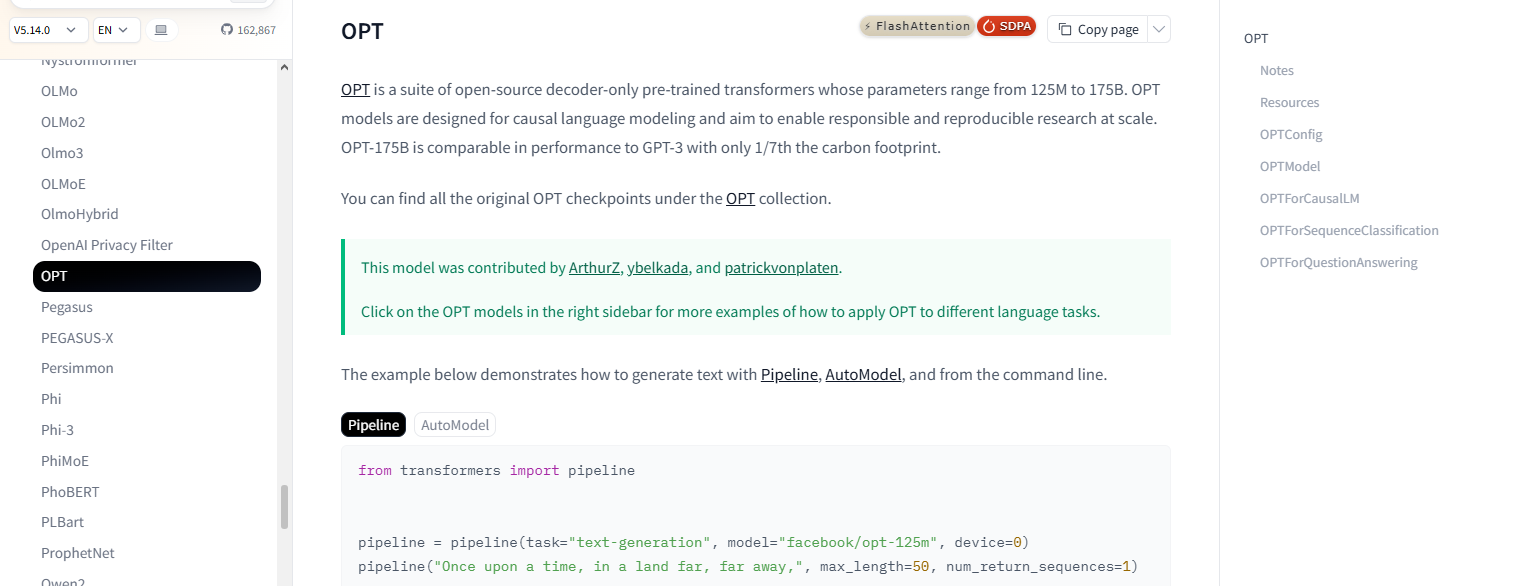
OPT models also support research on the models’ behaviors and provide the means to fine-tune and create specialized models to support analytics and enterprise process automation, as well as knowledge management, while retaining control over their infrastructure.
OPT (Meta) — Key Features
- Open Research Framework: Ensures that the development and testing processes of AI systems are transparent to the public.
- Custom Model Training: Makes it possible for businesses to train the model to meet their specific needs.
- Private Deployment Capability: Makes the private implementation of AI systems possible.
- Performance Optimization: Allows for the enhancement of system performance with modifications drawn from research.
- Enterprise Knowledge Management: Provides analytical and automated solutions and rationalization of enterprise data.
9. T5 (Google Research)
T5 (Text-To-Text Transfer Transformer) is a language model from Google Research that reformulates NLP tasks into a text-based, unified, flexible framework. Organizations can deploy
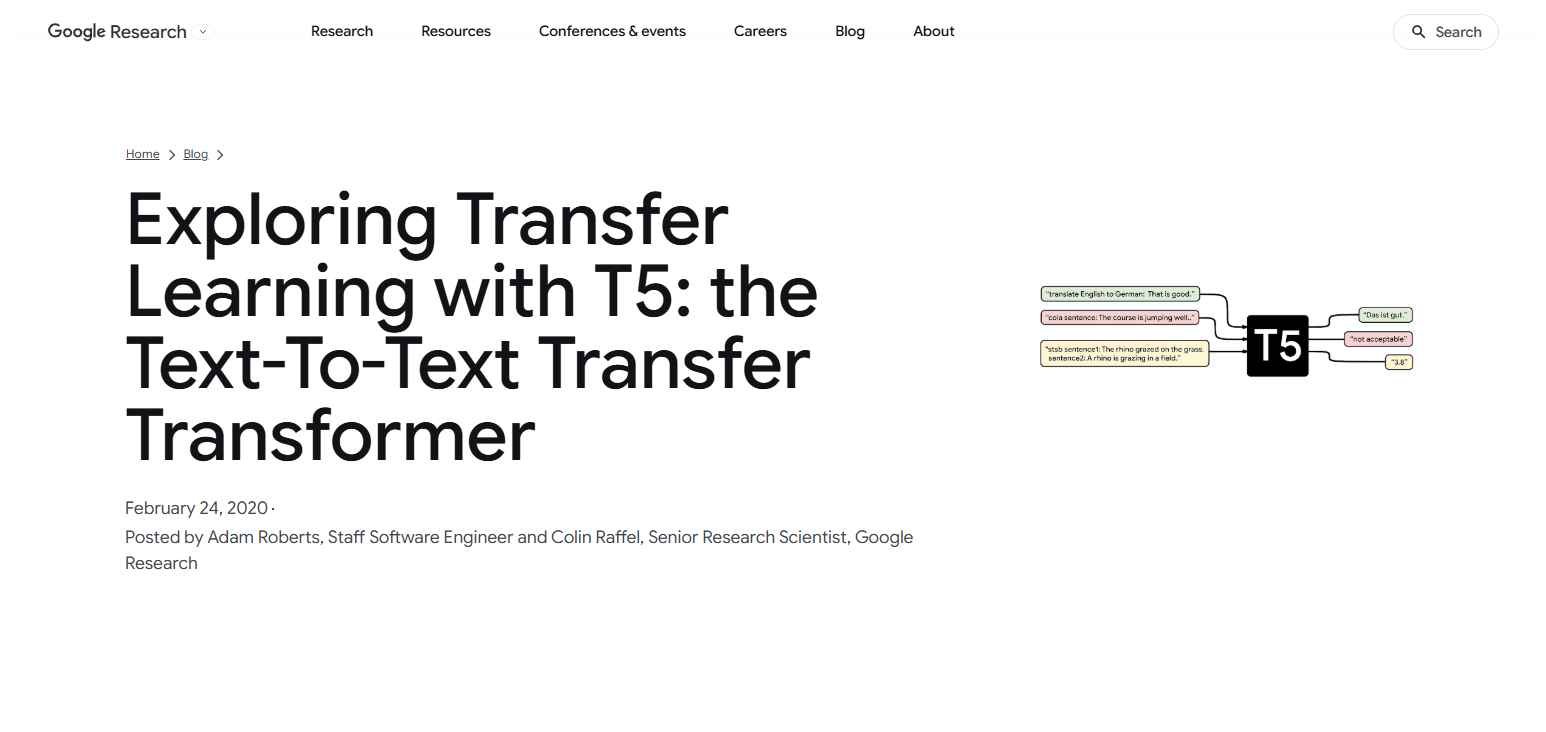
T5 to perform tasks such as text summarization, text classification, text translation, and document processing, Automation of these tasks can be done while preserving the privacy of the model from internal systems. With its extensive adaptability, T5 remains a top choice for AI solutions.
T5 (Google Research) — Key Features
- Text-to-Text Framework: Incorporates diverse tasks within Natural Language Processing into a single framework.
- Versatile NLP Applications: Incorporates summarization, translation, classification and other NLP functions.
- Private Data Processing: Processes data within the enterprise and maintains confidentiality.
- Industry-Specific Fine-Tuning: Enables fine-tuning for tasks pertaining to a specific industry and business.
10. BERT (Google)
Google Research’s BERT is among the most popular enterprise NLP models in private AI. Generative LLMs and BERT are different. BERT focuses on context, search and optimization, classification, and information extraction.

Private businesses can host customized BERT models in order to analyze sensitive documents, enhance their internal search systems, and streamline their workflow automation. BERT is a reliable option for secure enterprise AI applications because of its high accuracy and flexibility paired with a robust developer ecosystem.
BERT (Google) — Key Features
- Contextual Language Understanding: Analyzes the entire context surrounding a word in a sentence to understand its meaning.
- Enterprise Search Optimization: Improves the internal search systems of enterprises and information retrieval.
- Secure On-Premise Deployment: Enables enterprises to process data that is sensitive and confidential.
- Information Extraction Capability: Assists in the analysis of documents and automated classification.
- Strong Developer Ecosystem: Highly extensive tooling and resources for enterprises engaging in AI development.
How To Choose the Right Private LLM for Enterprise
- Evaluate Business Requirements: Define AI business objectives, potential use cases, the data that will be leveraged, and anticipated business impacts.
- Analyze Infrastructure Availability: Assess the existing data center, available servers and GPUs, and other technical resources needed for deployment.
- Check Model Performance: Assess model accuracy, speed, scalability, reasoning, and other task-specific attributes.
- Consider Customization Options: Evaluate if models can be fine-tuned and if they can be integrated with existing enterprise systems.
- Review Security and Compliance Needs: Assess if the LLM conforms with various privacy and data protection regulations.
- Measure Total Ownership Costs: Calculate the costs of the hardware, the upkeep and the development, the training, and costs for operating it.
Conclusion
In conclusion: Private Large Language Models (LLMs) Deployed On-Premise for Enterprise The provision of Private Large Language Models (LLMs) deployed on-premise enhances the security, customization, and control of AI services for enterprises.
They offer organizations the opportunity to safeguard sensitive information, fulfill compliance mandates, and devise solutions suited to their particular industry.
While the deployment of LLMs entails investment and some level of information technology expertise, the privacy, flexibility, and long-term independence of AI systems offer sufficient justification for the implementation of private LLMs to transform enterprises.
FAQ
Are private LLMs more secure than public AI models?
Yes, private LLMs offer stronger security because business data remains within controlled internal environments.
What are the benefits of private LLM deployment?
Key benefits include data privacy, customization, regulatory compliance, faster processing, and reduced dependency on external AI providers.
Which are the best private LLMs for enterprises?
Popular private enterprise LLMs include Llama, Mistral Large, Falcon, GPT-NeoX, BLOOM, Gemma, Qwen, OPT, T5, and BERT.
What hardware is required for on-premise LLM deployment?
Organizations typically need powerful GPUs, high-performance servers, sufficient storage, and scalable computing infrastructure.