In this article, we will focus on Forex Brokers with Crypto Margin Protection and how regulated platforms protect traders from losing too much money. Negative balance protection, leverage caps, and segregated funds are examples of features designed to protect traders. These features allow traders to access risky crypto assets without adding too much risk to the forex market.
How To Choose Forex Brokers with Crypto Margin Protection
Regulation & Licensing
Ensure that the broker is regulated by the主要銷售(類似ASIC, FCA, CySEC)。This provides transparency and ensures the negative balance protection of retail clients.
Account Types
Check to see if the broker offers accounts of types, ** Standard, ECN, Islamic, or Professional**. Retail accounts usually have negative balance protection, whereas professional accounts may not.
Supported Platforms
Choose brokers with MT4, MT5, cTrader, TradingView, or their proprietary applications, as the choice of platform will affect the ease of usability, available charting tools, and the speed of execution.
Payment Methods
Make sure brokers have fast reliable withdrawals, and quick deposits with local e-wallets, PayPal, or credit / debit cards, and bank transfers.
Crypto Margin Protection Features
Check for the automatic stop-outs and segregated client funds and leverage capping ( e.g. 1:2 for crypto CFDs).
Benefits Of Forex Brokers with Crypto Margin Protection
Zero Debt Trading
Normally, traders are safe from falling into debt trade related to crypto due to negative balance protection. This is because the clients never go bankrupt. It protects traders from extreme volatility crypto markets.
Managed Risk
Brokers enforce limited leverage with automated stop outs and segregated funds. Brokers protect traders from the risk of losing everything.
Peace of Mind Regulation
Most reputable and top-tier regulatory brokers (FCA, CySEC, ASIC) offer negative balance protection to match their regulatory requirements. This gives peace of mind to traders.
Leveraged Crypto Exposure
Margin protection makes leveraged cryptocurrency trading safe. Traders can access these trading opportunities without losing more than their capital.
No Anxiety for First Time Traders
Beginner traders feel safer trading new markets and believe capital losses are capped. This reduces the anxiety of new market trading.
Trusted Relationships
Margin protection adds value to regulated brokers. Clients value these safeguards more than unregulated, offshore brokers who offer unlimited leverage.
Key Points
| Broker | Regulation | Crypto Margin Protection Features | Key Strengths |
|---|---|---|---|
| Libertex | CySEC (EU) | ESMA leverage cap (1:2), negative balance protection | 300+ instruments, zero‑commission spread model. |
| XTB | FCA, CySEC | Segregated funds, crypto CFD margin limits | Strong forex execution, advanced xStation platform. |
| eToro | FCA, CySEC, ASIC | Negative balance protection, social trading safeguards | Copy trading + crypto CFDs, beginner‑friendly. |
| FP Markets | ASIC, CySEC | Crypto margin segregation, NBP | MT4/MT5, cTrader, 10,000+ instruments. |
| Moneta Markets | ASIC | ECN spreads, crypto margin caps | 1:1000 leverage (forex), instant crypto deposits. |
| IG Group | FCA | Strict crypto CFD leverage limits, NBP | Tier‑1 regulated, institutional trust. |
| CMC Markets | FCA, ASIC | Crypto CFD margin protection, segregated accounts | 12,000+ instruments, strong research tools. |
| Saxo Bank | FSA (Denmark) | Institutional margin rules, NBP | High‑net‑worth focus, multi‑asset coverage. |
| AvaTrade | Central Bank of Ireland | Crypto CFD margin caps, NBP | Global reach, fixed spreads, strong mobile app. |
| Plus500 | FCA, CySEC, ASIC | Negative balance protection, crypto CFD limits | Simple UI, strong compliance, retail focus. |
1. Libertex
Libertex was established in 2012 and operates on the strength of Indication Investments. They are a Cypriot based broker with CySEC (license 164/12) regulation. Libertex clients are offered CFD and Invest accounts, the minimum deposit being €100.

They can make payments through bank transfer, cards, and e-wallets and are provided with trading platforms of their choice from among MetaTrader 4, MetaTrader 5, and the company’s app among others. Libertex gives clients the choice of trading in forex, crypto CFDs, stocks, ETFs, and commodities. As a Demarcation to client risk exposure, retail clients are provided with negative balance protection.
LIBERTX Features
- Established in 2012 and headquartered in Cyprus.
- Regulated by CySEC through Indication Investments Ltd.
- CFD and Invest accounts with a minimum deposit of €100.
- Bank transfers, card payments and e-wallets.
- MT4, MT5, and Libertex proprietary app.
| Pros | Cons |
|---|---|
| Regulated by CySEC ensuring safety | Limited platform choice compared to peers |
| Offers MT4, MT5, and proprietary app | Minimum deposit of €100 may deter beginners |
| Wide range of CFDs including crypto | No direct stock ownership |
| User-friendly mobile app | Limited advanced charting tools |
| Negative balance protection for retail | Fewer global regulatory licenses |
2. XTB
XTB was established 14 years earlier in 2002 in Poland. They have the distinction of being a broker with publicly traded shares on the Warsaw Stock Exchange. Thanks to their standing on the Exchange, they are able to offer retail clients the protection of negative balance.
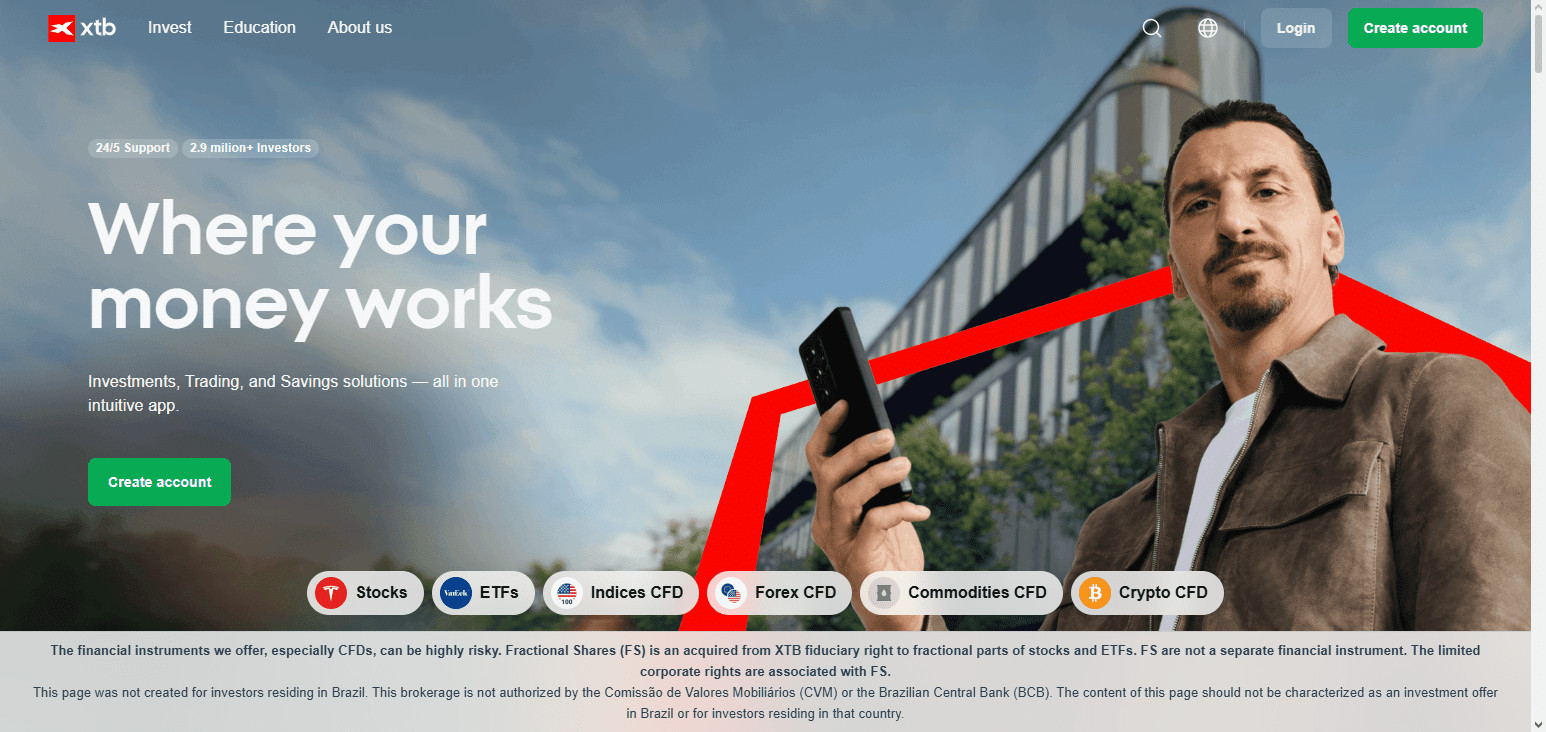
They are regulated by FCA, KNF, CySEC, and DFSA which allows their retail clients to trade using shares and CFDs with no minimum deposit. Bank transfers and e-wallets are among the payment methods available to clients. Their trading platforms are xStation 5 and MT4. With 5,800+ tradeable instruments available to the retail client, they encompass forex, crypto, stocks, and ETFs.
XTB Features
- Established in 2002 and listed on the Warsaw Stock Exchange.
- Regulated by FCA, KNF, CySEC, DFSA.
- Offers CFD and real share accounts with no required minimum deposit.
- Bank transfers, card payments and e-wallets.
- xStation 5 and MT4.
| Pros | Cons |
|---|---|
| Listed on Warsaw Stock Exchange | No support for MT5 |
| Regulated by FCA, KNF, CySEC, DFSA | Limited payment options in some regions |
| No minimum deposit required | Crypto offering smaller than competitors |
| xStation 5 platform is advanced | Spread costs can be higher on some pairs |
| Negative balance protection included | Limited availability in certain countries |
3. eToro
eToro was founded in 2007 in Tel Aviv and trades on the Nasdaq (ETOR). It is supervised by the FCA, CySEC, ASIC, MAS, and others. Only standard and demo accounts are available. The minimum deposit is $50.
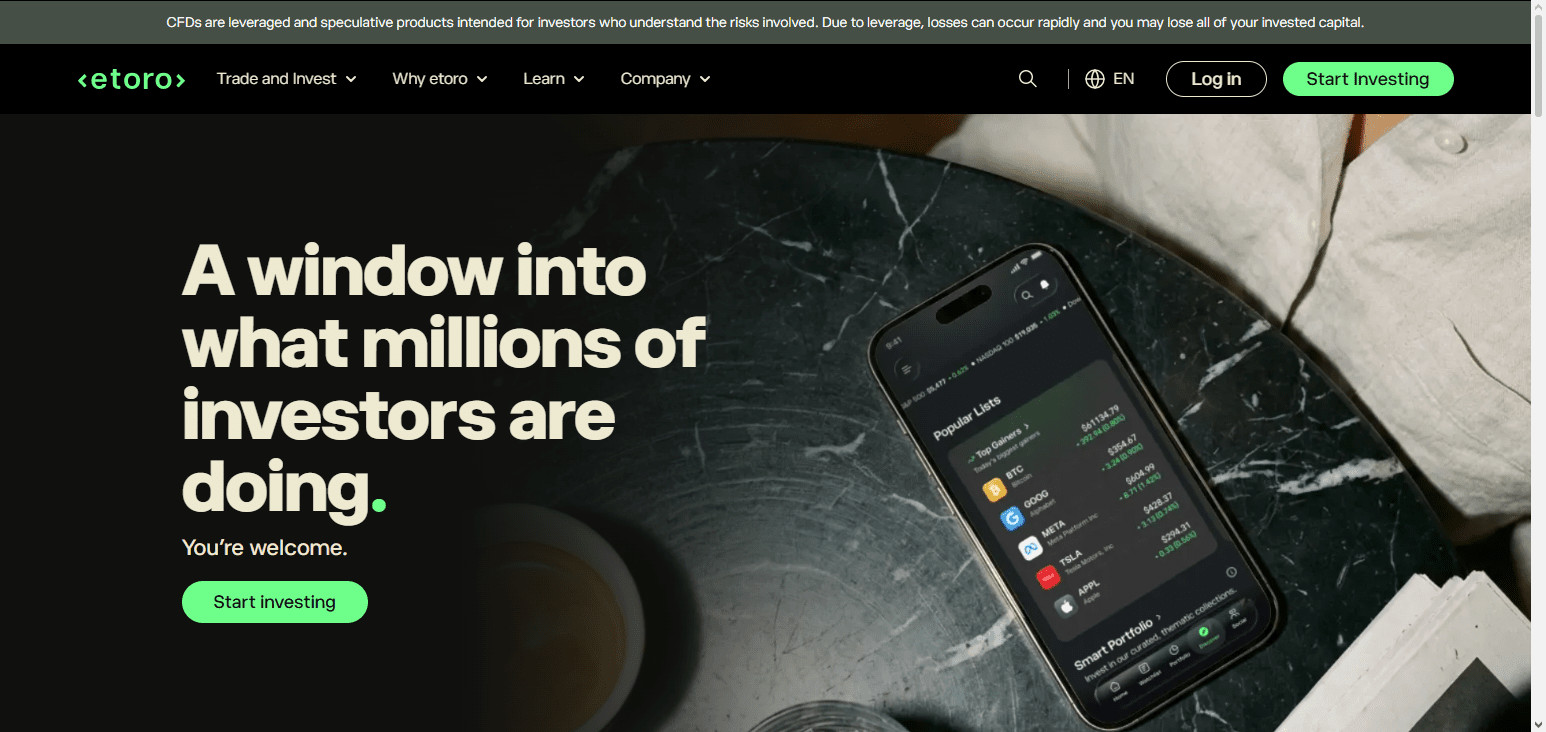
Payments are accepted via bank transfer, card payments, PayPal, Skrill, and Neteller. In-house developed platforms include eToro Web and Mobile. These include CopyTrader and Smart Portfolios. eToro provides traders with a selection of forex, crypto, stocks, ETFs, and CFDs. Retail clients are protected from negative balances.
eToro Features
- Established in 2007 and headquartered in Tel Aviv.
- Regulated by FCA, CySEC, ASIC, MAS.
- Offers standard and demo accounts with a $50 minimum deposit.
- PayPal, Skrill, Neteller, card payments and bank transfers.
- eToro Web and Mobile (CopyTrader).
| Pros | Cons |
|---|---|
| Strong global regulation (FCA, CySEC, ASIC) | Higher spreads compared to ECN brokers |
| CopyTrader & Smart Portfolios | Limited advanced trading tools |
| Supports PayPal, Skrill, Neteller | Withdrawal fees apply |
| User-friendly proprietary platform | No MT4/MT5 support |
| Negative balance protection | Minimum deposit varies by region |
4. FP Markets
Based in Sydney with an ASIC approval, FP Markets was established in 2005 and also holds regulation with CySEC, FSCA, FSA (Seychelles), and CMA (Kenya). A minimum deposit of $100 is required for Standard and Raw ECN accounts.
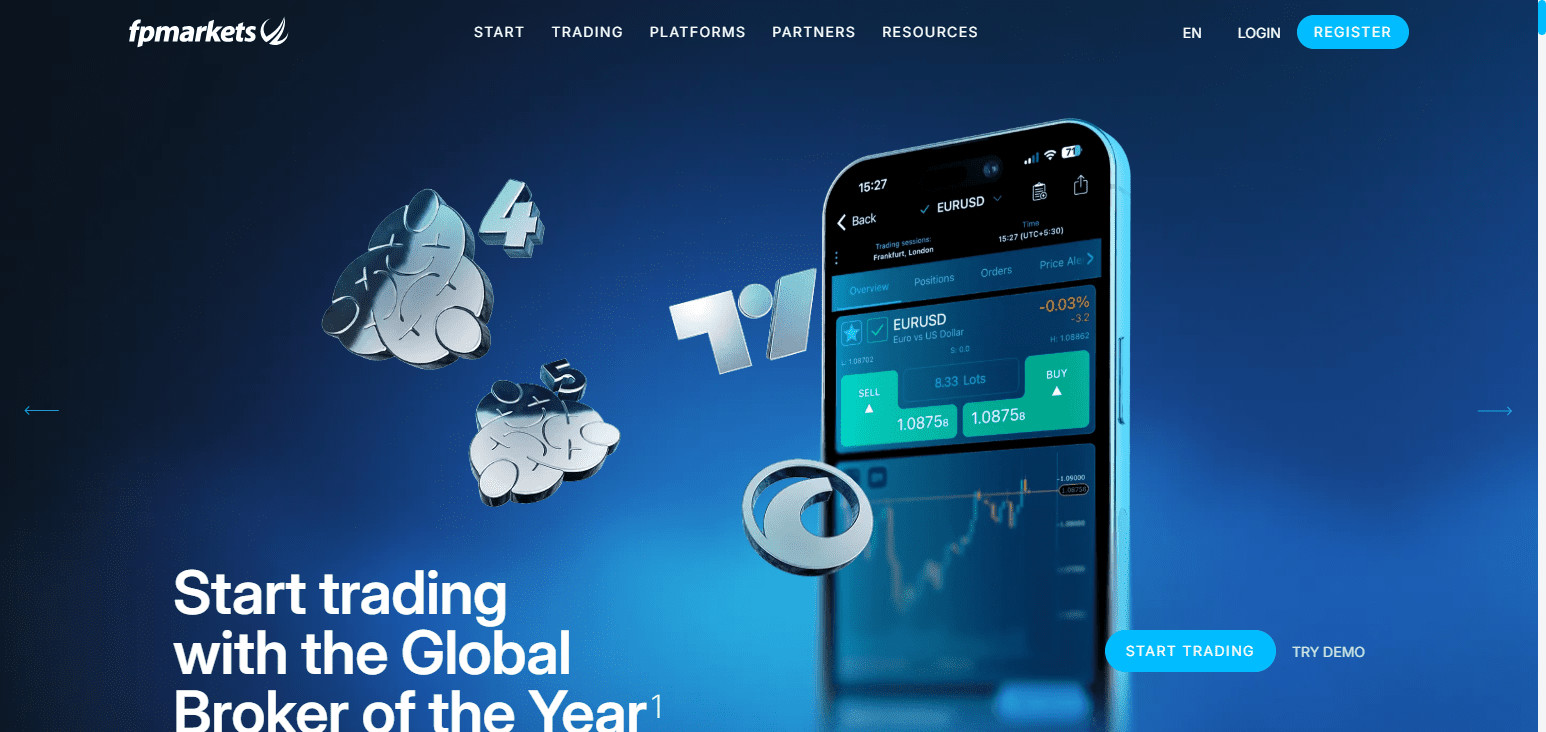
Transfers, cards, and e-wallets are used for payment. FP Markets offers multiple platforms including MT4, MT5, cTrader, TradingView, and Iress. FP Markets offers 10,000+ instruments including forex, crypto, stocks and ETFs with negative balance protection.
FP Markets Features
- Established in 2005 and headquartered in Sydney.
- Regulated by ASIC, CIMA, FSCA, FSA, CySEC.
- Standard and Raw ECN accounts with a minimum deposit of $100.
- Offers bank transfers, card payments and e-wallets.
- MT4, MT5, cTrader, TradingView, Iress.
| Pros | Cons |
|---|---|
| Regulated by ASIC, CySEC, FSCA, FSA | Minimum deposit $100 |
| Offers MT4, MT5, cTrader, TradingView | Proprietary platform less developed |
| ECN pricing with tight spreads | Limited crypto selection |
| Wide range of instruments | Complex account types may confuse beginners |
| Negative balance protection | Withdrawal fees on some methods |
5. Moneta Markets
Moneta Markets was established in 2018 and is regulated by ASIC, FSCA, FCA, and the FSA (Seychelles). Delivery accounts (Standard, Prime, and Ultra) require a minimum deposit of $50.
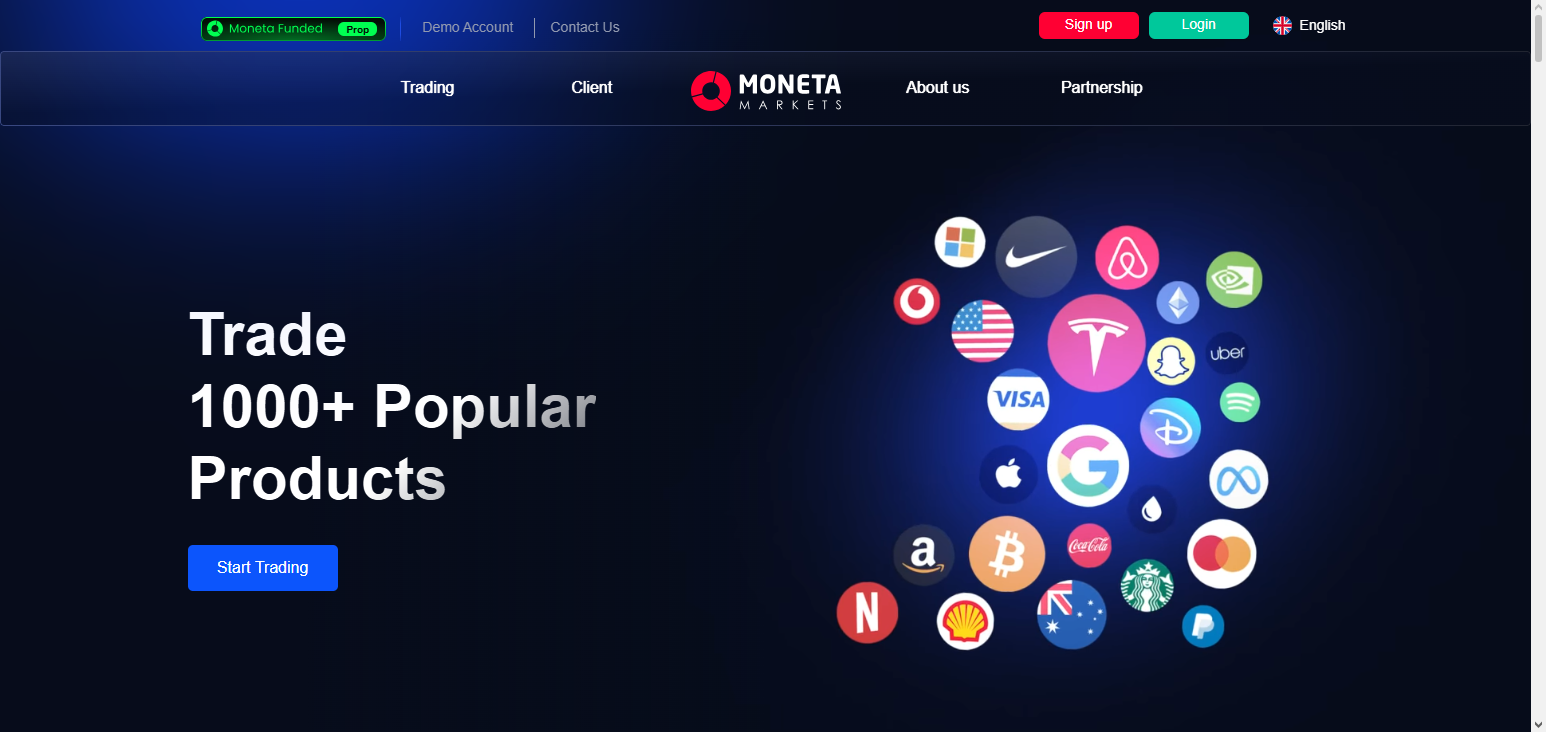
Payment methods include bank transfer, cards, and e-wallets. Choose from the platforms MT4, MT5, WebTrader, and AppTrader. Moneta offers forex, crypto, stocks, indices, and ETFs and offers negative balance protection for retail clients.
Moneta Markets Features
- Established in 2018 and headquartered in Australia.
- Regulated by ASIC, FCA, FSA, FSCA.
- Standard, Prime, and Ultra accounts with a minimum deposit of $50.
- Bank transfers, card payments, and e-wallets.
- MT4, MT5, WebTrader, AppTrader.
| Pros | Cons |
|---|---|
| Regulated by ASIC, FSCA, FCA, FSA | Founded recently (2018) |
| Low minimum deposit ($50) | Smaller global presence |
| Supports MT4, MT5, WebTrader | Limited advanced research tools |
| Flexible payment options | Narrower product range than peers |
| Negative balance protection | Less brand recognition |
6. IG Group
IG Group began in London in 1974. It is now regulated by the FCA, ASIC, BaFin, CFTC/NFA, MAS, JFSA, and FSCA. It is listed on the FTSE 100. Accounts can include CFDs, spread betting, or share dealing with a zero dollar minimum deposit (bank wire).
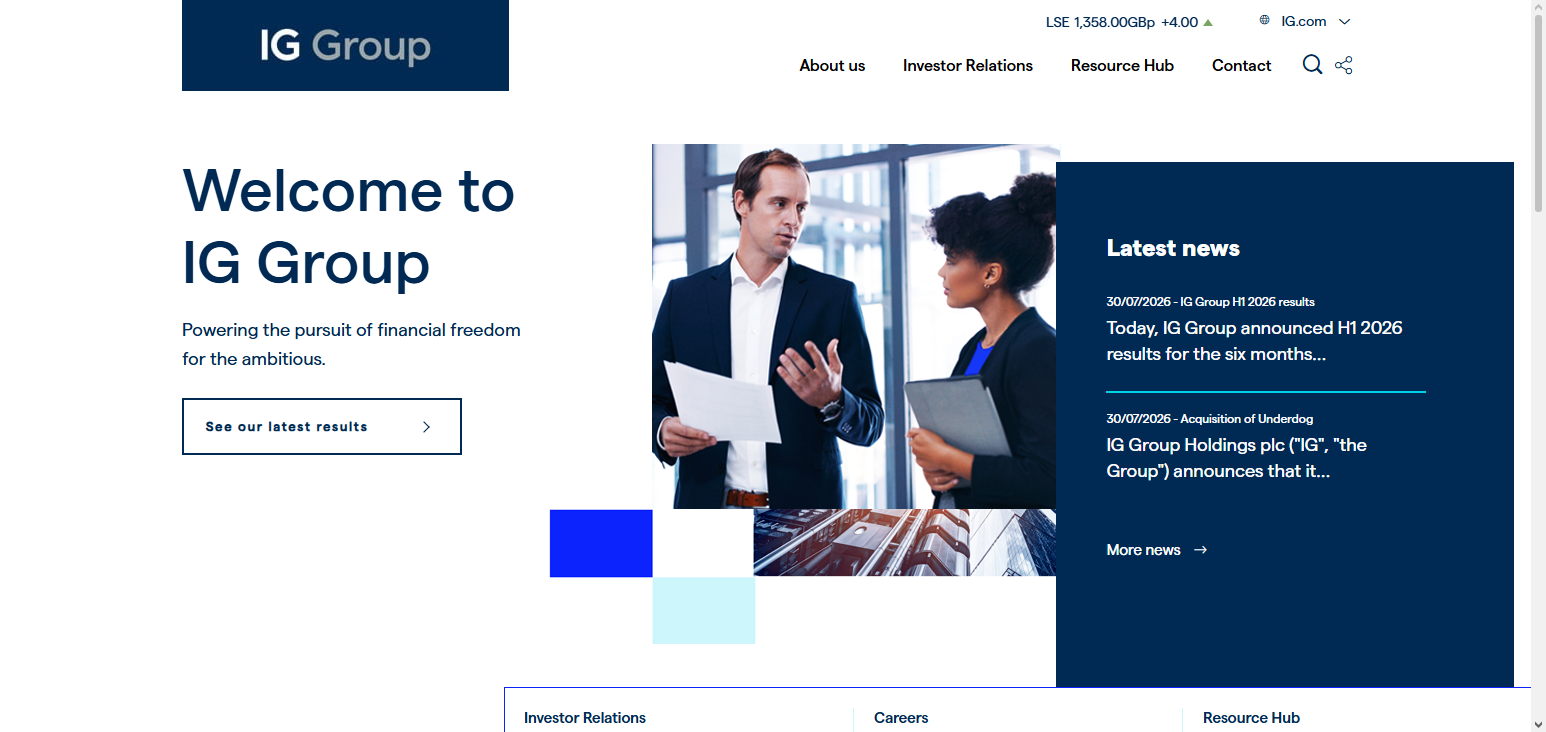
Payments can be made by bank wire, card, or PayPal. Platforms can be IG’s proprietary software or MT4, or one of the third parties TradingView, ProRealTime, or L2 Dealer. IG can provide trading access to approximately 17,000 markets of crypto, stocks, forex, and ETFs. Negative balance protection is offered to all clients.
IG Group Features
- Operates out of London and was started in 1974.
- Regulated by FCA, ASIC, BaFin, CFTC./NFA, MAS, JFSA.
- Accounts: CFD, Spread Betting, Share Dealing.
- Payments via bank transfer, cards, PayPal.
- Platforms: IG proprietary, MT4, TradingView, ProRealTime.
| Pros | Cons |
|---|---|
| FTSE 100 listed, highly reputable | Higher minimums for some accounts |
| Regulated globally (FCA, ASIC, MAS, etc.) | Complex fee structure |
| Offers 17,000+ instruments | Proprietary platform learning curve |
| Multiple platforms (MT4, TradingView, ProRealTime) | Limited crypto compared to competitors |
| Negative balance protection | Spread betting only available in UK |
7. CMC Markets
CMC Markets, founded in 1989 in London and listed on the FTSE 250, is regulated by several authorities, including the FCA and ASIC. There are retail and institutional accounts with no minimum deposit.
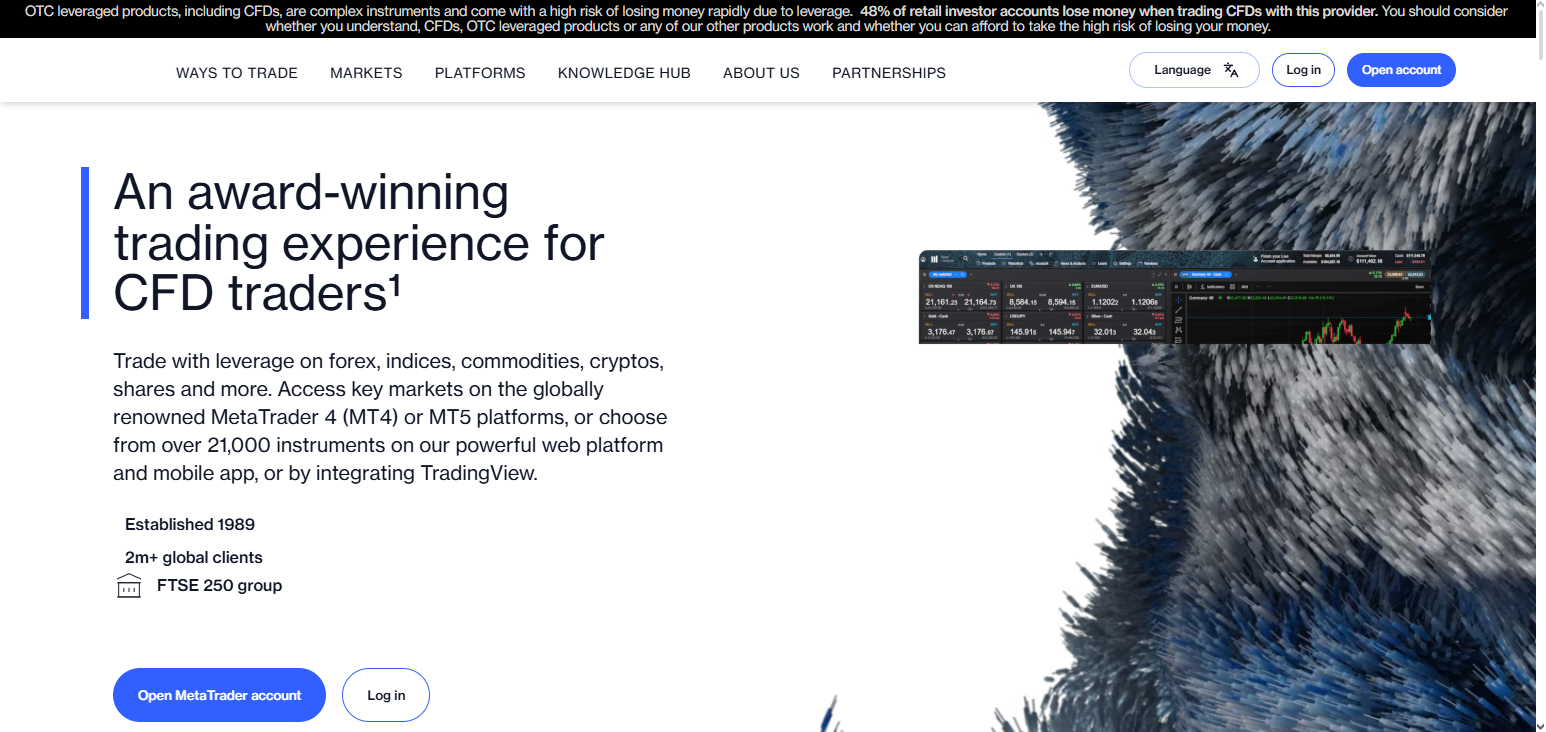
Payments can be made via bank transfers, cards, and e-wallets. Supported trading platforms are Next Generation, MT4, and CMC Invest. CMC provides access to over 13,000+ instruments including forex, crypto, stocks, and ETFs and provides negative balance protection.
CMC Markets Features
- Started in 1989 with operations beginning in London.
- Listed on FTSE 250 with regulation by FCA, ASIC, MAS.
- Accounts: Retail & institutional. Zero minimum deposit.
- Payments via bank transfer, cards, e-wallets.
- Platforms: Next Generation, MT4, and CMC Invest.
| Pros | Cons |
|---|---|
| FTSE 250 listed, strong reputation | No MT5 support |
| Regulated by FCA, ASIC, MAS | Spreads can be wider on crypto |
| Next Generation platform is advanced | Limited payment options |
| 13,000+ instruments available | No guaranteed stop-loss for all accounts |
| Negative balance protection | Higher fees for share trading |
8. Saxo Bank
Saxo Bank founded 1992 in Copenhagen, is regulated by the Danish FSA, FCA, MAS, and ASIC. Saxo accounts are SaxoInvestor and SaxoTrader, with region based minimums. Payments can be made via bank transfer and cards.
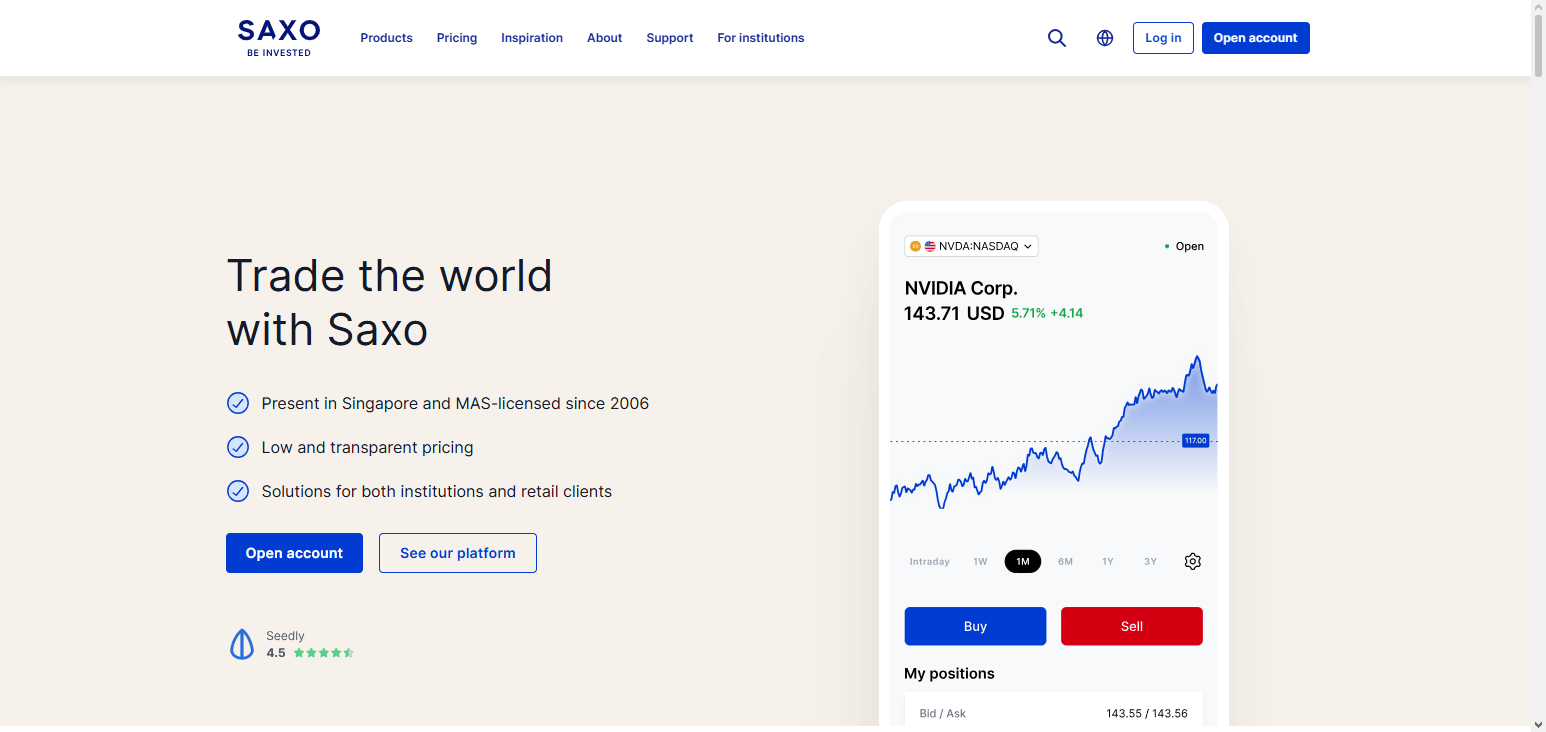
Saxo platforms are SaxoTraderGO and SaxoTraderPRO (API available), and provides trading on over 71,000 instruments inclusive of forex, crypto ETPs, equities, and bonds, with negative balance protection for EU and UK retail clients.
Saxo Bank Features
- Operated in 1992 out of Copenhagen.
- Regulated by Danish FSA, FCA, MAS, ASIC.
- Accounts: SaxoInvestor & SaxoTrader, varying deposits regionally.
- Payments via bank transfer, cards.
- Platforms: SaxoTraderGO, SaxoTraderPRO, API Access.
| Pros | Cons |
|---|---|
| Established global bank since 1992 | High minimum deposit requirements |
| Regulated by Danish FSA, FCA, MAS | Complex platform for beginners |
| Offers 71,000+ instruments | Limited e-wallet payment options |
| Professional-grade platforms (SaxoTraderGO/PRO) | Focused more on professionals |
| Negative balance protection (EU/UK retail) | Not ideal for small retail traders |
9. AvaTrade
Founded in 2006 in Dublin, AvaTrade is regulated by CySEC, ASIC, FSCA, FSA, and CBB. AvaTrade accounts include Standard, Islamic, and demo with a $100 minimum. Payments can be made via bank transfer, cards, PayPal, Skrill, and Neteller.
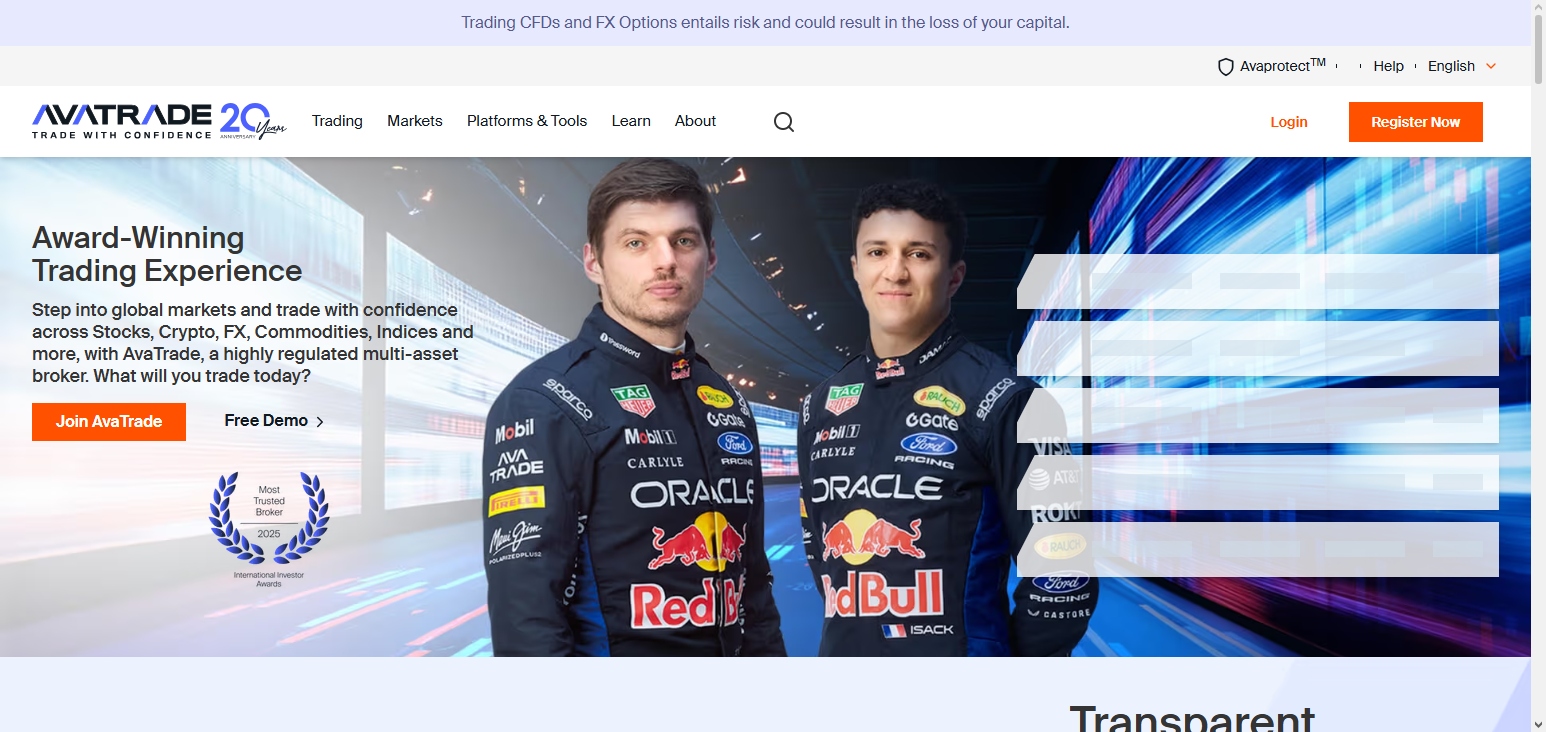
AvaTrade supported platforms include MT4, MT5, AvaTradeGO, AvaOptions, and AvaSocial. AvaTrade provides trading on over 1,250 instruments inclusive of forex, crypto, equities, and ETFs with negative balance protection.
AvaTrade Features
- Started in 2006, based in Dublin.
- Regulated by CySEC, ASIC, FSCA, FSA, CBB.
- Accounts: Standard, Islamic, demo, $100 minimum deposit.
- Payments via bank transfer, cards, PayPal, Skrill, Neteller.
- Platforms: MT4, MT5, AvaTradeGO, AvaOptions, AvaSocial.
| Pros | Cons |
|---|---|
| Regulated by CySEC, ASIC, FSCA, FSA | Limited product range vs larger brokers |
| Multiple platforms (MT4, MT5, AvaTradeGO) | Withdrawal fees may apply |
| Supports PayPal, Skrill, Neteller | No stock ownership, only CFDs |
| Islamic accounts available | Spreads can be higher |
| Negative balance protection | Limited research tools |
10. Plus500
Founded in 2008, Plus500 Ltd. is an international CFD broker regulated by FCA, CySEC, ASIC, MAS, DFSA, ISA, CIRO, and the CFTC/NFA. Retail investors can choose to create CFD or Invest accounts with a minimum deposit of $100. Plus500 clients can use a variety of methods of payments including bank transfers, credit/debit cards, and PayPal.
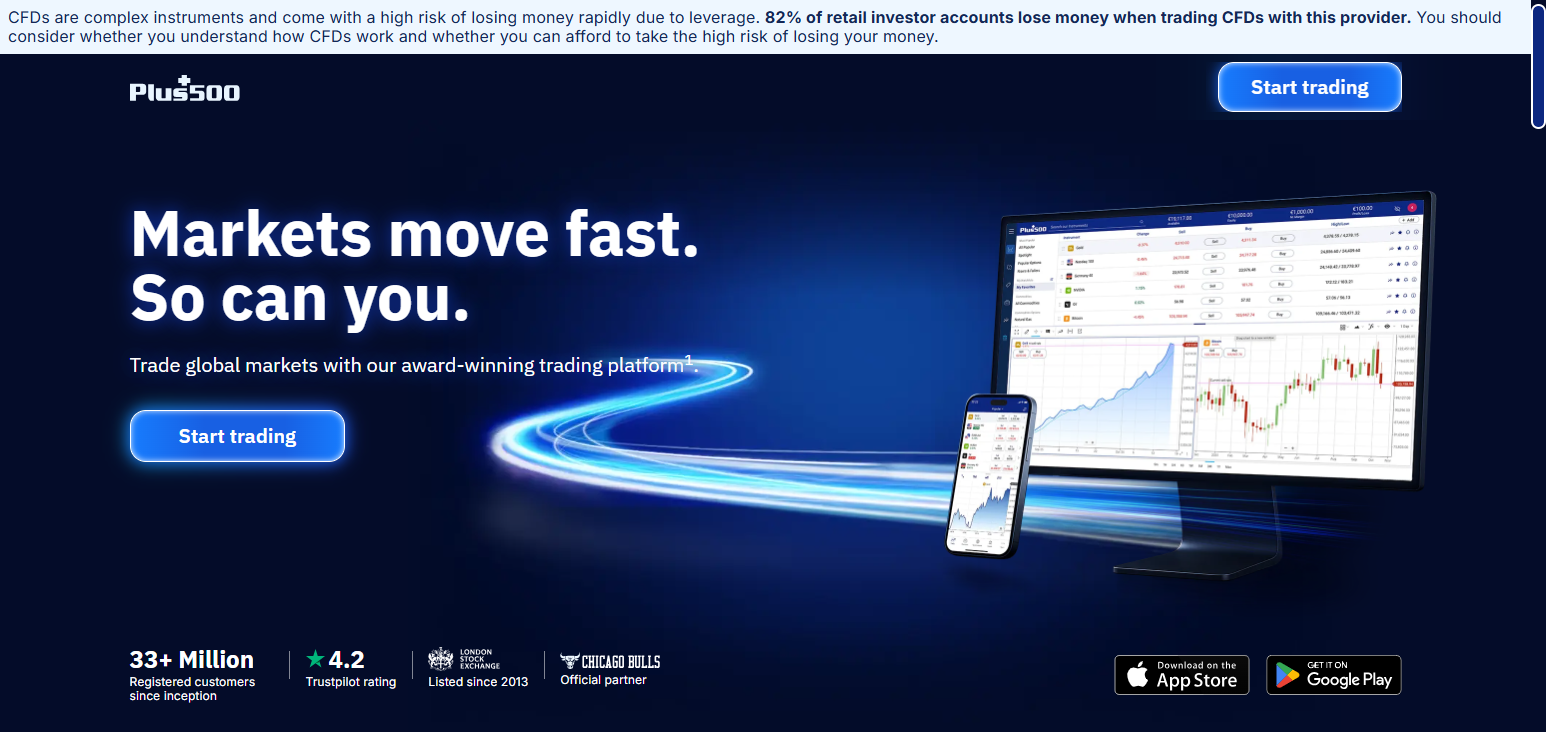
There are currently two trading platforms available, Plus500 WebTrader and mobile apps. Futures and options trading are also available along with Forex, Crypto, and stocks trading. Plus500 provides negative balance protection to its retail clients.
Plus500 Features
- Started in 2008, Israel-based, operations on FTSE 250.
- Regulated by FCA, CySEC, ASIC, MAS, DFSA, ISA, CIRO, CFTC/NFA.
- Accounts: CFD & Invest, $100 minimum deposit.
- Payments via bank transfer, cards, PayPal.
- Platforms: Plus500 WebTrader & mobile apps.
| Pros | Cons |
|---|---|
| FTSE 250 listed, strong reputation | Proprietary platform only |
| Regulated by FCA, CySEC, ASIC, MAS, etc. | No MT4/MT5 support |
| User-friendly WebTrader & mobile apps | Limited advanced charting |
| Wide range of CFDs including crypto | Withdrawal fees possible |
| Negative balance protection | No deep educational resources |
Conclusion
When it comes to choosing forex brokers with negative balance protection, selecting the right one becomes critical for trading cryptocurrencies on margin. The ten brokers we evaluated (Libertex, XTB, eToro, FP Markets, Moneta Markets, IG Group, CMC Markets, Saxo Bank, AvaTrade, and Plus500) have all unique advantages in the areas of regulation, account types, payment methods, and platform support.
They all offer strong risk management, ensuring traders do not lose more than they invested. In the highly volatile crypto markets, volatility can pose the biggest threat to theverage margin trader. With strong regulation, multiple trading platforms (MT4/5, TradingView, etc.) and many payment methods, all these listed brokers offer a safe and convenient service.
FAQ
What is negative balance protection?
Negative balance protection ensures traders cannot lose more money than they deposit. If markets move sharply against your position, the broker absorbs the excess loss, keeping your account balance from going below zero.
Why is it important for crypto margin trading?
Crypto markets are highly volatile, and margin trading amplifies both gains and losses. Negative balance protection safeguards traders from catastrophic losses, making leveraged crypto trading safer.
Which brokers offer this protection?
Top brokers like Libertex, XTB, eToro, FP Markets, Moneta Markets, IG Group, CMC Markets, Saxo Bank, AvaTrade, and Plus500 all provide negative balance protection for retail clients.
Are these brokers regulated?
Yes. Each broker is regulated by top-tier authorities such as FCA (UK), CySEC (Cyprus), ASIC (Australia), MAS (Singapore), and FSCA (South Africa), ensuring compliance and trader safety.
What platforms do they support?
Most brokers support MetaTrader 4, MetaTrader 5, TradingView, cTrader, and proprietary platforms like eToro WebTrader, IG Trading, and Plus500 WebTrader.