In this post, I will outline a few ways that AI is changing how professional athletes trains. Sports have been undergoing a rapid evolution with data-driven technologies which are enthused with performance improvements, injuries minimisation and training optimisation.
However, in an intensely competitive modern era of professional sports, artificial intelligence is changing the game by rewriting how athletes train, and compete, and reach their A-game through personalized programs or instant analysis.
Key Points & Ways AI Is Changing How Athletes Train at the Professional Level
Hyper-Personalized Training Programs AI analyzes data to create customized training plans tailored to individual strengths, weaknesses, and goals.
Real-Time Biomechanical Analysis Sensors AI track movements instantly, providing feedback to improve technique, efficiency, and reduce injury risk.
Predictive Injury Prevention Machine learning predict injury risks by analyzing workload, fatigue, and biomechanics, enabling proactive prevention strategies.
Advanced Load Management AI monitors load, recovery, and performance, optimizing intensity to prevent overtraining while maximizing athletic output.
AI-Powered Virtual Reality (VR) Simulation Virtual reality AI simulates game scenarios, helping athletes practice decision-making and reactions in controlled environments.
Data-Informed Precision Nutrition AI analyzes needs, metabolism, and data to create personalized nutrition enhancing recovery and energy levels.
Computer Vision in Skill Development Computer vision analyze footage to detect technique errors, providing detailed feedback for continuous skill improvement.
Digital Twins for Performance Modeling AI creates replicas athletes to simulate outcomes, test strategies, and optimize performance without physical strain.
Automated Strategy and Game Planning AI processes sets to generate game strategies, opponent analysis, and tactical insights for coaches teams.
Real-Time Coaching Adjustments Coaches AI insights games to adjust tactics instantly, improving decisions based on live performance data.
10 Ways AI Is Changing How Athletes Train At The Professional Level
1. Hyper-Personalized Training Programs
AI is disrupting training by generating extreme customization programs centered around athlete-specific data points offering analysis on performance history, body composition, and recovery.
Athletes now stick to specific plans created for the individual — rather than a generic routine. Analyse new data in real time and adapt their systems, guaranteeing the best way forward.
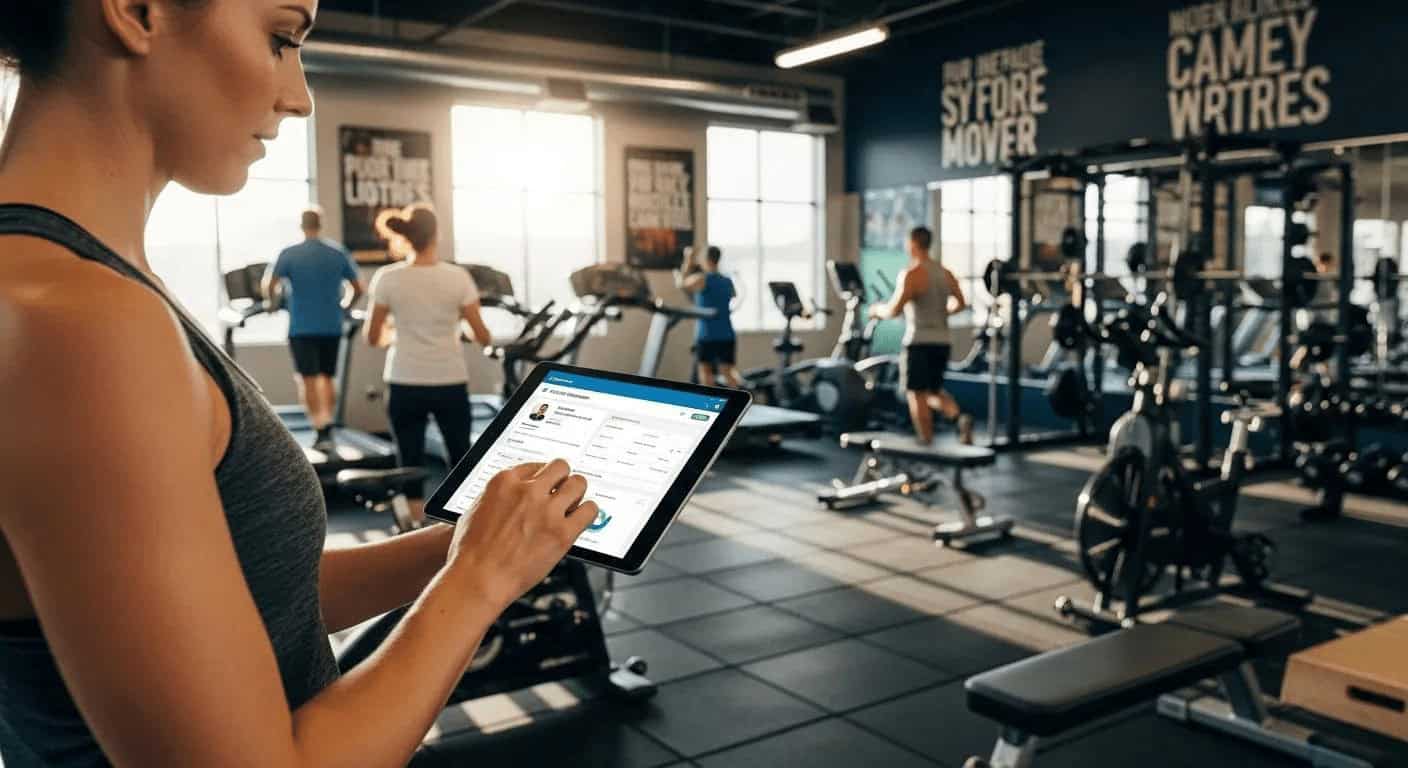
This degree of customization allows athletes to optimize efficiency, prevent plateaus, achieve peak performance, and minimize the risk of over training or burnout over lengthy competitive seasons.
| Feature | Description |
|---|---|
| Data-Driven Plans | AI uses performance history, biometrics, and goals to design customized training routines. |
| Adaptive Learning | Programs evolve continuously based on real-time progress and athlete feedback. |
| Strength-Weakness Focus | Targets individual gaps while maximizing natural strengths for balanced development. |
| Fatigue Optimization | Adjusts intensity to prevent burnout and ensure sustainable peak performance. |
2. Real-Time Biomechanical Analysis
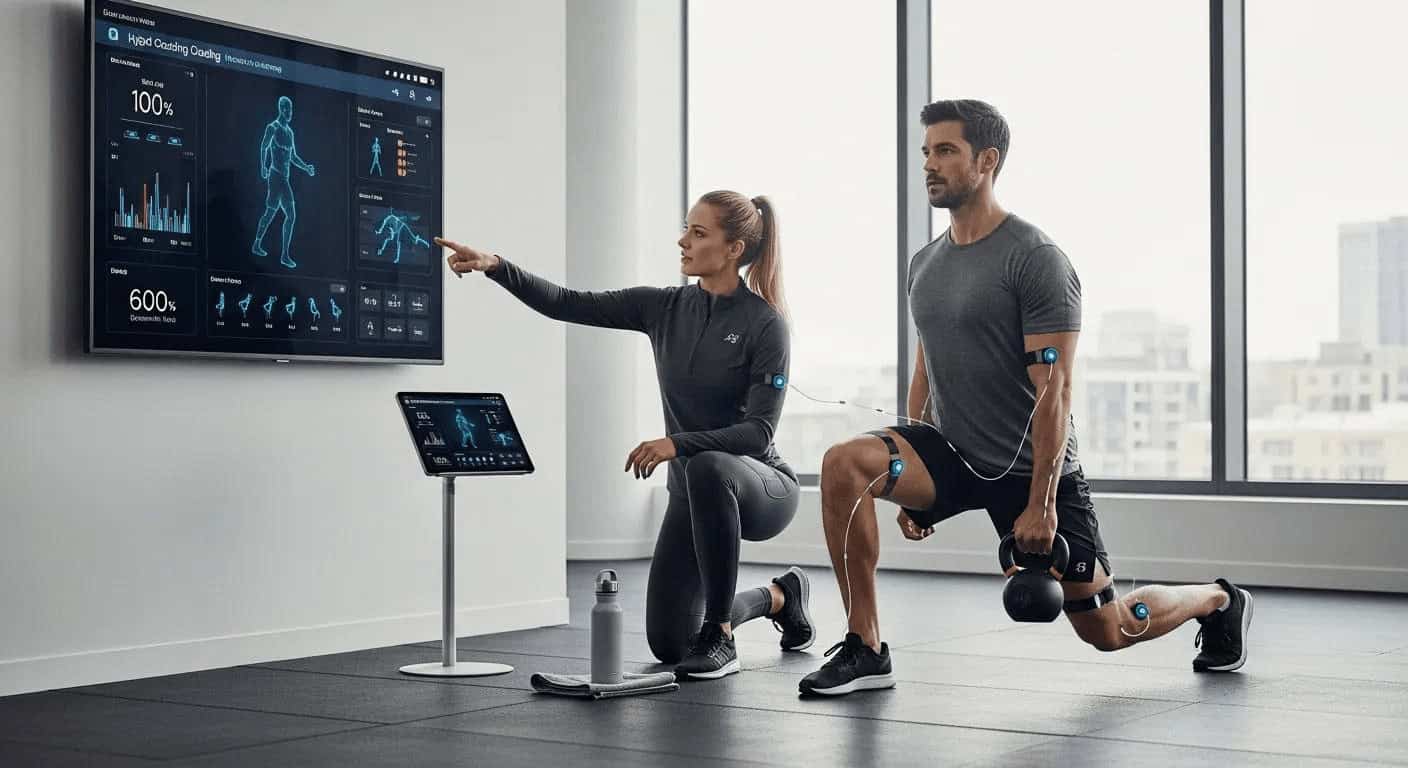
Biomechanical analysis in real time takes advantage of sophisticated sensors and artificial intelligence algorithms to track the movements of an athlete during training or competition.
It offers prompt feedback on posture, joint angles and movement efficiency. Coaches and athletes can identify problems are happening with technique as they happen instead of having to fix them after the fact.
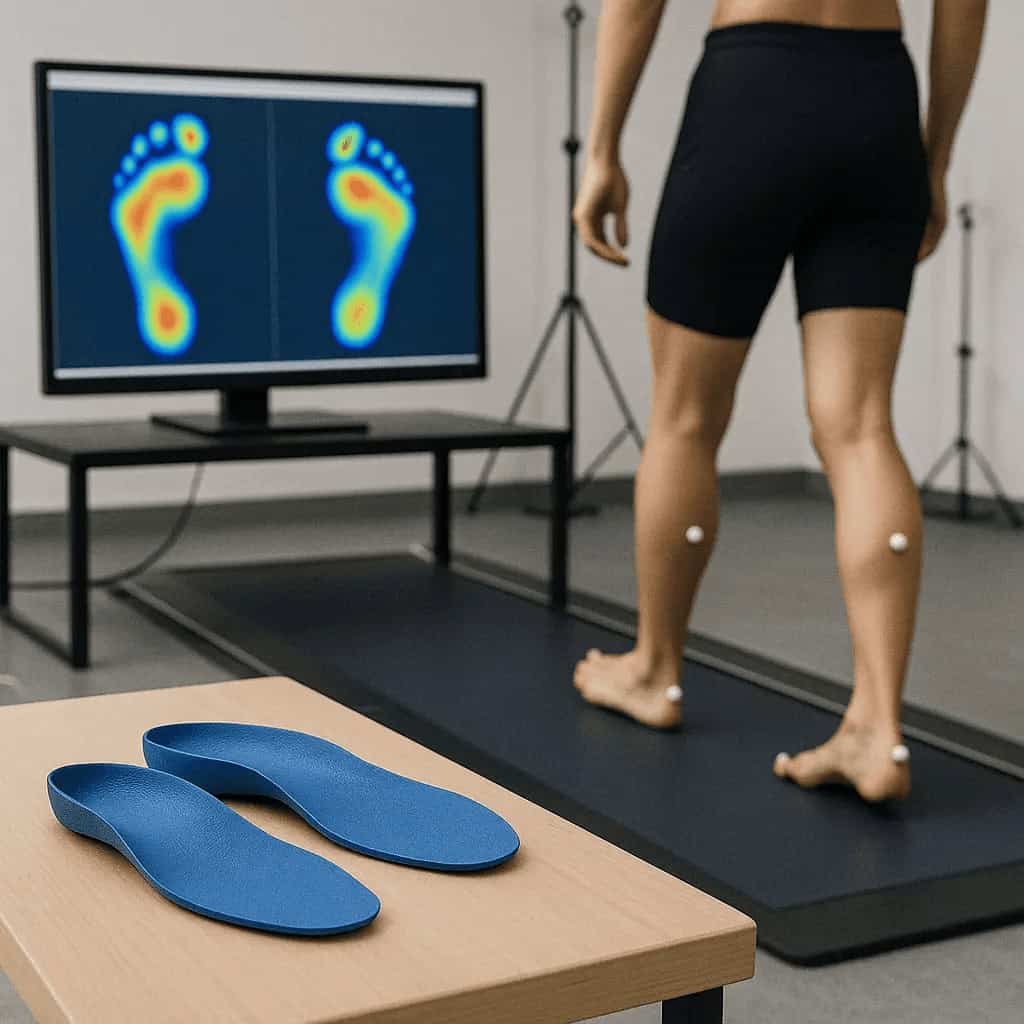
This exact insight increases performance while keeping your body from overworking itself. Athletes can improve their movement patterns in real time
Which leads to more efficiency, greater output and a dramatic decrease in injuries over the long haul of their career.
| Feature | Description |
|---|---|
| Motion Tracking | Sensors capture precise body movements, joint angles, and posture instantly. |
| Instant Feedback | Provides real-time corrections to improve technique during training sessions. |
| Injury Reduction | Identifies harmful movement patterns before they cause physical strain. |
| Performance Efficiency | Enhances movement accuracy, power, and overall athletic output. |
3. Predictive Injury Prevention
Thousands of data streams—everything from workload to fatigue levels to movement patterns—are crunched by AI-built predictive models, helping assess the risk for any possible injury.
Through early warning indicators, coaches and medical teams are ready to intervene earlier than injuries happen. It circumvent traditional reactive treatments with this proactive protocol.
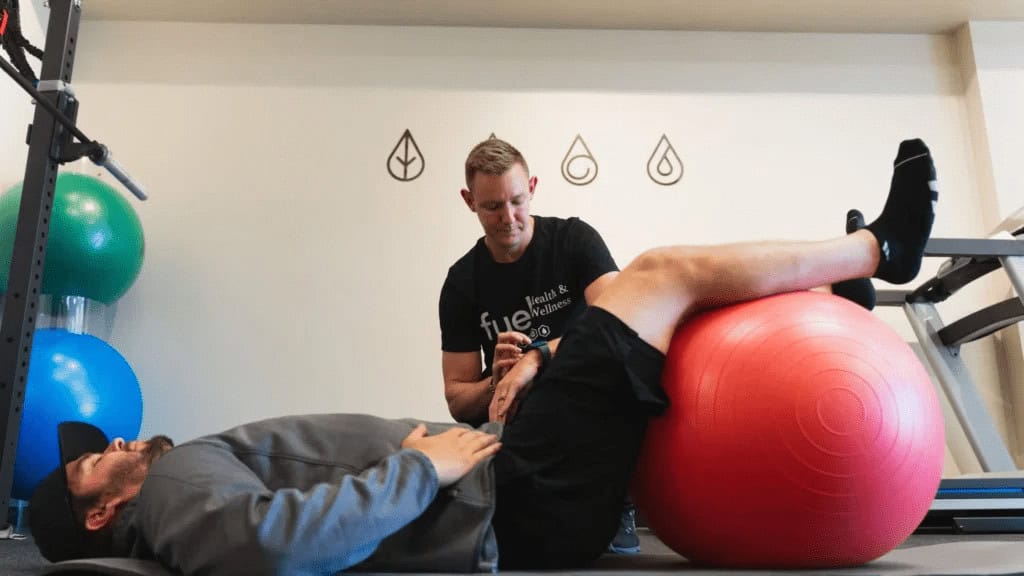
This allows for longer careers and greater consistency for athletes. AI is continuously monitoring ensuring training loads are safe and effective to keep athletes in peak condition, while preventing avoidable injuries that lead to downtime.
| Feature | Description |
|---|---|
| Risk Forecasting | AI predicts injury likelihood using workload and fatigue data patterns. |
| Early Warning System | Detects subtle performance drops signaling potential physical issues. |
| Preventive Interventions | Enables timely rest, therapy, or training modifications. |
| Continuous Monitoring | Tracks athlete condition consistently for long-term health management. |
4. Advanced Load Management
Lu says advanced load management systems driven by AI monitor all facets of an athlete’s physical workload, from intensity and duration to recovery.
These insights help coaches find the right training stress in great combination of recovery. Through workload optimization, athletes do not overtrain while finding performance limits.
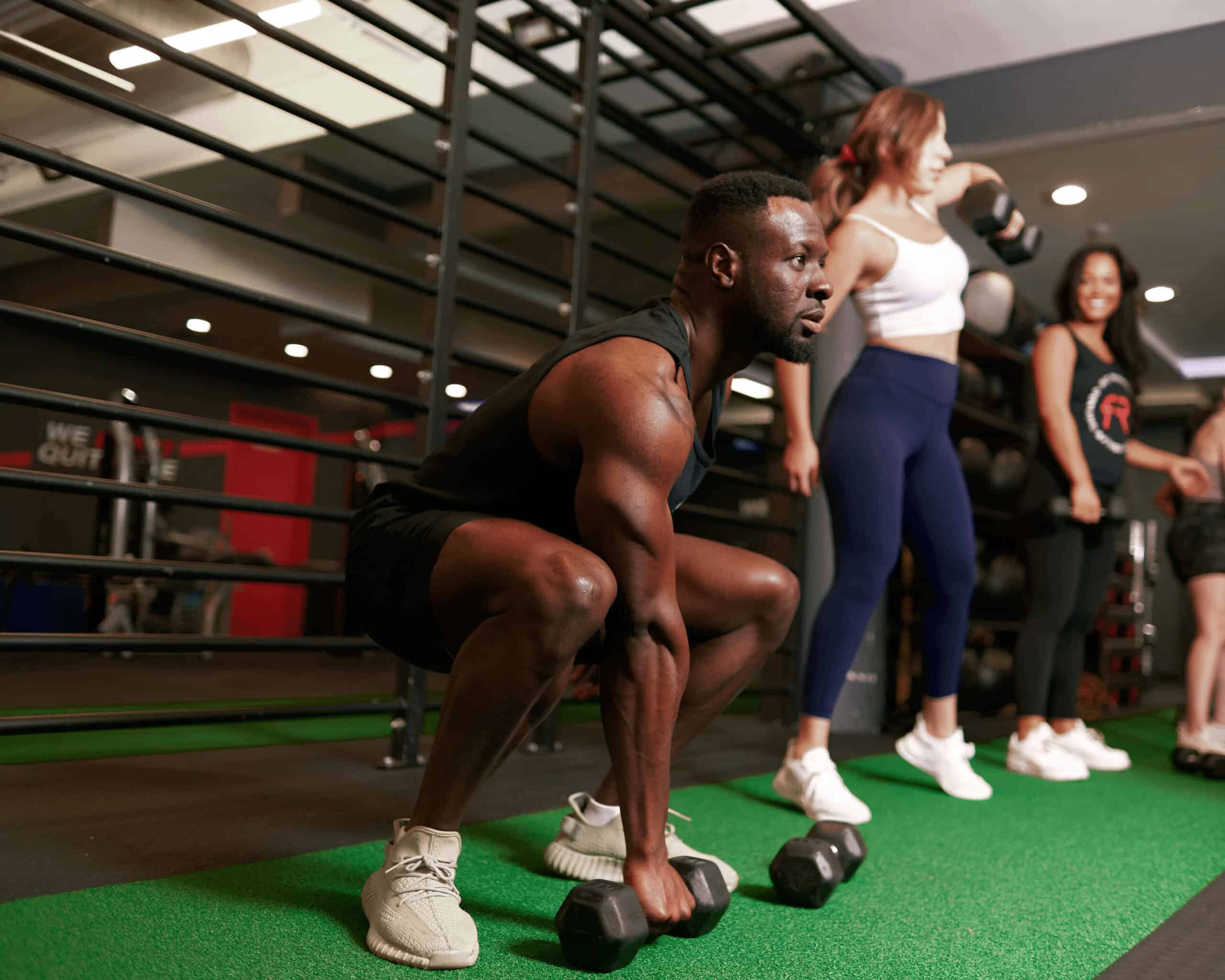
Utilizing real-time data, AI adjusts schedules on the fly for peak readiness before competitions It is how this science-based methodology is improved in endurance, recovery cycles and consistent performance outcomes over grueling seasons.
| Feature | Description |
|---|---|
| Workload Tracking | Monitors intensity, duration, and frequency of physical activities. |
| Recovery Balance | Ensures adequate rest periods between high-intensity sessions. |
| Dynamic Adjustments | Modifies training loads based on real-time physical responses. |
| Peak Performance Timing | Aligns training cycles with competition schedules for optimal readiness. |
5. AI-Powered Virtual Reality (VR) Simulation
An AI-driven VR simulation completely immerses them in realistic game conditions without putting their bodies through the wringer.
Virtual environments allow players to repeat the same decision making and strategy execution until they develop the required situational awareness.
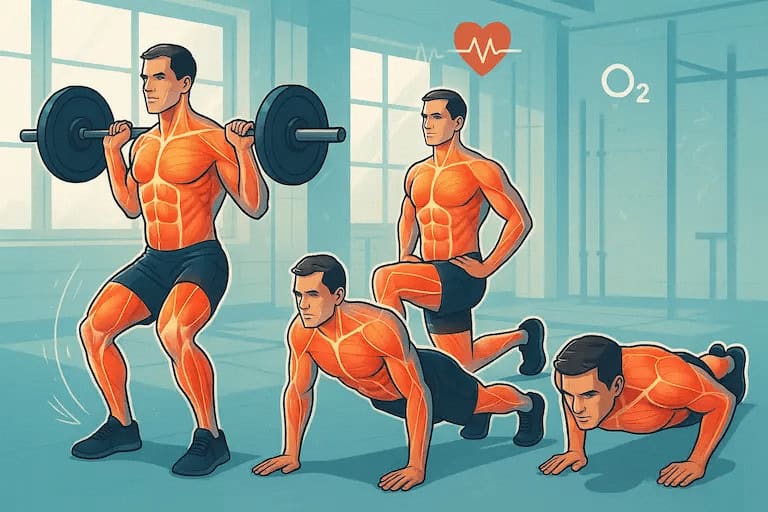
AI modifies scenarios according to performance, architecting ever-more challenging scenarios. This technique is particularly useful in sports that require fast reactions and tactical thought.
They help athletes more mentally alert and confident, preventing physical exhaustion. VR training enables practicing difficult situations without the threat of injury and injures readiness for national competition.
| Feature | Description |
|---|---|
| Immersive Training | Simulates realistic game environments for mental and tactical preparation. |
| Scenario Customization | Adapts gameplay situations based on athlete performance and needs. |
| Reaction Training | Enhances decision-making speed and situational awareness. |
| Safe Practice | Allows repetition of high-risk scenarios without physical injury risk. |
6. Data-Informed Precision Nutrition
Sports nutrition is another area that will be impacted as AI scans metabolism, movement and health data of individuals then makes a meal plan around it.
Athlete-specific recommendations are provided for energy levels, recovery and performance optimization.
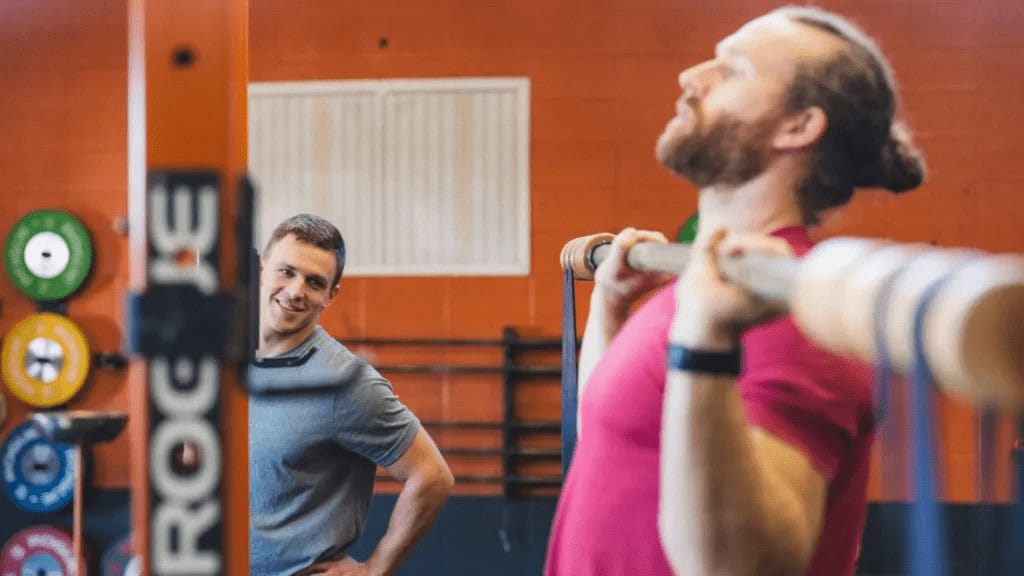
These systems adapt your dietary needs based on training intensity and objectives in real-time. By days nutrition provided to some nutritional is on performance demand, it contributes for better endurance stage attained decreased calorie burning and promotion of sooner recovery.
With firmly data-driven decisions, this way of doing exercise also removes any guesswork because what the above does is make sure that athletes fuel their bodies effectively to deliver maximum results.
| Feature | Description |
|---|---|
| Personalized Diet Plans | Tailors nutrition based on metabolism, goals, and activity levels. |
| Real-Time Adjustments | Updates meal plans according to training intensity and recovery needs. |
| Performance Fueling | Optimizes energy intake for endurance, strength, and stamina. |
| Recovery Enhancement | Supports faster muscle repair and reduced fatigue through targeted nutrients. |
7. Computer Vision in Skill Development
Computer vision technology combines with artificial intelligence to analyze footage of the athletes training or competing.
Technical errors, inefficiencies in movement and areas for improvement are identified with a stunning degree of accuracy.
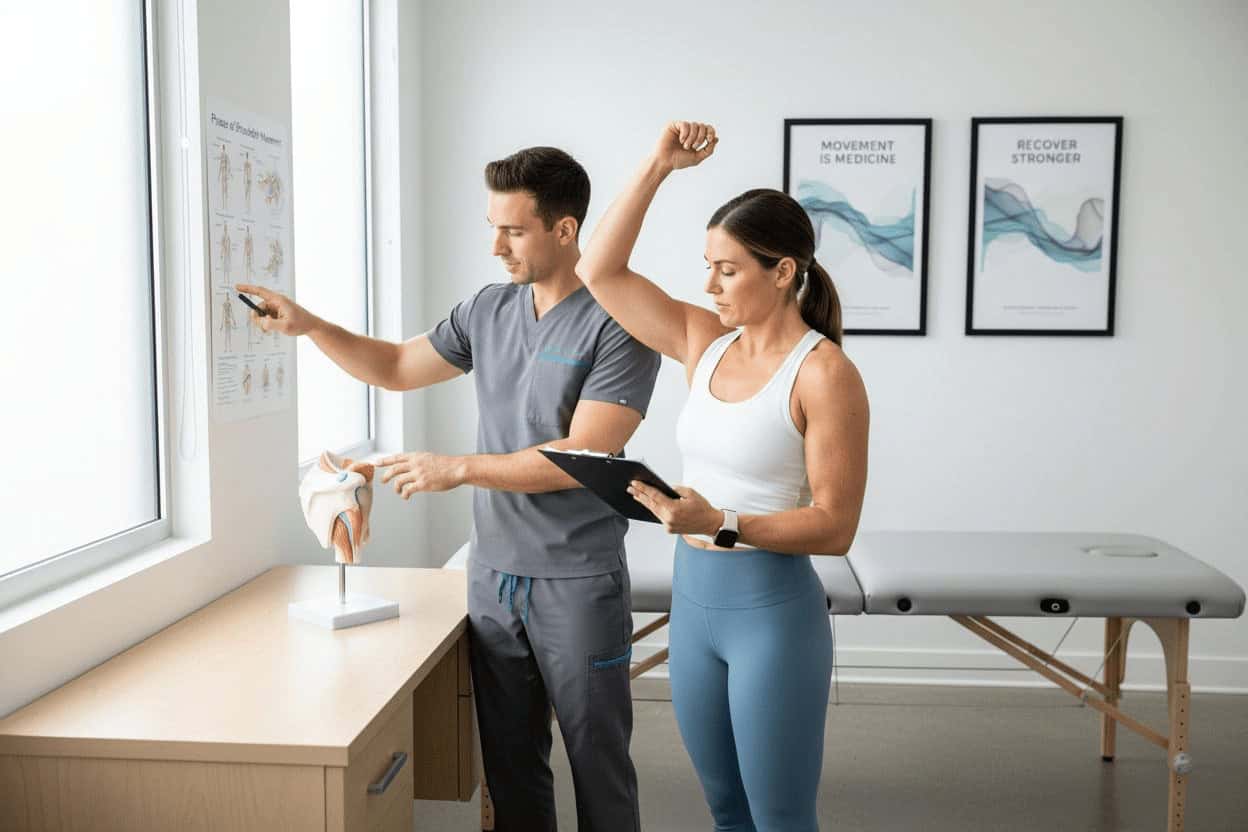
While traditional video analysis is limited to 3rd person opinions and takes hours, days or weeks to analyze AI feedback includes the precise measurements of hundreds of movement patterns instantly.
Focusing on specific corrections allows athletes to refine skills even faster. It also tracks progress with the passing of time which allows the coach to implement training strategies. In the end, it gets you up to speed and gives you enhanced performance at an elite level.
| Feature | Description |
|---|---|
| Video Analysis | AI reviews training footage to detect technical flaws accurately. |
| Objective Feedback | Provides unbiased insights beyond human observation limitations. |
| Skill Refinement | Highlights specific corrections for faster improvement. |
| Progress Tracking | Measures performance improvements over time using visual data. |
8. Digital Twins for Performance Modeling
Using AI and real-world data, digital twins are virtual replicas of athletes. The way a body/state/athlete behaves according to certain training modes, methodologies, approaches and conditions is simulated with the help of these models.
It allows coaches testing scenarios without the worry of fatigue or injury. Using this predictive modeling, performance plans and strategic decisions can be optimized.
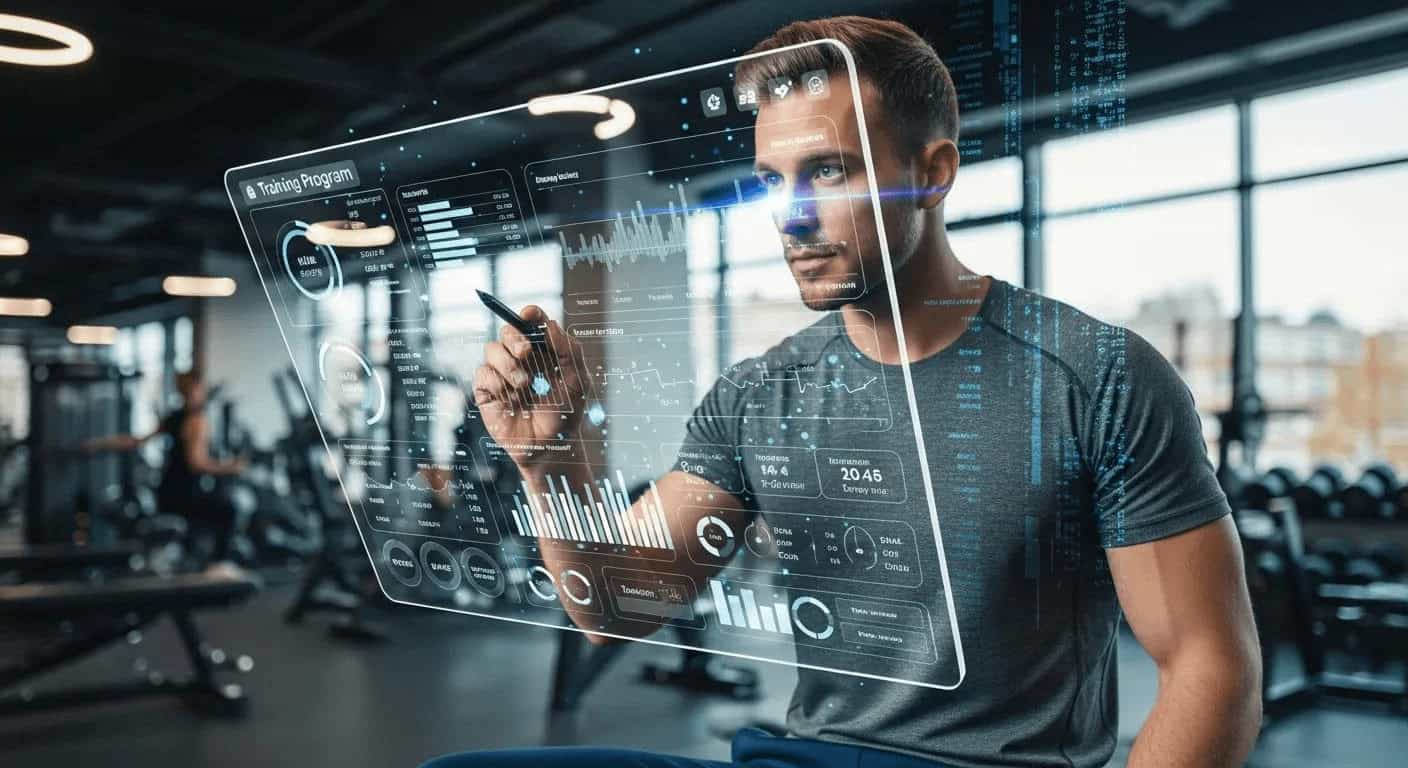
This gives teams a greater understanding of possible outcomes by performing tests in a virtual environment.
Digital twins are advanced tools at the disposal of businesses looking to maximize efficiency and potentially achieve peak performance safely.
| Feature | Description |
|---|---|
| Virtual Athlete Models | Creates digital replicas using real performance and health data. |
| Scenario Testing | Simulates training outcomes without physical risk. |
| Strategy Optimization | Evaluates different approaches before real-world execution. |
| Predictive Insights | Forecasts performance results under varying conditions. |
9. Automated Strategy and Game Planning
AI algorithms sift through bulky datasets within opponents’ strategies, past individual and team performances, live data feeds, etc. to offer the optimal game plans.
The coaches get actionable insights that help them in decision-making and tactical planning. AI can find patterns and vulnerabilities that are hard for the human eye to see.
That makes them sharper game plans and better preparation. Automation allows teams to stay ahead of the competition, respond in real-time, and execute strategies with increased precision when it matters most.
| Feature | Description |
|---|---|
| Data Analysis | Processes opponent and historical data to identify patterns. |
| Tactical Recommendations | Generates optimized game strategies for teams and coaches. |
| Opponent Insights | Highlights weaknesses and strengths of competitors. |
| Faster Decision-Making | Reduces analysis time, improving preparation efficiency. |
10. Real-Time Coaching Adjustments
An AI would allow coaches to react immediately in real time by consuming live data streams throughout games.
It reveals data regarding player performance, the behavior of opponents and how game dynamics are progressing.
This enables tactical adjustments to be made quickly, which can impact results. Coaches can immediately make decisions around substitutions, formations and tactics.
By doing so, it makes team performance competitive. AI-based corrections keep the teams on their toes in addition to being able to take adjustments during the game.
| Feature | Description |
|---|---|
| Live Data Insights | Provides real-time performance metrics during games or training. |
| Tactical Flexibility | Enables immediate strategy changes based on game dynamics. |
| Player Monitoring | Tracks individual contributions and fatigue levels instantly. |
| Competitive Advantage | Helps teams stay responsive and outperform opponents dynamically. |
Cocnlsuion
Conclusion AI will make professional sports training smarter, safer and more personalized. It helps with everything, from preventing injuries to real-time performance insights, allowing athletes and coaches to make smarter decisions.
As technology continues to improve, AI will continue improving efficiency, precision and competitiveness that moulds the future of athletic developments by promoting professional athletes to better achieve and sustain high-performance levels.
FAQ
How does AI personalize training programs?
AI analyzes athlete data like fitness levels, performance history, and recovery to create customized training plans.
Can AI really help prevent injuries?
Yes, AI predicts injury risks by tracking fatigue, workload, and movement patterns, enabling early intervention.
What is biomechanical analysis in AI training?
It uses sensors and AI to study body movements, helping athletes improve technique and reduce strain.
Is AI useful during live matches?
Yes, AI provides real-time insights, allowing coaches to adjust tactics and make better decisions instantly.