
So in this post I will show you the Best Play-to-Earn (P2E) Games with Sustainable EconomiesWhat Are The Best Play-to-Earn (P2E) Games with a sustainable economy giving long-term value and balanced tokenomics?
In the momentum of blockchain gaming, sustainability made its first-ever appearance as a term representing the ability to maintain drop consistency and earn player trust.
We take a look at the best P2E games that emphasize lasting growth through sustainable ecosystems, equitable earning paradigms, and compelling gameplay.
Key Poinst & 10 Best Play-To-Earn (P2E) Games With Sustainable Economies
Axie Infinity Players breed, battle, and trade Axies, supported by revamped tokenomics ensuring balanced rewards and sustainability.
Gods Unchained A competitive trading card game where NFT ownership and fair play drive lasting economic stability.
Splinterlands Players collect digital cards, earn DEC tokens, and benefit from strong community-driven governance models.
Illuvium An open-world RPG with NFT creatures, offering sustainable staking rewards and immersive gameplay-driven token value.
Star Atlas A space exploration MMO combining resource management, NFT assets, and DAO governance for economic longevity.
The Sandbox Players create, trade, and monetize virtual experiences, supported by LAND NFTs and sustainable creator-driven economy.
DeFi Kingdoms Blends RPG mechanics with decentralized finance, ensuring token stability through liquidity pools and staking systems.
Ember Sword A fantasy MMORPG where cosmetic NFTs fuel sustainable revenue without pay-to-win mechanics undermining fairness.
Big Time Action RPG with NFT loot drops, balancing player progression and token value through controlled supply.
My Neighbor Alice A farming simulation game where NFT land ownership and community governance sustain long-term economic health.
10 Best Play-to-Earn (P2E) Games with Sustainable Economies
1. Axie Infinity
Axie Infinity, which is one of the first and biggest P2E games: It runs on a breeding and battling ecosystem in the universe of NFT creatures called Axies.
The sustainability of its economy has gradually increased with changes to token emissions, burning mechanisms, and inflation rates of its game currency (SLP). Economic balancing was executed by reworking the rewards system and expanding land gameplay.
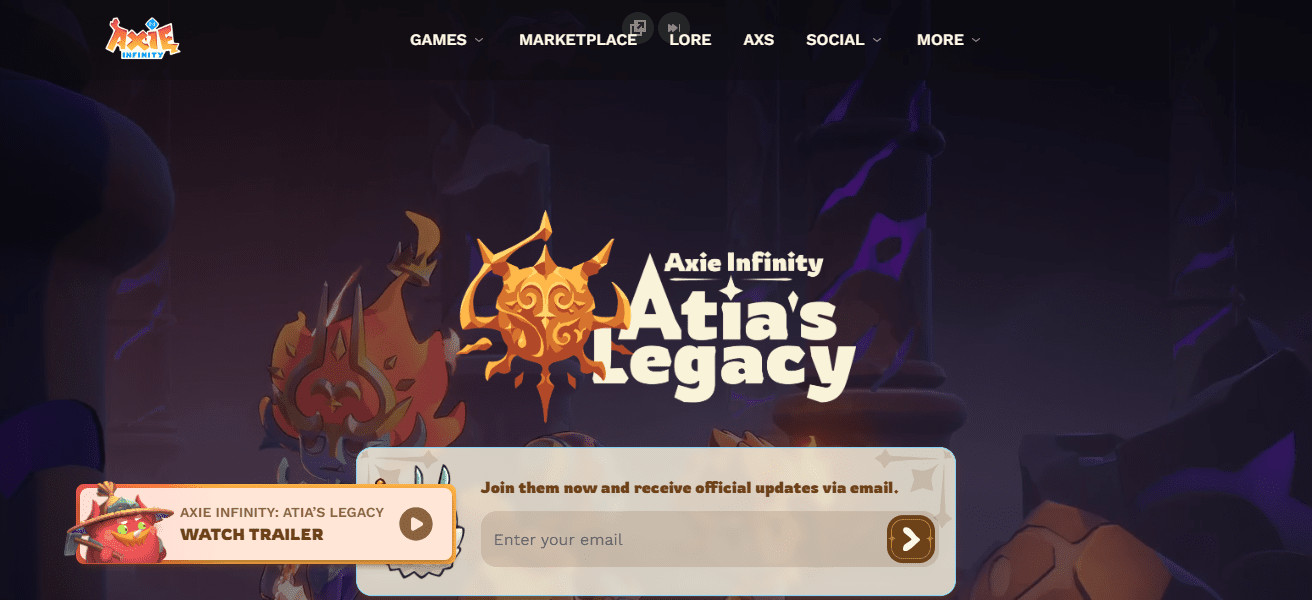
So far it was really hyperinflation problems, and the latest updates are more focused on long-term value generation than earning.
AXS and SLP also had their own dual-token model, which continued to mature into the foundation for a healthier ecosystem with more player-driven economic activity.
Key Features
- Dual-token system (AXS & SLP) helps balance governance and rewards, reducing inflation risks over time.
- Breeding mechanics create continuous demand for Axies, supporting the in-game economy.
- Land gameplay expansion adds new earning opportunities beyond battles.
- Token burning mechanisms help control supply and stabilize the ecosystem.
- Player-owned NFTs allow real ownership and trading flexibility in marketplaces.
| Pros | Cons |
|---|---|
| Strong community and ecosystem | Past hyperinflation issues |
| Multiple earning methods | Entry cost can be high |
| Improved tokenomics | Earnings fluctuate heavily |
2. Gods Unchained
Gods Unchained An ultimate trading card game featuring true asset ownership and super competitive gameplay.
GODS token which is used for crafting and governance to sustain its economy through card scarcity and player skill.
This is different from inflation-heavy P2E games, where rewards are attached to passive grinding rather than performance. Forging mechanics are introduced to keep token utility and keep it from oversuppling.
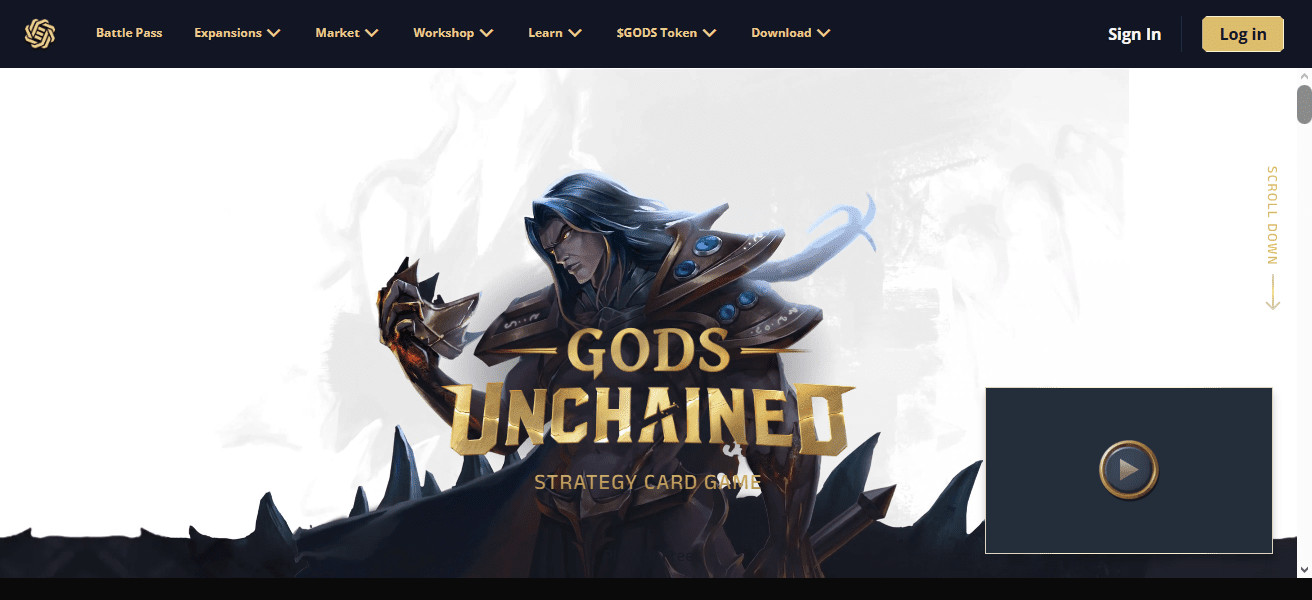
With a focus on ESports-style competition and strategic depth, it encourages long-term engagement rather than the speculative user.
Maintaining a balance between quality of game and integration to blockchain will be needed to achieve a more balanced and sustainable in-game economy.
Key Features
- Skill-based gameplay ensures rewards depend on performance rather than grinding.
- NFT cards provide true ownership and tradability for players.
- GODS token is used for crafting and governance decisions.
- Forging system reduces excess card supply and maintains scarcity.
- Esports-style competition encourages long-term player engagement.
| Pros | Cons |
|---|---|
| Skill-driven rewards system | Requires strategy learning |
| No heavy inflation mechanics | Limited casual earning |
| Strong competitive gameplay | Smaller player base vs rivals |
3. Splinterlands
Splinterlands offers a card-battling experience that is quick to play and rewards you well. Relying on responsible token allocation, rental marketplaces and various in-game currencies including DEC and SPS.
By allowing players to rent cards rather than having to buy them, the game reduces barriers that prevent participation in its ecosystem.
Having regular tournaments, staking rewards and governance features help in keeping the long term engagement.
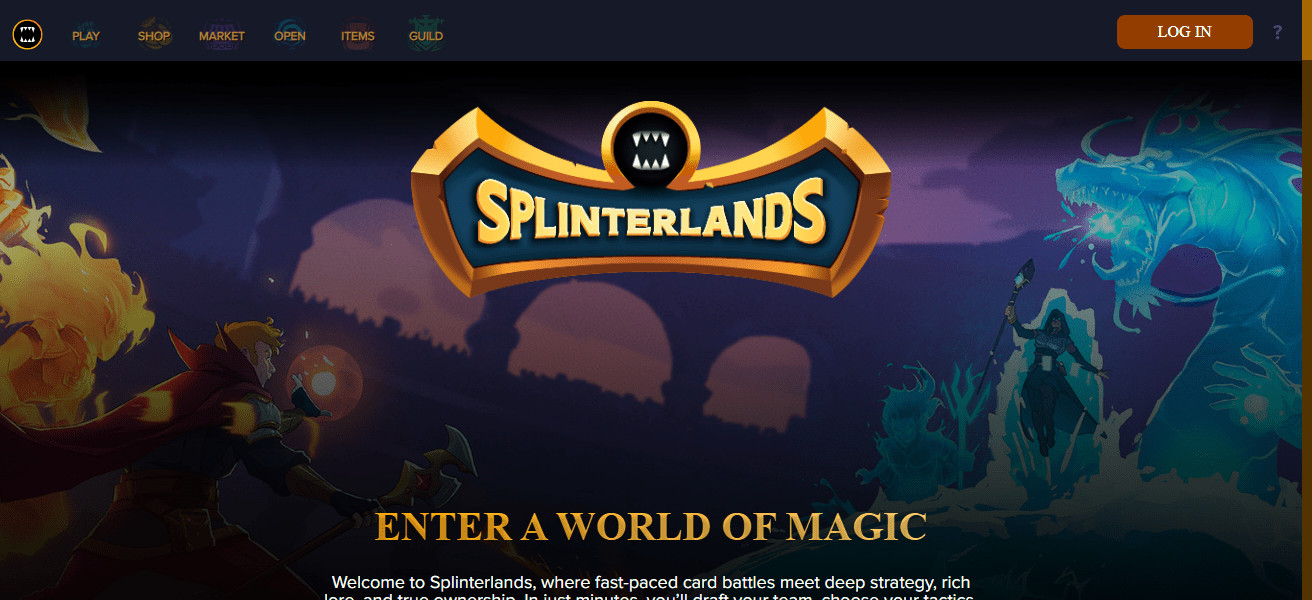
In addition to their variety of earning avenues and the mechanisms used to stop token inflation through sinks, Splinterlands has kept a reasonably stable economy.
The layered reward structure allows for casual and competitive players to enter with an acceptable level of confidence without compromising the system.
Key Features
- Multiple tokens (DEC, SPS) create a layered and balanced economy.
- Card rental system lowers entry barriers for new players.
- Regular tournaments provide competitive earning opportunities.
- Staking and governance features enhance player involvement.
- Token sinks help manage inflation effectively.
| Pros | Cons |
|---|---|
| Low entry barrier via rentals | Complex token system |
| Active tournaments | Rewards can be inconsistent |
| Stable long-term economy | Requires time investment |
4. Illuvium
Illuvium — a high-end world open RPG combining P2E and AAA game elements It will have an economy powered by ILV tokens, staking rewards, and collections of NFT-based creatures called Illuvials.
This sustainability is achieved via extravagant token vesting schedules, and the redistribution of generated revenue directly to stakers through the Illuvium Vault.
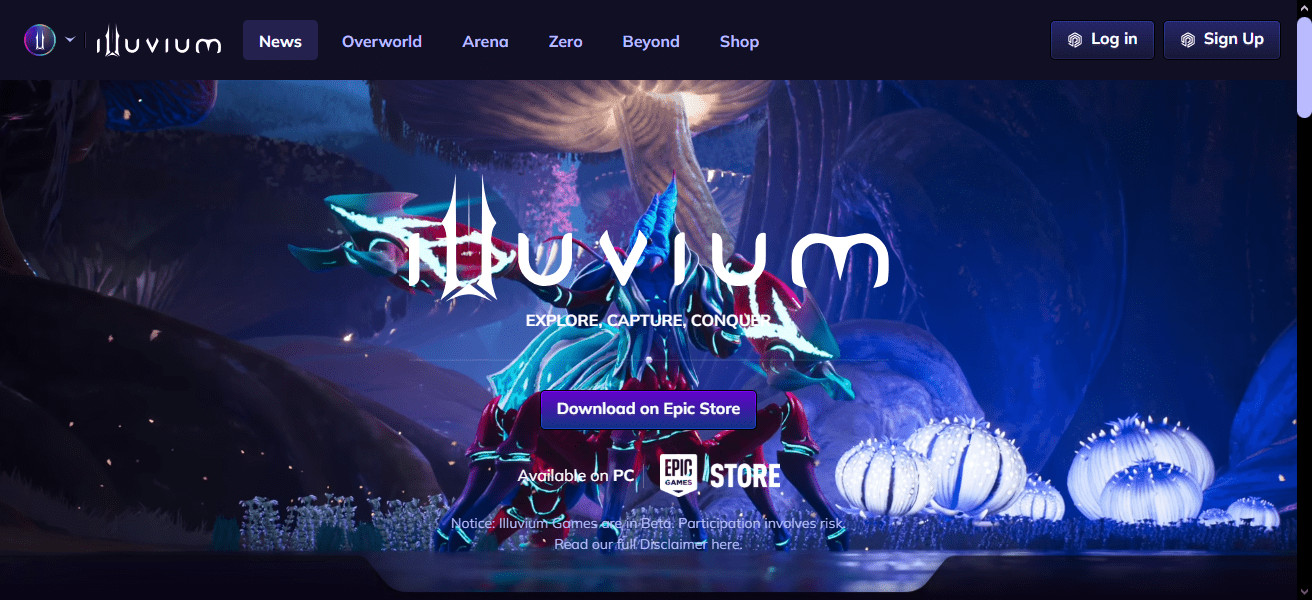
Illuvium focuses on game-first design, which is a departure from play-to-earn models of the past where players often seem to have brought their money rather than their passion.
Its fatalism reflex, like transaction costs going back to the ecosystem, serve balance. Potentially avoiding the pitfalls of inflationary games by ensuring players are incentivized to work for the long-term growth of the ecosystem.
Key Features
- AAA-quality graphics and gameplay attract mainstream gamers.
- ILV token supports staking and revenue-sharing models.
- Illuvium Vault redistributes earnings to token holders.
- Deflationary mechanisms help maintain token value.
- Gameplay-first approach ensures engagement beyond earning.
| Pros | Cons |
|---|---|
| High-quality visuals | Still under development phases |
| Strong tokenomics design | High system requirements |
| Long-term sustainability focus | Limited early access |
5. Star Atlas
Star Atlas is a mass multiplayer online game genre combining space exploration with blockchain technology into an in-game economy modeled using ATLAS and POLIS tokens.
It is sustainable thanks to its many tiers of economic layering, from resources mining and ship ownership to control of territory.
The game incorporates DeFi mechanics like staking and governance, which allow users to have a say in economic decisions.
Star Atlas aims to mimic the laws of economics through a limited player economy with low resources and production costs.
Also, its long development cycle contributes to preventing rapid inflation, which does not forget the gradual ecosystem expansion and strategic resource management.
Key Features
- Dual-token system (ATLAS & POLIS) separates utility and governance.
- Resource mining and territory control mimic real-world economies.
- DeFi integration allows staking and passive income.
- Player-driven economy with supply-demand dynamics.
- Long-term development reduces inflation risks.
| Pros | Cons |
|---|---|
| Deep economic system | Still largely in development |
| Strong DeFi integration | High complexity |
| Immersive metaverse concept | Slow progress updates |
6. The Sandbox
It is a decentralized virtual world whereby players can build, own and monetize their gaming experiences on the blockchain using the SAND token.
It is sustainable because of user-generated content and limited land that can build long-term value. Players are able to make experiences, games and assets; it truly creates a decentralized creator economy.
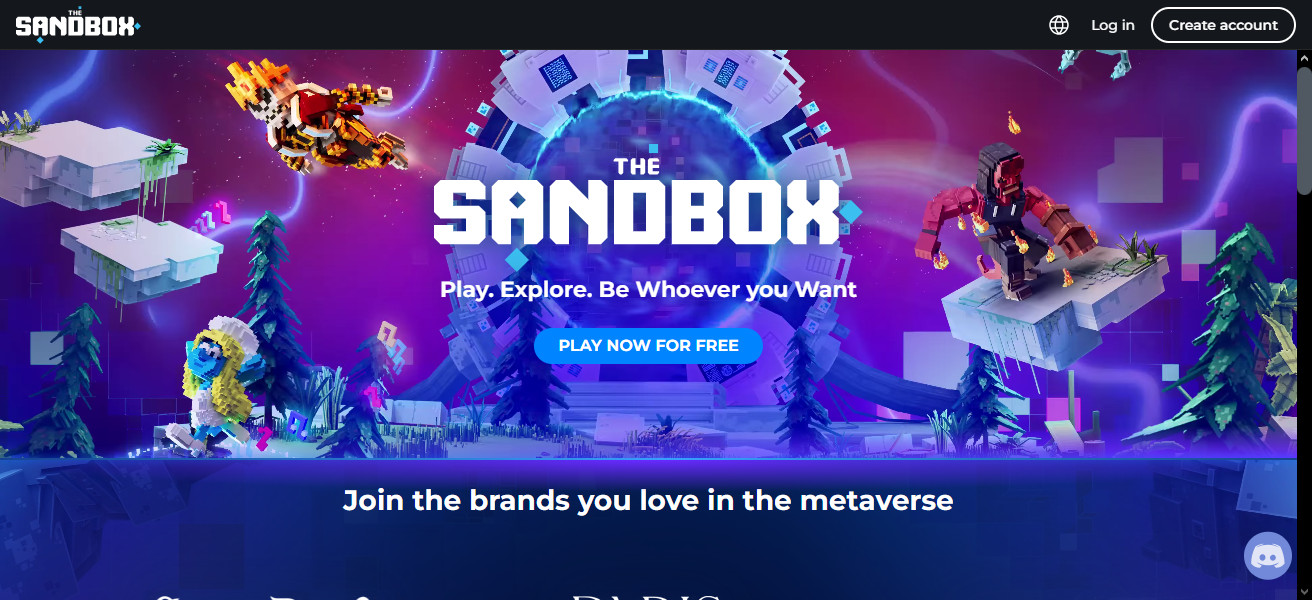
The platform also has staking and governance features, promoting community involvement. The Sandbox is another example of recent platforms in gaming that change the focus from pure earning to creation and ownership, which helps to reduce dependency on emissions of tokens.
Significantly, partnerships it has signed with leading brands keep cementing its ecosystem and allowing demand and interactions to persist beyond just surges of speculation alone.
Key Features
- User-generated content drives a creator-focused economy.
- SAND token powers transactions, staking, and governance.
- Land scarcity increases long-term asset value.
- Strong brand partnerships enhance ecosystem growth.
- Monetization tools allow creators to earn from experiences.
| Pros | Cons |
|---|---|
| Strong brand partnerships | Expensive virtual land |
| Creator-friendly platform | Requires creativity skills |
| Established ecosystem | Market speculation risks |
7. DeFi Kingdoms
DeFi Kingdoms is a fantasy-themed ecosystem that combines decentralized finance with gaming. Its sustainability comes from liquidity pools, staking and JEWEL token-related activities in-game.
The players in return are incentivized through DeFi mechanics namely yield farming and quests. The game implemented lockups, emissions control and sink in an effort to combat inflation.
It allows to balance the ecosystem that gameplay and you earn well when you do something actively.
Through leveraging DeFi utility with exciting mechanics, Defi Kingdoms results in a more stable economy than its traditional P2E peers.
Key Features
- Combines DeFi (staking, liquidity pools) with gameplay elements.
- JEWEL token powers rewards and ecosystem activities.
- Token lockups reduce inflation and stabilize prices.
- Quest system links gameplay with earning opportunities.
- Community governance influences future development.
| Pros | Cons |
|---|---|
| Strong DeFi integration | Complex for beginners |
| Multiple earning streams | Token volatility |
| Balanced tokenomics | Gameplay depth is limited |
8. Ember Sword
Instead of a pay-to-win system, Ember Sword is an MMORPG focused on free-to-play principles using player-owned essential NFTs and cosmetic NFTs The economy is sustainable as it takes a break from excessive token rewards with skill based progression.
The core of its economy is based on land ownership and resource trading. Ember Sword also minimizes the risks of inflation by restricting money speculation and focusing on playability above anything else.
It is a long-lasting game encourages you to explore, craft and socialize. This allows for gameplay and community engagement to provide value rather than emphasis on short term token farming.
Key Features
- Free-to-play model increases accessibility for players.
- Focus on cosmetic NFTs avoids pay-to-win mechanics.
- Player-owned land enables trading and economic activity.
- Skill-based progression promotes fair gameplay.
- Social and crafting systems support long-term engagement.
| Pros | Cons |
|---|---|
| No pay-to-win system | Still in development |
| Fair gameplay focus | Limited earning early |
| Strong community potential | Uncertain adoption |
9. Big Time
Big Time is an action RPG that weaves blockchain technology into the fabric of its design rather than solely depending on huge initial NFT purchases.
Its economy is nurtured by selling cosmetic non-fungible tokens and generating resources based on time uses and not farming direct tokens.
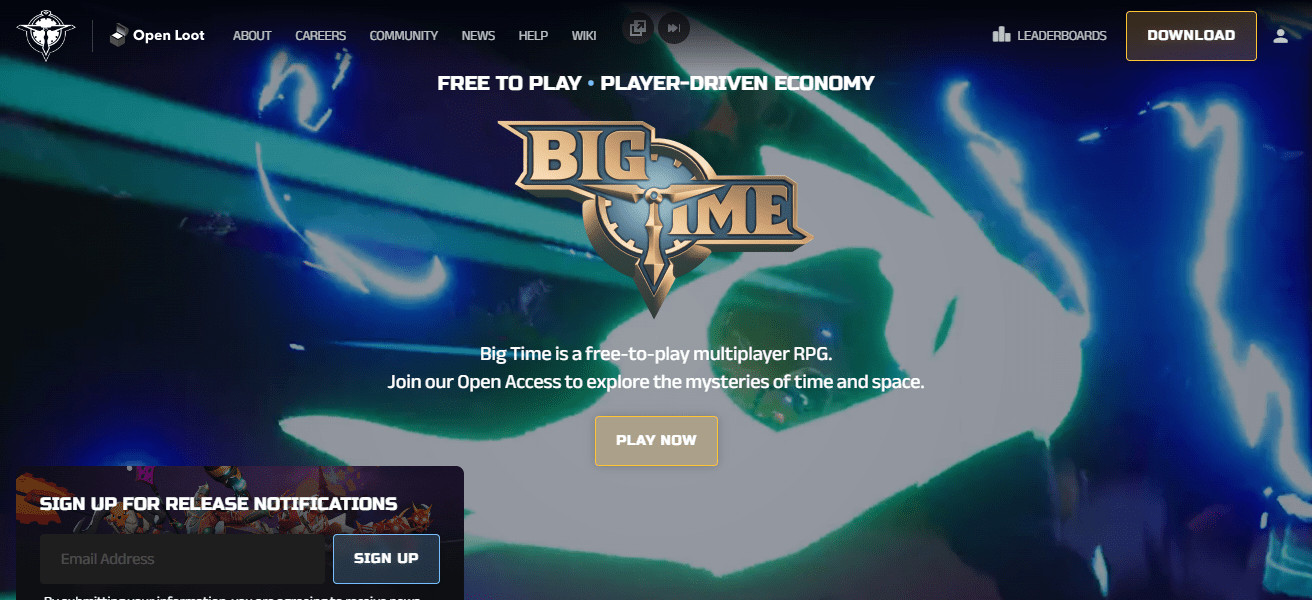
Earned through crafting and progression whilst playing. It sidesteps inflation due to strict token emission and utility tokens being completely optional, only earning cosmetic value.
It means that the gameplay is center with blockchain additions that focus on ownership. Big Time reduces reliance on mere speculative earnings and therefore, a healthier and more sustainable in-game economy.
Key Features
- Focus on cosmetic NFTs instead of pay-to-win mechanics.
- Time-based resource generation controls inflation.
- No heavy upfront NFT investment required.
- Gameplay rewards tied to progression and exploration.
- Balanced token issuance ensures sustainability.
| Pros | Cons |
|---|---|
| Player-friendly entry | Limited token earning |
| Gameplay-first approach | Smaller ecosystem |
| Reduced inflation risk | Still evolving economy |
10. My Neighbor Alice
My Neighbor Alice is a multiplayer builder game where players can buy and develop virtual land, as well as interact with one another.
All transactions, governance, and rewards are powered by its ALICE token. Land scarcity, systemic construction, and community-centered works provide some version of sustainability.
Rather than bombarding the player with soaring token emissions, the game starts slow and aims for economic development through user retention and engagement.
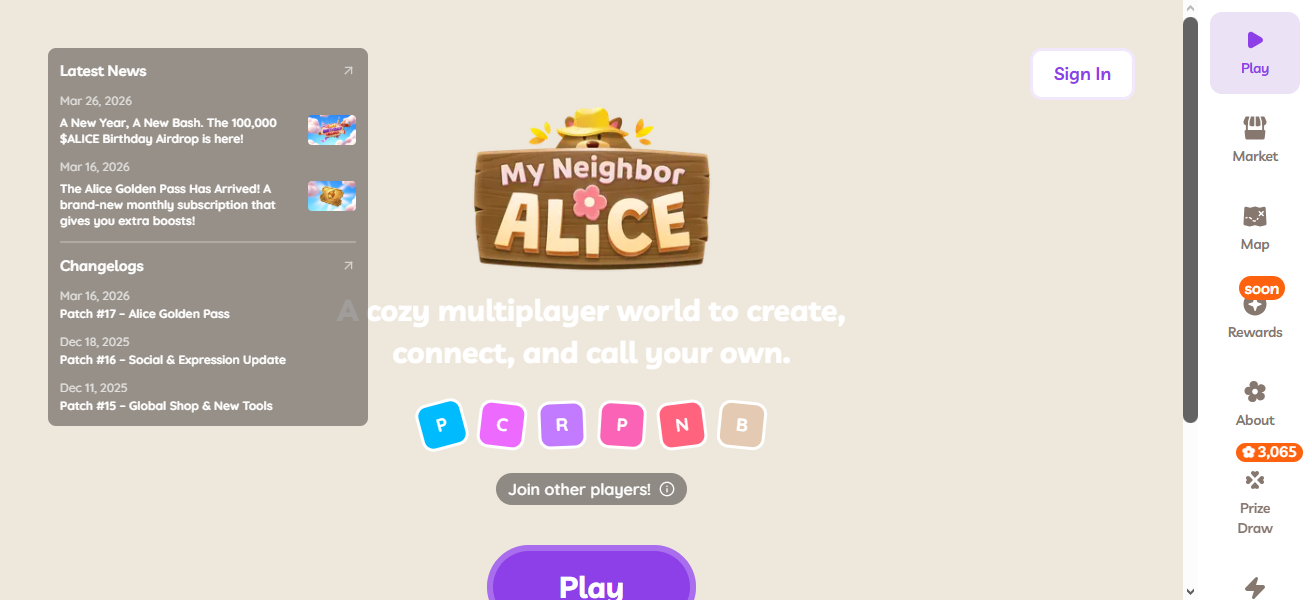
Earning is a by-product of their use of the system rather than exiting and gaming reward systems.
By enabling creativity and collaboration, My Neighbor Alice establishes a sustainable economy that promotes long-term engagement while avoiding inflationary pressure typical of early P2E models.
Key Features
- Land ownership and farming mechanics drive the economy.
- ALICE token supports governance and transactions.
- Community-driven gameplay encourages collaboration.
- Crafting systems create utility for in-game assets.
- Focus on gradual growth reduces inflation risks.
| Pros | Cons |
|---|---|
| Beginner-friendly gameplay | Slower earning potential |
| Strong social interaction | Limited action gameplay |
| Stable economic design | Niche audience appeal |
Why is sustainability important in blockchain gaming ecosystems?
No Token Inflation: Sustainable models can manage any inflation of their token and prevent a price crash.
Ensures Earnings: Players get to earn over the time rather than rewards which are limited in nature.
Instills Faith in the Players: A stable economy is for the long run & will secure loyal users than a capricious speculator.
Fosters Game Development: Balanced systems enable ongoing updates, development and expansion.
Lessens the “Play-to-Dump” Mentality: Promotes a focus on playing instead of making a quick exit with profits.
Value of Asset Holds: The value of the NFT and in-game item will hold utility over time.
Investor Attraction & Developer Addresses — The advanced economies get more funding and innovation.
Key Trends for 2026 Sustainable P2E Games
Free-to-Play Mechanics: Lower entry point cultivates a broader, more engaged player base.
Token Utility: Constant demand for in-game tokens used to craft, upgrade and trade
Design for Fun First: The “Earning” is your user’s happy side, but gameplay keeps them there at the end of the day.
Cheaper, Faster Blockchain : Top games leverage inexpensive, speedy networks such as Polygon, Ronin or Solana.
Cocnlsuion
In conclusion, Play-to-Earn with Sustainable Economies features both long-term growth and balanced tokenomics, as well as biting gameplay instead of a blip in profits.
These games develop sustainable environments that enable players to earn in a way that is pleasure to play.
A Crystalline Focus of Sustainability As the industry develops, sustainability will continue to be the paramount driving force behind which P2E games go onto endure with gamers for extended periods.
FAQ
What are Play-to-Earn (P2E) games?
P2E games allow players to earn rewards, tokens, or NFTs by playing and participating in the game ecosystem.
What makes a P2E game sustainable?
Balanced tokenomics, controlled inflation, real utility, and strong player demand ensure sustainability.
Are P2E games still profitable in 2026?
Yes, but only games with strong economies and active user bases offer consistent long-term earnings.
How do P2E games avoid token inflation?
They use token burning, staking, limited supply, and reward adjustments to maintain balance.