In this article, I will explore the top paper trading platforms. These platforms allow beginner and advanced traders to practice their investment strategies without the risk of losing real money.
These platforms offer simulated markets with virtual funds and provide advanced charting and analytical tools to hone trading skills. We will review the features, benefits, pros/cons and the process for choosing the correct platform.
What Is a Paper Trading Platform?
A paper trading platform allows you to trade virtually without using real money. These platforms simulate money and create fake market environments to help users buy and sell financial assets.
They are mainly made for beginners to help them learn the markets and test trading strategies, but even advanced users can benefit from them. They also use tracking and analysis tools to provide advanced trading environments.
Why Use Paper Trading Platforms?
- Trade Without Financial Consequences: Users place virtual trades in a safe environment. No real capital is lost.
- Improves Market Research and Trade Decisions: Users practice and develop skills to make better, more accurate decisions.
- Strategies are Tested in Actual Market Fluctuations: Price movement and market event scenarios allow more realistic strategy testing.
- Familiarity with Charts and Indicators: Users can practice technical analysis and get more chart reading practice before trading for real.
Key Points & Best Paper Trading Platforms
| Paper Trading Platform | Brief Explanation |
|---|---|
| TradingView Paper Trading | Simulates real market trading with advanced charts, indicators, and portfolio tracking features. |
| Interactive Brokers Paper Trading | Provides professional trading simulation with realistic market data and powerful investment tools. |
| Webull Paper Trading | Offers free virtual trading with stocks, options, ETFs, and cryptocurrencies. |
| Thinkorswim PaperMoney | Delivers advanced simulation tools for practicing complex trading strategies safely online. |
| eToro Virtual Portfolio | Allows beginners practicing trades using virtual funds and social trading features. |
| TradeStation Simulator | Provides realistic trading environments with advanced analysis and strategy testing capabilities. |
| NinjaTrader Simulated Trading | Helps traders test futures strategies using powerful charting and automation tools. |
| Fidelity Paper Trading | Enables risk-free investment practice with educational resources and market insights. |
| E*TRADE Paper Trading | Offers simulated investing experience with easy-to-use tools and research features. |
| Alpaca Paper Trading | Provides API-based simulation for developers building automated trading applications easily. |
10 Best Paper Trading Platforms
1. TradingView Paper Trading
One great option for both beginner and veteran traders wanting to practice investing without real monetary risk, is TradingView Paper Trading. This program offers realistic market simulations of live price actions and advanced charting with technical indicators and customizable layouts.
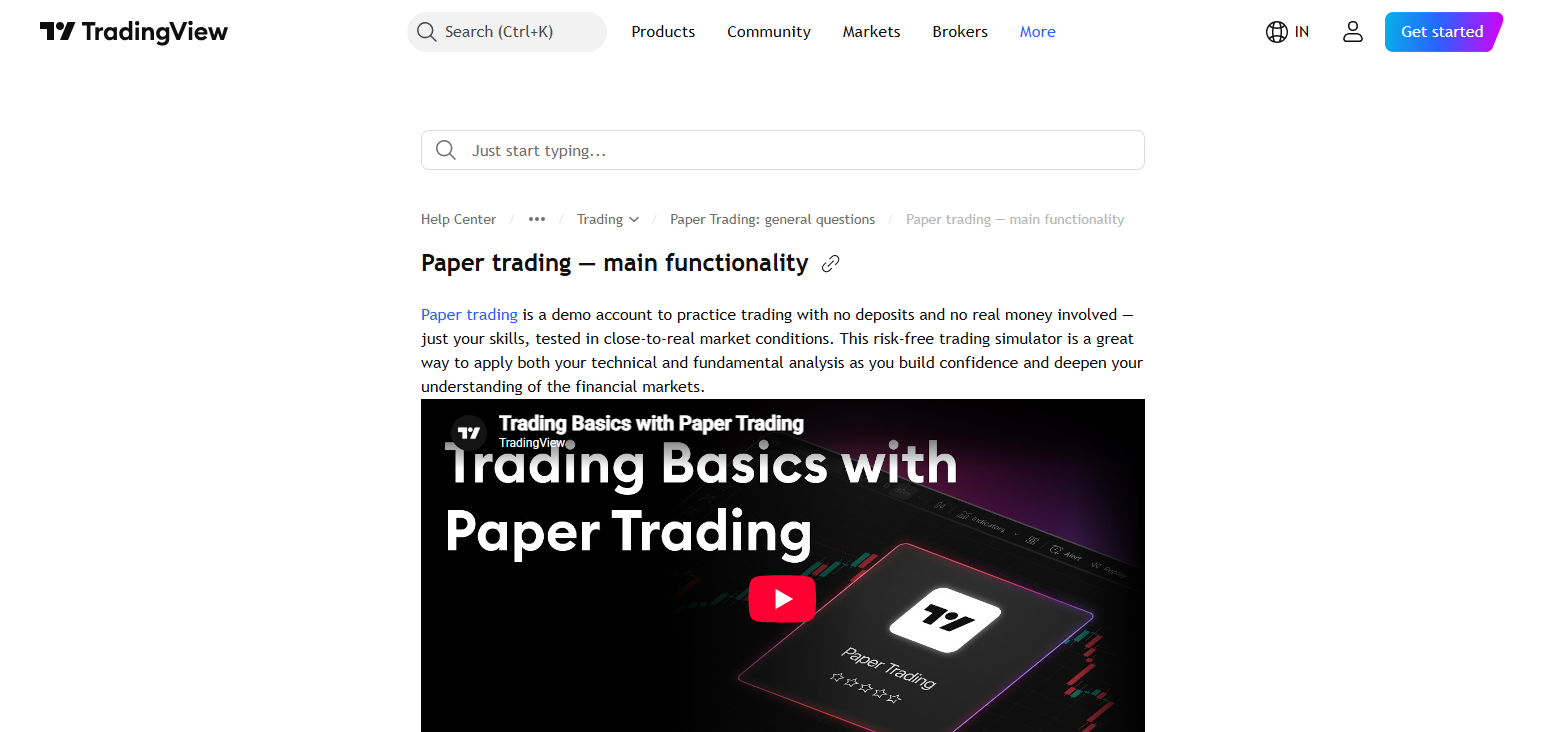
Users can trade stocks and track their investments with simulated portfolios. TradingView offers a community-driven application that supports shared ideas to improve overall market wit and analysis.
| Pros | Cons |
|---|---|
| Provides advanced charts, indicators, and technical analysis tools. | Limited features compared to professional brokerage platforms. |
| Supports multiple markets including stocks, forex, and crypto. | Some advanced tools require a paid subscription. |
| Offers easy-to-use interface for beginners and experts. | Virtual trading may not fully replicate real emotions. |
| Includes community ideas and strategy sharing features. | Limited order execution customization options. |
2. Interactive Brokers Paper Trading
One of the best users targeted applications is Interactive Brokers Paper Trading. This program offers sophisticated simulations of real trades with market data, orders, and tools of an institutional and professional grade.
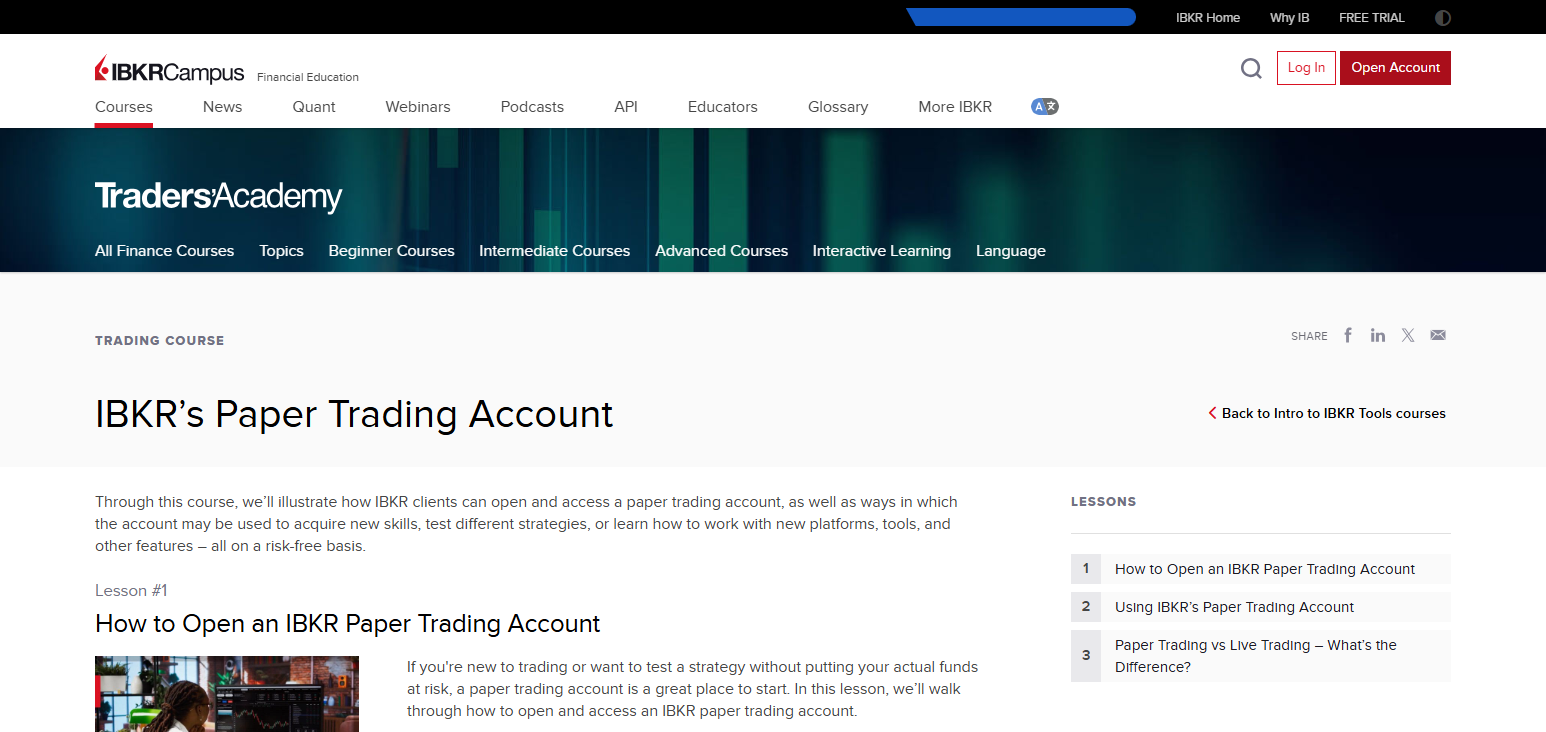
This environment enables users to practice investing with all major global markets, futures and options, and all major world currencies. This program is also great for learning and practicing complex trading strategies and the principals of casual trading portfolio management.\
| Pros | Cons |
|---|---|
| Offers professional-grade trading simulation tools. | Interface can be complex for beginners. |
| Provides access to global markets and multiple asset classes. | Requires time to learn advanced features. |
| Includes realistic market data and order types. | Some simulated conditions may differ from live trading. |
| Ideal for testing advanced investment strategies. | Less beginner-focused educational content. |
3. Webull Paper Trading
Webull Paper Trading offers a simple and engaging interface of virtual trading that enables users to practice investing without monetary risk. This Paper Trading application offers users the capabilities to trade stocks, ETFs, options, and cryptocurrency all with real time data.
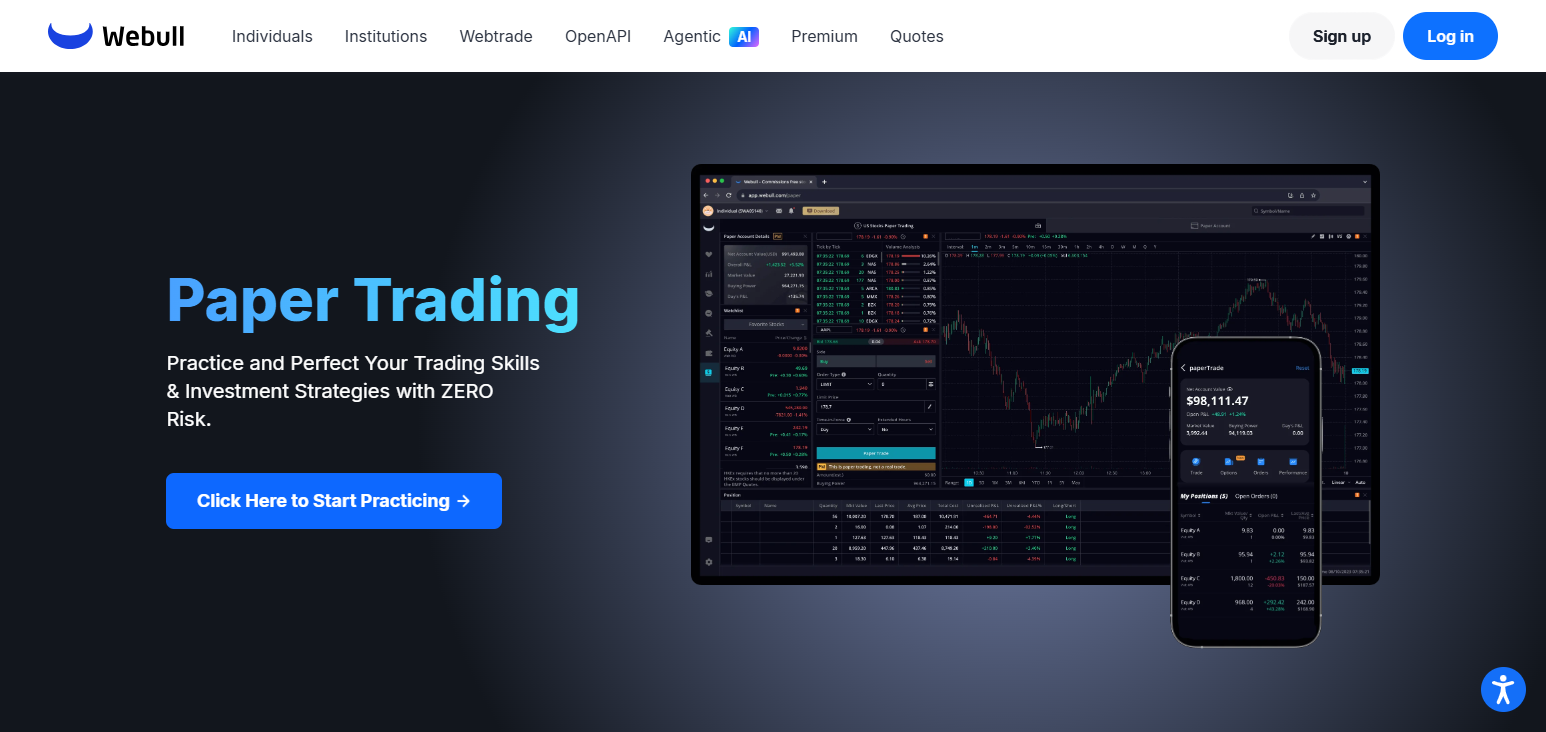
Webull Paper Trading offers advanced charting and technical indicators with the analysis of user portfolios. This mobile-first application offers beginners the ability to gain valuable investing knowledge without the risk of losing real money.
| Pros | Cons |
|---|---|
| Provides free paper trading with real-time market data. | Limited advanced trading features compared to professional platforms. |
| User-friendly mobile and desktop applications. | Not suitable for highly complex trading strategies. |
| Supports stocks, ETFs, options, and cryptocurrencies. | Some educational tools are basic. |
| Great platform for beginner investors. | Market simulation may not reflect real trading psychology. |
4. Thinkorswim PaperMoney
Charles Schwab’s Thinkorswim PaperMoney offers a high-quality paper trading environment description and is ideal for traders who want to learn and practice professional strategies.
It enables users to create custom trading simulations, and contains advanced charting and options analysis, as well as a variety of technical studies.

Users are able to practice advanced order management, and options trading, among other market strategies, without the risk of losing real money.
This platform is one of the best in helping users learn the skills needed to make trading decisions, as it offers multiple market simulations and includes educational resources.
| Pros | Cons |
|---|---|
| Offers powerful technical analysis and charting tools. | Learning curve is high for new traders. |
| Provides advanced options trading simulation. | Requires understanding of professional trading concepts. |
| Includes customizable indicators and strategies. | Platform can feel overwhelming initially. |
| Helps traders practice complex market techniques. | Some features are designed for experienced users. |
5. eToro Virtual Portfolio
eToro’s Virtual Portfolio is a fantastic paper trading option for those wanting an introduction to investing in a social trading environment. Users are provided virtual money to practice the buying and selling of stocks, ETFs, cryptos, and more.
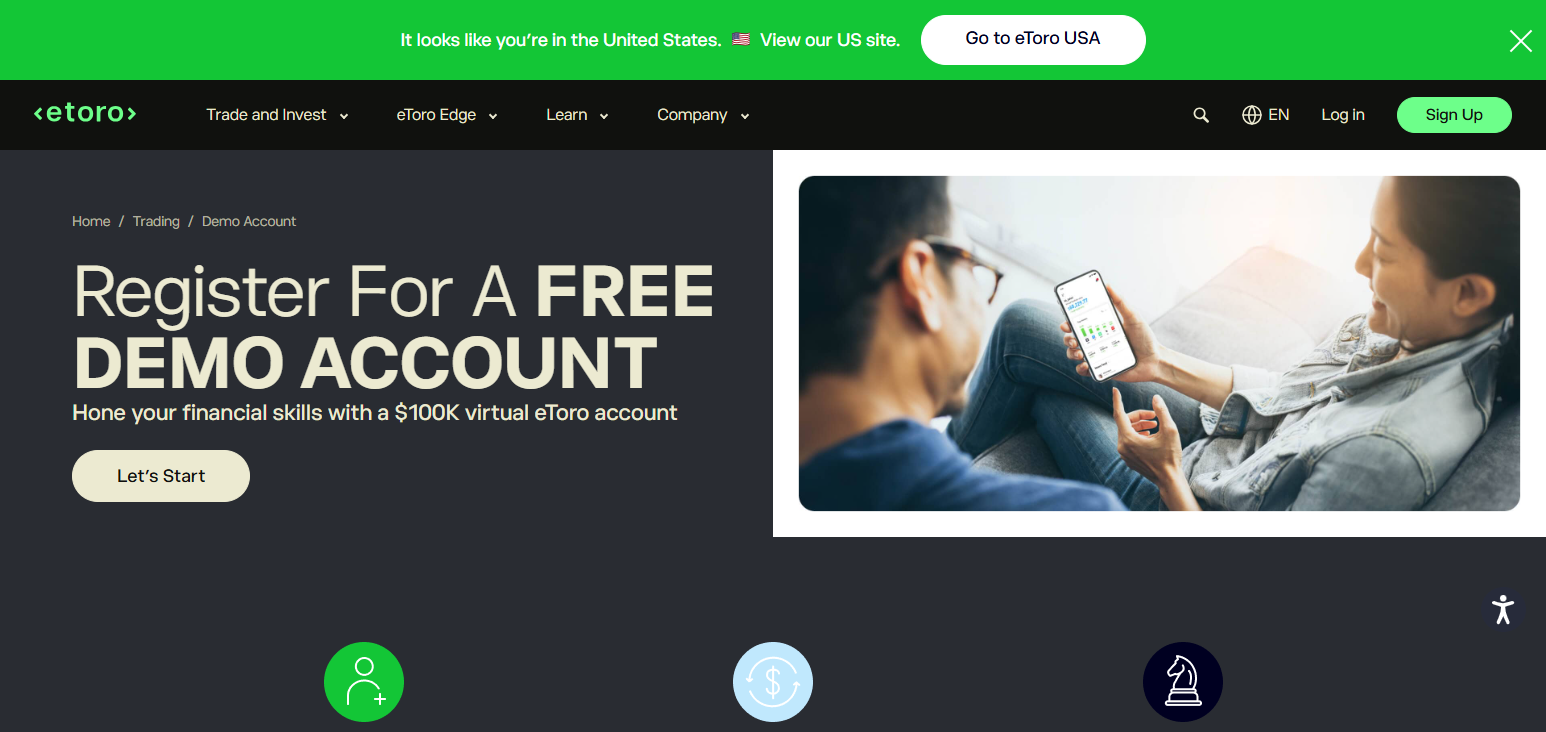
This platform encourages users to observe other traders, study the market, and learn community strategies. The easy to learn interface alongside the copy trading feature makes this platform an ideal first step to investing.
| Pros | Cons |
|---|---|
| Simple interface suitable for beginners. | Limited advanced analytical tools. |
| Includes social trading and copy trading features. | Virtual results may differ from real investments. |
| Supports stocks, ETFs, and cryptocurrencies. | Less suitable for professional traders. |
| Helps users understand investment basics easily. | Some markets may have restricted availability. |
6. TradeStation Simulator
TradeStation Simulator provides a high-quality paper trading environment, and is ideal for active traders and busy strategy developers. Users are able to practice the art of trading, study market behaviors, and refine their strategies with the aid of advanced drawing tools for analysis and trade theory.
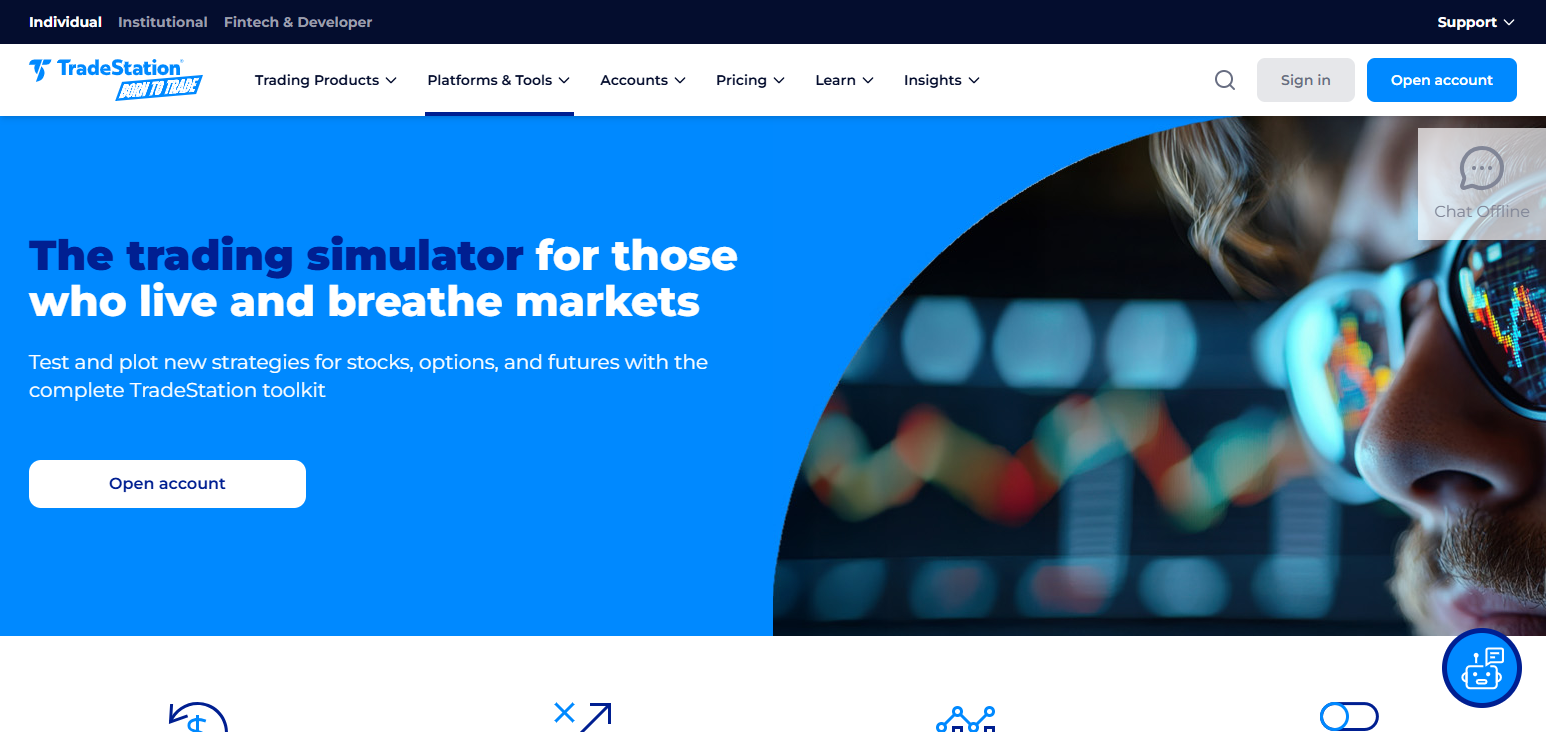
This platform contains the capability to practice trade theory for a variety of asset classes, including stocks, options, and futures. Because of the focus this platform has on research and trade theory, this platform is great for traders who want to learn the art of trading prior to engaging in live trading.
| Pros | Cons |
|---|---|
| Provides advanced strategy testing capabilities. | Platform requires learning before effective use. |
| Supports stocks, options, and futures trading. | Better suited for experienced traders. |
| Includes professional charting and analysis tools. | Beginners may find features complicated. |
| Useful for developing systematic trading strategies. | May require additional resources for advanced functions. |
7. NinjaTrader Simulated Trading
NinjaTrader is a robust trading simulator mainly for futures traders wanting to practice complex trading strategies. It has market simulations, customizable charts, and different assessments and features that traders use to perform real-time analysis.
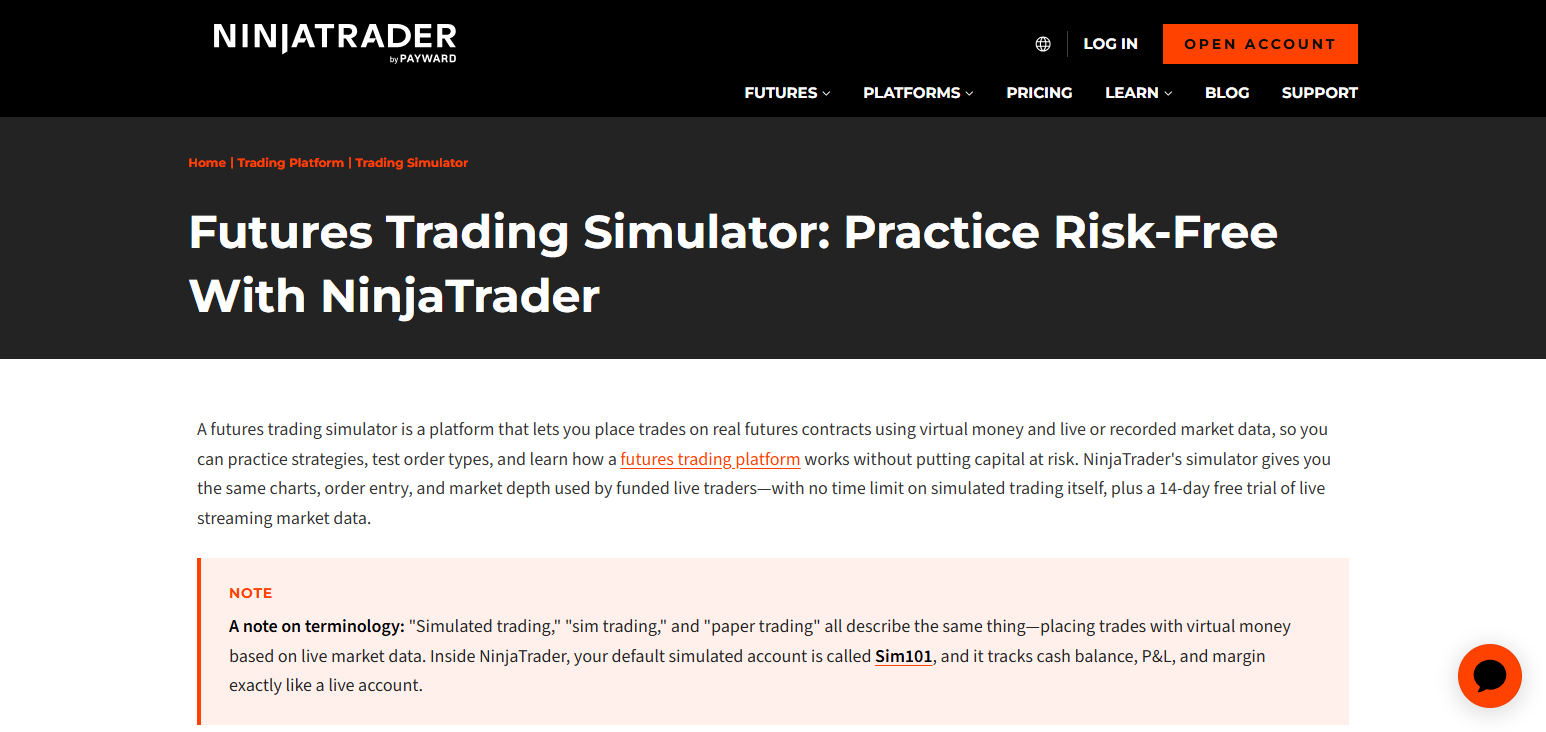
Traders are able to practice futures trading, manipulate and analyze indicators, and assess their performance all without the risk of losing money.
This platform has so many features that interest users wanting to do more complex algorithm and technical analysis trading, as the platform provides an extensive amount of features that are close to the real trading environment.
| Pros | Cons |
|---|---|
| Excellent platform for futures trading practice. | Mainly focused on futures markets. |
| Supports automated trading and advanced indicators. | Not ideal for casual investors. |
| Provides realistic market simulation features. | Requires technical knowledge to maximize benefits. |
| Offers powerful charting and customization options. | Beginners may face a steep learning curve. |
8. Fidelity Paper Trading
Fidelity Paper Trading gives investors a safe space to learn about the market and the decisions that come with investing. The platform has virtual trading, but also has a lot of other features like education, research, and tools to analyze the market.
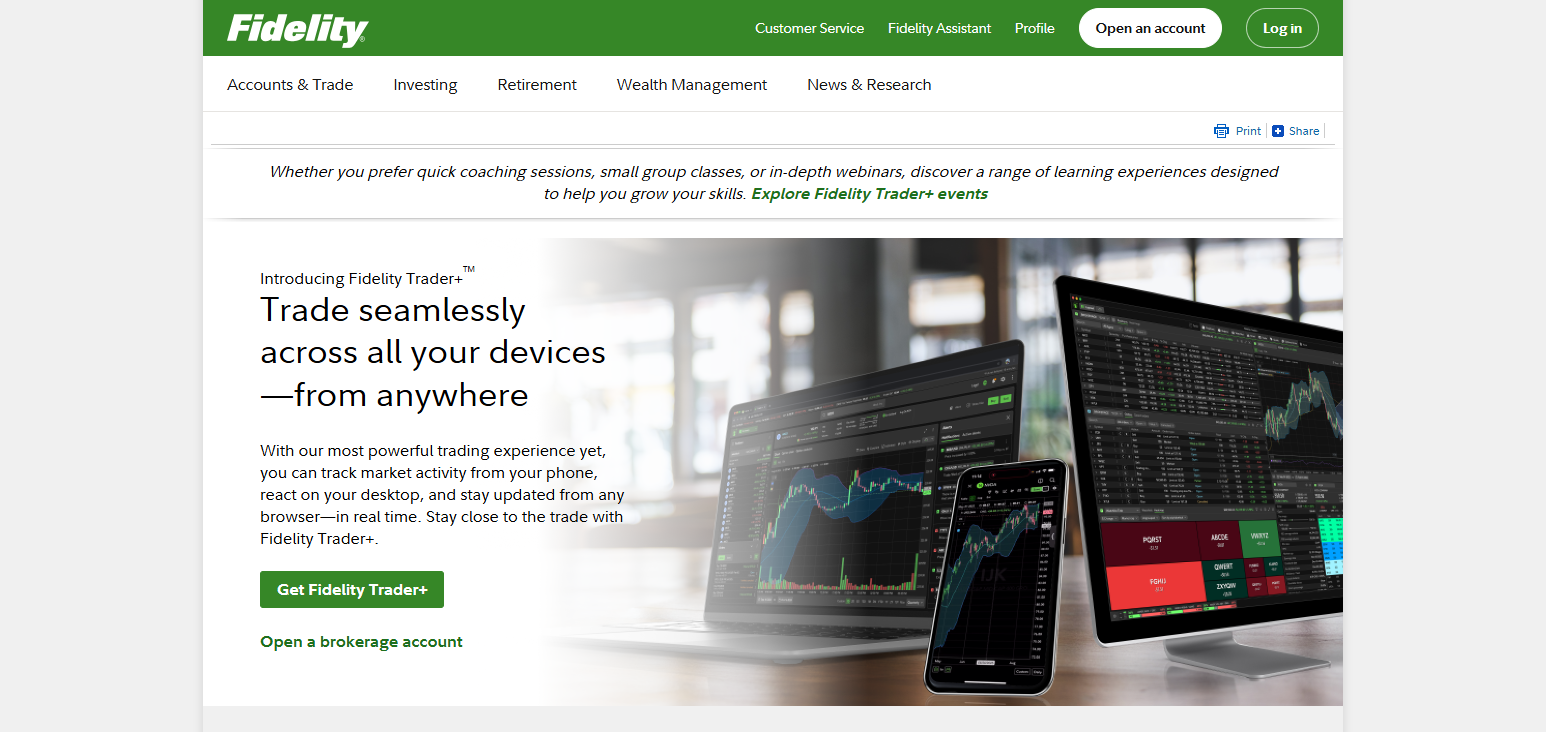
Users have the ability to play with different investing strategies, learn how to manage their portfolios, and assess the performance of different stocks without the risk of losing money.
Fidelity has a great research ecosystem, which improves the platform. This makes it a good platform for new traders and also people wanting to improve their investing and trading skills over time.
| Pros | Cons |
|---|---|
| Provides educational resources with investment practice. | Limited dedicated paper trading features. |
| Offers reliable market research and analysis tools. | Better suited for long-term investing practice. |
| Suitable for beginner and retirement investors. | Fewer advanced simulation capabilities. |
| Provides trusted brokerage ecosystem support. | Less focused on active trading strategies. |
9. E*TRADE Paper Trading
E*TRADE Paper Trading has a simulated trading feature that helps users learn the fundamentals of trading without the risk of losing money. The platform has a lot of tools that people can use to practice investing, analyze their investments, and also examine the different securities in the market.

This is a great platform for beginners who want to get a better understanding of investing in stocks, ETFs, and options. The interface and features help to support and educate new traders in developing skills to make better investment decisions.
| Pros | Cons |
|---|---|
| Easy-to-use platform for beginner traders. | Limited advanced simulation features. |
| Helps practice stocks, ETFs, and options trading. | Not designed for algorithmic trading. |
| Includes useful educational resources. | Some professional tools require experience. |
| Provides simple investment strategy testing. | May lack deep customization options. |
10. Alpaca Paper Trading
Alpaca Paper Trading is an excellent platform if you are looking to practice trading. This easy paper trading with API platform is the most friendly towards software developers who are building automated trading systems.

Alpaca provides simulated trading, market data, and an API. Because of this, it is really good at setting up trading bots and making strategies with the new financial technology.
| Pros | Cons |
|---|---|
| Provides powerful API-based trading simulation. | Requires programming knowledge for advanced usage. |
| Ideal for developers building trading bots. | Less suitable for non-technical beginners. |
| Supports automated strategy testing environments. | Limited built-in educational resources. |
| Offers modern fintech-focused trading infrastructure. | Mainly focused on stock trading APIs. |
How to Choose the Best Paper Trading Platform?
- Range of Assets and Markets: Look at options that have stocks, crypto, forex, options and futures.
- Platform Usability and Interface: Look for a platform that is simple and easy to navigate.
- Available Trading Tools and Features: Check for charts and indicators and tools for customizable analytic strategies.
- Data and Simulations: Check for real time data with valid trading simulations.
- Resources and Community: Look for a platform that has a community and professional support with tutorials.
Conclusion
In Conclusion Best Paper Trading PlatformsRisk-free practice with strategies and market analysis builds trading confidence. Paper trading platforms like TradingView, Interactive Brokers,
Webull, and Alpaca offer simulated environments whether you’re a beginner learning the basics or an advanced trader practicing new techniques. Each platform incorporates different features, so the right choice will depend on your goals and the assets and tools you are learning with.
FAQ
Are paper trading platforms free?
Yes, many paper trading platforms offer free virtual accounts with simulated money. Some advanced tools and features may require premium subscriptions.
Is paper trading good for beginners?
Yes, paper trading helps beginners learn market basics, practice strategies, understand charts, and build confidence without risking real money.
Can I trade cryptocurrencies on paper trading platforms?
Yes, platforms like TradingView and Webull support cryptocurrency simulations along with stocks and other financial assets.
Does paper trading use real market prices?
Many platforms use real-time or delayed market data to simulate actual trading conditions and provide realistic practice experiences.