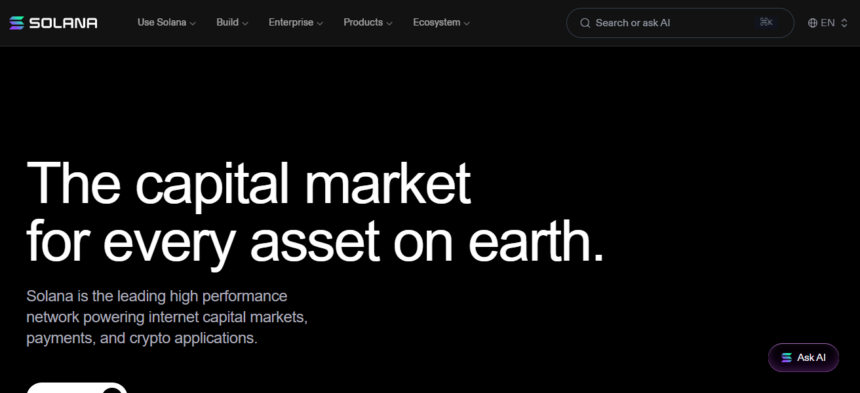
The Alpenglow upgrade is a landmark event for Solana. It brings quickened transaction finality, smarter validator coordination, and better overall efficiency of the network.
As Solana continues to develop and challenge the greatest of the blockchain ecosystems, a number of projects will benefit from the evolution.
The following are the most promising Solana-based projects succeeding after the Alpenglow upgrade.
Key Poinst & Best Solana-Based Projects After the Alpenglow Upgrade
Jupiter – Leading Solana aggregator optimizing trades with deeper liquidity and lower slippage.
Kamino Finance – Automated lending and liquidity platform benefiting from Solana’s enhanced performance.
Drift Protocol – Decentralized derivatives exchange offering faster trades and improved user experiences.
Marinade Finance – Liquid staking protocol enabling efficient staking rewards across Solana ecosystems.
Raydium – Popular decentralized exchange leveraging upgraded infrastructure for smoother trading.
Helium Mobile – Decentralized wireless network expanding connectivity through Solana-powered blockchain incentives.
Tensor – NFT marketplace delivering faster transactions and enhanced trading efficiency post-upgrade.
Phoenix – Fully on-chain orderbook exchange benefiting from reduced network latency significantly.
Sanctum – Liquid staking infrastructure project improving interoperability across Solana staking solutions.
Render Network – Decentralized GPU rendering platform utilizing Solana for scalable operations.
10 Best Solana-Based Projects After The Alpenglow Upgrade
1. Jupiter
As the leading liquidity aggregator on Solana, Jupiter is responsible for routing trades to the most advantageous price across a number of decentralized exchanges.
Post Alpenglow upgrade, traders will benefit from even quicker confirmations and better execution.
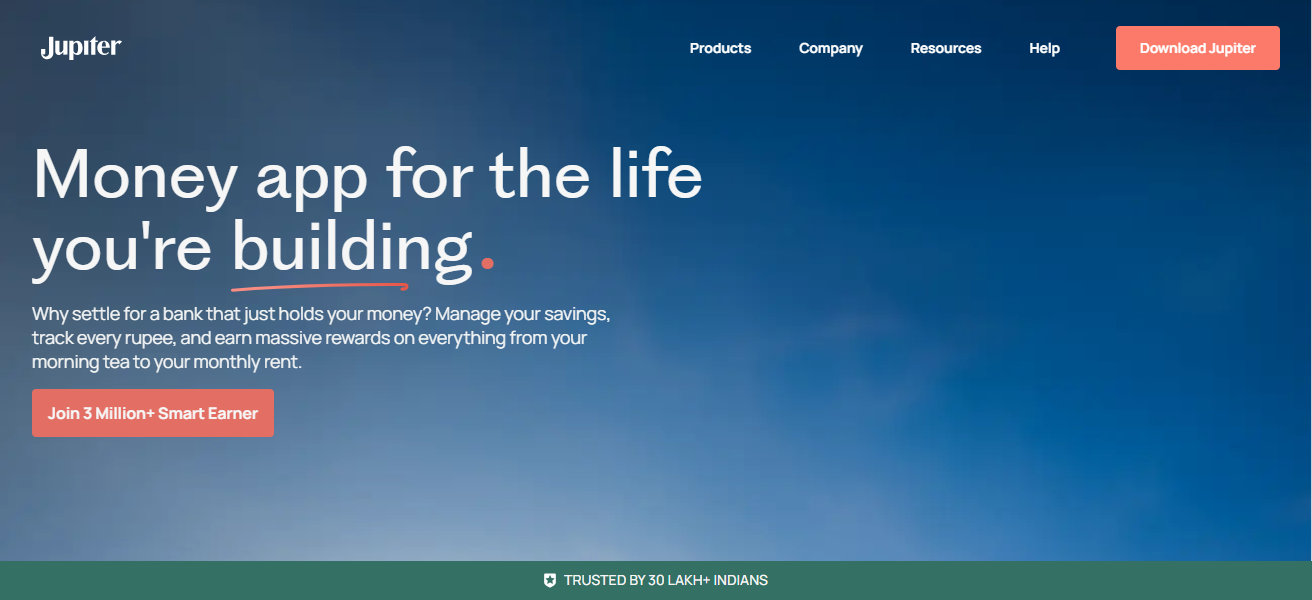
Jupiter goes beyond simple token swaps through perpetual futures and advanced trading, as well as governance of the ecosystem. Its extensive liquidity reach makes it a widely used, critical resource in the Solana DeFi ecosystem.
| Pros | Cons |
|---|---|
| Best trade routing across Solana DEXs | Can feel complex for beginners |
| Very low slippage execution | High dependency on external DEX liquidity |
| Fast swaps after Alpenglow upgrade | Occasional congestion during high volume |
| Strong ecosystem integration | Limited control over underlying pools |
2. Kamino Finance
Kamino Finance is one of Solana’s highly complete DeFi ecosystems. It features lending, borrowing, leveraged positions, and automated liquidity management.
Alpenglow improves network responsiveness and allows Kamino users to manage their positions more efficiently in the face of increased volatility.
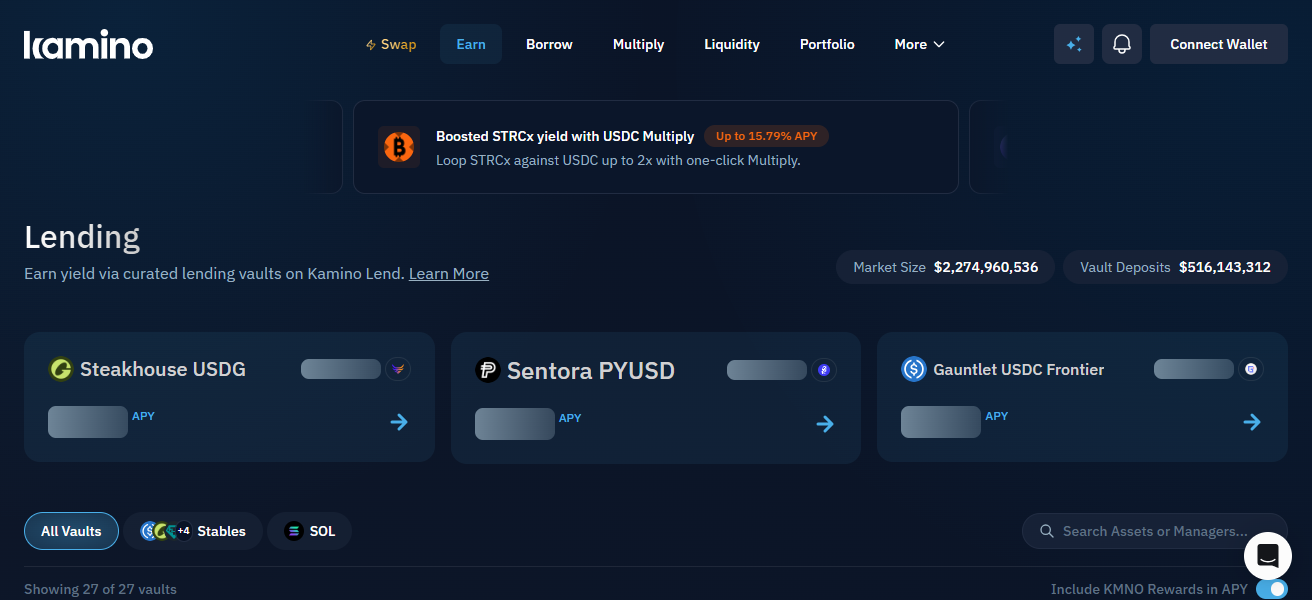
The automated vaults do the heavy lifting of managing yields, thus improving the efficiency of yield generation. As participation in Solana DeFi grows, Kamino is establishing itself as a leading supply-side service.
| Pros | Cons |
|---|---|
| Automated yield strategies | Smart contract risk exposure |
| Strong capital efficiency tools | Complex for new DeFi users |
| Benefits from faster Solana finality | Requires constant liquidity monitoring |
| Passive income opportunities | Market volatility impacts returns |
3. Drift Protocol
Drift Protocol is recognized as one of the top decentralized derivatives exchange platforms on Solana.
By combining the trading of perpetual futures and spot contracts and incorporating advanced risk management features, Drift Protocol differentiates itself in the market.
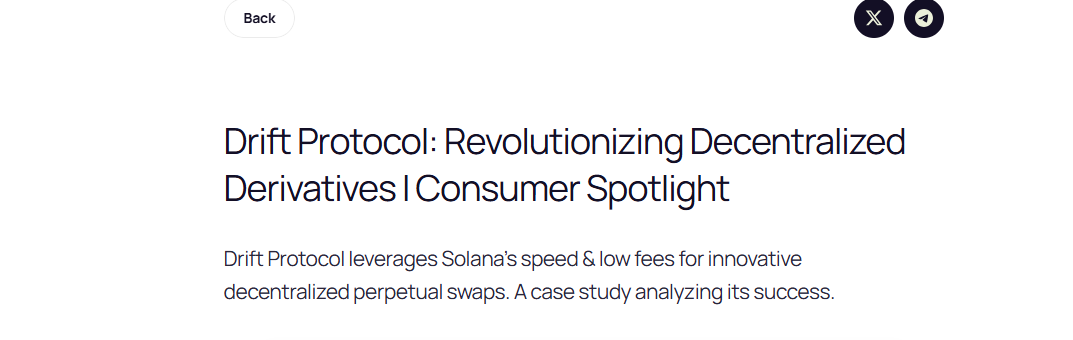
With the Alpenglow updates aimed at improving the Solana Network, Drift Protocol users can experience heightened efficiency and improved order execution.
Drift Protocol is constantly improving its liquidity provisions, trading features, and other elements of its offering, which draws professional traders to use Drift Protocol as a decentralized alternative to centralized trading platforms.
| Pros | Cons |
|---|---|
| Advanced perpetual trading system | Higher risk due to leverage |
| Low-latency execution post-upgrade | Requires trading experience |
| Deep liquidity for derivatives | Liquidation risk in volatile markets |
| Strong risk engine design | Limited asset variety vs CEX |
4. Marinade Finance
Marinade Finance is an integral component of the staking services on Solana, providing users the ability to stake tokens while retaining liquidity in the form of liquid staking tokens.
Alpenglow improves the overall experience of both users and validators in the Marinade ecosystem by improving the efficiency of the Solana Network.
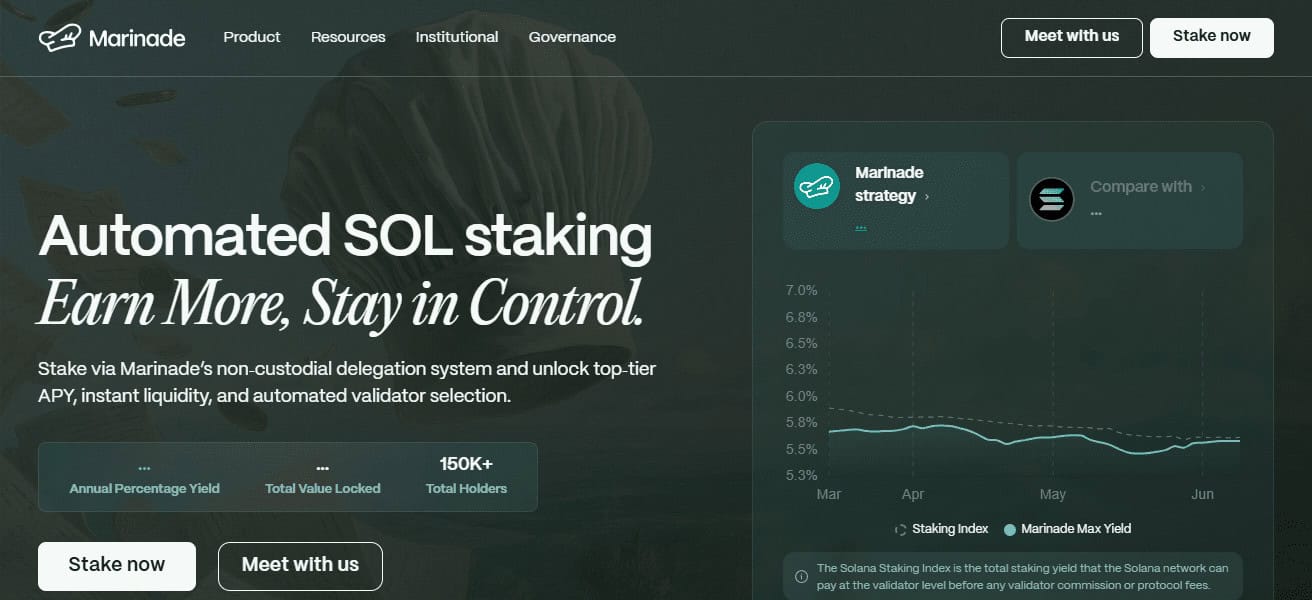
Marinade’s decentralized model of validating users’ tokens enables further security and decentralization of the network. As the primary staking solution on Solana, Marinade is successful in gaining the participation of both retail and institutional users.
| Pros | Cons |
|---|---|
| Earn staking rewards + liquidity | Validator centralization concerns |
| Easy liquid staking access | Slight yield dilution vs direct staking |
| Strong Solana network integration | Dependency on staking APY |
| Supports decentralization | Lock-up risks in some strategies |
5. Raydium
Raydium is one of the earliest decentralized exchanges on Solana’s trading ecosystem. It provides trading, liquidity provision, yield farming, and launch services.
Alpenglow improves the efficiency of the Solana Network and aids Raydium in smoothing the trading experience for users during times of heavy use.
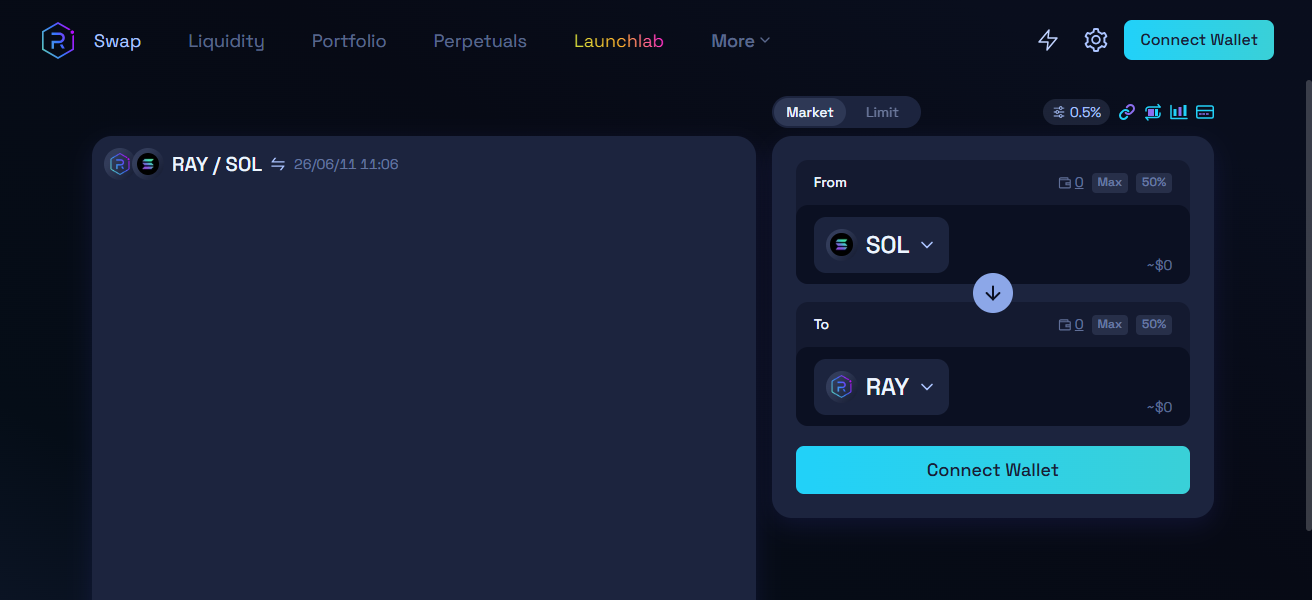
Raydium is also a primary liquidity provider for a multitude of applications on Solana. Its deep integration and continual development within the ecosystem cements its position as one of the key platforms in Solana’s decentralized finance.
| Pros | Cons |
|---|---|
| High liquidity pools | Impermanent loss risk |
| Integrated launchpad features | Competition from newer DEXs |
| Fast swaps on Solana | Token volatility exposure |
| Strong ecosystem adoption | UI complexity for beginners |
6. Helium Mobile
Helium Mobile demonstrates a cutting-edge, real-world, and applicable use case for a blockchain and network solution built on Solana.
Through decentralized infrastructure, blockchain technology, and cellular coverage, Helium Mobile rewards network participants.
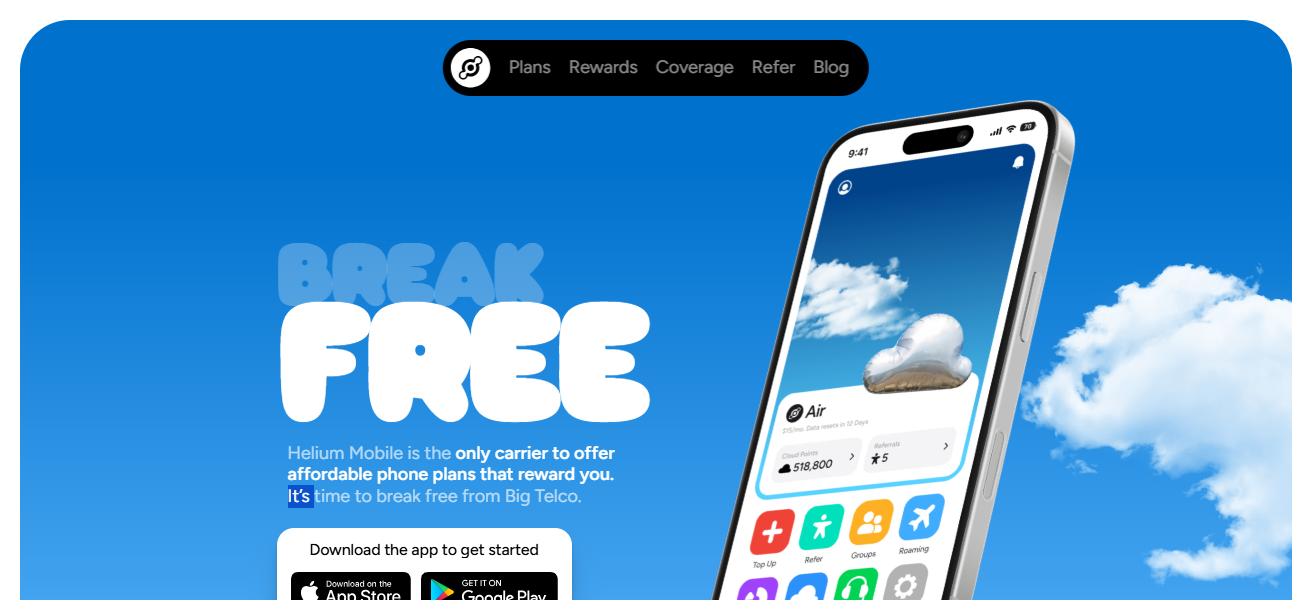
With Solana’s Alpenglow upgrade, Helium Mobile can more readily process incentive transactions tied to network specifications, thereby increasing network coverage and use.
Helium Mobile is an example of a blockchain-powered solution and service that extends beyond the traditional financial use cases and offerings.
Combining the worlds of cellular telecommunications and decentralized economies, Helium Mobile is an exemplary project within its ecosystem.
| Pros | Cons |
|---|---|
| Real-world telecom use case | Adoption still growing |
| Rewards infrastructure providers | Hardware/network dependency |
| Low-cost mobile connectivity vision | Regional availability limits |
| Blockchain-based incentives | Regulatory uncertainty |
7. Tensor
Within Solana’s NFT marketplace and trading interfaces, Tensor stands out as the primary option.
As an advanced interface aimed at professional NFT traders, Tensor provides a suite of tools for trading and executing orders coupled with market analytics and insights.

Leveraging the speed improvements from Alpenglow, Tensor is quick and responsive. Beyond NFT trading, Tensor provides trading tools for crypto investors and collectors.
As a leading NFT trading platform on Solana in an accelerating digital asset marketplace, Tensor provides a strong value proposition.
| Pros | Cons |
|---|---|
| Advanced NFT trading tools | NFT market volatility |
| Fast execution after upgrade | Limited mainstream adoption |
| Pro trader-focused features | Competition from OpenSea ecosystem |
| Strong analytics dashboard | Seasonal trading activity |
8. Phoenix
With an emphasis on Solana’s technological capabilities, Phoenix is a completely on-chain order book exchange.
Many decentralized exchanges that are settlement guarantee-based rely on off-chain components; Phoenix does not.
With the enhancements from the Alpenglow upgrade, Phoenix will continue to showcase its ability to operate within the balance of transparency and decentralization, while offering trading with low latency.
Many regard Phoenix as a foundational component for advanced financial Dapps. With its innovative design, Phoenix is a leading technology-focused project within the Solana ecosystem.
| Pros | Cons |
|---|---|
| Fully on-chain trading system | Limited liquidity vs giants |
| Extremely transparent execution | Technical complexity for users |
| High-speed Solana performance | Smaller user base |
| No off-chain dependencies | Slower ecosystem growth |
9. Sanctum
Sanctum aims at enhancing interoperability within Solana’s liquid staking ecosystem. Users can manage, trade, and access liquid staking assets with ease.
After the Alpenglow upgrade, Sanctum is positioned to provide even better performance for the movement of assets and staking.
With its approach, Sanctum brings together fragmented staking liquidity and opens up more use cases for both users and developers.
As liquid staking continues to grow, the value of Sanctum within the ecosystem will expand.
| Pros | Cons |
|---|---|
| Unified staking liquidity system | Early-stage ecosystem risk |
| Better staking interoperability | Limited mainstream awareness |
| Strong DeFi integrations | Dependent on staking demand |
| Efficient asset management | Competitive staking platforms |
10. Render Network
Render Network aims to provide creators with access to rendering as a resource by incorporating blockchain technology with decentralized GPU computing.
Render Network, by building on Solana, is able to provide fast and cost-effective rendering solutions to a number of verticals, including gaming, animation, and AI.

Upgrades to Alpenglow will further improve the Solana network and provide benefits to the Render Network.
For a number of reasons, Render is one of the most interesting projects building on Solana as the need for GPU resources continues to expand.
| Pros | Cons |
|---|---|
| Real-world GPU demand solution | High competition in AI computing |
| Supports AI, gaming, animation | Hardware demand fluctuations |
| Scalable decentralized rendering | Cost variability for users |
| Strong long-term utility | Adoption depends on creator demand |
Final Thoughts
The Alpenglow upgrade speeds and scales the Solana network while increasing its reliability. Jupiter, Kamino Finance, Drift Protocol,
Marinade Finance, Raydium, Helium Mobile, Tensor, Phoenix, Sanctum, and Render Network are some of the projects that stand to benefit the most.
They cover a large range of innovations across DeFi, staking, NFTs, real-world infrastructure, and decentralized computing.
They are definitely projects to keep an eye on as they are some of the most promising Solana projects in the upcoming years.
FAQ
What is the Alpenglow upgrade in Solana?
Alpenglow is a major Solana network upgrade designed to improve transaction speed, finality, validator coordination, and overall blockchain efficiency, making dApps faster and more scalable.
Which is the best Solana DeFi project after Alpenglow?
Jupiter is widely considered the top DeFi aggregator due to its deep liquidity routing, fast swaps, and strong ecosystem integration.
Is Kamino Finance safe for earning yield?
Kamino Finance is a leading DeFi vault platform, but like all DeFi, it carries smart contract and market risks despite strong automation features.
Why is Drift Protocol popular among traders?
Drift Protocol offers decentralized derivatives trading with fast execution, leverage tools, and improved performance after Solana’s upgrades.