
In this article, I will discuss the Ways AI Is Helping Football Coaches Build Better Game Strategies, showing how artificial intelligence improves tactical planning, player performance analysis,
Opponent prediction, injury prevention, and real-time decision-making to help teams perform better and win more matches effectively.
Key Points & Ways AI Is Helping Football Coaches Build Better Game Strategies
| Way AI Helps Coaches | Explanation (15 words) |
|---|---|
| Player Performance Analysis | AI tracks player movements, stamina, and skills to identify strengths and weaknesses. |
| Opponent Strategy Prediction | Machine learning analyzes opponent patterns, predicting tactics to counter effectively during matches. |
| Injury Prevention | AI monitors physical stress, predicting risks and suggesting training adjustments to avoid injuries. |
| Tactical Simulations | Coaches use AI-driven simulations to test formations and strategies before real matches. |
| Real-Time Decision Support | AI provides instant insights during games, helping coaches adjust tactics immediately. |
| Recruitment and Scouting | AI evaluates player statistics worldwide, identifying talent fitting team’s style and needs. |
| Training Personalization | AI designs customized training programs based on individual player performance and fitness data. |
| Video Analysis Automation | AI automates video breakdowns, highlighting key plays and mistakes for faster review. |
| Fan Engagement Insights | AI analyzes fan reactions, helping coaches align strategies with audience expectations. |
| Data-Driven Game Plans | AI combines historical data and predictive analytics to create winning match strategies. |
10 Ways AI Is Helping Football Coaches Build Better Game Strategies
1. Player Performance Analysis
Juventus Conclusion Both data-driven and human-centric approaches supported by AI help football coaches analyze player performance
Providing unparalleled details about each aspect of the game,as well as real-time data tracking with virtually no delay,both these research outputs are complemented by predictions about future play
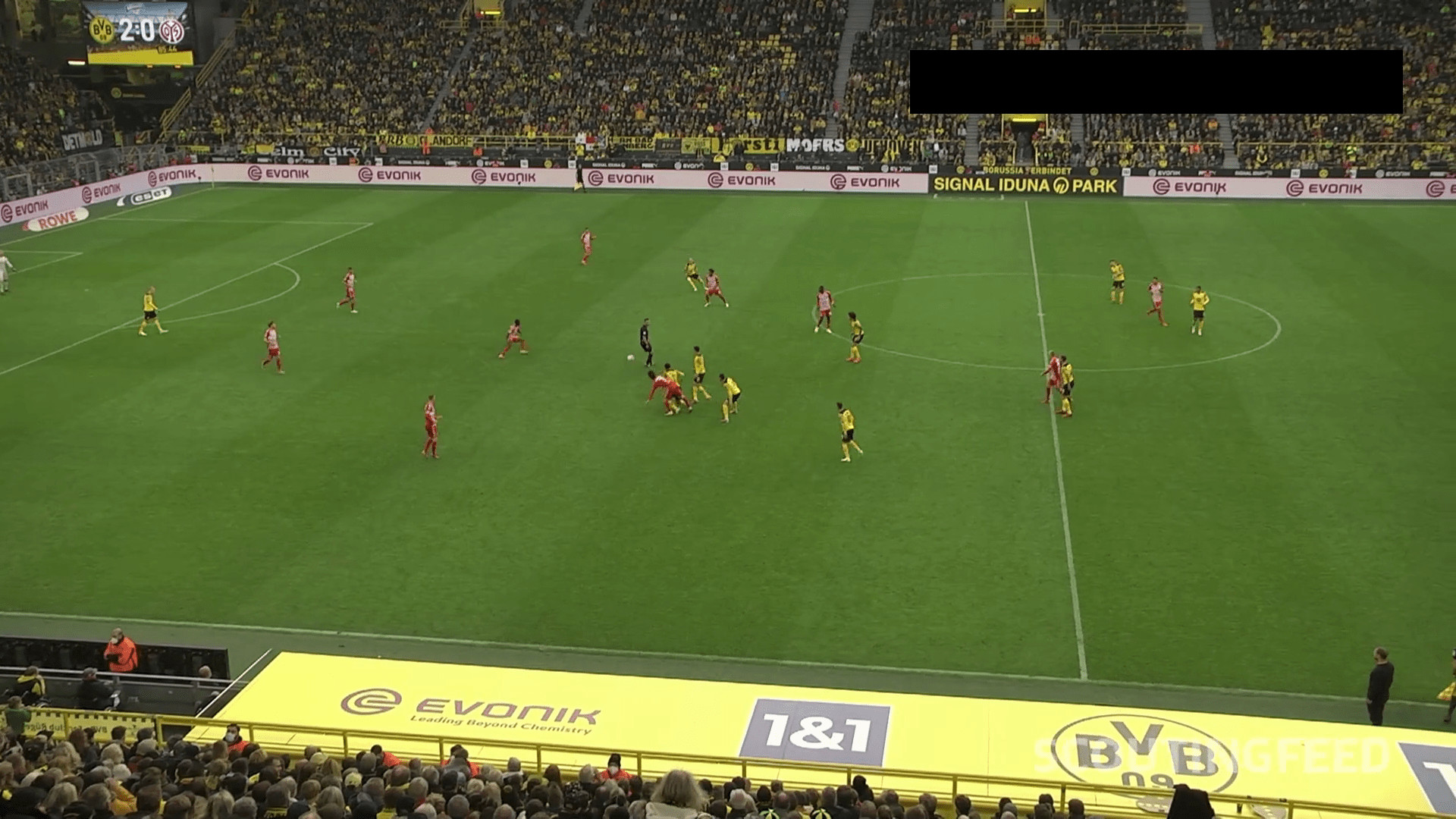
It assesses how well you pass, your passing speed and stamina, as well as experience and decision-making at practice and in actual game-play. AI analyzes video footage and sensor data to determine each player’s strengths and weaknesses.
This is something that coaches can use to individualize performance and assign better roles on the field. With such knowledge, players learn faster and contribute better to the team, saving on hard work.
| Feature | Description |
|---|---|
| Real-Time Tracking | Monitors player actions live during matches and training sessions |
| Skill Evaluation | Measures passing, shooting, speed, stamina, and positioning |
| Video Processing | Uses match footage to break down individual performances |
| Strength & Weakness Detection | Identifies areas where players excel or need improvement |
| Role Optimization | Helps coaches assign best positions based on data insights |
2. Opponent Strategy Prediction
By analysing historic games, formations and tactical trends the AI can help coaches with predictions about opponent strategies.
It examines team behaviours at particular places within games, such as whether you are defending a lead or chasing the game.
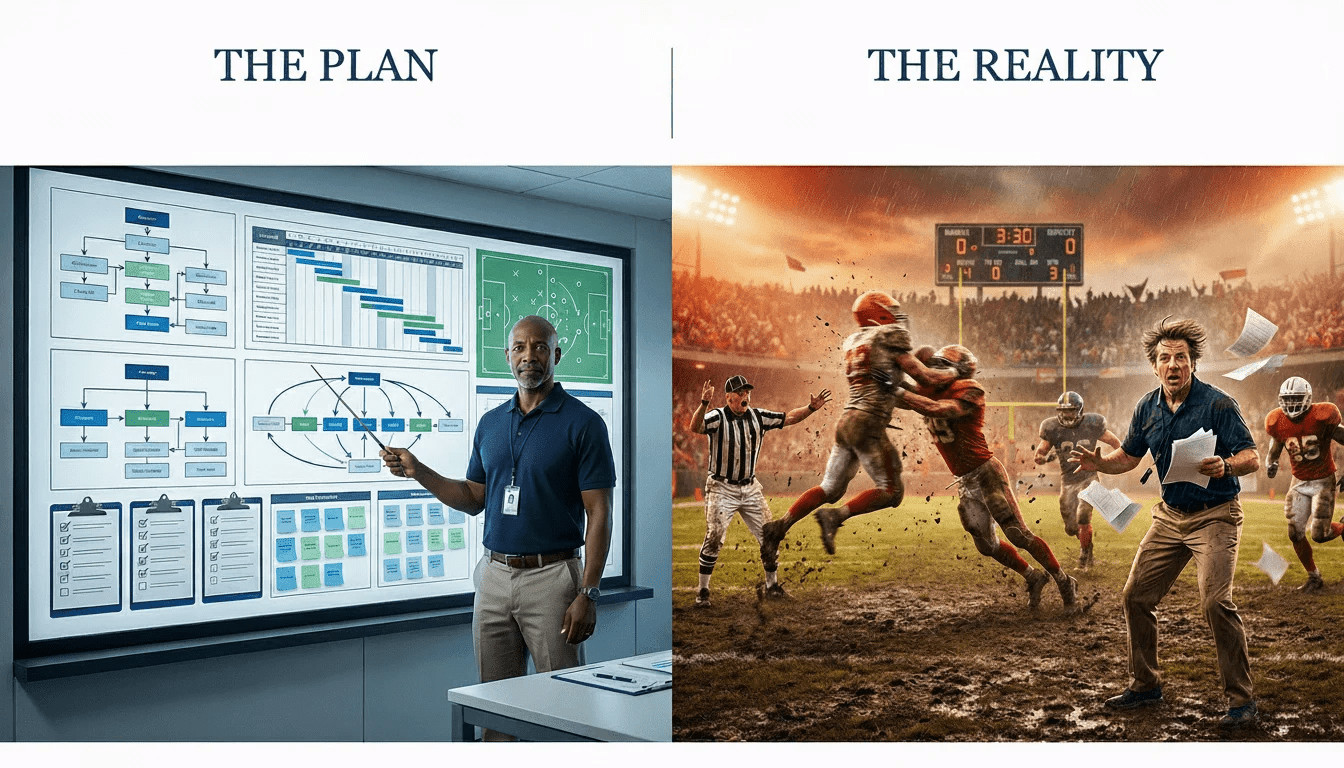
The machine learning models output patterns in passing, pressing and attacking zones. Coaches can queue moves and counterstrategies beforehand to plan ahead.
AI insights empowers teams to adapt formations and tactics pre-game and even in the middle of a match, giving them an edge against their competition.
| Feature | Description |
|---|---|
| Match History Analysis | Studies previous games to detect opponent patterns |
| Formation Detection | Identifies common tactical setups used by teams |
| Behavior Prediction | Predicts actions in attack, defense, and transitions |
| Machine Learning Models | Learns opponent habits over time for better forecasting |
| Counter-Strategy Support | Helps coaches prepare effective game plans in advance |
3. Injury Prevention
AI can also help reduce player injuries by tracking the workload, patterns and fatigue throughout a game to ensure optimum condition.
So during training and matches, wearables collect data which AI analyzes to catch these signs early in the process of getting stressed or pushed too much too soon.
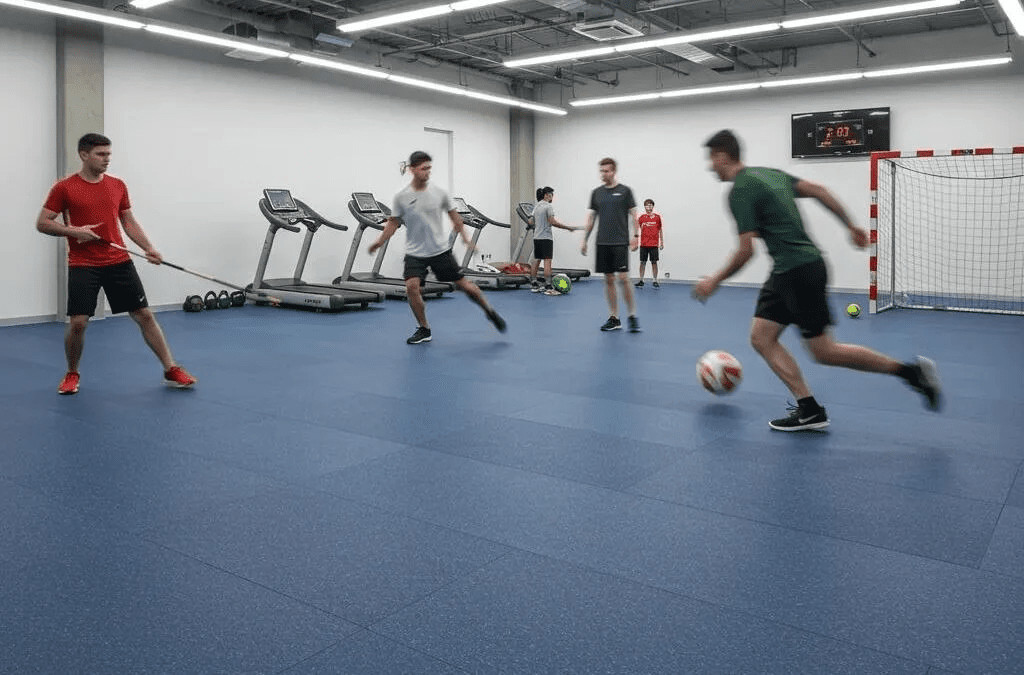
It can forecast injury risk using historical and real-time data. In turn, coaches and medical staff may change the intensity of training or rest plans.
| Feature | Description |
|---|---|
| Workload Monitoring | Tracks player physical strain during training and matches |
| Fatigue Detection | Identifies early signs of exhaustion using AI analysis |
| Wearable Integration | Collects biometric data like heart rate and movement |
| Injury Risk Prediction | Forecasts possible injuries using historical patterns |
| Recovery Optimization | Suggests rest and recovery schedules for players |
4. Tactical Simulations
This has opened up many possibilities and with AI coaches can run tactical simulations that mirror real match scenarios.
Different formations and strategies are fed into AI models to display potential results against different playing styles.
This allows coaches to experiment without putting the real match on the line. The players also visualize their roles in all situations to gain a better understanding of how and when they work together as well.
These simulations provide tools that create more accurate strategic plans and allow teams to fine-tune tactics before taking the field, maximizing efficiency and match preparedness.
| Feature | Description |
|---|---|
| Virtual Match Scenarios | Creates realistic game situations for practice |
| Formation Testing | Allows experimentation with different team setups |
| Outcome Prediction | Shows likely results of tactical decisions |
| Player Role Visualization | Helps players understand positioning in strategies |
| Strategy Refinement | Improves tactics before real match execution |
5. Real-Time Decision Support
Analysing live feeds of data, AI outputs real-time decision support during matches. You instantly gain information on player positioning, ball movement and your opponent formations.
The coaches are given instant suggestions about a substitute, formation change or tactical shift. This allows teams to adjust quickly to changing conditions during a game.
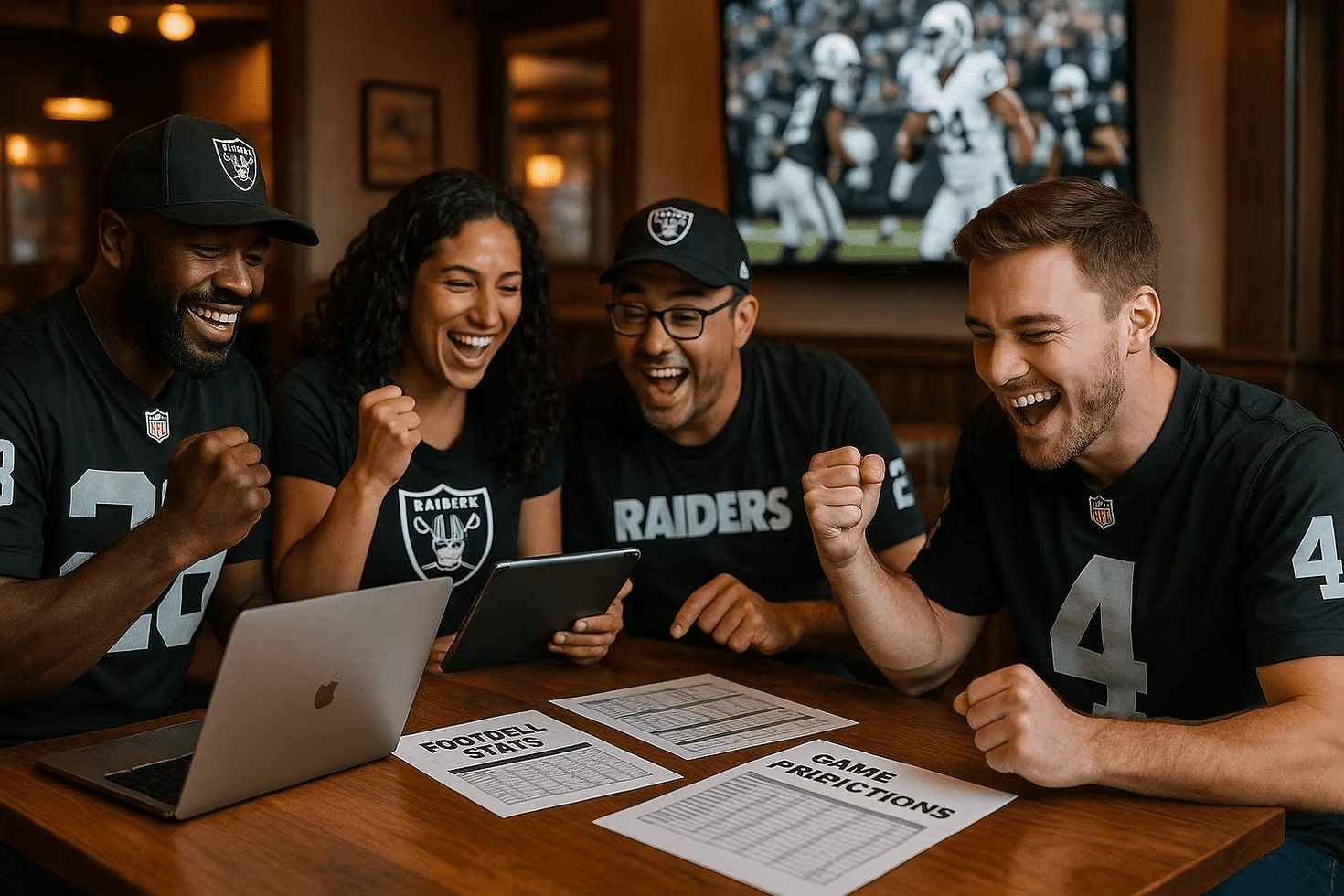
Utilise AI-powered insights that minimize guesswork and enables better decision-making under pressure.
This allows coaches to make more informed, data-driven decisions that affect the outcome of matches and improve the overall performance of a team during key moments in time.
| Feature | Description |
|---|---|
| Live Data Analysis | Processes match data instantly during games |
| Tactical Suggestions | Recommends formation or strategy changes |
| Player Movement Tracking | Monitors positioning and off-the-ball actions |
| Substitution Insights | Suggests optimal player replacements |
| Pressure Decision Support | Helps coaches make quick, accurate decisions |
6. Recruitment and Scouting
AI enhances recruitment and scouting through assessment of worldwide player databases and match footage.
There it see hours (100, 500, 800) and other performance and plan which studies is good. Find the diamonds in the rough from lower leagues or youth academies.
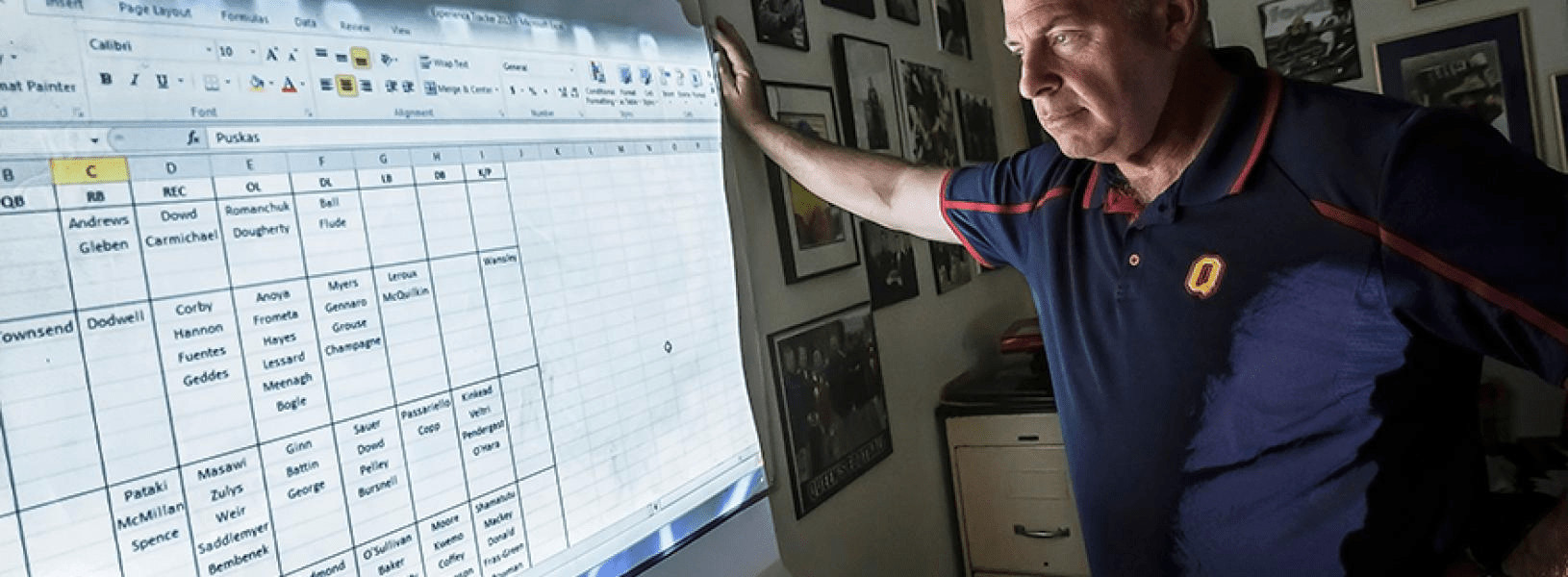
AI too links players to current team requirements allowing for better recruits. It saves scouting time and costs with an increased efficiency of accuracy.
It should now be obvious that clubs can construct more robust, more evenly distributed squads based on a method of data science rather than good old-fashioned scouting.
| Feature | Description |
|---|---|
| Global Talent Search | Scans players across leagues and countries |
| Performance Benchmarking | Compares players using statistical data |
| Skill-Based Filtering | Finds talent based on specific team needs |
| Youth Identification | Detects promising young players early |
| Cost-Efficient Scouting | Reduces manual scouting time and effort |
7. Training Personalization
AI assists in generating individualized training programs for every player based on their strengths and weaknesses.
It uses performance data and physical fitness to create individual drills and exercises. A defender may practice more on positioning and tackling or a striker can work on finishing.
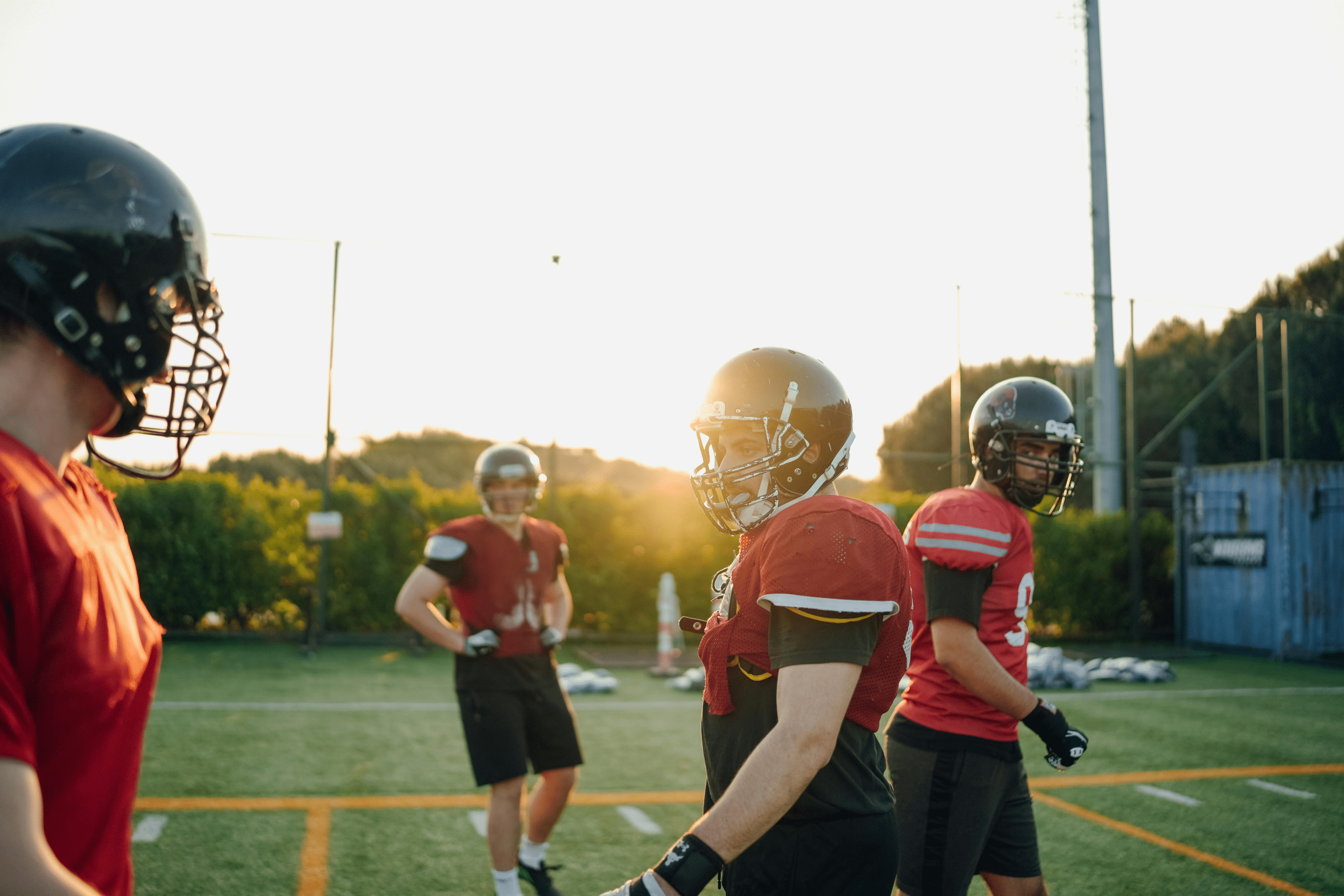
This allows them to narrow down exactly what they want, which increases speed and efficiency. Progress reports allow coaches to monitor and adjust training intensity.
Each player can achieve their absolute best in the specific type of role they may play within a team, despite how the average age is so young due to tailored training plans.
| Feature | Description |
|---|---|
| Custom Training Plans | Designs drills based on individual player needs |
| Performance-Based Adjustments | Modifies training using progress data |
| Skill-Specific Focus | Targets weak areas like shooting or defense |
| Fitness Optimization | Balances strength, endurance, and recovery |
| Adaptive Learning System | Evolves training programs over time |
8. Video Analysis Automation
By processing hours of match footage in a matter of minutes, AI fully automates video analysis. It automatically tags goals, passes, tackles and defensive errors.
Coaches do not need to watch match footage any more. Instead, they are provided with highlight reels and overall performance summaries. Saves time and better accuracy of reviewing games.
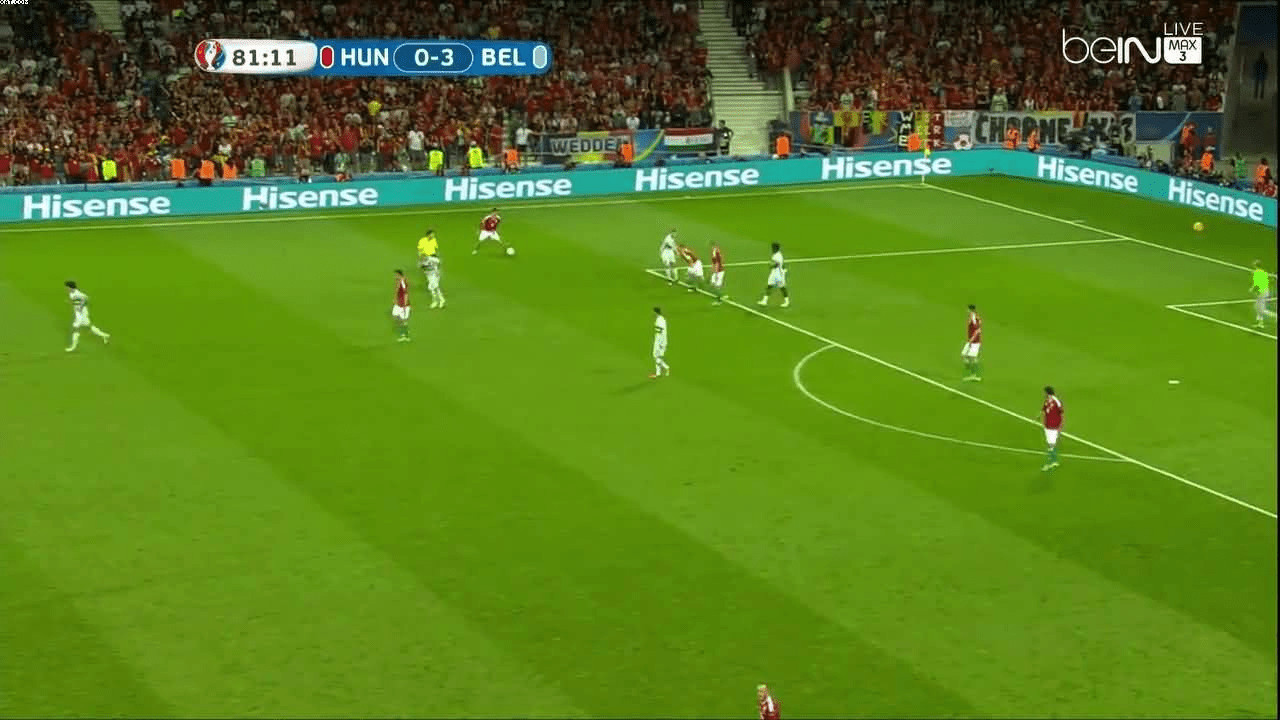
Plus, AI recognizes tactical patternsand missteps, allowing teams to analyze errors in real-time and generate improved strategies for future games and events.
| Feature | Description |
|---|---|
| Automatic Tagging | Labels goals, passes, tackles, and key events |
| Highlight Generation | Creates short clips of important moments |
| Error Detection | Identifies mistakes in defense and attack |
| Tactical Breakdown | Analyzes team formations and movement |
| Time Efficiency | Reduces hours of manual video review |
9. Fan Engagement Insights
AI tools, for example, help football clubs gain insight into the behaviours and engagement of their supporters via social media and other digital platforms.
It studies viewership, likes and dislikes of players, trends related to matches etc. It enables clubs to deliver more immersive content, thereby enhancing fan experience.

Thus, even coaches and management could carry out how well the team performance results in audience sentiment.
These insights contribute to marketing, branding, and communication strategies respectively. And above all, a higher degree of fan engagement ultimately increases revenue for the club and its emotional bond with the teams.
| Feature | Description |
|---|---|
| Social Media Monitoring | Tracks fan reactions across platforms |
| Sentiment Analysis | Measures positive or negative fan emotions |
| Engagement Tracking | Studies likes, shares, and comments trends |
| Content Strategy Support | Helps create better fan-focused content |
| Revenue Insights | Improves marketing and sponsorship planning |
10. Data-Driven Game Plans
That’s why AI aids coaches in creating data-driven game plans from statistical insights and predictive models. By analyzing player performance, opponent performance, match history etc.
It uses this data to create ideal strategies. Coaches get a more accurate picture of their formations, passing styles and attacking methods. So, you are no longer only depending on intuition.

Data-driven planning helps teams to be more proactive in gearing up for different match situations consistently.
Finally, AI helps organize better game plans and strategies that improve the chances of winning.
| Feature | Description |
|---|---|
| Statistical Analysis | Uses match data to build strategies |
| Opponent Comparison | Matches team strengths against opponent weaknesses |
| Formation Optimization | Suggests best tactical formations |
| Predictive Planning | Forecasts match scenarios and outcomes |
| Performance Consistency | Improves reliability of game strategies |
Conclsuion
Ultimately, AI is playing a role in the evolution of modern day football, assisting coaches in forming intelligent and more efficient styles of play.
AI analytically evaluates player exhibiting behavior, Opponent moves and assists in injury prevention, registration with the help of comprehensive information that helps make plays and go over.
It also helps with tactical planning, training and match preparation. All in all, AI provides coaches to develop data-driven strategies that improve the overall performance of a team and increase their odds of winning.
FAQ
How does AI help football coaches improve game strategies?
AI analyzes player data, opponent patterns, and match statistics to help coaches build smarter and more effective game strategies.
What role does AI play in player performance analysis?
AI tracks speed, passing accuracy, stamina, and positioning to evaluate each player’s strengths and weaknesses in detail.
Can AI predict opponent tactics in football?
Yes, AI studies past matches and formations to predict how opponents will play in different game situations.
How does AI help prevent player injuries?
AI monitors workload, fatigue, and movement patterns to detect injury risks early and suggest rest or training adjustments.