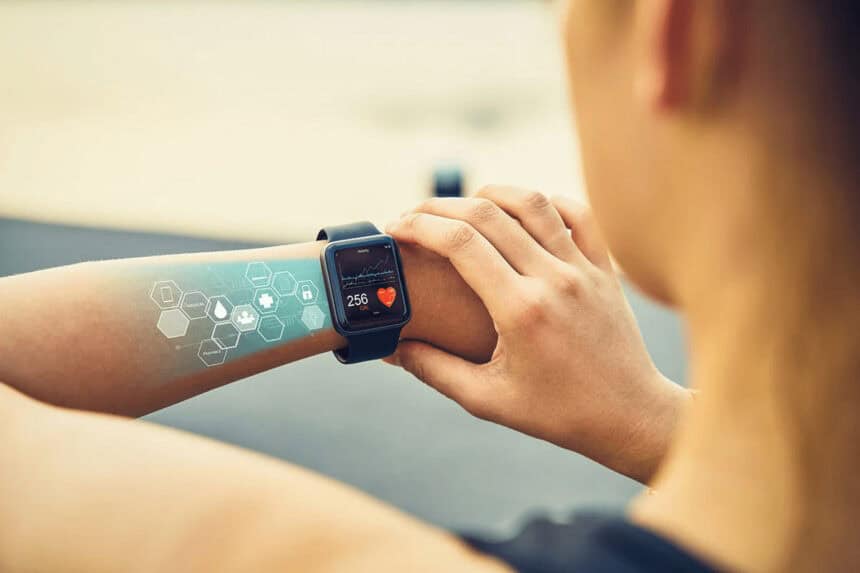
Today in this article I will cover the topic, Ways AI Wearables Are Tracking Your Body Better Than Everन् — revolutionized health which based on these advanced and intelligent sensor and algorithm.
These devices offer accurate, personalized data with real-time insights and predictive analysis that help users improve fitness, detect health issues early, and maintain overall well-being with smarter tracking solutions.
Key Points & Ways AI Wearables Are Tracking Your Body Better Than Ever In 2026
Predictive Health Monitoring and Early Detection AI analyzes health data continuously to predict diseases and enable early detection
Continuous Non-Invasive Glucose Monitoring Advanced sensors track glucose levels continuously without needles improving comfort and accuracy
Advanced Mental Health and Stress Analysis AI evaluates patterns and sleep to detect stress anxiety and mental issues
Hyper-Personalized Sleep and Recovery Coaching AI provides tailored sleep insights recovery plans improving quality and performance outcomes
Autonomous Metabolic Tracking Systems automatically monitor metabolism calories burned and energy usage without manual input
Real-Time Cardiovascular Analysis (ECG & PPG) Devices analyze heart signals instantly detecting irregular rhythms improving cardiovascular monitoring accuracy
Smart Women’s Health Monitoring AI tracks menstrual cycles fertility indicators providing insights for women’s health management
Automated Activity and Sports Performance Analysis AI evaluates workouts efficiency and performance metrics helping athletes improve training outcomes
On-Device Edge AI for Privacy and Speed Edge AI processes data locally ensuring faster responses privacy and reduced dependency
Nutrient and Fluid Intake Tracking
AI tracks and water intake nutritional insights supporting diet and hydration habits
10 Ways AI Wearables Are Tracking Your Body Better Than Ever In 2026
1. Predictive Health Monitoring and Early Detection
AI gear is constantly monitoring vital signs such as heart rate, temperature, and activity patterns. Studying long histories of data allows researchers to detect minute variations that may signal the first inklings of heart disease or infections.

These systems monitor users and employ predictive algorithms to provide alerts before symptoms peak, allowing for timely medical intervention.
This proactive approach moves healthcare from being reactive and treatment-based, to prevention-based, enabling users to better manage their long-term health and lower their risks by becoming aware of them early.
| Feature | Explanation |
|---|---|
| Continuous Data Tracking | Monitors vital signs like heart rate, temperature, and activity continuously |
| Early Risk Detection | Identifies subtle health changes indicating potential diseases before symptoms appear |
| AI Predictive Alerts | Sends early warnings using advanced algorithms for timely medical action |
| Preventive Healthcare Focus | Shifts healthcare from treatment to prevention improving long-term health outcomes |
2. Continuous Non-Invasive Glucose Monitoring
These state-of-the-art inossulators utilize modern AI-powered wearables to seamlessly track glucose levels without the need for excruciating finger pricks or invasive implants.
These systems either continuously monitor interstitial fluid or are based on optical signals to provide real-time information about glucose trend.

AI improves precision by learning unique habits and adapting readings accordingly. This enables continuous tracking of fluctuations, alerts for abnormal levels, and the ability to make dietary or
lifestyle decisions (in relation to glucose management) at any time during the day. Thus, improving a diabetics health over-all more comfortably on each daily basis.
| Feature | Explanation |
|---|---|
| Needle-Free Monitoring | Tracks glucose levels without painful finger pricks or invasive methods |
| Real-Time Glucose Insights | Provides continuous updates on glucose fluctuations throughout the day |
| AI Accuracy Enhancement | Learns personal patterns to improve glucose reading precision over time |
| Smart Alerts System | Notifies users about abnormal glucose levels for better diabetes management |
3. Advanced Mental Health and Stress Analysis
AI Wearables provides an evaluation for stress and mental health through physiological signals (e.g., heart rate variability, sleep quality, activity levels).
They can also identify signs of anxiety, chronic stress or burnout by identifying irregular patterns. Selected devices also include voice tone and behavior data for even deeper insights.

From real-time feedback to relaxation suggestions and mindfulness exercises, these tools can assist the users in managing their emotional well-being proactively while tracking the user habits which contribute towards better mental health.
| Feature | Explanation |
|---|---|
| Physiological Signal Tracking | Uses heart rate variability, sleep, and activity for stress detection |
| Pattern Recognition | Identifies anxiety, stress, and burnout through behavioral analysis |
| Real-Time Feedback | Provides instant insights into emotional and mental health conditions |
| Wellness Recommendations | Suggests relaxation techniques and mindfulness exercises for improvement |
4. Hyper-Personalized Sleep and Recovery Coaching
AI wearables monitor your sleep stages, movement, breathing patterns and heart rate to provide you with hyper personalized insights about how well you are sleeping.
They provide recommendations for optimal bedtime routines and recovery periods based on collected data while suggesting lifestyle modifications.

These systems learn individual behavior and provide personalized coursing for enhanced recovery and performance.
Exercising, working and spending time with family can be better done with high quality recovery, thus making sleep optimization an important building block of any wellness strategies
| Feature | Explanation |
|---|---|
| Sleep Stage Monitoring | Tracks deep sleep, light sleep, and REM cycles accurately |
| Personalized Sleep Insights | Offers tailored recommendations based on individual sleep patterns |
| Recovery Optimization | Suggests recovery time based on physical and mental fatigue levels |
| Adaptive Coaching System | Continuously improves suggestions based on user habits and progress |
5. Autonomous Metabolic Tracking
Smart devices that monitor metabolics downright as of Oct 2023 by combining AI on practice to Recognize pattern.
They estimate calories expended, metabolic rate and how the body uses energy at all times throughout the day.
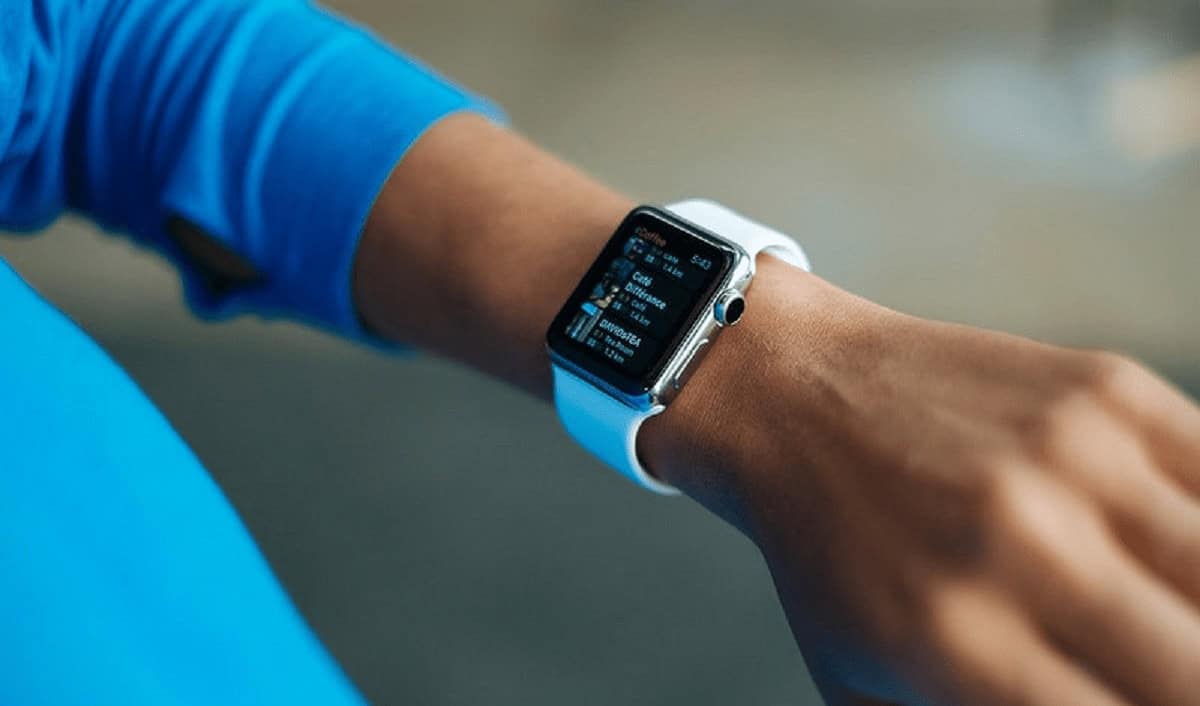
It removes the hassle of manual tracking and offers real-time evidence of how diet and exercise impact on metabolism.
AI builds a personal profile continues to learn and provide suggestions to manage energy balance, weight control and metabolic health without asking for constant updates from the user.
| Feature | Explanation |
|---|---|
| Automatic Calorie Tracking | Estimates calories burned without manual input or logging |
| Metabolic Rate Analysis | Monitors how efficiently the body uses energy daily |
| Energy Usage Insights | Tracks energy expenditure during different activities |
| AI-Based Recommendations | Suggests lifestyle changes for better metabolic health management |
6. Real-Time Cardiovascular Analysis (ECG & PPG)
Wearables with ECG and PPG sensors allow real-time tracking of heart function. Based on this information, AI scans for any irregularities (arrhythmias) to abnormal pulse patterns within the heart and it does so in real-time.
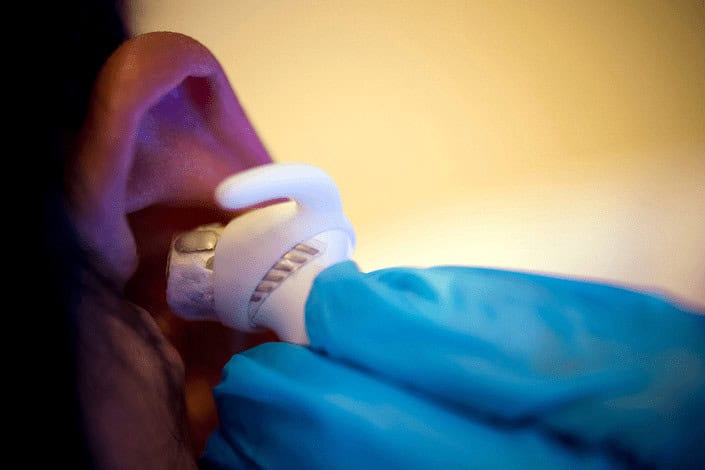
Such devices can warn the user of incipient cardiovascular problems when they are still not critical. AI wearables provide timely insights and long-term tracking
To help users take control of their heart health, enable preventive care, and share accurate data with healthcare professionals when it matters.
| Feature | Explanation |
|---|---|
| Continuous Heart Monitoring | Tracks heart activity using ECG and PPG sensors in real time |
| Irregular Rhythm Detection | Identifies arrhythmias and abnormal heart patterns instantly |
| Instant Health Alerts | Sends notifications for potential cardiovascular risks |
| Long-Term Heart Insights | Stores data for trend analysis and medical consultations |
7. Smart Women’s Health Monitoring
Meanwhile, AI-enabled wearables offer unique tracking for women, including periods, ovulation and hormones.
They deliver accurate fertility predictions and insights into cycles, by analyzing temperature, heart rate, other biomarkers.
These systems learn to adjust their algorithms based on individual behaviours and refine the signals for optimum accuracy over time.
Besides this, they detect irregularities that might lead to needing medical treatment and help foster reproductive health, family planning
As well as overall wellness through individualized data-driven insights for the specific needs of women.
| Feature | Explanation |
|---|---|
| Cycle Tracking | Monitors menstrual cycles and predicts upcoming periods accurately |
| Fertility Insights | Provides ovulation predictions using biometric data |
| Hormonal Pattern Analysis | Tracks body changes linked to hormonal fluctuations |
| Health Irregularity Detection | Identifies unusual patterns requiring medical attention early |
8. Automated Activity and Sports Performance Analysis
AI wearables are virtual assistants that can automatically detect every physical action you take—be it walking or running, counting steps to even advanced sports performance metrics activity.
They provide actionable suggestions by analyzing movement patterns, intensity levels, and period of recovery.
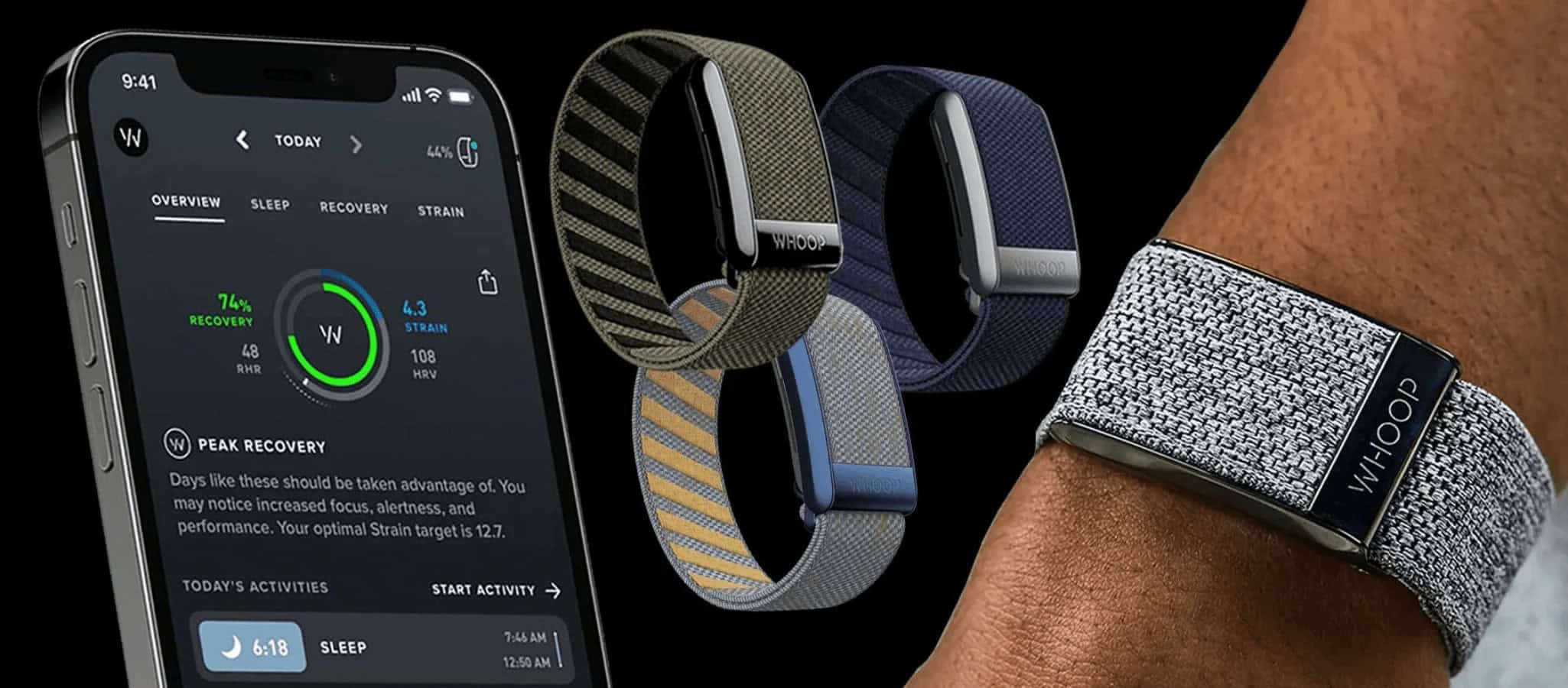
This data can also be used by athletes and fitness enthusiasts to improve their technique, prevent injuries, and optimize their training routines.
By decreasing the requirement to track your workout manually or have a professional watching you, AI-driven feedback makes performance improvement more targeted and accessible by ensuring your training is relevant to what you’d like to achieve.
| Feature | Explanation |
|---|---|
| Automatic Activity Detection | Recognizes workouts like running, walking, and cycling automatically |
| Performance Metrics Tracking | Measures speed, endurance, and workout intensity levels |
| Injury Prevention Insights | Analyzes movement patterns to reduce risk of injuries |
| AI Training Optimization | Suggests improvements for better athletic performance outcomes |
9. On-Device Edge AI for Privacy and Speed
Edge AI enables wearables to do inference on the device, instead of sending data over the satellite using cloud servers. It guarantees quicker analysis, live feedback and lower latency.

But, more importantly, it protects privacy by keeping sensitive health data safe at a local level. A user can get instant insights from it without providing personal data.
The same tech is a dependable and efficient smart device that maintains reliability and security by reducing dependence on connectivity when providing real-time health tracking combined with intelligent recommendations.
| Feature | Explanation |
|---|---|
| Local Data Processing | Processes health data directly on the wearable device |
| Faster Response Time | Delivers instant insights without cloud processing delays |
| Enhanced Data Privacy | Keeps sensitive health information secure on-device |
| Offline Functionality | Works efficiently even without internet connectivity |
10. Nutrient and Fluid Intake Tracking
AI Wearables To Used For Hydration And Nutritional Tracking — Enhanced by smart sensors and AI algorithms to analyze data based on user behaviour Depending on the device
You might have your expectations to understand how much fluid you’ve lost through sweating and activity or a mode that connects to an app for food tracking.

It then makes you hydration and balanced nutrition suggestions using artificial intelligence. By maintaining the necessary energy levels, by preventing dehydration and allowing to reach better health goals.
With these systems, tracking is automated–and that makes it easier to stick with a healthy diet and a healthy lifestyle over the long haul.
| Feature | Explanation |
|---|---|
| Hydration Monitoring | Tracks water loss and suggests optimal fluid intake levels |
| Nutrient Tracking Integration | Syncs with apps to monitor food and nutrient consumption |
| Personalized Diet Insights | Provides tailored nutrition recommendations based on habits |
| Health Goal Support | Helps maintain energy, hydration, and balanced diet effectively |
The Guide to Pick AI Wearables Tracking Body Like Never Before
- Define Your Health Goals Select a wearable according to your fitness, sleep, heart health or general wellness space.
- Check Sensor Accuracy Trust sensors such as heart rate, SpO2, ECG, and sleep tracking.
- Evaluate AI Features It must provide smart insights, predictions and recommendations tailored to the user.
- Battery Life Matters Choose devices with long battery life to ensure everything stays continuous in tracking.
- Data Privacy & Security Opt for wearables with on-device computation and high levels of data protection.
- Comfort & Design Choose a light, comfortable device for all day and night use.
- App Integration Make sure it is compatible with the smartphone and health apps that you have, to analyze better.
Conclsuion
Takeaway: Ways AI Wearables Are Tracking Your Body Better Than Ever Shows Exactly What Tech Is Changing Monitoring Health.
These devices keep users proactive about their well-being with real-time insights, predictive analysis, and personalized recommendations.
With advancements in AI, wearables shall also become quite more accurate, secure and indispensable tools for health, fitness & lifestyle management.
FAQ
How do AI wearables improve health tracking?
They analyze real-time data to deliver accurate and personalized health insights.
Can AI wearables detect diseases early?
Yes, they identify patterns and alert users about potential health risks early.
Are AI wearables useful for fitness?
They track workouts, performance, and recovery to improve fitness outcomes.
Do AI wearables monitor heart health?
Yes, they track heart rate, rhythms, and detect irregular cardiovascular activity.