
This article explores the Top Optimization Frameworks for Securing Product Placement in Google AI Overviews. Google AI Overviews utilize advanced techniques for the improvement of visibility, authority, and AI-based rankings.
Content optimization has become imperative, as Google develops a preference for AI-driven search. These frameworks assist startups and businesses in building topical relevance
Improving structural data, developing trust signals, and increasing placement opportunities for the increasingly competitive AI Overview.
Key Points & Best Optimization Frameworks To Secure Product Placement In Google AI Overviews
| Optimization Framework | Explanation |
|---|---|
| Semantic SEO Clustering | Groups related keywords strategically improving AI understanding, rankings, authority, and contextual visibility. |
| EEAT Content Framework | Builds expertise, trustworthiness, authority, and credibility signals preferred by Google AI systems. |
| Structured Data Optimization | Implements schema markup helping AI extract products, reviews, pricing, and business information accurately. |
| Topical Authority Mapping | Covers complete industry topics deeply increasing relevance for Google AI Overview placement. |
| Conversational Query Optimization | Optimizes natural language queries matching conversational searches generated through AI-powered browsing experiences. |
| Entity-Based Content Strategy | Connects branded entities improving contextual relationships recognized strongly within Google AI ecosystems. |
| User Intent Optimization | Aligns content precisely with transactional, informational, and commercial search intent signals effectively. |
| AI Snippet Enhancement Framework | Formats concise answers increasing chances appearing prominently inside AI-generated overview sections consistently. |
| Multimodal Content Optimization | Combines visuals, videos, text, and infographics improving AI indexing performance across platforms. |
| Freshness & Update Framework | Regularly updates statistics, trends, and insights maintaining strong AI ranking relevance continuously. |
10 Best Optimization Frameworks To Secure Product Placement In Google AI Overviews
1. Semantic SEO Clustering
Semantic SEO Clustering provides startups with the ability to cluster content related to keyword themes targeting the Search Intent behind phrases, as opposed to individual phrases that are unrelated.
The newest Google AI Crawlers (Overviews) focus on the context of phrases and critically evaluate a search query in its entirety; therefore, the value of employing topical clusters cannot be overstated.
This method will serve to strengthen your internal linking, improve Google Search’s crawlers’ ability to index your pages more efficiently, and maintain your keyword authority.
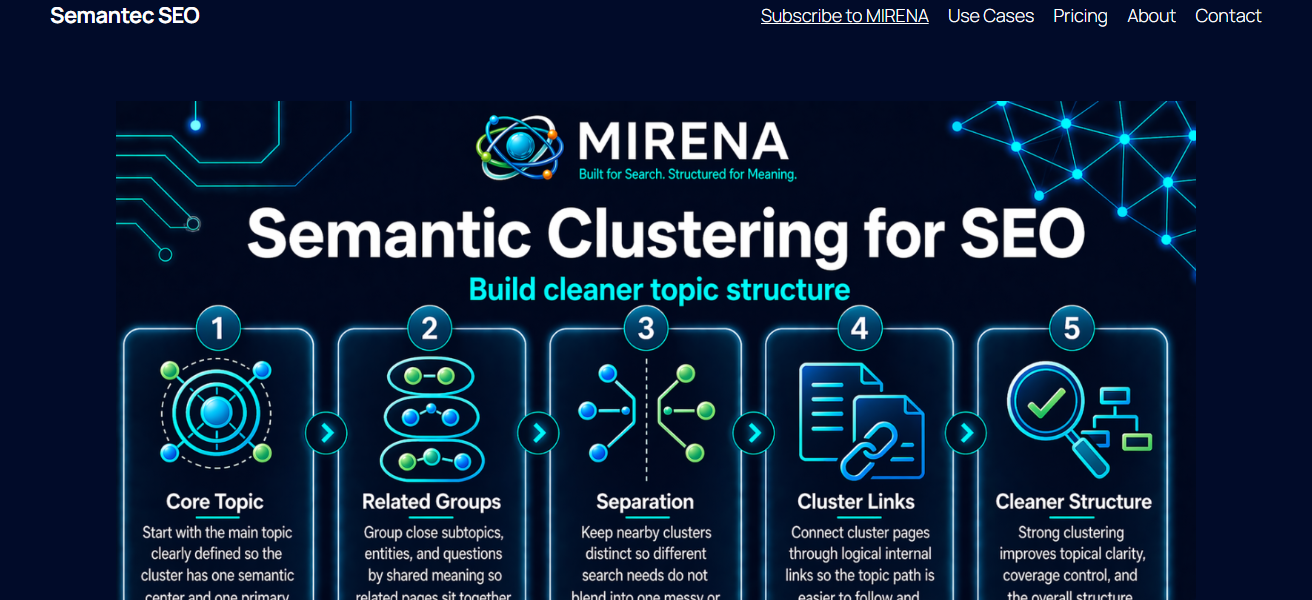
Top productivity brands are developing content hubs focused on targeting the varied intents of AI-generated search results.
When this strategy is followed, semantic clustering means better long-tail keyword rankings, more consistent traffic, and the ability to position your offerings in more of AI’s recommendations.
Pros & Cons Of Semantic SEO Clustering
| Pros | Cons |
|---|---|
| Improves contextual keyword relevance for Google AI Overviews visibility. | Requires extensive keyword research and strategic content organization efforts. |
| Strengthens internal linking and topical authority across websites naturally. | Time-consuming implementation for large startup content libraries initially. |
| Boosts long-tail keyword rankings and organic traffic consistency significantly. | Poor clustering may create overlapping or cannibalized content issues. |
| Helps AI systems understand broader subject relationships accurately online. | Needs regular updates to maintain evolving keyword relevance continuously. |
2. EEAT Content Framework
Experience, Expertise, Authority, and Trust remain a pivotal ranking focus for Google AI; this is the EEAT Content Framework.
What startups are doing to improve their standing visibility to Google’s AI is employing incorporated expert opinion, focused customer advantage practiced experiences, and policy with true reference credibility.

Google’s AI is cross-evaluating the content of brands; what Legal Productivity Companies are putting forth to improve user decisions is reliable content.
Publishing authentic case studies, industry insights, and verified information regularly bolsters a brand’s authority and creates a lasting opportunity for AI to represent them in the SEA.
Pros & Cons Of EEAT Content Framework
| Pros | Cons |
|---|---|
| Builds trust signals, improving Google AI recommendation opportunities significantly. | Requires expert contributors and verified information sources consistently online. |
| Enhances brand credibility and long-term organic ranking stability effectively. | High-quality authoritative content creation increases operational costs substantially. |
| Supports stronger audience trust and higher conversion potential naturally. | New startups may struggle establishing immediate authority recognition initially. |
| Encourages transparent, valuable, and informative content publishing strategies consistently. | Maintaining credibility requires continuous monitoring and content verification processes. |
3. Structured Data Optimization
Structured Data Optimization is enhancing Google AI’s ability to comprehend and accurately represent a company’s products, services, reviews, and FAQs.
The use of advanced Schema Markup by a startup significantly raises the potential for Google to create a rich snippet of their content on SERPs, thereby getting the startup’s products and services visible to potential customers.

Google Crawlers (Overviews) focus on machine-readable data that is accurate for summarization and recommendations.
Many of the SaaS companies with the greatest growth in productivity have developed the Product, FAQ, Review, and Organization Schemas together.
The proper application of structured data enhances Google’s ability to index content with higher accuracy, improves CTR, and enhances AI’s willingness to position that content in response to its evaluation of the most competitive results on the SERP.
Pros & Cons Of Structured Data Optimization
| Pros | Cons |
|---|---|
| Helps Google AI understand products, services, and reviews accurately online. | Incorrect schema implementation may create indexing and visibility problems. |
| Improves chances for rich snippets and enhanced search visibility significantly. | Requires technical expertise and regular, structured data maintenance. |
| Strengthens machine-readable content interpretation for AI-generated summaries effectively. | Advanced schema configurations can overwhelm small startup websites initially. |
| Increases click-through rates through visually enhanced search listings naturally. | Google may not always display structured data enhancements consistently. |
4. Topical Authority Mapping
The concept of Topical Authority Mapping is about establishing a firm understanding of every main area of an industry to create an interconnected and all-encompassing content ecosystem.
Agrarian all-in-one web-building and research resources that assist startups and provides legal productivity tools, allowing users to create high-quality guides to tutorials, comparisons, establishing cross-linked, focused content, ultimately helping to optimize a website for AI.

This method improves the semantic relevance of the content and helps AI recognize the brand as a relevant and trusted source of information.
It helps legal productivity brands as a focus on developing educational content and resources to build user trust, engage with content, and improve their visibility in the AI. generated lists of content recommendations.
Pros & Cons Of Topical Authority Mapping
| Pros | Cons |
|---|---|
| Establishes deep niche authority, improving AI Overview ranking opportunities greatly. | Requires large-scale content production and strategic planning consistently online. |
| Enhances semantic relevance across interconnected industry-focused website pages effectively. | Content expansion demands significant time and editorial resource investments. |
| Builds audience trust through comprehensive educational information ecosystems naturally. | Difficult competing against established high-authority brands within saturated industries. |
| Supports stronger organic visibility for broad industry-related search queries. | Poor planning may result in repetitive or low-performing informational content. |
5. Conversational Query Optimization
Conversational Query Optimization recognizes the growing number of natural language searches facilitated by AI and voice assistants, with the Google AI Overview focusing on content that delivers clear and detailed answers to the user’s questions in a conversational tone.
Startups are seeing significant AI placement enablements as they enhance readability, design question-focused headings, and move toward brevity in their explanation.

This framework is designed to encourage new search behavior where users formulate and ask fully formed questions rather than type in fragmented commands.
Legal productivity brands that implement conversational optimization see an even broader target audience, improved engagement, and more opportunities to enhance the appeal of their search optimization across devices.
Pros & Cons Of Conversational Query Optimization
| Pros | Cons |
|---|---|
| Improves visibility for voice searches and conversational AI-generated queries. | Conversational phrasing may reduce traditional keyword optimization effectiveness occasionally. |
| Matches evolving search behavior used through AI assistants are increasingly popular today. | Requires constant adaptation to changing user language patterns regularly. |
| Enhances readability and user engagement metrics across digital platforms significantly. | Over-optimization may create unnatural or repetitive question-based content structures. |
| Supports higher placement opportunities within AI-generated answer sections naturally. | Competitive conversational keywords may have fluctuating search intent trends frequently |
6. Entity-Based Content Strategy
Entity-Based Content Strategy builds contextual bridges for Google AI across brands and products, founders, and industries.
Search engines have begun assessing entity recognition for ranking, rather than relying on keyword density.
Startups that construct branded mentions, profiles, and interconnected pieces of content significantly improve AI interpretations.

Legal productivity brands that use entity optimization rapidly increase their authority in competitive niche markets.
This framework improves a knowledge graph, contextual relevance, and other things that increase the chances of a company appearing in AI-generated product recommendations online.
Pros & Cons Of Entity-Based Content Strategy
| Pros | Cons |
|---|---|
| Improves contextual understanding between brands, products, and industries effectively. | Building strong entity recognition requires long-term branding consistency efforts. |
| Strengthens knowledge graph visibility within Google AI ecosystems significantly today. | Limited entity authority may reduce visibility for newer startup brands. |
| Enhances semantic relationships recognized by advanced search engine algorithms naturally. | Requires coordinated optimization across multiple digital platforms simultaneously. |
| Supports stronger branded search visibility and AI recommendation placement opportunities. | Entity confusion may occur with similar brand or product names. |
7. User Intent Optimization
User Intent Optimization prepares a company’s content to fit the informational and transactional searches of a broader audience.
Google AI systems have begun to assess behavioral signals and determine content usefulness and the quality of the content’s satisfaction.
Startups improve content placement with methods such as creating targeted landing pages, designs, or even tutorials and comparisons.

The framework optimally advances user intent and conversion. Legal productivity platforms only improve by directly offering a solution to user intent and providing authoritative
guidance and answers that are fast and direct before the user/selects and purchases a software solution or a business tool that is offered via subscription.
Pros & Cons Of User Intent Optimization
| Pros | Cons |
|---|---|
| Aligns content directly with audience expectations improving engagement significantly online. | Search intent changes frequently requiring continuous optimization and monitoring efforts. |
| Reduces bounce rates while increasing conversion opportunities for startups effectively. | Misinterpreting intent may negatively impact rankings and user satisfaction quickly. |
| Helps Google AI identify highly relevant informational and transactional content. | Requires extensive audience behavior analysis and keyword segmentation regularly. |
| Improves customer satisfaction through highly targeted content experiences consistently today. | Competitive industries make intent optimization increasingly difficult for startups. |
8. AI Snippet Enhancement Framework
The AI Snippet Enhancement Framework allows companies to publish content that makes hypertext snippets respond to structured data optimally, leading to better rankings when Google answers user queries with AI-supported page summaries.
Startups that focus on optimizing information in the form of lists, summaries, and tables, or that provide answers to questions directly, will find greater visibility today.
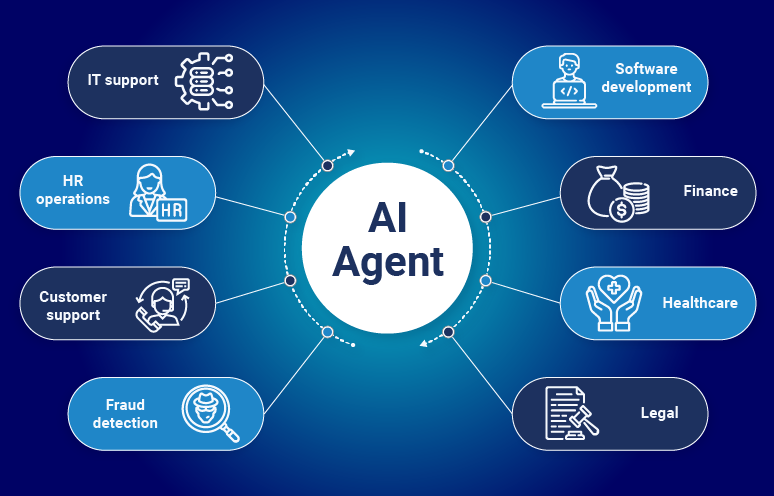
Google prefers content that is formatted in a structured, easy-to-scan, and quickly valuable way. The use of productivity-enhancing software paired with formatted content and an authoritative explanation is likely to result in better search visibility.
Enhanced click-through rates, an increase in featured content, and a consistent organic presence in AI-stimulated recommendation systems will result from the framework.
Pros & Cons of the AI Snippet Enhancement Framework
| Pros | Cons |
|---|---|
| Increases visibility inside Google AI-generated overview sections consistently online. | Concise formatting may oversimplify complex product or service explanations occasionally. |
| Enhances click-through rates through clear summarized information presentation effectively. | Featured snippet competition remains highly competitive across profitable industries today. |
| Supports fast content scanning improving user experience and engagement metrics. | Requires constant formatting updates matching evolving AI search preferences regularly. |
| Helps startups gain premium search placement without massive backlink profiles. | Overusing snippets may reduce deeper page engagement and session duration. |
9. Multimodal Content Optimization
A good example of Multimodal Content Optimization is the incorporation of articles and videos paired with infographics, podcasts, and visual elements that result in a significant improvement in AI discoverability.
Google is now more inclined to index and rank projects that incorporate multiple types of media and offer a greater understanding of how to tailor content to the behavior of their users.

Startups that provide complex content in an easy-to-understand format using explanatory visuals and integrations will enhance user experience and engagement, particularly in the legal productivity space.
The framework, which employs AI to understand user engagement, offers an understanding of optimal content length, analyzes search results interfaces, and increases product exposure.
Pros & Cons Of Multimodal Content Optimization
| Pros | Cons |
|---|---|
| Improves AI discoverability through videos, visuals, infographics, and written content. | Multimedia production increases content creation expenses for startup businesses significantly. |
| Enhances audience engagement and retention across modern digital platforms effectively. | Managing multiple content formats requires advanced workflow coordination regularly. |
| Supports broader visibility opportunities across search and social ecosystems naturally. | Large media files may negatively affect website loading performance sometimes. |
| Simplifies complex productivity software explanations using visual learning experiences effectively. | Consistent multimedia quality maintenance can challenge smaller startup teams greatly. |
10. Freshness and Update Framework
The Freshness and Update Framework allows companies to publish their updates and insights on the dynamic changes in their industry consistently.
Google AI prioritizes the latest updates. Stale information negatively impacts the accuracy of recommendations.
Startups improve their ranking stability by updating case studies and their analyses of optimization strategies and industry trends.

Productivity software companies, especially in the legal technology space, have an easier time updating their case studies because laws, compliance requirements, software integrations, and AI technologies change frequently.
The framework builds credibility, helps attract repeat visitors to the website, and improves the long-term potential for placement in the more competitive spaces in the Google AI Overview and its Search.
Pros & Cons Of Freshness & Update Framework
| Pros | Cons |
|---|---|
| Keeps content relevant for evolving Google AI ranking systems consistently online. | Frequent updates demand significant continuous editorial and research resource allocation. |
| Improves credibility using updated trends, statistics, and industry developments regularly. | Excessive updates may accidentally disrupt existing search ranking stability occasionally. |
| Encourages repeat visitors seeking latest insights and optimization information continuously. | Monitoring outdated content across large websites becomes operationally challenging quickly. |
| Supports long-term AI Overview placement through recent authoritative information updates. | Requires strong content management systems for efficient publishing workflows consistently. |
Conclusion
In conclusion, The Best Optimization Frameworks to Secure Product Placement in Google AI Overviews supports startups in gaining visibility, building authority, and developing successful search results over time.
Improvement of AI comprehension and ranking potential can be achieved through methods such as semantic SEO clustering and structured data optimization.
Such methods help build a targeted audience, increase engagement, and improve placement in the rapidly changing search environment created by AI. Competitive advantages for future digital expansion can be built through smart optimization.
FAQ
What are Google AI Overviews?
Google AI Overviews are AI-generated search summaries displaying quick answers above organic results.
Why are optimization frameworks important for AI Overviews?
They improve visibility, authority, and product placement opportunities within AI-generated search experiences.
What is Semantic SEO Clustering?
It organizes related keywords together, helping Google AI understand topical relationships better.
How does EEAT help AI rankings?
EEAT builds trust, authority, expertise, and credibility signals preferred by Google AI systems.
Why is structured data important?
Structured data helps AI identify products, reviews, pricing, and business information accurately.