In this article, I will discuss AI vs Technical Analysis in Crypto, focusing on how both approaches influence modern trading strategies.
You will learn how artificial intelligence uses data-driven algorithms while technical analysis relies on chart patterns and indicators.
We will also compare their strengths, weaknesses, and which method performs better in today’s fast-moving crypto market.
The world of crypto trading has entered a new epoch where Artificial Intelligence (AI) models and Traditional Technical Analysis (TA) are competing—and increasingly collaborating.
In 2026, markets are faster and more automated than ever, with algorithmic systems driving the majority of trading—once again making this comparison all the more relevant.
Recent industry knowledge suggests that an even greater portion of trading commentary is increasingly generated by automated systems, and human chart reading is slowly becoming a tertiary skill rather than an edge
What Is Crypto Trading?
The process of crypto trading involves purchasing and selling digital currencies such as Bitcoin, Ethereum, or any other cryptocurrency to profit from their price movements.
Traders leverage online platforms to analyze price changes, market trends, and trading volume. It includes everything from day trading to long-term investing.
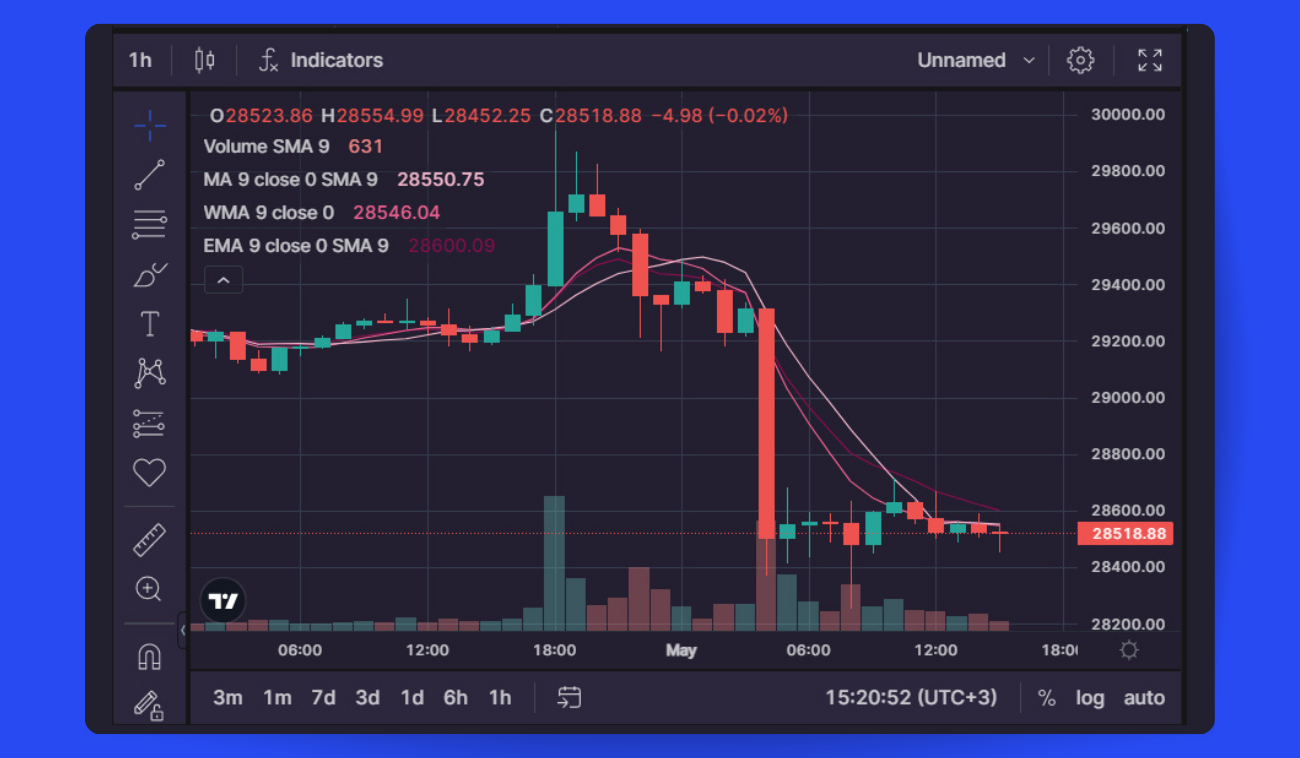
Fast-moving and open 24/7, the crypto market is famous for extremely high profits — but also high losses. Market Analysis and Risk Management, Oct 2023: More than just a game
Understanding AI Trading In Crypto
The first and oldest method traders have used for decades is technical analysis. It concentrates on chart patterns and indicators like:
- Support and resistance levels
- RSI (Relative Strength Index)
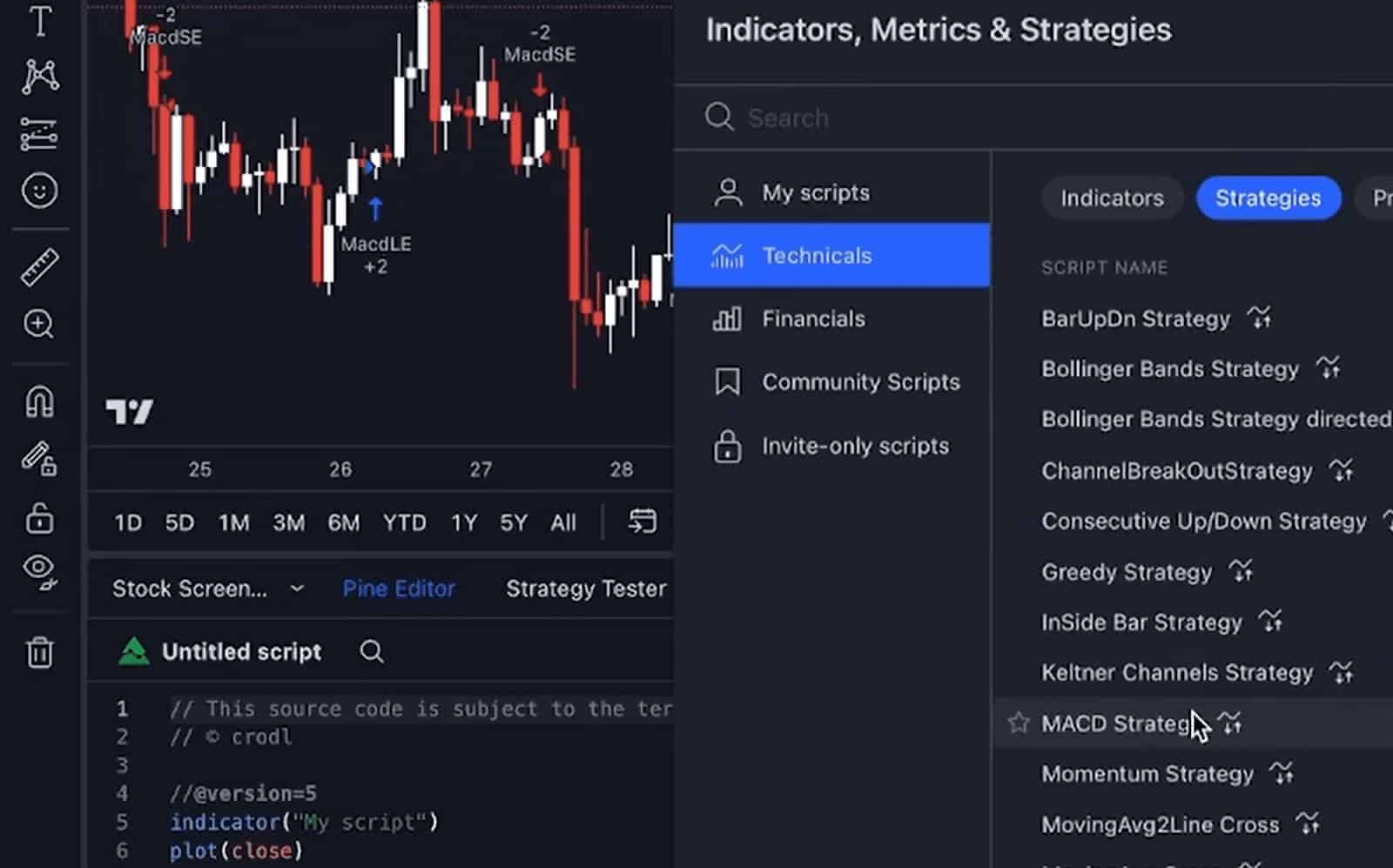
- MACD (Moving Average Convergence Divergence)
- Candlestick patterns
- Trendlines and breakouts
TA is based on the principle that price accounts for all available information, and historical trends often replicate.
But in today’s crypto markets, TA can struggle to keep up with the new times: rapid liquidity shifts and algorithmic trading.
Key Differences: AI vs Technical Analysis
Speed and Data Processing
AI systems analyze thousands of data points at a time, whereas human traders with TA can only look into limited chart information by hand. You know this creates a huge speed advantage for AI.
Emotional Bias
And technical analysis relies on human interpretation that brings in emotions such as fear and greed. This leads to a removal of emotional and biased decision-making by humans and an execution of rules consistently without deviation, which is how AI excels at.
Market Adaptability
AI systems can react and evolve on the fly as markets transition from bullish to bearish or sideways. TA strategies are often invalidated by a sudden change in market structure.
Complexity of Data
Overall, the key difference between AI and TA is what they use as inputs; for example, AI utilizes multiple layers of sources like blockchain data/sentiment tracking, etc.
Why AI Is Gaining an Edge In 2026
Recent market data indicates that crypto trading has become increasingly automated, with AI-driven systems accounting for much of the daily execution activity at scale.
The main reasons why AI is becoming dominant:
- 24/7 market monitoring without fatigue
- Multiple Exchange Instant Trading Ability
- Identifying patterns unnoticed to human eyes
AI systems excel in sideways or high-frequency markets, where small inefficiencies are exploited for profit.
Where Technical Analysis Still Wins
Despite AI’s growth, technical analysis is not obsolete. It still holds value in:
- Long-term swing trading decisions
- Market structure understanding
- Confirmation of AI-generated signals
- Educational foundation for new traders
Many professional traders now use TA as a validation tool rather than a standalone strategy.
AI vs Technical Analysis in Crypto Trading – Features (2026 Guide)
| Feature | Description |
|---|---|
| Machine Learning Models | Uses algorithms to learn from historical and real-time market data |
| Predictive Analytics | Forecasts price movements based on patterns and data trends |
| Automated Trading | Executes trades automatically without human intervention |
| Big Data Processing | Analyzes massive datasets including news, sentiment, and on-chain data |
| Emotion-Free Trading | Eliminates fear, greed, and human bias in decisions |
| Real-Time Adaptation | Continuously updates strategies based on market changes |
| Sentiment Analysis | Tracks social media and news sentiment for trading signals |
| High-Frequency Trading | Executes multiple trades in milliseconds for profit opportunities |
Limitations of AI Trading
In the domain of financial markets, AI is overfitting to past data — performs well on history but not in evolving a new market paradigm.
Garbage inputs: AI systems rely on accurate and genuine data to function effectively; poor-quality or manipulated input can lead to erroneous trading signals and decisions.
High fees → Profitability sinks: If you are trading AI-based more frequently, the transaction cost will keep on increasing and that will take away a chunk of overall net profit.
Black swan events: Unexpected crashes or news shocks can immediately break AI models and assumptions.
Lack of human supervision: Full reliance on AI may eliminate crucial judgment in times of economic uncertainty and during out-of-the-ordinary market conditions.
Can beginners use AI for crypto trading?
AI also assumes high importance for beginners because, with the help of easy-to-use tools in crypto trading, there are ways to simplify the analysis and make automatic decisions.
On the flip side, automation itself can happen only if you know about market trends, volatility, and risk management concepts – otherwise, it’s dangerous.
The fundamentals enable users to assess the recommendations of AI and not make expensive errors. A middle ground that uses AI support without the basics improves decision-making, increases confidence, and lays the groundwork for long-term success in a rapidly evolving crypto market.
Is AI trading better than technical analysis?
No longer relegated to the realm of Wall Street elite, AI trading systems can ingest and filter nearly limitless amounts of market data in real time, allowing for a faster, more efficient identification of trading opportunities.
It depends on algorithms, machine learning, and predictive analytics to create signals with shorter-than-usual lags.
Nonetheless, manual trading does you good with logic mind like TA (technical analysis), as it gives indicators on how traders interpret charts, in order to support psychological levels and market structure.
Most traders utilizing technical analysis rely on it for confirmation, timing, and risk management as a complement to automated AI strategies in decision-making.
Conclsuion
In cocnsluion Both AI and Technical Analysis in Crypto Trading are an equal part of the modern market. The two are complementary: AI provides speed, automation, and data-driven precision; technical analysis gives structure, clarity, and trader instinct.
A hybrid approach that augments the efficiency of AI tools with insights from TA professionals is the best solution. This led traders to make informed, balanced and ultimately more profitable decisions in volatile crypto markets.
FAQ
What is AI trading in crypto?
AI trading uses algorithms and machine learning to analyze data and execute trades automatically.
What is technical analysis in crypto?
Technical analysis studies charts, patterns, and indicators to predict future price movements.
Which is better: AI or technical analysis?
Neither is fully better; AI is faster, while technical analysis is simpler and widely used.
Can AI replace technical analysis?
AI can reduce reliance, but technical analysis is still useful for confirmation and strategy.