
This article introduces Open Source AI Agent Frameworks to develop highly intelligent and autonomous systems with scalable AI applications. Frameworks simplify the development of singular AI agents or systems with rationale or automation to multi-agent frameworks.
The article discusses mainstream frameworks (LangChain and LlamaIndex) and frameworks in the development stage. It discusses the systems’ features, advantages, and applicable cases.
Key Points & Top Crypto Startups Backed by Binance Labs
| Project | Explanation |
|---|---|
| Polygon (MATIC) | Ethereum scaling network enabling faster, cheaper transactions through efficient layer-2 blockchain solutions. |
| Injective (INJ) | Finance-focused blockchain enabling decentralized exchanges and advanced trading applications easily. |
| Ethena Labs (USDe) | Creates synthetic crypto dollar offering stable, decentralized currency outside traditional banking systems. |
| Sui | High-performance layer-1 blockchain processing multiple transactions simultaneously with parallel execution technology. |
| AltLayer | Platform helping developers launch customizable, scalable temporary blockchain networks quickly and efficiently. |
| Aptos | Secure layer-1 blockchain using Move language for speed, upgrades, and adoption. |
| Celestia | Modular blockchain separating consensus and execution for flexible data availability solutions. |
| Pendle Finance | Yield-trading protocol allowing users to manage and trade future interest earnings. |
| LayerZero | Omnichain protocol connecting isolated blockchains through seamless cross-network communication infrastructure. |
| CyberConnect | Decentralized social network enabling ownership of digital identities and user content. |
10 Top Crypto Startups Backed by Binance Labs
1. Polygon (MATIC)
Polygon is a blockchain scaling solution and is one of the Binance Labs partners that aims to address Ethereum’s blockchain speed, cost, and scalability. Polygon helps developers that want to build dApps on Ethereum’s blockchain using layer-2 technologies offered within Polygon’s network.
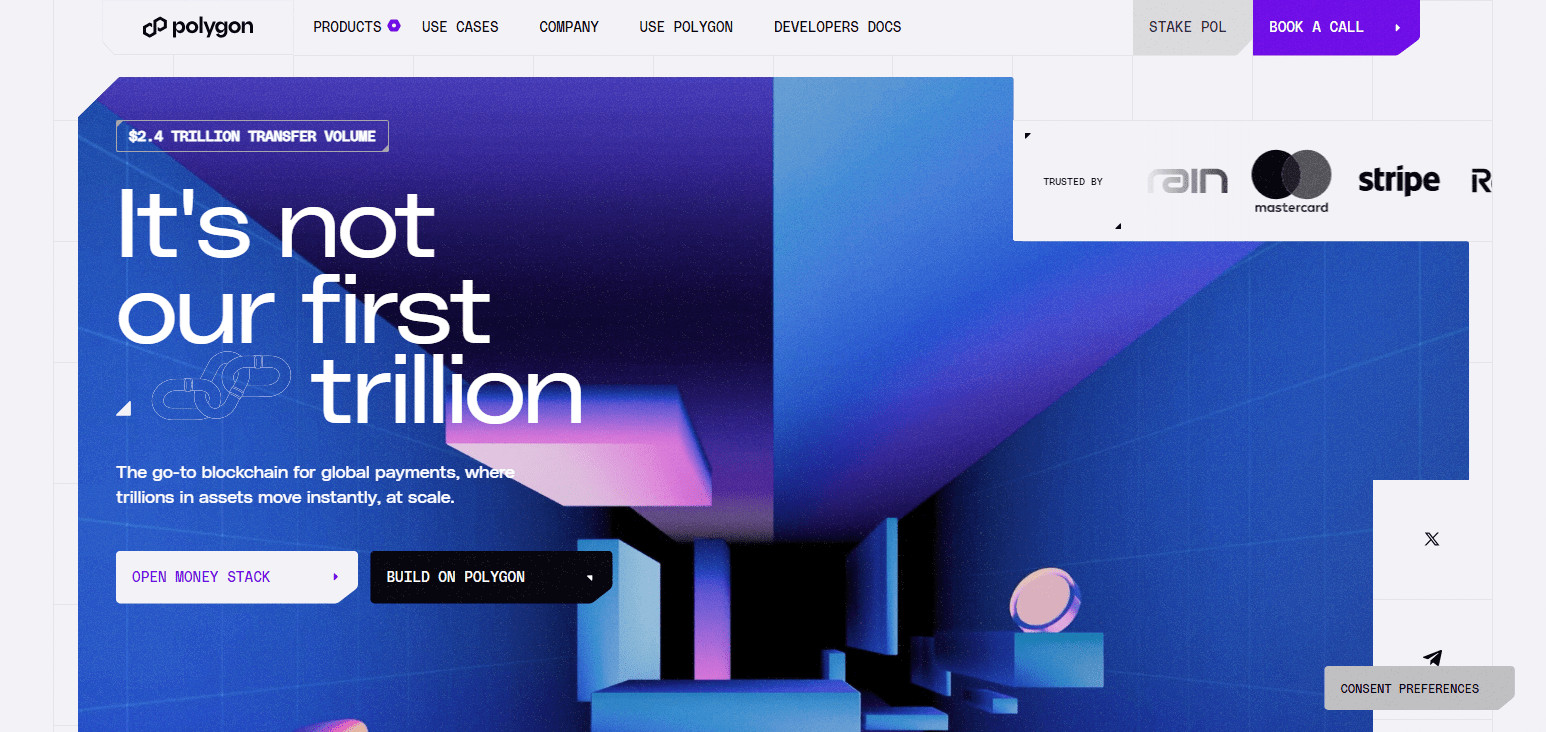
Polygon has gamified its use in Web3, enterprise, and zk tech. As Polygon continues to enhance and upgrade its network scalability, it is positioned to be one of the front runners to help Ethereum in further mainstream adoption.
Polygon (MATIC) Features
- Layer-2 Scaling Technology: Polygon offers a Layer-2 Sidechain solution for Ethereum that is faster and cheaper.
- Ethereum Compatibility: Polygon can integrate any Ethereum-based application or smart contracts seamlessly.
- Zero-Knowledge Solutions: To improve efficiency and privacy on the Polygon network, it uses ZK Technology.
- Large Web3 Ecosystem: Polygon supports enterprise solutions and gaming, DeFi, and NFT applications across the Web3 ecosystem.
| Pros | Cons |
|---|---|
| Provides faster Ethereum transactions with significantly lower gas fees. | Faces strong competition from other layer-2 scaling solutions. |
| Supports thousands of decentralized applications across multiple industries. | Polygon token demand depends heavily on ecosystem growth. |
| Offers advanced zero-knowledge scaling technology for future upgrades. | Network decentralization concerns remain among some users. |
| Strong developer ecosystem and enterprise blockchain adoption. | Ethereum upgrades could reduce the need for some scaling solutions. |
| Compatible with Ethereum tools, making migration easier for developers. | Market performance can be affected by crypto volatility. |
2. Injective (INJ)
Injective focuses on building a blockchain infrastructure for DeFi and Web3 based financial services for trade and finance. Binance Labs and other key stakeholders provide support to Injective so that it can offer developers trade and finance dApps and decentralized infrastructure within a high-speed and low-cost environment.
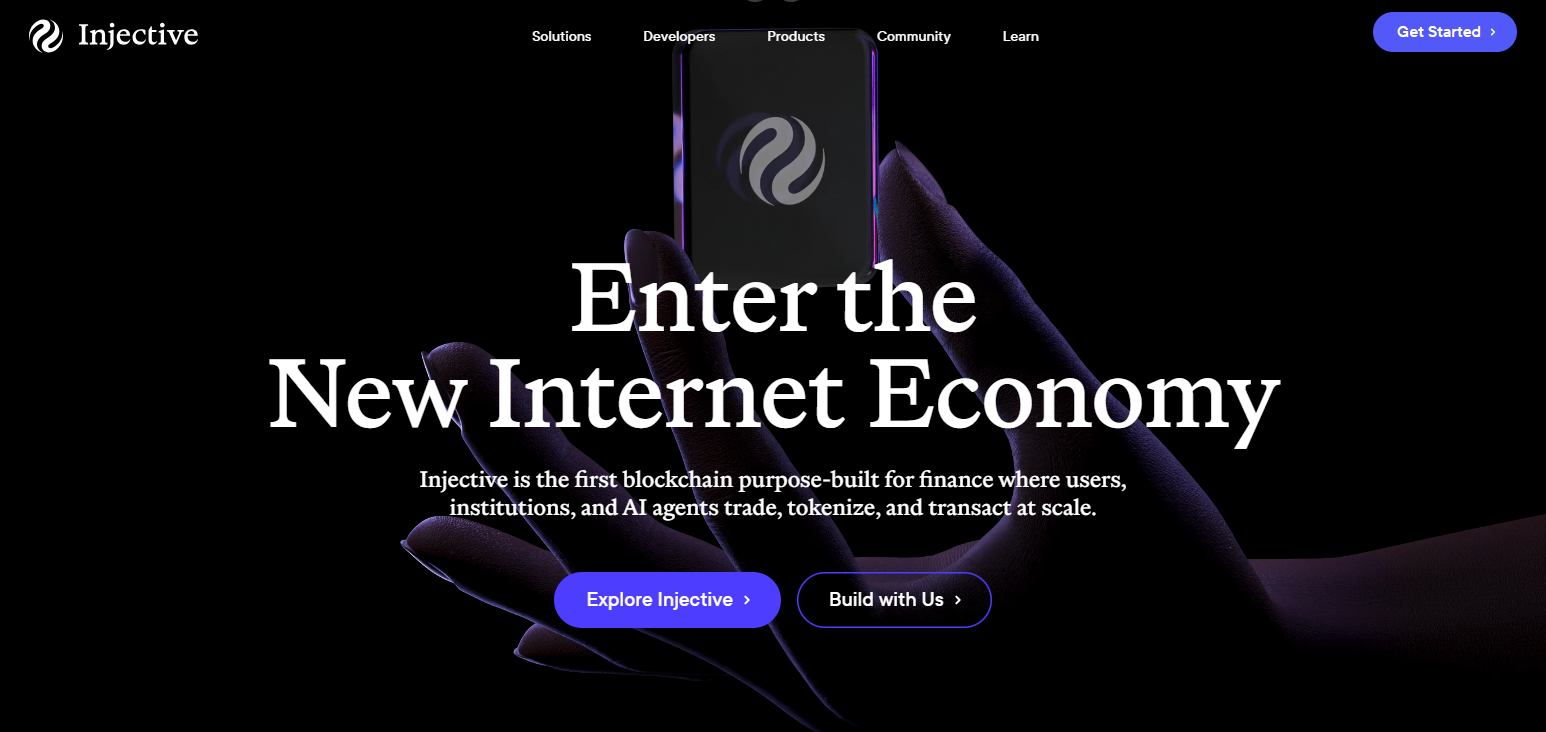
The infrastructure of Injective is built to facilitate interoperability among blockchains and throughput. As DeFi is being built out further to address the trust and efficiency concerns of finance, Injective is being further established to facilitate that trade.
Injective (INJ) Features
- DeFi-Focused Infrastructure: Injective is built for DeFi and supports decentralized exchanges and trading and financial applications.
- High-Speed Transactions: Injective streamlines the blockchain process with minimal fees and fast transactions.
- Cross-Chain Connectivity: Enables multiple blockchains and ecosystems to connect and communicate.
- Advanced Financial Tools: Injective supports various DeFi solutions including lending and derivatives.
| Pros | Cons |
|---|---|
| Built specifically for decentralized finance and trading applications. | Faces competition from established DeFi blockchain networks. |
| Provides fast transactions with low operational costs. | Complex financial products may be difficult for beginners. |
| Supports cross-chain interoperability with multiple blockchain ecosystems. | Adoption depends on growth of decentralized trading platforms. |
| Enables developers to create advanced financial applications easily. | Lower liquidity compared with traditional financial markets. |
| Strong focus on innovation in Web3 finance infrastructure. | Regulatory changes may impact DeFi platforms. |
3. Ethena Labs (USDe)
Ethena Labs builds a synthetic dollar in the form of a stablecoin that is a purely crypto product with no banking reserves and is thus a decentralized rival to traditional stablecoins.
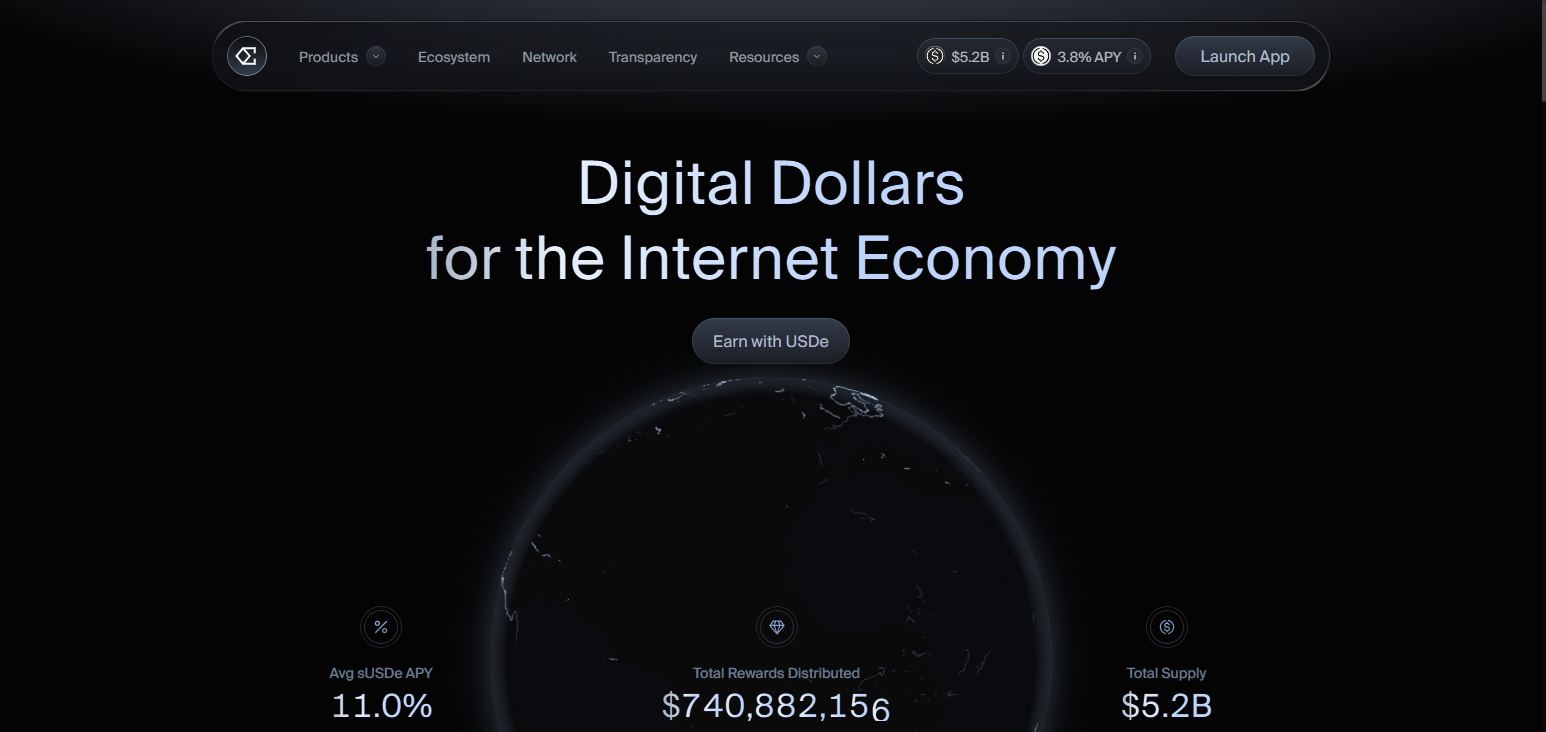
Ethena Labs’ USDe, which seeks to be a yield-generating stablecoin, has become highly popular in the crypto community due to its design and solution within DeFi. Ethena Labs is also a Binance Labs partner.
Ethena Labs (USDe) Features
- Synthetic Dollar System: Ethena Labs developed a stable cryptocurrency that is a digital dollar and is not reliant on the banking system.
- Yield Generation Model: With the use of DeFi, Ethena Labs allows users to earn yield on their digital dollars.
- Blockchain-Based Stability: Ethena Labs uses smart contracts and blockchain to ensure stability and maintain the value of the dollar.
- DeFi Integration: Ethena Labs facilitates the integration and connection of decentralized financial systems and applications.
| Pros | Cons |
|---|---|
| Creates a crypto-native synthetic dollar without traditional banking dependency. | Synthetic stablecoin models involve complex risk management. |
| Provides yield opportunities through decentralized financial strategies. | Maintaining long-term stability can be challenging during market stress. |
| Offers an alternative to traditional stablecoin systems. | Users face smart contract and protocol-related risks. |
| Growing adoption in the DeFi ecosystem. | Regulatory uncertainty around synthetic dollar products remains. |
| Innovative approach combining stability and crypto yield generation. | Requires advanced understanding of crypto financial mechanisms. |
4. Sui
The Sui blockchain is a state-of-the-art layer-1 blockchain enabling the creation of fast and scalable decentralized applications. Sui uses a patented technology that allows the parallel processing of transactions
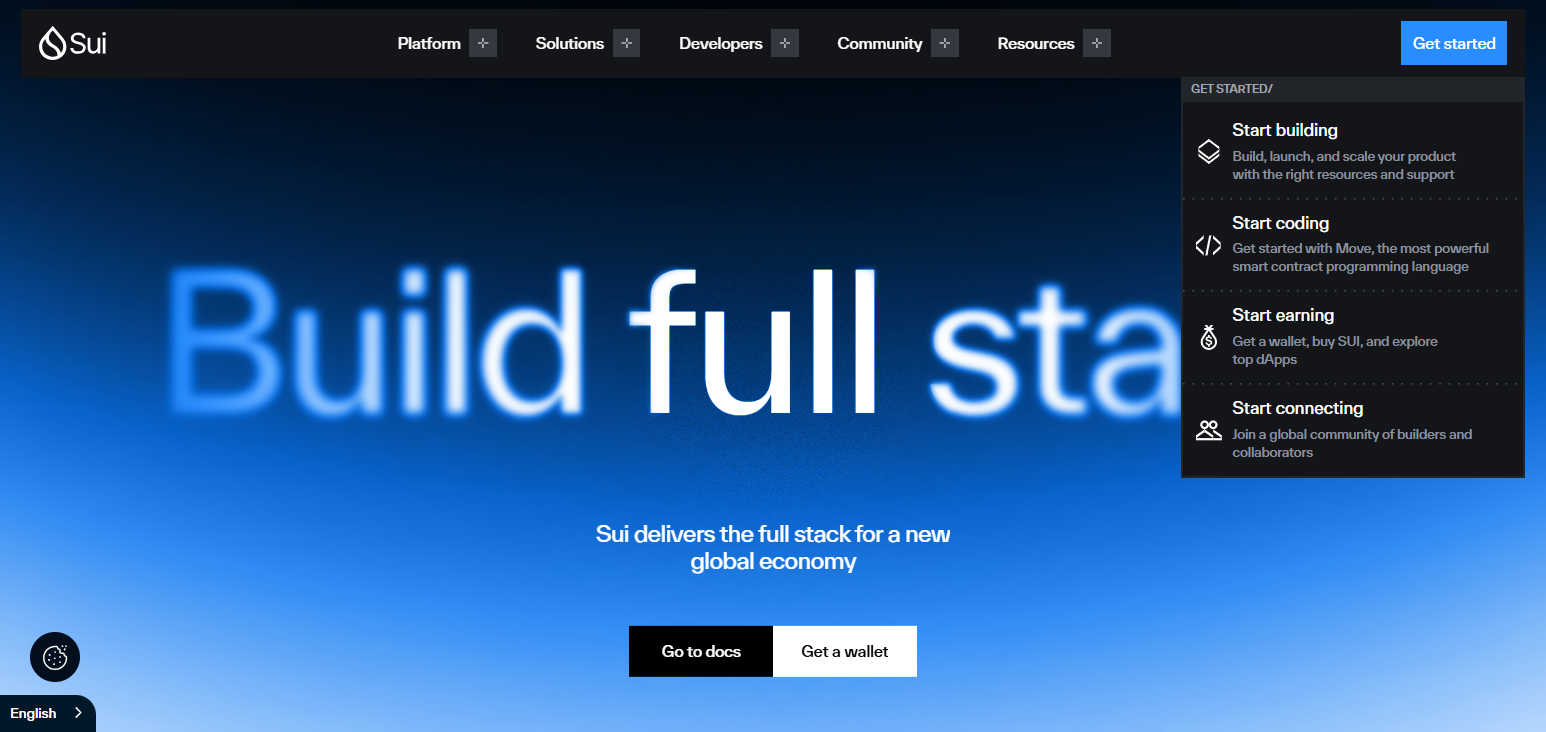
a feature that alleviates congestion and speed issues of other blockchains. Sui provides flexible, secure, and innovative tools for developers. Sui is designed to integrate with Gaming, DeFi & Web3 applications. Sui is built for the future.
Sui Features:
- Parallel Transaction Execution: Sui offers greater performance to the ecosystem by enabling parallel transaction execution.
- High Scalability: Higher performance and efficiency allows Sui to support large-scale applications.
- Developer-Friendly Framework: Sui provides the flexibility needed to develop Web3 applications.
- Object-Centric Architecture: Sui employs a proprietary design of object-centric blockchain to expedite transactions and enhance the experience of managing blockchain assets.
| Pros | Cons |
|---|---|
| Uses parallel processing for faster blockchain performance. | Newer ecosystem with limited long-term adoption history. |
| Provides high scalability for gaming and Web3 applications. | Competes with multiple high-performance layer-1 blockchains. |
| Developer-friendly tools support innovative applications. | Network decentralization concerns may affect user confidence. |
| Offers efficient transaction execution with low fees. | Smaller application ecosystem compared with Ethereum. |
| Designed for future mass-market blockchain adoption. | Requires continuous developer growth for success. |
5 AltLayer
AltLayer is focused on creating blockchains that can be rolled out quickly for specific applications. AltLayer is a modular blockchain startup and, along with research & development, creates infrastructure that allows other businesses to roll out blockchains.
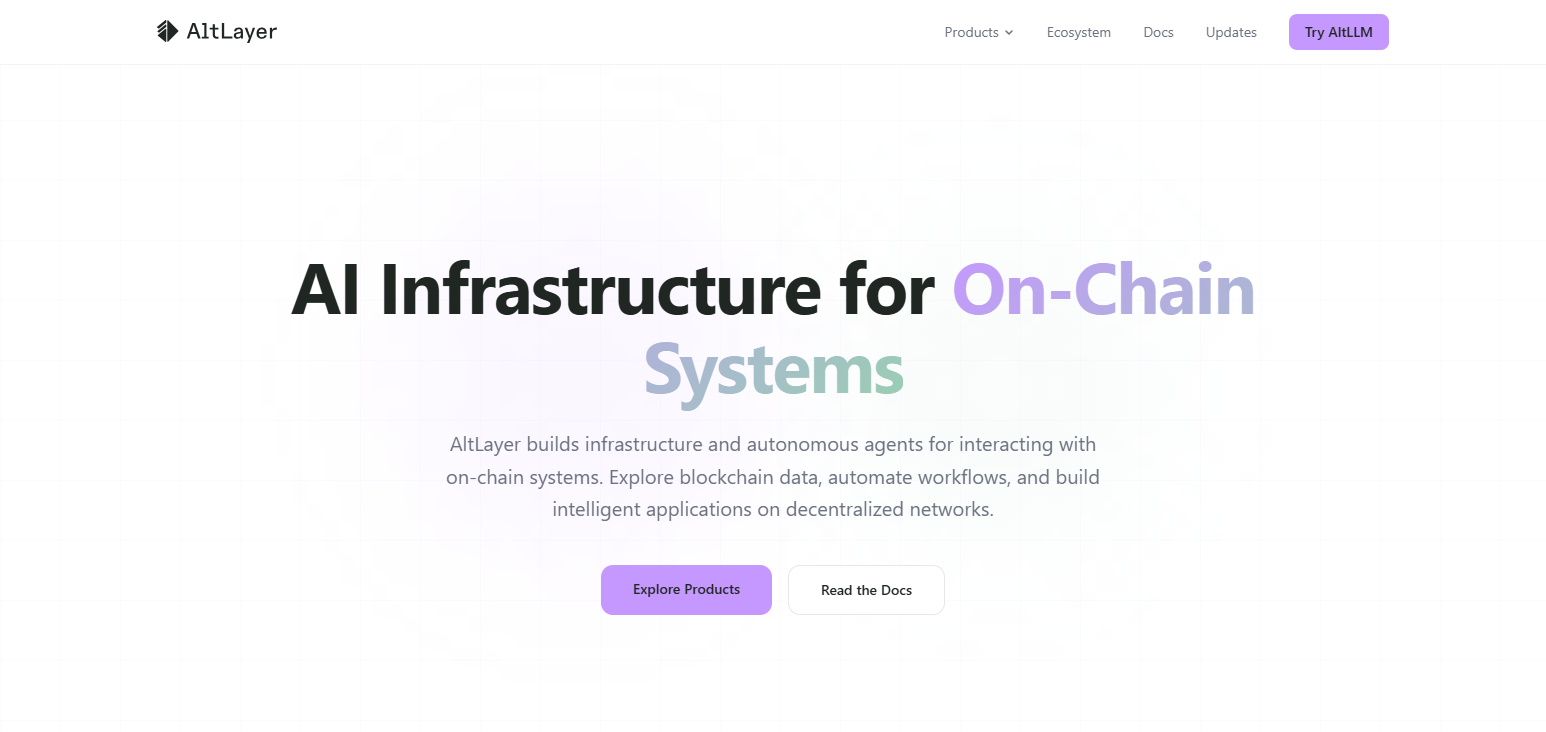
AltLayer is backed by Binance Labs. The AltLayer product stream is aligned with the increasing demand for scalable solutions and the decentralized modular blockchains that will provide the foundation for the Web3 ecosystem.
AltLayer Features
- Custom Rollup Deployment: Users are able to easily create customized blockchains for their applications.
- Flexible Solutions: Scalable blockchain applications embedded in new Web3 infrastructure.
- Restaked Rollups: Shared validation of blockchains adds a layer of security.
- Simplified Framework: Eliminates the need for cumbersome infrastructure to design blockchains.
| Pros | Cons |
|---|---|
| Simplifies launching customized blockchain networks quickly. | Relatively new project with evolving technology. |
| Supports application-specific rollups for better scalability. | Requires wider developer adoption to grow ecosystem. |
| Reduces infrastructure complexity for blockchain builders. | Faces competition from other rollup providers. |
| Helps projects create flexible and scalable Web3 solutions. | Rollup technology can introduce additional technical complexity. |
| Strong potential in modular blockchain development. | Limited mainstream awareness compared with major blockchains. |
6. Aptos
Aptos is a layer-1 blockchain framework that is highly scalable and performs transactions quickly and securely. Aptos is backed by Binance Labs. Aptos uses the Move programming language, which improves the reliability of smart contracts and improves transactional safety.

There is a growing effort to provide Decentralized Applications for both consumers and enterprises. Aptos is aimed at addressing those use cases.
Aptos Features
- Smart Contracts via Move Technology: Creating blockchains can now be done with confidence using safe smart contracts.
- High Transaction Processing: Capabilities to process massive transactional volumes with speed.
- Upgradeable Design: Enables continuous enhancements on the blockchain with minimal disturbance.
- Web3 Infrastructure: Safe and scalable by design.
| Pros | Cons |
|---|---|
| Offers high transaction speed with secure infrastructure. | Faces competition from other advanced layer-1 blockchains. |
| Uses Move programming language for safer smart contracts. | Ecosystem is still developing compared with Ethereum. |
| Designed for large-scale consumer and enterprise applications. | Previous concerns about token distribution affected sentiment. |
| Provides upgradeable blockchain architecture for future improvements. | Requires more decentralized applications for stronger adoption. |
| Attracts developers seeking scalable Web3 infrastructure. | High-performance claims require long-term market validation. |
7. Celestia
Celestia helps blockchain modular networks maximize scalability through separating execution, consensus, and data availability. Backed by Binance Labs, Celestia’s modular networks get around the leg work of having to create an entire network by allowing developers to offer custom blockchain applications.
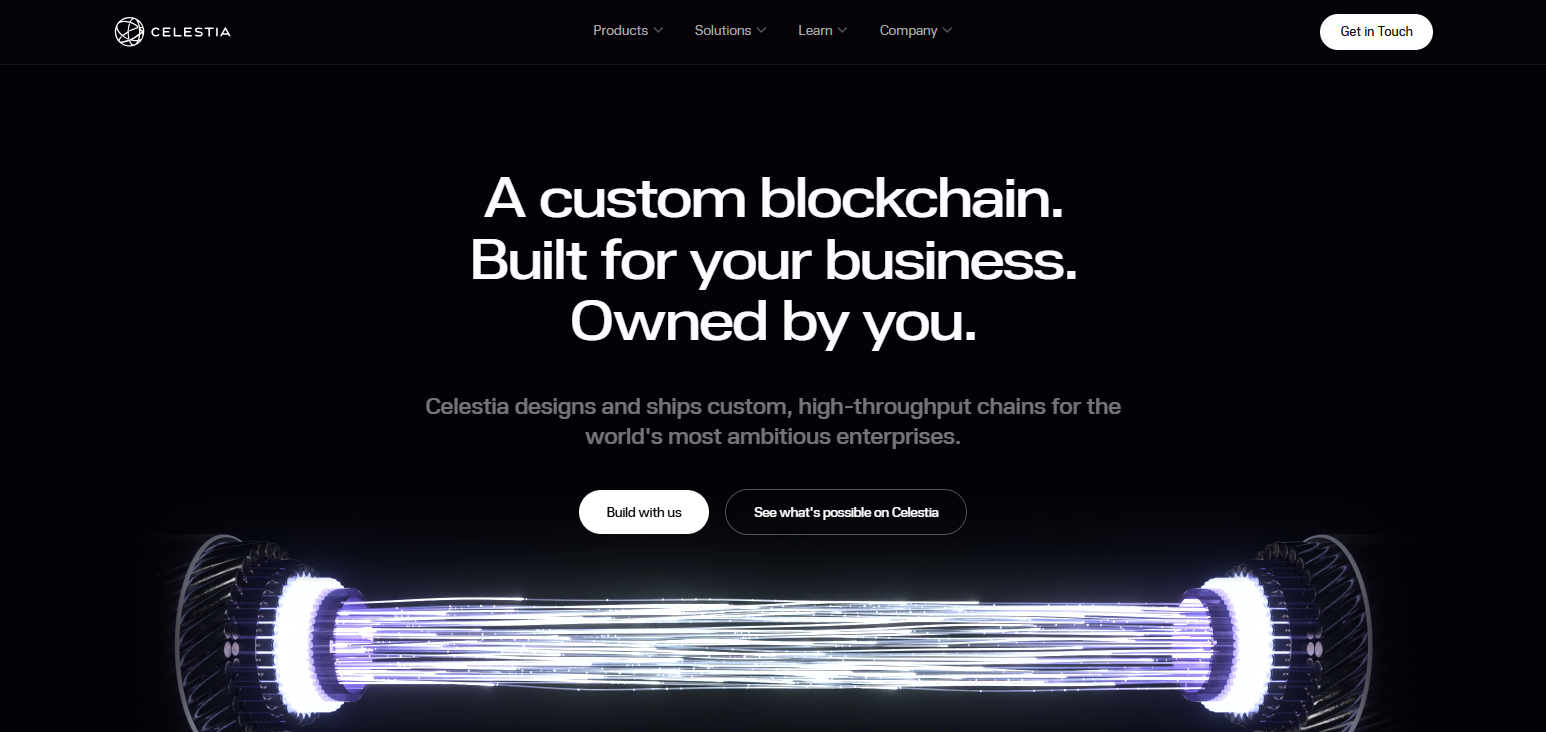
The design makes development for Web3 projects easier and more customizable. Celestia enables an innovative and better design technique to modularize blockchains that makes construction affordable and easy to integrate decentralized ecosystems.
Celestia Features
- Enhanced Scalability and Flexibility: Modular design separates functions of a blockchain.
- Data Availability Layer: Outstanding infrastructure for data storage in dApps.
- Rapid Network Design: Quick and easy frameworks to design networks.
- Future-Ready Web3 Infrastructure: Designed with efficiency in mind to better serve upcoming mesh networks.
| Pros | Cons |
|---|---|
| Innovative modular blockchain design improves scalability. | Modular architecture can be complex for new developers. |
| Allows developers to build customized blockchain networks easily. | Faces competition from other data availability solutions. |
| Reduces costs through efficient data availability services. | Ecosystem adoption is still in early stages. |
| Supports future blockchain interoperability improvements. | Depends on developers adopting modular blockchain models. |
| Provides flexible infrastructure for Web3 innovation. | Limited consumer-facing applications currently available. |
8. Pendle Finance
Pendle Finance allows tokenization and trading of future yield in the decentralized finance space. Pendle’s yield-trading model is the first of its kind, allowing users to separate their principal assets and future earnings.
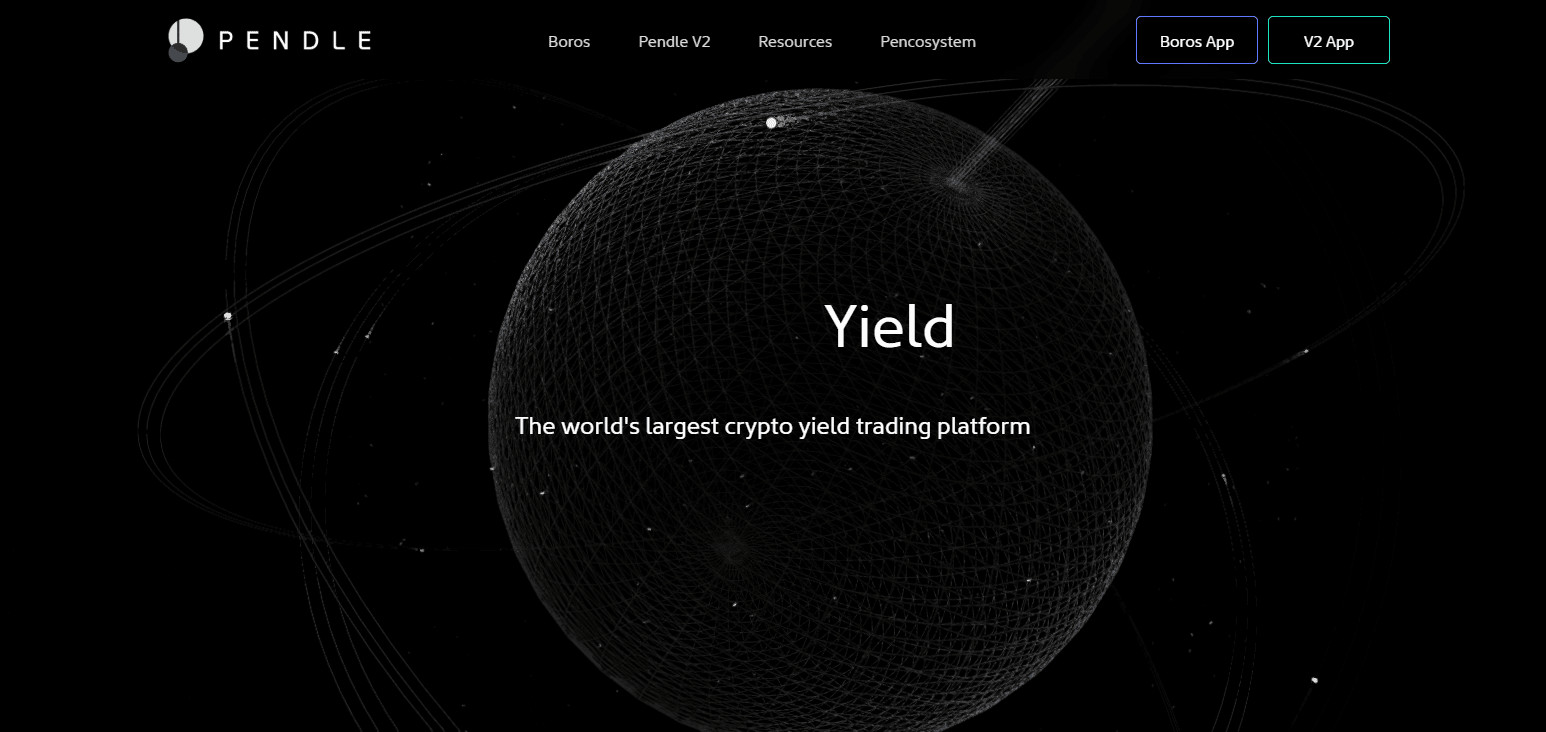
Pendle also allows users to develop unique strategies to manage their risk of yield in crypto. As Pendle continues to grow with the expansion of DeFi, Pendle will be integral for users looking to seize opportunities and possess more financial autonomy within the digital asset space.
Pendle Finance Features
- Future Yields: Unique selling point that enables the trade of the future yields of a specific asset.
- DeFi Trading 2.0: Enhanced tools for optimized management of DeFi trades.
- Yield Flexibility: Markets that embrace future yield opportunities.
- Automated Smart Contracts: Transparent and secure operations of DeFi.
| Pros | Cons |
|---|---|
| Enables advanced yield management strategies in DeFi. | Complex features may confuse beginner investors. |
| Allows trading of future yield opportunities. | DeFi market risks can impact user funds. |
| Provides flexible investment options for crypto users. | Smart contract vulnerabilities remain a concern. |
| Strong growth potential in decentralized finance markets. | Yield opportunities depend on market conditions. |
| Innovative approach to tokenized yield trading. | Regulatory uncertainty affects DeFi protocols. |
9. LayerZero
LayerZero is an omnichain communication protocol made to improve blockchain modular networks. LayerZero possesses the ability to create cross blockchain communication through secure messaging across networks.
LayerZero is another integral project as it strives to improve network communication by allowing data and assets to be transferred across multiple blockchains with ease. LayerZero improves modular network adoption for Web3 and allows a more unified ecosystem.
LayerZero Features
- Multi-Chain Communication: Secure messaging across blockchains.
- Cross-Chain Development: Tools that facilitate the development of apps across multiple chains.
- Safe Data Transfer: Secure and trustworthy information exchange.
- Interoperability: Framework expressing a unified system of cross-chain operations.
| Pros | Cons |
|---|---|
| Enables communication between multiple blockchain networks. | Cross-chain technology faces security challenges. |
| Supports developers building omnichain applications. | Interoperability competition is increasing rapidly. |
| Improves movement of data and digital assets. | Bridge-related risks remain a major industry concern. |
| Connects different blockchain ecosystems efficiently. | Requires widespread adoption for maximum value. |
| Important infrastructure for future multi-chain development. | Technical complexity may slow integration. |
10. CyberConnect
Based on our knowledge from October 2023, CyberConnect is a Blockchain powered social-networking platform that prioritizes users’ ownership of digital identities. CyberConnect, which is funded by Binance Labs, enables users to control their profiles, social links, and digital content on Web3.

A primary aim of this project is to redefine social media by enabling users to control their online identities. CyberConnect is a solution of social networking that is based on ownership of data and is designed for fast growing decentralized communities.
CyberConnect Features
- Ownership of Profiles: Users retain full control of their profiles and personal data.
- Web3 Social Network – Blockchain-based substitutes for conventional social networks.
- Creator-Centric Features – Empowers content ownership and community interaction.
- Universal Social Identity – The ability to traverse social networks juxtaposed with varying applications.
| Pros | Cons |
|---|---|
| Enables users to own digital identities and content. | Web3 social adoption remains limited. |
| Provides decentralized alternatives to traditional social platforms. | Competes with established Web2 social networks. |
| Supports creator-focused and community-driven experiences. | User experience may be challenging for beginners. |
| Promotes data ownership and online transparency. | Long-term sustainability depends on user growth. |
| Encourages decentralized social networking innovation. | Requires stronger mainstream adoption to succeed. |
Conclusion
In Conclusion Top Crypto Startups Backed by Binance Labs are innovative leaders of the ongoing developments in blockchain, DeFi, Web3 and dApps. Polygon, Injective, Sui, Aptos, Celestia and LayerZero have the potential to implement the solutions that the future of digital ecosystems needs.
With the technology and developer and ecosystem support, these startups are in a premier position to showcase the potential of innovation in the blockchain space and offer the first iterations of the new Web3 and decentralized finance (DeFi) building blocks.
FAQ
Is LangChain the most popular AI agent framework?
Yes, LangChain is one of the most widely used open-source AI agent frameworks. It provides tools for connecting large language models with databases, APIs, external tools, and memory systems to build advanced AI-powered applications.
Can Open-Source AI Agent Frameworks work with different AI models?
Yes, most open-source AI agent frameworks support multiple AI models, including large language models from OpenAI, Anthropic, Google, Meta, and open-source alternatives. This flexibility allows developers to select models based on performance, cost, and project requirements.
What can developers build using AI Agent Frameworks?
Developers can build AI assistants, customer support bots, research agents, coding assistants, workflow automation tools, data analysis systems, and multi-agent applications using open-source AI agent frameworks.
What features should users look for in an AI Agent Framework?
Important features include multi-agent support, tool integration, memory management, workflow automation, model compatibility, scalability, security controls, and easy deployment options for building reliable AI applications.