This article evaluates the Best Crypto APIs for Wallet Integration and Web3 Apps. These Crypto APIs provide tools for developers to create powerful blockchain apps by simplifying secure and scalable wallet integration.
Top Crypto APIs for Web3 integration simplify crypto and smart contract execution for developers. Some provide transaction and event listeners to interact and update your Apps in real-time to enable a rich experience for your users. Here are the best crypto APIs for Web3 developers.
What Are Crypto APIs?
Crypto APIs are tools that let applications communicate with blockchains, cryptocurrency wallets, exchanges, and even Web3. They are advantageous because they allow developers access to data like wallet balances and transactions without them having to create and manage blockchain infrastructure.
They are advantageous to developers looking to create wallets, decentralized apps, payment applications, and trading applications. One of the reasons for that is the APIs that the Crypto APIs provide help developers scale their applications.
The APIs allow developers to create applications faster and even provide support for advanced features, which improves integrations within the Web3 ecosystem.
Key Points & Best Crypto APIs for Wallet Integration and Web3 Applications
| API Platform | Explanation |
|---|---|
| CoinStats API | Supports multi-chain wallets, prices, DeFi tracking across 120+ blockchains. |
| Alchemy API | Builds Ethereum and Solana apps with wallets, NFTs, nodes. |
| Moralis API | Provides real-time Web3 events and synced wallet activity data. |
| Crypto APIs | Offers secure enterprise blockchain tools with legal compliance features. |
| GetBlock | Provides direct access to 130+ blockchain networks without servers. |
| DeBank | Delivers detailed DeFi analytics for EVM lending and staking. |
| NOWPayments | Enables wallet payments and swaps across 350+ cryptocurrencies easily. |
| Blockchair | Supports privacy-focused blockchain searches across 41 different networks. |
| Coinbase Cloud | Connects regulated exchange features with secure user wallet management. |
| Etherscan API | Tracks Ethereum contracts, tokens, and verified blockchain transactions easily. |
10 Best Crypto APIs for Wallet Integration and Web3 Applications
1. CoinStats API
Powerful multi-chain support makes the CoinStats API great for developers focused on building crypto wallets, portfolio trackers, or Web3 apps. CoinStats API combines wallet balances, market prices, and transaction history along with DeFi portfolio insights.
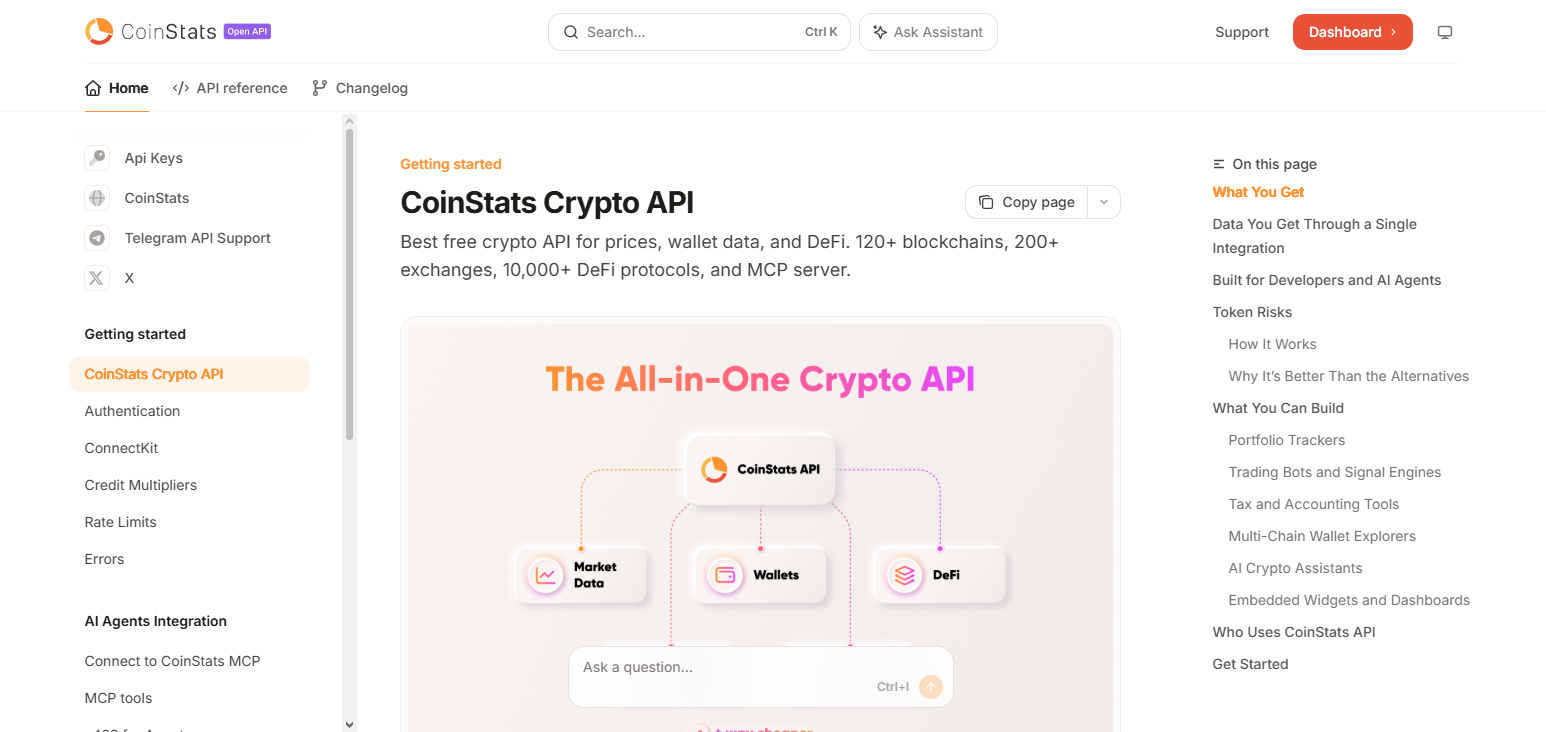
With support for 120+ blockchain networks, your apps will be able to accurately track users’ assets. The API can be used to simplify portfolio management.
With the increase in demand for cross-chain capabilities expected in 2026, CoinStats API will give your developers the ability to iterate faster and provide a unified experience for crypto data.
CoinStats API Features
- Handles 120+ blockchains for consolidated wallet data management.
- Insightful analysis for crypto price and portfolio tracking.
- Multiple wallets can be synced to one application dashboard.
- Cross-chain tracking for assets is simple with a developer-friendly API.
| Pros | Cons |
|---|---|
| Supports more than 120 blockchain networks for multi-chain tracking. | Advanced features may require premium access plans. |
| Combines wallet data, market prices, and DeFi analytics. | Large data volumes may increase API processing requirements. |
| Simplifies portfolio management with automatic wallet synchronization. | Limited customization compared with fully self-built solutions. |
| Reduces development time for crypto tracking applications. | Some advanced DeFi integrations may have limitations. |
| Provides a unified dashboard experience for users. | Mainly focused on portfolio data rather than full blockchain infrastructure. |
2. Alchemy API
Alchemy API gives developers building apps on the Ethereum and Solana blockchain a competitive advantage. Alchemy API gives developers the ability to build crypto wallets, NFT platforms, and DeFi apps, along with blockchain services on Solana and the Polygon network.
Alchemy API supports transaction tracking, abstraction, and indexing NFTs, as well as developer analytics. Startups as well as enterprises have the option of leveraging a secure and high-performance Web3 application by 2026 without having to manage their own blockchain nodes.
Alchemy API Features
- Great infrastructure for Ethereum, Solana, and Polygon.
- Provides NFT indexing, smart wallets, and transaction visualization.
- Connect directly to nodes and skip managing blockchain servers.
- Reliable developer APIs for scalable Web3 apps.
| Pros | Cons |
|---|---|
| Provides powerful infrastructure for Ethereum, Solana, and Polygon. | Pricing can become expensive for high-volume applications. |
| Offers reliable node access and blockchain development tools. | Beginners may face a learning curve with advanced features. |
| Supports NFTs, smart wallets, and account abstraction. | Primarily optimized for popular blockchain ecosystems. |
| Delivers scalable solutions for enterprise Web3 apps. | Free plans have usage limitations. |
| Includes strong developer documentation and analytics tools. | Less suitable for unsupported niche blockchain networks. |
3. Moralis API
Moralis API focuses on developers needing rapid blockchain data as well as real time Web3 features. It focuses on ease of use for developers by providing pre-indexed blockchain data with wallet and token data with NFT analytics and event triggers.
It is easy for developers to track user wallet activity and token and NFT actions as well as DeFi activity. Moralis handles the background processing of blockchain data which allows development teams to focus on user experience rather than data processing.
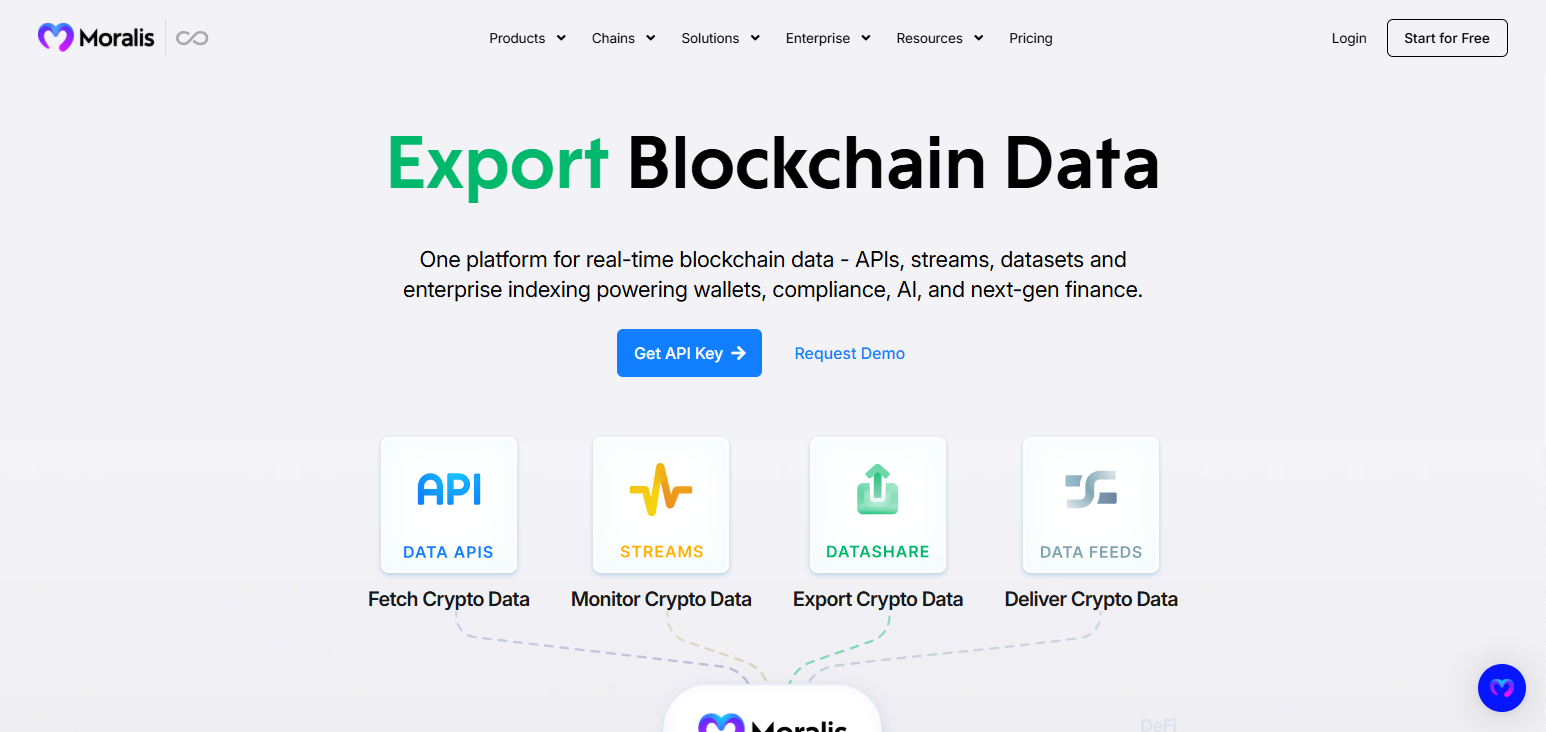
In 2026, Moralis is a great solution for developers of decentralized application that need real time blockchain data without the complexity of building data indexes from scratch.
Moralis API Features
- Instant notifications for blockchain events and wallet sync.
- Indexed data helps speed up development.
- Simple tracking for tokens, NFTs, transactions, and DeFi.
- Easy wallet sync with little to no code.
| Pros | Cons |
|---|---|
| Provides fast access to pre-indexed blockchain data. | Advanced features may require paid subscriptions. |
| Supports real-time wallet, NFT, and token tracking. | Some customization options are limited. |
| Reduces complexity of blockchain data management. | Heavy applications may require additional optimization. |
| Helps developers build Web3 apps faster. | Depends on Moralis infrastructure availability. |
| Supports multiple blockchain networks and APIs. | Developers may need additional tools for complex backend logic. |
4. Crypto APIs
Crypto APIs is a modern professional blockchain infrastructure solution focused on the security of businesses’ financial applications, crypto wallets, and digital asset business solutions. It provides multiple APIs for accessing blockchain data, managing wallets and monitoring transactions, and executing crypto operations.
The platform’s enterprise focus on security provides features such as secure wallet integrations, compliance-friendly features, and user support for financial industry services.
Crypto APIs is a toolkit for businesses to develop secure crypto products and services while reducing tech and infrastructure costs. For businesses focused on blockchain Web3 in 2026 with a focus on security and regulations, Crypto APIs provides a great foundation.
Crypto APIs Features
- Offers secure financial APIs for blockchain and wallet apps.
- Handles wallet management, transaction monitoring, and crypto execution.
- Provides necessary tools for compliance in regulated business spaces.
- Enterprise security for crypto digital platforms.
| Pros | Cons |
|---|---|
| Provides secure blockchain infrastructure for businesses. | Enterprise pricing can be costly for startups. |
| Supports wallet management and transaction monitoring. | Setup requires technical blockchain knowledge. |
| Offers compliance-focused solutions for financial applications. | Some features may require separate integrations. |
| Suitable for regulated crypto platforms and institutions. | Limited free usage compared with competitors. |
| Provides professional-grade security and reliability. | Smaller developers may find it complex. |
5. GetBlock
GetBlock lets developers access over 130 blockchain networks without having to run their own servers. As a blockchain node provider, GetBlock offers reliable RPC access to read and interact with blockchain data, as well as execute transactions.
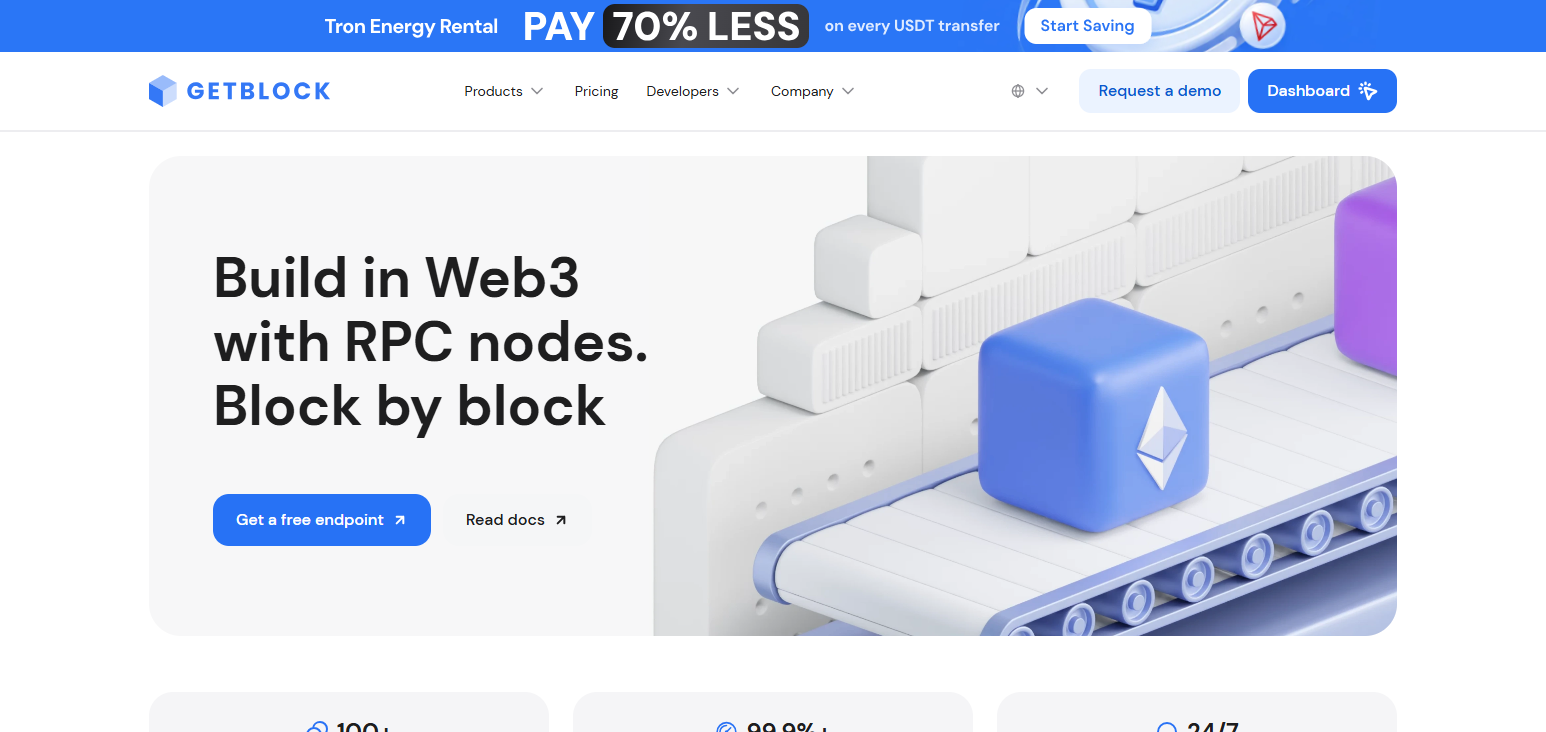
GetBlock’s services ease wallet development by increasing network reliability, transaction speed, and app performance. GetBlock support makes it easy to build Web3 wallets, DeFi apps, exchanges, and other blockchain-based solutions. Even in 2026, GetBlock remains one of the most flexible, developer-friendly, and affordable blockchain infrastructures.
GetBlock Features
- Provides RPC access to over 130 blockchains.
- No need for developers to run their own nodes.
- Fast retrieval and execution of transactions on blockchain.
- Great infrastructure to improve performance of your Web3 app.
| Pros | Cons |
|---|---|
| Provides RPC access to 130+ blockchain networks. | Does not provide advanced portfolio analytics features. |
| Eliminates the need to maintain personal nodes. | Performance depends on selected blockchain networks. |
| Offers scalable infrastructure for Web3 applications. | High traffic usage can increase operational costs. |
| Supports multiple blockchain development environments. | Requires technical knowledge for proper implementation. |
| Improves application speed and blockchain connectivity. | Limited built-in user interface tools. |
6. DeBank API
DeBank is a wallet intelligence and DeFi analytics tool that goes beyond standard analytics by integrating technologies that allow the tracking of user activity within decentralized finance ecosystems.
This tool specializes in EVM-based finance activities such as lending and staking, as well as liquidity positions and token activity. By integrating DeBank’s data, developers can offer their users a wallet with a much deeper portfolio analysis, along with transaction-based analyses.
This tool’s ability to analyze sophisticated DeFi activities places it in a critical position for many of the Web3 apps that are geared towards professional users of the crypto market. Given DeFi’s projected growth for 2026, DeBank is one of the best options for developers who want to offer their users clearly defined financial flows and analyses.
DeBank API Features
- Offers in-depth wallet and DeFi portfolio activity analysis.
- Monitors lending, staking, liquidity pools, and token activities.
- Enables analysis across all EVM-compatible blockchain networks.
- Assists in developing complex DeFi dashboards and tracking tools.
| Pros | Cons |
|---|---|
| Provides detailed DeFi portfolio and wallet insights. | Mainly focused on EVM-compatible blockchain networks. |
| Tracks lending, staking, and liquidity activities. | Less suitable for non-DeFi applications. |
| Helps create advanced crypto analytics dashboards. | API availability may vary for certain features. |
| Provides deep wallet behavior analysis. | Requires understanding of DeFi concepts. |
| Useful for professional Web3 financial applications. | Limited support outside DeFi analytics use cases. |
7. NOWPayments API
NOWPayments API streamlines payment solutions for businesses and Web3 apps, making it easy to accept, process, and convert payments in over 350 different cryptocurrencies. NOWPayments API is especially useful for developers creating wallet apps, online platforms, and payment gateways
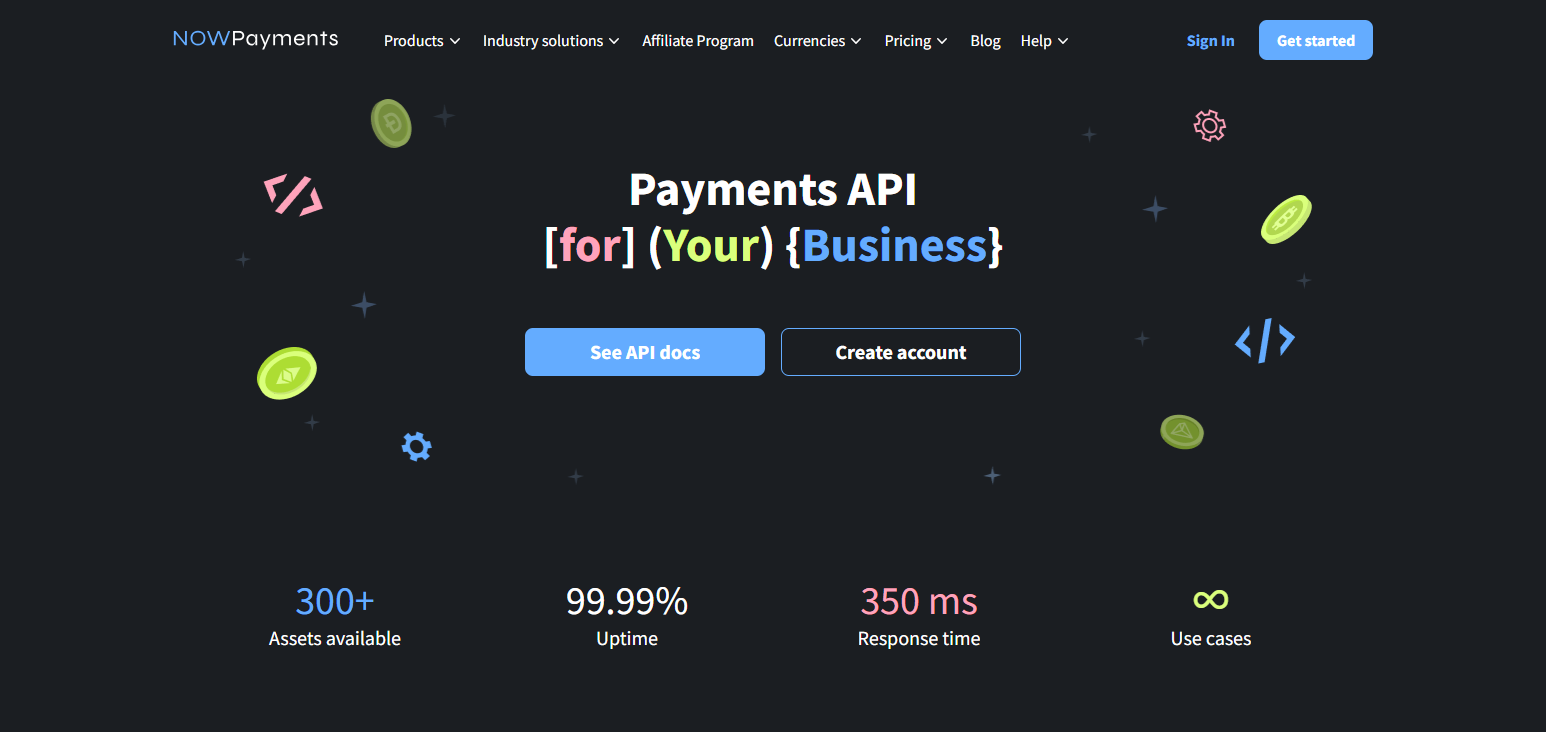
As it facilitates the instant creation of payment gateways and automated transactional processes without the hassle of coding the payment infrastructure from scratch. With multi blockchain and multi crypto payment support, NOWPayments API provides flexible options that help businesses adjust to the increasing demands of crypto payment users in 2026.
NOWPayments API Features
- Processes all payments in 350+ supported cryptocurrencies.
- Simplifies payment gateway integration into Web3 apps.
- Offers automated crypto transactions and settlements.
- Guarantees safe global crypto payment acceptance for all users.
| Pros | Cons |
|---|---|
| Supports payments across 350+ cryptocurrencies. | Transaction fees may vary depending on networks. |
| Easy integration for crypto payment solutions. | Not designed for advanced blockchain analytics. |
| Helps businesses accept global digital payments. | Requires third-party wallets for some operations. |
| Provides automated payment processing features. | Market volatility can affect payment values. |
| Supports multiple blockchain payment networks. | Limited features for complex DeFi applications. |
8. Blockchair API
Designed to assist the development of applications that need in-depth analysis of transactions and sophisticated blockchain searches, Blockchair API offers over 40 blockchain networks including Bitcoin, Ethereum, and privacy oriented blockchains.
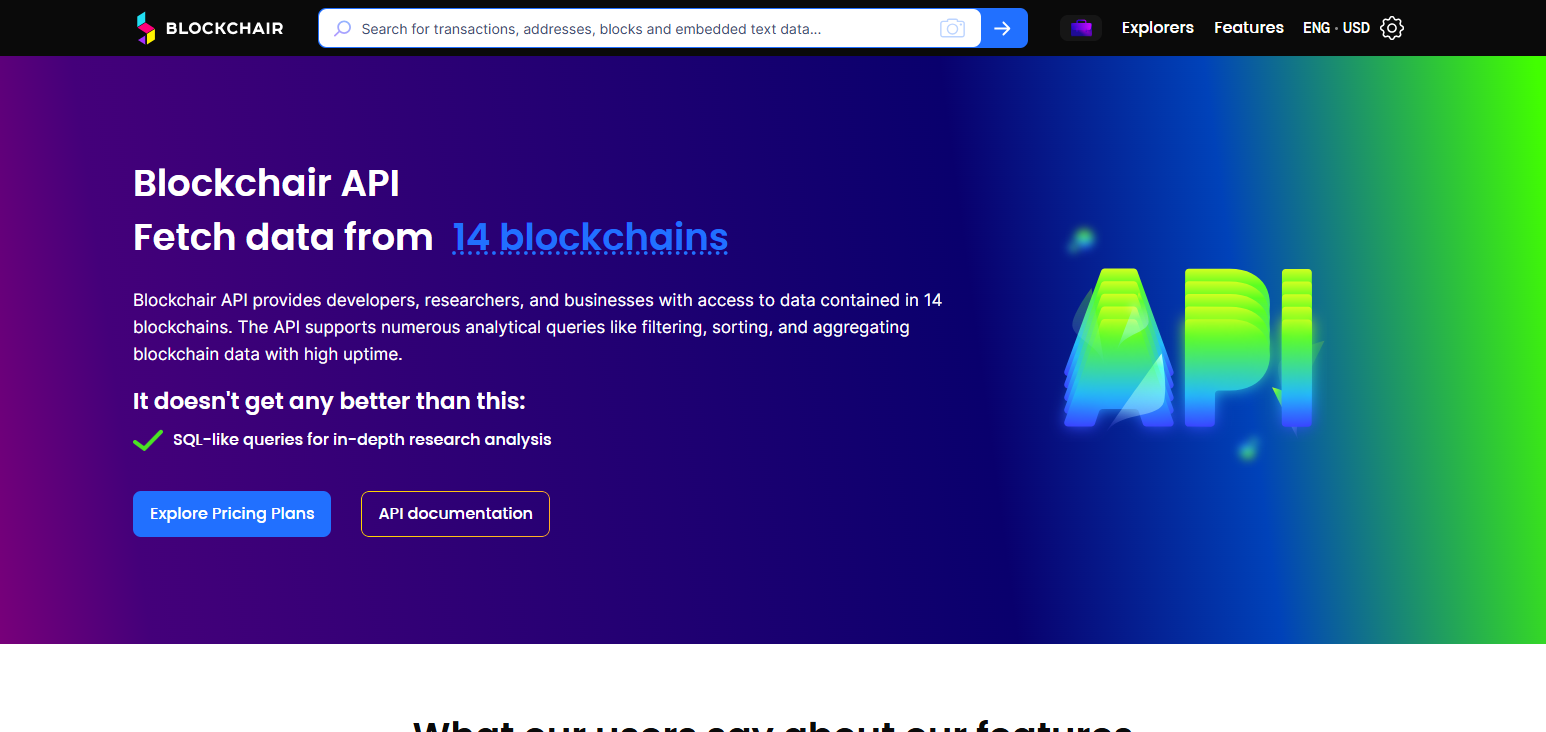
Through its organized APIs, developers can retrieve transactional data, wallet and address lookups, and a variety of statistics. Blockchair also offers a powerful search utility that assists the development of compliance, analytics, and research applications in the crypto space.
In 2026, the power of Blockchair remains in the hands of developers requiring access to clear data on blockchain networks, especially those that tend to be under served.\
Blockchair API Features
- Provides access to 40+ blockchain networks.
- Offers tools for transaction searches and address tracking and analysis.
- Eases the analysis of blockchain transparency for developers.
- Supports privacy chains with custom searches.
| Pros | Cons |
|---|---|
| Supports data access across multiple blockchain networks. | Advanced analytics may require paid access. |
| Provides detailed transaction search capabilities. | Interface may feel complex for beginners. |
| Useful for blockchain research and compliance tools. | Not focused on wallet development features. |
| Supports privacy-focused blockchain analysis. | Limited smart contract development tools. |
| Provides transparent blockchain information access. | Data availability depends on supported networks. |
9. Coinbase Cloud API
Coinbase Cloud gives developers access to sophisticated building blocks to build secure crypto applications on blockchain and integrate trading. Developers can build wallet applications that can access Coinbase’s services, manage users’ digital assets, and leverage a regulated trading exchange.
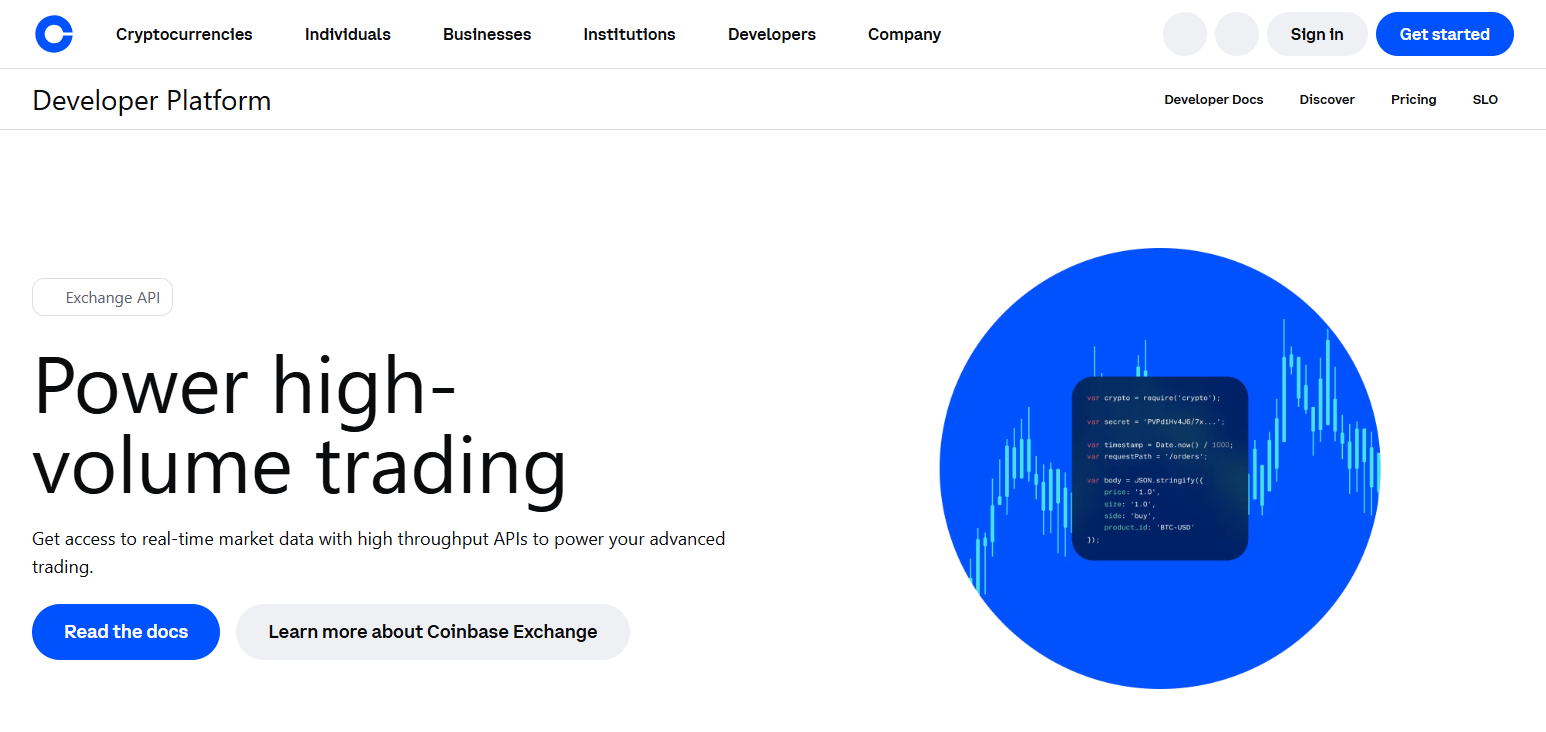
Coinbase Cloud accounts, along with its APIs, provide developers with the ability to integrate management and connectivity of wallets and blockchain data. Because of its security reputation and high standards, businesses that rely on cryptocurrency infrastructure for operations can safely use this platform.
In 2026, Coinbase Cloud continues to support developers who combine security and compliance tools with user-centric design for crypto wallets and financial applications.
Coinbase Cloud API Features
- Connects your app to safe and trusted Coinbase blockchain services.
- Eases the integration of crypto wallet and trading services.
- Simplifies access to blockchain data and accounts.
- Provides trusted infrastructure to regulated crypto services.
| Pros | Cons |
|---|---|
| Provides trusted Coinbase-powered blockchain infrastructure. | Mostly connected with Coinbase ecosystem services. |
| Offers secure wallet and trading integrations. | Advanced developers may need additional APIs. |
| Suitable for regulated crypto applications. | Limited support for some blockchain networks. |
| Provides strong security and compliance standards. | Enterprise features may require higher pricing. |
| Easy connection with Coinbase financial services. | Less flexible than fully decentralized solutions. |
10. Etherscan API
Etherscan API enables developers to access Ethereum blockchain data through one of the most popular Ethereum data services. Developers can access information on verified smart contracts, token transfers, wallet transactions, gas data, and all activities on Ethereum.
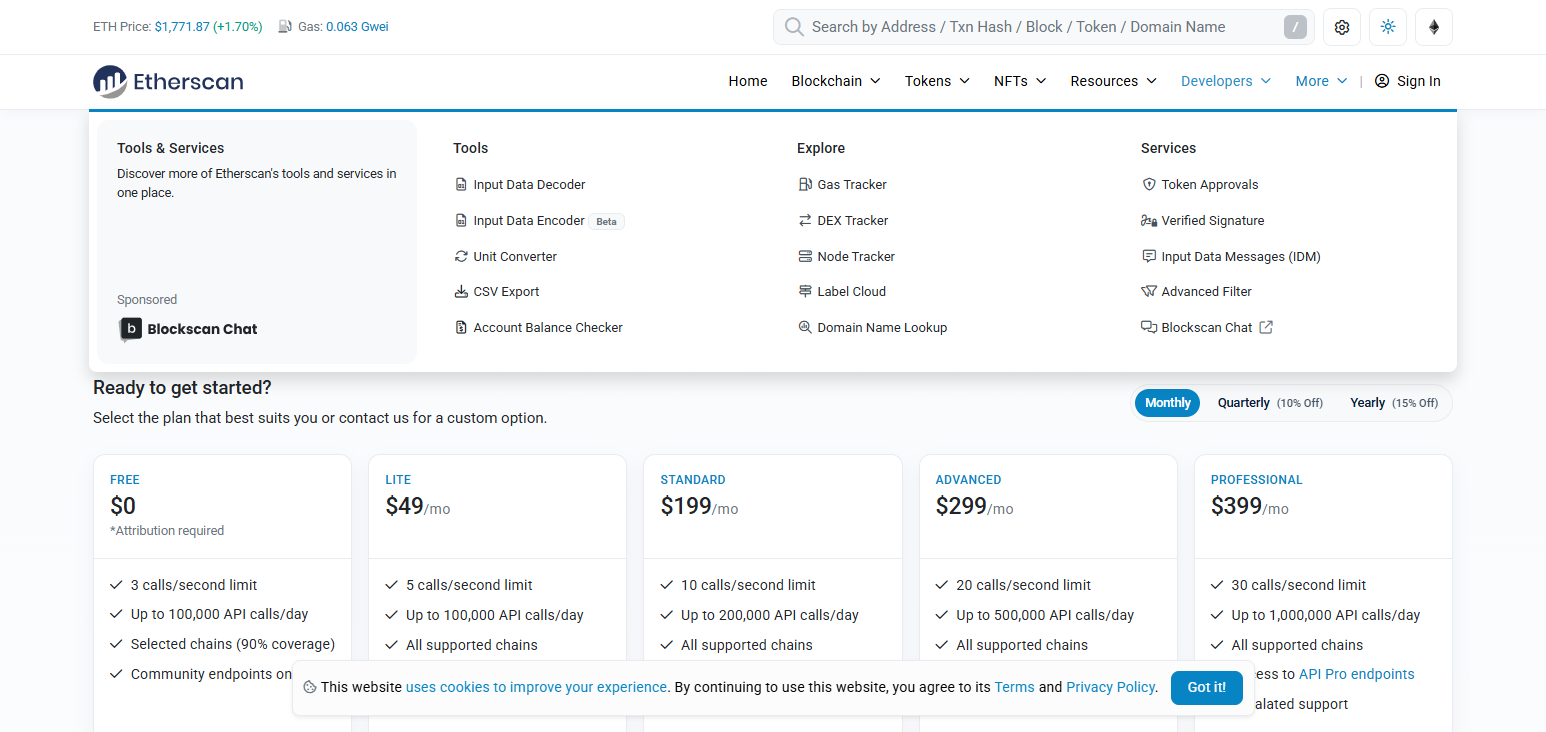
Crypto wallet developers leverage the Etherscan API to showcase transaction histories, confirm token interactions, and endorse application transparency.
Due to its connection with the entire Ethereum ecosystem, Etherscan is a must-have for building decentralized applications, NFTs, and DeFi. In 2026, Etherscan continues to be a go-to for developers who need Ethereum data and tracking.
Etherscan API Features
- Provides Ethereum blockchain transactions and smart contract data.
- Monitors token transfers, wallet activity, and gas.
- Shares data of verified smart contracts for transparency.
- Supports Ethereum’s DeFi, NFTs, and Web3 services.
| Pros | Cons |
|---|---|
| Provides accurate Ethereum blockchain transaction data. | Limited mainly to Ethereum-based networks. |
| Tracks smart contracts, tokens, and wallet activity. | API rate limits affect heavy usage. |
| Offers verified contract information for transparency. | Does not provide full wallet management features. |
| Widely trusted by Ethereum developers worldwide. | Advanced analytics require additional solutions. |
| Simple integration for Ethereum applications. | Not suitable for multi-chain applications. |
Conclsuion
Selecting appropriate Crypto APIs for Wallet Integration and Web3 Apps streamlines the development of safe, fast, and flexible blockchain applications. Several competing platforms offer developers varying functionality and features for wallet management, instantaneous information, and cross-chain operation.
These platforms include CoinStats, Alchemy, Moralis, GetBlock, and Etherscan. The year 2026 is expected to see considerable growth in Web3 application adoption. For this reason, the aforementioned APIs will be crucial in the development of original DApps and optimized crypto trading.
FAQ
Which Crypto API is best for multi-chain support?
CoinStats API is popular for managing data across multiple blockchain networks.
Is Alchemy API good for Web3 development?
Yes, Alchemy is ideal for Ethereum, Solana, NFT, and dApp development.
Can Crypto APIs track wallet transactions?
Yes, most Crypto APIs provide real-time wallet balance and transaction tracking.
Which Crypto API is best for DeFi applications?
DeBank API is suitable for detailed DeFi analytics and wallet insights.