
In this article, I will cover the Best Platforms to Buy, Sell, and Trade Altcoins Safely. The crypto exchange you choose will impact how secure your funds will be and how well-informed your trades will be.
Here, we will analyze and compare the top crypto exchanges based on security, trading fees, liquidity, list of supported altcoins, user interface, and trading features to make a selection easier for you.
Key Points
| Exchange | Explanation |
|---|---|
| Binance | Offers low fees, huge volume, and hundreds of altcoins. |
| Kraken | Provides strong security, proof-of-reserves, and many cryptocurrency choices. |
| Coinbase | Beginner-friendly platform offering simple tools and strong regulatory compliance. |
| OKX | Supports active traders with liquidity, low fees, and Web3. |
| Crypto.com | Excellent mobile app with rewards and integrated on-chain earning. |
| Bybit | Popular for derivatives, altcoins, and low-cost trading execution. |
| KuCoin | Helps discover emerging altcoins and provides advanced automated trading. |
| Gemini | Focuses on security, strict licensing, and insured digital assets. |
| Bitget | Specializes in copy trading and emerging altcoin market opportunities. |
| Uphold | Simplifies management of cryptocurrencies, alternative assets, and multiple currencies. |
10 Best Platforms for Buying, Selling, and Trading Altcoins Safely
1. Binance
Binance is an excellent choice for altcoin traders due to its liquidity, a wide selection of markets, and competitive pricing. Binance launched in 2017. Binance supports many cryptocurrencies and trading pairs, though the availability of each varies by region.
Fees: Generally, spot trading bumps down to 0.10% maker and 0.10% taker. Discounts are available based on trading volume and Binance’s fee programs. Binance’s large market liquidity also supports active trading by reducing slippage.
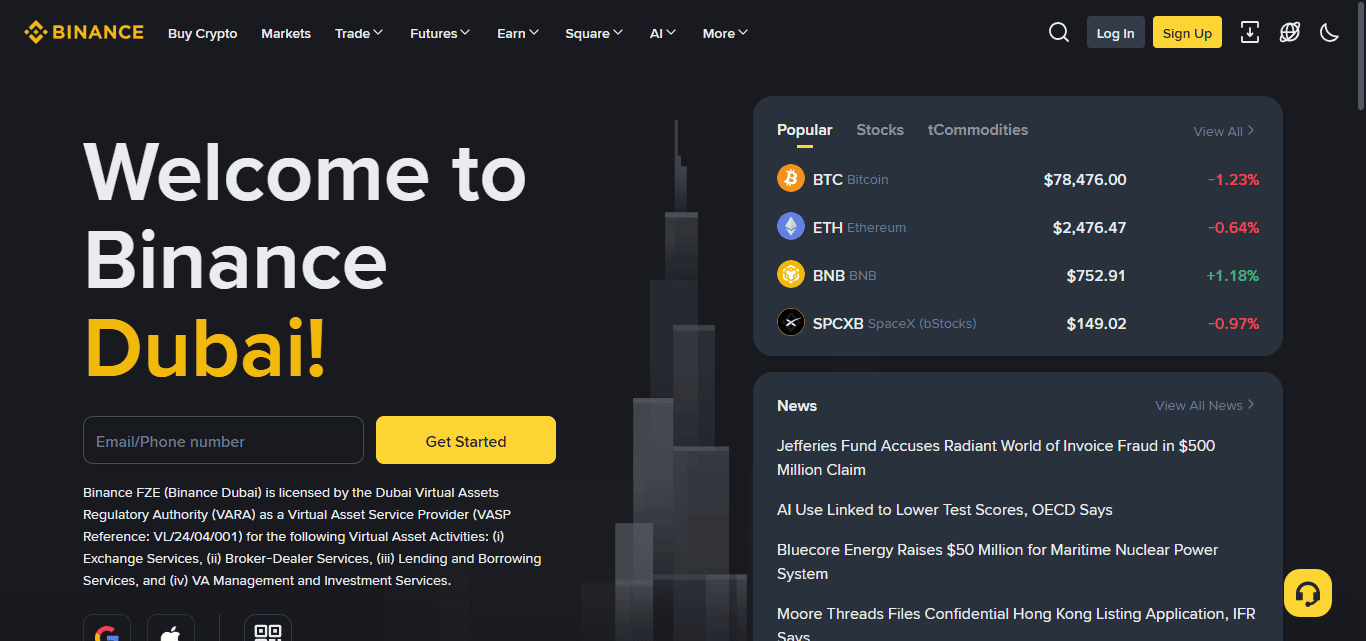
Binance also has advanced trading tools including charts, futures, and staking. Although some services are restricted, most features are available to users. Since OKX is focused on active cryptocurrency traders, you’ll have to check your area for limitations, rules, and regulations on Web cryptocurrency trading.
Binance Features
- Low fees for high-volume traders.
- High trading volume for instant transactions.
- Extensive selection of over 400 different cryptocurrencies and altcoins.
- Extensive staking options and many trading choices.
| Pros | Cons |
|---|---|
| Low trading fees benefit frequent traders. | Regulatory restrictions vary across different countries. |
| High liquidity enables fast trade execution. | Large number of features can overwhelm beginners. |
| Supports hundreds of cryptocurrencies and altcoins. | Customer-support experiences may vary by region. |
| Offers advanced trading, staking, and earning tools. | Some advanced products have higher complexity and |
2. Kraken
At Kraken, customers are offered professional cryptocurrency exchange, transparency, and security. Release: Kraken started working with the public by opening for business on September 10, 2013, offering trading for Euros, Bitcoin, and Litecoin.
Versatility: Currently, Kraken has a wide variety of cryptocurrencies and trading pairs, but the specific availability is dependent on location.
Fee Schedule: Kraken’s spot maker-taker schedule is 0.40% maker and 0.80% taker for the bottom tier of volume, whereas fees are more significant and trading volume is higher as assets and 30-day trading volume increase.
Kraken is perfect for investors who are concerned with security and professionalization of trading systems and operations, and who wish to have access to a variety of altcoins.
Kraken Features
- User funds protected within robust security features.
- Proof-of-reserves to reassure transparency.
- Trades many different cryptocurrencies.
- Advanced features suitable for more advanced users.
| Pros | Cons |
|---|---|
| Strong security practices help protect user funds. | Interface may feel complex for complete beginners. |
| Proof-of-reserves improves transparency. | Trading fees can be higher on some purchase methods. |
| Supports numerous cryptocurrencies and trading pairs. | Certain features are unavailable in some jurisdictions. |
| Advanced tools suit experienced cryptocurrency traders. | Fewer coins may be available than on larger exchanges. |
3. Coinbase
Coinbase is the easiest cryptocurrency exchange for beginners. They have an advanced section, but the main exchange is extremely straightforward. Launch Date: Coinbase was founded in 2012. By then, it had quickly established itself as the most important cryptocurrency exchange that complies with the law in the U.S.
Supported Cryptocurrencies: Coinbase advertises that they have multiple services and allow users to trade over 500 cryptocurrencies. Trading Fees: Coinbase charges an average maker fee of 0.40% and an average taker fee of 0.60%, however, more active traders get charged less.
Coinbase is perfect for users that want to trade easily, safely, and legally. It supports a good variety of established altcoins. It is also a good option for beginner investors.
Coinbase Features
- User interface designed to simplify crypto trading.
- Useful tools for buying and selling crypto.
- Good reputation from compliance.
- Investor learning resources.
| Pros | Cons |
|---|---|
| Simple interface is suitable for beginners. | Fees can be relatively high for some transactions. |
| Easy tools simplify cryptocurrency purchases. | Advanced trading features may require separate interfaces. |
| Strong regulatory focus increases user confidence. | Cryptocurrency selection may be smaller than competitors. |
| Educational resources help new users understand crypto. | Pricing and fees can vary depending on transaction type. |
4. OKX
OKX suits high-volume traders, with fees well below the industry average, strong liquidity, and extensive functionalities for both crypto trading and the burgeoning Web3 space. Launch date: OKX first launched in 2017 and has since grown into a major global digital asset exchange.
Supported cryptocurrencies: OKX offers a large selection of cryptocurrencies as well as major assets and large altcoins. There may be some differences in the selection offered in different regions.
Trading fees: Post-2026 fee restructuring, the average maker and taker fees for applicable Group 1 pairs is 0.0800% and 0.1000%, respectively. Nevertheless, notably better fees are offered to VIP clients.
OKX has also integrated web3 wallets and decentralized apps on its site and therefore speaks to more advanced traders looking for a centralized exchange along with a high degree of functionality in the blockchain space.
OKX Features
- Has advanced trading features for professional cryptocurrency traders.
- Has Web3 tools, offers wallet and access to Decentralized applications
- high liquidity lowers trading costs and enhances trading.
| Pros | Cons |
|---|---|
| High liquidity supports efficient trading execution. | Advanced interface may be difficult for beginners. |
| Competitive fees benefit active traders. | Availability varies significantly by jurisdiction. |
| Provides advanced trading and derivatives tools. | Derivatives trading carries substantial financial risk. |
| Includes Web3 wallet and decentralized-app features. | Web3 features can add complexity for new users. |
5. Crypto.com
Crypto.com is ideal for mobile cryptocurrency management. Launch date: Crypto.com was founded in 2016.
Supported cryptocurrencies: Its platform supports a wide range of cryptocurrencies, and the current version of its app offers hundreds of digital assets, such as bitcoin (BTC), ethereum (ETH), solana (SOL), XRP, ADA, dogecoin (DOGE), LINK, AVAX, and many more altcoins.
Trading fees: The trading fees depend on the product, the user’s location, the trading volume, promotions, and liquidity.
Crypto.com states that transaction fees are transparent and visible to users before the executed trade. Some of its other competitive features include a suite of mobile applications, rewards programs, cryptocurrency payments, and access to on-chain services.
Crypto.com Features
- Features a mobile application for flexibility of cryptocurrency management.
- Rewards eligible users for transactions.
- Has on chain cryptocurrency earnings for users.
| Pros | Cons |
|---|---|
| Mobile app provides convenient cryptocurrency management. | Some features may have regional restrictions. |
| Rewards programs can provide additional user benefits. | Rewards and benefits may have changing conditions. |
| Supports on-chain earning opportunities. | Earning products can involve additional investment risks. |
| Offers cryptocurrencies alongside other financial services. | Fee structures can vary across different services. |
6. Bybit
Bybit appeals to high-volume traders because of its advanced products, active market making system, and deep cryptocurrency liquidity. Launch date: Bybit launched its platform in March 2018 with an emphasis on cryptocurrency derivative products.
Supported cryptocurrencies Bybit supports many major cryptocurrencies and altcoins in both spot and derivative markets, although availability may differ by region. Trading fees: For its non-VIP members
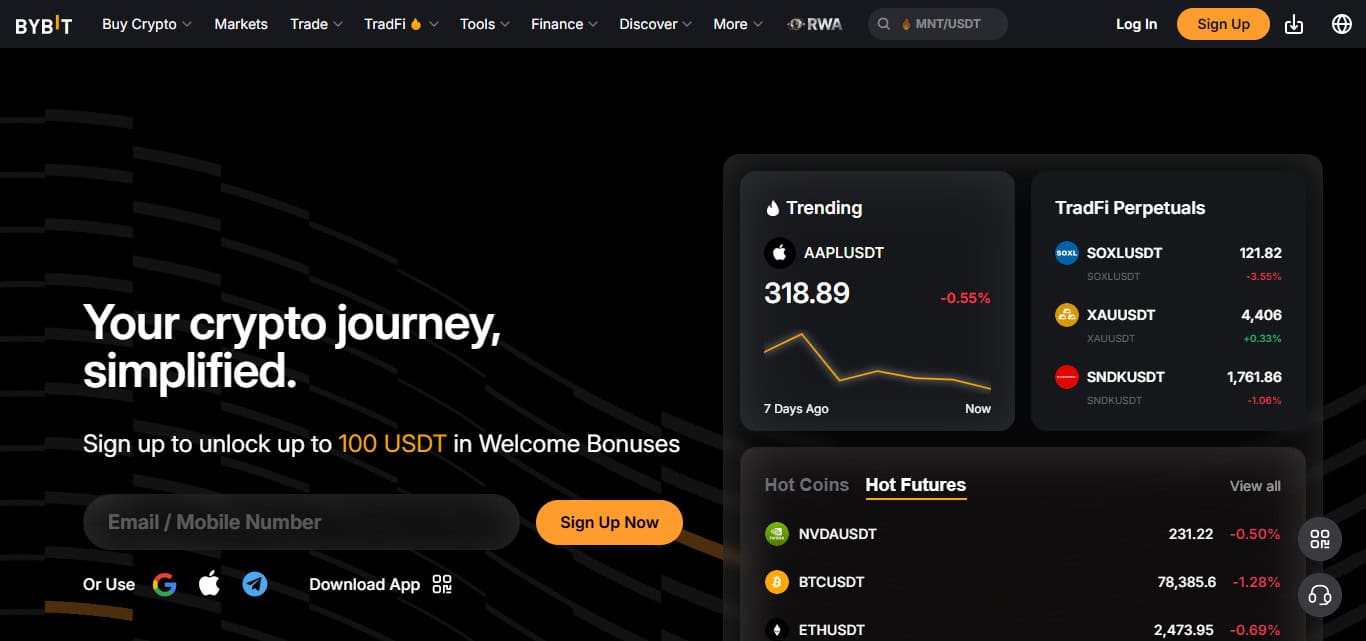
Bybit has 0.10% maker and 0.10% taker on spot trading, and other prices for different regions and VIP levels may apply. UAE traders should note that on June 2026, AED spot pair fees were changed. Bybit is appropriate for advanced traders with experience in derivative trading and active altcoin trading.
Bybit Features
- Offers cryptocurrency derivatives trading and futures.
- Has supports for established and emerging altcoins.
- Has trading features and tools that help lower trading costs for active during professional cryptocurrency traders.
| Pros | Cons |
|---|---|
| Strong focus on derivatives and futures trading. | Derivatives involve significant risk and potential losses. |
| Offers many established and emerging altcoins. | Beginners may find advanced tools complicated. |
| Competitive fees support active trading strategies. | Availability depends on local regulations. |
| Provides advanced trading tools and market features. | Some products are unsuitable for inexperienced traders. |
7. KuCoin
KuCoin focuses on cryptocurrency traders looking for a variety of altcoins. Some traders like that KuCoin includes small and unusual projects. Founded: September 2017. Currencies: KuCoin is known for immediately facilitating a lot of cryptocurrency transactions.
Transactions: KuCoin generally uses maker–taker fee system, and certain fees depend on the traded cryptocurrency, trading volume, and VIP status, among other things. KuCoin’s listing of a large number of potential trading pairs might make it useful for discovering underappreciated altcoins.
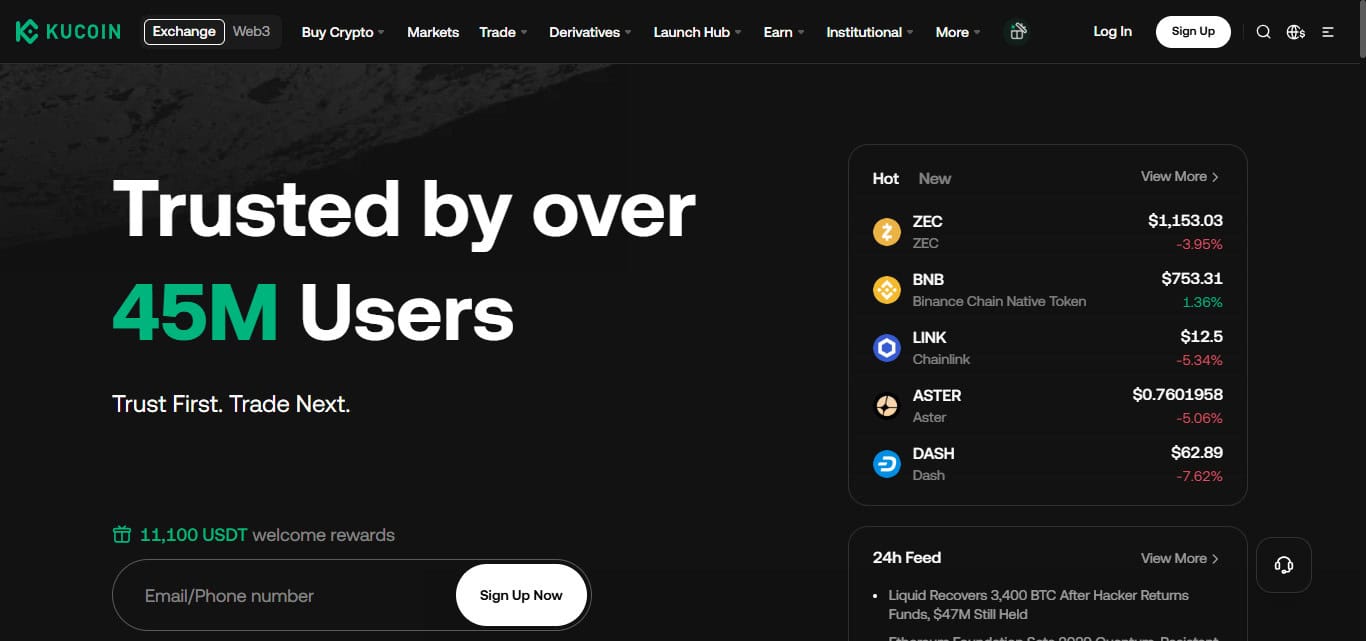
KuCoin also provides a range of advanced trading tools like trading bots, spot trading, margin trading, and derivatives. Users considering smaller altcoins should also assess liquidity and volatility, fundamentals, and whether the cryptocurrency can be withdrawn.
KuCoin Features
- Provides access to emerging altcoins and new tokens.
- Provides advanced automated trading tools.
- Offers trading tools for new cryptocurrency traders.
| Pros | Cons |
|---|---|
| Large selection of emerging altcoins. | Smaller tokens can carry higher investment risks. |
| Helps users discover newer cryptocurrency opportunities. | Extensive features may confuse inexperienced users. |
| Provides automated trading tools and bots. | Automated strategies can still produce substantial losses. |
| Supports multiple trading strategies and products. | Regulatory availability varies across different countries. |
8. Gemini
Gemini caters to investors looking for security, compliance, and regulated cryptocurrency offerings. Launch date: October 8, 2015 was the launch date for operations and trading. Supported cryptocurrencies: Gemini supports established cryptocurrencies and altcoins but has a varying list of assets based on location.
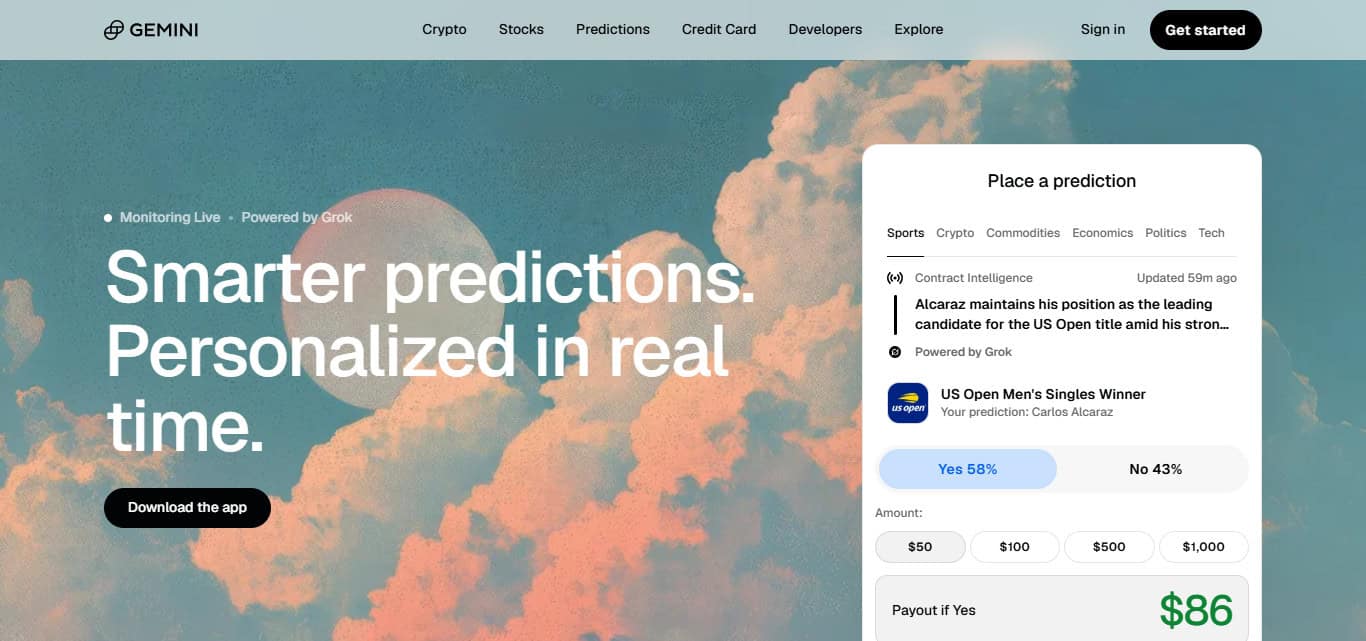
Trading fees: Gemini ActiveTrader has a maker-taker volume based fee structure with order type and trading volume determining the fee. Many services and features are intended to appeal to the more conservative investor and provide security but traders looking for hundreds of altcoins may feel that Gemini’s selection is inferior to other offerings.
Gemini Features
- Is focused highly on security for digital assets.
- Is subject to licensing and regulatory oversight.
- Has features to aid in compliant trading of crypto.
- Has insurance to cover eligible Digital Assets and accounts.
| Pros | Cons |
|---|---|
| Strong emphasis on cryptocurrency security. | Cryptocurrency selection may be more limited. |
| Focuses on regulatory compliance and licensing. | Trading fees can be higher than some competitors. |
| Provides security-focused account features. | Advanced traders may prefer broader trading options. |
| Offers protections for eligible assets under specific conditions. | Coverage depends on asset type and applicable terms. |
9. Bitget
Bitget gained popularity for its active crypto trading, derivatives, and copy-trading functionalities. Launch date: Bitget started in 2018. Supported cryptocurrencies: It has many cryptocurrencies and trading pairs, with provide major coins and altcoins, availability depends on the market and jurisdiction.
Trading fees: Bitget uses maker-taker pricing. Standard spot fees are approximately 0.10%, though they can easily vary based on the region and product. The copy-trading system can be useful for those interested in following some traders.
Also, the many altcoins can add some opportunities. However, copy trading and derivatives have a very high risk. People should not consider them as safe profit strategies.
Bitget Features
- Has cryptocurrency copy trading.
- Has features to follow the strategies of others.
- Has trading for high potential altcoins.
- Has advanced trading for crypto derivatives.
| Pros | Cons |
|---|---|
| Strong specialization in copy trading. | Copy trading does not guarantee profitable results. |
| Allows users to follow experienced traders. | Following another trader still involves significant risk. |
| Provides access to emerging altcoins. | Smaller altcoins can experience high volatility. |
| Offers derivatives and advanced trading features. | Derivatives may result in rapid and substantial losses. |
10. Uphold
Uphold takes a different approach by emphasizing simple conversions between cryptocurrencies, traditional currencies, and other supported assets. Launch date: Uphold was launched in 2015 and has developed into a multi-asset financial platform.
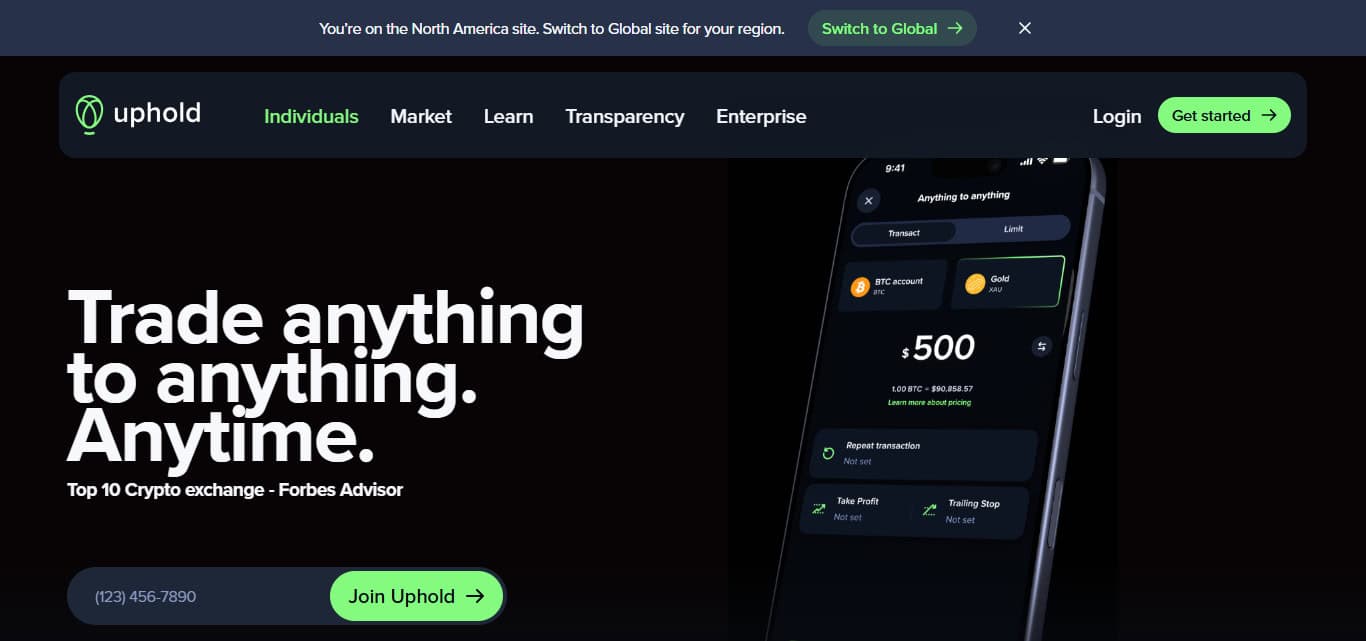
Supported cryptocurrencies: It supports a broad range of digital assets, although available assets depend on the customer’s jurisdiction.
Trading fees: Uphold’s current published rates for the U.S., U.K., and Europe typically show 2.85%–3.80% for altcoins, while BTC and ETH are generally 2.05%–2.20%; fees can vary according to location, liquidity, and market conditions.
Uphold Features
- Has a simple platform to manage cryptocurrency.
- Does currency exchange for multiple currencies for transactions worldwide.
- Supports management of crypto alongside alternative investments.
- Has an all in one platform to manage crypto along with other assets.
| Pros | Cons |
|---|---|
| Simple interface makes asset management convenient. | Trading spreads can increase transaction costs. |
| Supports multiple currencies and cryptocurrencies. | Advanced trading tools may be limited. |
| Allows management of different asset categories. | Asset availability varies by jurisdiction. |
| Provides a straightforward experience for everyday users. | May be less suitable for professional active traders. |
How We Choose The Best Altcoin Platforms
- Security: We look at the available encryption, security measures, and account protection.
- Regulation: We focus on altcoin platforms being operated in suitable regulatory environments.
- Coin Selection: We check how many altcoins and how diverse the altcoins are that are offered.
- Trading Fees: We look at fees, spreads, and total trading costs.
- Liquidity: We check how liquid the platform is to facilitate buying and selling.
- User Experience: We determine how easy to navigate and how accessible the platform is.
- Trading Features: We check how robust the trading features are with respect to tools, charts, orders, and trading.
- Reputation: We check how the trading history, how reliable the platform is, and customer feedback is.
- Payment Methods: We check how many payment and withdrawal methods are offered that are convenient.
- Customer Support: We check how fast the response is, how the support is offered, and how helpful it is.
Conclusion
In Summary To Safely Buy, Sell, and Trade Altcoins, Users Should Look At Security, Fees, Altcoin Selection, Liquidity, and Trading Features When Selecting the Best Platforms. Binance, Kraken, Coinbase, OKX, and More, Offer Different Things For Different Users.
Experience, Goals, Location and Tolerance For Risks Are Everything Users Should Think About Before Selecting An Exchange. Always Use Strong Security For Your Account, And Always Be Sure To Research Every Platform Thoroughly Before You Invest.
FAQ
What are the best platforms for trading altcoins?
Binance, Kraken, Coinbase, and OKX offer diverse altcoin trading options.
How can I choose a safe altcoin platform?
Compare security, regulation, fees, liquidity, reputation, and supported cryptocurrencies.
Which platform is best for beginners?
Coinbase offers a simple interface and beginner-friendly cryptocurrency trading tools.
Which platform offers many altcoins?
Binance and KuCoin provide extensive selections of various altcoins.
Are altcoin trading platforms completely safe?
No platform is completely risk-free; always use strong security practices.