It is helpful for the businesses to choose best employee management. These tools make handling the workforce easy — from payroll and HR automation to performance tracking and team collaboration.
Whether you run a small business or large enterprise, this guide mentions top platforms, key features, and insights to help improve efficiency, productivity and employee satisfaction.
Why Do Businesses need employee Management Tools?
Time Management – Automates your repetitive HR tasks like payroll, attendance and scheduling with utmost efficiency.
Fewer Errors – There are lesser manual errors in salary calculations, records and compliance processes.
Increase productivity – It tracks performance and keeps teams on task.
Enhances Communication — Built-in messaging and updates ensures collaboration with your team seamlessly.
Compliance Support – Ensure rule of labor laws, tax law, and organization policies are followed correctly.
Facilitates Remote Work – Provides tracking and communication as well as management of remote or field employees.
Scalability – Increase in line with the business, effortlessly emerging as more employees and complex processes.
Key Points & Best Employee Management Software Tools Reviewed and Ranked In 2026
Gusto – All-in-one HR platform combining payroll, benefits, onboarding, and performance tools for small businesses.
BambooHR – User-friendly HR software focusing on employee data, onboarding, performance tracking, and workflow automation tools.
Connecteam – Mobile-first employee management tool for scheduling, time tracking, communication, and frontline workforce coordination efficiently.
Homebase – Ideal for shift-based teams offering scheduling, time tracking, hiring, and basic HR management features.
Rippling – Unified platform integrating HR, IT, payroll, and automation for managing global workforce operations seamlessly.
ClickUp – Productivity and project management tool enabling task tracking, workflows, team collaboration, and employee performance monitoring.
Leapsome – Employee development platform focused on performance reviews, engagement surveys, learning, and continuous feedback systems.
Workday – Enterprise-grade HR software offering advanced analytics, payroll, talent management, and scalable workforce planning tools.
Hubstaff – Time tracking and productivity monitoring tool with GPS tracking, payroll integration, and workforce analytics features.
Keka – HR and payroll software popular in India, offering attendance, performance, and employee lifecycle management tools.
10 Best Employee Management Software Tools Reviewed and Ranked In 2026
1. Gusto
Gusto is a full-featured employee management platform for all types of businesses, but perfect for small and medium-sized businesses.
It does payroll processing, tax filing, and employee benefits administration in one easy-to-use platform.
Gusto takes a load off admin with built-in onboarding tools, time tracking, and compliance assistance.
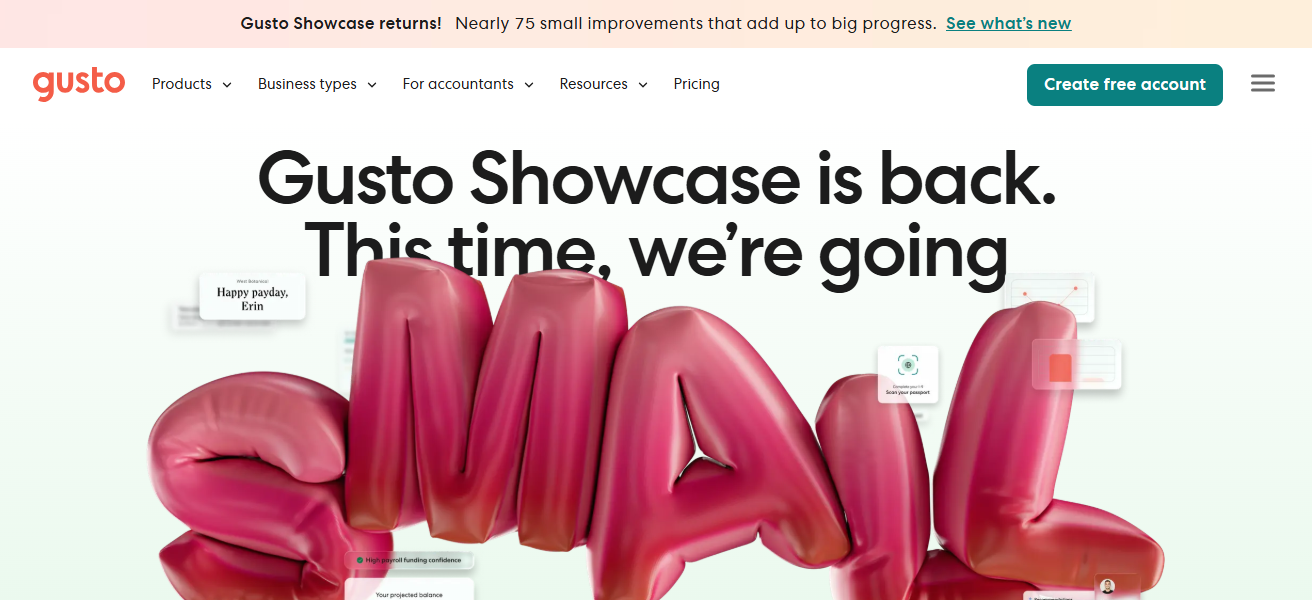
This makes it easy for employers to manage their teams with accuracy in payroll and HR processes, freeing up more time for growth and satisfaction within the workplace thanks to its user-friendly interface and automation.
| Pros | Cons |
|---|---|
| Easy payroll and tax automation | Limited advanced HR features |
| User-friendly interface for beginners | Pricing increases with features |
| Strong benefits management tools | Not ideal for large enterprises |
| Good compliance support | Limited global payroll support |
2. BambooHR
BambooHR A popular human resource software solution that helps HR teams manage employee data and work tasks.
Includes Applicant Tracking, Onboarding, Performance Management and Time-off Tracking together in a single system.
BambooHR organizes data and enhances reporting capabilities that provide useful intelligence right up to a decision level, all with the view of helping a growing company.
Through its intuitive dashboard and customizable tools, it helps businesses to increase the employee experience, optimize processes & maintenance of accurate records leading to better workforce management and productivity.
| Pros | Cons |
|---|---|
| Clean and intuitive interface | Payroll not available in all regions |
| Strong employee data management | Limited customization options |
| Excellent onboarding tools | Can be costly for small teams |
| Useful reporting and analytics | No built-in advanced IT management |
3. Connecteam
Connecteam is a mobile-first employee management app for deskless and frontline teams. It aligns all tools for scheduling, time tracking, managing tasks, and internal communication together in one app.
Employers are able to track employee activity and assign task or share updates in real time. For industries including retail, construction and logistics, it is easy to use with excellent mobile capabilities.
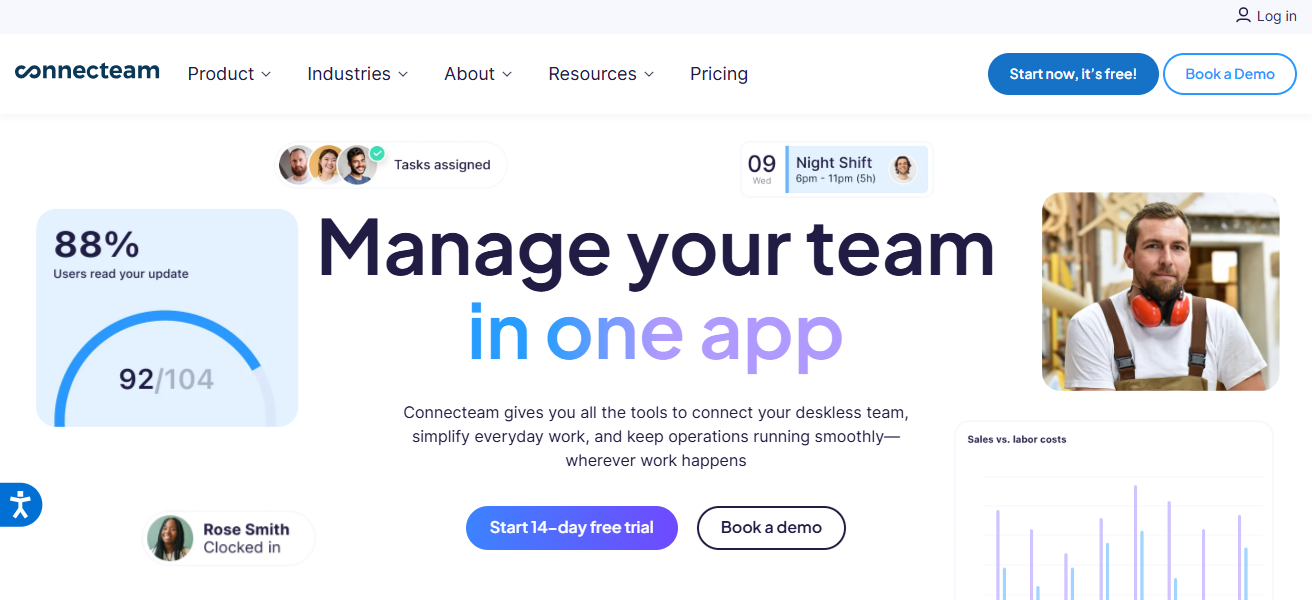
Connecteam Connecteam delivers a mobile workplace platform that allows businesses to keep their teams connected, excited, accountable and very productive without the need to invest huge amount of time on complicated desktop systems and infrastructure.
| Pros | Cons |
|---|---|
| Excellent mobile functionality | Limited desktop experience |
| Ideal for deskless teams | Advanced features cost extra |
| Built-in communication tools | Not suited for large enterprises |
| Easy scheduling and tracking | Customization can be limited |
4. Homebase
Best for hourly workers, Homebase is an employee management program designed specifically for shift-based teams like restaurants and retailers
It comes with a simple interface that combines scheduling, time tracking, hiring and team communication features. It allows managers to schedule smoothly, monitor attendance, and manage payroll integrations.

It helps ensure labor law compliance and also prevents scheduling conflicts. Automation of repetitive tasks allows managers to focus on customer and team productivity, streamlining and organizing day-to-day operations.
| Pros | Cons |
|---|---|
| Great for shift-based businesses | Limited HR features |
| Free basic plan available | Payroll add-on costs extra |
| Easy scheduling and time tracking | Not ideal for remote teams |
| Compliance and labor tools included | Basic reporting capabilities |
5. Rippling
Among the hundreds of options available, Rippling is a unique one-stop employee management tool that combines HR, IT and payroll all in one.
It provides seamless management of employee data, devices, apps and payroll. For complex processes like onboarding, offboarding, and compliance — especially complicated for global teams — rippling makes automation easy.
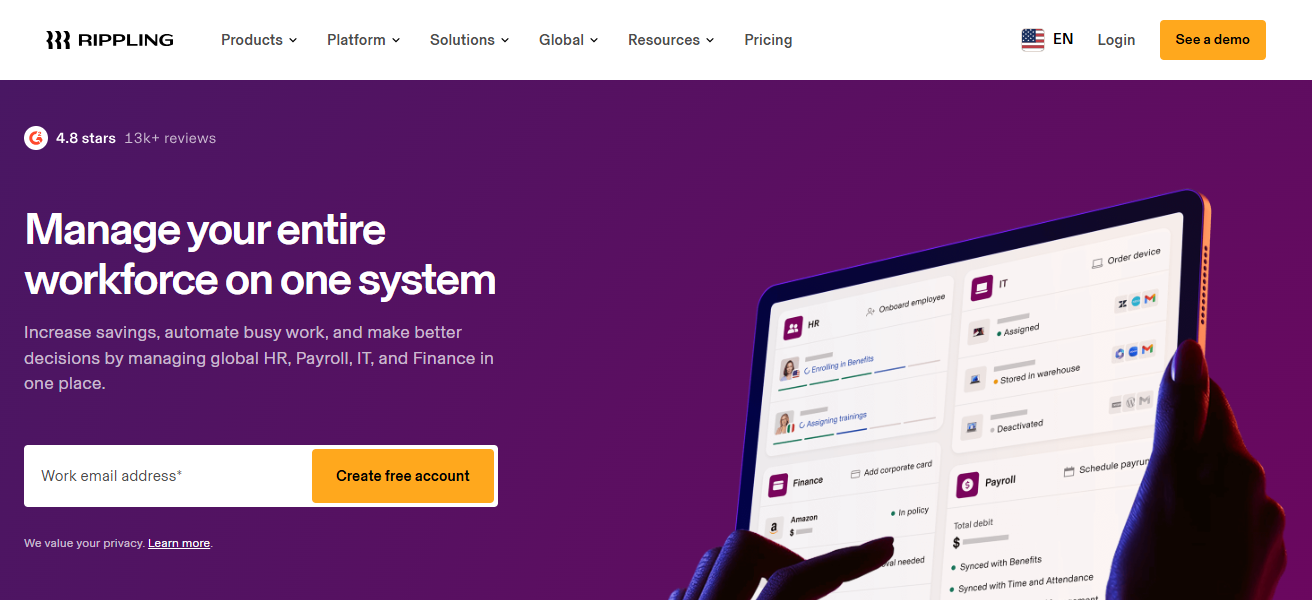
It provides scalability of infrastructure and allows organizations to grow their operations without moving from one system to another.
Because of this, it’s a perfect option for companies demanding efficiency, control and centralised workforce management – it allows you to unify all your administrative functions under one umbrella.
| Pros | Cons |
|---|---|
| Combines HR, IT, and payroll | Higher pricing for small businesses |
| Strong automation capabilities | Can be complex to set up |
| Scalable for global teams | Learning curve for new users |
| Centralized employee management | Some features require add-ons |
6. ClickUp
ClickUp is a flexible platform for personal productivity and project management that also allows you to track employees by creating a variety of tasks from clickup creation and collaboration features.
Teams can create assignments, set objectives, track progress and communicate with each other in one workspace. With those customizable workflows and dashboards fit for a number of various sized industries.
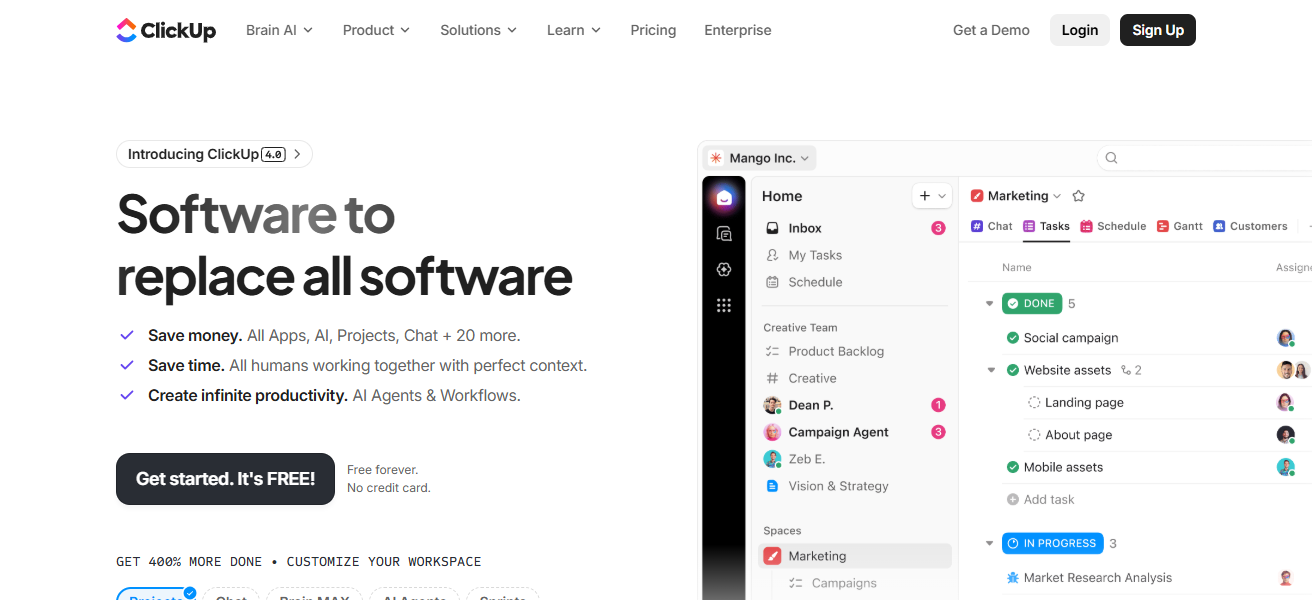
ClickUp provides real-time tracking of projects and individual work, further enhancing transparency and accountability.
This enables managers to drive team efficiency and monitor their projects moving forward, ensuring they hit milestone deadlines.
| Pros | Cons |
|---|---|
| Highly customizable workflows | Can feel overwhelming initially |
| Strong collaboration features | Not a dedicated HR tool |
| Affordable pricing options | Setup takes time |
| Real-time task tracking | Limited payroll or HR features |
7. Leapsome
Leapsome provides an integrated employee enablement platform that focuses on people: performance management, engagement and learning in a continuous way.
The platform includes performance reviews, goals, feedback and employee surveys. Aligning Groups to the Goals Above you can have a structure of growth throughout the organization.
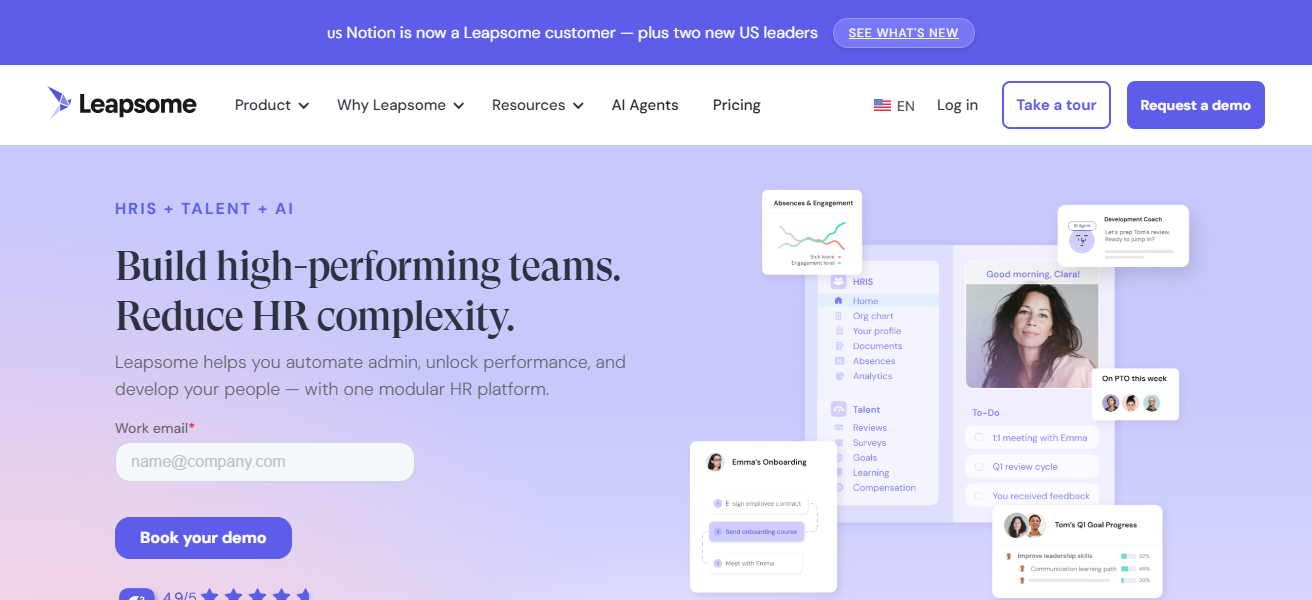
Learning and Development features from Leapsome help you get employees upskilled. It’s a strong fit for any business looking at employee development and future growth
As its data-driven insights help HR teams to identify trends and maximize engagement amongst the workforce.
| Pros | Cons |
|---|---|
| Excellent performance management tools | No payroll functionality |
| Focus on employee development | Pricing not transparent |
| Strong feedback and survey system | May be complex for small teams |
| Learning and growth features included | Limited integrations compared to competitors |
8. Workday
Workday is a very strong enterprise-grade solution for organizations with thousands of employees. It provides features in human capital management, payroll, talent acquisition, and workforce analytics.
The cloud-based platform by Workday provides easily accessible information to make strategic decisions.
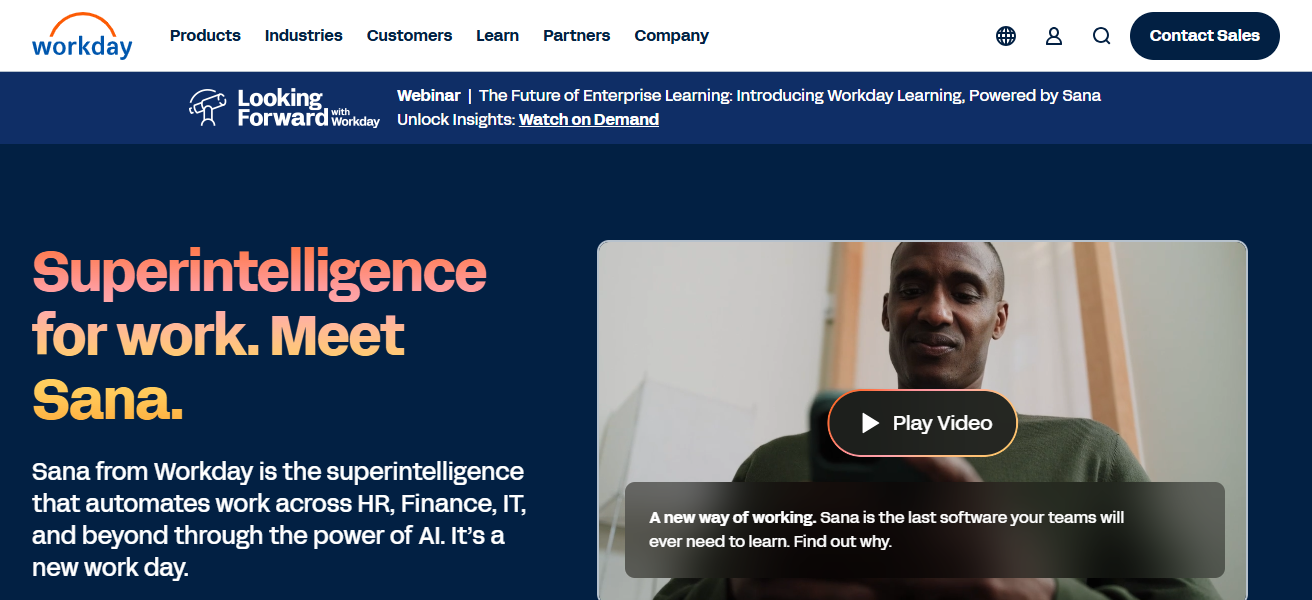
It works splendidly for businesses with complex organization structure, thanks to its scalability and rigorous reporting tools.
The integration of finance and HR functions lets Workday provide businesses with a deeper insight into assessments performed on their workforce, optimizing planning and compliance management across multiple regions and departments.
| Pros | Cons |
|---|---|
| Powerful enterprise-level features | Very expensive |
| Advanced analytics and reporting | Complex implementation process |
| Scalable for large organizations | Requires training to use |
| Integrates HR and finance | Not suitable for small businesses |
9. Hubstaff
Time tracking, productivity monitoring, remote team management: Hubstaff is a workforce management tool.
It helps with GPS tracking, activity monitoring, payroll integration and reporting. Strictly no undercoating from the diagnostic system
Where businesses get a precise measure of employee time and an understanding of productivity patterns.
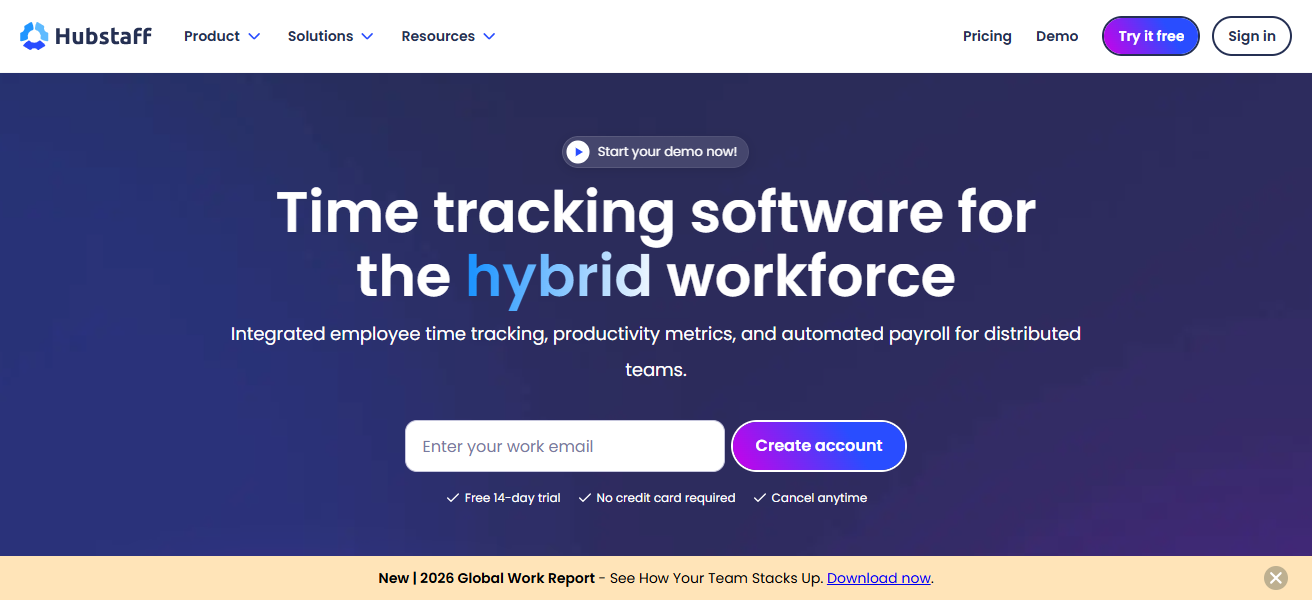
Hubstaff is especially valuable for remote teams and freelancers because it helps remove ambiguity around who did what, when.
Its automation reduces manual work while allowing management to gain precise insights into the performance of their team and best leverage resources for optimal efficiency.
| Pros | Cons |
|---|---|
| Accurate time tracking tools | Employee monitoring concerns |
| GPS and remote tracking features | Limited HR functionalities |
| Easy payroll integration | Interface can feel basic |
| Good productivity insights | Not ideal for large enterprises |
10. Keka
Popular types of HR and payroll are Keka, which is contemporary HR and payroll software work in India.
It provides robust features for attendance, payroll processing, performance management and employee self-service portals.

Keka automates many complicated HR processes with ease, offering a user-friendly experience in its design.
This is has to be ensured in consonance with labour laws and tax regulations of India. Keka maintains a firm focus on the user experience
which enables them to provide seamless HR efficiency, better employee engagement and helps manage the entire employee lifecycle from hiring to exit.
| Pros | Cons |
|---|---|
| Strong payroll for Indian businesses | Limited global support |
| User-friendly interface | Customization limitations |
| Good attendance and leave tracking | Smaller integration ecosystem |
| Compliance with Indian laws | Not ideal for global enterprises |
Here are the key criteria used to choose and rank the best employee management software tools, explained briefly:
- Ease of Use – Simple interface, quick setup, and minimal training required for HR teams and employees.
- Core Features – Includes payroll, attendance, onboarding, performance tracking, and employee data management capabilities.
- Automation Capabilities – Ability to automate repetitive tasks like payroll processing, scheduling, and compliance tracking efficiently.
- Scalability – Suitable for small businesses and capable of growing with expanding teams and organizational needs.
- Integration Support – Works smoothly with third-party tools like accounting software, CRM systems, and communication platforms.
- Pricing & Value – Competitive pricing with features that justify cost, including free plans or flexible subscriptions.
- Customer Support – Availability of reliable support through chat, email, or phone for quick issue resolution.
- Security & Compliance – Strong data protection, privacy standards, and compliance with local labor laws and regulations.
- Mobile Accessibility – Availability of mobile apps for managing teams remotely and supporting deskless or field employees.
- User Reviews & Ratings – Real-world feedback from users highlighting strengths, weaknesses, and overall satisfaction levels.
Cocnlsuion
Conclusion The best employee management software is based on the size of the business, purpose and features it needs.
Whether payroll automation or performance tracking, the best tool in the right hands can create a work environment that boosts productivity.
By 2026, leading platforms provide scalability, ease of use and rich integrations. Choosing a technology that is right for you not only helps businesses improve efficiency and mitigate risks
but also aligns employee needs with growing businesses, improves compliance and fosters an organized, engaged workforce.
FAQ
What is employee management software?
Employee management software helps businesses manage HR tasks like payroll, attendance, performance, and onboarding efficiently.
Which features should I look for in employee management software?
Key features include payroll, time tracking, onboarding, performance management, and reporting tools.
Is employee management software suitable for small businesses?
Yes, many tools are designed specifically for small businesses with affordable pricing and simple interfaces.
What is the best employee management software in 2026?
Top tools include Gusto, BambooHR, and Rippling, depending on business needs.