
In this article, I will discuss the Legal Workflow Tools Built for Remote Law Firms and how they are transforming modern legal practice.
These tools help lawyers manage cases, automate tasks, streamline billing, and improve client communication from anywhere.
With cloud-based access and AI-driven features, they enable remote law firms to work more efficiently, securely, and productively in today’s digital legal environment.
Key Poinst & Legal Workflow Tools Built for Remote Law Firms
Clio Manage cloud legal practice management platform for remote law firms efficiently
PracticePanther automates legal workflow and billing, and case management for remote law firms efficiently
MyCase provides cloud-based case management tools for remote legal teams anywhere
Smokeball tracks legal work automatically, improving productivity for remote law firms efficiently
NetDocuments secure cloud document management system for remote legal collaboration, efficient, and scalable
Filevine streamlines case tracking and project management for remote law firms efficiently
Rocket Matter offers legal billing, time tracking, and workflow automation remotely and efficiently
Lawmatics automates legal client intake, CRM, and marketing for remote firms efficiently
Zola Suite integrates practice management, email, and accounting for remote law firms efficiently
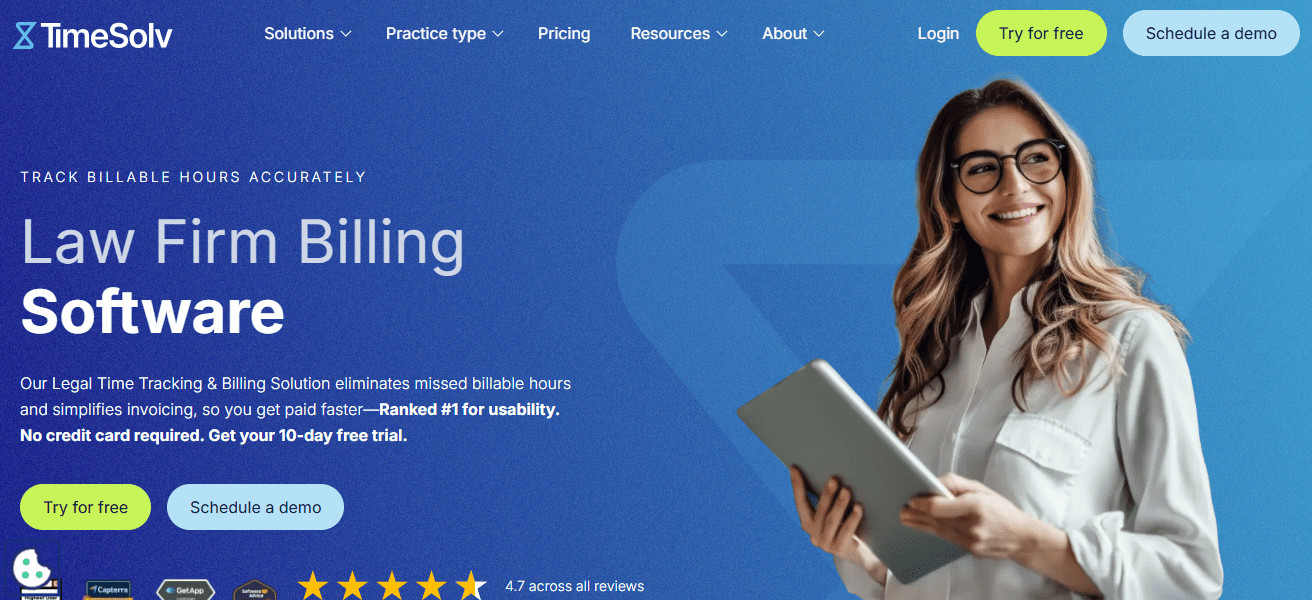
TimeSolv provides accurate time tracking, billing, and invoicing for remote lawyers efficiently
10 Legal Workflow Tools Built for Remote Law Firms
1. Clio
In 2026, Clio is the most popular cloud-based legal workflow platform among remote law firms. It now features AI-supported document generation, smart billing automation, and intelligent client intake via Clio Grow.
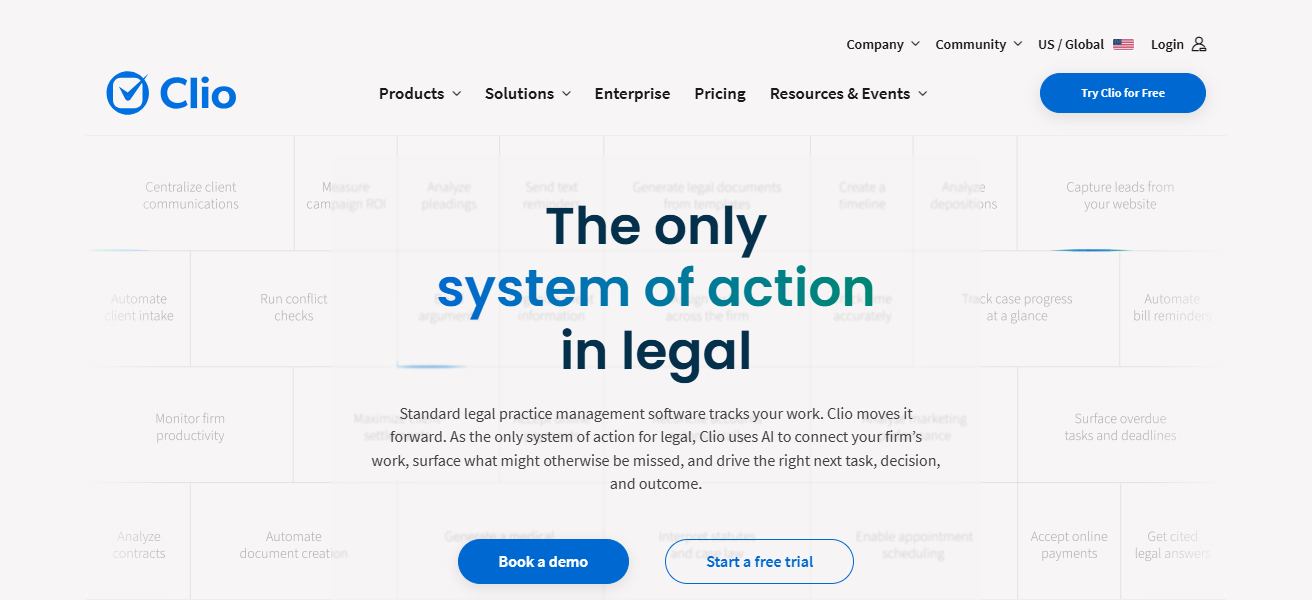
It again provides features like e-filing and legal research tools, thus minimizing the manual chain of workload. Some of our recent updates include
AI-based case summaries and automated work that links tasks, calendars, and payments seamlessly, making Clio’s legal practice ecosystem one of the most complete remote practice tools on the market right now.
| Pros | Cons |
|---|---|
| AI-powered document drafting improves legal productivity | Pricing can be expensive for small firms |
| Strong cloud ecosystem with Clio Grow integration | Learning curve for advanced features |
| Excellent billing and time tracking automation | Requires stable internet for full performance |
| Secure e-filing and compliance-ready tools | Some features locked in higher-tier plans |
2. PracticePanther
PracticePanther is a simplicity-focused, no-frills (but powerful) legal workflow tool built especially for small and remote law firms that want to spend less time tracking case status using spreadsheets.
This is has time tracking, billing and client management built in and it will allow you to create tasks automatically.

Workflows are triggered from email, and matter templates are even more intelligent, leading to 10x speed in case setup recently.
While it is not as comprehensive as premium platforms, its user-friendliness and rapid onboarding also make it an overwhelmingly popular choice for solo attorneys and distributed legal teams running their daily case operations from anywhere.
| Pros | Cons |
|---|---|
| Very easy to use with quick onboarding | Limited advanced automation features |
| Strong time tracking and billing system | Fewer customization options than competitors |
| Email-based workflow automation | Reporting tools are basic |
| Ideal for solo lawyers and small firms | Not ideal for complex enterprise workflows |
3. MyCase
MyCase is a remote-first online legal workflow software enabling client communication and streamlined case management.
Features like integrated client-forums, secure messaging channels, document sharing capabilities, and flexible billing options are included. New updates improve batch invoicing and e-signature workflows to accelerate case closures.

Customization is limited, but MyCase’s simplicity and seamless client experience make it ideal for remote law firms looking to improve their communication while maintaining case visibility across dispersed teams.
| Pros | Cons |
|---|---|
| Excellent client communication portal | Limited workflow customization |
| Secure messaging and document sharing | Fewer integrations than top competitors |
| Easy setup and user-friendly interface | Reporting features are basic |
| Strong e-signature and invoicing tools | Not suitable for complex litigation firms |
4. Smokeball
Smokeball — Smokeball is the hybrid-cloud provider of a legal practice management software known for automatic activity tracking, document automation, and a dynamic case management system.
It tracks work time in the background. Streamlits has beaten billed hours for remote lawyers. The newest release includes improved integration with Microsoft Word and automated libraries of legal forms.

It is especially powerful for high-volume casework firms. Yet the flexibility is limited by its usability on PC only.
That being said, Smokeball is still a productivity tool that sits on the right side of the categories and allows remote legal teams to use your practice management system with minimal administrative overhead.
| Pros | Cons |
|---|---|
| Automatic activity tracking boosts billing accuracy | Windows-only limitation reduces flexibility |
| Strong document automation system | High system resource usage |
| Great for high-volume legal work | Limited mobile and cloud flexibility |
| Microsoft Word integration is powerful | Setup can feel complex initially |
5. NetDocuments
NetDocuments is a secure, enterprise-grade cloud document management system for remote legal teams. It offers state-of-the-art encryption, versioning, and storage that complies with regulations.
Upgrades include AI-powered document search and automated document classification for quicker retrieval. Its zero-trust security structure is just perfect for the sensitive handling of legal information.
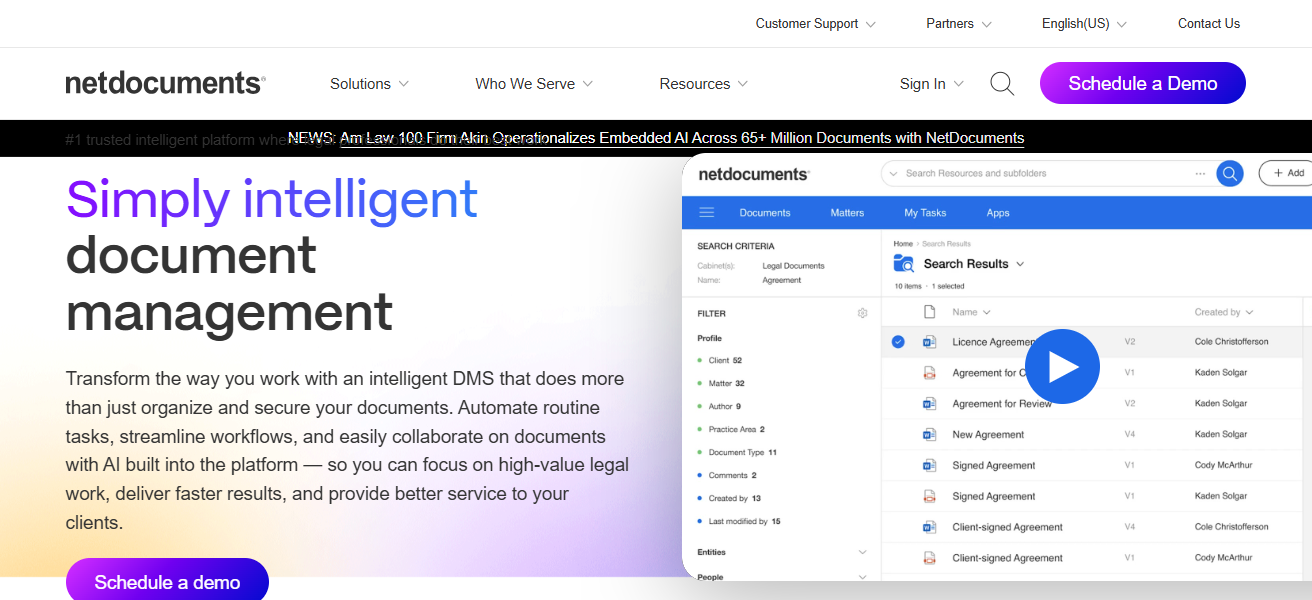
Again, it ties in seamlessly with Microsoft 365 so remote firms can collaborate across jurisdictions without compromising data governance standards.
| Pros | Cons |
|---|---|
| Enterprise-level security and encryption | Expensive for small law firms |
| AI-powered document search and classification | Requires training for full use |
| Excellent Microsoft 365 integration | Interface feels complex for beginners |
| Strong compliance and governance support | The interface feels complex for beginners |
6. Filevine
Filevine is a flexible, data-driven legal workflow platform tailored for organized case management.
This lets firms create dynamic workflows, automate the assignment of tasks, and manage complex litigation pipelines.
We’ve made some recent improvements, including AI-guided reporting & real-time client communication tools.

This is very common in personal injury law. Its visual dashboards and matter phase customization are particularly beneficial
For remote teams, it ensures that all parties, regardless of their location, are able to easily monitor the progress made on matters through various phases while also helping to streamline operations.
| Pros | Cons |
|---|---|
| Highly customizable workflows | Can be overwhelming for new users |
| Strong litigation case tracking system | Pricing not transparent publicly |
| Real-time communication tools | Requires setup time for full optimization |
| Visual dashboards improve case clarity | Too complex for small solo practices |
7. Rocket Matter
Rocket Matter is a cloud-based legal workflow and billing software designed for remote-ready debt-free firms. It systemizes time tracking, invoicing, and project management.
Some of the latest features have been in productivity analytics and task automation, making it better.
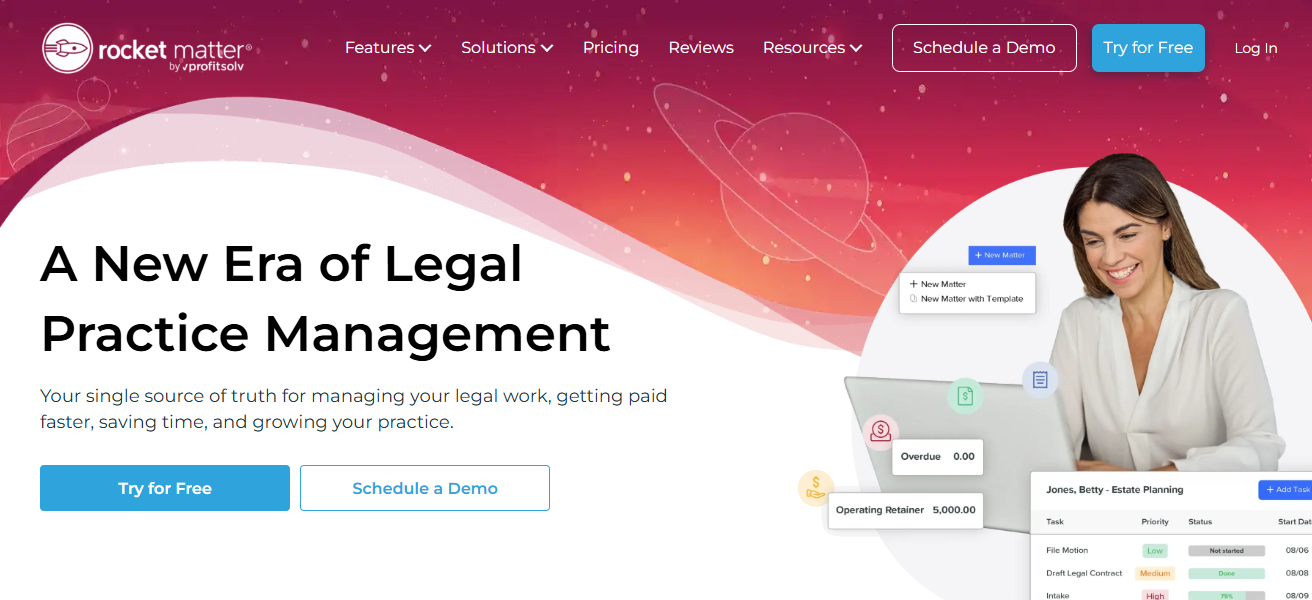
Although it lacks some of the features larger competitors provide, its excellent billing accuracy and straightforward workflow make it a solid choice for firms interested primarily in revenue tracking and operational transparency in remote legal environments.
| Pros | Cons |
|---|---|
| Strong billing and time tracking accuracy | UI feels less modern than competitors |
| Simple workflow management | Limited advanced automation features |
| Good productivity analytics | Fewer third-party integrations |
| Reliable for remote financial tracking | Not ideal for large enterprise firms |
8. Lawmatics
Lawmatics: A tool to help remote law firms streamline client intake and marketing. Lawmatics plugs into Llama.
Automates leads tracking, email campaigns, and consultation planning. New capabilities for AI impact: customization of client communication; increase in conversion rates.
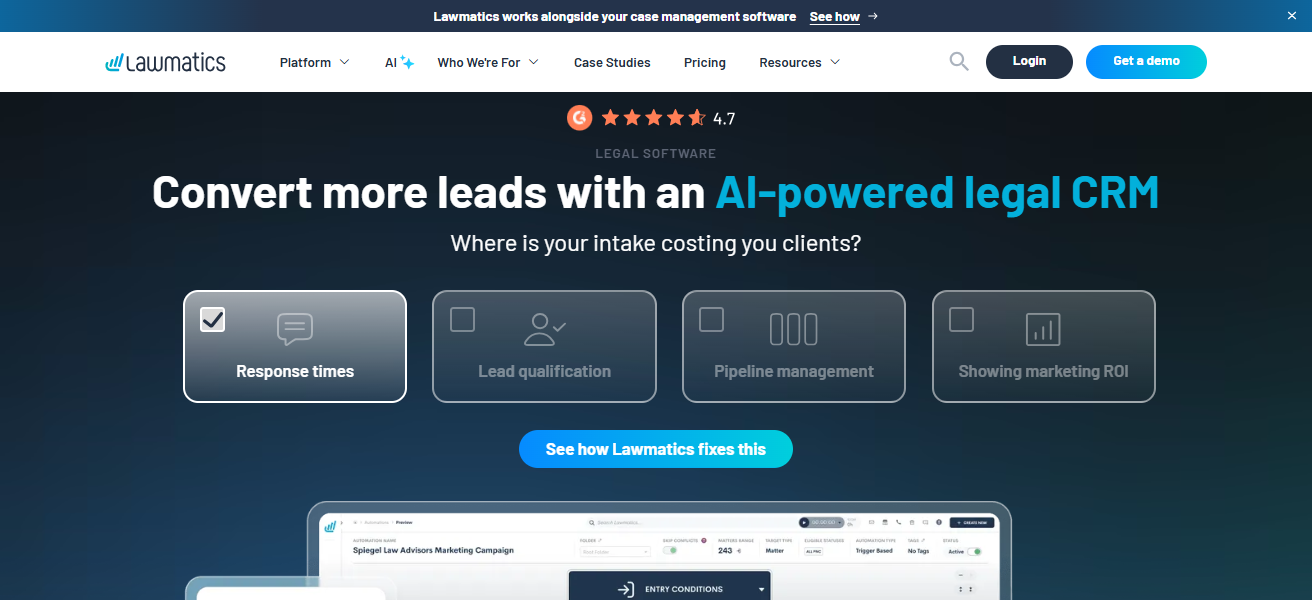
It also truly integrates with legal practice tools to ensure seamless workflow continuity. Remote firms generally leverage Lawmatics to streamline
Their lead-to-client process from beginning to end while still engaging clients/inquirers at every stage of the legal journey.
| Pros | Cons |
|---|---|
| Powerful legal CRM and client intake automation | Focused more on marketing than case management |
| AI-driven lead conversion tools | Can be costly for small firms |
| Strong email and campaign automation | Requires setup time for workflows |
| Improves client engagement significantly | Limited legal document tools |
9. Zola Suite
Zola Suite — Zola Suite is an all-in-one solution for legal (cloud-based) workflow and accounting platform, with aspects such as case management, billing, and email tracking.
The built-in legal accounting under-firm management system cuts dependence on auxiliary tools, which is one of the highlights of this software.

On the recent functionality side, it is concentrating on AI-aided email organisation, smarter task joining, etc. Its consolidated dashboard, which connects both financial and case data, is a boon for remote law firms.
But, with a more complex interface that needs some onboarding, it probably works best for larger, structured mid-size legal practices.
| Pros | Cons |
|---|---|
| Built-in accounting system reduces extra tools | Complex interface for beginners |
| Strong email and case integration | Slower onboarding process |
| Unified dashboard for billing and cases | Not very lightweight for small firms |
| AI-assisted email organization | Requires training for full efficiency |
10. TimeSolv
TimeSolv. Cloud-based legal billing and time tracking solution for remote attorneys and firms. It has robust reporting features, detailed time capturing, and automated invoicing and expense management.
Mobile-first billing updates and better integration with accounting systems are some of the recent enhancements. It is especially appreciated for the accuracy of its billing compliance and its ease of use.
Remote Firms rely on TimeSolv to optimize captured workflows so revenue is collected faster & billing processes are clearer across distributed teams.
Let me start this article by talking about E-Discovery Tools Every Legal Team Should Know, as they are revolutionizing modern-day legal workflows.
These state-of-the-art platforms assist attorneys in gathering, managing, and conducting E-Discovery on a large scale of digital data, along with agility and accuracy.
These tools range from AI-driven document examination to cloud-based investigation systems, rapidly becoming necessary components for efficiency, compliance, and decision-making within complex legal cases now more than ever.
| Pros | Cons |
|---|---|
| Highly accurate time tracking system | Limited case management features |
| Strong billing and invoicing automation | UI is relatively basic |
| Excellent mobile accessibility | Not a full legal workflow suite |
| Good accounting integrations | Lacks advanced AI features |
Cocnlsuion
In summary, Legal workplace tools have revolutionised remote lawyers by integrating case management, billing, document handling and client communication all in one secure platform.
They decrease manual labor, foster collaboration, and enable productivity among dispersed teams. Armed with automation and the convenience of cloud access
These tools allow attorneys to work efficiently from just about anywhere, making modern legal practice significantly faster, better organized and scalable in an online world.
FAQ
What are legal workflow tools for remote law firms?
Legal workflow tools are cloud-based platforms that help remote law firms manage cases, clients, documents, billing, and communication in one system efficiently.
Why are legal workflow tools important for remote law firms?
They improve productivity by automating tasks, reducing paperwork, enhancing collaboration, and enabling lawyers to work securely from any location.
Which is the most popular legal workflow tool in 2026?
Tools like Clio, PracticePanther, and MyCase are among the most widely used due to their cloud automation and remote-friendly features.
Do these tools support document management?
Yes, most platforms like NetDocuments and Clio offer secure document storage, version control, and easy sharing for legal teams.