
In this article, I will discuss the SaaS tools every CFO is adding to their finance stack in 2026, transforming how modern finance teams operate.
From AI-powered FP&A platforms to automated spend management and cloud ERP systems, these tools are reshaping budgeting, forecasting, compliance, and financial reporting.
CFOs are increasingly adopting scalable, data-driven solutions to improve accuracy, efficiency, and strategic decision-making in today’s fast-changing business environment.
Key Points & SaaS Tools Every CFO Is Adding to Their Finance Stack In 2026
- Datarails (FP&A): Centralizes Excel-based financial planning, automates reporting, and improves forecasting accuracy.
- Ramp (Spend Management): Automates expense tracking, controls company spending, and optimizes corporate financial workflows.
- NetSuite (ERP): Cloud ERP system managing accounting, inventory, operations, and financial consolidation globally.
- Sage Intacct (Core Finance): Cloud accounting platform delivering real-time financial reporting and multi-entity management.
- Anaplan: Connected planning platform enabling enterprise-wide forecasting, budgeting, and scenario modeling at scale.
- FloQast: Streamlines month-end close process with automation, reconciliation, and audit-ready financial workflows.
- Mercury (Banking): Digital banking platform offering startups seamless accounts, payments, and cash management tools.
- Workday (Human Capital Management): Unified HR platform managing payroll, workforce planning, and employee lifecycle operations efficiently.
- Cube (FP&A): Spreadsheet-native FP&A tool connecting Excel models with centralized data and automation layers.
- AuditBoard (Compliance): Risk and compliance platform simplifying audits, controls management, and regulatory reporting processes.
10 SaaS Tools Every CFO Is Adding To Their Finance Stack In 2026
1. Datarails (FP&A)
A contemporary FP&A platform called Datarails was created to empower finance teams that still mostly use Excel-based workflows.
Centralizing spreadsheets into a single cloud system removes problems associated with manual consolidation.
In order to assist CFOs in making quicker strategic decisions, it incorporated AI-powered forecasting and real-time variance analysis in 2026.
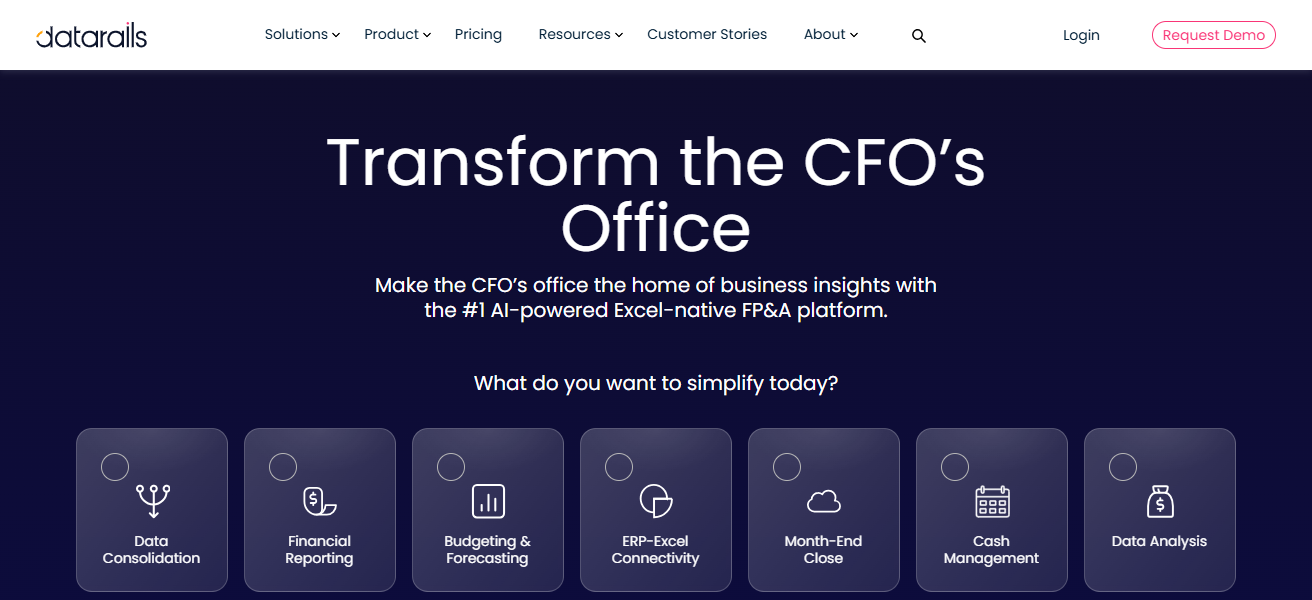
Automated reporting dashboards are now made possible by the platform’s smooth integration with ERP systems like NetSuite and Sage.
Its strength is that it introduces enterprise-grade automation, scalability, and sophisticated financial intelligence while maintaining Excel familiarity.
| Feature | Explanation |
|---|---|
| Excel Integration | Works directly with Excel for seamless financial modeling workflows. |
| AI Forecasting | Uses AI to generate accurate financial forecasts and insights. |
| Automated Reporting | Eliminates manual consolidation by automating financial reports. |
| ERP Connectivity | Integrates with NetSuite, Sage, and other enterprise systems. |
2. Ramp (Spend Management)
Ramp is a cutting-edge spend management system that automates corporate cards, procurement procedures, and spending tracking.
It has included more AI-driven cost optimization tools in 2026 that identify hidden SaaS waste and pointless subscriptions.
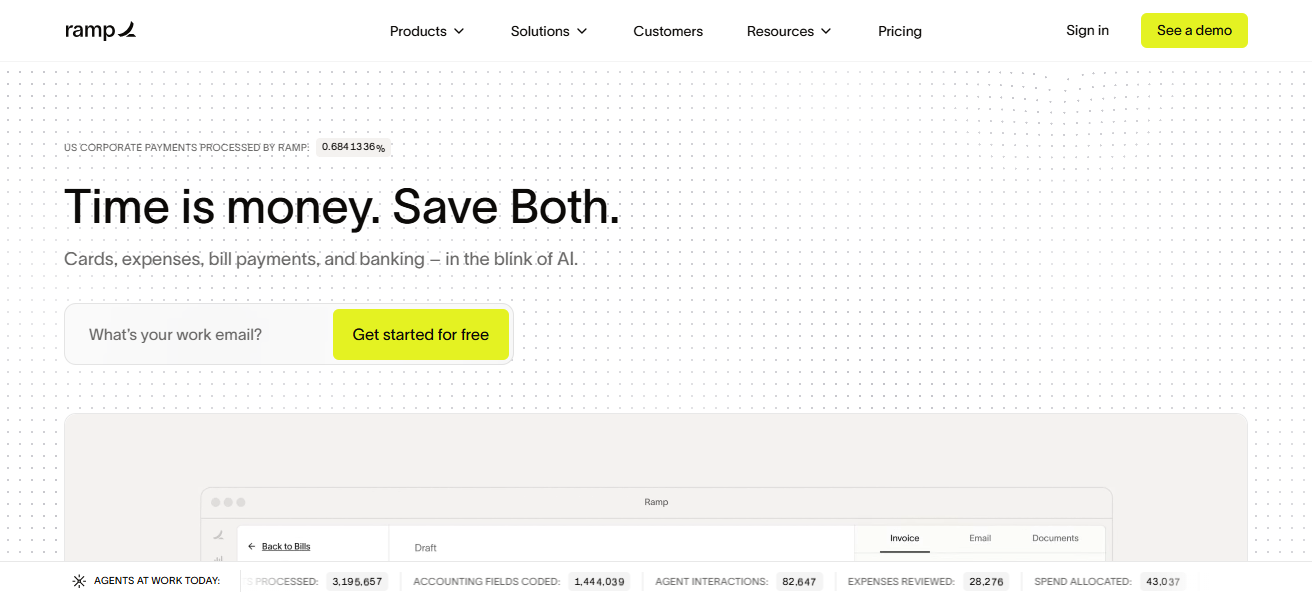
Ramp is used by CFOs to minimize human spending approvals and enforce real-time budget constraints. Instant reconciliation is made possible by its direct integration with accounting programs like NetSuite and QuickBooks.
Predictive spend analytics, which enables businesses to proactively manage cash flow and enhance financial discipline at scale, is its most notable breakthrough.
| Feature | Explanation |
|---|---|
| Smart Expense Tracking | Automatically records and categorizes business expenses in real time. |
| Corporate Cards | Provides virtual and physical cards with built-in spending controls. |
| SaaS Optimization | Detects unused subscriptions and reduces unnecessary software costs. |
| Real-Time Analytics | Offers live dashboards for budget control and cash flow insights. |
3. NetSuite (ERP)
Owned by Oracle, NetSuite is still a top cloud ERP software that provides complete business administration for operations, CRM, inventory, and finance.
It has improved worldwide tax compliance solutions and AI-based financial closure automation for multinational corporations in 2026.
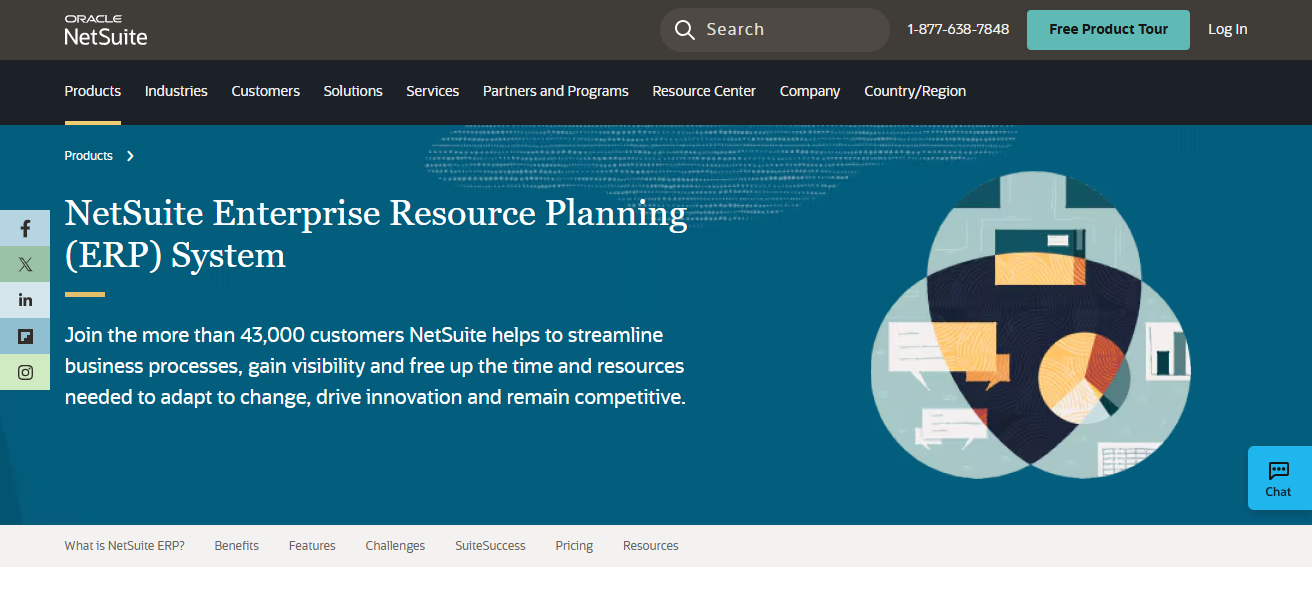
CFOs depend on NetSuite for scalable enterprise reporting and real-time financial consolidation. Departmental silos are eliminated by its unified data approach.
Advanced analytics dashboards are now supported by the platform, allowing for predictive financial planning and enhancing operational effectiveness in rapidly expanding multinational corporations.
| Feature | Explanation |
|---|---|
| Unified ERP System | Combines finance, CRM, inventory, and operations in one platform. |
| Global Financial Management | Supports multi-country accounting and tax compliance needs. |
| AI Close Automation | Speeds up financial closing with intelligent automation tools. |
| Advanced Analytics | Provides real-time dashboards and predictive financial insights. |
4. Sage Intacct (Core Finance)
Sage Intacct is a robust cloud-based core finance system with real-time financial visibility and extensive accounting capabilities.
To lower the danger of fraud, it used sophisticated AI-powered anomaly detection in financial transactions in 2026.
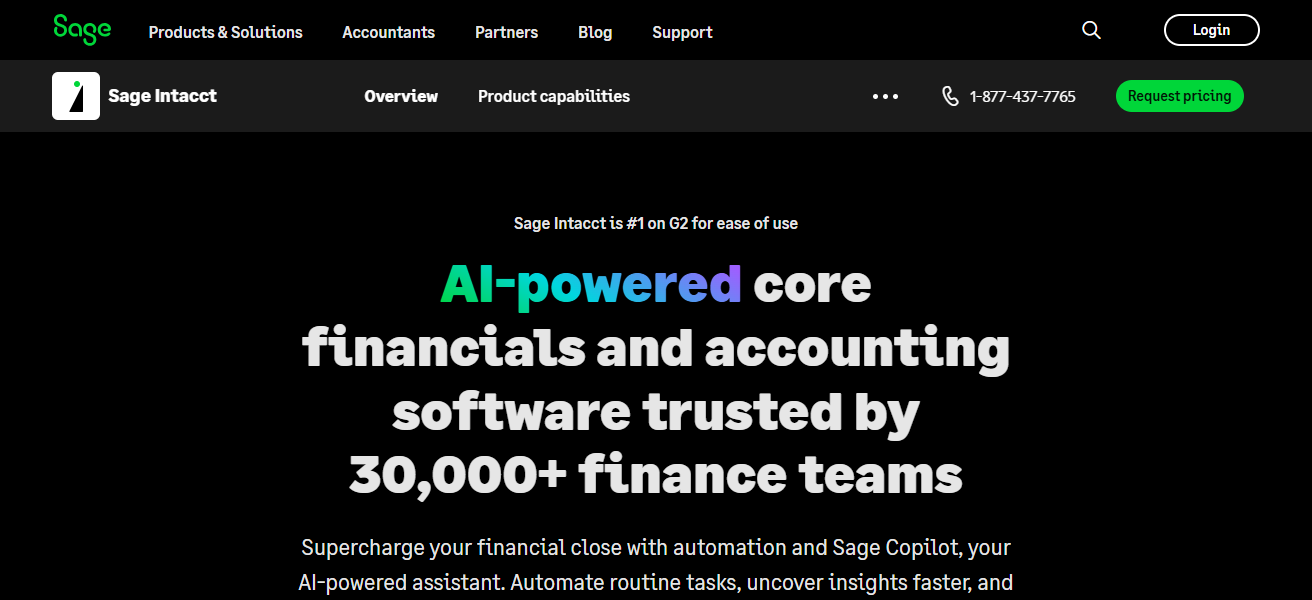
It is perfect for multinational corporations since it facilitates multi-entity consolidation. Its robust compliance reporting and automation of intricate accounting procedures are highly valued by CFOs.
Its environment is improved by integration with ERP, billing, and payroll systems. Its API-first architecture makes it easy to customize for contemporary banking stacks.
| Feature | Explanation |
|---|---|
| Real-Time Reporting | Delivers live financial data for faster decision-making. |
| Multi-Entity Support | Manages complex global accounting structures easily. |
| Fraud Detection AI | Identifies anomalies and reduces financial risks automatically. |
| API Integration | Connects seamlessly with payroll, ERP, and billing systems. |
5. Anaplan
Large businesses may combine forecasting, strategic planning, and budgeting using Anaplan, a top linked planning software.
It improved its AI simulation engine in 2026, enabling CFOs to instantaneously run thousands of scenario models.
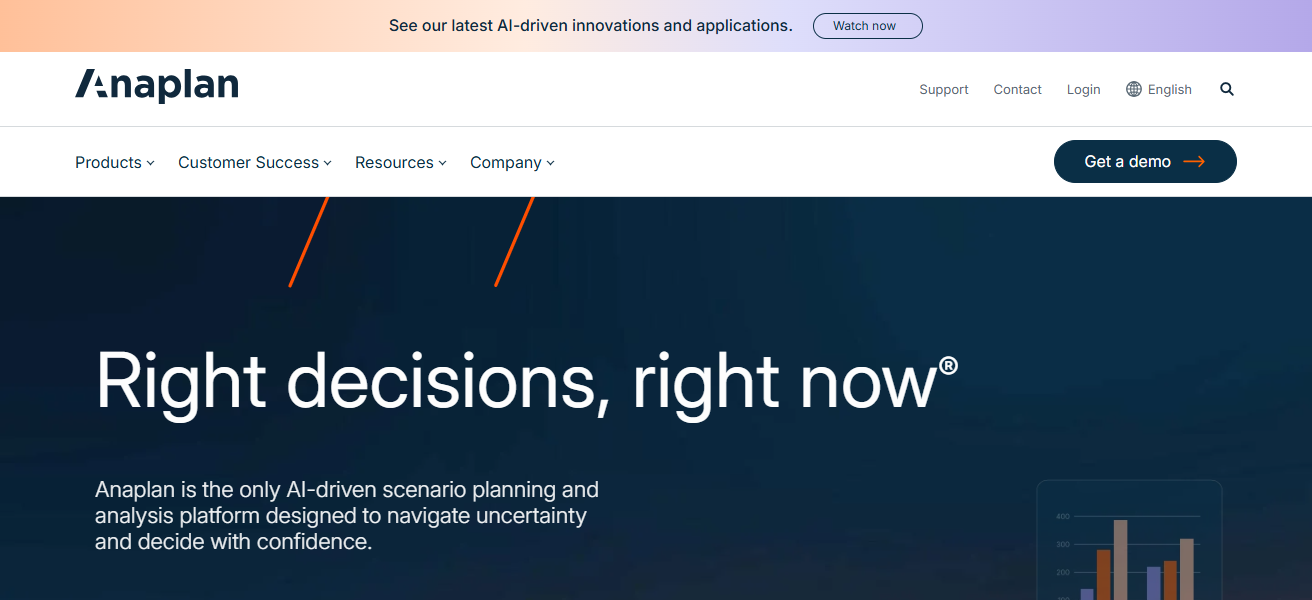
This aids companies in swiftly adjusting to market fluctuations. Anaplan integrates HR planning, supply chain management, and finance into a single ecosystem.
Real-time departmental collaboration is made possible by its cloud-native architecture. It is extensively utilized worldwide for agile financial transformation projects and enterprise-level decision-making.
| Feature | Explanation |
|---|---|
| Connected Planning | Links finance, HR, and supply chain in one ecosystem. |
| Scenario Modeling | Runs thousands of financial scenarios instantly for forecasting. |
| Cloud Collaboration | Enables real-time teamwork across global enterprise departments. |
| AI Simulation Engine | Enhances predictive planning with advanced machine learning models. |
6. FloQast
The month-end and quarter-end financial closing procedures are streamlined by the closure management platform FloQast.
AI-assisted reconciliation matching was implemented in 2026, greatly lowering accountants’ human burden. To increase audit readiness and guarantee adherence to accounting standards like GAAP and IFRS, CFOs use FloQast.
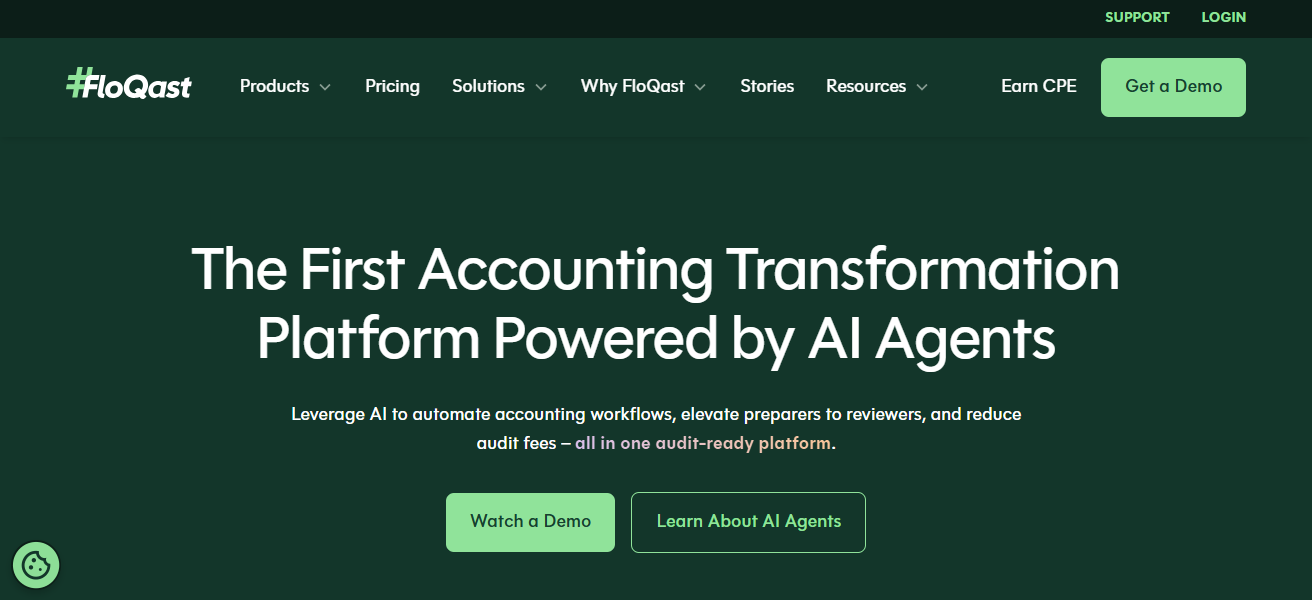
Excel operations and ERP systems are easily integrated with it. Finance teams become more productive and strategically oriented as a result of the platform’s improved insight into closing progress, decreased errors, and shortened financial close cycles.
| Feature | Explanation |
|---|---|
| Close Management | Streamlines month-end and quarter-end financial closing processes. |
| Auto Reconciliation | Uses AI to match accounts and reduce manual work. |
| Audit Readiness | Maintains compliance-ready documentation and financial records. |
| ERP Integration | Connects smoothly with existing accounting and ERP systems. |
7. Mercury (Banking)
Mercury is a digital banking platform designed especially for Internet firms. It offers virtual cards, seamless business accounts, and international payment infrastructure.
CFOs can now earn the best yield on idle cash thanks to Mercury’s increased treasury management tools in 2026. It provides API-driven financial automation and real-time transaction tracking.
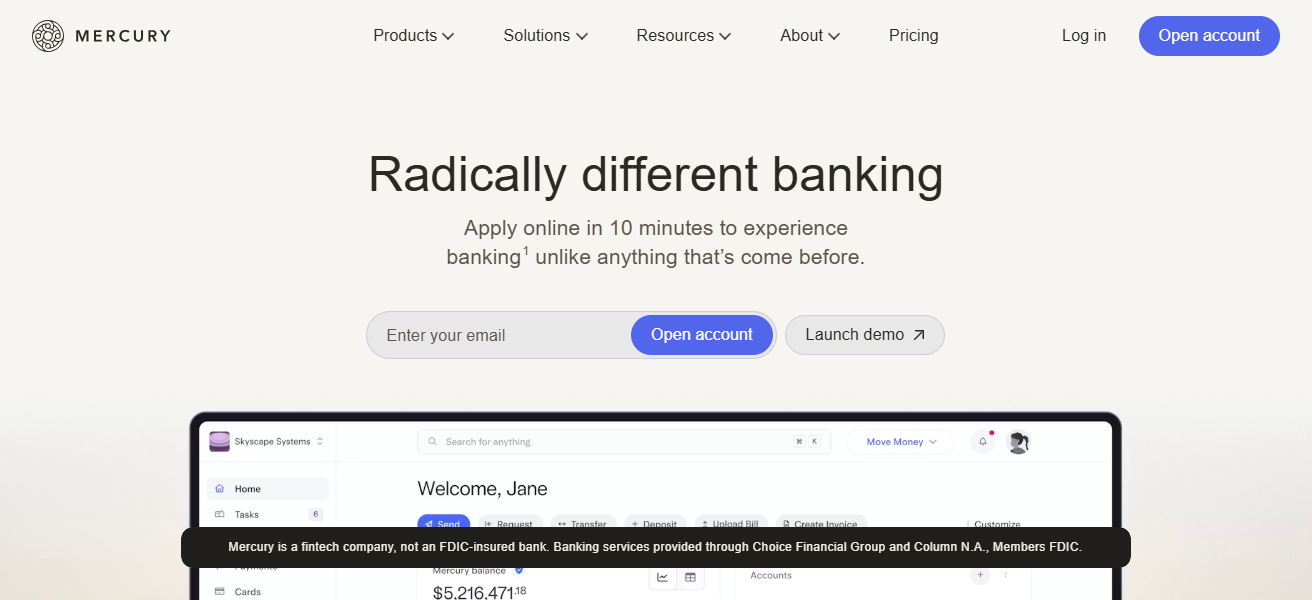
It offers quick onboarding and developer-friendly integrations, in contrast to traditional banks. Startups frequently utilize Mercury to manage operational banking, fundraising capital, and cash flow in a single system.
| Feature | Explanation |
|---|---|
| Digital Business Banking | Offers fully online accounts designed for startups. |
| Global Payments | Enables fast domestic and international transactions. |
| Treasury Tools | Helps manage cash flow and optimize idle funds effectively. |
| API Automation | Provides developer-friendly banking automation and integrations. |
8. Workday (Human Capital Management)
One of the top cloud platforms for business resource planning and human capital management is Workday.
It improved its AI-powered workforce analytics in 2026 to assist CFOs in coordinating labor expenses with company performance.
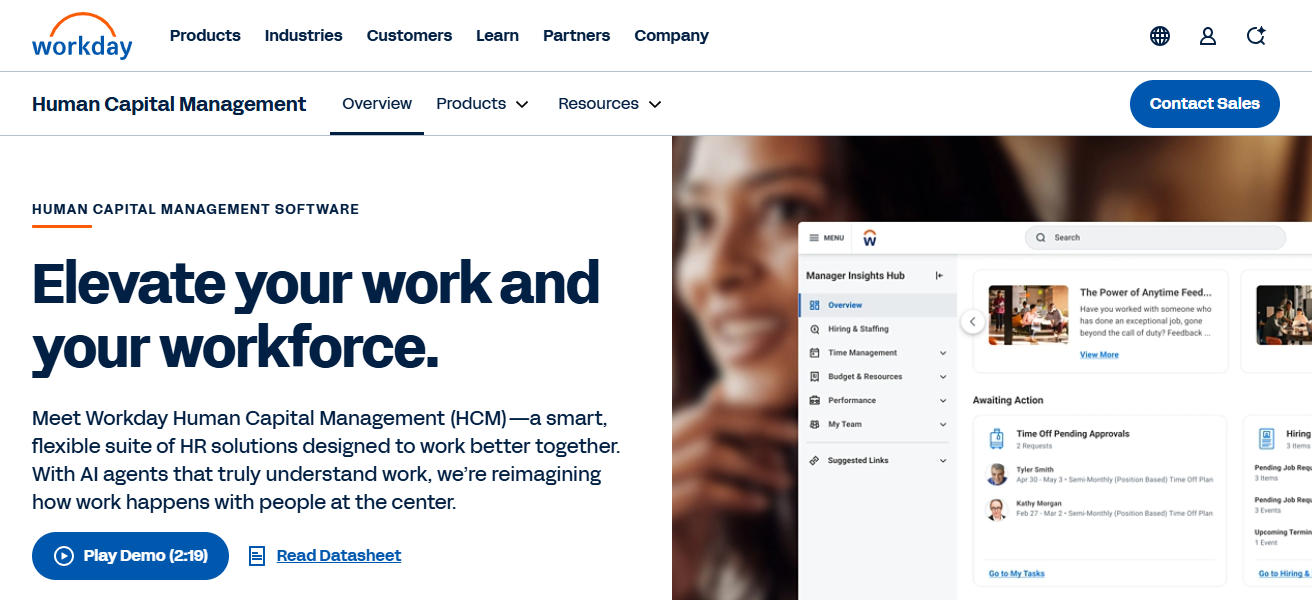
Payroll, hiring, performance monitoring, and workforce planning are all handled by one system. Better cost forecasting and headcount planning are made possible by Workday’s financial-HR integration.
It is crucial for data-driven people and finance strategy integration since its real-time dashboards offer insights into staff productivity and retention patterns.
| Feature | Explanation |
|---|---|
| Workforce Management | Handles payroll, HR, hiring, and employee lifecycle tracking. |
| Financial Integration | Combines HR and finance data for better cost planning. |
| AI Analytics | Provides insights into workforce productivity and trends. |
| Talent Optimization | Helps improve hiring decisions and employee retention strategies. |
9. Cube (FP&A)
Excel and Google Sheets can be seamlessly connected to centralized financial data systems using Cube, a contemporary FP&A solution.
By enhancing its AI-powered data sync engine in 2026, Cube greatly reduced the number of manual spreadsheet updates.
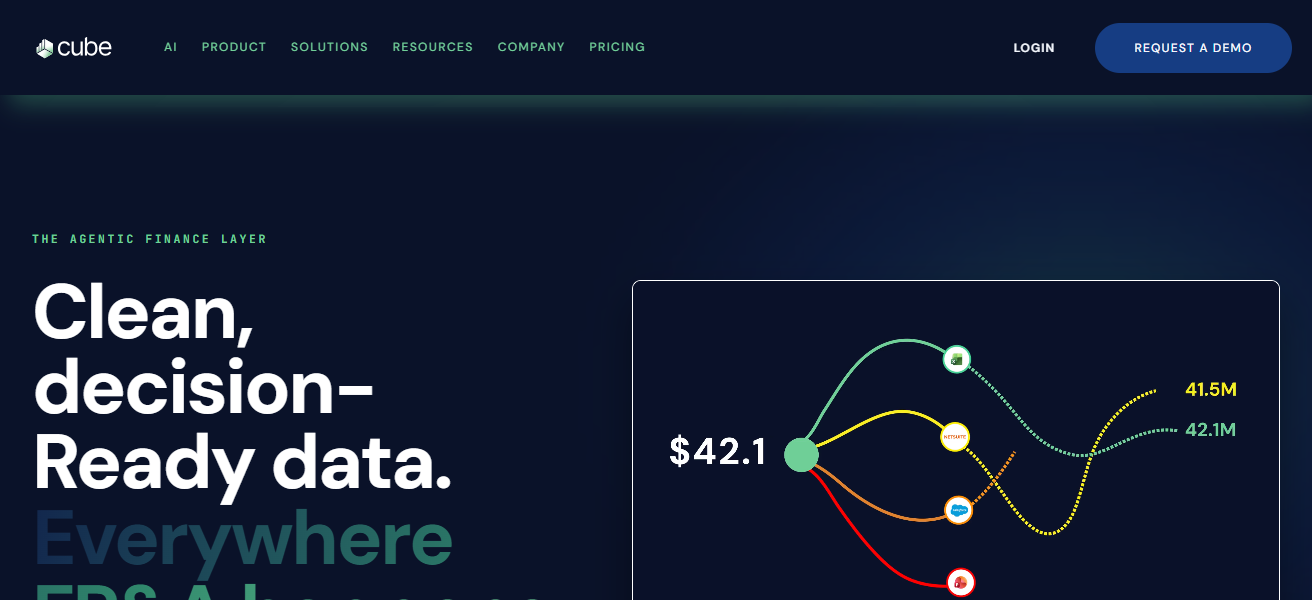
Cube gives CFOs enterprise-level control and oversight while preserving spreadsheet flexibility. For real-time reporting, it interfaces with databases, CRM software, and ERP systems.
Its hybrid approach successfully bridges the gap between users of traditional Excel and contemporary cloud-based financial planning applications.
| Feature | Explanation |
|---|---|
| Spreadsheet Sync | Connects Excel and Google Sheets to live financial data. |
| Centralized Data Hub | Unifies financial data from multiple enterprise systems. |
| Automated Updates | Reduces manual spreadsheet work with real-time syncing. |
| ERP Integration | Connects easily with ERP, CRM, and database systems. |
10. AuditBoard (Compliance)
A top platform for risk, compliance, and audit management created for contemporary businesses is called AuditBoard.
It has increased automated compliance workflows for SOX and ESG reporting, as well as AI-driven risk identification, in 2026.
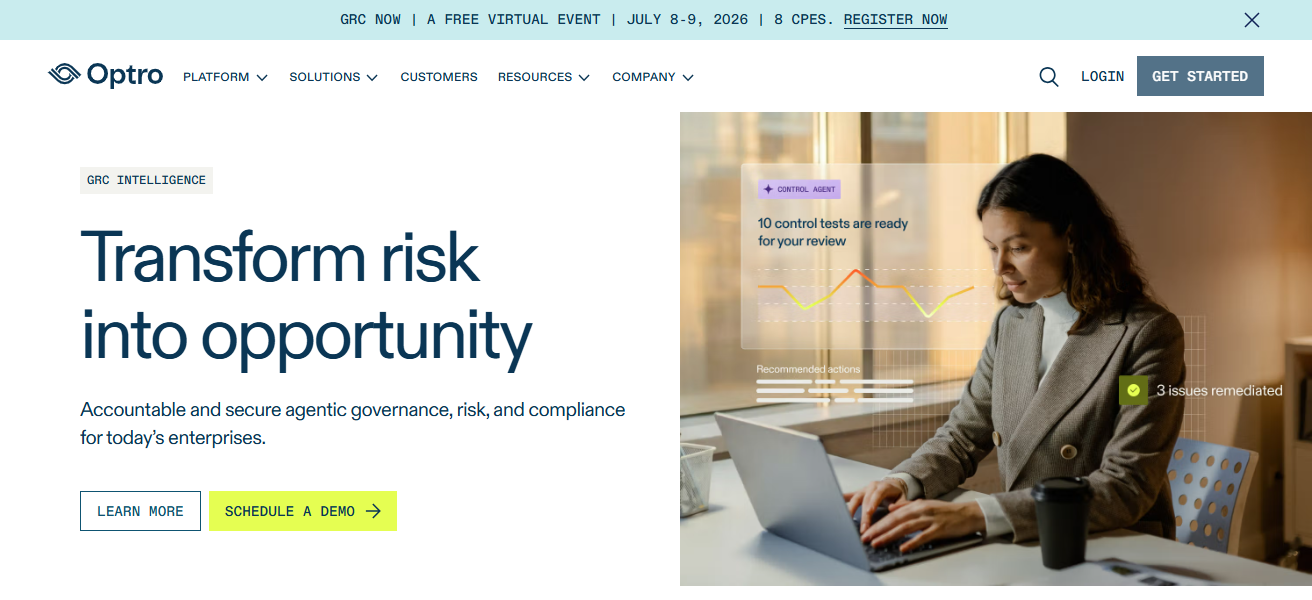
It is used by CFOs and auditors to effectively manage documentation, audit trails, and internal controls.
By centralizing compliance data, the platform increases transparency and minimizes human labor. It is crucial for regulatory compliance in highly regulated industries since its real-time dashboards assist firms in being audit-ready all year long.
| Feature | Explanation |
|---|---|
| Risk Management | Identifies and tracks enterprise risks across departments. |
| Automated Audits | Streamlines internal and external audit workflows efficiently. |
| Compliance Tracking | Supports SOX, ESG, and regulatory reporting standards. |
| Centralized Documentation | Stores audit data and controls in one secure platform. |
Conclsuion
In conclusion, CFOs are quickly implementing cutting-edge SaaS solutions to enhance strategic decision-making and modernize financial operations.
With AI-driven automation and real-time insights, platforms like Datarails, Ramp, NetSuite, and Anaplan are revolutionizing forecasting, budgeting, and expenditure management.
These technologies improve financial visibility across companies, increase compliance, and decrease manual errors.
In general, CFOs are creating finance stacks that are more intelligent, scalable, and data-driven in order to accelerate growth and improve business control.
FAQ
What are CFO SaaS tools in 2026?
They are cloud-based platforms that automate finance, reporting, budgeting, compliance, and spending management for CFOs.
Why are CFOs using SaaS finance tools?
CFOs use SaaS tools to improve accuracy, reduce manual work, and enable real-time financial decision-making.
How does Ramp help finance teams?
Ramp helps control company spending, automate expenses, and optimize budgets using AI-powered insights.
Why is NetSuite important for CFOs?
NetSuite provides a complete ERP system that manages accounting, operations, and global financial reporting.