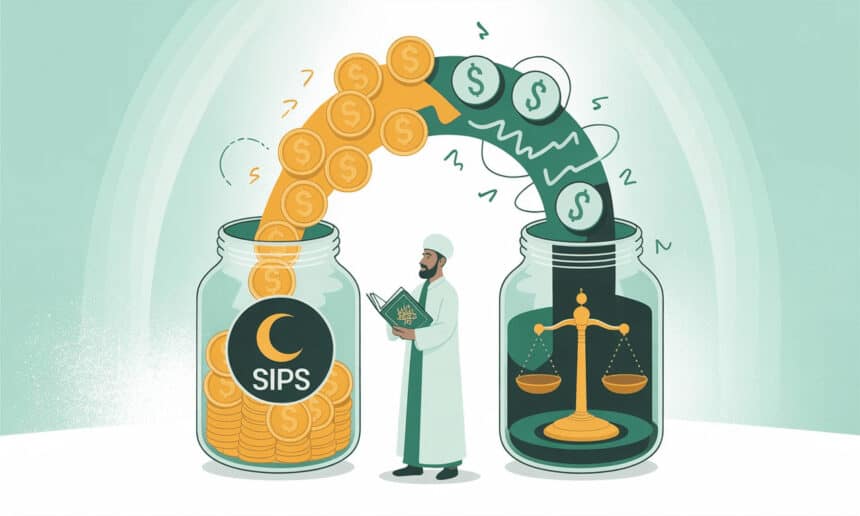
This article will work to identify the top lifestyle inflation traps and sneaky financial draining mechanisms and their impact on your finances.
You will learn about the hidden costs in your basic spending habits and some psychological cost triggers related to elevated income.
By understanding these mechanisms, you will control lifestyle inflation to strengthen your savings and gain financial stability.
What is Lifestyle Inflation?
Lifestyle inflation happens when a person chooses to spend their money on themselves instead of putting it into savings or investments when their income increases.
They often will buy more expensive items, choose to move into more expensive housing, and treat themselves to more expensive entertainment.
Though this may seem to be an improvement in their financial and personal situation, it actually stops them from reaching their full financial potential.
When someone has more income each month but spends it, they don’t save or invest. It only gets in the way of making financial improvements to their lifestyle in the future.
Top 10 Sneaky Lifestyle Inflation Traps Draining Your Bank Account
1. Upgrading lifestyle after income increases
With almost all income increases, people feel the need to upgrade to a more expensive lifestyle. This includes better accommodations, better products, and discretionary spending.
While it may feel rewarding, it makes things harder later, since people feel the need to carry on these expenses.

Commitments take away your financial freedom and make it harder to save money. The income increases and the wealth you wish to accumulate gets absorbed into inflated lifestyles that are hard to reverse later.
2. Subscription creep due to unused services
Subscriptions are a sneaky way to drain your savings. When you first sign up, the subscription seems like a good deal.
After a while you realize you’re paying for multiple things. The most common culprits are streaming platforms
fitness apps, and cloud storage; many people forget to cancel the subscriptions. This is where subscription creep happens.
At the end of the year, people will realize they wasted money on subscription services they didn’t even use. The best way to prevent your money from disappearing is to do a regular audit of your subscription services.
3. Getting Used to Dining Out
From a convenience standpoint, dining out or ordering food is a lot more fun than cooking at home. But from a budget standpoint, this convenience is devastating.

The money you blow dining out every day will quickly subtract from your savings. You might not be as aware of how fast you’re losing your savings since each small purchase adds up over time.
The best way to avoid this and become financially responsible is to cook meals at home for healthy eating.
4. Not Every Upgrade is for the Best
Many customers upgrade their devices to the newest smartphone, laptop, or other gadget every year. With new marketing campaigns and newer models, older devices seem subpar.
Although the improvements from the new models may not even be worth the purchase. Also, the older the devices are, the more their value depreciates.
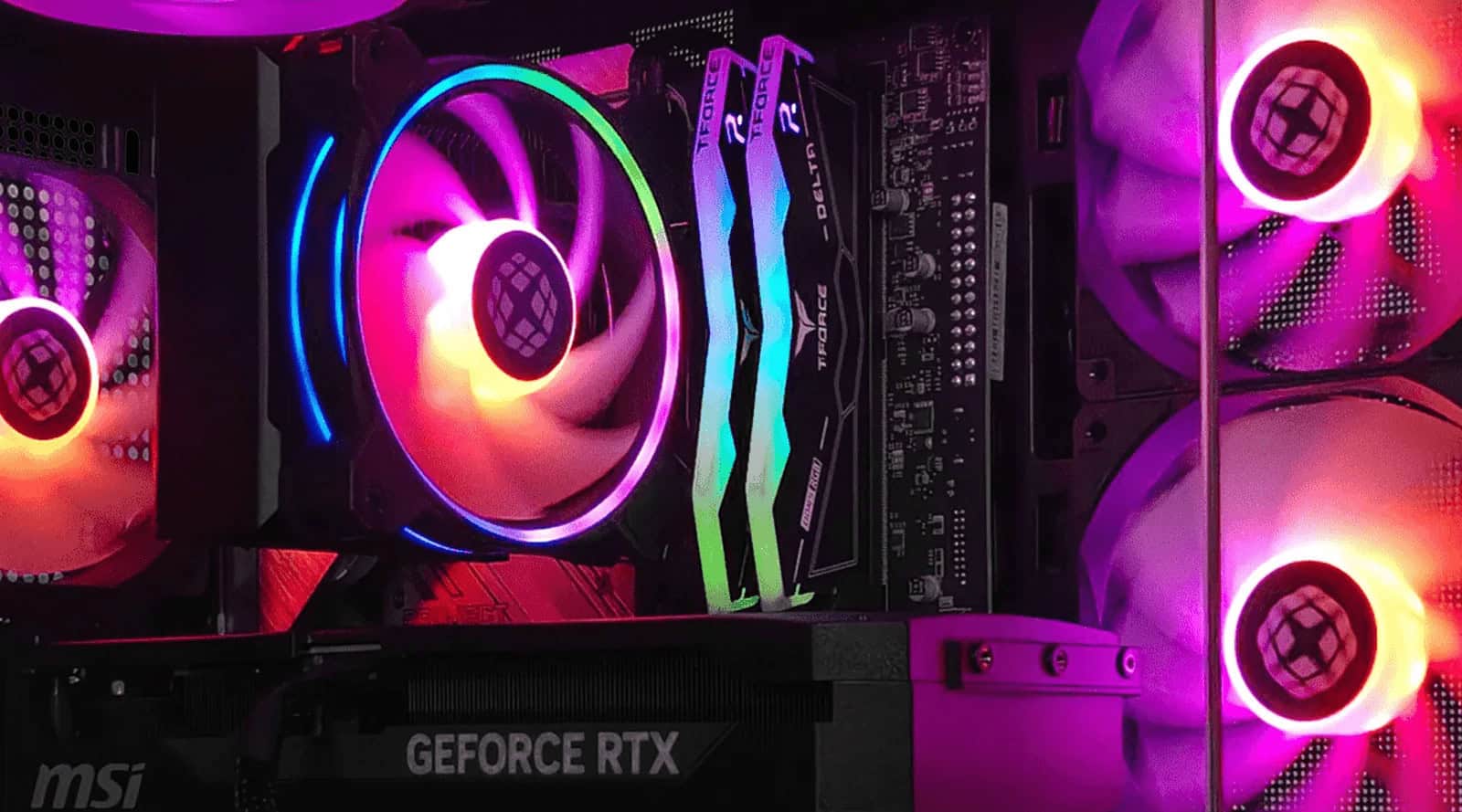
Upgrading every year seems like the best option, but from a financial standpoint, it isn’t the best decision. Buying the device when it is most financially responsible is the best option and keeps finances from unhealthy spending.
5. Upgrading to the Never-Ending Expenses
Upgrading to a newer vehicle might look appealing, but the costs that come with the upgrade will keep on giving and have a breaking effect to your finances.
The desire to own the newest vehicle manifests in the owner taking on higher loans and keeping poor financing habits.

Maintaining a newer model will affect the owner’s ability to save for other purposes. A better option is to buy the vehicle that will best suit your needs from a practical standpoint, as opposed to your emotions. This will provide the owner with more long-term financial stability.
6. Designer Wardrobe Issues
The cost of maintaining a wardrobe full of high-end and designer brands can lead to a consumption-based inflation in monthly spending.
Purchasing high-end clothing is a great value, but other brand-name-focused wardrobe upgrades span from purchasing clothes to show status, to purchasing clothes to keep up with peers, to purchasing clothes for every new fashion trend.

This behavior leads to financial damage and clutter. Creating a wardrobe based on staple pieces, with brand name items used to fill voids, leads to improved financial health and decreased clutter.
7. Overluxury Travel
As people make more money, they can afford to travel more. However, they can fall into a travel consumption pattern that includes staying at the best hotels, flying on the best airlines, and only participating in the best planned activities.

Many travelers use credit to purchase travel on the best airlines and best accommodations. This kind of travel creates financial damage when the value is in travel experiences, not the best accommodations.
Travel experiences should be planned to create the best memories without damaging your financial well-being.
8. The Latest Tech Addiction
The latest gadgets and gizmos have the ability to make old devices function like new. However, the marketing for these gadgets, along with social influences, leads consumers to fall into a pattern
Where they purchase new technology with the belief they are getting something new and improved, when in reality, there is no improvement at all.
This pattern of getting the latest tech leads to wasting money and space. By understanding the difference between real needs and perceived needs, this pattern can be broken. With purchasing delays, many of the tech purchases will be seen as unnecessary.
9. Social pressure and comparison spending
Some people are more susceptible to spending habits formed within comparison social groups. This can be anything from colleagues, friends, or online influencers.
Often, individuals feel pressured to keep up with the standards of people in their social group, both real and perceived, driving needless spending caused by emotional rather than logical reasoning.
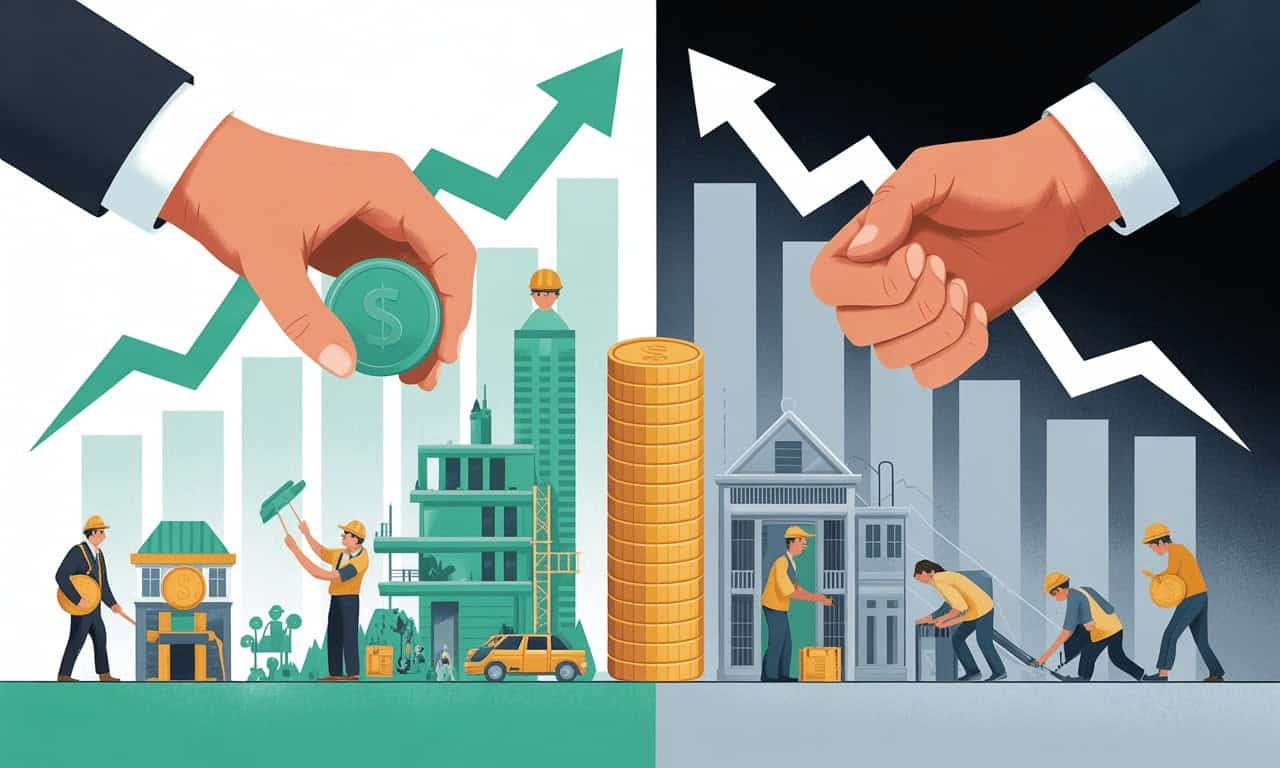
Financial imbalance and stress are caused by excessive, emotional, and illogical spending. The most important thing to learn is to separate your financial goals from those of others.
The most important thing to remember is that social spending will never allow you to gain financial confidence.
10. Silent inflation from salary increases
Salary hikes trigger thoughts of spending more with less discipline. Most spend without realizing they are consuming more in multiple categories after they receive their pay increase.
Over a length of time, it lessens the advantage of the pay increase. It is usually done without much notice, because they are introduced slowly.
Most people believe a pay increase means they can live better, but the increase will be wasted unless they save or invest it.
Once the salary increase is redirected toward savings and investment, real long-term financial progress occurs.
How To Beat Lifestyle Inflation
- Analyze monthly bills for recurring payments.
- Pause rule: wait one week before adding any expenses.
- Savings accounts get stronger with automation.
- Track costs such as delivery fees and auto-debits.
- Prioritize paying down debts to free up cash for new expenses.
Conclusion
In conclusion, there are several harmful lifestyle inflation traps that continuously affect your finances and inhibit your ability to grow your finances in the long run.
Many people develop the habit of subconsciously increasing spending on luxury goods, holidays, and other things that offer an improved level of convenience/travel after each pay raise.
The first and most important step to overcoming these harmful spending habits is to understand and become aware of them.
With this awareness, people can begin to spend less overall, remove luxury items, and instead focus on long and short-term savings goals.
This is where discipline in spending is most needed. By employing this discipline, there is the most wealth and security attained through each salary increase paid.
FAQ
What causes lifestyle inflation?
Higher income, social pressure, marketing influence, and poor budgeting habits cause it.
How does subscription creep drain money?
Unused monthly subscriptions keep charging and silently reduce your available cash.
Is dining out a major financial trap?
Yes, frequent dining out increases expenses significantly compared to home-cooked meals.
Why do people upgrade gadgets unnecessarily?
Marketing hype and FOMO push people to replace working devices too early.