This article describes the Forex Broker Automation Trends Starting From 2026 and how advanced technologies, such as AI trading bots, hyper automation systems, predictive analytics, blockchain settlement, and voice-enabled assistants, are revolutionizing the forex trading industry.
These innovations are helping to make trade speed better, avoiding human errors and taking the risk management and broker efficiency into an improvement perspective.
In this article, we will take a look at the impact of automation in making retail and institutional forex trading platforms smart, fast, and data-driven in the upcoming global forex market landscape.
Key Points & Forex Broker Automation Trends Starting
| Trend | Explanation |
|---|---|
| AI Trading Bots Integration | AI bots execute trades automatically, analyzing markets, reducing human error, and improving execution speed efficiency |
| Hyper Automation Risk Management | Hyper automation systems monitor risk exposure continuously, adjusting leverage and protecting traders from sudden losses |
| Voice Enabled Trading Assistants | Voice assistants allow traders to execute orders, check prices, and analyze markets using spoken commands |
| Blockchain Settlement Automation | Blockchain automates settlement processes, ensuring transparent transactions, faster clearing, and reduced operational brokerage costs globally |
| Predictive Analytics Execution | Predictive analytics forecast market movements, enabling brokers to execute trades proactively with improved accuracy efficiency |
| Robo Onboarding KYC AML | Robo onboarding systems verify client identities instantly using AI powered KYC and AML compliance checks |
| Smart Liquidity Aggregation Engines | Smart liquidity engines aggregate multiple providers, ensuring better pricing, deeper markets, and reduced slippage execution |
| Algorithmic Copy Trading Systems | Algorithmic copy trading systems mirror professional traders automatically, optimizing portfolios for retail investors efficiently globally |
| Cloud Based Broker Infrastructure | Cloud based infrastructure enables brokers to scale operations, improve uptime, and reduce maintenance costs significantly |
| Sentiment AI Trading Signals | Sentiment AI analyzes news and social media, generating trading signals based on market psychology trends |
10 Forex Broker Automation Trends Starting In 2026
1. AI Trading Bots Integration
In 2026, the core of modern forex brokerage systems is the integration of AI trading bots. These bots employ machine learning along with historical price data and real-time market feeds to perform trades sans human emotion.
They analyze for volatility patterns, sensitivity to liquidity flows, and the impact of news in order to best time the orders they are executing within milliseconds.

These bots are integrated into platforms by brokers to enhance speed, reduce human error and increase profitability.
As well as enabling retail traders to access institutional-grade automation tools, this trend has allowed trading to become more efficient, driven by data and highly adaptable to ever-changing global forex market conditions
AI Trading Bots Integration Features
| Feature | Explanation |
|---|---|
| Speed Execution | Executes trades within milliseconds using real-time market data processing |
| Emotion Free Trading | Removes human emotions, ensuring disciplined and logic-based trading decisions |
| Market Analysis | Continuously studies volatility, liquidity, and price patterns for accuracy |
| Machine Learning Adaptation | Improves performance by learning from past trades and outcomes |
| Retail Accessibility | Gives small traders access to institutional-level automated trading systems |
2. Hyper Automation Risk Management
Hyper automation risk management is the industry use case that utilizes AI, big data and uses automated decision systems to manage real-time trading risks.
Broker systems passively monitor leverage, margin levels, and exposure limits according to volatility conditions instead of manual monitoring.
They can also detect sudden market changes and can quickly execute protective measures like the execution of stop losses or the freezing of trades.

This helps mitigate losses and protect accounts. By 2026, brokers are anticipated to increasingly depend on hyper automation with a view to staying compliant
Whereas stabilizing their portfolios and shielding institutional and retail merchants from unpredictable forex market actions.
Hyper Automation Risk Management Features
| Feature | Explanation |
|---|---|
| Real-Time Monitoring | Continuously tracks market risk exposure across all open positions |
| Auto Leverage Control | Automatically adjusts leverage based on market volatility conditions |
| Instant Stop Mechanism | Triggers stop-loss or trade freezing during sudden market crashes |
| Compliance Automation | Ensures brokers follow global financial regulatory requirements automatically |
| Portfolio Stabilization | Balances risk across multiple assets to protect trader capital |
3. Voice Enabled Trading Assistants
These assistants are changing how users interact in forex platforms using natural speech to give commands for trading.
The traders can access price checking, position opening and closing as well as chart analysis fast and without manual navigation.
These AI assistants, relying on advanced speech recognition and natural language processing systems, can accurately understand trading commands.

It also makes it more accessible to beginners while allowing professionals to run through things quicker!
Brokers will also be developing voice assistants as part of their mobile and desktop platforms, including trading on the go, a hands-free touchless experience, and reducing time delays
This is favorable for fast-moving forex markets, where seconds can make a huge difference in whether profit or loss.
Voice Enabled Trading Assistants Features
| Feature | Explanation |
|---|---|
| Voice Commands | Allows traders to open, close, or modify trades using speech |
| Instant Market Access | Provides live price updates and charts through spoken queries |
| NLP Understanding | Uses natural language processing for accurate command interpretation |
| Hands-Free Trading | Enables trading without manual interaction or clicking interfaces |
| Fast Decision Support | Reduces execution time in highly volatile market conditions |
4. Blockchain Settlement Automation
Transparency and speed of Forex transactions is enhanced by blockchain settlement automation. Whereas clearing systems take time, blockchain facilitates the immediate validation and settlement of trades via a centralized ledger.
This lowers counterparty risk, removes the need for intermediaries, and greatly reduces broker and trader transaction costs.
Smart contracts are programs that execute settlement rules, automatically executing once predetermined conditions —data corresponding to the metrics of interest— are met.
Many brokers are expected to implement blockchain systems by 2026 for greater trust, enhanced security of transactions, and real-time audit trails.
These automations establish additional reliability, transparency, and efficiency for foreign exchange trading in multiple global financial ecosystems.
Blockchain Settlement Automation Features
| Feature | Explanation |
|---|---|
| Instant Settlement | Completes trade settlements instantly using decentralized blockchain systems |
| Transparency | Provides full visibility of all transaction records and history |
| Smart Contracts | Automatically executes settlement rules without manual intervention |
| Lower Costs | Removes intermediaries, reducing overall trading transaction fees |
| Fraud Reduction | Enhances security by eliminating manipulation and data tampering risks |
5. Predictive Analytics Execution
Deep learning – Predictive analytics execution takes place by using established algorithms and AI models to predict market movements before they occur.
Brokers study large quantities of price activity, economic metrics, and current world events to forecast an expected route the foreign exchange will take.
With these predictions, trade execution is automated based on the optimum entry and exit points. It also uses machine learning feedback loops to improve the accuracy of its processes.
Predictive analytics is used by brokers in 2026 to provide a smarter solution for clients, thereby building on their market knowledge whilst reducing uncertainty and increasing profitability for both retail and institutional clients in currency markets, which are highly volatile.
Predictive Analytics Execution Features
| Feature | Explanation |
|---|---|
| Market Forecasting | Predicts price movements using advanced AI algorithms and data models |
| Data Analysis | Uses economic indicators, news, and historical data for insights |
| Automated Entry Points | Executes trades at optimal predicted price levels automatically |
| Continuous Learning | Improves accuracy through machine learning feedback loops |
| Profit Optimization | Helps traders maximize returns by reducing uncertainty in decisions |
6. Robo Onboarding KYC AML
This type of system automates client verification processes by using artificial intelligence and machine learning, making robo onboarding KYC AML systems.
In place of manually checking documents, these systems automatically confirm identity, identify fraud, and verify compliance against financial regulations.
The utilization of Facial recognition, biometric data, and digital document scanning shortens the procedure time of account creation drastically.
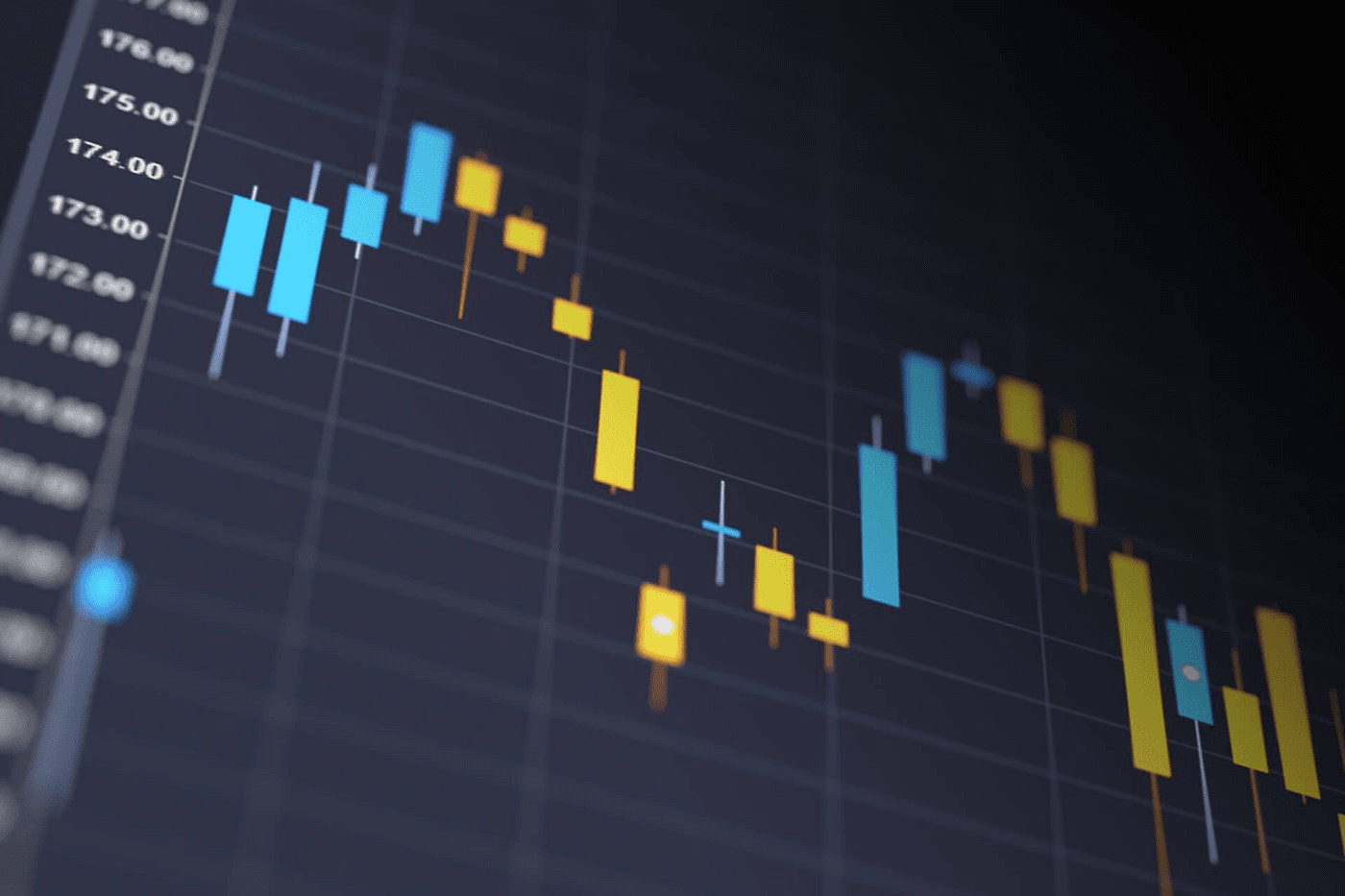
It brings down onboarding time from days to minutes. Market Context Brokers are embracing robo onboarding in 2026 as crime prevention and a compliant global organization.
Moreover, it improves user experience by streamlining the account registration process for users globally, making it faster and safer for traders.
Robo Onboarding KYC AML Features
| Feature | Explanation |
|---|---|
| Instant Verification | Quickly verifies trader identity using AI-powered systems |
| Fraud Detection | Identifies suspicious documents and prevents fake account creation |
| Biometric Checks | Uses face recognition and fingerprint scanning for security |
| Regulatory Compliance | Ensures adherence to global KYC and AML financial rules |
| Faster Account Setup | Reduces onboarding time from days to just a few minutes |
7. Smart Liquidity Aggregation Engines
Liquidity aggregation engines aggregate a number of liquidity providers across various brokers simultaneously to achieve the best possible trade execution price.
These systems provide an automatic comparison between bid-ask spread, market depth, and execution time of several providers.
They route orders instantly to the ideal source, which eliminates slippage and creates optimal trade quality. ‘
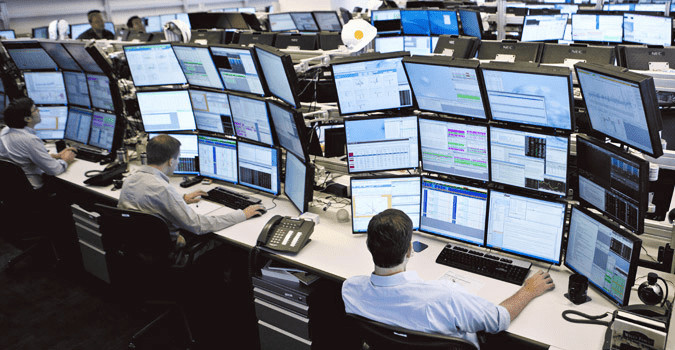
This automation is highly essential among those who want to provide tight spreads and quick execution in forex trading, which will be needed by the competitive forex brokers on 2026.
It gives transparency, makes the trading process more efficient, and guarantees dealers receive the best price possible in volatile markets.
Smart Liquidity Aggregation Engines Features
| Feature | Explanation |
|---|---|
| Multiple Providers | Connects brokers with several liquidity sources simultaneously |
| Best Price Matching | Selects most competitive bid and ask prices automatically |
| Slippage Reduction | Minimizes price differences during order execution |
| Faster Execution | Routes trades to fastest available liquidity source |
| Market Depth Access | Improves trading efficiency with deeper liquidity pools |
8. Algorithmic Copy Trading Systems
This type of mimicry system is a component of algorithmic copy trading systems in which traders replicate the strategies of professional or high-performing traders automatically.
Such systems will then use algorithms to evaluate the history and success of a trader or the risk level, both through risk levels and historical returns, before making any real-time copies of trades.

This is unlike manual copy trading which initiates static positions; that means the position you are buying with a trader stays static until it gets closed, whereas algorithmic systems are dynamic in that they adjust while the market conditions change.
Brokers are using advanced AI filters to separate the wheat from the chaff in 2026 and reduce their exposure to risk through a booking.
This is a trend that provides the opportunity for beginners to engage in forex markets autonomously while learning from experienced traders using fully automated and smart copy-trade systems.
Algorithmic Copy Trading Systems Features
| Feature | Explanation |
|---|---|
| Auto Trade Copying | Replicates trades of professional traders in real time |
| Performance Analysis | Evaluates trader success before allowing copying |
| Risk Adjustment | Automatically adjusts copied trades based on risk levels |
| AI Selection Filters | Identifies top-performing traders using algorithmic scoring |
| Beginner Friendly | Helps new traders learn while earning through replication |
9. Cloud-Based Broker Infrastructure
Cloud-based broker infrastructure supports scalability, security and high performance for the forex broker.
Brokers process trade execution data storage, and analytics, etc., using cloud computing instead of running it on physical servers.
This increases the availability, lowers the operational expenses, and ensures that the platform runs smoothly during peak trading hours.

With the help of cloud infrastructure, in 2026, faster update systems, global access and disaster recovery systems will also be usable.
This allows the Brokers to expand services worldwide without major investments in hardware, making Forex trading platforms more reliable, scalable, and able to handle huge trading volumes.
Cloud-Based Broker Infrastructure Features
| Feature | Explanation |
|---|---|
| Scalability | Handles growing number of traders without performance issues |
| High Uptime | Ensures uninterrupted trading platform availability globally |
| Cost Efficiency | Reduces need for expensive physical server infrastructure |
| Fast Updates | Enables instant system upgrades and feature deployment |
| Global Access | Allows traders to access platforms from anywhere anytime |
10. Sentiment AI Trading Signals
Sentiment AI trading signals conduct an analysis of global news, social media, financial reports and market sentiment in order to provide trading insights that you can act on.
It applies natural language processing to classify market sentiment as bullish or bearish. Brokers incorporate these signals into trading platforms, giving users the clarity they need to make decisions.

Sentiment AI is at a skilled level and in 2026 it is capable of interpreting real-time emotional trends and blending them with technical indicators็
This helps forex traders have more intention to predict early market movements, be better at making decisions that further lead them to rely less on classical technical analysis while trading in the foreign exchange (forex) world.
Sentiment AI Trading Signals Features
| Feature | Explanation |
|---|---|
| News Analysis | Processes global financial news to detect market sentiment |
| Social Media Tracking | Monitors online discussions to gauge trader emotions |
| Trend Prediction | Identifies bullish or bearish market direction early |
| Real-Time Signals | Provides instant trading alerts based on sentiment shifts |
| Hybrid Analysis | Combines sentiment data with technical indicators for accuracy |
Conclusion
In this way, Forex Broker Automation Trends Starting from 2026 is transforming the trading landscape through AI bots and predictive analytics, blockchain settlements, and hyper automation systems.
Such innovations expedite the execution of trade orders, mitigate risk, and enable greater market clarity and transparency globally.
And here is where automation comes in: To make trading smarter, more efficient, and extremely accessible for professionals and beginners alike — the future of forex will be a fully intelligent, data-driven, seamless trading ecosystem.
FAQ
What are Forex broker automation trends in 2026?
They are AI-driven systems that automate trading, risk management, compliance, execution, and customer services in forex brokerage platforms.
How do AI trading bots help forex brokers?
AI bots execute trades instantly using market data analysis, removing emotional decisions and improving accuracy and speed.
What is hyper automation in risk management?
It is a fully automated system that controls leverage, margin, and stop-loss actions in real time to reduce trading risk.
Are voice trading assistants useful in forex?
Yes, they allow traders to place orders, check prices, and analyze markets using simple voice commands hands-free.