
In this article, Smart Execution Technologies Changing the Forex market, and I’ll share how the advanced execution systems, like algorithmic engines, use low-latency infrastructure
AI trade routing, smart order routing, machine learning models, a high-frequency trading system of cloud-based execution and liquidity aggregation for API-based execution of orders are changing global Forex markets.
This innovation increases speed, accuracy and efficiency whilst reducing human error as well as slippage in a modern trading environment.
Key Points & Smart Execution Technologies Changing Forex Trading
| Smart Execution Technology | Explanation |
|---|---|
| Algorithmic Execution Engines | Direct orders to optimal liquidity providers for the best available price execution speed |
| AI Trade Routing Systems | Direct orders to optimal liquidity providers for best available price execution speed |
| Smart Order Routing (SOR) | Automatically execute trades using pre-programmed rules for faster execution and efficiency |
| Low Latency Infrastructure | Reduces execution delay enabling traders to react instantly to market changes globally |
| Cloud Based Trading Execution | Splits trades across venues ensuring minimal slippage and improved execution quality and consistency |
| Machine Learning Execution Models | Learns from market data to optimize execution timing and price improving continuously |
| High Frequency Trading Systems | Execute thousands of trades per second using advanced automated trading algorithms efficiently |
| Smart Liquidity Aggregation | Combines multiple liquidity sources to ensure best pricing and execution stability improvement |
| API Based Execution Systems | Uses predictive analytics to place trades before market movement occurs efficiently and accurately |
| Predictive Order Execution Systems | Provides scalable trading infrastructure, ensuring fast and reliable order processing anywhere anytime |
10 Smart Execution Technologies Changing Forex Trading
1. Algorithmic Execution Engines
Modern Forex trading systems utilise a core execution engine for algorithmic executions. These engines use pre-defined mathematical models and trading rules to automatically execute trades.
In 2026, they are upgraded with adaptive logic powered by AI and have the ability to make real-time adjustments depending on liquidity and volatility conditions.
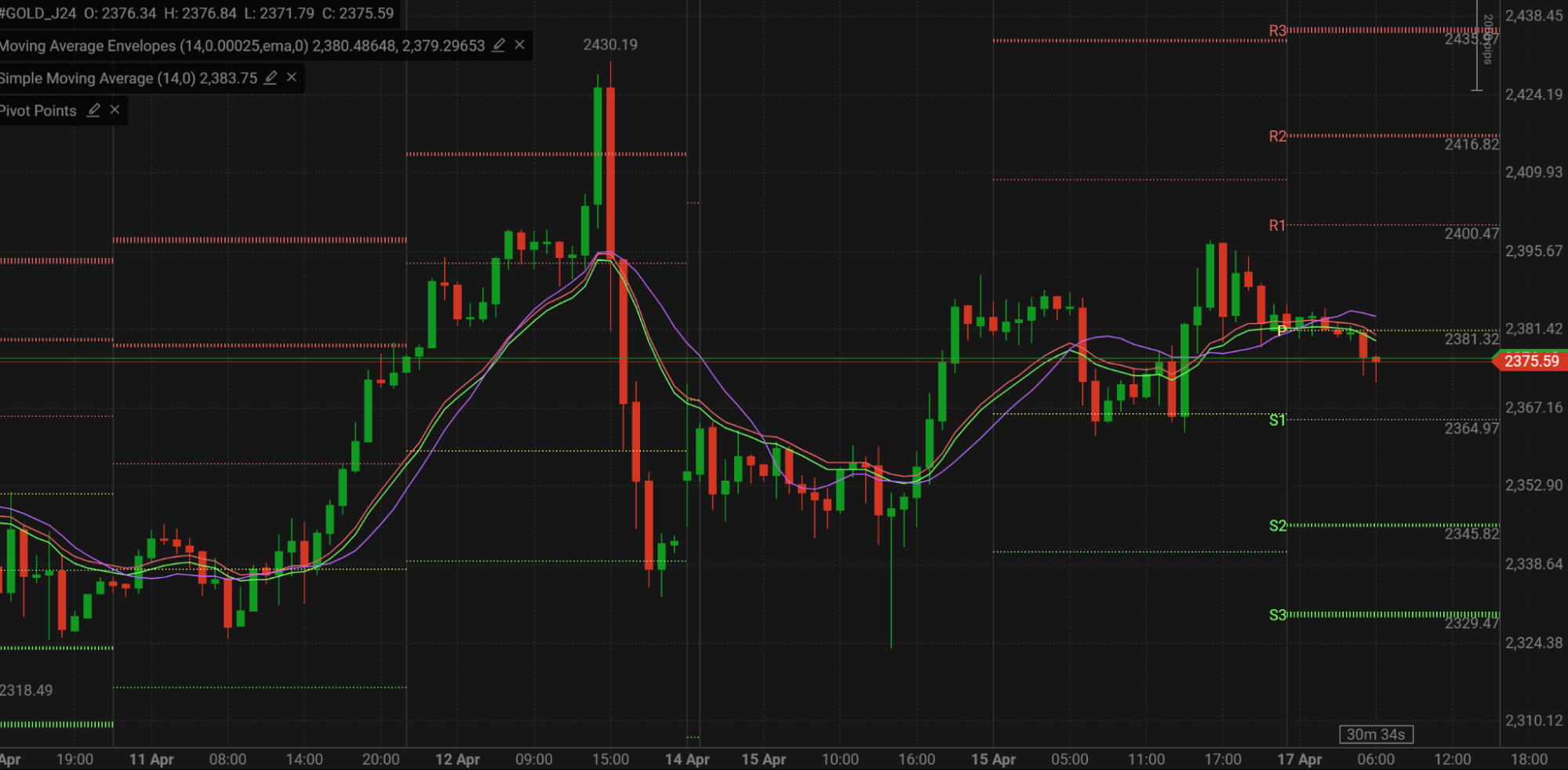
They remove emotional trading, enhance consistency, and aid in difficult strategies such as scalping and arbitrage.
Today, many brokers include multi-asset trading algorithm engines which can process hundreds and thousands of orders per second, thus reducing execution time and thereby ensuring less human intervention in highly volatile Forex markets.
Algorithmic Execution Engines – Features
- Set mathematical rules that will automatically execute trades
- Handles thousands of orders per second efficiently
- Allows for advanced scalping and arbitrage execution
- Incorporates real-time AI adjustments for market volatility
| Pros | Cons |
|---|---|
| Eliminates emotional trading completely | Requires complex setup and coding knowledge |
| Executes trades at ultra-fast speed | Poorly designed algorithms may cause losses |
| Supports advanced strategies like scalping | Needs continuous optimization and monitoring |
| Improves trading consistency and discipline | Needs continuous optimisation and monitoring |
2. AI Trade Routing Systems
They can be used to help sandwich orders, but as a result, trade execution in the financial services industry is something that AI systems & tools are widely applied to and masterful at, from writing black box solutions like SOR (Smart Order Routing) routing books for multiple pairs of crypto-asset currencies.
Rather than traditional routing, AI systems assess spreads, latency and depth of market in real-time. These systems use machine learning to improve the quality of execution over time by 2026.
They are the reason traders get the best available price with minimal slippage and delays in execution.
Characteristically, Forex Trading would still vividly be defined by how AI routing also redistributes order flow through alternative routes across many exchanges and brokers
Hence, allowing more transparency and efficiency in the market, along with better optimisation for institutional & retail investors.
AI Trading Routing Systems – Features
- Automatic real-time identification of the best liquidity providers
- Real-time analysis of spreads, their latency and the depth of the market
- Minimises slippage with the best routing
- Adapts routing using machine learning models
- Balances the flow of orders for better prices across exchanges
| Pros | Cons |
|---|---|
| Finds best liquidity provider automatically | High dependency on data quality |
| Reduces slippage significantly | Expensive AI infrastructure implementation |
| Improves execution price accuracy | May struggle during extreme volatility |
| Enhances transparency in order flow | Requires constant machine learning updates |
3. Smart Order Routing (SOR)
Smart Order Routing (SOR) system routes trades to maximise the quality of execution by splitting between a number of venues.
Those systems examine liquidity pools, bid-ask spreads, and when best to stake an order. SOR uses AI-augmented decision-making to cut trading costs and increase fill rates in liquid Forex markets.
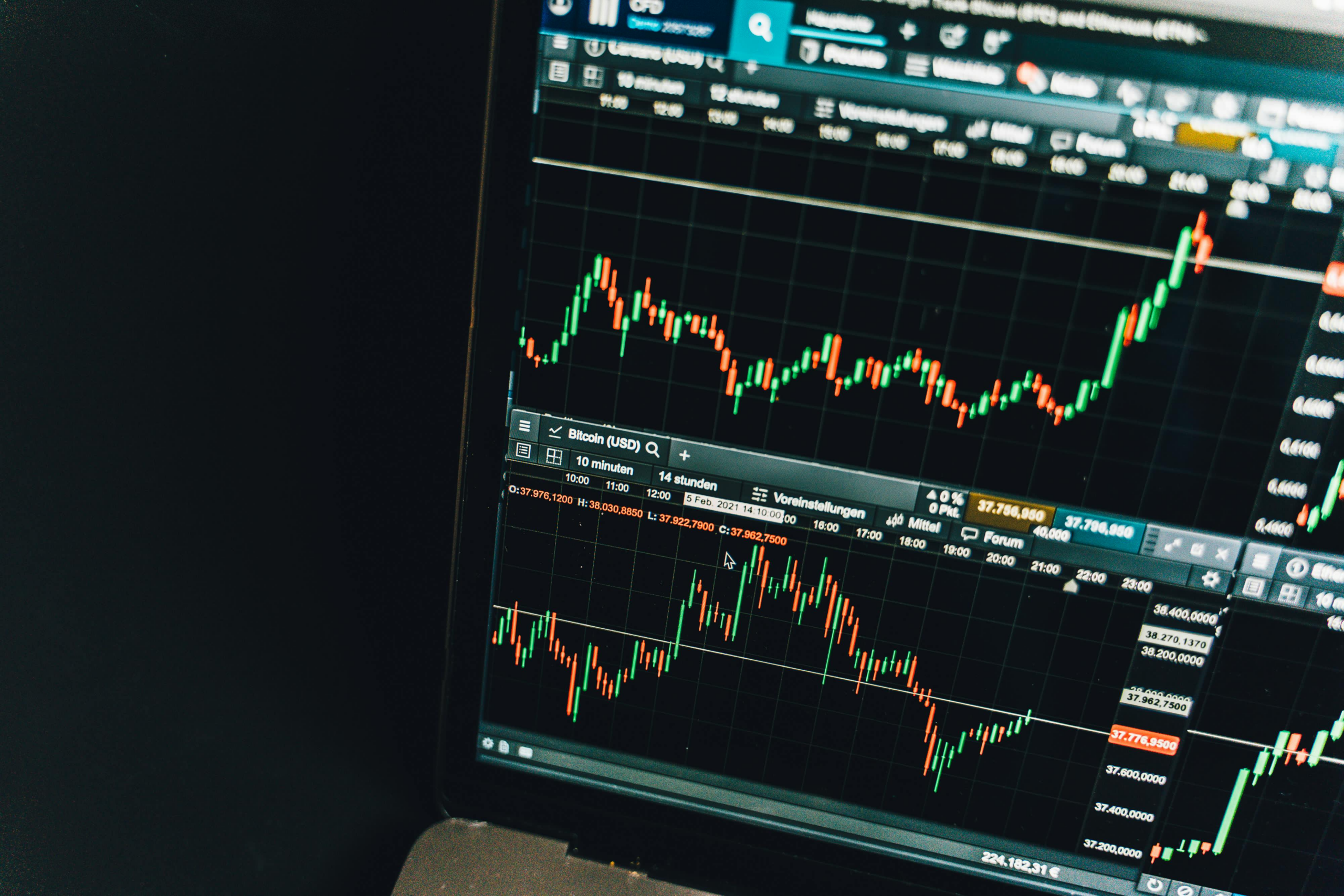
Big orders were segmented to make sure they did not affect the overall market. SOReficiently selects the optimal execution path—greatly improving returns and execution accuracy in fast-moving global currency markets.
Smart Order Routing (SOR) — Features
- Provide a capability to split large orders into smaller, executable segments efficiently
- Choosing optimal trading venues depending on the availability of liquidity
- Reduces market impact when executed in large volumes
- Increases fill rates by intelligently distributing the execution
- Leverages AI logic to decrease trading costs and lags
| Pros | Cons |
|---|---|
| Splits orders for better execution efficiency | Complex system logic increases latency risk |
| Reduces market impact of large trades | Requires access to multiple liquidity venues |
| Improves fill rate and execution quality | Can increase transaction costs in fragmented markets |
| Optimises price across exchanges | Reduces the market impact of large trades |
4. Low Latency Infrastructure
Ultra-slow Forex execution requires high-latency infrastructure. It reduces the time between order placement and execution using ultra-fast fibre optics, co-location servers, and FPGA-based systems.
By 2026, fintech systems will be capable of executing trading strategies at microsecond-level speeds while offering traders a major competitive advantage over volatile markets.
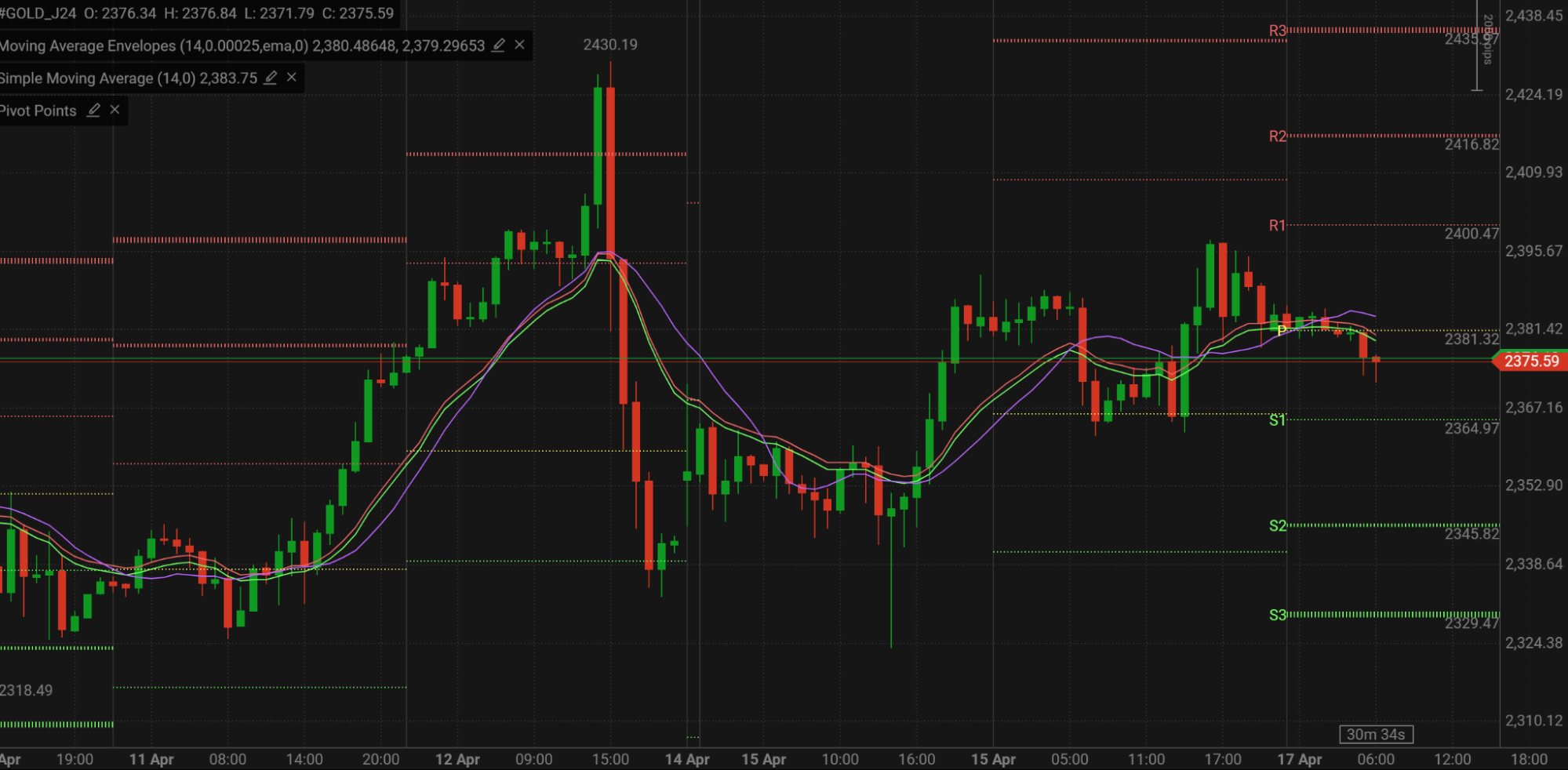
High-frequency trading is one area where exchanges and brokers spend a lot of money on reducing network delays.
The infrastructure allows all price changes to be captured in real-time, reducing slippage and significant market orders being executed at important prices during events or news releases around the world.
Low Latency Infrastructure – Features
- It allows extremely trustworthy yet ultra-fast execution in microseconds around the globe
- To speed up the whole processUses fiber optics and co-location servers
- Minimises price slippage in fast-moving markets
- Live to high-frequency trading and works steadier
- Provides immediate response to news and economic events
| Pros | Cons |
|---|---|
| Enables microsecond-level execution speed | Very high setup and maintenance cost |
| Reduces slippage in volatile markets | Requires advanced technical infrastructure |
| Essential for high-frequency trading | Limited access for retail traders |
| Improves reaction to news events instantly | Needs constant hardware upgrades |
5. Cloud Based Trading Execution
Cloud-based trading execution platforms enable traders to wait on a powerful infrastructure without being limited by their local hardware.
Such systems offer scalable, secure, and always-on execution environments. 2015 MAPs start integrating with AI analytics and automated bots to process real-time market data on cloud execution, which ramps up in 2026.
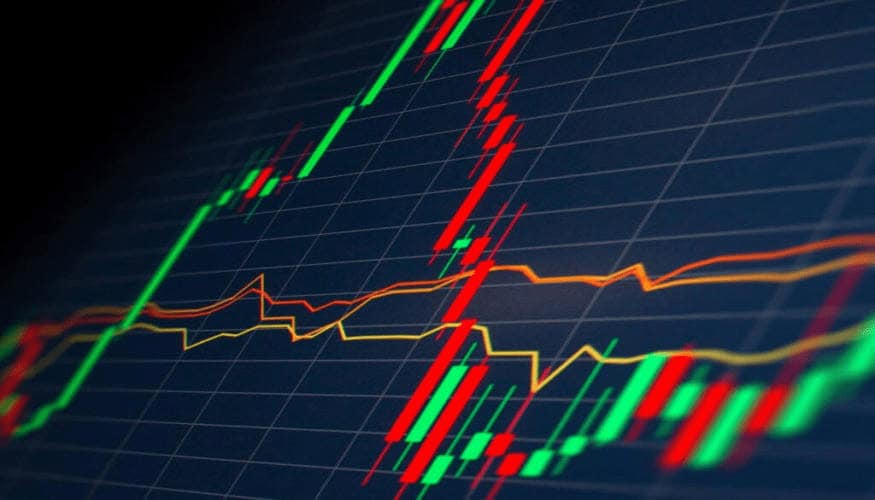
The traders deployed their strategies across the globe with almost no setup. Cloud platforms also enhance reliability by lowering downtime and providing the flexibility to be run on multiple servers at once.
This allows Forex trading to become more accessible, flexible and efficient for both beginners and institutional-level participants.
Cloud-based trading execution — Features
- Trading access without the physical constraints of hardware
- Facilitates trading from any device and location around the world
- AI Bots and Automated Strategy Deployment
- Decrease Downtime with Distributed Cloud Servers
| Pros | Cons |
|---|---|
| No need for expensive local hardware | Internet dependency creates risk |
| Scalable and globally accessible | Potential cloud security vulnerabilities |
| Supports automated trading systems easily | Possible latency during server overload |
| Reduces system downtime risk | Subscription costs can increase over time |
6. Machine Learning Execution Models
A Machine Learning execution model: Utilises historical and real-time market data to maximise optimal trading decisions.
As for models based on market data, these naturally learn from price formations, volatility cycles, and liquidity behaviour to sharpen the timing of execution.
They are popular in Forex to indicate the best entry and exit points by 2026 at the global level. In such systems, reinforcement learning provides continuous self-improvement.
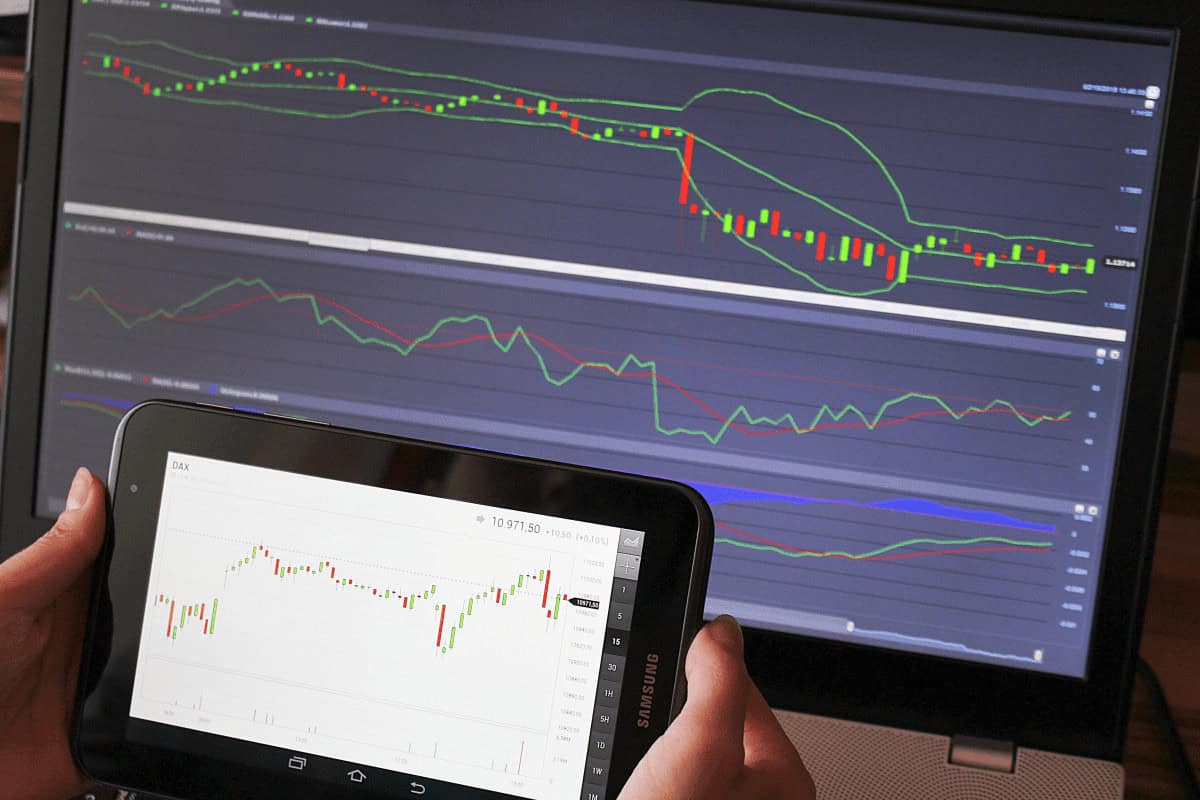
Consequently, the execution gets better and more intelligent with time, leading to fewer errors and better profitability. Now, these models are responsible for globally used AI-powered trading strategies.
Execution Models in Machine Learning – features
- Learn from historical and real-time market data signals
- Continuously improves execution accuracy over time
- Forecasting the best entry and exit points to trade
- Adjusts strategies to changes in volatility/ liquidity
- Enhances profitability through self-improving algorithms
| Pros | Cons |
|---|---|
| Continuously improves trading accuracy | Requires large historical data sets |
| Predicts optimal trade timing | Can overfit to past market conditions |
| Reduces execution errors over time | Complex model training process |
| Adapts to changing market behavior | Needs constant retraining and updates |
7. High Frequency Trading Systems
High-frequency trading (HFT) systems are designed to perform thousands of trades per second at ultra-low latency. In Forex markets, HFT takes advantage of small price variations across financial exchanges.
These systems operate in real-time with data feeds, incredibly advanced algorithms, and co-location servers.
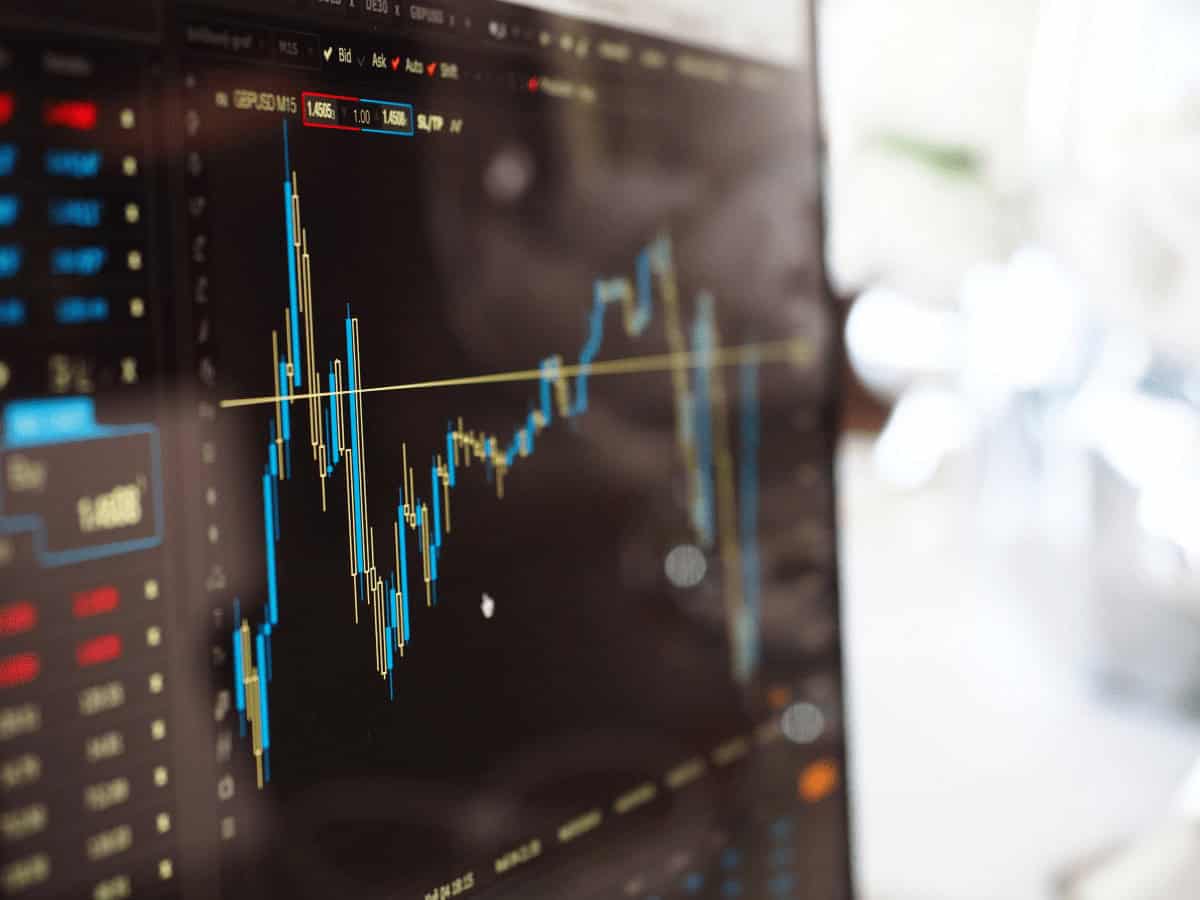
Advanced AI systems for high-frequency trading (HFT) study the market microstructure to make real-time decisions as we move into 2026.
They control liquidity provision and price discovery. Nevertheless, they come at a high infrastructural price — and thus are mainly available to hedge funds and institutional trading firms with advanced technological competence.
High Frequency Trading Systems – Features
- Automates thousands of trades every second
- Controlled based on price discrepancies in global markets
- It takes the speed advantage thanks to ultra-low latency infrastructure
- Enables price discovery and adds liquidity
- Powered by sophisticated algorithms and AI analytics
| Pros | Cons |
|---|---|
| Extremely fast trade execution | Very expensive infrastructure requirement |
| Generates profits from tiny price gaps | High competition among institutions |
| Provides market liquidity | Limited accessibility for retail traders |
| Uses advanced real-time analytics | High regulatory scrutiny in many regions |
8. Smart Liquidity Aggregation
Smart liquidity aggregation is the process of combining various sources of liquidity into one single execution stream.
It guarantees that traders always receive the most competitive and deepest market prices. With the data from Oct 2023, iaiy enhances liquidity aggregation by processing the microphones order book depth and volatility shifts in 275_CAPTURE_FIELDS.

Doing that reduces spreads and improves the consistency of execution. Aggregation systems also provide unified global Forex liquidity pools, which prevent fragmentation of liquidity.
This results in better execution, lower costs and increased efficiency for the retail and institutional Forex trader.
Smart Liquidity Aggregation – Features
- Brings all the liquidity providers under one roof
- Ensures you always get the best available price on the WWW
- Increase market depth visibility leading to smaller spreads
- Enhances execution consistency in periods of high volatility
- It prevents the fragmentation of global Forex liquidity pools.
| Pros | Cons |
|---|---|
| Ensures best available pricing | Integration complexity across platforms |
| Reduces spreads significantly | Dependency on multiple liquidity providers |
| Improves execution stability | System failures can affect all sources |
| Prevents liquidity fragmentation | Requires advanced monitoring tools |
9. API Based Execution Systems
Execution systems based on this API permit flawless integration of trading platforms, brokers, and even automated strategies.
From custom algorithms or third-party applications, traders can place orders. APIs are faster, more secure, and provide real-time data streaming in 2026.

They support full automation of your trading strategies through placing, modifying and cancelling orders.
Such systems find applications in algorithmic trading and fintech that give flexibility and customisation options. API execution is now a necessity for most modern Forex trading ecosystems.
API Based Execution Systems Features
- Easily automate your strategies directly using
- Works flawlessly with brokers and trading platforms
- Allows placing orders in real time and modifying them
- Enables traders to formulate their own algorithms
- Flexible and programmable trading environment
| Pros | Cons |
|---|---|
| Enables full trading automation | API downtime can disrupt trading |
| Easy integration with trading bots | Requires programming knowledge |
| Real-time order execution control | Security risks if not properly protected |
| Flexible strategy customization | Broker API limitations may exist |
10. Predictive Order Execution Systems
Secondly, predictive order execution systems adopt artificial intelligence and advanced analytics to predict market price direction prior to executing trades.
Such systems examine sentiment, macroeconomic signals and price patterns to forecast when an execution should take place.

By 2026, predictive models will have reached almost perfect accuracy thanks to deep learning. They assist traders in mitigating risk and optimising their entry.
These systems are then trained to predict volatility over a short time frame, and they perform order entries at the best prices such that slippage losses can be reduced whilst maximising profits in the rapidly moving Forex markets.
Predictive Order Execution Systems – Features
- Predicts the short-term movement of the market with AI models
- It helps you to get the best execution time before the price moves
- Improves slippage using predictive analytics accuracy
- Employs analysis of sentiment and macroeconomic data
| Pros | Cons |
|---|---|
| Forecasts optimal trade entry timing | Prediction errors can cause losses |
| Reduces slippage significantly | Highly dependent on data accuracy |
| Uses advanced AI and sentiment analysis | Complex model interpretation issues |
| Improves profitability potential | Market unpredictability still exists |
Conclusion
Conclusion – Smart Execution Technologies Transforming Forex Trading Smart execution technologies are revolutionising the Forex trading landscape, bringing unprecedented speed, intelligence, and rigour in data to this financial market.
Whether algorithmic engines or predictive AI systems, each innovation combats human error, increases the speed of execution and improves the accuracy of trading.
By 2026, traders are riding millisecond execution waves with smart routing and machine learning models that teach themselves according to the weather of the market.
These innovations are not only increasing efficiency but also changing the nature of global liquidity, risk management and profit in the modern Forex market.
FAQ
What are smart execution technologies in Forex trading?
They are AI and algorithm-based systems that automate trade execution for speed, accuracy, and efficiency.
Why is low latency important in Forex trading?
Low latency ensures faster execution, reducing slippage and improving trade profitability in volatile markets.
How does AI improve trade execution?
AI analyzes market data in real time to optimize routing, timing, and order placement decisions.
What is Smart Order Routing (SOR)?
SOR splits and routes orders across multiple liquidity providers for best execution price and speed.