In this article I will discuss the Best Investment Tools For Ultra-High-Net-Worth Individuals and how they help in building, preserving, and growing substantial wealth over time.
It will cover key options like private equity, hedge funds, real estate, structured products, and alternative assets.
You will understand how wealthy investors strategically allocate capital for diversification, risk management, and long-term financial success.
Key Points & Best Investment Tools For Ultra-High-Net-Worth Individuals
Private Equity Investing directly in private companies aiming long-term growth, illiquidity, potentially higher returns than public markets.
Hedge Funds Hedge funds use pooled capital, advanced strategies, leverage, aiming absolute returns and diversified risk management.
Private Real Estate & REIT Private real estate and REITs provide income, diversification, property exposure, and liquidity through market trading.
Structured Products Structured products combine derivatives and bonds to customize risk-return profiles, capital protection, and yield enhancement.
Art & Collectibles Art and collectibles act as alternative assets offering appreciation, diversification, passion investing, illiquid value storage.
Donor-Advised Funds (DAFs) Donor-advised funds provide tax-efficient charitable giving, investment growth, and flexible philanthropic grant distribution control structure.
Family Offices/Private Investment Companies Family offices manage ultra-wealthy capital, offering investments, estate planning, tax optimization, and governance services solutions.
Direct Equity (High-conviction/Concentrated Portfolios) Direct equity involves investing in selected companies, high-conviction bets, concentrated portfolios, and long-term growth focus.
Private Debt/Credit Funds Private debt funds lend to companies, generating higher yields, alternative income, and diversified credit exposure.
Offshore Investment Accounts Offshore investment accounts enable global diversification, tax optimization, regulatory flexibility, and wealth protection strategies enhancement.
10 Best Investment Tools For Ultra-High-Net-Worth Individuals
1. Private Equity
Private equity means to invest in private held companies that are not available on the open stock market. This alternative asset class allows ultra-high-net-worth individuals to tap into these high-growth opportunities prior to the companies IPO’ing.
As these investments usually have long holding periods, traditional 5–10 years, they become extremely illiquid. But if the businesses do really well then the returns could far surpass public markets.

Investors can also use private equity to make changes in management, reorganize companies and eliminate inefficiencies.
It is efficiently accessed via funds, co-investments & direct deals which provide diversification and potential for great wealth creation over time.
| Feature | Description |
|---|---|
| Investment Type | Private company ownership |
| Liquidity | Very low liquidity |
| Return Potential | High long-term growth |
| Control Level | High influence in management |
2. Hedge Funds
Hedge funds are essentially pooled investment vehicles that employ advanced investment strategies to earn returns as either absolute or alpha returns in other words expressed net of market.
They can own stocks, bonds, options, currencies and other asset classes. Hedge Funds, like Ultra-Wealthy InvestorsAs wealth grows, so do goals and objectives; ultra-wealthy investors prefer hedge funds for their flexibility and risk management techniques that seek positive or absolute returns.

Types of strategies include long-short equity, arbitrage, macroeconomic trading and event-driven investing. By borrowing money, hedge funds amplify gains when they are successful, but the impact on performance is even greater if this becomes a losing bet.
Designed to shield capital in bear markets, while playing upside in bull markets, these funds have become a staple of any balanced portfolio for the ultra-wealthy who are looking to mitigate risk — without sacrificing growth.
| Feature | Description |
|---|---|
| Strategy | Multi-asset, advanced trading |
| Risk Level | Moderate to high |
| Return Objective | Absolute returns |
| Market Dependency | Low correlation |
3. Private Real Estate & REIT
Private tangible real estate investments consist in owning, either directly or indirectly, residential, commercial or industrial properties that provide long-term price appreciation and rental income.
Ultra-high-net-worth individuals turn to real estate for portfolio diversification and inflation hedge. REITs (Real Estate Investment Trusts) offer a more liquid alternative, letting investors buy and sell real estate exposure similar to stocks.

Private real estate is more controlled but also more turned out to be redone, while REITs can slice the doorway in and watery sites. And together they build our balance of stability and income-producing investments.
Thanks to steady cash flow, some degree of tax shield in certain areas, and a backing of intrinsic value this asset class is seen as an integral tool in wealth accumulation across the globe.
| Feature | Description |
|---|---|
| Asset Type | Physical property or REITs |
| Income Source | Rent or dividends |
| Liquidity | Medium (REITs high, private low) |
| Risk Level | Moderate |
4. Structured Products
Structured products are financial instruments that combine derivatives with traditional securities, like bonds.
These are built to generate personalized risk-return profiles based on investor targets. Ultra-high-net-worth individuals utilize them for capital protection, generating upside yield, or to gain exposure/seeking specific market outcomes.

Structured products, for example, offer partial capital protection with upside exposure tied to equity indices or commodities. Others will pay higher returns for taking market risks.
They’re incredibly versatile instruments but quite complicated, so a lot of analysis goes into these.
They generally have major banks on the short end of the fixed income curve and are designed for sophisticated investors who want accuracy in their asset allocation.
| Feature | Description |
|---|---|
| Structure | Hybrid financial instruments |
| Risk Control | Customizable |
| Complexity | High |
| Issuers | Major financial institutions |
5. Art & Collectibles
Alternative investments such as art and collectables have monetary value and similarly embody a strong cultural and emotional connection.
From paintings to rare coins, from vintage cars to luxury watches and historical artifacts, ultra-wealthy investors often acquire any of these various items.
They can even appreciate a lot as time goes by, particularly if those assets are rare or of artistic merit Art and collectables have low liquidity, subjective valuation, unlike regular investments.

Nevertheless, they offer a good portfolio diversification and an excellent hedge against financial market fluctuations.
Not many do, and along with this satisfaction of ownership. Pricing and long-term investment potential are determined by the global auction market and private sales.
| Feature | Description |
|---|---|
| Asset Type | Tangible collectibles |
| Liquidity | Low |
| Valuation | Subjective market demand |
| Return Style | Long-term appreciation |
6. Donor-Advised Funds (DAFs)
Donor-advised fund in essence are charitable investment accounts where individuals contribute donated assets, receive immediate tax benefits for the donation and then make grants over time.
DAFs are often a fund of choice for ultra-high-net-worth individuals and families looking to plan, manage and maximize their philanthropic efforts.

Assets that are contributed can be invested for greater returns before being distributed to charities. This structure allows for flexibility in the timing of donations while allowing individuals to maximize tax benefits.
DAFs likewise streamline record-keeping and legacy planning at the family level. They are particularly favored by affluent donors who wish to combine philanthropy with long-term investment strategies while retaining control over charitable giving decisions.
| Feature | Description |
|---|---|
| Purpose | Charitable investment account |
| Tax Benefit | Immediate deduction |
| Control | High donation flexibility |
| Growth Option | Yes, invested funds |
7. Family Offices/Private Investment Companies
Family offices are dedicated firms that manage ultra-high-net-worth family wealth. They manage investment, estate planning, tax strategy, philanthropy and governance.
When scale requires these offices can be single-family or multi-family structures. They offer tailor-made oligarchs frequently across private equity, real estate, hedge funds and direct businesses.

Family offices are also targeting generational wealth preservation with organised and structured succession planning. They enhance efficiency and confidentiality by centralising financial control.
They are counted as amongst the most holistic wealth management solutions, providing strategic oversight, risk balancing and long term capital growth that is in line with family goals.
| Feature | Description |
|---|---|
| Structure | Dedicated wealth management entity |
| Clients | Ultra-high-net-worth families |
| Services | Investment + estate + tax planning |
| Objective | Wealth preservation |
8. Direct Equity (High-conviction/Concentrated Portfolios)
Direct equity investment is essentially buying large stakes in chosen companies based on high conviction. Ultra-high-net-worths frequently concentrate their portfolios on a handful of fast-growing or undervalued companies.
It involves exhaustive research, understanding of markets and continual monitoring. Concentrated equity positions can produce outsized returns, but they also come with much higher risk than diversified portfolios.
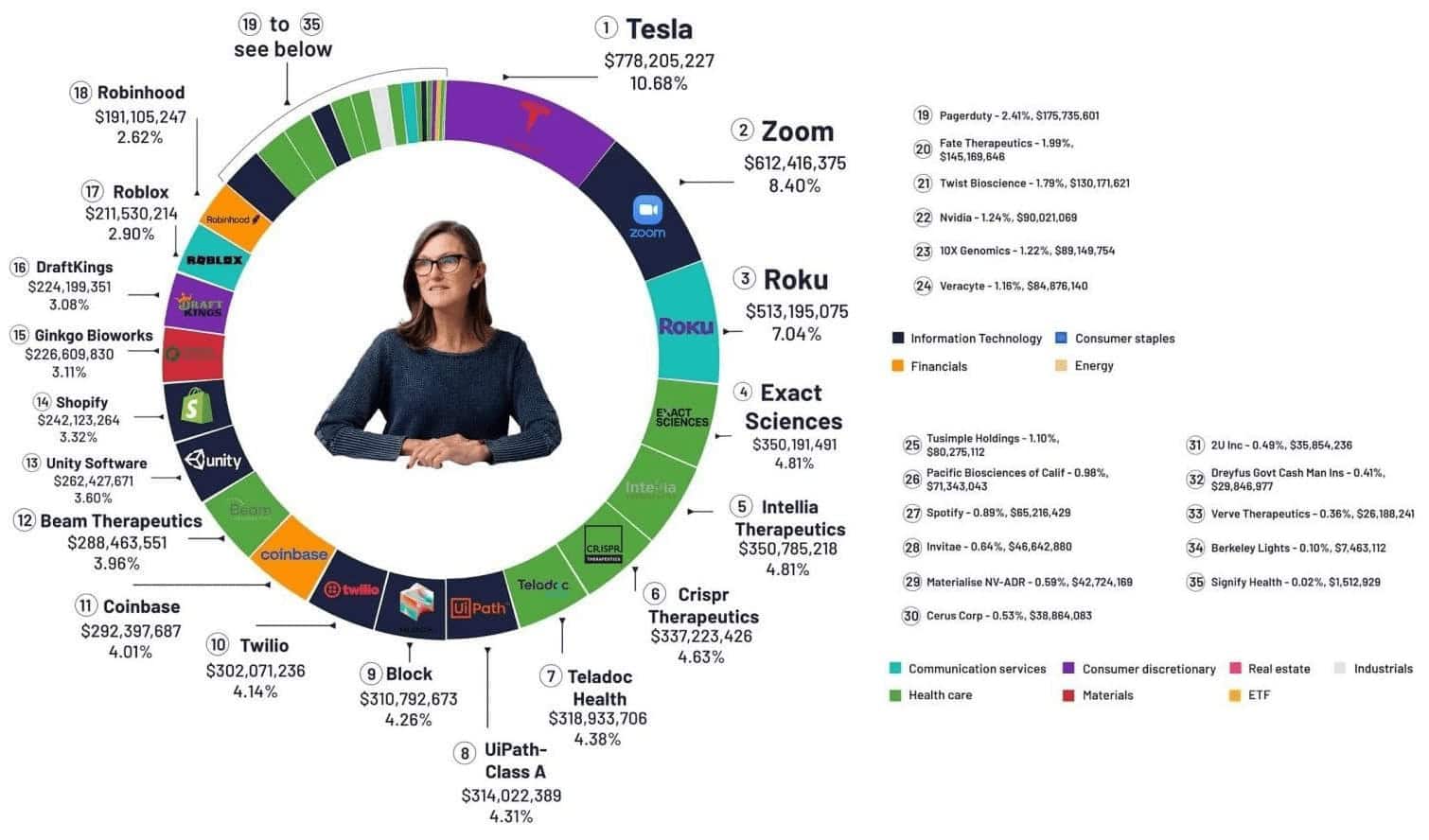
Ownership level also determines whether investors have a say in governance or strategic decisions. Regardless of the situation, this method is preferred by seasoned investors
Who want to amass wealth over a long period and are willing to put up with volatility if it means that they will get better returns from their selection of high quality companies with strong fundamentals.
| Feature | Description |
|---|---|
| Portfolio Style | Concentrated holdings |
| Risk Level | High |
| Return Potential | Very high |
| Management | Active decision-making |
9. Private Debt/Credit Funds
Private debt funds, on the other hand, offer loans to private companies, real estate developers or infrastructure projects that technically fall outside banks.
The ultra-high-net-worth community figures yield higher yields from public fixed-income securities by rolling respective assets up to this asset class.
That is, the money made through these funds is accumulated by collecting interest on their loans and structured lending.

These may involve direct lending, mezzanine financing or distressed debt strategies. In a volatile environment, private credit is attractive as it offers diversification and lower correlation with equity markets.
On the downside, there are risks of default and lack of liquidity. They are highly regarded to mitigate the portfolios with stable cash flows, whilst improving overall risk adjusted returns in alternative investments.
| Feature | Description |
|---|---|
| Asset Type | Private lending instruments |
| Income | Fixed interest returns |
| Risk Level | Medium |
| Liquidity | Low to medium |
10. Offshore Investment Accounts
Offshore investment accounts are financial accounts held outside of an investor’s home country, more often referred to as a global financial center.
Ultra-high-net-worthy people use them for diversification, asset protection and regulatory flexibility. These accounts provide access to international markets, currencies, and investment opportunities that may not be available locally.

Depending on jurisdiction and compliance structure they can also be tax efficient. People use offshore accounts for a variety of reasons, primarily the preservation of wealth, estate planning and reducing geopolitical risks.
But they must follow precise legal procedures and be fully transparent to avoid running afoul of regulators. If structured correctly, they boost global financial leverage and serve as long-lasting avenues for wealth management solutions.
| Feature | Description |
|---|---|
| Location | International financial centers |
| Purpose | Diversification & protection |
| Flexibility | High global access |
| Compliance | Strict regulatory rules |
Why is direct equity investing considered a high-conviction strategy among wealthy investors?
- Concentration of capital on a handful of businesses instead of wide diversification
- Based on deep research and strong belief on long term potential of business
- Enables investors to capitalize on big returns from successful stock picks
- Requires more hands-on decision-making and ongoing monitoring of every investment
- Limited diversification across certain sectors results in high risk exposure
- Must have deep market experience to deal with fluctuations
- It is something that wealthy investors use to build concentrated, high-growth portfolios.
- Timings, conviction and execution quality are the most important variables in success.
How to Choose Best Investment Tools for Ultra-High-Net-Worth Individuals
- Define clear financial goals like growth, preservation, income, or legacy planning
- Assess risk tolerance to balance high-return and capital-protection investments
- Diversify across asset classes such as equity, real estate, debt, and alternatives
- Consider liquidity needs before selecting long-term illiquid investments like private equity
- Evaluate expertise required for complex tools like hedge funds or structured products
- Focus on tax efficiency and jurisdiction benefits for optimized wealth structuring
- Align investments with time horizon and generational wealth planning objectives
- Use professional advisory support like family offices for strategic asset allocation
- Prioritize consistent returns and downside protection over speculative high-risk bets
- Regularly review and rebalance portfolio based on market conditions and performance
Conclsuion
To summarize, the best investment tools for ultra-high-net-worth individuals lie in diversification, risk management and wealth creation over the long term.
Capital can be both preserved and grown through private equity, hedge funds, real estate, structured products and alternative assets.
Allocating strategically among these instruments insures stability, tax efficient modification and transfer to the next generation. A balanced portfolio could still be your ticket to financial health and long-term investing success.
FAQ
What are the best investment tools for ultra-high-net-worth individuals?
Private equity, hedge funds, real estate, structured products, and private debt are commonly used tools.
Why do wealthy investors prefer alternative investments?
They offer diversification, higher returns, and lower correlation with traditional stock markets.
Is private equity a safe investment option?
It is high-risk but offers strong long-term returns and requires long holding periods.
What role do hedge funds play in UHNW portfolios?
They provide flexible strategies to generate returns in both rising and falling markets.