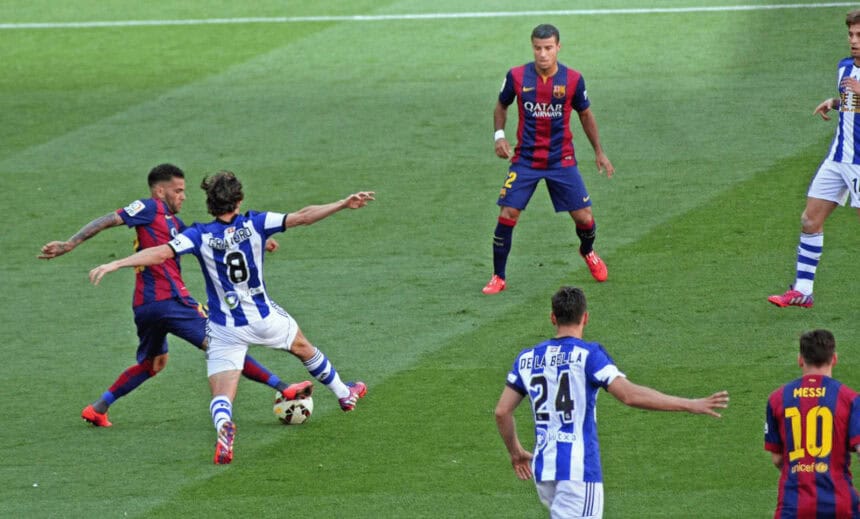
In this article, I will explain the Ways AI Is Helping Football Coaches Create Better Game Strategies and how by using latest technology football strategies are being changed.
AI is Overhauling the Coaching Methodology AI is impacting coaching in many ways – right from real-time decision-making, predictive analysis to personalized training.
These innovations aid teams in maximizing performance and making more efficient use of strategies and tactics for an added advantage in the rapidly evolving world of football today.
Key Points & Ways AI Is Helping Football Coaches Build Better Game Strategies
Real-Time In-Game Tactical Adjustments: AI analyzes match data, suggesting tactical adjustments instantly to counter opponents and exploit weaknesses effectively.
Predictive Opponent Analysis and Modeling: Machine models predict opponent behaviors using historical data, helping coaches prepare targeted strategies before matches.
Optimizing Set Pieces and Positioning: AI evaluates positioning set-piece patterns, identifying optimal player placements to maximize scoring opportunities stability overall.
Automated Video Tagging and Analysis: AI automatically tags match footage events, enabling analysis, pattern recognition, and insights without manual effort.
Player Workload Management and Injury Prevention: AI monitors workloads, tracking fatigue levels to prevent injuries and optimize training intensity across seasons.
“What-If” Game Simulation and Scenario Testing: AI simulates scenarios, testing tactical variations to forecast outcomes and support strategic decision-making under pressure.
Hyper-Personalized Training Recommendations: AI creates individualized training plans based performance data, improving skills, fitness, development tailored to player.
Data-Driven Scouting and Recruitment: AI analyzes datasets to identify talented players, uncover hidden potential, improve recruitment efficiency decision accuracy.
Assessing Player Value and Performance Metrics: AI evaluates performance metrics, quantifying contributions to determine market value, contract decisions, team impact objectively.
Instant Sideline Decision-Making Support: AI provides real-time insights sidelines, coaches make quick substitutions, tactical changes, informed decisions during matches.
10 Ways AI Is Helping Football Coaches Build Better Game Strategies
1. Real-Time In-Game Tactical Adjustments
AI allows for real-time tactical decisions during the match, using a continuous analysis of the data streams of players, ball movement or opponent formations.
In seconds, these advanced systems process the information to suggest optimal adjustments such as formation changes or substitutions.
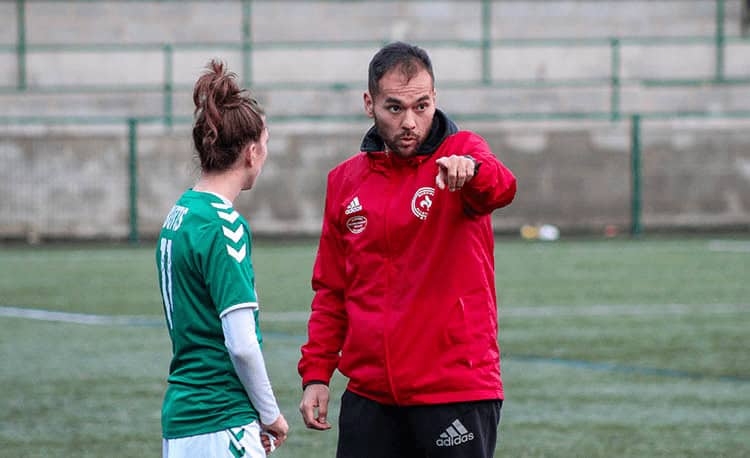
This takes away the sole dependence on instinct and adds precision. Coaches can react to unanticipated situations, take advantage of weaknesses and keep the tempo of the game under control – making team performance in tight endgame much better.
| Feature | Explanation |
|---|---|
| Live Data Tracking | AI continuously monitors player movements, ball position, and formations in real time, giving coaches a dynamic view of the match as it unfolds. |
| Instant Tactical Suggestions | Systems recommend quick changes like substitutions or formation shifts based on ongoing match conditions and performance metrics. |
| Pattern Recognition | AI detects opponent weaknesses or repetitive patterns, allowing teams to exploit gaps effectively during gameplay. |
| Faster Decision-Making | Coaches receive insights within seconds, reducing delays and enabling quicker responses to unexpected situations. |
| Enhanced Game Control | Real-time insights help maintain tempo, manage pressure, and keep tactical control throughout the match. |
2. Predictive Opponent Analysis and Modeling
AI systems model large datasets of prior games to create profiles predicting how the opponent will be likely to play.
These statistics, which provide insight into formations, passing styles (short or long), and attacking tendencies allow coaches to be more prepared before even the first whistle.
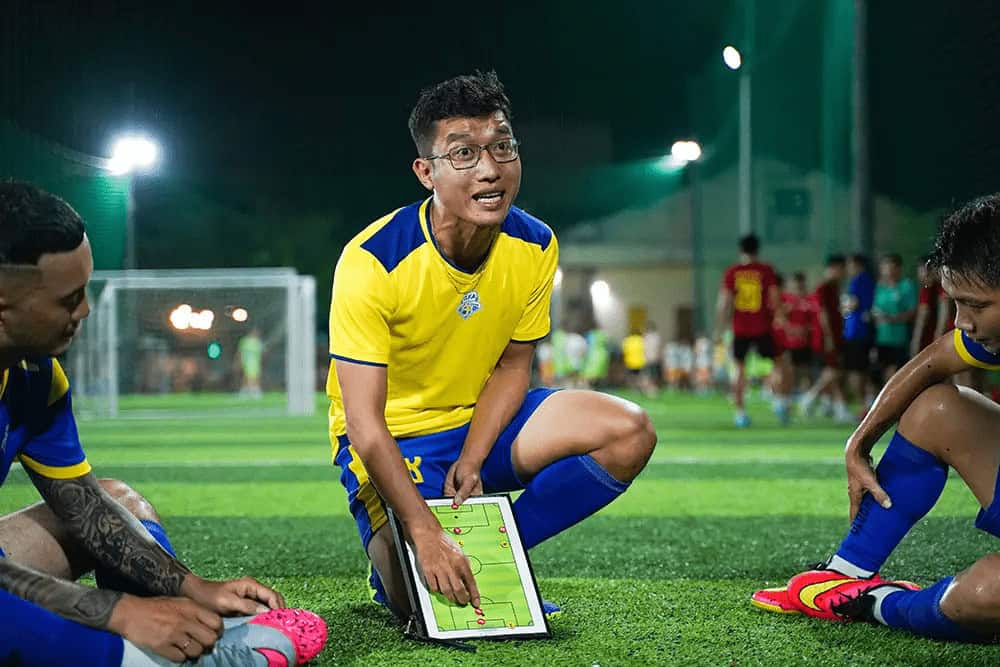
They are predictive models that allow to simulate various scenarios, and prepare teams for multiple situations.
This enables coaches to draw up very specific game plans as well as expect the opponents moves that result in almost zero surprises on match days.
| Feature | Explanation |
|---|---|
| Historical Data Analysis | AI studies past matches to identify opponent behaviors, strategies, and tendencies over time. |
| Behavior Prediction | Systems forecast likely moves, formations, and attacking patterns in different match scenarios. |
| Scenario Simulation | Coaches can test multiple match situations to prepare for various opponent strategies. |
| Tactical Preparation | Helps create focused game plans tailored to counter specific opponent strengths. |
| Reduced Uncertainty | Minimizes surprises during matches by providing data-backed expectations of opponent actions. |
3. Optimizing Set Pieces and Positioning
While match outcomes are often influenced by set pieces, AI assists in identifying where they can be most effective.
From historical data, AI is able to discover what positioning pattern works best for corners, free-kicks and throw-ins.
It analyzes player strengths, adversary weaknesses, and the relationship between players to suggest optimal arrangements.
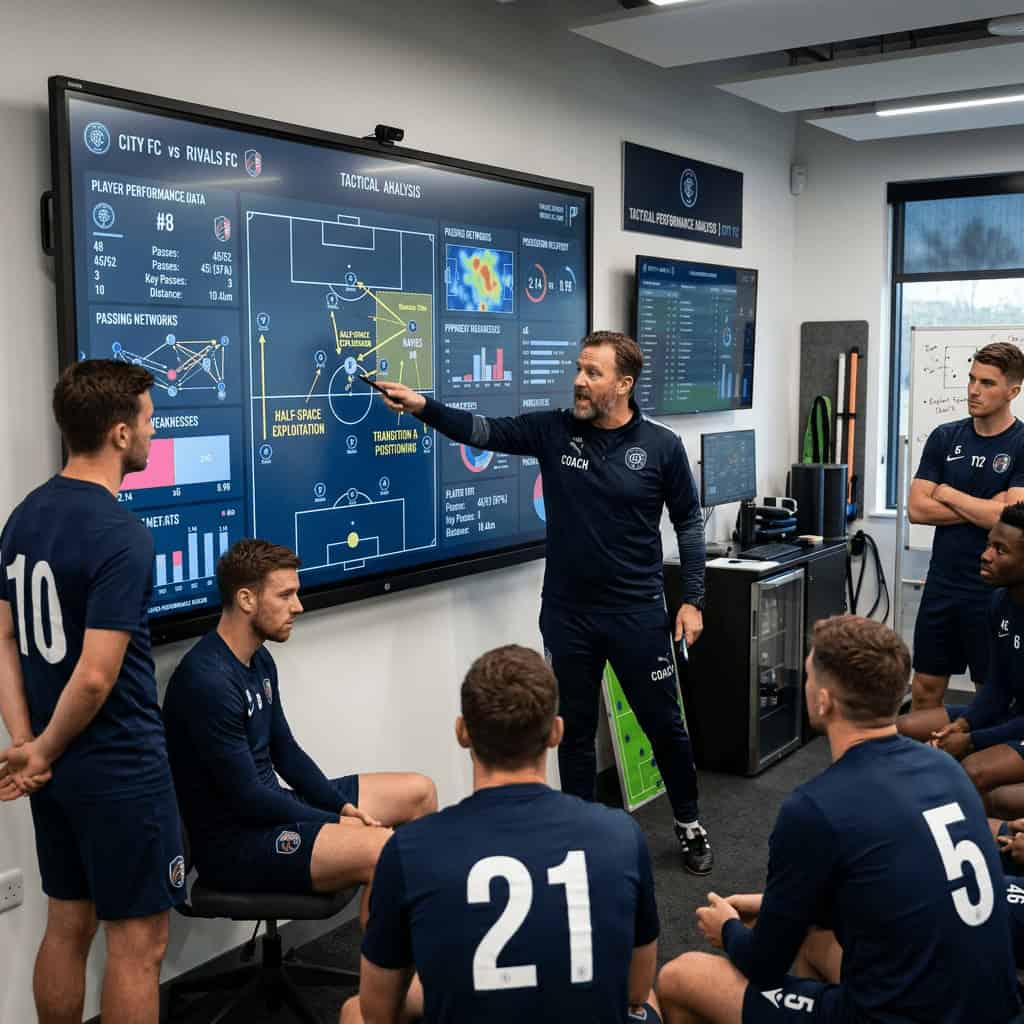
From guesswork to rehearsal, coaches can create data-driven sets. Once the opposition’s defensive line is breached isolate opposite defenders and thus higher conversion rates as well as better post defensive organiztion (ex: similar defender arrangement) in moments that matter.
| Feature | Explanation |
|---|---|
| Data-Backed Positioning | AI identifies optimal player placements for corners, free kicks, and throw-ins using past success rates. |
| Strength Analysis | Evaluates individual player abilities to assign the most effective roles during set pieces. |
| Opponent Weakness Detection | Highlights defensive gaps in opponents to exploit during critical moments. |
| Spatial Optimization | Analyzes field spacing to maximize scoring opportunities or defensive coverage. |
| Improved Conversion Rates | Increases chances of scoring or defending successfully through structured planning. |
4. Automated Video Tagging and Analysis
Advanced analysis tools leverage AI to flag important moments in match video — passes, shots, tackles and transitions.
This saves analysts hours of manual labour whilst also allowing coaches to view key moments in seconds. It helps to bring
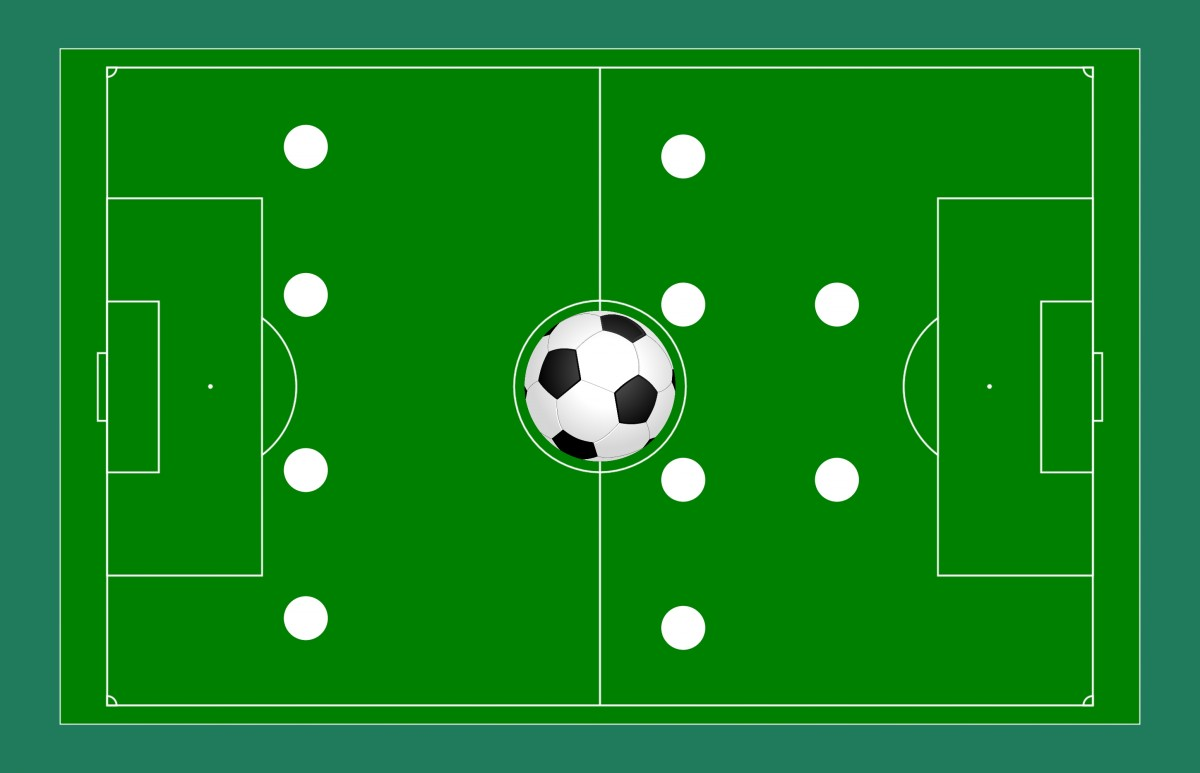
out trends and reoccurring issues that will help you track, without dwelling on hand.
The quicker you can access insights, the more you can train them properly and make better tactical decisions to help mould your team into a stronger unit.
| Feature | Explanation |
|---|---|
| Fitness Monitoring | Tracks metrics like heart rate, distance covered, and fatigue levels in real time. |
| Injury Risk Detection | Identifies early warning signs of overtraining or physical stress. |
| Personalized Training Loads | Adjusts intensity based on individual player conditions and recovery status. |
| Recovery Optimization | Suggests rest periods and recovery strategies to maintain peak fitness. |
| Long-Term Player Health | Helps prevent injuries and ensures consistent performance throughout the season. |
5. Player Workload Management and Injury Prevention
AI works up player fitness and workload data (heart rate, distance covered/recovery etc) to monitor body movement.
It can identify early signs of tiredness or overtraining to allow the coach to make changes in the training intensity as well as rest periods.
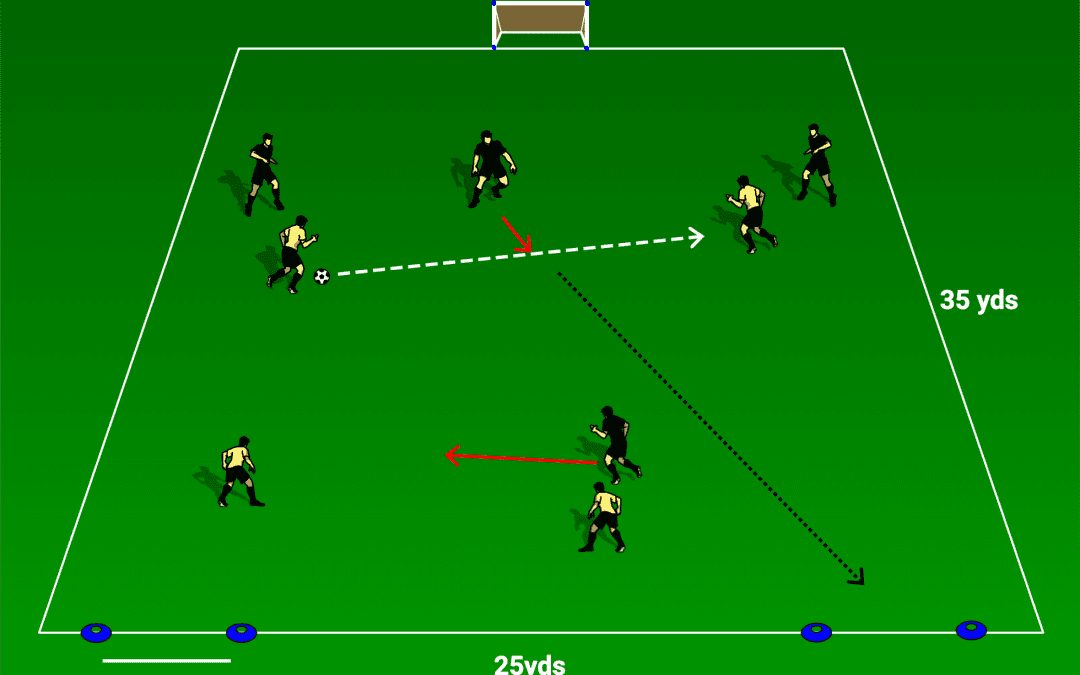
It minimizes the risk of injury and keeps your players performing at their best all season long. Instead, algorithms for personalized recommendations make it possible
To workout well and at the right intensity for optimum gain in performance along with improving the health and consistency of athletes over multiple days to be able compete up to the level they are trained.
| Feature | Explanation |
|---|---|
| Fitness Monitoring | Tracks metrics like heart rate, distance covered, and fatigue levels in real time. |
| Injury Risk Detection | Identifies early warning signs of overtraining or physical stress. |
| Personalized Training Loads | Adjusts intensity based on individual player conditions and recovery status. |
| Recovery Optimization | Suggests rest periods and recovery strategies to maintain peak fitness. |
| Long-Term Player Health | Helps prevent injuries and ensures consistent performance throughout the season. |
6. “What-If” Game Simulation and Scenario Testing
Coaches can use AI to run through various match scenarios before physically setting foot on the pitch.
Teams can get ready for different situations by testing the “what-if” scenarios like a player going in and out; to play with ten men, defend a lead, chase a goal.
The simulations yield insights on which strategies work better under certain conditions. Data-backed preparation allows coaches to refine tactics, enhance decision-making and build confidence in their game plans.
| Feature | Explanation |
|---|---|
| Scenario Modeling | Simulates match conditions such as leading, trailing, or playing with fewer players. |
| Strategy Testing | Evaluates effectiveness of different tactical approaches before real matches. |
| Risk Assessment | Identifies potential weaknesses in planned strategies under various conditions. |
| Decision Confidence | Helps coaches feel more prepared and confident in their tactical choices. |
| Data-Driven Preparation | Replaces guesswork with evidence-based planning for better outcomes. |
7. Hyper-Personalized Training Recommendations
AI can personalize training regimes according to their performance data, health fitness levels & skill gaps.
Unlike the cookie-cutter approach, every player is given personalized drills and feedback. This speeds up development and makes sure efforts are direct towards specific things that need to be improved.
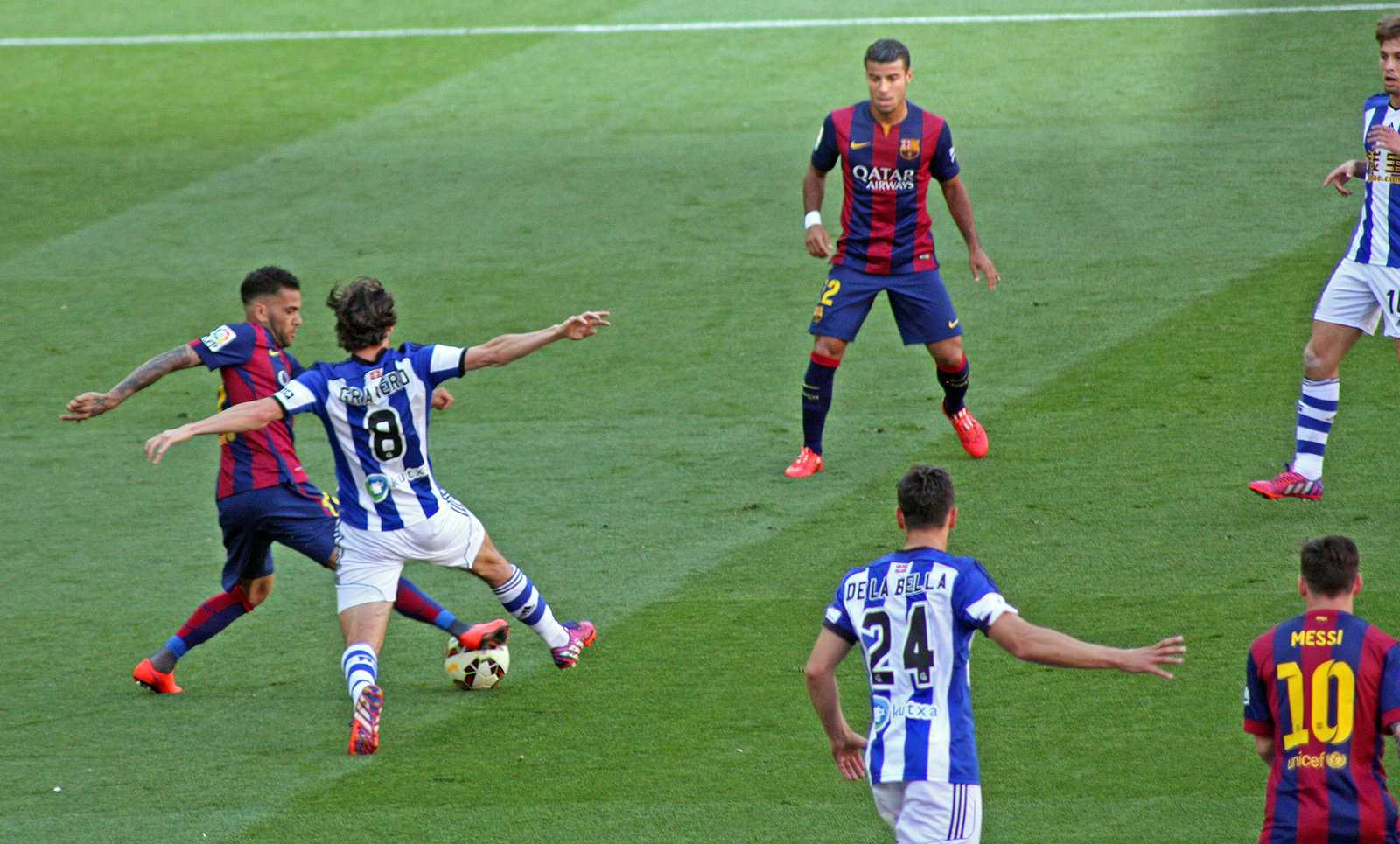
With training load data accessible in real-time, coaches will then be able to optimise progress tracking and offer more precise adjustments to the plans facilitating the ability to have better sessions that will enable improved betterism of teams overall.
| Feature | Explanation |
|---|---|
| Individual Performance Analysis | AI evaluates each player’s strengths, weaknesses, and progress over time. |
| Customized Training Plans | Creates tailored drills and exercises based on specific needs. |
| Real-Time Feedback | Provides instant insights to help players improve technique and performance. |
| Skill Gap Identification | Pinpoints areas requiring improvement for faster development. |
| Efficient Training Sessions | Maximizes productivity by focusing on targeted improvement areas. |
8. Data-Driven Scouting and Recruitment
The scouting component gets revolutionized as AI can evaluate thousands of players in different leagues across the global to find suitable targets.
It considers metrics, styles of play and upside in order to find ideal prospects. Decreasing bias and discovering hidden talent often overlooked by traditional scouting
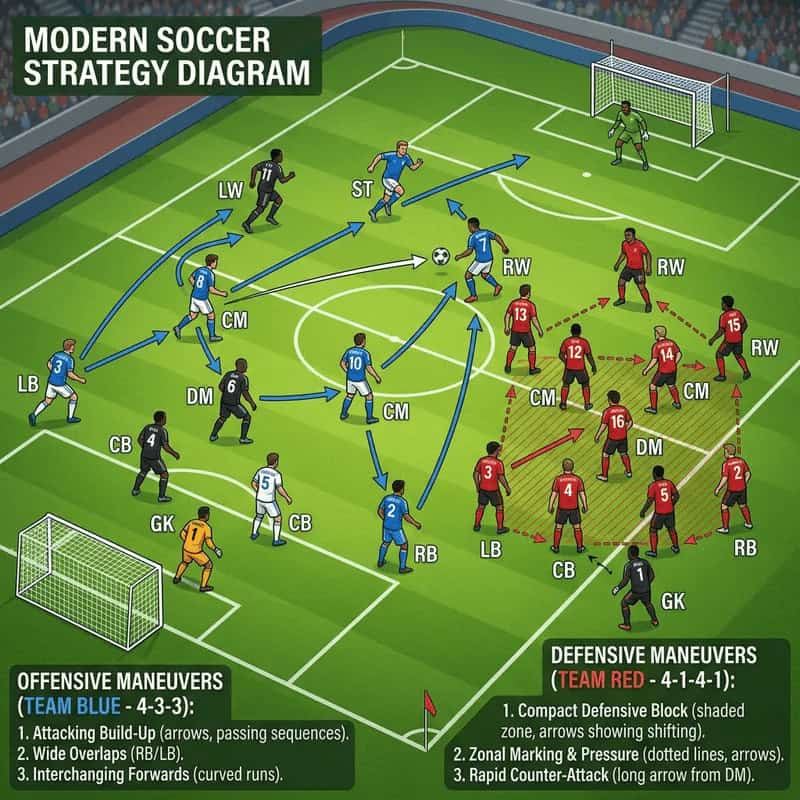
This enables coaches and clubs to make better transfer decisions, both strategically in terms of ensuring new signings are aligned with the club’s direction on-field long-term.
| Feature | Explanation |
|---|---|
| Global Talent Analysis | AI scans thousands of players across leagues worldwide for potential recruits. |
| Performance Metrics Evaluation | Assesses players using advanced statistics and playing styles. |
| Bias Reduction | Removes subjective judgment from scouting decisions. |
| Hidden Talent Discovery | Identifies underrated or overlooked players with high potential. |
| Strategic Recruitment | Ensures new players align with team tactics and long-term goals. |
9. Assessing Player Value and Performance Metrics
AI provides a holistic assessment of player performance using sophisticated data metrics instead of basic figures. It takes into account off-ball movement, defensive contributions, and the soundness of decision-making.
This helps coaches evaluate how much a player really influences the game. Clubs are in a better position to establish fair market value and organise contractual decisions based on data-driven insights, resulting in smarter financial and sporting choices.
| Feature | Explanation |
|---|---|
| Advanced Performance Metrics | Goes beyond basic stats to evaluate overall player impact. |
| Off-Ball Analysis | Measures movement, positioning, and contribution without possession. |
| Decision-Making Insights | Assesses how effectively players make choices during matches. |
| Market Value Estimation | Helps determine fair transfer value based on data insights. |
| Informed Contract Decisions | Supports better financial and team management strategies. |
10. Instant Sideline Decision-Making Support
During matches, AI tools provide sideline recommendations to coaching staff in real-time. They process real-time data to recommend substitutions, tactical adjustments or formation changes instantly. It enables coaches to respond immediately to changing circumstances.
When human intuition is utilized in conjunction with data-driven insights derived from artificial intelligence, groups of individuals can help make better decisions under pressure and thus serve themselves better by winning at key moments.
| Feature | Explanation |
|---|---|
| Live Match Analysis | Continuously processes real-time match data for instant insights. |
| Tactical Recommendations | Suggests substitutions and formation changes during gameplay. |
| Quick Reaction Capability | Enables faster responses to evolving match situations. |
| Data + Human Expertise | Combines AI insights with coaching intuition for balanced decisions. |
| Competitive Advantage | Improves chances of success by making smarter, timely decisions under pressure. |
Conclsuion
AI is revolutionizing the business of football coaching by leveraging data to drive insight into gameplay, provide real-time decision support and develop complex strategic planning tools.
This allows coaches to work on performance, risk-taking and tactical decisions. Integrating technology with the human element offers teams
A strategic advantage and can help them adapt to modern footballs rapidly evolving demands more efficiently.
FAQ
Can AI accurately predict opponent strategies?
Yes, AI uses historical match data and pattern recognition to forecast opponent behavior. It identifies trends in formations and tactics, helping coaches prepare more effectively and reduce uncertainty before and during matches.
How does AI enhance set-piece performance?
AI evaluates past data to determine the most effective positioning and routines for corners, free kicks, and throw-ins. This data-driven approach increases scoring chances and strengthens defensive organization during crucial moments.
How does AI personalize player training?
AI creates customized training programs based on individual performance, strengths, and weaknesses. This ensures targeted improvement and faster skill development compared to generic training methods.
Can AI improve scouting and recruitment?
Yes, AI analyzes large datasets of players worldwide to identify talent based on performance metrics and playing style. It reduces bias and helps clubs find players who best fit their tactical needs.