In this article, I explain the Ways AI Is Helping Supply Chain Teams Avoid Costly Mistakes. With the increasing complexity of the global market environment
AI technologies are automating supply chains through real-time insights and predictive analytics, allowing businesses to minimize errors and reduce costs while ensuring smooth and efficient business operations.
Key Points & Ways AI Is Helping Supply Chain Teams Avoid Costly Mistakes
Demand Forecasting AI predicts customer demand accurately, reducing overstocking or stockouts that lead to financial losses.
Inventory Optimization AI balances stock levels, ensuring products are available without tying up excessive working capital.
Supplier Risk Management AI analyzes supplier performance data, identifying potential risks before they disrupt supply chain operations.
Route Optimization AI calculates efficient delivery routes, minimizing fuel costs and delays in transportation logistics.
Quality Control AI detects product defects early, preventing costly recalls and maintaining customer satisfaction consistently.
Fraud Detection AI monitors transactions for anomalies, reducing financial losses from fraudulent activities in procurement.
Predictive Maintenance AI anticipates equipment failures, scheduling timely repairs to avoid expensive downtime and production delays.
Cost Analysis AI evaluates spending patterns, uncovering inefficiencies and suggesting cost-saving opportunities across supply chain.
Real-Time Tracking AI provides visibility into shipments, preventing misplacements and ensuring timely deliveries to customers.
Scenario Planning AI simulates supply chain disruptions, helping teams prepare strategies that minimize financial impact.
10 Ways AI Is Helping Supply Chain Teams Avoid Costly Mistakes
1. Demand Forecasting
By identifying historical sales trends, seasons at a time and external conditions that affected product demand (such as market trends or the impact of the weather), it is possible for supply chain teams to ensure they do not make costly mistakes using AI-driven demand forecasting.
By training machine learning models on the latest data, their predictions get more accurate over time and they rely less on guesswork.
This also enables businesses to predict the demands they will face more accurately and avoid instances of overproducing or running out of stock.
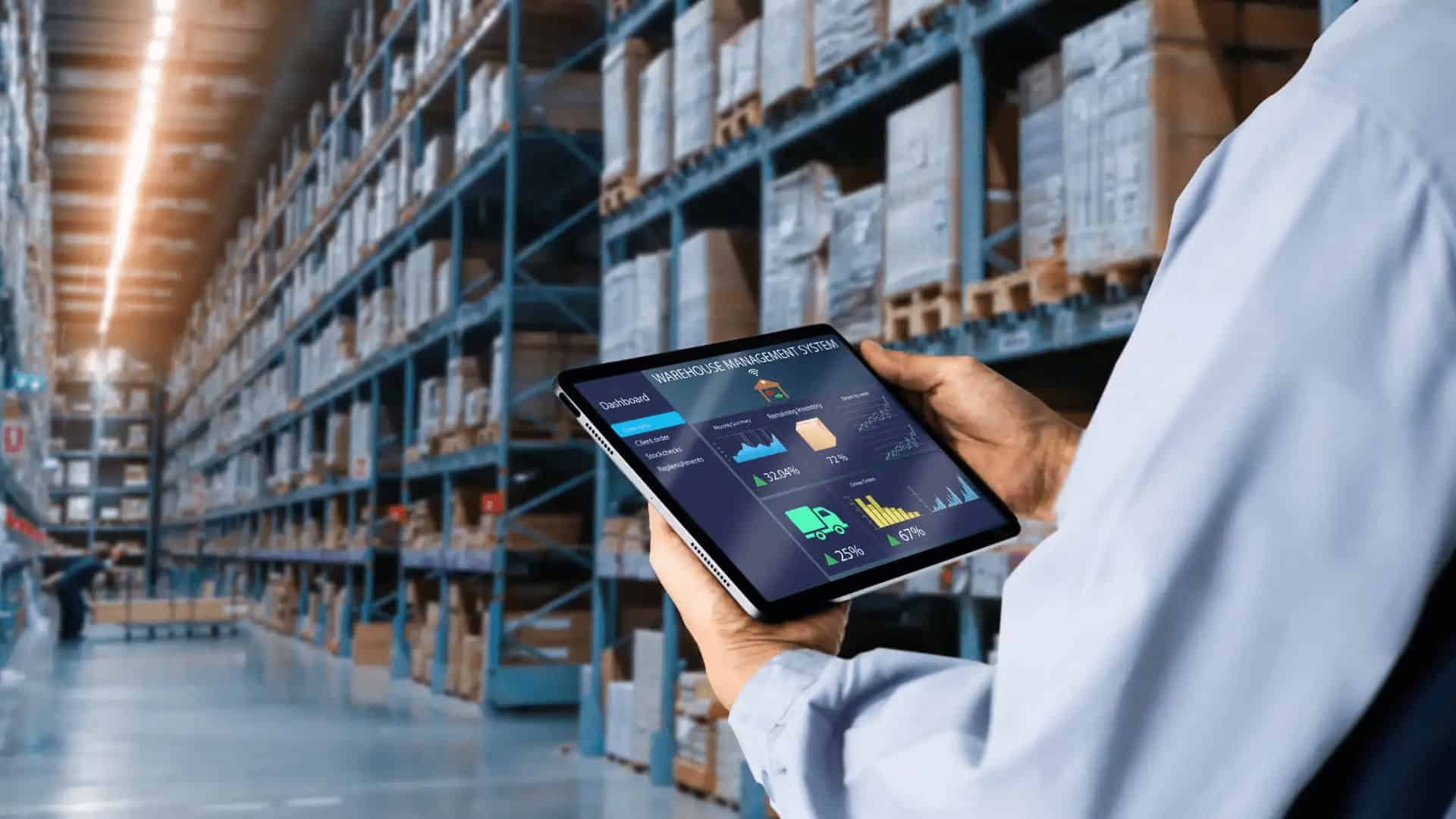
Fact-based forecasts can help businesses efficiently synchronize procurement, production and distribution plans.
This reduces the cost of holding excess inventory, prevents waste, and enables them to meet customer demands on time every time without risking funds with overinvestment and avoiding last-minute disruptions.
| Feature | Explanation |
|---|---|
| Data-Driven Predictions | AI analyzes historical sales, trends, and external factors like weather to generate highly accurate demand forecasts. |
| Continuous Learning | Machine learning models improve over time by learning from new data, reducing forecasting errors. |
| Demand Pattern Recognition | Identifies seasonal trends and sudden demand spikes to avoid stock shortages or overproduction. |
| Better Planning Alignment | Helps align procurement, production, and distribution for efficient supply chain operations. |
2. Inventory Optimization
With an appropriate approach to inventory optimization and by gaining better parity between stock levels in warehouses versus retail locations, it is certainly a place
Where AI can help things out! It looks at the demand patterns, lead times and reliability of suppliers in order to determine the optimal amount of goods that should be carried.

It prevents overstocking that catches more capital and understocking that results in lost sales. AI systems, on the other hand, can automate replenishment decisions in real-time so inventory levels are always in tune with demand.
This eliminates reliance on human error and improves decision-making, allowing for leaner businesses to keep less inventory, minimize warehousing costs, and improve supply chain overall without sacrificing product availability.
| Feature | Explanation |
|---|---|
| Smart Stock Balancing | Maintains optimal inventory levels across warehouses and retail locations. |
| Automated Replenishment | AI triggers restocking decisions in real time based on demand and supply data. |
| Reduced Holding Costs | Prevents overstocking, lowering storage and inventory carrying costs. |
| Improved Availability | Ensures products are always available without risking excess inventory. |
3. Supplier Risk Management
Before supplier issues become costly challenges, AI helps organizations identify, mitigate, and manage risks.
AI can predict potential failures or delays by analyzing supplier performance data, financial health, geopolitical factors, and historical disruptions.
It gives early alerts so firms can diversify suppliers or change procurement strategies in anticipation. This minimizes vendor lock-in and helps you run business operations seamlessly.

AI also assesses reliability and compliance of suppliers; assisting businesses in making better sourcing decisions.
The ability to gain greater visibility and foresight helps supply chain teams stand apart from the problems of disruption that can lead to missed deliveries and subsequent revenue loss.
| Feature | Explanation |
|---|---|
| Risk Prediction | AI identifies potential supplier disruptions using historical and external data. |
| Supplier Performance Analysis | Evaluates reliability, delivery timelines, and consistency of suppliers. |
| Early Warning Alerts | Provides proactive alerts to avoid delays or supply chain breakdowns. |
| Diversification Support | Helps businesses choose alternative suppliers to reduce dependency risks. |
4. Route Optimization
By determining the best available routes for shipments, route optimization driven by AI significantly reduces transportation costs and delays in delivery.
It takes into account factors like traffic, fuel price, weather and deadlines real-time. The ability to proactively plan like this means logistics teams have the power to react immediately and adapt routes; which can shrink transit times while avoiding unwanted delays.
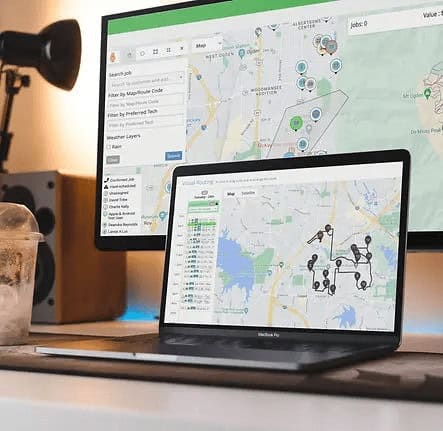
Companies can reduce fuel consumption and increase route efficiency which often leads to improved delivery accuracy and greater customer satisfaction.
Plus, AI is also an effective solution in planning out loads for maximizing the use of transport. In essence, it minimizes operational redundancies while ensuring costly delays do not harm both profitability and brand recall.
| Feature | Explanation |
|---|---|
| Real-Time Route Planning | Adjusts delivery routes based on traffic, weather, and road conditions. |
| Cost Efficiency | Reduces fuel consumption and transportation expenses. |
| Faster Deliveries | Minimizes transit time by selecting the most efficient routes. |
| Load Optimization | Ensures maximum utilization of transportation capacity. |
5. Quality Control
With AI, quality control improves as it can catch defects and irregulars in products while they are manufactured or distributed.
With AI systems equipped with computer vision and pattern recognition, they can inspect things quicker and more precisely than human inspectors.
This guarantees that only quality products hit the market, thereby minimizing returns and recalls along with their associated costs.

With identifying root causes of defects too, AI helps companies to continually improve their production processes.
Consistent Product Standards can prevent reputational damage and monetary loss. Finally, on several points of view, from use correcting errors in data sets to detecting fake images for self driving cars credits and we start realizing bond with the customer stronger.
| Feature | Explanation |
|---|---|
| Automated Inspection | Uses AI and computer vision to detect product defects quickly. |
| High Accuracy Detection | Identifies even minor inconsistencies better than manual checks. |
| Root Cause Analysis | Helps find and fix production issues causing defects. |
| Reduced Returns | Ensures only high-quality products reach customers, minimizing losses. |
6. Fraud Detection
Predictive maintenance using artificial intelligence to ensure equipment failure does not interfere with supply chain operations.
AI can identify early signs of wear and the likelihood of impending breakdowns, by analyzing machine performance and data from sensors.
It helps maintenance teams to take actions before a failure happens and in turn, reduces the downtime and repair costs.

Condition-based maintenance strategies can replace the always-scheduled maintenance. This extends the lifespan of assets and provides seamless production lines.
When there are no surprises in break down, companies can avoid costly delays and stuck in outputs which helps to render a more reliable operational function while reducing costs.
| Feature | Explanation |
|---|---|
| Anomaly Detection | Identifies unusual transactions or suspicious activities instantly. |
| Real-Time Monitoring | Continuously tracks financial and operational data for fraud signals. |
| Adaptive Learning | AI evolves with new fraud patterns, improving detection over time. |
| Improved Transparency | Provides detailed audit trails and insights for better control. |
7. Predictive Maintenance
Predictive maintenance using artificial intelligence to ensure equipment failure does not interfere with supply chain operations.
AI can identify early signs of wear and the likelihood of impending breakdowns, by analyzing machine performance and data from sensors.
It helps maintenance teams to take actions before a failure happens and in turn, reduces the downtime and repair costs.

Condition-based maintenance strategies can replace the always-scheduled maintenance. This extends the lifespan of assets and provides seamless production lines.
When there are no surprises in break down, companies can avoid costly delays and stuck in outputs which helps to render a more reliable operational function while reducing costs.
| Feature | Explanation |
|---|---|
| Failure Prediction | Detects early signs of equipment breakdown using sensor data. |
| Reduced Downtime | Enables timely maintenance to avoid unexpected disruptions. |
| Cost Savings | Minimizes repair costs by preventing major equipment failures. |
| Asset Longevity | Extends machinery lifespan through condition-based maintenance. |
8. Cost Analysis
Cost analysisLove your supply chain with loveAt every step of the way, artificial intelligence AI will give a detailed look at every single step to improve with each and encourage growth
Logistics has heavy responsibilities in today’s consumption, documentation must be very efficient but not only itAll of these are done when they require less time — learn moreMobile apps and omnichannel mean
It analyses costs over procurement, transportation, warehousing, and labour to find approximate areas of cost-cutting. Advanced analytics enable cost understanding and predictability.
Rather, with scenario-based budgeting, companies can use AI to experiment with various strategies and select the optimal budget solution.
A clearer picture of the financial data allows the decision-maker to spend where they should be; avoid wastage. This results in increased profitability and optimized resource allocation throughout the supply chain.
| Feature | Explanation |
|---|---|
| Expense Tracking | Monitors costs across procurement, logistics, and storage. |
| Cost Driver Identification | Identifies factors contributing to high expenses. |
| Predictive Budgeting | Forecasts future costs using historical and real-time data. |
| Optimization Insights | Suggests strategies to reduce unnecessary spending. |
9. Real-Time Tracking
Complete 360-degree visibility of goods movement within the supply chain with AI-powered real-time tracking. Utilizing GPS, IoT devices and logistics systems data to track shipments at every single moment.
This enables business to identify if there are any delays, redirects shipment and also update customer on the delivery status.
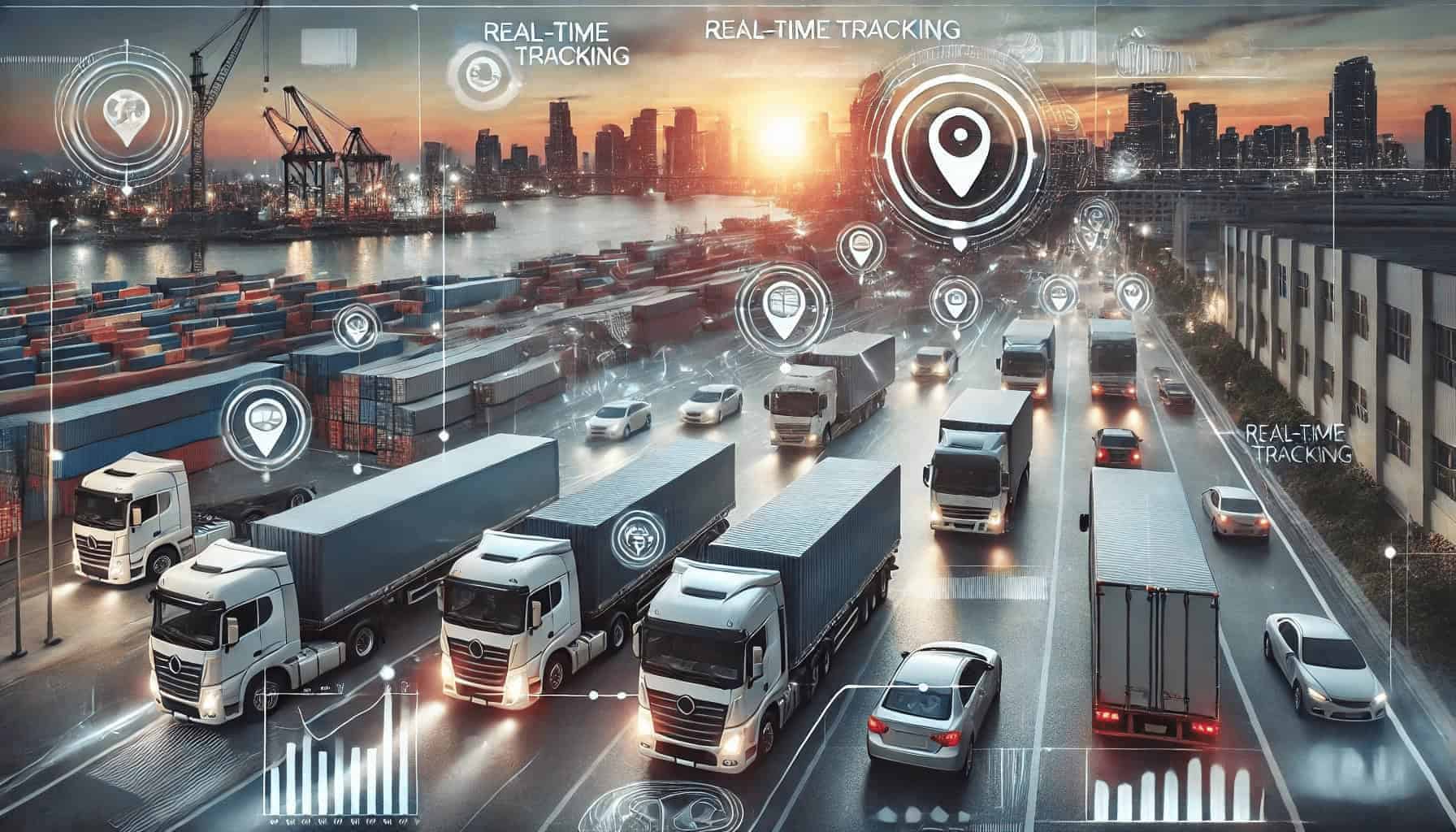
Therefore, real-time insight reduces uncertainties and improves supplier-warehouse-distributor coordination.
Detecting problems in real time allows companies to act quickly and prevent expensive interruptions.
Greater transparency also makes for an environment of trust with customers and partners, leading to a more efficient operation & smoother service delivery.
| Feature | Explanation |
|---|---|
| Shipment Visibility | Tracks goods movement across the supply chain in real time. |
| Instant Alerts | Notifies about delays or disruptions immediately. |
| Better Coordination | Improves communication between suppliers, warehouses, and distributors. |
| Customer Transparency | Keeps customers informed about delivery status. |
10. Scenario Planning
AI enables scenario planning to model various supply chain scenarios and their potential effects. It helps a business to predict what the impact of either an adverse or beneficial change in demand, supply chain disruptions or market conditions might be on operations.
With the analysis of various scenarios, companies can create contingency plans and be better prepared for making decisions.

Such a proactive approach helps reduce underlying risks and prepares the business for any eventuality that it may come across.
Instead of relying on assumptions, AI-based simulations offer data-driven insights. This allows supply chain teams to better respond to challenges, dock potential costly pitfalls, and remain steady in the face of uncertain or rapidly changing environments.
| Feature | Explanation |
|---|---|
| Simulation Modeling | Tests different supply chain scenarios and outcomes. |
| Risk Assessment | Evaluates impact of disruptions like demand changes or supply shortages. |
| Data-Driven Decisions | Supports strategic planning with accurate predictive insights. |
| Contingency Planning | Helps prepare backup plans for unexpected situations. |
How We Choose Ways AI Is Helping Supply Chain Teams Avoid Costly Mistakes
Bringing Your Work to Life — Target AI projects that drive tangible reductions in errors, costs and operational risks in supply chains
Data accuracy & reliability — Look for solutions that have been trained on clean, reliable data and proven algorithms to support decision-making.
Scalability – Choose AI techniques that are appropriate for large enterprise supply chains, but equally applicable to small businesses.
Automation – Highlight tools that require minimal human intervention and reduce the chances of human error.
Predictive Power — Opt for AI solutions designed to predict issues ahead of their triggering event rather than responding only after the fact.
Cost Efficiency – Promote solutions that clearly present ROI and cut out unnecessary costs.
Industry Adoption — Take into account AI applications which are generally deployed and is trusted through out the logistics and supply chain workspace.
Flexibility & Integration – Choose AI tools that can be integrated seamlessly within the existing supply chain system.
Conclusion
Using data-driven decisions in supply chains AI is helping teams eliminate costly errors by avoiding common mistakes and improving the processes.
It minimizes risks, increases efficiency, and makes supply chains work flawlessly – be it demand forecasting or monitoring in real time.
With automation of processes and predicting probable disruptions businesses can save time and cost while remaining reliable. Even the supply chain systems will become stronger and error free, with the continuous evolution of ai.
FAQ
How does AI reduce supply chain mistakes?
AI uses data analysis and automation to identify errors, predict risks, and improve decision-making in real time.
What role does AI play in demand forecasting?
AI analyzes past data and trends to accurately predict future demand, reducing overstocking and stockouts.
Can AI help prevent inventory issues?
Yes, AI optimizes inventory levels by balancing supply and demand efficiently.
How does AI improve supplier management?
AI evaluates supplier performance and predicts risks, helping businesses choose reliable partners.