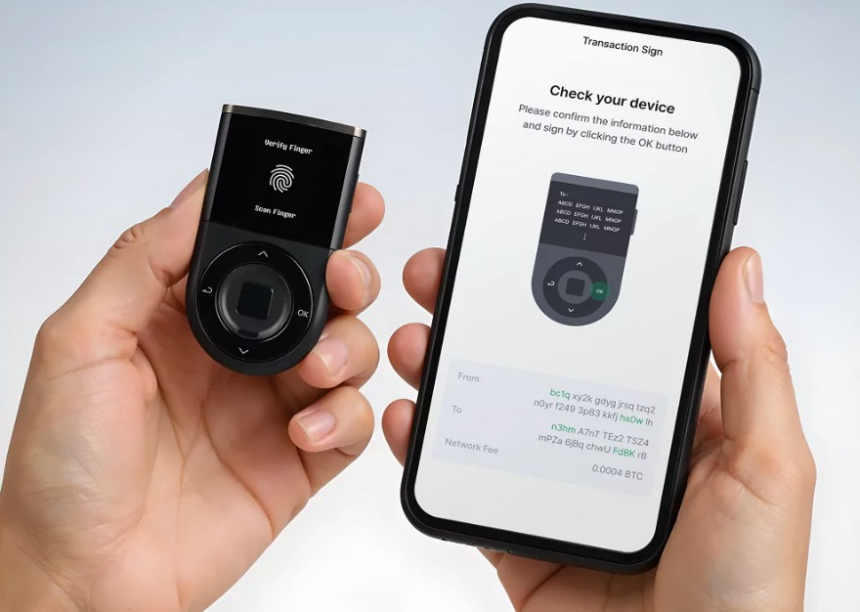
This article focuses on The Evolution of Non-Custodial Social Recovery Wallets, a significant innovation in the field of cryptocurrency protection.
- Introduction
- What is a non-custodial social recovery wallet?
- Why were social recovery wallets developed?
- The Problem with Traditional Key Management
- Origins of Social Recovery Concepts
- How Social Recovery Wallets Function
- Advantages Over Traditional Wallets
- Challenges and Risks
- Real‑World Adoption and Trends
- The Future of Recovery and Identity
- Conclsuion
- FAQ
Instead of a user losing access to their funds due to a lost key, with these wallets, users can recover funds from a key socially distributed private key system, where users can assign trusted individuals as ‘guardians’ to help recover the key.
We will discuss the work of, the creation of, and the impact of these wallets on the management of digital assets and trust of users.
Introduction
Blockchain wallets have historically navigated a tightrope between security and ease of use. Consider early non-custodial wallets, such as MetaMask.
Users are able to keep control over their private keys, however, having a possession such as a seed phrase would mean a permanent loss of access to their funds.
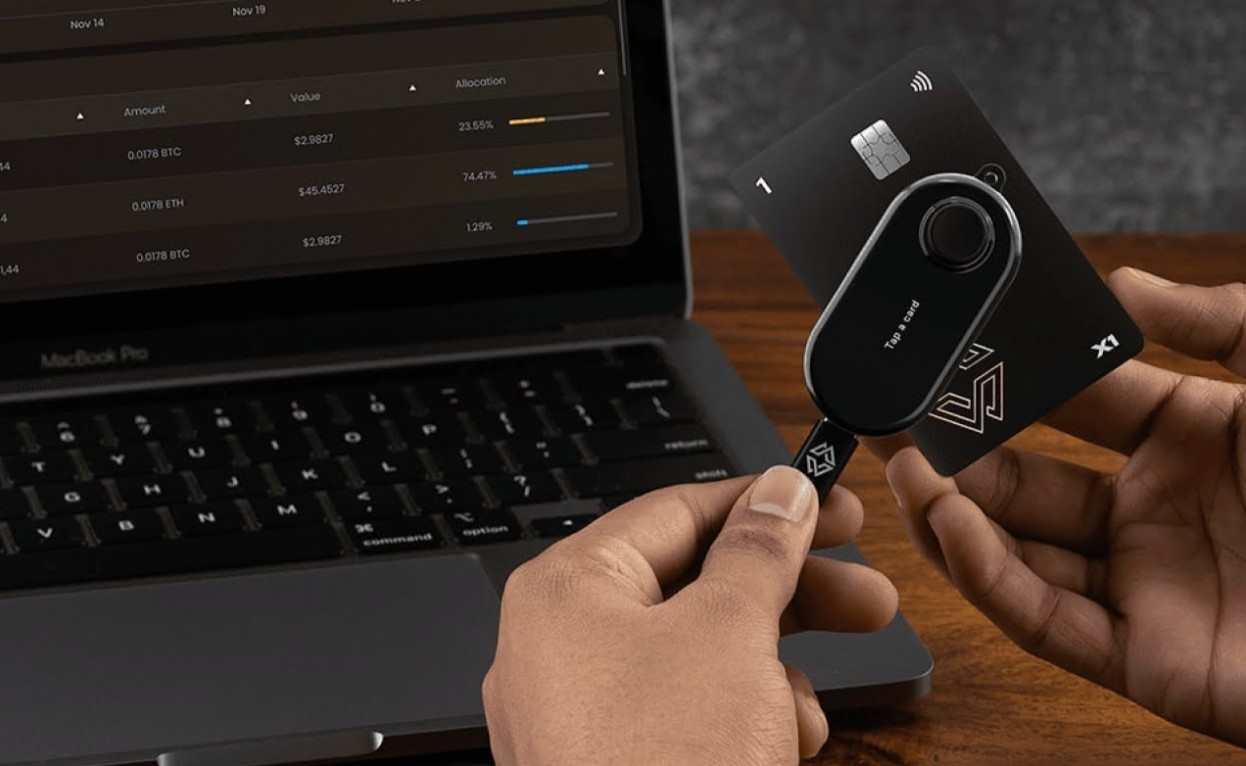
Social recovery wallets were developed to allow a user to regain access to their wallet with the help of trusted contacts or guardians.
What is a non-custodial social recovery wallet?
A non-custodial social recovery wallet is a type of wallet that helps users recover access to their funds without relying on a centralized service.
Unlike most other wallets, which require a private key or seed phrase to recover funds, these wallets use a social recovery model
Where multiple guardians such as friends, family, your devices, or DAOs, must agree to approve your recovery attempt.
This model further enhances the wallet’s security, reduces the chance of a permanent loss of access to funds, and improves the wallet’s overall usability.
Why were social recovery wallets developed?
Traditional wallets rely on seed phrases, which are easy to lose or compromise. Social recovery wallets address:
- Permanent asset loss due to lost keys
- User-friendliness for non-technical users
- Security risks of centralized custodians
The Problem with Traditional Key Management
In most original blockchain applications, all private keys were kept solely by the user. Losing a key or a seed phrase meant losing access to one’s assets forever.
The Cambridge Centre for Alternative Finance estimates that 17% to 23% of the total supply of Bitcoin (BTC) inaccessible due to lost private keys.
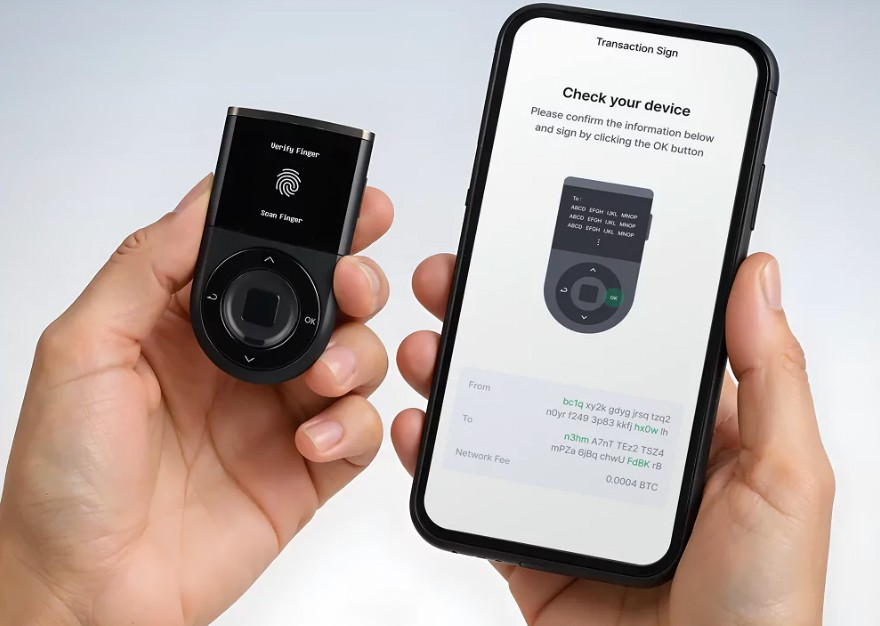
This is a classic example of the usability challenge. It is a problem of inconvenience versus risk, or security versus accessibility.
The most prevalent solution have been mnemonic seed phrases. The 12 or 24-word lists that can regenerate a wallet are an example of a security mechanism that must be used offline to avoid hacks. Unfortunately, this type of security mechanism created several more potential points of failure:
- users can misplace or lose seed phrases
- users can copy seed phrases to unsafe digital locations
- users can forget where the phrase is stored
These issues helped create the demand for social recovery type mechanisms.
Origins of Social Recovery Concepts
Socially mediated security is not a new idea. It also exists in the ‘real world’, for example in estate planning, password recovery via trusted contacts, and multi-signature schemes in companies.
In crypto, the first serious implementations of social recovery were around 2018-2019, as decentralized identity (DID) frameworks and smart contract wallets became a thing.
Early players like Argent Wallet and Gnosis Safe were the first to experiment with recovery mechanisms that did not require the exposure of a key to a custodian.
The main difference with social recovery wallets is that they introduced the idea of trusted “guardians” as opposed to third party custodians. A guardian could be:
- A trusted friend or family member
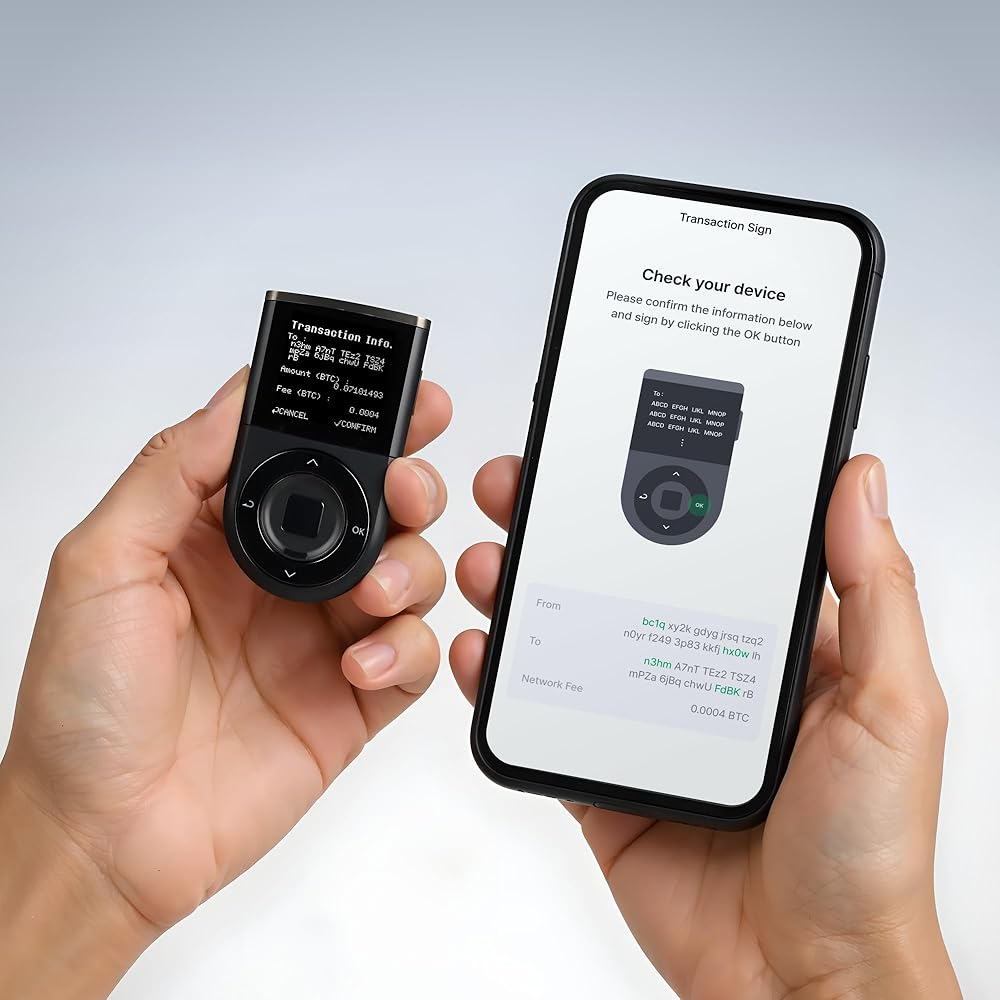
- A personal device (e.g. smartphone or hardware wallet)
- A decentralized identity custodian
- A DAO or community group
These ‘guardians’ collectively and semi-anonymously consent to a recovery, and do so without themselves holding the key.
How Social Recovery Wallets Function
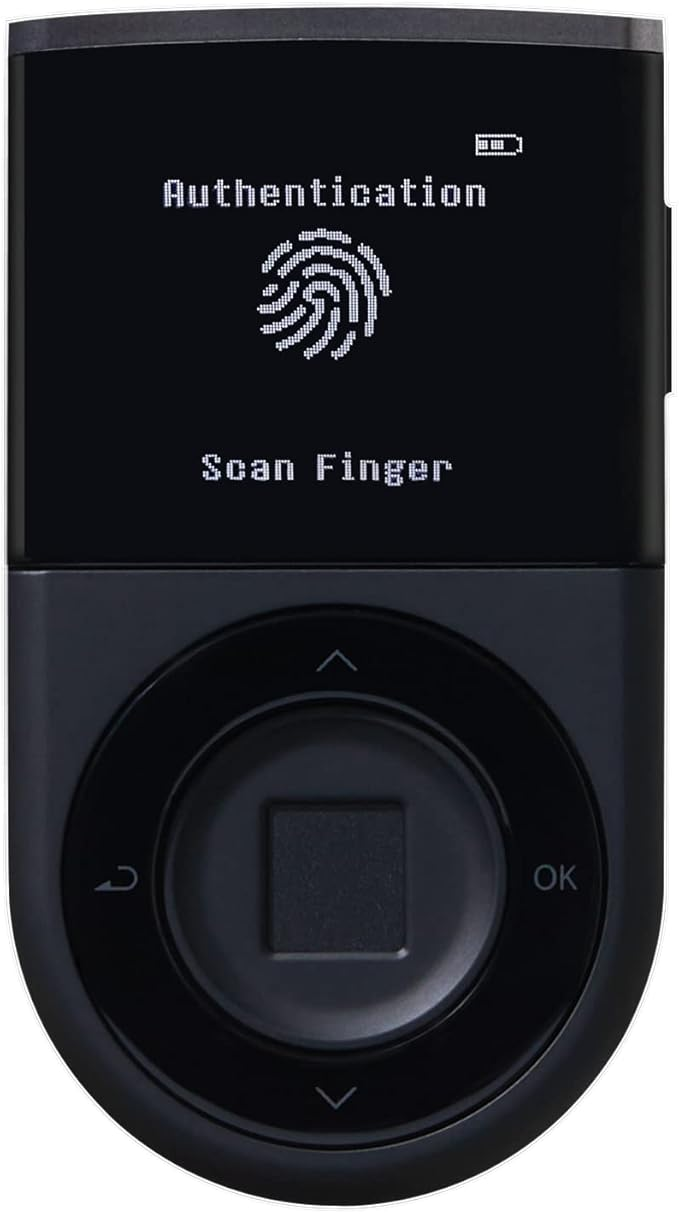
In simpler terms, a social recovery wallet utilizes multisignature logic and threshold cryptography. To better understand the concept, here is a clear breakdown of the process:
- Wallet Setup: The user sets up a non-custodial wallet and chooses some guardians (i.e. five people/devices)
- Threshold Rule: A criterion is established (i.e. 3 of 5 guardians must consent to the recovery)
- Recovery Trigger: The user sets in motion the recovery process as a result of lost access to the wallet.
- Guardian Approval: A recovery transaction request is sent to each of the guardians.
- Wallet Restored: Control is restored to the user when the required number of guardians is surpassed and a new key is issued.
Due to the structure of the wallet, no single party can gain access to the wallet and thus, is the essence of decentralization and user control.
Advantages Over Traditional Wallets
Decreased chances of permanent loss Misplacing a private key doesn’t mean permanent loss of funds. With trusted guardians sufficiently approved, vault assets can be retrieved, even years after the initial missing key.
Improved Social Recovery Wallets Usability. People that are not as tech-savvy don’t have to struggle with the responsibility of keeping track of complicated seed phrases. Instead, they can utilize the close relationships and everyday devices they can easily use.
Better protection against hacking. While social recovery vaults can’t be used by hacking custodial wallets, they can be used by multiple social recovery vaults. A hacker needs to get multiple unrelated guardians to gain access, which is far more difficult.
Customizable Trust Users can bypass the social and technological challenges of a system by choosing recovery partners from their social network.
Challenges and Risks
Although social recovery wallets solve certain issues, new issues arise:
Social engineering: Guardians must be careful, as attackers may try to manipulate them to authorize recovery attempts without consent.
Complexity of guardian selection: Selecting the right guardians is important; too few increases the chance of loss, while too many makes coordination more difficult.
Concerns of privacy: If not designed properly, the sharing of recovery requests to large audiences may reveal social ties and connections.
Additionally, social recovery wallets are dependent on the integrity of personal relationships, adding a psychological component to cybersecurity. A guardian group who is trusted must find a balance between being available and being discreet.
Real‑World Adoption and Trends
Wallets Analytics reports for 2025 show social recovery methods are gaining traction among retail and institutional crypto users:
As one of the first social recovery adopters, 2025 was the first year in which Argent Wallet experienced social recovery year-on-year user growth of 45% due to migrations from seed-only wallets.
Gnosis Safe, a multisignature wallet, added a social component with “recovery modules,” which were used in more than 15 million transactions by the end of 2025.
Wallets that incorporate social recovery have reported a decrease in support cases for lost access. New crypto users prefer social recovery methods, with more than 60% choosing the option over seed-only alternatives in surveys.
The Future of Recovery and Identity
Social recovery wallets could provide access to decentralized identity and governance systems, and as blockchain ecosystems develop further, these possibilities will broaden. Some new models include:
Recovery based on reputation, where the trust score of the community will determine the weight of the recovery.
Community-Trust-Score based AI guardian recommendation systems that suggest recovery partners
Decentralized cross-chain recovery, where guardians will be able to consent to recovery in multiple blockchain ecosystems.
Some decentralized autonomous organizations (DAOs) are trying to set up community access to the treasury where members of the community are custodians to a kind of recovery quorum.
Conclsuion
To conclude, combining trust and cryptographic security for digital assets as safe as possible, the non-custodial social recovery wallets are redefining loss prevention.
Because recovery is possible via trusted guardians, the risk of permanent loss is eliminated, improving overall usability and decentralization.
As more wallets are adopted, the social recovery model will establish the standard for safe and simple management of cryptocurrencies, as well as decentralized identities and community trust systems.
FAQ
A wallet that lets users recover funds via trusted guardians instead of a single key or centralized service.
Guardians approve access using a multisignature or threshold system to restore the wallet.
Reduces risk of permanent loss and improves usability for non-technical users.
Friends, family, devices, DAOs, or decentralized identity providers.