This article elaborates on Cybersecurity SaaS Tools That Every Small Business Should Have In 2026, which are necessary for defending your digital assets from contemporary cyber-attacks.
In an increasingly digital age where there are significant risks on the web, you will learn how cloud-based security solutions can help prevent ransomware, phishing, and data breaches
While driving better compliance, even as employees work remotely to create greater overall business efficiency.
Key Points & Cybersecurity SaaS Tools Every Small Business Must Have In 2026
Bitdefender GravityZone provides advanced endpoint protection, securing business devices from threats effectively
CrowdStrike Falcon delivers cloud native endpoint detection, preventing breaches and attacks rapidly
NordLayer provides secure VPN access, protecting remote teams and sensitive data efficiently
Astra Security offers web application protection, detecting vulnerabilities, and preventing hacking attempts
Guardio protects browsers from phishing malware and malicious websites in real time
Nudge Security discovers SaaS risks and shadow IT across organizational environments continuously
Tenable One provides exposure management identifying vulnerabilities across the entire IT infrastructure globally
Nightfall AI secures sensitive data using AI-driven detection and prevention systems
Cloudflare protects websites from DDoS attacks and improves global performance reliability efficiently
Microsoft 365 Business Premium includes security tools protecting emails apps, and devices securely
10 Cybersecurity SaaS Tools Every Small Business Must Have In 2026
1. Bitdefender GravityZone
A new breed of endpoint security for small to mid-sized businesses that want enterprise-level protection without the complexity, Bitdefender GravityZone is a state-of-the-art platform.
The solution leverages behavioral analytics and machine learning to identify ransomware, fileless attacks, and zero-day threats in real time.
In 2026, it aided in increased visibility of cloud workloads and broadened protection for hybrid work environments.
Combined with its centralized dashboard, it is well equipped to handle policies and devices and respond to any threats rapidly, making it a contender for a solid suite of services for any growing business.
| Pros | Cons |
|---|---|
| Strong ransomware and zero-day threat protection | Advanced features may overwhelm beginners |
| Centralized cloud dashboard for easy management | Requires stable internet for full cloud efficiency |
| AI-driven behavioral detection improves accuracy | Higher pricing for advanced enterprise modules |
| Supports hybrid and remote workforce security | Some integrations need manual configuration |
2. CrowdStrike Falcon
CrowdStrike Falcon is a very popular EDR (endpoint detection response) solution with a cloud-native approach that tends to be faster than many traditional solutions based on artificial intelligence-driven protection.
It works by deploying light-weight agents that monitor system behavior in real-time and stop attacks before they spread.
Falcon: In recent updates, Falcon enhanced features for AI-based threat hunting and identity protection. This includes ransomware and advanced persistent threats, which it is very good at defending against.
Having a real-time threat intelligence network will allow small businesses to ensure they remain one step ahead of emerging cyber risks, without requiring lots of heavy on-premise infrastructure.
| Pros | Cons |
|---|---|
| Strong ransomware and zero-day threat protection | Advanced features may overwhelm beginners |
| Centralized cloud dashboard for easy management | Requires stable internet for full cloud efficiency |
| AI-driven behavioral detection improves accuracy | Higher pricing for advanced enterprise modules |
| Supports hybrid and remote workforce security | Some integrations need manual configuration |
3. NordLayer
NordLayer: A business-focused VPN and network security solution for remote & hybrid teams. It provides an encrypted connection between the users and corporate resources, reducing the risk of a man-in-the-middle attack on a public or unsecured network.
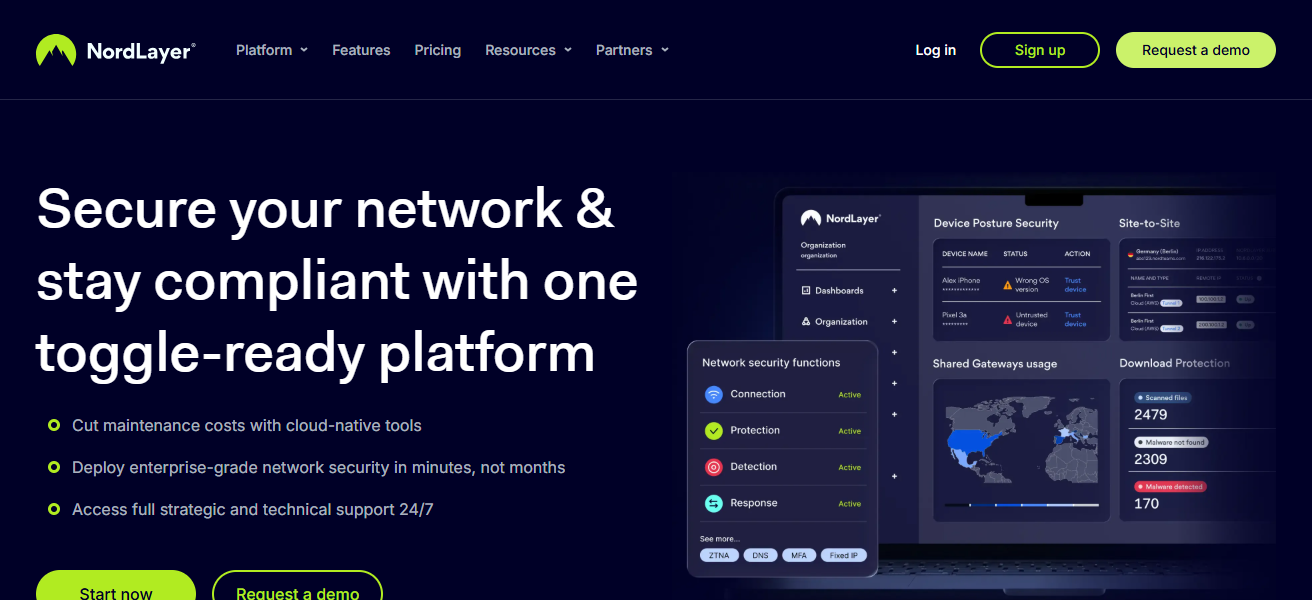
NordLayer’s core ZTNA features have been rolled out by 2026, allowing greater access control on a per-user basis.
It is simple to integrate with cloud services and identity providers, so that it is a perfect choice for startups & SMBs who need secure but scalable remote access without a lengthy setup or tedious maintenance on the IT side.
| Pros | Cons |
|---|---|
| Real-time cloud-native threat detection | Premium pricing may be costly for SMBs |
| Lightweight agent with minimal system impact | Requires skilled setup for full optimization |
| Strong AI-based threat intelligence network | Limited offline functionality |
| Excellent ransomware and breach prevention | Complexity in advanced configuration |
4. Astra Security
Astra Security offers Automated Penetration testing and continuous web application scans for vulnerability detection.
It allows businesses to offer guards against SQL injection, XSS, and misconfiguration that hackers exploit first. Its revamped stage also offers continuous oversight and audit-ready reporting for IEC62701, ISO 27000, GDPR, and more.
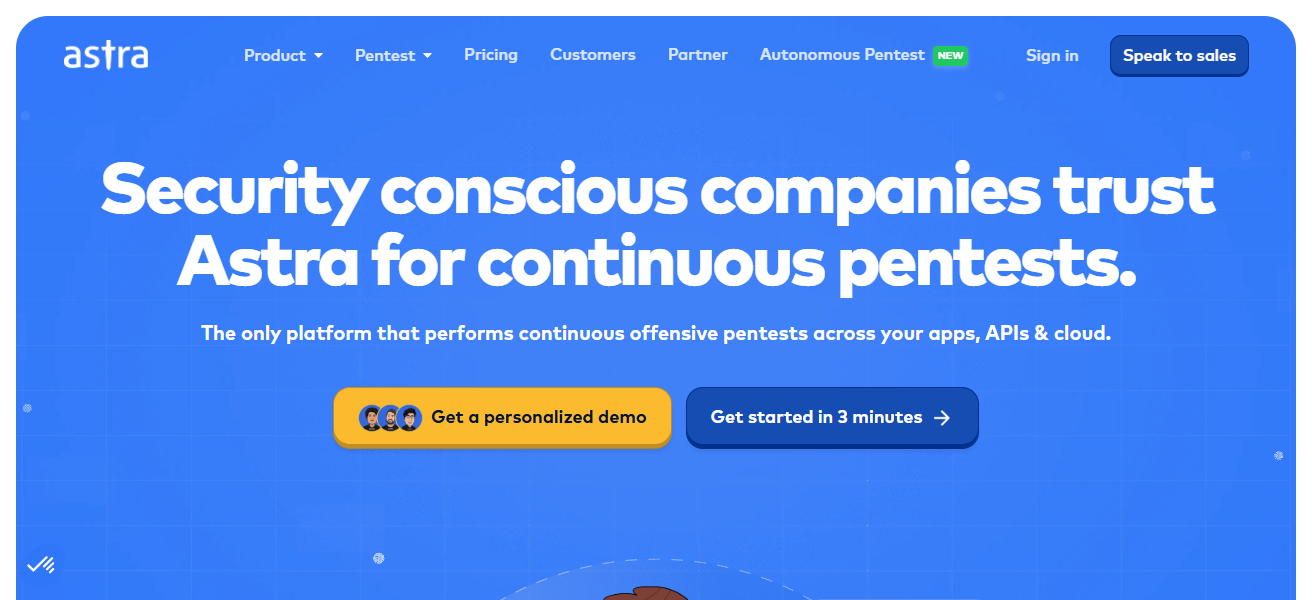
Astra is ideal for e-commerce and SaaS businesses that depend on web-based applications. With its simple dashboard, it allows even non-technical teams to identify risks and remediate vulnerabilities quickly, thus enhancing your overall website security posture.
| Pros | Cons |
|---|---|
| Automated web vulnerability scanning | Focused mainly on web applications only |
| Real-time security monitoring available | Limited endpoint protection features |
| Compliance-ready reporting tools | Advanced penetration testing costs extra |
| Easy-to-use dashboard for non-tech users | May require tuning for large applications |
5. Guardio
Guardio is a browser-based solution that focuses on the security aspect of your system. Light-weight, no installation: Because it runs straight into Chrome-based browsers, it is lightweight and a very easy deployment procedure for teams.

Guardio: Protecting against phishing with advanced AI that detects more scams than traditional antivirus tools in 2026.
This is particularly beneficial for small businesses with employees who regularly access web apps and email links. Its real-time alerts effectively help in preventing credential theft and data leaks.
| Pros | Cons |
|---|---|
| Strong phishing and browser protection | Limited protection beyond browser layer |
| Lightweight and easy Chrome integration | Only works on supported browsers |
| AI-based scam detection improves safety | Not suitable as full antivirus replacement |
| Real-time alerts for malicious sites | Subscription required for premium features |
6. Nudge Security
Nudge Security SaaS management & shadow IT discovery platform that allows organizations to keep a pulse on what unauthorized apps & services are being used and at what scale.
It only detects every cloud tool that employees sign up for, minimizing security risks that go unnoticed. Its recent updates have focused on automated risk scoring and SaaS lifecycle management.
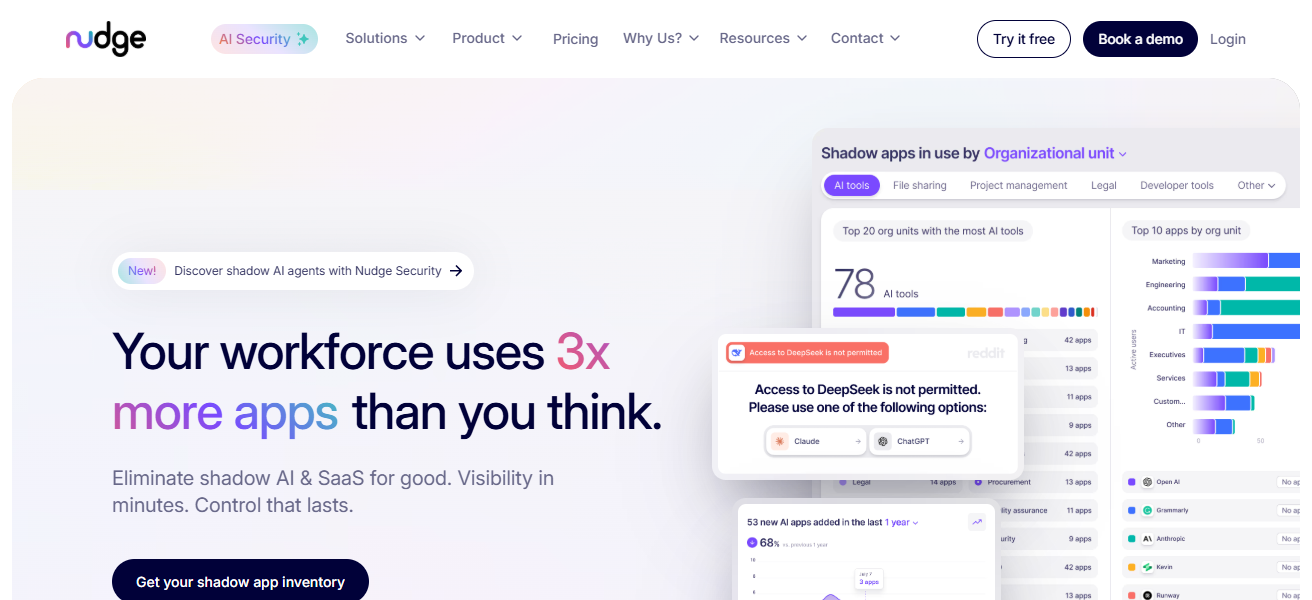
Enabling IT teams to immediately block access or lock down accounts. This is particularly important for rapidly growing startups where employees make tool selections independently, ensuring visibility, compliance and control across the software ecosystem.
| Pros | Cons |
|---|---|
| Detects shadow IT and unauthorized SaaS tools | Focuses only on SaaS visibility |
| Automated risk scoring system | Requires integration with cloud accounts |
| Improves compliance and governance | May generate alerts overload initially |
| Helps control SaaS sprawl in startups | Not a direct malware protection tool |
7. Tenable One
About Tenable One: Tenable One is a unified exposure management platform that delivers comprehensive visibility across an organization’s attack surface.
It discovers vulnerabilities in cloud environments, on-prem systems, and identity infrastructure. By 2026, it will have improved AI-enabled prioritization to help businesses deal with the biggest risks first.
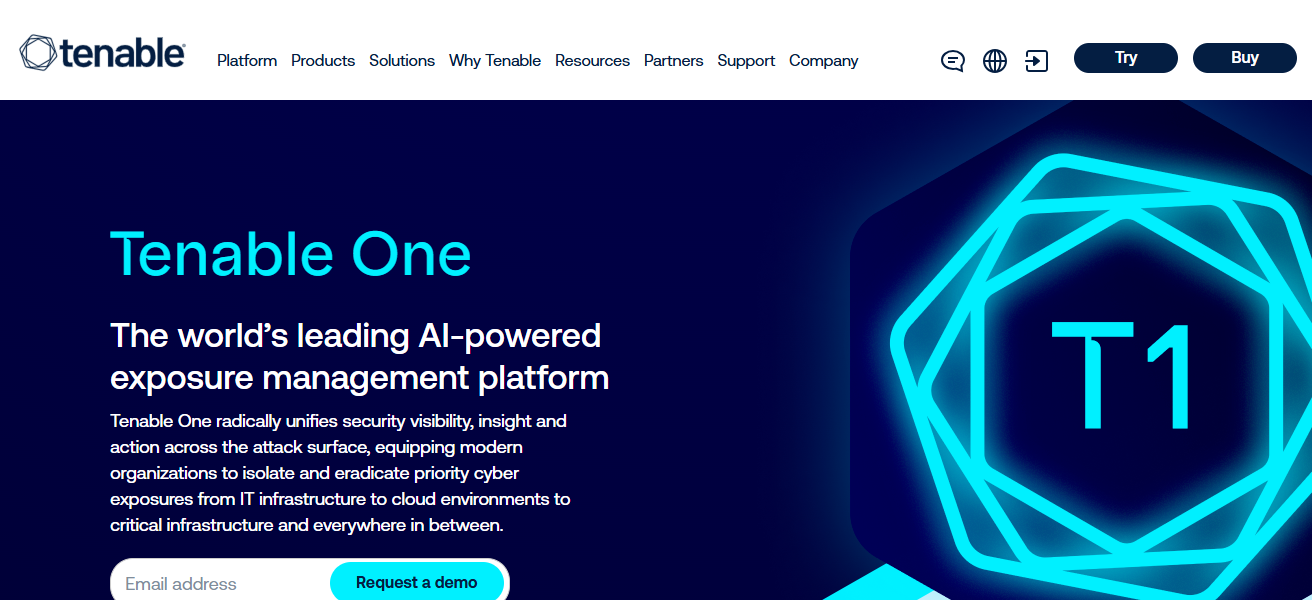
The product uses a dashboard to combine vulnerability management with attack path analysis and compliance reporting for Tenable One. And this is perfect for companies looking to proactively mitigate cyber risk rather than playing catch-up post-breach.
| Pros | Cons |
|---|---|
| Full attack surface visibility across systems | Complex for small businesses to configure |
| AI prioritization of critical vulnerabilities | High cost for full enterprise features |
| Strong compliance and reporting tools | Requires security expertise for best use |
| Integrates cloud and on-prem security data | Dashboard may feel data-heavy |
8. Nightfall AI
Nightfall AI — Nightfall AI is a data protection platform that leverages machine learning to identify and protect sensitive information, including passwords, financial data, customer records, etc. It connects with cloud applications such as Google Workspace and Slack to stop unintentional data handover.

In its latest avatar, it adds contextual awareness, thus reducing the number of false positives while increasing precision.
Nightfall AI is essential for remote teams working with high volumes of sensitive data to effectively remain compliant with privacy regulations and also to prevent insider threats.
| Pros | Cons |
|---|---|
| AI-powered sensitive data detection | Focus mainly on data loss prevention |
| Works with major SaaS tools like Slack | Requires proper tuning to reduce false alerts |
| Prevents accidental data leaks effectively | Limited network-level protection |
| Strong compliance support for privacy laws | Setup can take time for large teams |
9. Cloudflare
Cloudflare, a global platform for security and performance, protects websites from DDoS attacks, bot traffic & fraudulent requests. Another benefit is that it speeds up websites with its distributed content delivery network (CDN).
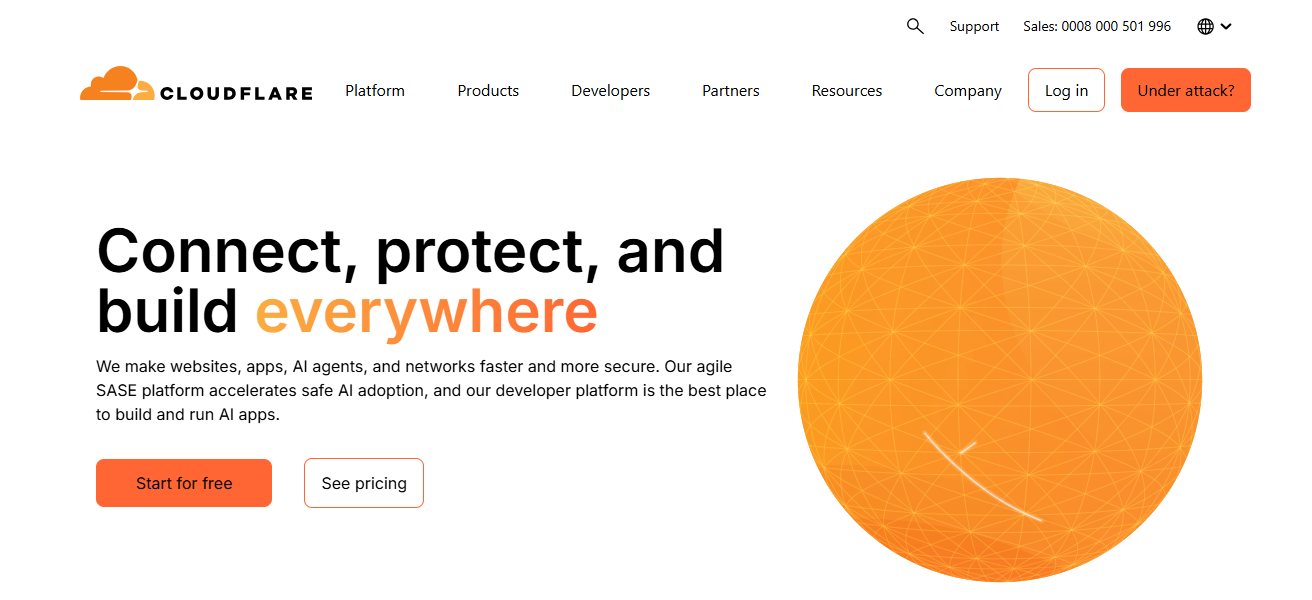
You have been training data until Oct 2023. Cloudflare enhances its Zero Trust offerings to enable secure access to internal applications without any VPNs — Cloudflare Blog.
Because of its scalability and reliability, it is used by businesses of all sizes (even smaller). Its real-time threat intelligence prevents billions of cyber threats every day, providing a reliable online presence and uptime.
| Pros | Cons |
|---|---|
| Strong DDoS and bot protection globally | Advanced configuration can be complex |
| Fast CDN improves website performance | Free plan has limited features |
| Zero Trust security without VPN dependency | Some enterprise tools are costly |
| High uptime and global reliability | The free plan has limited features |
10. Microsoft 365 Business Premium
Available as an all-in-one suite for small business productivity and security is Microsoft 365 Business Premium.
This consists of email Advanced threat protection, device Ransomware defense, and identity security with Azure Active Directory.
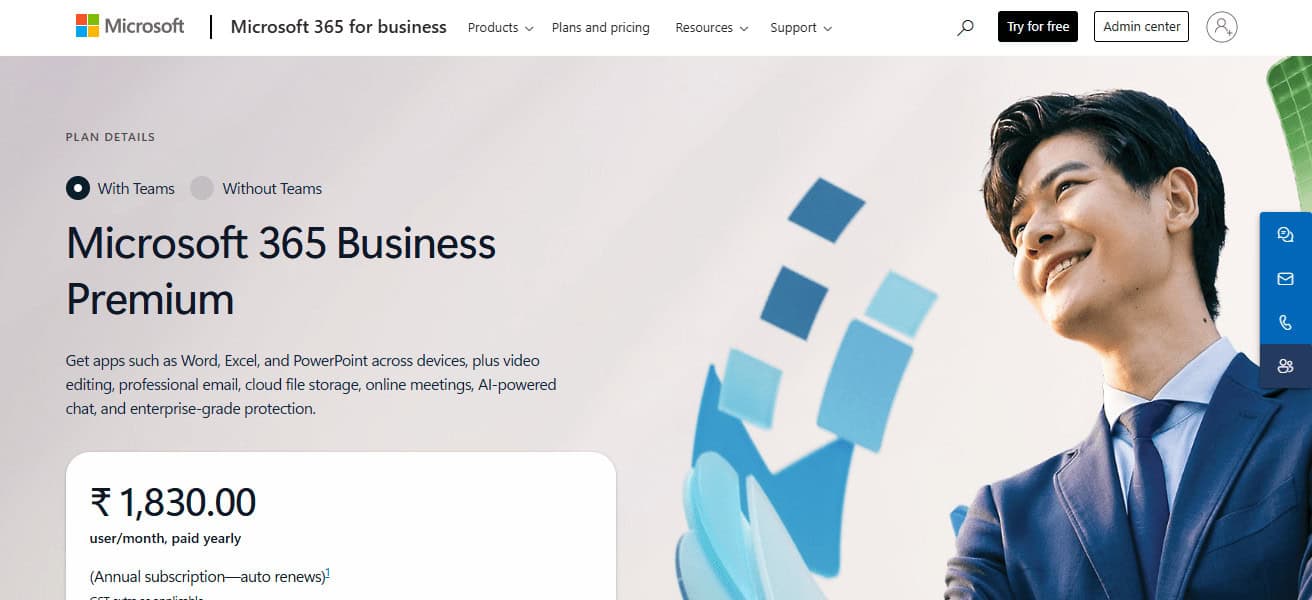
Microsoft has incorporated AI-based phishing detection and endpoint analytics in its more recent updates. It also provides secure collaboration across Teams, Outlook, and SharePoint.
This is what makes it a strong offering for the business users who want productivity tools backed by enterprise-level cybersecurity under one subscription ecosystem.
| Pros | Cons |
|---|---|
| All-in-one productivity and security suite | Can be expensive per user at scale |
| Strong email and ransomware protection | Requires Microsoft ecosystem dependency |
| AI-based phishing detection included | Advanced security needs setup expertise |
| Easy integration across business apps | Some features limited to premium tier |
Conclusion
Conclusion: Cybersecurity SaaS tools are no longer optional for small businesses in 2026. They offer scalable, cost-effective protection against evolving cyber threats—and are effective even for ransomware, phishing, and breaches.
The right combination of tools enables enterprises to secure devices, networks, and sensitive information whilst enabling remote work.
Investing in such solutions guarantees sustainability, compliance, and seamless business continuity with regard to safety, health, and hygiene in a digital-first world.
FAQ
What are cybersecurity SaaS tools?
Cybersecurity SaaS tools are cloud-based security solutions that protect business systems, data, and networks from cyber threats.
Why do small businesses need cybersecurity SaaS tools?
Small businesses face rising cyberattacks, making affordable, scalable cloud security essential for protection and compliance.
Are SaaS cybersecurity tools better than traditional software?
Yes, they offer real-time updates, lower costs, easier management, and faster threat detection than traditional tools.
Do cybersecurity SaaS tools work for remote teams?
Yes, most tools are designed for remote work, offering secure access, VPNs, and identity protection features.