
This article explains the Ways Brokers Are Adapting To AI Traders and how today’s trading platforms are adapting with Artificial Intelligence.
AI-powered analytics, automated risk management, predictive market tools & smart mobile trading apps are the technologies where brokers introduce advanced technologies
To facilitate quicker, safer, and more personalized day trading. These innovations are quickly reshaping the future of online trading.
Key Points & Ways Brokers Are Adapting To AI Traders
| Ways | Explanation |
|---|---|
| AI-Powered Trading Analytics | AI algorithms analyze trader behavior, delivering customized strategies, signals, and investment recommendations for improved performance. |
| Automated Risk Management Tools | Brokers provide AI-driven analytics, helping traders identify trends, risks, and profitable market opportunities faster. |
| Personalized Trading Recommendations | Brokers upgrade infrastructure, ensuring ultra-fast executions supporting AI bots requiring minimal latency during volatile markets. |
| Faster Trade Execution Systems | AI chatbots assist traders in instantly resolving account issues, technical problems, and trading-related questions efficiently. |
| Smart Customer Support Chatbots | Brokers integrate AI-enhanced copy trading platforms allowing users to automatically follow successful professional traders easily. |
| Advanced Fraud Detection Systems | Brokers use AI monitoring tools to identify suspicious activities, preventing fraud and protecting trader account security. |
| Copy Trading Integration | Brokers integrate AI-enhanced copy trading platforms, allowing users to automatically follow successful professional traders easily. |
| Predictive Market Analysis Features | AI forecasting tools help brokers provide predictive insights about price movements and market volatility trends. |
| Enhanced Mobile Trading Platforms | Brokers develop AI-friendly mobile apps supporting automated trading, alerts, and real-time portfolio management capabilities. |
| AI-Based Educational Resources | Brokers implement automated systems, minimizing losses through intelligent stop-loss and exposure management strategies daily. |
10 Ways Brokers Are Adapting To AI Traders
1. AI-Powered Trading Analytics
The trend seems to be that brokers are quickly adopting AI-led analytics dashboards, which can process millions of market signals every second.
Now, modern platforms put together the puzzle — sentiment analysis paired with dark pool tracking or stock plans detection versus retail order flow, as well as macroeconomic data sets streamlined to one interface for solo investors.

By 2026, a number of brokers will provide embedded AI assistants that could explain volatility spikes, predict shifts in momentum, and create automated trade insights from inside trading terminals.
This perhaps includes analyzing social media sentiment and geopolitical events in real time, allowing traders to be better equipped for unexpected movements of a market.
Brokers are changing from execution providers to intelligent decision-support ecosystems powered by AI-driven analytics.
AI-Powered Trading Analytics Pros & Cons
Pros
- Provides faster market analysis using real-time AI-driven trading data processing systems.
- Detects hidden trading patterns, improving decision-making accuracy for active traders significantly.
- Combines news, sentiment, and technical indicators within one intelligent dashboard interface.
- Helps traders identify profitable opportunities before traditional manual analysis methods react.
- Reduces emotional trading decisions through automated analytical insights and recommendations provided.
Cons
- AI predictions may fail during unexpected geopolitical or economic market disruptions.
- Advanced analytics platforms can become expensive for beginner retail trading users.
- Excessive reliance on AI may reduce independent analytical trading skills development.
- Complex dashboards may confuse inexperienced traders unfamiliar with AI-based trading systems.
- Incorrect market data inputs can generate misleading signals and inaccurate predictions quickly.
| Features | Explanation |
|---|---|
| Real-Time Data Processing | AI analyzes massive trading datasets instantly for faster market decision-making support. |
| Sentiment Analysis Tools | Tracks financial news and social media sentiment affecting asset price movements. |
| Pattern Recognition Systems | Detects hidden chart patterns and recurring market behaviors automatically using machine learning. |
| Multi-Asset Market Insights | Provides combined analysis across forex, crypto, commodities, and stock markets simultaneously. |
| Predictive Trading Signals | Generates AI-driven trade signals based on historical and live market conditions. |
2. Automated Risk Management Tools
Contemporary brokers go through not taking and solving risks, it turned into the largest AI-driven upgrade.
Brokers nowadays employ ML models that are continuously tailored to track the traders’ exposure to markets, leverage levels, and behavioral patterns of their trades, rather than traditional stop-loss systems only.

Advanced AI engines can then autonomously scale back positions in heavy volatility or put some automated strategies on hold when the market is random.
Brokers began to use adaptive risk algorithms for forex, crypto and equity markets that respond differently in 2026.
Additionally, these systems also guard against rapid liquidation events caused by high-impact economic announcements and flash crashes to minimize emotional trading mistakes.
Automated Risk Management Tools Pros & Cons
Pros
- Automatically controls trading risks during sudden market volatility and instability periods.
- Reduces emotional overtrading by enforcing predefined automated risk management strategies consistently.
- Protects accounts using dynamic stop-loss and leverage adjustment mechanisms automatically.
- Minimizes large unexpected losses during fast-moving financial market conditions effectively.
- Enhances long-term trading discipline through intelligent exposure management and monitoring systems.
Cons
- Automated restrictions may close profitable trades prematurely during temporary market fluctuations.
- AI systems sometimes misinterpret volatility, causing unnecessary trading limitations to be imposed unexpectedly.
- Overdependence reduces trader flexibility during unique market opportunities and unusual conditions.
- Risk algorithms require continuous updates to adapt to changing global market environments.
- Technical failures could disrupt automated protection systems during critical trading moments.
| Features | Explanation |
|---|---|
| Dynamic Stop-Loss Adjustment | AI automatically modifies stop-loss levels during changing market volatility conditions. |
| Leverage Monitoring Systems | Continuously monitors trader leverage exposure to reduce excessive risk-taking behavior. |
| Portfolio Diversification Alerts | Suggests balanced portfolio allocation to minimize concentration risks in trading accounts. |
| Volatility Detection Models | Identifies sudden market instability before significant price swings occur unexpectedly. |
| Automated Trade Restrictions | Temporarily blocks risky trades during extreme market uncertainty or news events. |
3. Personalized Trading Recommendations
Modern brokers tend to rely more on AI to develop hyper-personalized trading experiences. Gone are the days of complex signals
Where AI systems look at individual trading behavior, unique assets being traded, as well as holding durations and risk profiles to come up with tailor-made suggestions.
Even some platforms offer exclusive strategy recommendations based on the trade style a trader seems to adopt, whether a scalper, swing trader, or long-term investor.

2026- Cognitive AI recommendation systems: From algorithms and heuristics into behavioral finance patterns requiring a new generation of neural nets from mixture regression to cognitive learning, making it predictive e-HyperAutomation with eye-level help identify where human traders’ emotional biases would influence decisions.
These intelligent recommendation engines are now used by brokers to better engage clients, reduce client attrition, and increase profitability while also providing a retail trading platform experience that more resembles a personal financial assistant.
Personalized Trading Recommendations Pros & Cons
Pros
- Delivers customized strategies matching individual trader behavior and investment preferences accurately.
- Improves trader engagement through highly personalized market insights and trading suggestions.
- Helps beginners discover suitable assets based on risk tolerance and experience levels.
- Identifies weak trading habits and recommends performance improvement strategies automatically.
- Enhances trading efficiency using behavior-driven notifications and opportunity alerts intelligently.
Cons
- Recommendations may become inaccurate during rapidly changing market conditions unexpectedly.
- AI personalization requires collecting large amounts of sensitive trader behavioral data.
- Excessive customization can limit trader exposure to broader investment opportunities available.
- Some traders may blindly follow recommendations without independent research or analysis.
- AI systems may incorrectly categorize trader profiles, affecting strategy suggestions negatively.
| Features | Explanation |
|---|---|
| Behavior-Based Suggestions | AI studies trader habits to recommend suitable strategies and trading styles. |
| Customized Asset Recommendations | Suggests trading instruments matching trader preferences and risk tolerance levels. |
| Performance Improvement Insights | Identifies weaknesses in trading behavior and recommends corrective improvements instantly. |
| Trading Time Optimization | Recommends ideal trading hours based on historical performance and volatility trends. |
| Personalized Notification Systems | Sends custom trading alerts according to trader interests and portfolio activity. |
4. Faster Trade Execution Systems
Because AI traders are all about speed, this has driven brokers to heavily invest in low-latency infrastructure and “smart” execution systems.
Modern brokers now use AI-actionable routing engines that automatically choose the fastest liquidity providers, always by simply running into their own order.
Many firms are implementing cloud-reliant co-location technologies and predictive execution algorithms that can lower slippage for algorithmic traders.

As early as 2026, brokers began using AI models that predict market congestion ahead of major macroeconomic releases.
They dynamically adjust execution routes in milliseconds to remain efficient. Since AI-driven high-frequency strategies can lose out on profits from even the slightest delay, faster execution has become vital.
Faster Trade Execution Systems Pros & Cons
Pros
- Reduces order execution delays, improving trading accuracy during volatile market conditions significantly.
- Minimizes slippage for algorithmic and high-frequency trading strategies efficiently and consistently.
- Enhances overall platform performance using low-latency cloud trading infrastructure technologies.
- Improves liquidity access through intelligent order routing and execution optimization systems.
- Supports advanced AI trading bots requiring millisecond-level execution speed and reliability.
Cons
- High-speed infrastructure development increases operational costs for brokers significantly over time.
- Faster executions may encourage excessive short-term speculative trading activities among users.
- Technical outages can severely impact automated strategies relying heavily on execution speed.
- Retail traders may struggle to compete against institutional high-frequency trading systems effectively.
- Infrastructure upgrades require continuous maintenance and expensive technology investments regularly.
| Features | Explanation |
|---|---|
| Low-Latency Infrastructure | Reduces execution delays improving performance for high-frequency AI trading systems. |
| Smart Order Routing | Automatically selects fastest liquidity providers for optimal trade execution efficiency. |
| Slippage Reduction Technology | Minimizes price differences between order placement and final trade execution. |
| Cloud-Based Trading Servers | Enhances trading speed through globally distributed high-performance cloud infrastructure networks. |
| Real-Time Execution Monitoring | Tracks execution quality instantly to maintain stable trading performance during volatility. |
5. Smart Customer Support Chatbots
The days of Apple’s chatbots that can only answer simple account questions are long gone. These days, brokers are implementing
AI-powered virtual assistants that can describe market conditions, assist traders on how to utilize platform features, and offer geographical indications of margin requirements or trading strategies at speed.
They can condense economic news and generate their own tailored lessons from trading behavior.

By 2026, multilingual voice-enabled trading support bots gained tremendous popularity — particularly among global forex brokers catering to an international clientele base.
Being operational 24/7, it brings down the operational costs and responsiveness. Smart chatbots like these are transforming broker support centers into AI-powered engagement hubs for the new age of traders.
Smart Customer Support Chatbots Pros & Cons
Pros
- Provides instant 24/7 support for traders across different global time zones efficiently.
- Resolves common account issues without requiring human customer support representatives frequently.
- Reduces broker operational costs through automated client interaction and assistance systems.
- Supports multiple languages, improving communication for international trading platform users globally.
- Delivers quick educational guidance about trading tools and platform navigation features.
Cons
- Chatbots may misunderstand complex trading-related questions requiring human intervention immediately.
- Automated responses can sometimes feel impersonal, frustrating certain customer support experiences.
- Limited emotional understanding reduces effectiveness during stressful trading account situations occasionally.
- AI systems may provide inaccurate information if training data becomes outdated quickly.
- Technical errors could disrupt support availability during high-demand trading market periods.
| Features | Explanation |
|---|---|
| 24/7 Instant Assistance | AI chatbots provide nonstop support for trading and account-related issues. |
| Multilingual Communication Support | Supports multiple languages helping brokers serve global traders more efficiently. |
| Automated Problem Resolution | Resolves common technical and account problems without human intervention quickly. |
| Trading Guidance Assistance | Explains trading tools, platform features, and market basics to users. |
| Voice-Enabled Support Systems | Supports multiple languages, helping brokers serve global traders more efficiently. |
6. Advanced Fraud Detection Systems
Brokers have heavily invested in intelligent fraud detection technologies, as AI trading volumes grow fast.
Advanced artificial intelligence systems check for abnormal trading activity, strange login patterns, attempts to use bots, and potentially money laundering behavior instantly.
In 2026, a number of Fintechs made alliances with AI firms to create systems that could analyze millions of accounts at the same time for any indicators of fraud.

Such platforms also enable faster detection of anomalies as compared to conventional security software.
Brokers are also using behavioral biometric methods and AI-based authentication systems to enhance account security.
As automated trading ecosystems become ever-more complex and interconnected globally, the need for sophisticated across-asset fraud detection has never been greater.
Advanced Fraud Detection Systems Pros & Cons
Pros
- Detects suspicious trading activities and unauthorized access attempts in real time.
- Strengthens account security using AI-driven behavioral monitoring and biometric verification systems.
- Helps brokers prevent financial crimes, including money laundering and identity fraud, effectively.
- Monitors millions of transactions faster than traditional manual compliance teams efficiently.
- Enhances trader trust through stronger cybersecurity and automated fraud prevention technologies.
Cons
- False security alerts may temporarily block legitimate trader account activities unexpectedly.
- Advanced monitoring systems require expensive AI infrastructure and continuous cybersecurity maintenance.
- Behavioral tracking raises privacy concerns among certain online trading platform users globally.
- Sophisticated cybercriminals constantly develop methods to bypass AI fraud detection technologies successfully.
- Incorrect AI judgments may inconvenience traders through unnecessary verification procedures frequently.
| Features | Explanation |
|---|---|
| Suspicious Activity Monitoring | Detects abnormal account activities and unusual trading behaviors instantly using AI. |
| Behavioral Biometric Analysis | Verifies trader identity through typing patterns and device usage behaviors. |
| Anti-Money Laundering Detection | AI identifies potential illegal financial transactions within trading platforms automatically. |
| Real-Time Security Alerts | Sends immediate notifications for suspicious logins or unauthorized account access. |
| Bot Manipulation Prevention | Detects malicious automated trading bots attempting unfair market activities online. |
7. Copy Trading Integration
With the help of AI, copy trading platforms are getting a whole lot smarter. Today, brokers have created AI-paired copy trading systems that score and rank professional traders for their vast historical consistency, risk profile, and strategy quality before users can then model them.
Some of the systems automatically get paused during increased volatility or days when performance measures fall suddenly.

Brokers peaked in 2026, when they created AI ranking models that host thousands of signal providers continuously ranked by real-time risk-adjusted performance.
This prevents retail traders from blindly following high-risk strategies. How AI-powered copy trading is transforming social trading into a more data-driven and intelligent investment environment for beginners and passive investors
Copy Trading Integration Pros & Cons
Pros
- Allows beginners to follow experienced traders without advanced market knowledge requirements initially.
- Simplifies investing through automated trade copying and portfolio replication technologies efficiently.
- AI ranking systems help identify reliable traders based on consistent historical performance.
- Reduces manual trading workload for passive investors seeking simplified market exposure opportunities.
- Provides learning opportunities by observing professional trader strategies and decision-making processes.
Cons
- Following unsuccessful traders may result in major financial losses for inexperienced investors.
- Past trading performance does not guarantee future profitable investment outcomes consistently.
- Traders may become overly dependent on copying instead of learning market analysis independently.
- AI ranking systems may misjudge traders in rapidly changing market environments unexpectedly.
- Copy trading fees can reduce overall investment profitability for long-term traders gradually.
8. Predictive Market Analysis Features
One of the biggest competitive advantages brokers are looking for in 2021 is predictive AI analysis to target advanced traders.
Today, modern platforms leverage machine learning, macroeconomic forecasting, and other forms of sentiment analysis to attempt to predict which way the price may move before it happens.

Others integrate AI systems that are even able to pick up regime shifts, volatility compression, and changes in liquidity across multiple asset classes at the same time.
In the year 2026, the first agentic AI models began to enter trader ecosystems through their ability to more autonomously scan news sources and interpret stock data.
Such predictive tools allow traders to act faster in response to changing situations, and also better strategic planning where market cyclicality is unpredictable.
Predictive Market Analysis Features Pros & Cons
Pros
- Forecasts possible market trends using AI-powered predictive data analysis technologies effectively.
- Helps traders prepare for volatility before major economic or geopolitical events occur.
- Identifies emerging opportunities earlier than traditional manual market research methods.
- Combines multiple market indicators, improving strategic investment planning and execution decisions.
- Enhances trading confidence through data-driven forecasting and intelligent analytical insights provided.
Cons
- Predictions may fail during unpredictable black swan financial market events.
- Overconfidence in forecasts may encourage excessive risk-taking among traders frequently and dangerously.
- AI models require constant updates, adapting to new market conditions and economic patterns.
- Predictive systems may generate conflicting signals, confusing inexperienced trading platform users often.
- High-quality forecasting technologies can become significantly more expensive for smaller brokerage firms.
| Features | Explanation |
|---|---|
| AI Trader Ranking Systems | Evaluates professional traders using performance consistency and risk management metrics. |
| Automated Strategy Copying | Tracks copied strategy, profitability and historical performance through AI analytics. |
| Risk-Based Copy Controls | Limits exposure when copied traders exceed predefined risk thresholds unexpectedly. |
| Performance Monitoring Dashboards | Tracks copied strategy profitability and historical performance through AI analytics. |
| Beginner-Friendly Investment Tools | Simplifies investing for inexperienced traders through automated copy trading systems. |
9. Enhanced Mobile Trading Platforms
The mobile trading platforms are transforming into data-driven, AI-powered workstations rather than inflexible apps for monitoring.
E-brokers are decisively embedding features such as real-time AI alerts, voice-enabled commands, automated portfolio insights, and predictive trade notifications right into smartphones.
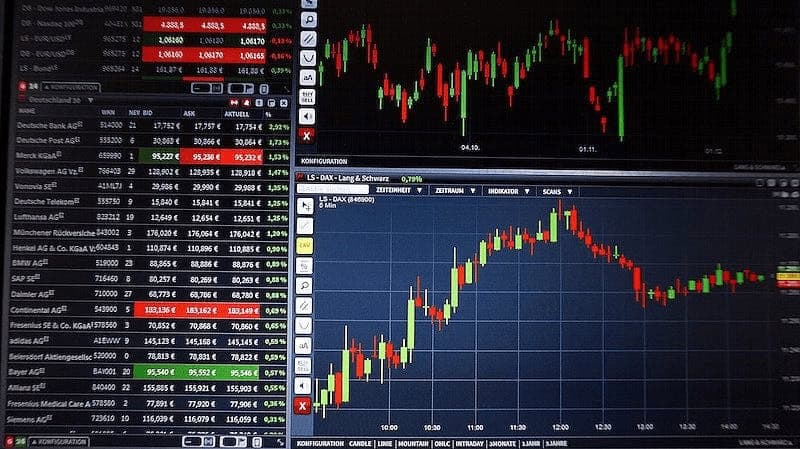
Reputable mobile platforms launched smart watchlist monitoring systems that can immediately notify you when significant institutional activity or sentiment shifts occur around your stocks, in 2026.
It helps to make all complex market data into user-friendly summaries optimized for readers from mobile devices.
Since younger traders manage all of their portfolios through smartphones, brokers have learned that mobile AI experiences must be prioritized. Institutional-grade analytics are portable via enhanced mobile trading platforms.
Enhanced Mobile Trading Platforms Pros & Cons
Pros
- Enables traders to manage portfolios anytime using AI-powered mobile trading applications conveniently.
- Provides real-time notifications about market opportunities and trading activity instantly everywhere.
- Simplifies complex market analysis through mobile-friendly AI-generated trading summaries effectively.
- Supports voice commands, improving accessibility and faster trading platform navigation experiences.
- Enhances flexibility for traders preferring smartphone-based portfolio monitoring and management daily.
Cons
- Mobile trading may increase impulsive decisions due to constant market accessibility everywhere.
- Smaller smartphone screens can limit detailed technical chart analysis effectiveness significantly.
- Mobile internet disruptions may critically affect order execution during volatile market situations.
- AI-powered mobile apps require frequent updates, consuming device storage and performance resources.
- Security risks increase when traders access accounts through unsecured public networks frequently.
| Features | Explanation |
|---|---|
| AI-Powered Mobile Alerts | Sends intelligent notifications about opportunities and unusual market activities instantly. |
| Voice Command Trading Features | Enables hands-free trading and platform navigation through AI voice technology. |
| Mobile Portfolio Insights | Provides simplified portfolio analysis optimized specifically for smartphone trading users. |
| Real-Time Push Notifications | Delivers live market updates and execution alerts directly to mobile devices. |
| Smart Watchlist Monitoring | AI tracks watchlist assets and detects important market movement opportunities quickly. |
10. AI-Based Educational Resources
Traders using AI to create personalized environments to broker for opportunity brokers. Current education systems use user errors, trading history, and knowledge of the market to be able to provide lessons, quizzes, or simulations related to a strategy.
Some brokers began offering live examples of chart patterns for AI mentors that can explain almost every purpose in trading as recently as 2026.

The systems also analyze the weaknesses of traders’ performances and recommend learning paths accordingly.
Artificial Intelligence (AI) assisted pedagogy is enabling brokers to attract novice traders while simultaneously ensuring the long-term retention of veteran philosophers.
Gone are the days of static tutorials; brokers now offer interactive learning tools that adapt to the trader’s learning pace and change based on market conditions
AI-Based Educational Resources Pros & Cons
Pros
- Provides personalized trading lessons based on individual learning progress and experience levels.
- Helps beginners understand trading concepts through interactive AI-powered learning simulations effectively.
- Identifies knowledge gaps and recommends suitable educational content automatically for improvement.
- Delivers real-time explanations using live market examples and practical trading scenarios regularly.
- Improves trader retention through engaging adaptive learning systems and personalized educational experiences.
Cons
- AI educational tools may oversimplify complex financial market concepts for beginners occasionally.
- Some learning systems lack human mentorship and emotional motivational support capabilities fully.
- Excessive automation may reduce the development of independent research and analytical thinking gradually.
- High-quality AI learning platforms can require expensive subscriptions for advanced educational features.
- Incorrect educational data may mislead traders about important market strategies and risks.
| Features | Explanation |
|---|---|
| Personalized Learning Programs | AI creates customized trading education paths based on user experience levels. |
| Interactive Trading Simulations | Allows traders practice strategies safely within realistic virtual market environments. |
| Real-Time Learning Assistance | AI mentors explain trading concepts using current live market examples interactively. |
| Skill Weakness Detection | Identifies trader weaknesses and recommends educational improvements automatically through analytics. |
| Adaptive Quiz Systems | Allows traders to practice strategies safely within realistic virtual market environments. |
Conclusion
Last but not least, Brokers are quickly adapting their platforms to the fallout of mass demand for AI-Driven Trading Solutions.
From predictive analytics, automated risk management, and smart mobile apps to AI-powered education, these innovations are transforming the trading ecosystem.
As AI keeps evolving, they will compete more on speed, personalization, and security in their business processes.
FAQ
What are AI traders?
AI traders use artificial intelligence algorithms to analyze markets and execute trades automatically.
Why are brokers adopting AI technologies?
Brokers adopt AI to improve trading speed, analytics, security, and customer experience efficiently.
How does AI-powered trading analytics help traders?
It provides real-time insights, market predictions, and pattern recognition for smarter trading decisions.
What are automated risk management tools?
These AI systems automatically manage leverage, stop-losses, and trading exposure during volatility.
How do personalized trading recommendations work?
AI analyzes trader behavior and suggests customized strategies based on trading habits and goals.