This article will describe the Things AI Still Cannot Do Better Than Humans in 2026 and that human capabilities are still needed despite teh fast development of ai.
AI is great for automation, and data analysis but is limited in emotional depth, creativity, moral judgment, and real-life experience.
These limitations allow us to appreciate the distinct place human intelligence holds in the contemporary world.
Key Points & Things AI Still Cannot Do Better Than Humans In 2026
| Point | Explanation (15 words each) |
|---|---|
| Creativity & Originality | Humans generate truly original ideas by combining experience, emotion, imagination, cultural context uniquely every time |
| Emotional Intelligence | Humans understand deep emotions, empathy, subtle social cues, and complex feelings better than AI systems |
| Moral Judgement | Moral decision-making requires lived experience ethics intuition context something AI cannot fully replicate yet consistently |
| Physical World Intuition | Humans naturally adapt to unpredictable physical environments using instinct coordination and sensory awareness instantly effectively |
| True Consciousness | AI lacks self-awareness subjective experience and inner consciousness that defines human existence at fundamental level |
| Long-term Strategic Decisions | Humans evaluate long-term consequences considering emotions uncertainty and personal life goals holistically in real life |
| Genuine Human Relationships | Humans build authentic relationships based on trust shared experiences and emotional bonding over many years |
| Cultural Understanding Nuance | Humans deeply understand cultural subtleties traditions humor and context within societies across different regions globally |
| Ethical Responsibility Accountability | Humans take moral responsibility for actions decisions and consequences in real society every single day |
| Real-World Problem Solving | Humans solve messy real-world problems with incomplete data intuition and adaptive thinking without perfect inputs |
10 Things AI Still Cannot Do Better Than Humans in 2026
1. Creativity & Originality
Humans also show a higher kind of creativity that can not only gain new patterns and remake the perfect things.
Real humans create something new from their lived experiences, emotions, culture, and imagination. In contrast, AI can produce content based on the data it has been exposed to, but lacks a true intention or personal expression in its output.
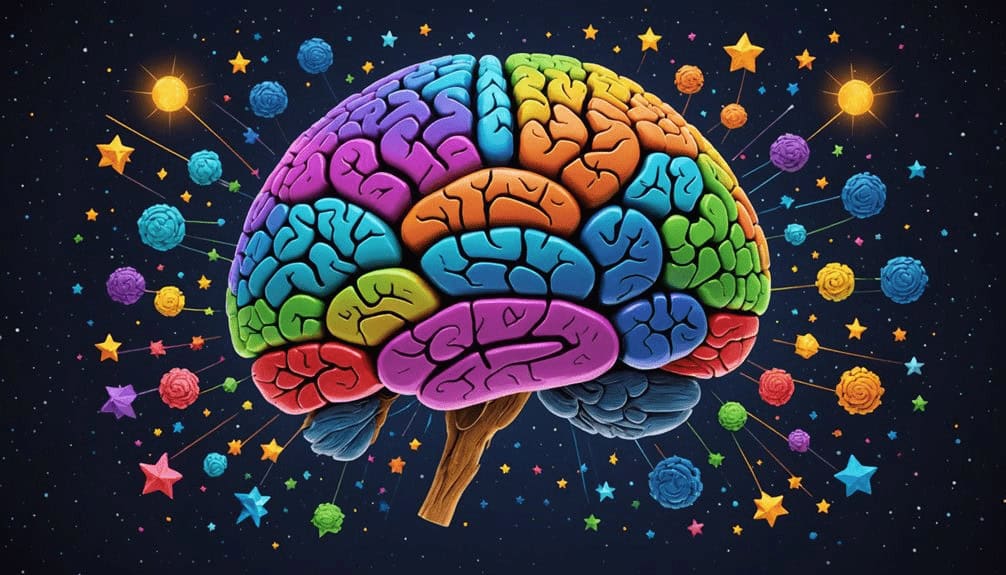
The way humans create demands risks, bending the rules and joining the dots to break apart abstractions that have never existed before—and AI just cannot yet replicate this in an authentic or unpredictable way.
Creativity & Originality
- Generates truly new ideas from imagination and lived experience
- Uses emotions, culture, and personal insight for unique expression
- Breaks traditional rules to create innovative concepts
- Produces art and ideas with authentic human intention
2. Emotional Intelligence
Humans this move through Emotional Intelligence (understanding interpreting and responding to feelings in self and others sensitively).
That includes empathy, compassion also awareness of the subtle emotional cues — tone, body language or silence.
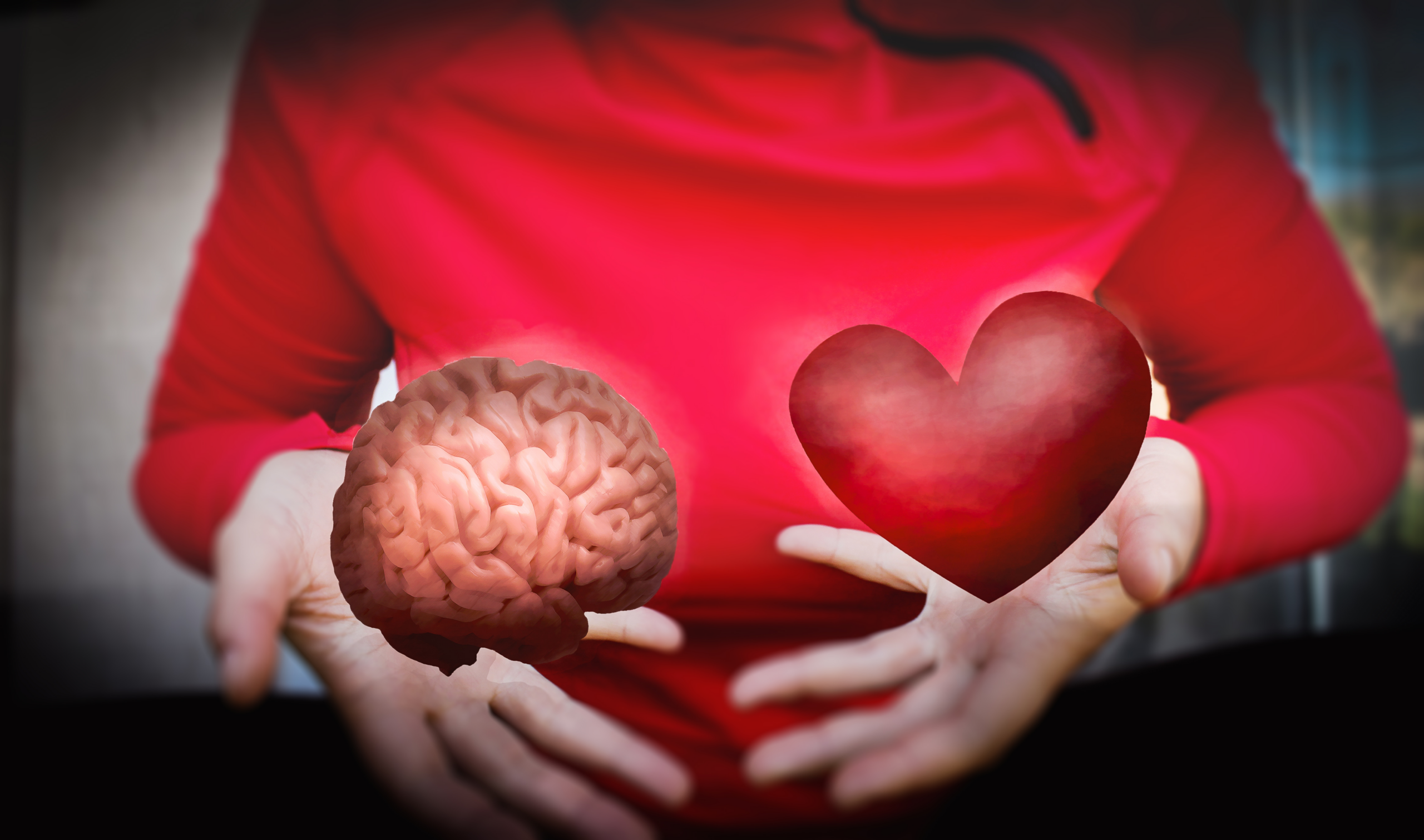
AI can mimic emotional response, but does not experience or understand any true emotion. Humans can offer comfort, support, and connection in ways that require shared experience and emotional depth; human interaction is far more nuanced than AI can provide.
Emotional Intelligence
- Understands complex human emotions deeply and naturally
- Reads tone, body language, and subtle social cues
- Responds with empathy, care, and emotional sensitivity
- Builds meaningful emotional connections with others
3. Moral Judgement
For moral judgement in humans, cultural norms, education and life experience, ethical reasoning comes into play.
Many decisions are made against the thresholds of fairness, compassion, time and impact in society. In contrast
While AI works according to programmed rules and learnt patterns from the data it has been trained on, it does not know or understand right and wrong.

It is not able to understand certain ethical dilemmas, where context is crucial. While humans have the flexibility to modify their moral decision making according to specific contexts, AI is confined within a predefined or probabilistic reasoning paradigm.
Moral Judgement
- Makes ethical decisions based on values and context
- Considers fairness, empathy, and social responsibility
- Adapts judgement depending on real-life situations
- Understands consequences of actions on people and society
4. Physical World Intuition
Humans have a innate understanding of the physical world, able to detect intuitively using senses honed through a life of experience.
This entails the instantaneous assessment of distance, balance, movement and changes in environment.
But the unpredictability of the real world in 2023 is still too much to deal with for AI systems, no matter how many sensors or robotics there are.

When things go wrong — a glass falling, crowds forming — we don’t have to think: the human body responds instantaneously.
Humans instinctively know how things work in the physical realm, which is what differentiates us from AI systems facing unstructured environments with variables that change constantly.
Physical World Intuition
- Instantly reacts to real-world physical changes and risks
- Uses sensory experience to judge space and movement
- Adapts quickly in unpredictable environments
- Performs instinctive actions like balance, timing, and coordination
5. True Consciousness
Real consciousness involves self-awareness, inner mind and subjective experience of being alive. Humans are not mere information processors, we feel emotions, we ponder existence and we have a sense of self.
As such, AI is not conscious or self-aware; it receives inputs and outputs results based on patterns. It cannot feel happy or hurt, nor reflect.
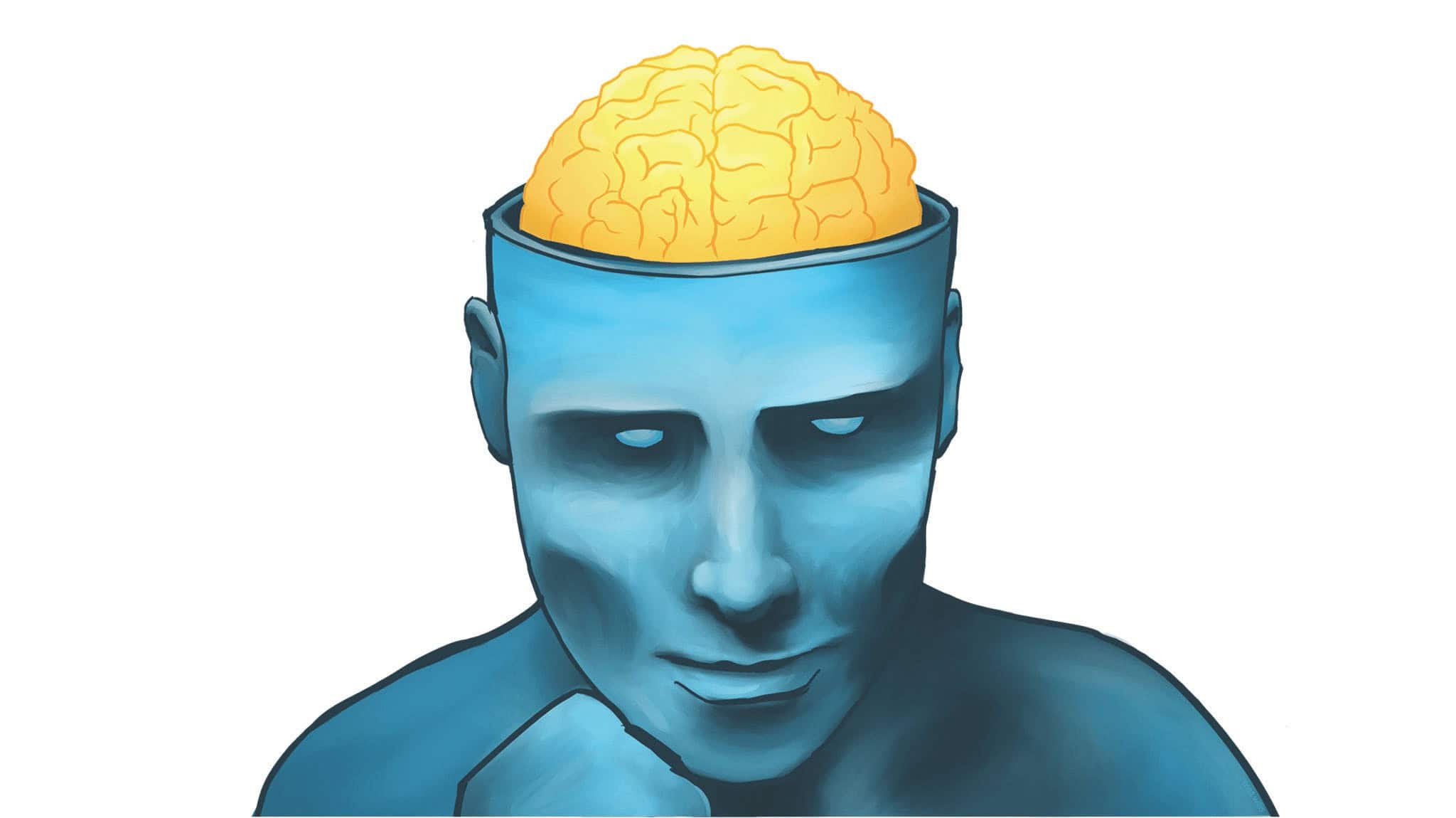
This is why AI is unable to conceive of itself — it lacks the capacity for pro-attitudinal modifications in actions which continuously influences how a human interprets, pivots and reflects on her reality.
True Consciousness
- Possesses self-awareness and personal identity
- Experiences thoughts, emotions, and subjective reality
- Reflects on existence and personal meaning
- Understands “being alive” in a conscious way
6. Long-term Strategic Decisions
And we humans usually make long-term decisions byincluding emotions, our life goals, uncertainty and changing circumstances in mind.
These decisions have trade offs concerning personal values, relationships and future expectations.
AI may refine based on data, but it cannot comprehend context in the same way humans understand priority and the evolution of human motivations.

Customized and even extreme strategies: unlike a logic strained game of logic, humans do manage to become adaptable when changes of live uncovers.
Indeed, in this respect human strategic thinking regains more versatility and contextual awareness than pure algorithmic planning systems can ever achieve.
Long-term Strategic Decisions
- Plans future goals based on life experience and values
- Balances emotional, financial, and social priorities
- Adjusts decisions when life circumstances change
- Handles uncertainty with flexible human judgement
7. Genuine Human Relationships
Human relationships thrive on trust, shared experiences, mutual emotional bonding and time spent with each other.
These connections are characterized by emotions such as love, loyalty, forgiveness, and empathy. AI can create realistic conversations but it cannot create real connections or common experiences.

Humans put hours of vulnerability into relationships, and machines cannot replicate that depth. Human relationships, with their unpredictability and richly saturated emotions, will fundamentally always be just outside of AI’s reach to authentically experience or participate.
Genuine Human Relationships
- Builds trust through shared experiences and time
- Forms emotional bonds like love, care, and loyalty
- Understands forgiveness, conflict, and reconciliation deeply
- Creates meaningful long-term personal connections
8. Cultural Understanding Nuance
Man made culture is learnt through lived experiences, traditions, historical importance and social interaction.
That is, humor, sarcasm, rituals and society-embedded meanings. AI can analyze cultural data but loses nuance and importance of context and emotion.

Gestures, idioms and traditions are interpreted by humans through lenses of individual or group identity.
It takes lived experience, not data processing to accurately describe cultural nuance and human understanding will always be more accurate and sensitive in worldly cultural situations.
Cultural Understanding Nuance
- Understands traditions, humor, and social context deeply
- Interprets idioms, gestures, and cultural meanings correctly
- Adapts communication to different cultural environments
- Learns from lived social experiences, not just data
9. Ethical Responsibility Accountability
In practical systems designed with an understanding of human agents, humans are held accountable for their actions.
Ethical responsibility refers to personal judgement, guilt, learnt lessons and the need for rectification in decision making.
AI is not to blame — AI is a human invention, a programmed machine. In cases of error, it is designers or users who are to blame, not the AI.

The ethics for which humans are held accountable informs behavior in ways that no amount of AI can mimic or comprehend.
Ethical Responsibility Accountability
- Takes personal responsibility for actions and decisions
- Experiences guilt, learning, and moral reflection
- Faces real-world consequences in society and law
- Builds accountability through human judgment systems
10. Real-World Problem Solving
The human instinct to adjust based on experience and solve real-world holistically with partial knowledge.
Life can be complicated and fraught with unpredictable twists, but it tends to have a lot of baggage – our slung emotions, expectations of ourselves, cloistered traumas – making it hard to think outside the tight bounds of logic.
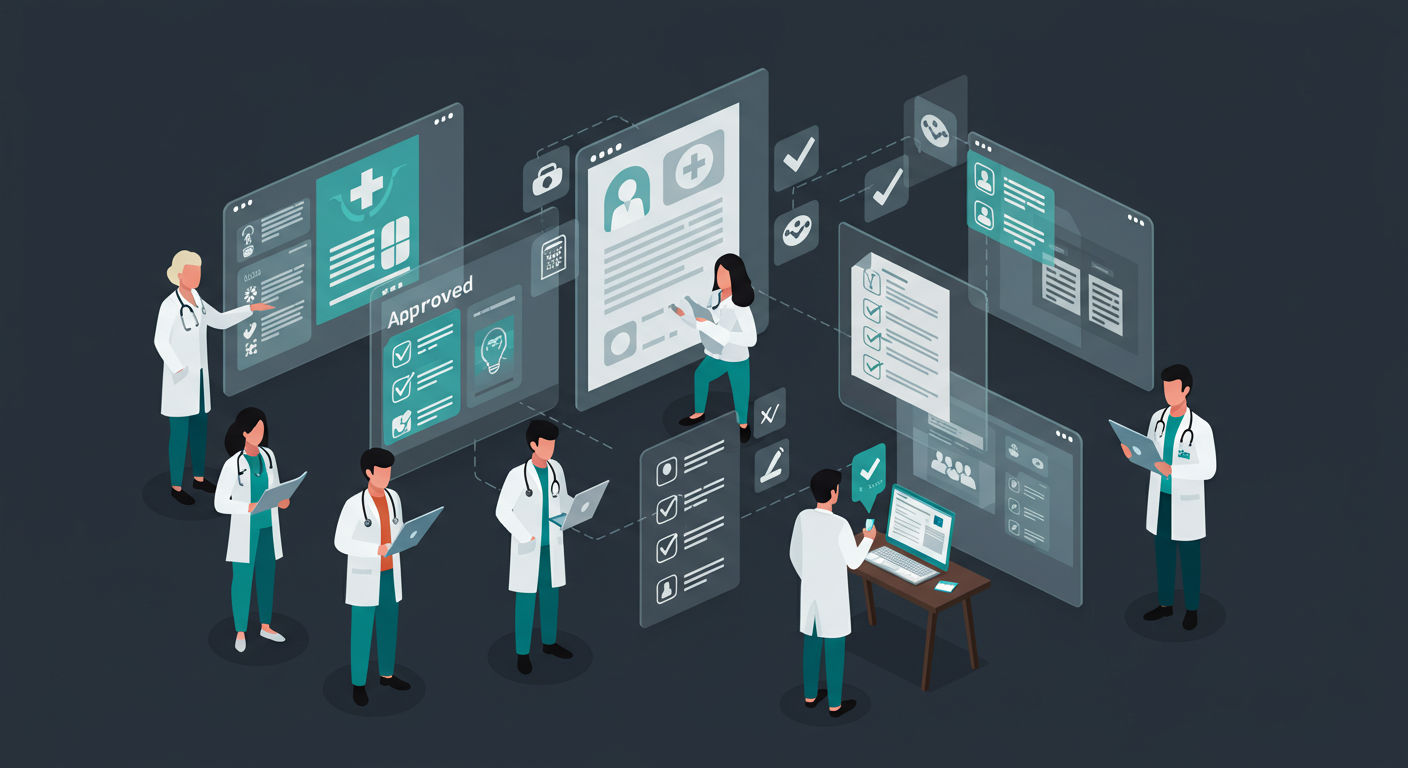
When the weather or any other condition shifts unexpectedly, humans can assemble answers on the fly. AI is based on structures and patterns, which does not react well to chaotic environments.
A human mind adapting creativity, judgement and experiences allows real-world problems to be solved in a practical manner that is more effective, as even the best AI must respond with rules and datasets.
Real-World Problem Solving
- Solves problems with incomplete or unclear information
- Uses creativity and intuition in unpredictable situations
- Adapts quickly when conditions change suddenly
- Combines experience, logic, and emotional understanding effectively
Conclusion
To conclude, AI became a tool to automate routines, analyze data faster and generate contents while core abilities of human still nemesis by machines.
Instead, incorporate the uniquely human skills of creativity, emotional intelligence, moral judgement, consciousness and real-world intuition.
These qualities enable people to adapt, network, and make choices with purpose. For the immediate future, humans will decide how AI gets used.
FAQ
What are the main things AI still cannot do better than humans?
AI cannot fully match human creativity, emotions, moral judgement, consciousness, and real-world intuition.
Can AI be truly creative like humans?
No, AI can generate content but lacks true originality, imagination, and lived experience.
Does AI understand human emotions?
AI can recognize patterns of emotion but does not genuinely feel empathy or compassion.
Why is moral judgement still better in humans?
Humans use values, ethics, and context, while AI relies only on programmed data patterns.