
In this article, I will discuss the Best Autonomous AI Agents for Real-Time Programmatic Media Buying & Budget Bidding, helping startups and marketers automate advertising campaigns efficiently.
These advanced AI-powered platforms improve audience targeting, optimize bidding strategies, reduce advertising costs, and maximize campaign performance across multiple digital channels.
Discover the latest autonomous advertising technologies transforming modern programmatic marketing and budget optimization strategies globally today.
Key Points & Best Autonomous AI Agents for Real-Time Programmatic Media Buying & Budget Bidding
| Autonomous AI Agent | Explanation |
|---|---|
| The Trade Desk Kokai | AI-powered bidding optimizes programmatic campaigns instantly using predictive audience targeting algorithms. |
| Google Display & Video 360 | Automates media buying decisions dynamically across multiple channels using machine-learning optimization technologies. |
| Adobe Advertising Cloud | Delivers autonomous budget allocation maximizing conversions through real-time audience engagement analytics continuously. |
| Amazon DSP | Uses AI-driven bidding strategies improving advertising performance across premium digital inventory globally. |
| MediaMath | Autonomous optimization engine enhances targeting accuracy while reducing advertising spending inefficiencies significantly. |
| Basis Technologies | Smart automation simplifies omnichannel media buying with advanced predictive budget management capabilities. |
| Quantcast Platform | Real-time AI insights improve campaign bidding efficiency through automated consumer behavior analysis. |
| StackAdapt | Machine-learning algorithms automate native advertising purchases ensuring maximum return-on-investment performance consistently. |
| Criteo Commerce Max | Autonomous retail advertising agent optimizes commerce campaigns using live shopper intent signals. |
| Yahoo DSP | AI-enhanced bidding automation boosts cross-platform advertising efficiency with scalable audience targeting solutions. |
10 Best Autonomous AI Agents for Real-Time Programmatic Media Buying & Budget Bidding
1. The Trade Desk Kokai
Kokai is revolutionizing programmatic advertising with its unique, sophisticated AI optimization systems.
Their predictive bidding engines are capable of processing and making decisions about consumer behavior, contextual cues, and prevailing market conditions in real time.

This system is helpful with campaign efficiency and advertising waste for programmatic CTV, mobile, and display campaigns.
Their real-time forecasting aids in optimal budgeting. Kokai is truly one of the next-generation solutions in programmatic advertising media buying, utilizing privacy-preserving technologies.
| Pros | Cons |
|---|---|
| Advanced AI forecasting improves advertising performance across multiple digital channels efficiently. | Requires experienced marketers for fully utilizing advanced optimization and bidding capabilities effectively. |
| Privacy-focused targeting supports cookieless advertising strategies for future-ready campaign management solutions. | Premium features may become expensive for small startups with limited advertising budgets initially. |
| Excellent connected television advertising support increases audience engagement and campaign scalability globally. | A complex dashboard interface may create learning challenges for beginner advertising professionals initially. |
2. Google Display & Video 360
Google DV360 leads the programmatic advertising market due to constant updates, which modernize the platform to offer AI-based services for task automations throughout the campaign cycle.

Their automatic bidding is capable of full optimizations for conversion, reach, and cost. As DV360 links with YouTube, Analytics, and other Google premium inventory marketplaces, users are able to maximize their campaigns.
Many of the latest changes focus on generative AI to provide custom insights with automated audience predictions. DV360 is truly multifaceted, spanning display, video, CTV, and mobile in programmatic advertising.
| Advantages | Disadvantages |
|---|---|
| Seamless integration with YouTube and Google Analytics improves campaign tracking performance significantly. | Competitive advertising auctions sometimes increase media costs for startups targeting premium audiences. |
| AI-powered bidding automatically optimizes conversions and advertising return-on-investment efficiently across campaigns. | Advanced features may overwhelm users without previous programmatic advertising management experience initially. |
| Massive global inventory access expands audience reach across multiple digital advertising channels. | Dependence on the Google ecosystem limits flexibility for advertisers preferring independent advertising solutions. |
3. Adobe Advertising Cloud
Adobe Advertising Cloud provides AI-driven tools for omnichannel media buying. Its optimization engine allows real-time analysis of user engagement, conversion, and campaign metrics.
Its AI-driven features of granular cross-device targeting, coupled with the automated optimization of advertising spend to achieve the best ROI, are exceptional.
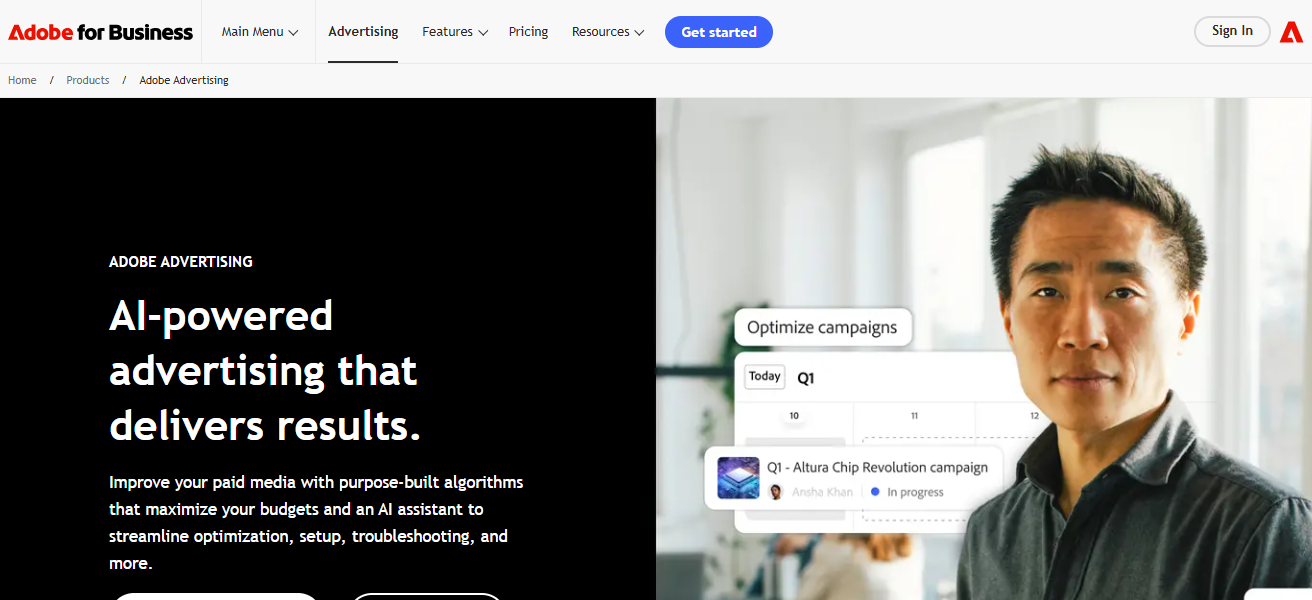
Startups benefit from streamlined workflows from Adobe’s integration with Creative Cloud and customer analytics tools.
With the growth of privacy-first advertising, Adobe’s Advertising Cloud offers smarter bidding and automated advertising solutions with a personalized audience reach across the digital landscape.
| Benefits | Limitations |
|---|---|
| Strong integration with Adobe Creative Cloud simplifies advertising workflow management processes efficiently. | Premium enterprise-focused pricing structure may challenge smaller startups with restricted marketing budgets. |
| Autonomous AI optimization improves cross-device targeting and personalized customer engagement performance automatically. | Initial platform setup requires technical expertise for maximizing advanced automation capabilities effectively. |
| Omnichannel advertising support enhances campaign scalability across modern digital marketing ecosystems globally. | Reporting customization options sometimes feel complicated for beginner advertisers managing campaigns independently. |
4. Amazon DSP
Amazon DSP is a rapidly growing, self-service programmatic advertising channel. It uses its shopper data to determine the most effective bidding to optimize ad placement based on consumer buying and browsing data.

Startups can access premium streaming advertising inventory and retail media buying. Its recent retail advertising updates include machine learning-based conversion prediction and retail analytics to forecast sales.
Amazon DSP proves its value by cutting advertising spend and enabling sales in highly competitive advertising environments.
| Pros | Cons |
|---|---|
| Massive shopper intent data improves conversion-focused targeting accuracy for eCommerce advertising campaigns. | Best performance often depends heavily on Amazon ecosystem advertising and marketplace integration features. |
| AI-driven optimization reduces wasted advertising spend through predictive bidding technology intelligently. | Smaller businesses may struggle competing against larger brands with stronger advertising budgets consistently. |
| Excellent streaming television inventory expands audience engagement opportunities beyond traditional display advertising campaigns. | Platform complexity may require experienced media buyers for advanced campaign optimization management successfully. |
5. MediaMath
MediaMath is an intelligent AI-driven programmatic ad buying system. Their autonomous optimization technology autonomously runs price bidding and audience targeting based on the analysis of the organization’s data signals.
Startups appreciate the customizability of campaigns, support of multiple advertisement channels, and data oversight control.
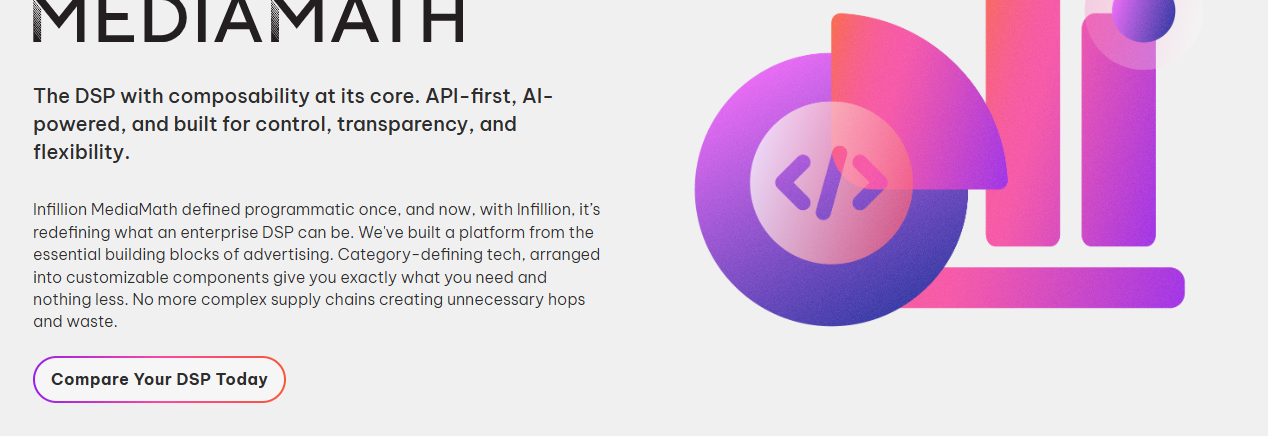
The most recent MediaMath innovations are improvements of targeting without the use of cookies, as well as in the advertising context.
MediaMath is able to assist organizations in effectively scaling campaigns via strong budget control, efficient engagement, and automation of advertisements.
| Strengths | Weaknesses |
|---|---|
| Transparent programmatic advertising tools improve advertiser trust and campaign performance visibility greatly. | Platform modernization pace sometimes appears slower compared with rapidly evolving advertising competitors recently. |
| Cookieless targeting innovations support privacy-safe advertising strategies across multiple marketing channels effectively. | Advanced customization features may increase operational complexity for smaller startup advertising teams considerably. |
| Omnichannel campaign management enhances scalability across mobile, display, and video advertising ecosystems globally. | User interface occasionally feels less intuitive than newer autonomous advertising technology platforms available. |
6. Basis Technologies
Basis Technologies is able to assist programmatic buying of advertisements via simplified AI automation of workplace activities.
The Basis Technologies intelligent automation system is able to assist the organization in unifying planning, budgeting, optimization, and reporting of advertisements.
Improvements to the Basis Technologies machine learning system now allow real-time tactical advertising based on the budget of the organization.
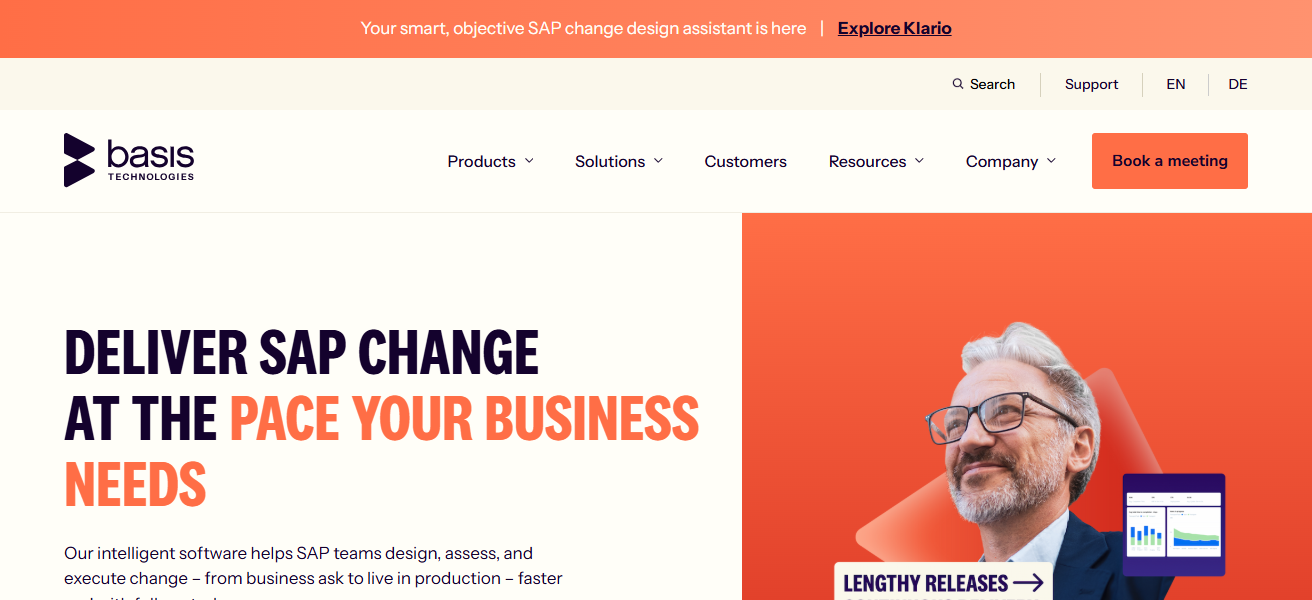
Startups appreciate the automation of the labor-intensive advertising management process. Basis Technologies also supports multiple advertisement channels such as video, connected television, mobile, and social campaigns.
The productivity of Basis Technologies AI quickly improves scalability in the marketing management process.
| Advantages | Drawbacks |
|---|---|
| Centralized dashboard simplifies media planning, reporting, and campaign optimization management efficiently. | Some advanced AI features require premium subscriptions increasing operational costs for growing startups. |
| Workflow automation significantly reduces manual advertising management workload for marketing teams consistently. | Limited global brand recognition compared with larger programmatic advertising platform competitors currently available. |
| Predictive analytics improve strategic budget allocation and campaign performance forecasting capabilities effectively. | Beginners may require onboarding assistance understanding advanced automation and optimization settings fully. |
7. Quantcast Platform
Quantcast Platform employs highly capable autonomous AI systems to enhance audience targeting and optimize the bidding process in real time.
Utilizing predictive analytics, the platform interprets behavioral signals from consumers in real-time. Startups can use this technology to pinpoint audiences with the highest conversion potential.
The latest AI-infused platform with insights improves the personalization of campaigns while devising strategies to keep privacy and safety intact.

The platform excels in contextual targeting as well as audience intelligence and automation across channels and campaigns.
The platform gives businesses better engagement rates, a more optimized spend on advertising, and a more flexible and scalable approach to programmatic advertising.
| Positive Features | Negative Features |
|---|---|
| Real-time audience intelligence improves campaign personalization and targeting accuracy dramatically for advertisers. | Smaller advertising inventory compared with Google and Amazon platforms limits campaign expansion opportunities. |
| Privacy-safe contextual advertising supports future digital marketing compliance requirements effectively across industries. | Reporting features occasionally lack deeper customization options desired by enterprise-level advertisers globally. |
| AI-powered predictive analytics help startups discover high-converting audience segments quickly and efficiently. | Advanced audience modeling tools may require experienced analysts for maximum optimization results consistently. |
8. StackAdapt
StackAdapt is one of the fastest-growing autonomous AI platforms for native and programmatic advertising.
The machine-learning bidding engine of the platform optimizes the placement and targeting of the audience and the conversions automatically.
Startups are especially fond of the user-friendly design, advanced contextual targeting, and the recent expansion to advertising via connected television.
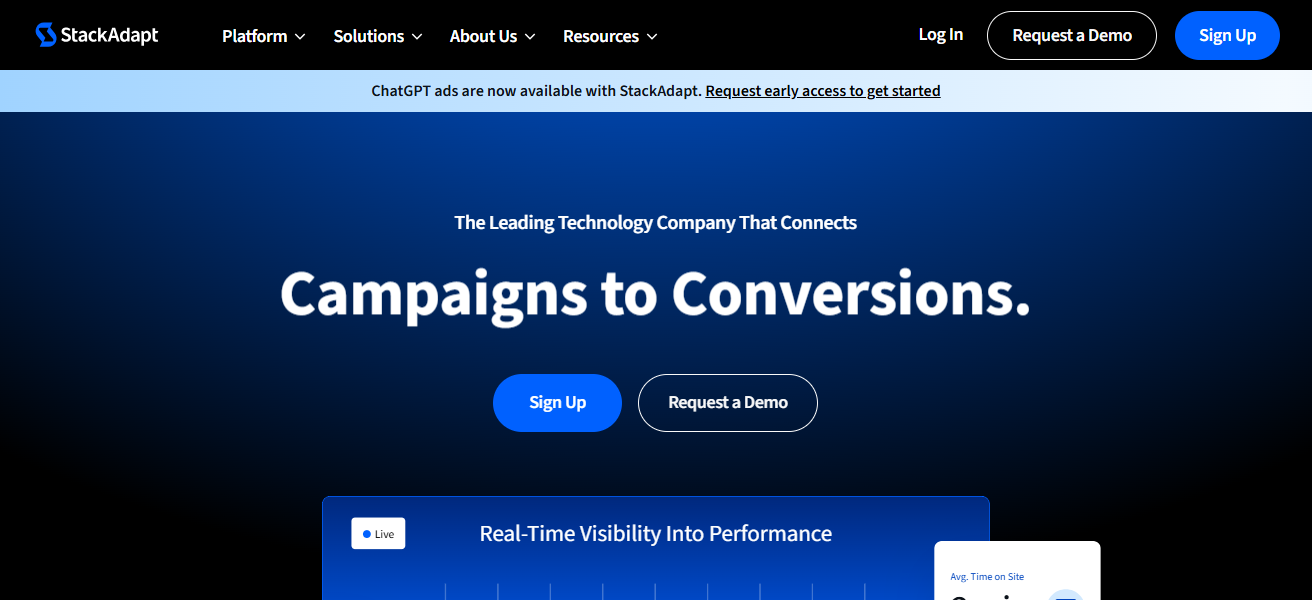
The platform has also recently integrated engagement optimizations across digital channels in the form of advertising with AI-assisted creative development.
With a strong analytics foundation and a high level of automation, the platform truly embraces the personalization of advertising on a global scale.
| Key Benefits | Main Challenges |
|---|---|
| User-friendly interface simplifies autonomous advertising management for startups and growing agencies successfully. | Smaller advertising ecosystem compared with major enterprise demand-side platforms currently dominating globally. |
| AI-assisted creative optimization improves engagement and campaign performance across digital channels efficiently. | Certain premium inventory options may remain unavailable in specific international advertising markets presently. |
| Strong connected television capabilities support expanding omnichannel advertising strategies for modern brands effectively. | Advanced targeting customization occasionally requires technical knowledge for best optimization outcomes consistently. |
9. Criteo Commerce Max
Criteo Commerce Max provides automated Advertising based on its proprietary technology and programmatic ad buying tools.
Criteo Commerce Max has developed an intelligent bidding solution for programmatic ad buying. It adjusts your bids based on real-time data, people’s shopping habits, site visits, and other behavioral analytics.
They offer a way for startups to advertise their products and to reach their audience more effectively through their advanced Retail Media ad tech.
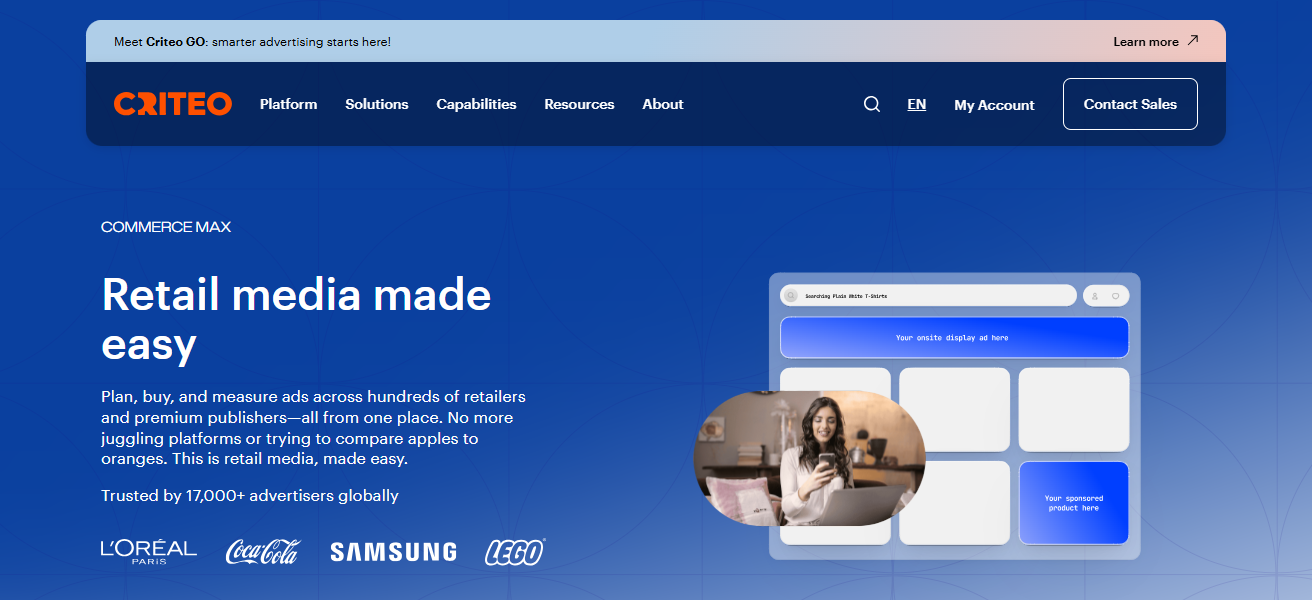
They have a strong focus on delivering an Omnichannel way to advertise across apps, websites, and connected television.
Sales increase and ad spend efficiency rises in digital markets for businesses, thanks to the focus on retail.
| Benefits | Challenges |
|---|---|
| Commerce-focused AI targeting improves product advertising conversion rates for retailers significantly worldwide. | Best suited primarily for eCommerce businesses rather than general brand-awareness advertising campaigns globally. |
| Real-time shopper intent analysis maximizes personalized advertising and customer engagement opportunities effectively. | Dependence on retail data may limit flexibility for non-commerce advertising strategies and campaigns. |
| Omnichannel retail media support enhances visibility across websites, mobile apps, and television platforms. | Advanced platform features may require larger datasets for optimal AI-driven campaign performance consistently. |
10. Yahoo DSP
Yahoo DSP remains a fully automated, AI-based Advertising ad technology for global programmatic ad buying.
Yahoo’s machine learning-based tech grants startups improved audience segmentation, automated bidding, and optimized ad inventory.
All startups are afforded access to Yahoo’s priceless data, connected TV, and cross-device advertising.

Yahoo’s recently expanded add-on tools for AI-based prediction, planning, and advertising help marketers with a privacy-respecting ad targeting framework.
Yahoo DSP offers strong performance ad campaigns and the ability to enhance their engagement and optimize ad spend in very competitive digital advertising markets.
| Advantages | Disadvantages |
|---|---|
| Extensive audience data improves targeting precision across multiple advertising channels effectively for marketers. | Market influence remains smaller compared with Google and Amazon advertising ecosystems globally today. |
| AI-powered forecasting enhances budget optimization and campaign scalability for growing startups successfully. | Some advertisers consider interface design outdated compared with modern autonomous advertising platforms available. |
| Connected television support strengthens omnichannel media buying opportunities for digital brands consistently worldwide. | Advanced reporting tools occasionally require additional training for beginner programmatic advertising professionals initially. |
Conclusion
In conclusion, Autonomous AI agents will transform real-time programmatic media buying through automation of targeting, bidding, and budget optimization.
The Trade Desk Kokai, Google Display & Video 360, and Amazon DSP offer start-ups the opportunity to scale campaigns with less advertising spend.
As intelligent AI automation advances, these platforms will be necessary for businesses looking to optimize engagement and conversion on digital channels, equating to a growing competitive advantage in the global market.
FAQ
What are autonomous AI agents in programmatic advertising?
Autonomous AI agents automatically optimize media buying, targeting, and bidding decisions using machine learning.
Why are AI agents important for media buying?
They improve campaign performance, reduce advertising waste, and maximize marketing budget efficiency automatically.
Which platform is best for connected television advertising?
The Trade Desk Kokai is highly popular for advanced connected television advertising campaigns globally.
Is Google Display & Video 360 suitable for startups?
Yes, it offers scalable advertising tools, AI bidding, and extensive global inventory access.