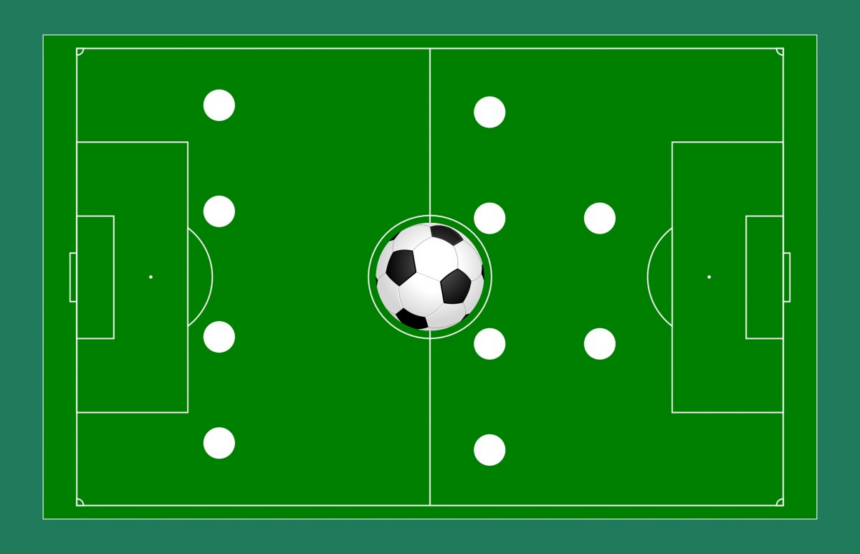
My focus in this article would be the AI tools professional sports teams are using while searching new talent. These high-end technologies combine data analytics, video analysis and machine learning to assess player performance and potential.
Modern sports teams use AI to make quicker, smarter and more accurate recruitment decisions by tracking movements to predict future success.
What Are AI Scouting Tools In Sports?
AI scouting software merges data analytics, video analysis, and advanced algorithms to more accurately assess player’s performance & the likelihood of future success.
They analyse hundreds of thousands of hours of match footage and log data on elements such as speed, positioning, decision making and consistency.
They analyze player data, utilizing machine learning models to facilitate patterns and predict development trends that may be missed by human scouts.
The intent of these tools is to provide teams with intelligent recruitment options to better leverage their acquisition efforts while mitigating bias and identifying talent within obscure leagues, age groups, and levels of competition across the globe.
Key Points & AI Tools Professional Sports Teams Are Using to Scout New Talent
SciSports Uses data-driven models to evaluate player potential, performance, and fit within team strategies and recruitment.
Hudl Provides video analysis tools helping coaches and scouts evaluate player performance, skills, and game intelligence.
Stats Perform Delivers advanced sports analytics and AI insights to identify talent, predict performance, and enhance scouting accuracy.
Zebra MotionWorks Tracks player movements using RFID technology, offering real-time performance data for scouting and strategic decisions.
Playermaker Uses wearable sensors on boots to analyze player movements, providing insights into technical skills and performance.
SkillCorner Applies computer vision to broadcast footage, generating detailed tracking data for evaluating off-ball player movements.
Second Spectrum Leverages AI and machine learning to analyze gameplay, helping teams assess player decision-making and spatial awareness.
Zone7 Uses AI to predict injury risks and monitor fitness, helping teams evaluate long-term player availability potential.
Catapult Sports (Vector) Provides wearable GPS tracking devices delivering performance metrics, workload data, and insights for scouting athletes.
KinaTrax Uses markerless motion capture to analyze biomechanics, helping scouts assess player efficiency, health, and injury risk.
10 AI Tools Professional Sports Teams Are Using to Scout New Talent
1. SciSports
SciSports is a sophisticated AI-based platform that enables professional level sports teams to precisely find and assess emerging talent.
It utilizes data-led models to determine player performance, potential and suitability to team tactics.

SciSports provides clubs with predictive analytics based on scouting data that enable them to make better recruitment decisions.
It assists teams in comparing players across leagues, assessing development trajectories, and reducing scouting bias which leads to better long-term squad building while providing a competitive advantage with regards to talent acquisition.
| Pros | Cons |
|---|---|
| Uses advanced AI for accurate talent evaluation and predictive analysis | Requires high-quality data inputs for reliable insights |
| Helps compare players across leagues and age groups effectively | Can be expensive for smaller clubs or organizations |
| Reduces human bias in scouting decisions significantly | May overlook intangible qualities like leadership and attitude |
| Supports long-term squad planning with growth projections | Needs skilled analysts to interpret complex data outputs |
2. Hudl
Hudl is a popular video analysis site where coaches and scouts can dissect players with unprecedented detail.
It enables teams to upload, review and share match footage while also assessing technical skills, decision making and tactical awareness.

Automated tagging of key moments – Hudl’s AI capabilities help in tagging key moments in videos automatically, saving a ton of time during the analysis process.
This tool provides further context for emerging players across all levels, including youth level, and carries information to help us scout these players in a data-driven manner.
| Pros | Cons |
|---|---|
| Easy-to-use video analysis platform for coaches and scouts | Relies heavily on video availability and quality |
| AI-powered tagging saves time and improves efficiency | Limited advanced predictive analytics compared to competitors |
| Widely used across all competition levels globally | Subscription costs can add up for smaller teams |
| Great for visual evaluation of player performance | Less focus on off-ball data and deeper analytics |
3. Stats Perform
Stats Perform provides leading sports data and AI-powered analytics solutions for talent scouting. It gathers large quantities of performance statistics and employs machine learning to assess player efficiencies and forecast future results.
Scouts use its metrics to compare players across competitions and unearth gems. With an advanced analysis of historical data
Stats Perform can supplement that by allowing teams to make smart recruitment decisions, avoid costly players and find perfect players who fit in specific style of play.
| Pros | Cons |
|---|---|
| Provides deep data insights with AI-driven analytics | Complex platform requiring expert knowledge to use effectively |
| Offers predictive models for performance and scouting | Expensive for lower-tier clubs or organizations |
| Covers multiple leagues and competitions worldwide | Data overload can overwhelm inexperienced users |
| Helps identify undervalued and hidden talent efficiently | Less emphasis on visual/video-based analysis |
4. Zebra MotionWorks
RFID tracking technologyin Zebra MotionWorks captures real-time data on player movements during games and training sessions.
This gives thorough information into speed, miles travelled, positioning and exertion. This data is then used to assess athletic performance and find athletes with the right physical talent.
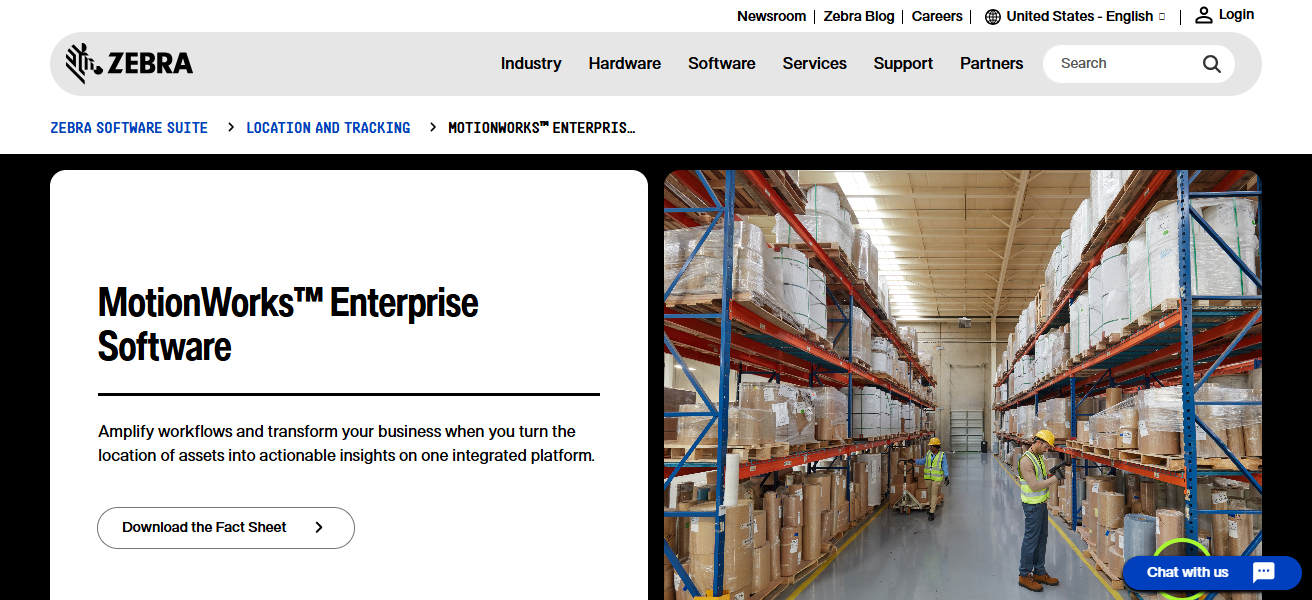
With a performance analytics service that gives scouts and coaches the real-time analytics they need to really get hip to player efficiency & consistency, Zebra MotionWorks makes it simple to detect athletes capable of playing at peak levels.
| Pros | Cons |
|---|---|
| Real-time tracking with highly accurate RFID technology | Requires specialized infrastructure and hardware setup |
| Provides detailed physical performance metrics | Limited use outside supported leagues and venues |
| Helps evaluate athleticism and movement efficiency | High implementation and maintenance costs |
| Useful for both training and live match analysis | Less focus on technical or tactical player attributes |
5. Playermaker
Playermaker is an innovative new piece of wearable tech it comes as a sensor that attaches to the player boots and tracks every movements on the pitch
While playing football This captures touches, ball control, speed and movement patterns providing valuable insights into technical performance
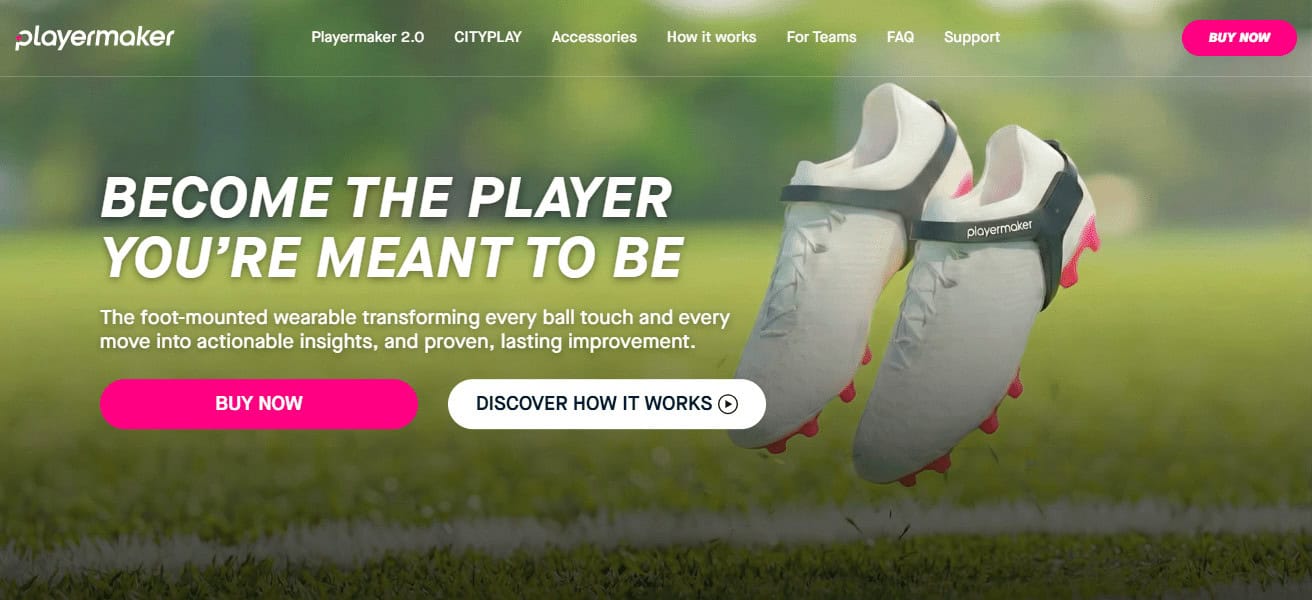
This information is used by coaches and scouts to evaluate players beyond traditional stats. Those skills are often then overlooked in standard match analysis
But Playermaker showcases the underlying talent that exists amongst those who have performed well regardless.
| Pros | Cons |
|---|---|
| Tracks detailed foot-based data like touches and control | Requires players to wear sensors during sessions |
| Provides unique technical insights beyond traditional stats | May not capture full tactical context of performance |
| Easy to use and suitable for training environments | Data accuracy depends on proper device usage |
| Helps identify technically skilled players early | Limited real-time match integration in some leagues |
6. SkillCorner
SkillCorner A Computer Vision Skill that analyzes broadcast footage, generates tracking data with no need for wearable devices — up to October 2023 And off-ball movement, positional roles and spatial awareness are key emphases for modern scouting.
It is used by teams to assess players’ tactical awareness and adaptability. The plugin allows clubs to scout players on a global scale using current video footage
While reducing costs and expanding scouting networks with higher analytical accuracy of identifying talent.
| Pros | Cons |
|---|---|
| Uses broadcast video, eliminating need for wearables | Accuracy depends on video quality and camera angles |
| Excellent for analyzing off-ball movement and positioning | Limited biometric or physical performance data |
| Enables global scouting with existing footage | May require integration with other tools for full analysis |
| Cost-effective compared to hardware-based systems | Processing large video datasets can be time-consuming |
7. Second Spectrum
Second Spectrum uses cutting-edge artificial intelligence and machine learning to analyze sports games, giving deep dives into the behaviors of players and teams.
It gives scouts an idea around real time player movements and decision making – essential for evaluations of intelligence, positioning & game awareness.

Teams utilize this data to discover players who are suitable for certain tactical systems. The increased depth and detail of performance that Second Spectrum provides increases efficiency in scouting while aiding with better recruitment decisions.
| Pros | Cons |
|---|---|
| Uses broadcast video, eliminating need for wearables | Accuracy depends on video quality and camera angles |
| Excellent for analyzing off-ball movement and positioning | Limited biometric or physical performance data |
| Enables global scouting with existing footage | May require integration with other tools for full analysis |
| Cost-effective compared to hardware-based systems | Processing large video datasets can be time-consuming |
8. Zone7
Zone7 Predictive injury models/ player fitness analysis with AI It sends out alerts—if it tracks training loads, physical condition or performance data—to a coach about risks of an injury.
Teams use Zone7 to identify a player’s expected availability, and perception of durability through the lens of scouting.
This keeps clubs from getting tangled up in a gamble and instead provides them with more calming opportunities to spend their money on those
Who can see it through. Zone7 bundles health insights into scouting, supplying an additional tier of intelligence in the talent evaluation and decision-making matrix.
| Pros | Cons |
|---|---|
| Predicts injury risks using AI and performance data | Focused more on health than direct talent scouting |
| Helps assess long-term player availability | Requires consistent and accurate data input |
| Reduces risk of costly player injuries | Limited insights into technical and tactical abilities |
| Supports smarter recruitment decisions | May not be useful as a standalone scouting tool |
9. Catapult Sports (Vector)
Wearable GPS tracking systems — Companies such as Catapult Sports (Vector) provide systems with sensitive sensors that capture cardiovascular data including speed, acceleration, and workload of players.
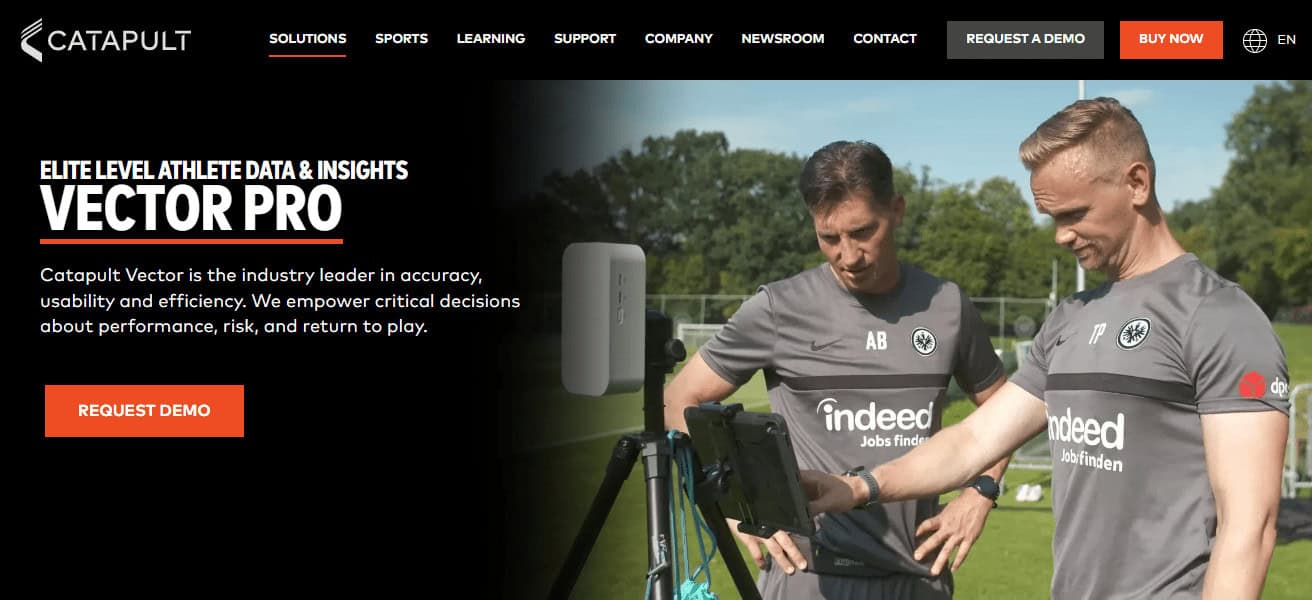
This data is used by teams to measure physical ability and assess consistency over time. It gives an informing view of fitness and recovery so scouts now can more easily determine if a player has the ability to handle professional competition.
Catapult’s technology improves talent identification by integrating physical data with performance metrics, which can enable fuller scouting assessments.
| Pros | Cons |
|---|---|
| Provides detailed GPS-based performance tracking | Requires wearable devices during training or matches |
| Measures workload, speed, and recovery accurately | Equipment and subscription costs can be high |
| Helps evaluate physical readiness and consistency | Limited insight into technical skills and tactics |
| Widely trusted in professional sports environments | Data interpretation may require trained specialists |
10. KinaTrax
Now entering the sports technology space, KinaTrax uses markerless motion capture tech to conduct real-time analysis of player biomechanics without the need for sensors.
This gives a deeper understanding of movement efficiency and postural, as well as injury potential. This is in turn used by teams to assess trait of athleticism along with long-term potential.

And KinaTrax helps scouts with the process of monitoring in-game movement in addition to other factors that can impact injury risk, allowing them to spot players exhibiting ideal athletic motor patterns.
The biomechanics element provides a scientific method of scouting talent to inform decision-making and enable teams to invest in sustainable player development.
| Pros | Cons |
|---|---|
| Offers markerless motion capture for biomechanics analysis | Expensive setup with advanced camera systems required |
| Provides insights into injury risk and movement efficiency | Limited availability across sports and leagues |
| No wearable sensors needed for tracking players | Primarily focused on biomechanics, not full performance |
| Helps improve long-term player development decisions | Requires expert analysis to interpret complex data |
In this post, we highlight briefly on the AI tools that we have chosen for sports talent scouting:
- Accuracy of Data Insights– Tools should provide accurate data-backed player performance and potential analysis.
- AI & Machine Learning Capabilities — Need more from your algorithmsPredictive growth and performance.
- Usability – Platforms should be easy to use for coaches, analysts, and scouts.
- Global Coverage – Analysis of players from different leagues, countries and competition level.
- Video & Tracking Integration– Preference is given to tools that integrate video analysis with performance tracking.
- Injury & Fitness Analysis – The durability and injury risk tools really help here for some extra edge.
- Cost vs Value – Selection achieves a balance of affordability and the features together support scouting benefits.
- Innovation & Technology — Anything involving state-of-the-art technology, such as wearing devices or computer vision, are higher up.
Final Verdict
So, In Top of that the Cognitive technologies like AI tools are changing the way professional sports teams scout new talent as they combines data, video and predictive analytics.
SMEs help to increase accuracy and minimize bias while also uncovering untapped potential in global markets.
Although they will never supplant human scouts, these technologies improve decision-making and efficiency.
AI will continue to be instrumental in smarter, speedier and more strategic player recruitment as innovation marches on.
FAQ
Why do teams use AI for talent scouting?
Teams use AI to improve accuracy, reduce bias, and make faster, data-driven recruitment decisions.
How does SciSports help scouts?
It uses predictive models to analyze performance, potential, and team fit efficiently.
What makes Hudl popular?
Hudl offers easy video analysis with automated highlights for quick player evaluation.
What does Stats Perform provide?
It delivers deep analytics and insights to assess performance and predict future success.