In this article, I will talk about the reasons businesses are replacing Salesforce with HubSpot in 2026. The reasons for getting your business out of Salesforce and into HubSpot are staggering, especially given the exponential growth of companies changing from Salesforce to HubSpot across multiple industries.
We will touch on important points such as cost reduction, ease of use, automation, integration, and scalability.
This guide is all about how you can let HubSpot now outperform the existing CRM systems, acting as an alternative for modern businesses today
Those who are looking to speed up their growth faster than most, and also cut down waste for free in the competitive digital markets of today.
Key Points & Reasons Businesses Are Replacing Salesforce With HubSpot In 2026
Lower Subscription Costs: Lower subscription costs and predictable pricing reduce total CRM expenses significantly overall
Simpler Interface Adoption: Simpler interface improves adoption across sales and marketing teams without extensive training required
Integrated Platform Efficiency: The integrated platform reduces the need for multiple disconnected sales and marketing tool stacks
Easier Automation Setup: Advanced automation workflows require less technical configuration than Salesforce implementation demands overall
Faster Implementation Cycles: HubSpot implementation is faster than Salesforce’s complex deployment cycles for businesses today worldwide
Built-in Marketing Tools: HubSpot provides integrated inbound marketing tools within a unified CRM platform ecosystem suite
Better Analytics Insights: Improved dashboards deliver real-time insights for sales, marketing, performance tracking metrics, and visibility
Lower Administrative Overhead: Reduced administrative overhead eliminates the need for large Salesforce admin teams’ cost burden
SMB-Friendly Scalability: HubSpot scales efficiently for mid-market and SMB-focused growing organizations’ business expansion needs
Stronger Integrations: Seamless integrations improve SaaS ecosystem connectivity and workflow efficiency across business tools
10 Reasons Businesses Are Replacing Salesforce With HubSpot In 2026
1. Lower Subscription Costs
With SaaS budgets rising, costs coming under scrutiny, and economic pressure at play, 2026 plans on reducing CRM spend further.
While HubSpot has a fully free tier of CRM and pricing starting very low per user, Salesforce mostly requires paid add-ons, consultants and expensive licensing to offer the same functionality.
HubSpot is also easier for many companies to control when it comes to pricing, as the model is more predictable.
It minimizes the unseen implementation costs and ongoing maintenance expenses, which makes it super appealing for startups and small to midsize enterprises aiming to optimize their operating expense.
| Feature | Explanation |
|---|---|
| Flexible pricing plans | Offers scalable plans for all business sizes |
| Free CRM option | Basic CRM features available at no cost |
| No hidden charges | Transparent billing without surprise fees |
| Reduced add-ons | Fewer paid modules needed compared to competitors |
2. Simpler Interface Adoption
Modern teams favor tools with minimal learning curves to be productive quickly. HubSpot provides a clean UI, and is intuitive for the sales & marketing teams to operate without much technical onboarding required.
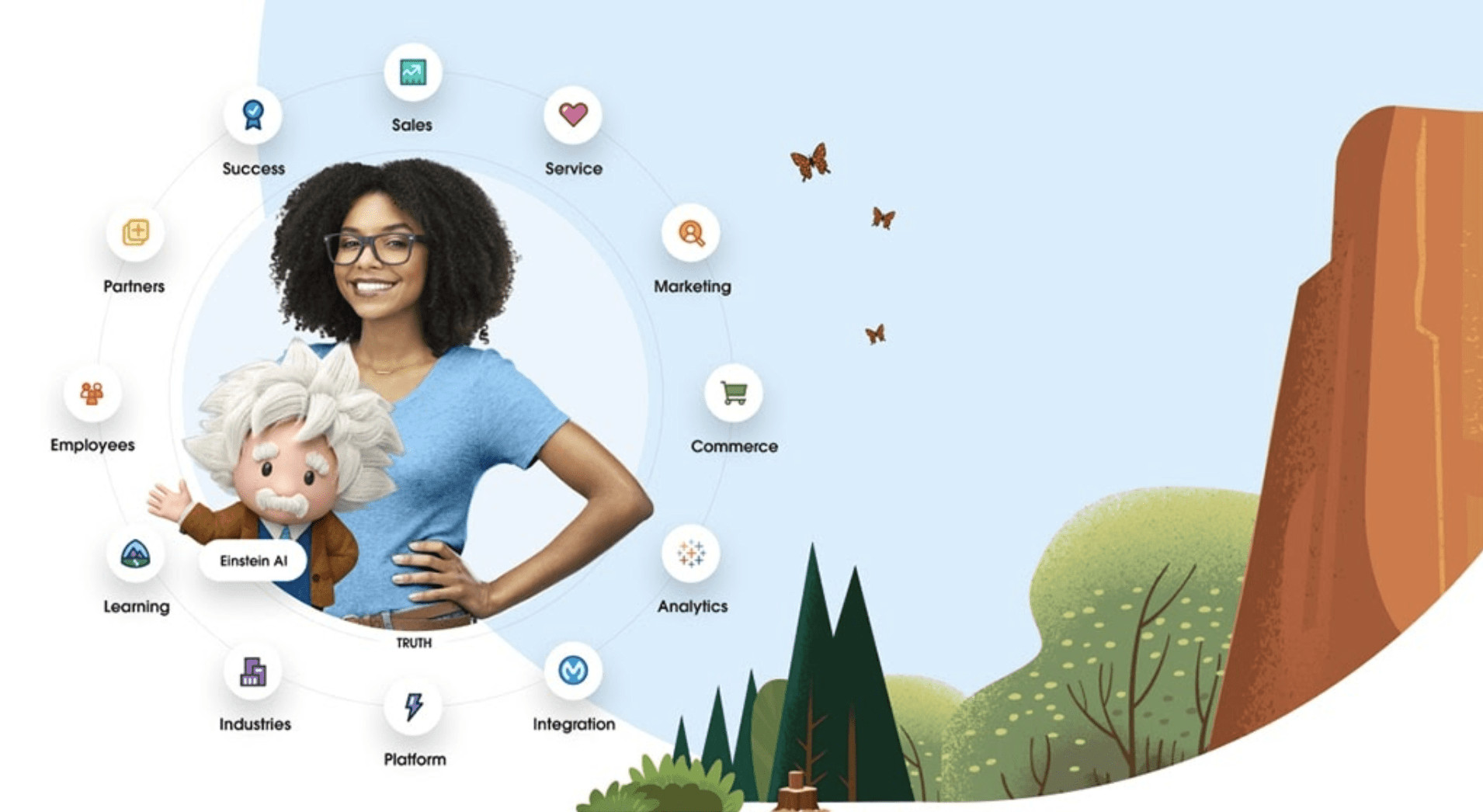
Salesforce is a very powerful software, but it also needs certified administrators and structured training. Productivity speed is critical for all teams ( remote and hybrid teams) in 2026.
HubSpot is designed to be simple enough that all departments can adopt it: thus reducing resistance to CRM access, and allowing for sales pipelines and marketing automation workflows to be aligned sooner.
| Feature | Explanation |
|---|---|
| Clean dashboard design | Easy navigation for all users |
| Minimal training needed | Teams learn system quickly |
| Drag-and-drop tools | Simplifies workflows and customization |
| User-friendly layout | Reduces operational confusion and errors |
3. Integrated Platform Efficiency
Companies are shifting from heterogeneous tech stacks to integrated platforms. HubSpot is an ecosystem that encompasses CRM, marketing automation, email campaigns, customer service, and analytics.
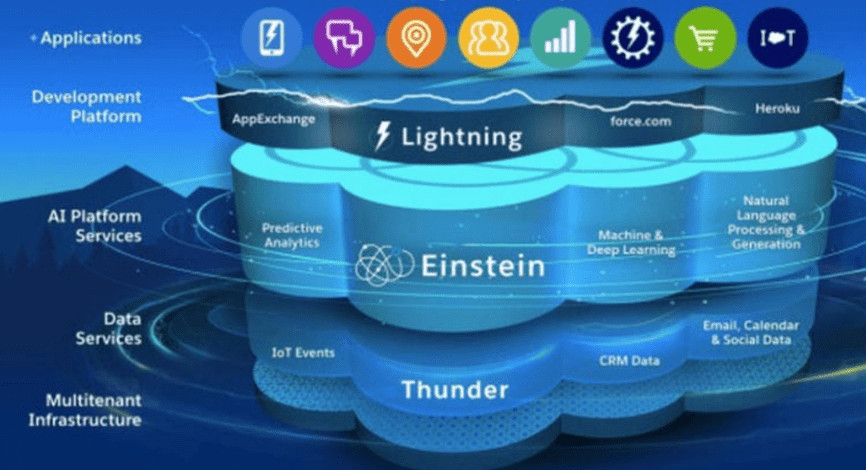
This will decrease any requirement for different third-party tools and integrations. Whereas it is often the case with Salesforce that similar functionality would involve a different cloud or some external tools.
By 2026, organizations want better operational efficiency and centralized data flow — enabling HubSpot to provide seamless cross-team collaboration and real-time visibility across the entire customer journey.
| Feature | Explanation |
|---|---|
| Unified CRM system | Combines sales, marketing, and service tools |
| Single database | Centralized customer data management |
| Cross-team visibility | Improves collaboration across departments |
| Reduced tool dependency | Eliminates need for multiple software apps |
4. Easier Automation Setup
For one, automation is key to scaling sales pipelines, but the complexity of your stack can be intimidating. Non-technical users can quickly create automation using HubSpot’s drag-and-drop workflow builder.
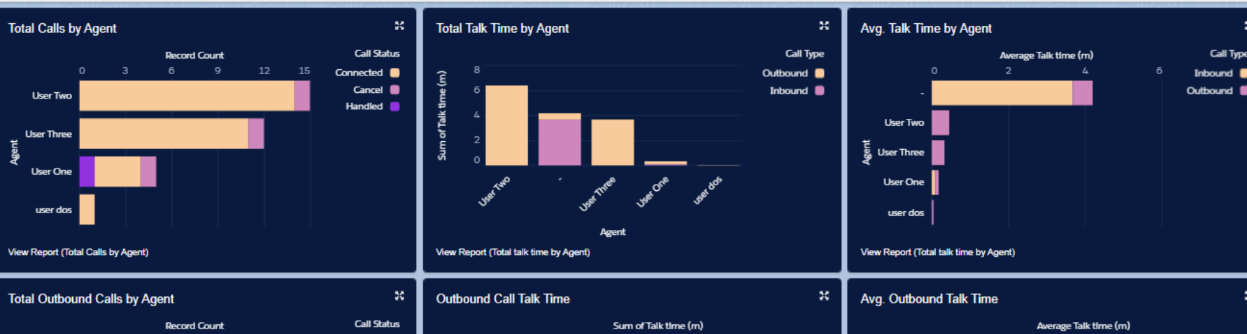
Many times, Salesforce automation is complex configuration/Apex coding/admin support. Businesses’ power users want no-code or low-code solutions in 2026.
With HubSpot, you can roll out lead nurturing, email sequences, and deal management workflows quickly without needing technical assistance most of the time, meaning less manual work, which means more sales!
| Feature | Explanation |
|---|---|
| No-code workflows | Build automation without programming |
| Pre-built templates | Ready-to-use automation flows available |
| Visual editor | Easy drag-and-configure automation builder |
| Trigger-based actions | Automates tasks based on user behavior |
5. Faster Implementation Cycles
One of the most decisive factors in CRM adoption today is time-to-value. While HubSpot can be deployed in days (or at most weeks)
Salesforce implementations also usually require months to determine necessary customizations, data migrations, consulting, etc.

Organizations are under pressure to digitize rapidly and do not have the luxury of long onboarding timelines.
HubSpot is a plug-and-play solution, which means businesses can hit the ground running to track leads, run campaigns and glean insights from data almost immediately—perfect for fast-paced organizations in competitive markets.
| Feature | Explanation |
|---|---|
| Quick onboarding | Setup completed in days, not months |
| Cloud-based deployment | No heavy installation required |
| Pre-configured tools | Ready systems for immediate use |
| Easy data migration | Simple import from old CRM systems |
6. Built-in Marketing Tools
Sep 9, 2022, at 17:32 — Marketing integration is a basic need of CRM. HubSpot offers email marketing, SEO tools, landing pages and social media management all-in-one.
Meaning no extra marketing tools to get started automating. Salesforce has marketing capabilities (often in the form of a separate product like Marketing Cloud).
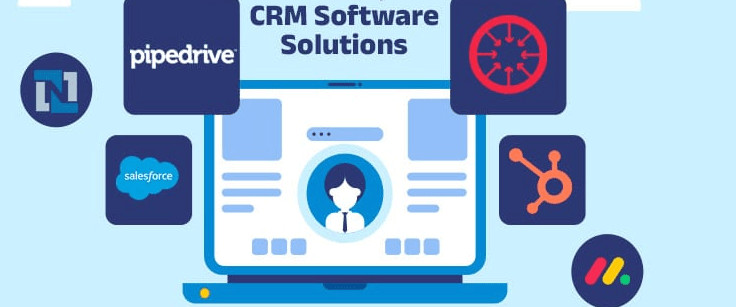
In 2026, all-in-one inbound selling ecosystems are the preferred resolution for organizations, and HubSpot collection answers their aim of lead generation
Running automatic tasks using software improvement companies’ campaign results, and cool conversational involvement is less complicated from one startup desk.
| Feature | Explanation |
|---|---|
| Email marketing tools | Built-in campaign creation and tracking |
| Landing page builder | Create pages without external tools |
| SEO optimization tools | Helps improve search rankings |
| Social media management | Manage posts from one dashboard |
7. Better Analytics Insights
Today, we live in a world where data-driven decision-making is a must for every single business. HubSpot’s relevant tool is real-time dashboards that integrate data from sales, marketing, and service in a single view.
It has a templated reporting system oriented towards non-technical utilizers which makes it easier to transition some key insights.

Analytics in Salesforce is much deeper, but it does require a more advanced configuration workflow. Businesses want actionable insights from data — not complex reporting setups — in 2026, HubSpot is another good example of simplified analytics that enables teams to easily
keep track of performance and make decisions without needing an army of specialist data analysts.
| Feature | Explanation |
|---|---|
| Real-time dashboards | Instant performance tracking |
| Custom reports | Create tailored business insights |
| Sales funnel tracking | Monitor conversion performance easily |
| Marketing attribution | Identify campaign effectiveness accurately |
8. Lower Administrative Overhead
Salesforce is a complex platform that often requires dedicated Salesforce administrators, consultants or even onsite IT support teams.
The self-service configuration and automatic updates offered by HubSpot alleviate most of this burden.
The trend in 2026 has been for businesses to cut back on their tech operations to be leaner, so operational costs are minimal.

HubSpot is a low-maintenance system that enables teams to spend their time on revenue-driving activities versus managing the system.
This decrease in administrative effort is one of the core reasons why SMBs and scaling companies are moving away from using Salesforce.
| Feature | Explanation |
|---|---|
| Automated updates | System updates without IT effort |
| Minimal maintenance | Less need for technical management |
| Self-service tools | Users manage settings independently |
| Reduced admin roles | Fewer dedicated CRM administrators required |
9. SMB-Friendly Scalability
HubSpot shifts more towards small-to-medium businesses (SMB) needing to scale without complications. It is free for companies to start with and scale up as revenues grow.
Salesforce is mainly used for enterprises with complex scenarios, and although it can be scaled up in size, Salesforce’s true potential needs to be reached where enterprise processes are quite complex.
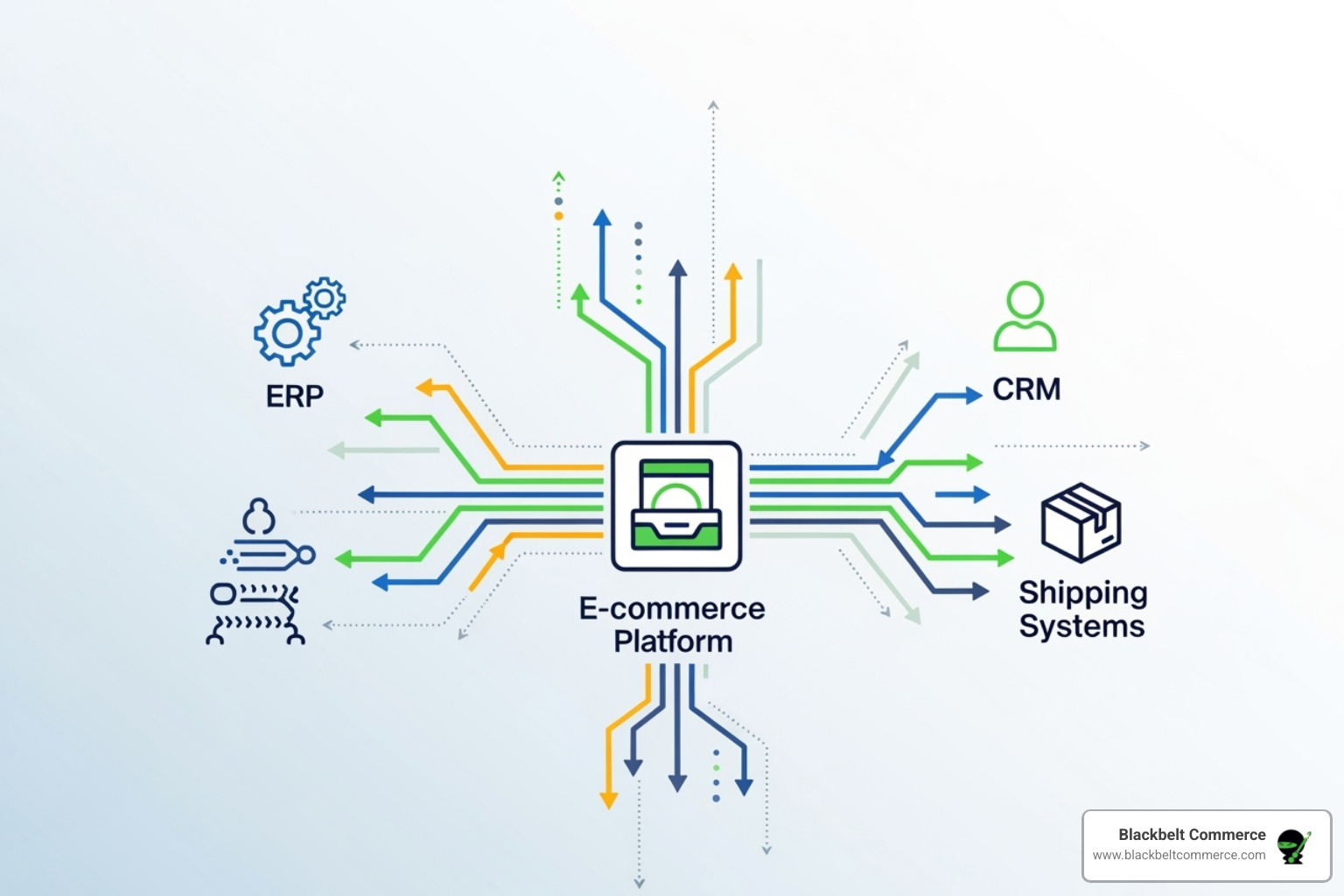
A lot of SMBs prefer for the platform that they deploy in 2026 to be scalable and grow with them with minor reconfiguration.
This combination of flexibility, affordability and usability is exactly why HubSpot is positioned as one of the best choices for growing digital-first companies.
| Feature | Explanation |
|---|---|
| Modular upgrades | Add features as business grows |
| Affordable scaling | Cost-effective expansion options |
| Flexible user limits | Easy to increase team size |
| Growth-ready architecture | Supports evolving business needs |
10. Stronger Integrations
Salesforce has a huge integration marketplace, and modern SaaS ecosystems tend towards plug-and-play connectivity.
HubSpot automatically integrates with tools like Shopify, Slack, Zoom, Gmail, and hundreds of SaaS apps without complex setup.

By 2026, enterprises want integrations that require minimal IT intervention as a result of frictionless integrations.
HubSpot provides a simple API and prebuilt connectors, making it easy for organizations to bring together their tech stack in no time — allowing for seamless data synchronization across sales, marketing, and customer service systems.
| Feature | Explanation |
|---|---|
| Pre-built integrations | Connects with popular SaaS tools |
| API accessibility | Easy custom integrations available |
| Third-party app support | Works with major business platforms |
| Seamless data sync | Real-time information sharing across tools |
Conclusion
Final Thoughts: How Are Businesses Tending to Replace Salesforce HubSpot? You have the lower cost, a simpler interface, quicker implementation, all in one platform, as compared to Salesforce. HubSpot lets you minimize the administrative overhead in return for features that are powerful, marketing-enabled, and scalable.
HubSpot is a no-brainer for SMBs or growing organizations looking to get the most out of their CRM — even in 2026, when its overall adaptability and ease-of-use shine through over Salesforce.
FAQ
Why are companies moving from Salesforce to HubSpot in 2026?
Companies are shifting due to lower costs, simpler usage, faster setup, and all-in-one CRM functionality.
Is HubSpot cheaper than Salesforce?
Yes, HubSpot generally offers lower subscription costs and fewer hidden implementation charges.
Does HubSpot have a simpler interface than Salesforce?
Yes, HubSpot has a more user-friendly interface requiring minimal training and setup.
Why is platform integration important in HubSpot?
HubSpot combines CRM, marketing, and service tools in one system, reducing software dependency.