
This article analyzes Referral Programs Turning Free Users Paid, showing how top brands use strategic incentives to build customer loyalty and boost revenue.
Using innovative referral marketing, reward systems, and gamified, personalized user experiences, companies like Dropbox, PayPal, and Airbnb have all turned free users into paying users.
Key Poinst & Referral Programs Turning Free Users Paid
- Dropbox rewarded referrals with storage upgrades, converting curious users into paying subscribers consistently.
- PayPal offered cash incentives, rapidly transforming free account holders into active paying customers.
- Airbnb provided travel credits, encouraging users to book accommodations and spend regularly online.
- Uber’s referral discounts motivated riders, increasing paid trips and long-term customer loyalty significantly.
- Robinhood gifted free stocks, attracting beginners who later invested larger amounts through platforms.
- Canva rewarded sharing invitations, helping free creators eventually purchase premium design subscriptions successfully.
- Revolut used cash bonuses, encouraging app adoption and higher-value financial service upgrades quickly.
- Notion rewarded collaborative referrals, converting teams from free plans into premium business subscriptions.
- Wise incentivized international transfers, motivating free users toward consistent paid money transfer services.
- Duolingo promoted referral rewards, encouraging learners to upgrade to premium language learning memberships.
10 Referral Programs Turning Free Users Paid
1. Dropbox
Dropbox built the most successful referral system Harvard Business School teaches about by rewarding both the user and the user’s friend with additional cloud storage.
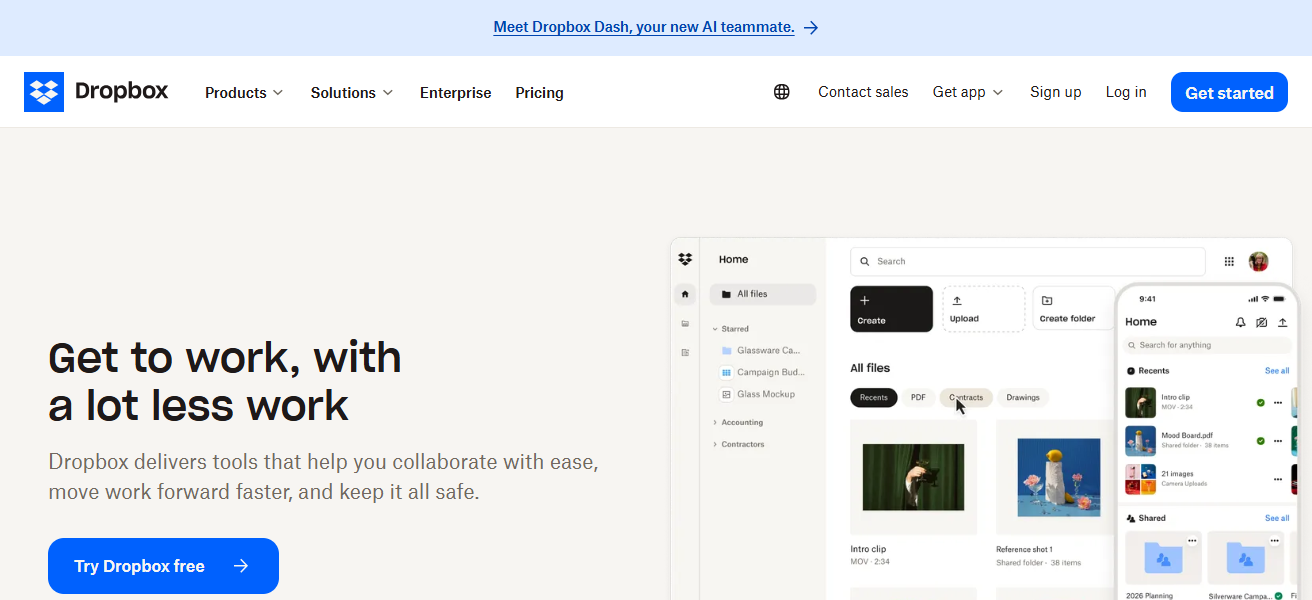
This referral strategy helped Dropbox grow from 100,000 users to 4 million in just 15 months. Even today, startups worldwide build referral programs after studying Dropbox’s integration of referrals directly into the user onboarding process with a focus on ease of use.
As of 2026, Dropbox is still developing AI productivity tools to improve its retention, showing how referral-driven growth successfully converts premium subscriptions and long-term paying customers.
Dropbox Pros & Cons
| Pros | Cons |
|---|---|
| Simple referral rewards encouraged millions of users to share quickly. | Free storage rewards eventually reduced long-term profitability margins slightly. |
| Seamless onboarding made referral participation effortless for new customers globally. | Heavy competition from Google Drive and OneDrive increased pressure significantly. |
| AI productivity integrations improved premium subscription conversion opportunities recently. | Advanced business features remain expensive for smaller startups and freelancers. |
| Strong brand trust supported long-term customer retention and loyalty growth. | Limited free storage compared with modern cloud competitors today. |
2. PayPal
PayPal disrupted digital payments with a cash-based referral system in the early years of the PayPal network, and rewarding users directly with cash accelerated their user adoption and trust.
Today, PayPal is still focused on merchant partnerships and AI commerce, and developer referrals will still prompt users to passive income.
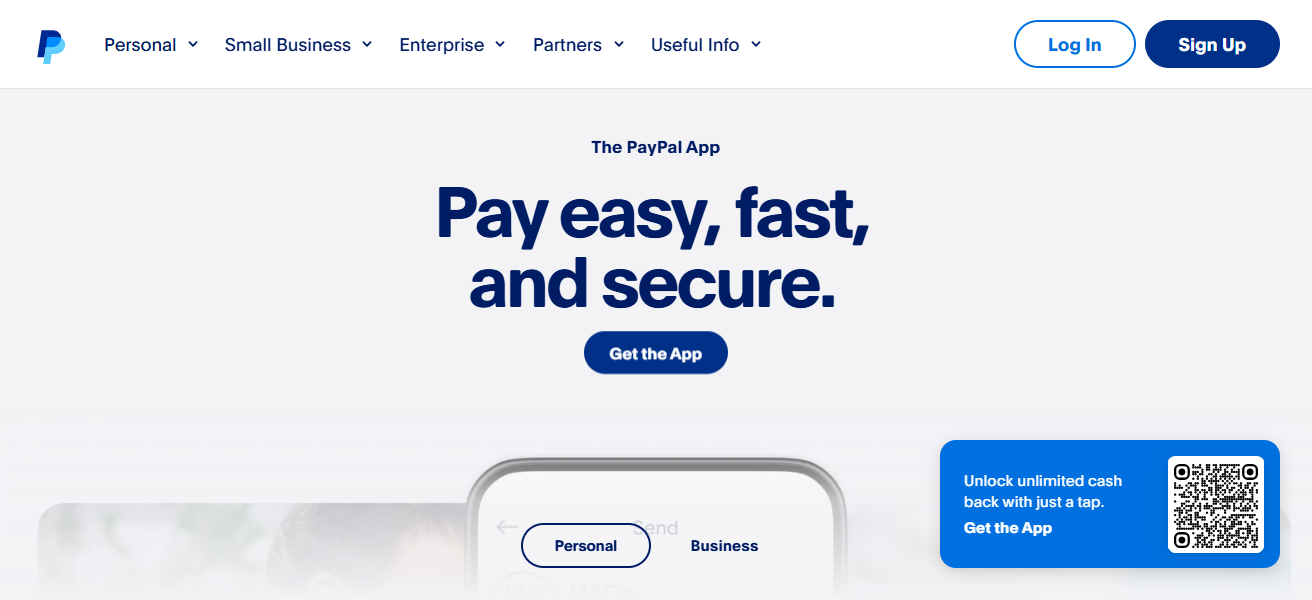
PayPal’s referral system demonstrated that rewarding users directly converts free accounts to paying accounts quickly on a global scale.
PayPal Pros & Cons
| Pros | Cons |
|---|---|
| Cash-based rewards motivated aggressive referral sharing among users worldwide. | Referral abuse and fake accounts occasionally affected campaign performance negatively. |
| Global payment recognition increased customer trust and rapid adoption rates. | Transaction fees remain higher compared with some modern fintech competitors. |
| Customer support complaints sometimes damage the overall platform’s reputation online. | Customer support complaints sometimes damage the overall platform’s reputation online. |
| A strong merchant ecosystem created additional monetization opportunities for businesses. | Account restrictions occasionally frustrate new and existing customers globally. |
3. Airbnb
Airbnb built a referral network beyond travel credits with rewards for bookings and host sign-ups. The company converted happy travelers to promoters while slashing user acquisition costs.
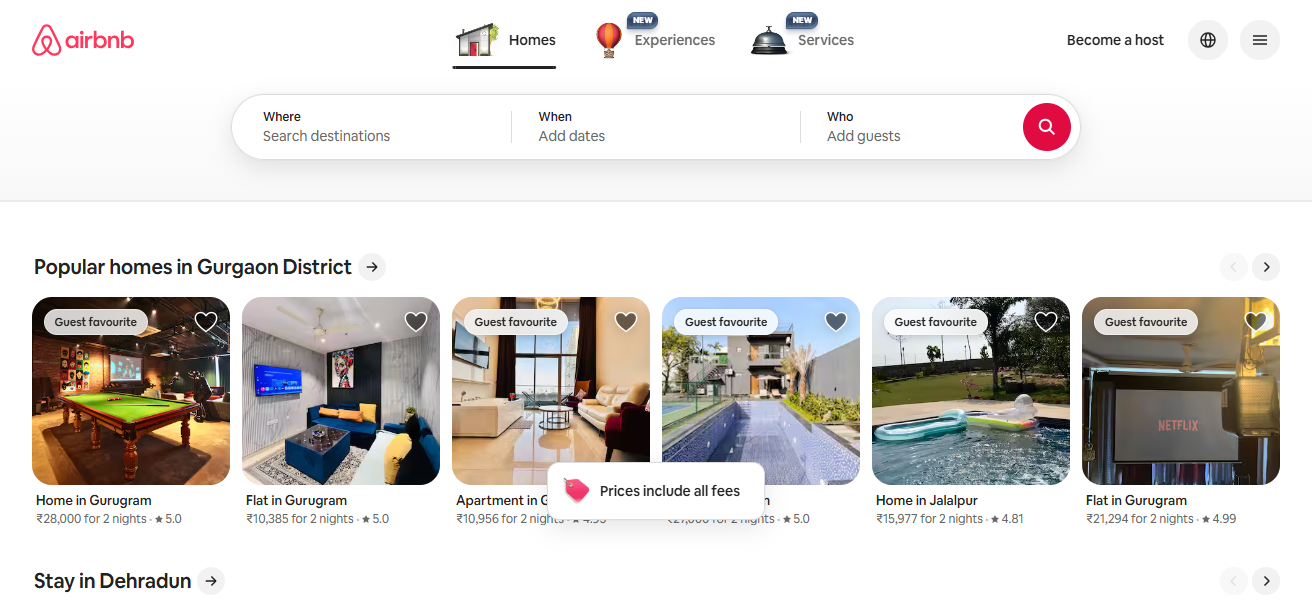
Many startups analyze the emotionally personalized invite system of referrals that has developed global user trust. Recently, the company has continued to innovate on the platform’s AI-driven tools.
Airbnb Pros & Cons
| Pros | Cons |
|---|---|
| Travel credit rewards encouraged repeat bookings and referral participation consistently. | Regulatory restrictions affect Airbnb operations across multiple global cities. |
| Personalized invitations created emotional trust between hosts and travelers naturally. | Service quality depends heavily on individual hosts and property standards. |
| Flexible booking tools improved customer engagement and retention recently. | Cleaning fees sometimes discourage budget-conscious travelers from booking regularly. |
| Referral-driven growth lowered customer acquisition costs effectively for Airbnb. | Seasonal travel demand |
4. Uber’s
By offering a referral discount where riders could get a discount for other people that they referred, Uber changed the way that people use ride sharing.
By using this referral system, Uber was able to be successful in the market of ride sharing and divert the reliance on expensive advertisements.
New businesses look to Uber for their unaided repeat investments through a rewarding system where the reward is a follow-up to the service that they provide.
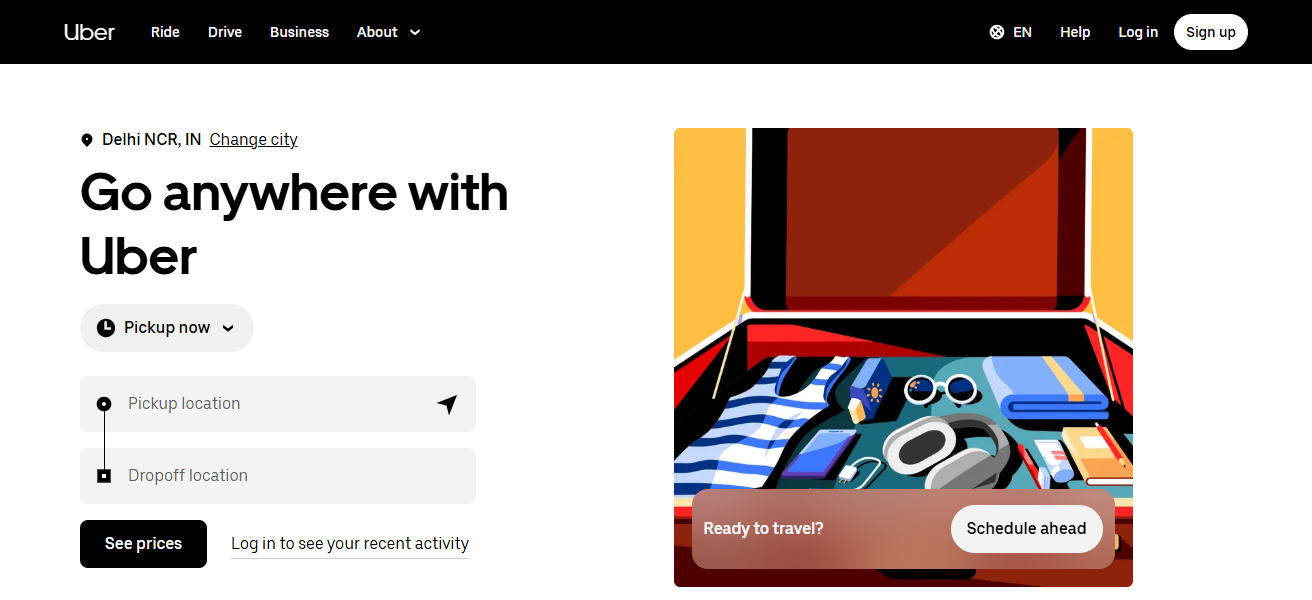
Today, Uber still uses their referral system to pay for its customer retention services like subscriptions and delivery systems.
Their original referral system is a great case study for other businesses to turn their free app into a separate system that customers must pay to use.
Uber Pros & Cons
| Pros | Cons |
|---|---|
| Ride discounts encouraged users to invite friends after successful trips. | Driver dissatisfaction occasionally impacts service quality and platform reputation. |
| Referral campaigns supported rapid global market expansion efficiently. | Surge pricing often frustrates riders during peak demand periods. |
| Subscription services improved long-term customer retention opportunities significantly. | Strong regional competitors challenge Uber’s dominance in several countries. |
| Delivery integrations increased monetization beyond transportation services successfully. | Profitability challenges remain despite continuous platform expansion globally. |
5. Robinhood
Robinhood was able to attract millions of users by offering a free stock to people who referred their app and bringing market investing to the masses.
With Robinhood’s referral system, users would become actively involved and encourage their friends to become involved as well, and share in the growing financial markets.
Businesses look to Robinhood as an example to reduce the hesitation to invest for users by using a simplification.

Recently, Robinhood added further monetization opportunities by adding retirement accounts to their app, allowing users to trade in cryptocurrency, and offering advanced trading techniques.
A great example of this is Robinhood, where the users become paying customers for the length of time that the service is offered, in financial markets, but they also gain no-cost entry to the service.
Robinhood Pros & Cons
| Pros | Cons |
|---|---|
| Free stock rewards attracted millions of beginner investors rapidly worldwide. | Gamified investing experiences sometimes encourage risky trading behavior excessively. |
| Simplified onboarding reduced barriers for first-time investment users significantly. | Platform outages during market volatility damaged customer trust previously. |
| Regulatory scrutiny continues to affect fintech investment platforms globally today. | Limited advanced research tools compared with traditional brokerage platforms. |
| Referral campaigns created strong viral marketing growth among younger audiences. | Regulatory scrutiny continues affecting fintech investment platforms globally today. |
6. Canva
Canva utilized collaboration-focused referrals to draw in creators, students, and businesses in need of efficient graphic design options.
The platform directed users toward inviting their teammates, thus exposing premium design tools to wider audiences.
Startups love Canva because referrals enabled viral growth of the product, all while users experienced no aggressive promotional bombardment.
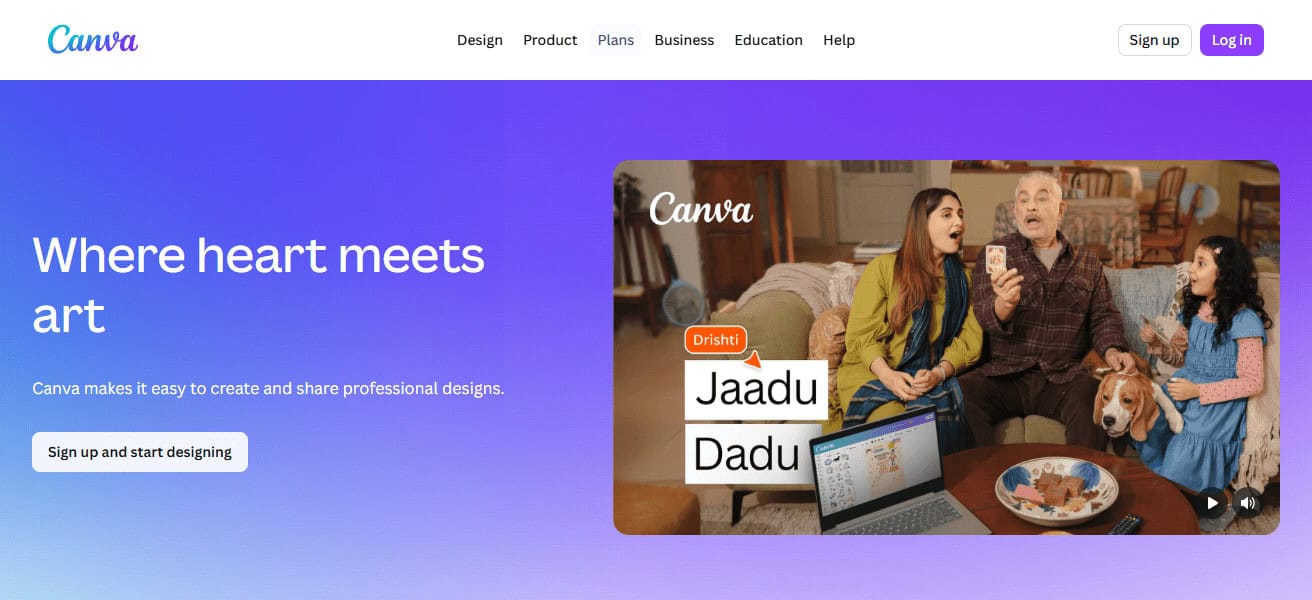
Canva has added AI design generation, video design, and enterprise collaboration tools, which have increased demand for subscriptions.
The company demonstrates how creativity and collaboration can effortlessly convert free users to paid users of a service.
Canva Pros & Cons
| Pros | Cons |
|---|---|
| Collaboration-focused referrals encouraged teams to join together naturally. | Advanced premium tools require paid subscriptions for full accessibility. |
| A large template library sometimes creates repetitive design styles visually. | Professional designers may prefer more advanced creative software alternatives. |
| Easy-to-use interface attracted creators, startups, and students globally quickly. | Internet connectivity remains necessary for most platform functionalities online. |
| Viral product sharing supported low-cost customer acquisition effectively and consistently. | Large template library sometimes creates repetitive design styles visually. |
7. Revolut
To boost rapid-growth fintech, Revolut introduced time-sensitive referral bonuses, spurring a rapid customer base expansion and prompting an even quicker user sign-up.
The strategy was an instant success, providing the new sign-ups with cash in their account. Startups admire Revolut as today’s banking, with the integration of a time-sensitive referral bonus.
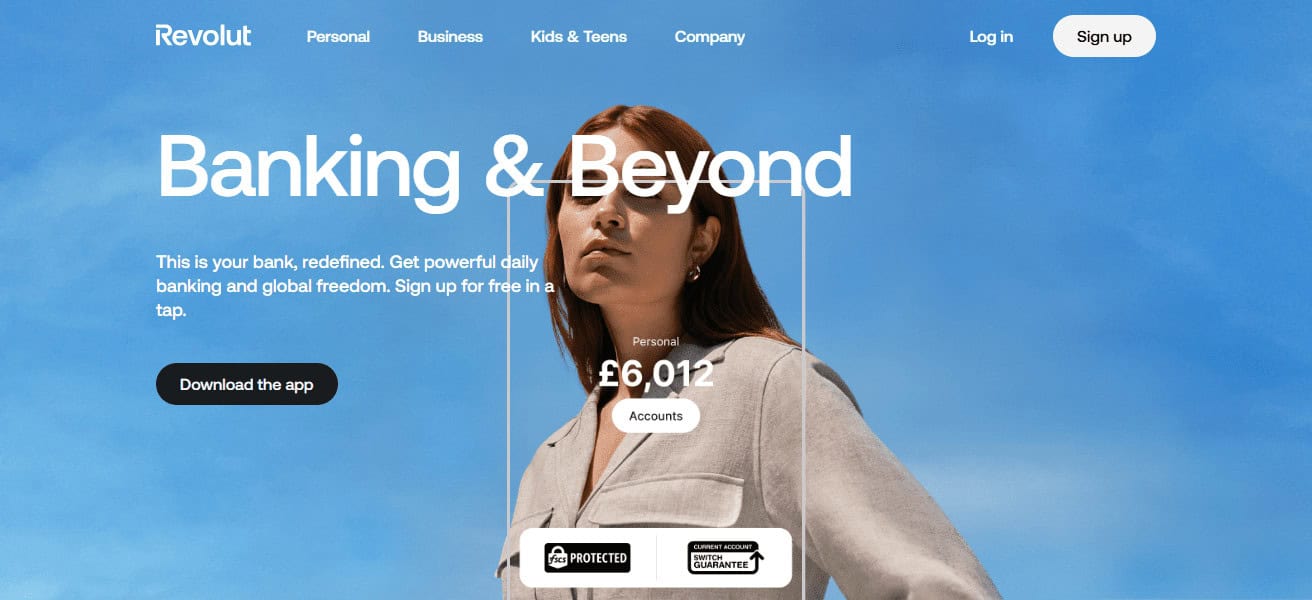
Recently, Revolut has broadened their product offering to include international travel with added benefits when booking travel, trading stocks, and AI-supported budgeting.
Its relaying success demonstrates how combining time-sensitive financial incentives with feature-rich banking offerings pushes free users to premium customers.
Revolut Pros & Cons
| Pros | Cons |
|---|---|
| Cash bonuses accelerated rapid user acquisition across international markets successfully. | Limited banking licenses create operational restrictions in certain countries. |
| Cryptocurrency and stock trading have increased customer engagement opportunities significantly. | Customer service responsiveness occasionally receives criticism from users online. |
| AI-powered budgeting tools have improved financial management experiences recently. | Premium feature access often requires expensive subscription upgrades on a monthly. |
| Travel perks attracted younger, digitally focused banking customers consistently. | Regulatory compliance challenges continue affecting fintech expansion strategies globally. |
8. Notion
Notion has increased its user base via recommendations for collaboration with large teams, students, and those working within startups.
The paradigm gradually exposed the service to its neighbors as each digital document created was another user added to the service.
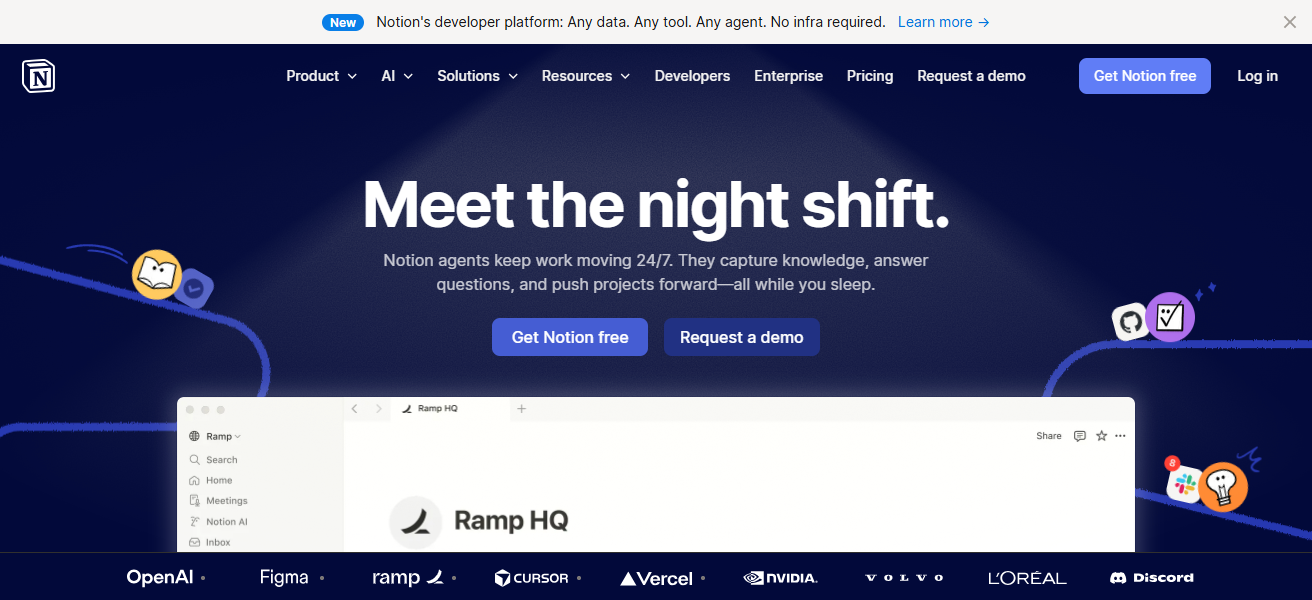
Startups appreciate Notion because of its freemium system that integrates new teams to paid productivity in a seamless manner.
More recently, Notion has fortified the service with tools for enhanced collaborative business communication and writing automations. Notion has proven to be a community-centric product with productivity and, in turn, exceptional user conversion.
Notion Pros & Cons
| Pros | Cons |
|---|---|
| Collaborative referrals encouraged organic team-based product adoption rapidly. | The initial learning curve may confuse completely new productivity software users. |
| Large workspaces sometimes experience slower performance and loading issues.The | Offline functionality remains weaker compared with some competitor platforms. |
| Flexible workspace customization attracted startups and creative professionals globally. | Large workspaces sometimes experience slower performance and loading issues. The |
| Freemium model converted growing teams into premium subscribers effectively. | Large workspaces sometimes experience slower performance and loading issues. The |
9. Wise
Innovative referral programs that use free transfers or cash bonuses as incentives made Wise a primary option for international money transfers.
Since people aimed to find customers for Wise to send cost-efficient transfers, Wise’s referral program is described in many startup books.
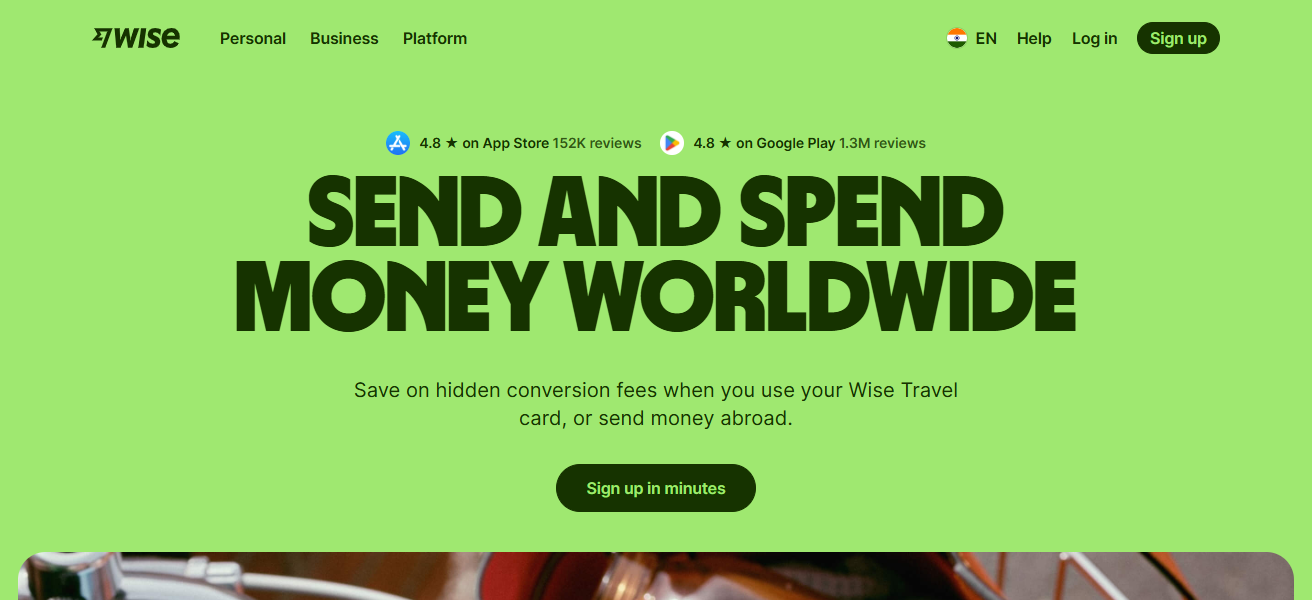
Recently, Wise’s service expansion on multi-currency business accounts, debit cards, and faster international payments was notable.
An important aspect of Wise started from a referral model, and through financial transparency and satisfying clients, they were able to monetize a loyal user base.
Wise Pros & Cons
| Pros | Cons |
|---|---|
| Transparent low fees built strong trust among international customers globally. | Limited physical banking services compared with traditional financial institutions. |
| Multi-currency accounts have benefited freelancers and global businesses significantly recently. | Currency conversion rates still fluctuate depending on global market conditions. |
| Multi-currency accounts benefited freelancers and global businesses significantly recently. | Some transfer routes experience delays because of regional banking systems. |
| Faster payment infrastructure improved customer satisfaction and retention effectively. | Advanced investment services remain unavailable on the platform currently. |
10. Duolingo
For a long time, inviting users made Duolingo’s gamified language learning program spread. Friends could then collaborate to maintain learning streaks and unlock educational features.
Since Duolingo’s invention of education-based entertainment to improve retention st a premium, gamified referrals have been a core feature of Duolingo.

Recently, Duolingo’s AI-powered initiatives, music lessons, and premium tier subscription services enhanced its global monetization of the innovation.
In the same light, the Duolingo referral program demonstrated clearly how gamification worked effectively for creating a long-term premium subscription customer base from free users.
Duolingo Pros & Cons
| Pros | Cons |
|---|---|
| Gamified referrals increased engagement and long-term learning consistency successfully. | Free version advertisements may interrupt user learning experiences frequently. |
| AI tutoring features strengthened premium subscription value significantly recently. | Advanced fluency development still requires additional real-world language practice. |
| Streak systems encouraged users to invite friends and compete regularly. | Some lessons prioritize gamification over deep grammar understanding occasionally. |
| AI tutoring features have strengthened premium subscription value significantly recently. | Premium pricing may discourage budget-conscious learners from upgrading immediately. |
Cocnlsuion
In Conclusion, one of the most effective techniques for changing free customers into loyal ones who pay for the service is having a referral program.
Companies such as Dropbox, PayPal, and Duolingo demonstrate that there are numerous advantages for the user, and customer loyalty and trust are extended with incentives.
Referral-driven growth continues to be utilized by startups because of the decrease in marketing expenditure and the increase in customer loyalty, premium subscriptions, and the manageable growth of the business in competitive, global digital marketplaces.
FAQ
What makes referral programs effective for startup business growth?
Referral programs build trust quickly because users recommend services directly to friends and colleagues.
Why do free users convert into paid customers through referrals?
Referral rewards encourage product engagement, increase loyalty, and motivate users toward premium feature upgrades.
Which company created the most famous referral marketing strategy historically?
Dropbox created one of the most successful referral systems using additional storage rewards.
How do cash-based referral rewards increase customer acquisition rates?
Cash incentives motivate faster sharing behavior, helping brands attract users without expensive advertising campaigns.