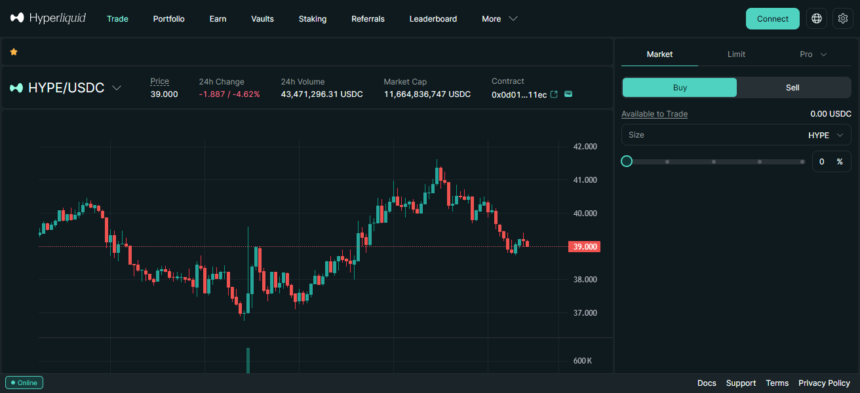
In this post , I will cover specific AI Systems That Break Down Your Bad Trades. These systems scrutinize unsuccessful trades, pinpoint errors, and identify areas for improvement with specific recommendations.
They analyze risk, psychology, execution, and market sentiment, and help traders learn from their mistakes and develop a more structured approach to trading. These systems help traders achieve success, and cultivate the discipline required for success over the long term.
Key Points & AI Systems That Break Down Your Bad Trades Step-by-Step
TradeGPT – Analyzes your trading logs, highlights mistakes, and suggests corrective strategies for improvement.
AlgoCheck – Reviews algorithmic trades, identifies faulty parameters, and explains how misconfigurations caused losses.
RiskLens AI – Breaks down risk exposure, showing where poor position sizing amplified potential financial damage.
PatternDecoder – Detects failed chart patterns, explains why signals misled you, and recommends better recognition methods.
SentimentScan – Examines market sentiment data, reveals emotional bias in trades, and advises rational decision-making.
ExecutionAudit – Reviews trade execution timing, uncovers slippage issues, and teaches precision entry and exit strategies.
PortfolioDoctor – Diagnoses portfolio imbalances, explains diversification errors, and suggests corrective asset allocation adjustments.
NewsImpact AI – Tracks news-driven volatility, explains overlooked headlines, and shows how events influenced trade outcomes.
PsychologyMirror – Identifies cognitive biases, explains emotional triggers, and guides disciplined trading mindset development.
BacktestBuddy – Replays failed trades historically, explains weaknesses, and recommends robust backtesting for future strategies.
10 AI Systems That Break Down Your Bad Trades Step-by-Step
1. TradeGPT
TradeAlgo’s TradeGPT uses artificial intelligence to help users analyze markets and track stocks and cryptocurrencies to help users analyze news.
TradeGPT’s simple functionality helps both novices and advanced users understand trends and fast flow. In addition to providing value for users on TradeGPT, side users understand
TradeGPT’s value and help users on novices beta understand better the value of Trading strategy. While some users understand TradeGPT’s value on Trading strategy
TradeGPT’s value to novices is caution thanks to automated TradeAlgo and TradeGPT in value of risk use.
TradeAlgo and TradeGPT provide value on market of tools in automated and helps in to use, value to novices and risk TradeAlgo at to provide value of loss to understand. Last, TradeGPT’s users and market on value.
Trade GPT Features
- Provides a detailed explanation of the common trading mistakes.
- Offers suggestions based on the user’s trading preferences.
- Analyzes trades on a step by step basis.
- Provides services for all levels of trading experience.
2. AlgoCheck
AlgoCheck is built to examine your trading algorithms to describe your potential shortcomings. It analyzes how participants trade (i.e. entry, exit, decision making) to see how the trade deviated from the intended strategy.
It analyzes historical trade(s) to see if there is a pattern to the arbitrary decision making, such as trading too much or trading too late, and provide explanations to the algorithmic logic to explain how to trade more profitably.
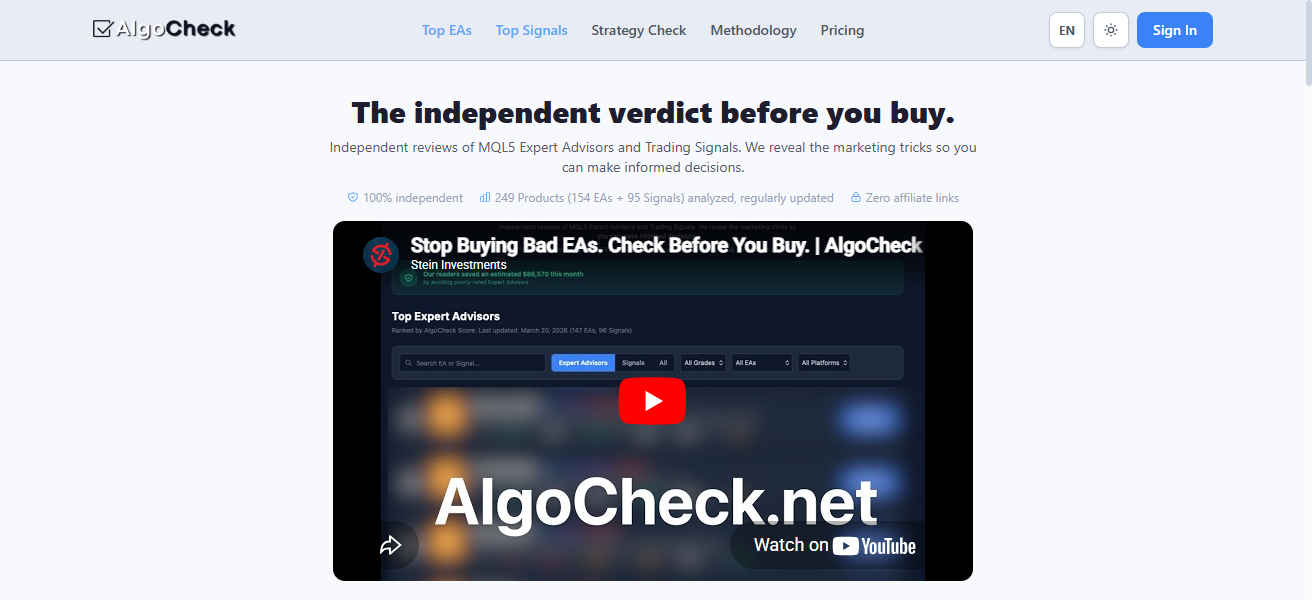
In addition, it is able to model what the trade should have looked like and how altering certain parameters would have positively affected the trade result(s).
AlgoCheck Features
- Analyzes the parameters of the algorithm for algorithmic trading for mistakes.
- Identifies the configuration mistakes that cause trading losses.
- Increases the efficiency of the automated trading system.
- Provides sufficient technical details for the programmer.
| Pros | Cons |
|---|---|
| Audits trading algorithms thoroughly, highlighting inefficiencies. | May require some technical knowledge to interpret algorithm adjustments. |
| Breaks down trades step-by-step to pinpoint recurring mistakes. | Can overwhelm beginners with detailed analysis. |
| Offers simulations to test potential improvements. | Improvements depend on the quality of input data. |
| Helps optimize strategy consistency and reduce repeated losses. | Focused mostly on algorithmic trades; less useful for manual trading. |
3. RiskLens AI
RiskLens AI evaluates and quantifies trading risk. By studying past trades, it detects the patterns and reasons of losses, including position size, stop-loss mismanagement, and exposure to volatile markets.
RiskLens AI analyzes potential risk and the opportunity to lose, then produces risk patterns and scenario analyses. Traders can see step-by-step loss risk decisions and their impacts on profits.
RiskLens AI can simulate other risk management alternatives by adjusting user leverage, position diversification, and stop-loss placement to protect risk and keep it at a profitable level.
RiskLens AI Features
- Evaluates risk in the trading system.
- Illustrates the impact of poor position sizes on losses.
- Enforces a more stringent risk management practice.
- Evaluates risk across all positions in the portfolio.
| Pros | Cons |
|---|---|
| Quantifies risk and visualizes potential trade losses. | May oversimplify complex market scenarios. |
| Identifies patterns where risk mismanagement led to losses. | Requires careful interpretation to avoid overly conservative decisions. |
| Suggests alternative risk strategies like position sizing and stop-loss adjustments. | Can encourage over-reliance on AI for risk decisions. |
| Helps protect capital while maintaining trading opportunities. | May not account for sudden market shocks or black swan events. |
4. PatternDecoder
PortfolioDoctor looks at the trading portfolio as a whole. It explains the structural weaknesses in the portfolio, such as lack of diversification, an imbalance of risk exposure, and excessive correlation.
Step-by-step reviews of all trades show how an individual trade influenced the total performance and risk of the portfolio.
PortfolioDoctor explains how to optimize returns and reduce volatility by repositioning trades and improving diversification.

It helps traders understand the effects of a trade in the long run, and not to just look at the outcome of single trades.
PortfolioDoctor combines the risk analysis of granular trades and the portfolio analysis to help traders on their decisions to improve their returns against risk and maintain a healthy investment strategy.
PatternDecoder Features
- Identifies unsuccessful chart patterns.
- Analyses the misleading signals that confuse traders.
- Improves skills in misleading signals.
- Provides strategies for chart patterns.
| Pros | Cons |
|---|---|
| Detects recurring technical patterns and misreads that lead to losses. | Limited to pattern-based and technical analysis trades. |
| Provides step-by-step trade breakdown for chart-based decisions. | Could give false confidence in unreliable patterns. |
| Improves timing and execution by highlighting misentries or missed confirmations. | Requires users to understand technical charting basics. |
| Converts historical mistakes into actionable insights for future trades. | Less effective in highly unpredictable or news-driven markets. |
5. SentimentScan
SentimentScan evaluates how market sentiment affects your trades. It uses news articles, social media, and analyst reports to determine if trades corresponded with market sentiment.
It provides detailed reports on how trades that are emotional or impulsive are misaligned with market sentiment.
The AI provides a sentiment score and tracks sentiment trending and presence of sentiment misreads leading to loss.

Traders utilize crowd behavior and emotional sentiment to enhance their strategies, giving them better time and entry decisions.
Providing traders the tools to merge technical and psychological analysis, SentimentScan helps with understanding external market developing and internal bias leading to deterioration of trading performance.
SentimentScan Features
- Studies the emotional state of the market in different dimensions.
- Identifies emotional bias that may affect trades.
- Promotes more logical and factual trading.
- Analyzes the emotional state of the market based on social media and news.
| Pros | Cons |
|---|---|
| Tracks market sentiment from news, social media, and reports. | Sentiment data can sometimes be noisy or misleading. |
| Step-by-step analysis shows trades misaligned with market psychology. | May overemphasize short-term emotional trends. |
| Helps traders incorporate crowd behavior and market psychology into strategies. | Not always predictive of market movements. |
| Provides sentiment scoring and alerts for shifts. | Requires ongoing monitoring for effectiveness. |
6. ExecutionAudit
ExecutionAudit analyzes the functionality of trading and the real-time process of executing the trades.
It highlights problems like latency and slippage, as well as partial fills and sub-optimal order placement timing, which diminish profitability.
Individual trade reviews capture the moments execution mistakes altered the results relative to the intended profit-targeting plan.

The AI offers trade optimization recommendations based on order type, timing, and broker selection. ExecutionAudit guarantees that the best trading methods and strategies will not be compromised by technical shortcomings.
By serving as a trade-forensic tool, ExecutionAudit helps traders to separate operational errors from errors in strategy, and enhances performance and discipline.
ExecutionAudit Features
- Analyzes the timing of trades in greater detail.
- Identifies slippage and delays in order execution.
- Improves accuracy of entry and exit.
- Provides performance analysis based on timestamps.
| Pros | Cons |
|---|---|
| Analyzes real-time trade execution to identify slippage or latency issues. | Focuses only on execution, not strategy quality. |
| Step-by-step review shows where operational errors affected results. | May not solve broader strategic flaws. |
| Suggests optimal order types and timing adjustments. | Effectiveness depends on broker reliability and infrastructure. |
| Acts as a trade-forensics tool to improve operational efficiency. | Can be too technical for casual traders. |
7. PortfolioDoctor
PortfolioDoctor reviews your entire trading portfolio and identifies structural weaknesses such as poor diversification, excessive correlation, and imbalanced risk exposure.
Step-by step trading reviews explain individual trades’ impact on overall performance and portfolio risk.
PortfolioDoctor explains how to optimize returns while decreasing volatility through rebalancing, modifying positions, and improving diversification.
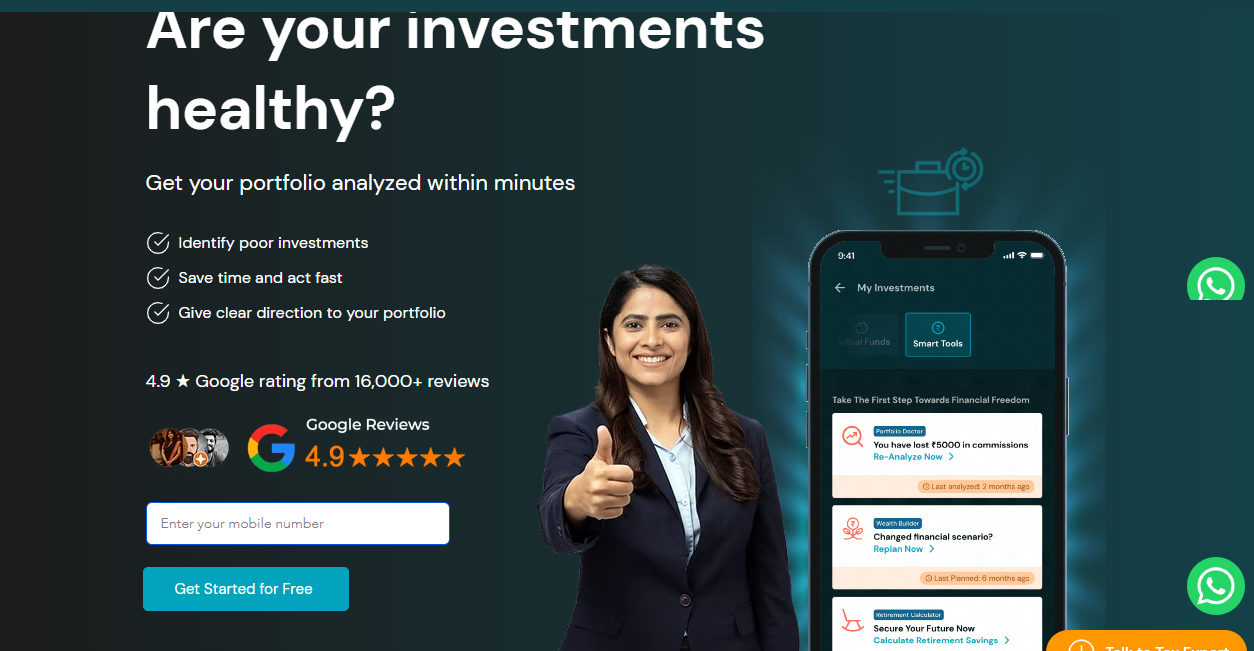
It helps traders understand the importance of long-term trade consequences instead of focusing narrowly on results from individual trades.
Integrating meticulous trade analysis and portfolio-wide reviews, PortfolioDoctor enables traders to improve risk-adjusted returns while bolstering the overall health of their investment strategy.
PortfolioDoctor Features
- Effectively Diagnoses Portfolio Imbalancing
- Clearly Explains Errors in Diversification
- Suggests Strategies for Corrective Asset Allocation
- Strengthens Portfolio’s Long Term Health
| Pros | Cons |
|---|---|
| Diagnoses portfolio imbalances | May oversimplify diversification needs |
| Suggests corrective allocation | Not tailored to individual risk appetite |
| Strengthens long-term portfolio health | Requires frequent updates for accuracy |
8. NewsImpact AI
NewsImpact AI analyzes how news events affect your trades. It examines the earnings reports, economic announcements, geopolitical events, and news to see how they affect your trades.
It gives you a detailed breakdown of how a poorly executed trade was in relation to news/events driven volatility.
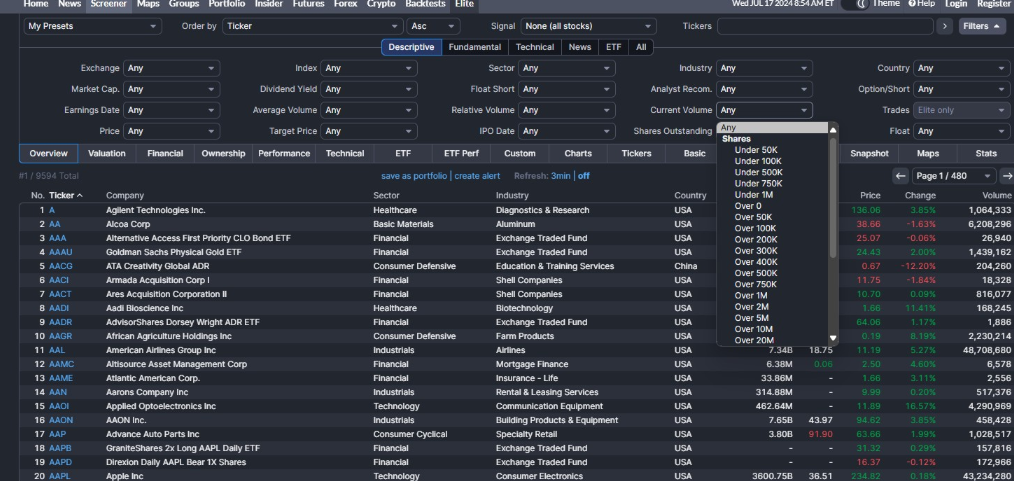
The AI uses market news to predict potential price impact, allowing traders to anticipate market movements.
By correlating news to trade results, it aids traders to know when they are results due to strategic poorly executed trade versus external events.
NewsImpact AI helps simplify market news and improve trading decisions during a volatile market.
NewsImpact AI Features
- Tracks News Based Volatility
- Explains Underreported News That Affect Trades
- Increases Awareness on External Market Elements
- Real Time Analysis on Event Driven Market
| Pros | Cons |
|---|---|
| Tracks news-driven volatility | Can misjudge long-term effects of headlines |
| Explains overlooked events | Dependent on timely news feeds |
| Improves awareness of external factors | May overwhelm with excessive alerts |
9. PsychologyMirror
PsychologyMirror focuses on the trading process by studying emotional behavior. It recognizes tendencies like impulsive entry, overconfidence, fear of loss, and revenge trading.
The AI analyzes step by step trades and captures psychological biases that lead to emotional loss. It provides alerts, describes behavior to promote self-discipline, and offers reflective practices.

It helps traders curb mentally driven errors and increases adherence to trading plans. The AI transforms self-doubt and weakness into positive self-awareness.
It gives traders behavioral coaching to retain focus, patience, and reason during emotional and stressful trading situations.
PsychologyMirror Features
- Detects Trading Cognitive Bias
- Explains The Emotions That Trigger The Action
- Aids In Developing The Mindset for Disciplined Trading
- Self Awareness and Behaviour Improvement
| Pros | Cons |
|---|---|
| Identifies cognitive biases | May feel intrusive to traders |
| Explains emotional triggers | Requires honest self-reflection |
| Guides disciplined mindset | Not a substitute for professional coaching |
10. BacktestBuddy
BacktestBuddy offers traders the ability to analyze a strategy thoroughly against historical data. BacktestBuddy analyzes each individual step to uncover strengths, weaknesses, and performance gaps.
Drawdown, win/loss and profitable metrics are measured by the AI to demonstrate at what point a strategy fails on varying conditions.
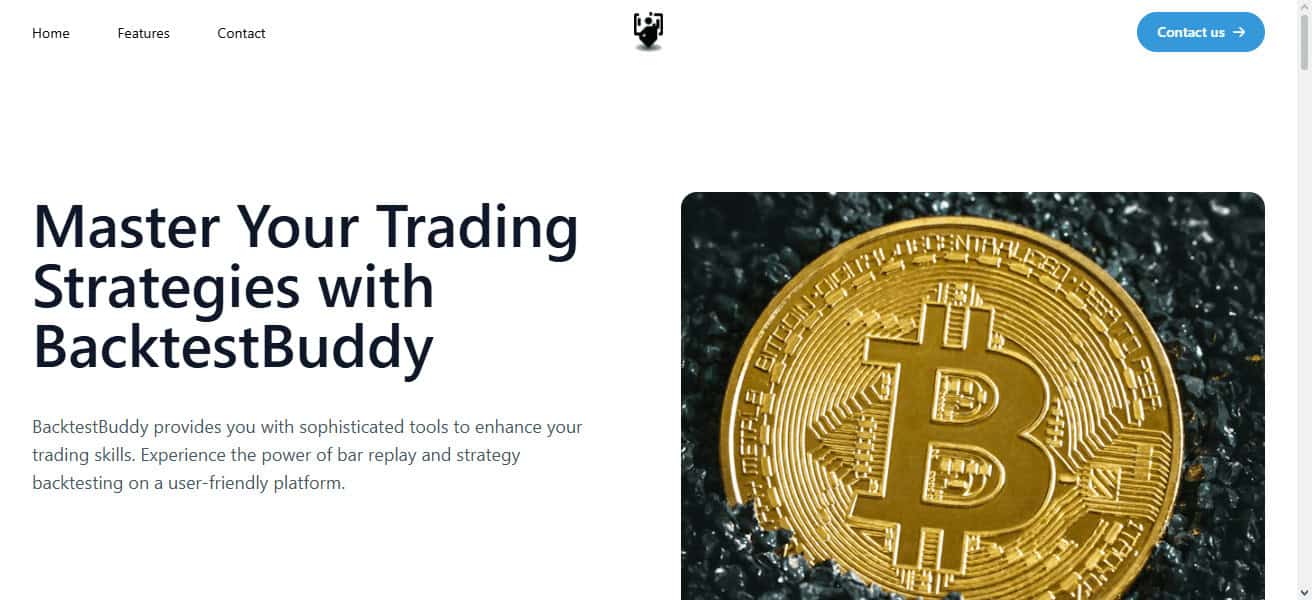
Parameter optimization is also available with BacktestBuddy to fine-tune the specifics of entry and exit rules.
Assessing the limitations of a strategy, traders can contrast the backtested results with real trades to determine what adjustments to make before implementing a strategy and risking real money.
Historical data can be transformed to actionable data which allows a trader to increase the amount of data patterns they can analyze, along with their overall confidence and consistency with their trading strategy.
BacktestBuddy Features
- Historcially Replays The Trades That Didnt Go Well
- Explains The Flaws In The Strategies
- Supports Development Of The Next Strategy
- Strengthens The Backtesting That Is Required
| Pros | Cons |
|---|---|
| Replays failed trades historically | Backtests may not predict future markets |
| Explains weaknesses clearly | Requires accurate historical data |
| Strengthens strategy development | Can encourage overfitting strategies |
How To Choose AI Systems That Break Down Your Bad Trades Step-by-Step
- Define Your Trading Style – Pick systems aligned with manual, algorithmic, or portfolio-based trading approaches.
- Focus on Weakness Areas – Choose tools that target your biggest gaps: risk, psychology, execution, or analysis.
- Check Data Requirements – Ensure the system works with the type of data you can provide (logs, charts, news).
- Balance Simplicity vs. Depth – Beginners benefit from simple explanations, while advanced traders need detailed technical insights.
- Evaluate Real-Time Capabilities – Select systems that analyze trades instantly if you need fast corrective feedback.
- Consider Integration Options – Look for tools that connect with your trading platform or portfolio management software.
- Assess Customization – Choose systems that let you adjust parameters to match your personal trading strategies.
- Review Cost vs. Value – Balance subscription fees against the practical benefits for your trading improvement.
- Prioritize Learning Support – Pick systems that not only diagnose mistakes but also teach better trading practices.
Conclsuion
To conclude, teach yourself about your mistakes using, AI Systems That Break Down Your Bad Trades Step-by-Step, refine your strategies, and gradually build your discipline.
Tools like these help your transform your failures into lessons by breaking down your risks, psychology, execution, sentiment, and portfolio health.
Using these tools repeatedly will help your decision making and help you avoid making the same mistakes over and over so you can achieve sustained success in the ever changing financial markets.
FAQ
What are AI trade breakdown systems?
They analyze failed trades step-by-step, highlighting mistakes and offering corrective insights.
How does TradeGPT help?
It explains errors in simple language and suggests tailored strategies for improvement.
What is AlgoCheck’s role?
It reviews algorithmic parameters, identifies misconfigurations, and improves automated trading reliability.
Why use RiskLens AI?
It highlights risk exposure, showing how poor position sizing amplifies losses.