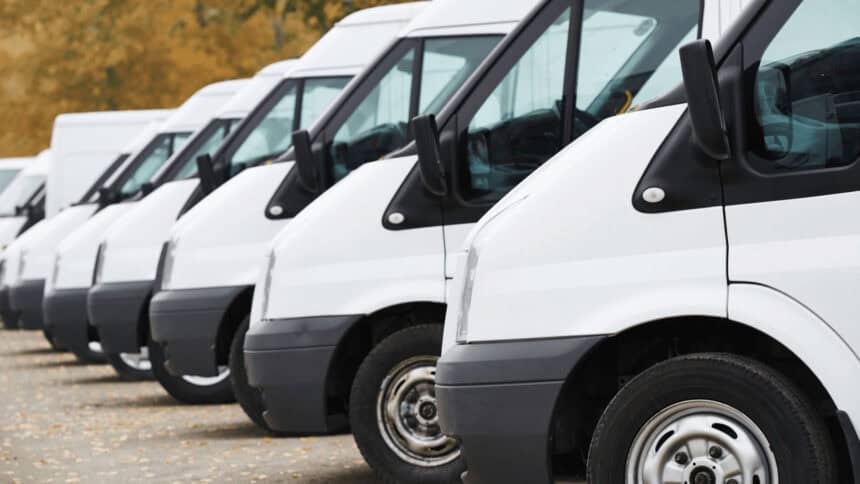
In this post, I will share insights on How To Compare Commercial Auto Insurance Quotes for Small Fleets, and give you the lowdown on key aspects of max impact to pricing, coverage options and also insurer reliability.
Lost in Translation: Learn best practices to compare various quotes, avoiding pitfalls while choosing the cheapest and most appropriate insurance policy for your small fleet business needs learnt.
Introduction
An important part of any fleet operation, small commercial fleets should have insurance to avoid financial losses due to accidents, damage or liability claims.
But many small- business owners struggle to compare quotes, as policy terms may be confusing, coverage options may differ and pricing between insurers can vary widely.
The lack of solid guidance means that a policy is often chosen that is too expensive or does not offer enough cover.
In a nutshell, our goal with this article is to help fleet owners easily compare commercial auto insurance quotes and save costs with confidence.
Key Coverage Options To Compare
Liability coverage: bodily injury and property damage Liability coverage covers the injuries and property damage you can cause to others in a covered accident, helping protect your business against lawsuits, legal costs and significant financial losses.
Physical damage protection: collision and comprehensive Physical damage includes collision and comprehensive. These policies cover some of the costs to repair or replace your vehicles after accidents, theft, vandalism, fire or natural disasters.
Uninsured/underinsured motorist coverage This coverage helps your business in the event that someone collides with your vehicle who doesn’t have insurance or has insufficient coverage, meaning you still have financial compensation for damages and injuries.
Medical payments coverage Medical payment coverage pays for doctors’ bills for any driver or passenger injured in an accident, regardless of who was at fault and can help reduce immediate out-of-pocket healthcare costs your business may incur.
Specific add-ons: roadside assistance, rental reimbursement, cargo coverage Optional add-ons, such as roadside assistance and rental reimbursement, offer additional protection against breakdowns or the need for temporary car replacements, while other specialized protections (commonly used in commercial insurance) cover things like cargo items being transported.
Factors That Influence Premiums
Fleet size and vehicle type The risk goes up with larger fleets and heavier or specialized vehicles, meaning overall higher insurance premiums.
Driving history and claims record Insurance premiums and discounts are generally lower for motorists with clean records and fewer claims.
Location and operating radius Because accidents are more probable in urban settings and long-distance operations, insurance premiums increase.
Safety features (GPS tracking, driver training programs) GPS tracking and safety training improve risk profiles, making businesses eligible for cost savings.
Deductibles and policy limits Higher deductibles reduce the premiums, but higher coverage limits increase overall insurance costs for businesses.
How To Request and Review Quotes

Collect consistent data before you request quotes
Be ready with correct business, vehicle and driver information in advance so that insurers can provide accurate, consistent and comparable commercial auto insurance quotes for your small fleet.
Quotes to cover your needs overview
Use the quotes to compare insurance pricing, coverage options and benefits — at least three quotes from different insurers or brokers.
Get quotations that are for the same coverage levels to make a fair comparison
Ensure all quotes have identical coverage limits, deductibles and addons so you can compare pricing directly without the false differences in protection.
Examine more than the price: consider exclusions, restrictions and customer service reputation
In addition, research any policy exclusions, coverage limitations and the insurer’s reputation for handling claims and providing ongoing support – low prices also mean little if an insurer isn’t there to help you in going through with a claim when needed!
Comparing Quotes Effectively
Take notes of the comparisons (coverage, limits, deductibles, premiums) Create a simple chart to compare quotes side-by-side and highlight any differences in coverage, limits, deductibles, and premiums so that you can find the right fit for your needs.
Consider insurer dependability and stability Ensure they’re able to process claims in a timely and reliable manner over the long run by checking insurer ratings/financial stability and market reputation.
Keep fleet growth or turnover in mind Select a managed policy allowing you to add or remove vehicles at any time without extra charges enabling your fleet to grow and change with the needs of your business.
Communications Claims process and turnaround time.criteria Tip 2: Evaluate Claims Management Process (Speed of Settlement and Quality of Support): Review in detail how quickly insurers settle claims, the time taken to process a claim, and the quality of support they provide.
Common Mistakes To Avoid

Make a comparison chart (coverage, limits, deductibles, and premiums) Create a simple chart to compare coverage, limits, deductibles and premiums of quotes received, so you can easily see differences between them and select the best one.
Evaluate insurer reliability and financial strength Review insurers’ ratings, financial stability and reputation in the market to determine whether they will be able to process claims efficiently and continue being reliable over the long term.
Be flexible — plan to account for fleet expansion or adjustments Find a policy that lets you add or remove vehicles based on your business and the coverage remains appropriate.
Assess claims process and the turnaround time Ensure minimal interruption and quicker recovery post an accident or loss, by checking the speed at which insurers process claims as well as supporting the quality.
Tips for Negotiating Better Rates
General liability + workers comp + property insurance (Bundle policies)
One way that some businesses can save money is by bundling several business insurance policies with one insurer, which may provide discounts and simplify policy management.
Use fleet safety programs to mitigate risk
Implement driver training and safety initiatives to mitigate risk, increasing qualifications for discounted insurance coverage.
Inquire about clean driving record or telematics discounts
Ask about discounts for clean driving records and telematics systems to rate your drivers. Take a look at policies annually to adjust coverage
Pros & Cons: How To Compare Commercial Auto Insurance Quotes for Small Fleets
| Pros | Cons |
|---|---|
| Helps identify the most cost-effective insurance policy for your fleet | Time-consuming process when collecting and analyzing multiple quotes |
| Ensures better coverage by comparing policy details and limits | Confusing policy terms and conditions can make comparison difficult |
| Highlights hidden fees, exclusions, and limitations across insurers | Requires detailed and accurate business information to get precise quotes |
| Encourages informed decision-making, reducing financial risk | Some insurers may not provide transparent or comparable quotes |
| Helps discover discounts like bundling or telematics savings | Cheapest option may still lack essential coverage if misunderstood |
| Improves long-term cost management and policy flexibility | Frequent updates needed as fleet size or business needs change |
| Enables better negotiation with insurers using multiple quotes | Comparing too many options can lead to decision fatigue |
| Supports selection of reliable insurers with strong claim support | May require professional help (broker), adding extra costs |
Conclusion
To sum up In comparison, when comparing commercial auto insurance quotes for small fleets, careful consideration should be given to coverage, costs and reliability of the insurer.
By streamlining quotes, assessing core components and learning from past errors, firms can find the right equilibrium between coverage and cost.
And a strategic approach not only lowers risks, but also provides long-term savings and empowers fleet owners to make informed, confident insurance choices.
FAQ
What is commercial auto insurance for small fleets?
It is insurance coverage designed to protect multiple business vehicles from accidents, damages, and liability risks.
How many quotes should I compare?
It’s recommended to compare at least three quotes to get accurate pricing and coverage options.
What coverage is most important for fleets?
Liability coverage is essential, but collision and comprehensive coverage are also important for full protection.
Can I lower my fleet insurance premium?
Yes, by improving driver safety, increasing deductibles, and using telematics or tracking systems.